Built for real workshop work
PlasmaCutter started with a simple idea: people need cutting equipment that works day after day, not just on the day of delivery. We focus on handheld and CNC plasma cutting solutions that suit how South African businesses actually work, from small fabrication bays to busy production floors. Our work is shaped by the realities of load-shedding, dusty workshop conditions, coastal humidity for clients moving stock through the ports, and the pressure to keep jobs moving when a deadline is close.
We are based in Vereeniging and serve clients across Vereeniging, Vanderbijlpark, Sasolburg, Meyerton, Alberton, Germiston, Bloemfontein and Welkom. That means we understand the mix of heavy industry, transport repair, steel work and general fabrication that drives this region. We do not believe in overcomplicating things. If a client needs a machine assessed, a torch repaired or a CNC table checked, we get on with it properly and explain the next step in plain language.
What we stand for on every job
Our values are practical. First, do honest work. Second, give clear guidance. Third, keep equipment performing for as long as possible. A plasma cutter is only useful when it is set up correctly, maintained on time and matched to the right consumables, air supply and operator skill. That is why our support is built around making machines easier to own, not harder.
- We give straightforward advice on machine selection, setup and daily use.
- We look for the cause of recurring faults, not only the symptoms.
- We focus on cut quality, service life and safe operation.
- We support both hobby users and high-output production teams.
- We aim to reduce downtime, wasted consumables and repeat callouts.
Clients often come to us after trying to push a machine too hard or running it in conditions that shorten its life. We help them reset the basics, from clean air supply to correct torch angles and proper maintenance intervals. That saves money and it keeps the work moving.
How our team supports your cutting work
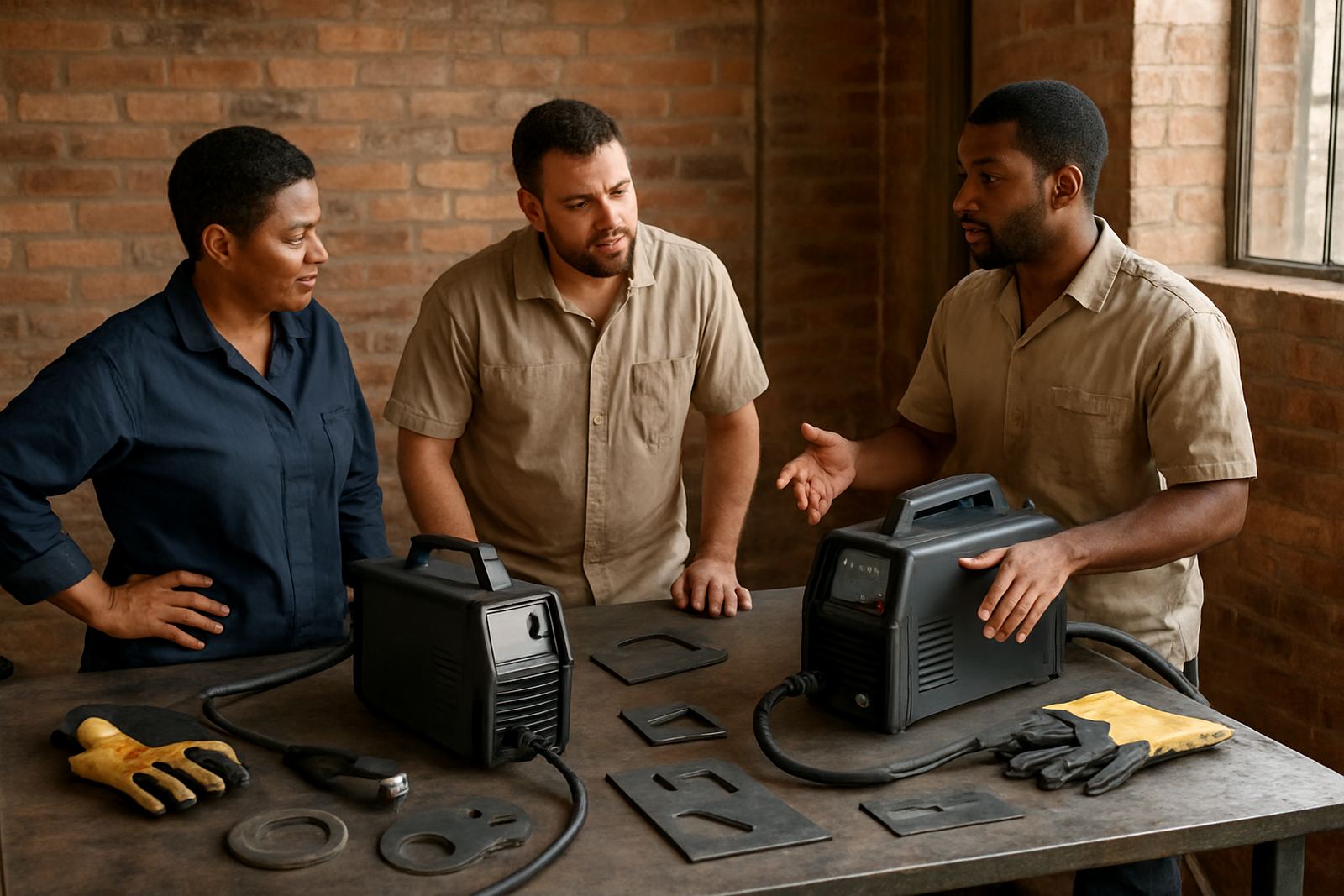
Our team combines sales, technical support, field service and training so clients do not have to speak to five different people to get one job done. Marius van der Merwe leads the business with a hands-on approach, while Kgomotso Mhlongo supports clients through product selection and order planning. Johan Botha handles technical assessment and repair direction, Phenyo Diale keeps client communication organised, Ruan Visser attends field service work, and Naledi Selebalo handles demos and operator training. It is a small team by choice, which means less passing around.
We work with the mindset that every site is different. A fabrication shop in Alberton may need fast consumables supply and regular cut quality checks, while a municipal contractor in Sasolburg may need machine commissioning, height control calibration and maintenance planning around shift work. In Bloemfontein or Welkom, clients may prefer scheduled service visits that reduce stoppages and limit travel delays. We adjust to the site, not the other way around.
That approach also applies to communication. When a client sends an enquiry through our contact page, we take time to understand the machine, the material thickness, the current fault and the production pressure behind the request. Then we recommend the next step clearly, without guesswork.
Services that keep equipment earning
Plasma cutting systems need regular care if they are expected to cut accurately and last. We support the full life of the machine, from first setup to ongoing maintenance and repairs. Our services are designed for workshops that cannot afford avoidable stoppages or poor edge quality.
- Torch Repairs and Power Source Repairs
- Preventive Maintenance and Consumables Checks
- Air System Inspection and Cut Quality Audits
- CNC Table Servicing and Height Control Calibration
- On Site Breakdowns and Machine Commissioning
- Operator Training and Spares Supply
A lot of cutting problems come down to the basics. Moisture in the air line, worn consumables, poor earth connection or incorrect settings can all affect the cut. We check those points carefully before recommending parts replacement. That keeps costs down and helps the client understand what needs attention now and what can wait a bit longer.
Why local support matters in Gauteng and the Free State
South African workshops work under different pressures to those in larger overseas markets. Power interruptions, transport delays, mixed skill levels and changing production schedules are part of the job. That is why local support matters. Clients in Vereeniging and Vanderbijlpark often need quick turnaround on repairs, while sites in Meyerton, Germiston and Alberton may require planned visits that fit around production windows. Further out, clients in Sasolburg, Bloemfontein and Welkom may need proper preparation so the first visit solves the problem.
We also know that workshop conditions affect machine life. Fine dust, heat, poor airflow and compressed air issues can all shorten service intervals. In some areas, especially where humidity is higher, clients need to be more careful with storage, drying and routine inspection. We talk through these realities because they matter more than fancy promises. A machine that is treated well will give cleaner cuts and fewer surprises, simple as that.
Our local presence also helps with training. Instead of rushing through a short handover, we take time to show operators how to use the equipment safely and consistently. That includes set up, material prep, torch handling, consumables care and basic fault spotting. When operators know what to watch for, small issues are caught before they become expensive ones.
The way we work from first call to final check
We keep the process practical. The goal is to understand the job, inspect the equipment properly and give the client a clear plan. For some clients that means supplying spares and walking them through a fix. For others it means a site visit, a repair, a calibration and a follow-up check once the machine is back in use.
- We start with the enquiry and gather the details that matter.
- We assess the machine condition, duty cycle and site setup.
- We recommend the right service path, parts or training.
- We carry out the work with an eye on cut quality and uptime.
- We follow up where needed so the issue does not return.
That method is simple, but it works. Clients know what is happening, why it is happening and what the expected outcome should be. There is no need for confusion or long delays. If a machine needs more than one visit, we say so clearly. If a basic adjustment will solve the problem, we say that too. A good supplier should save time, not waste it.