Start With The Work You Need To Cut
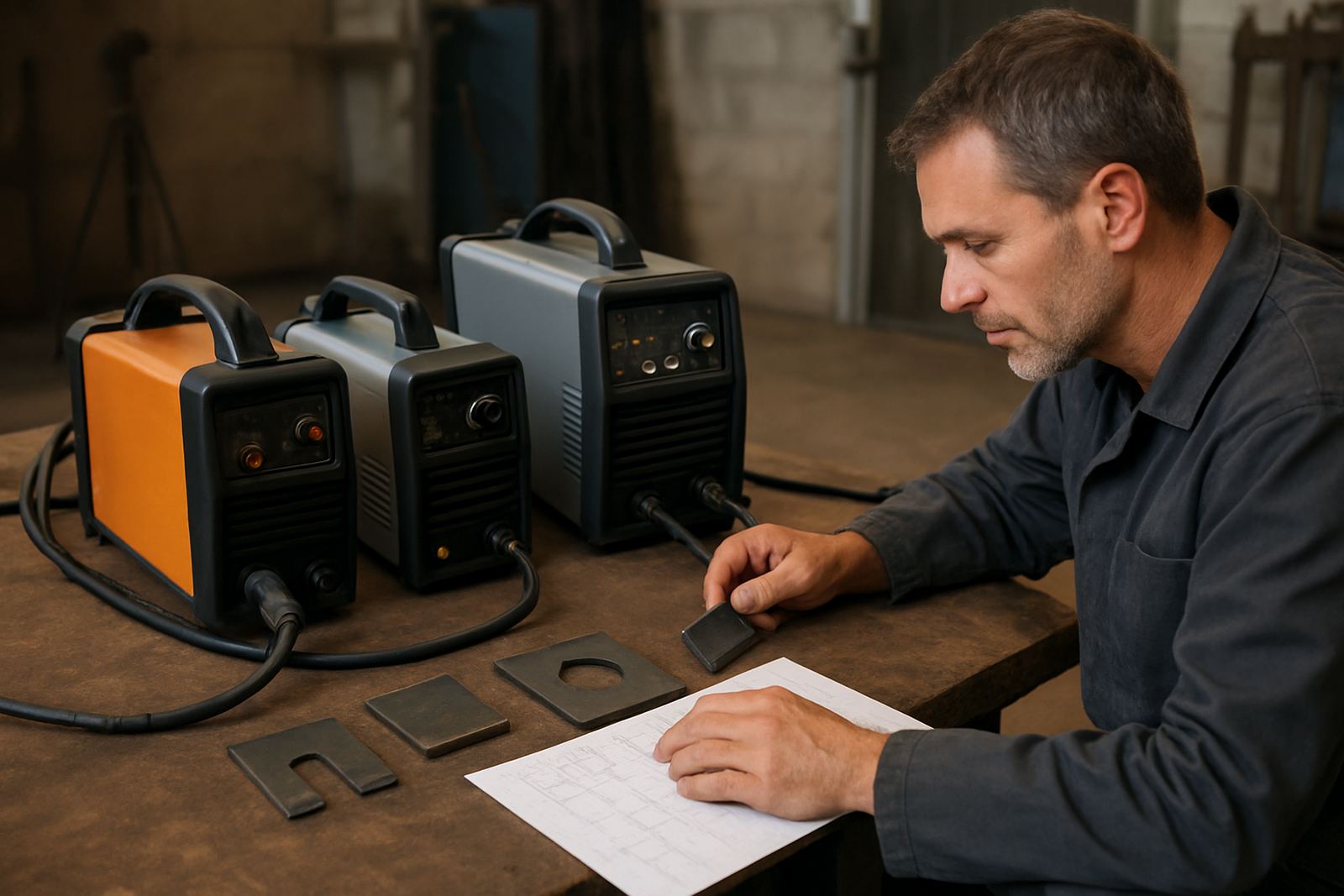
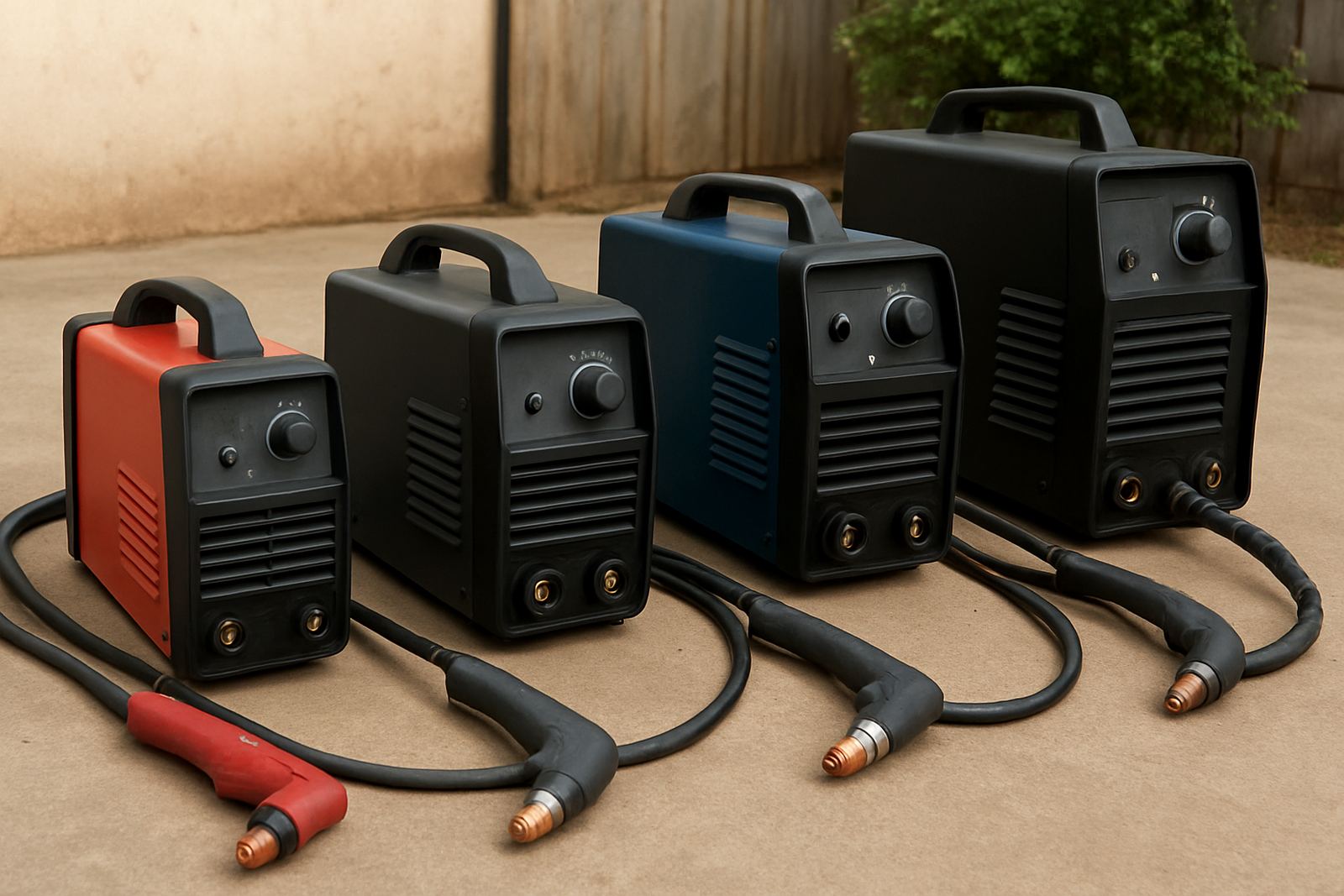
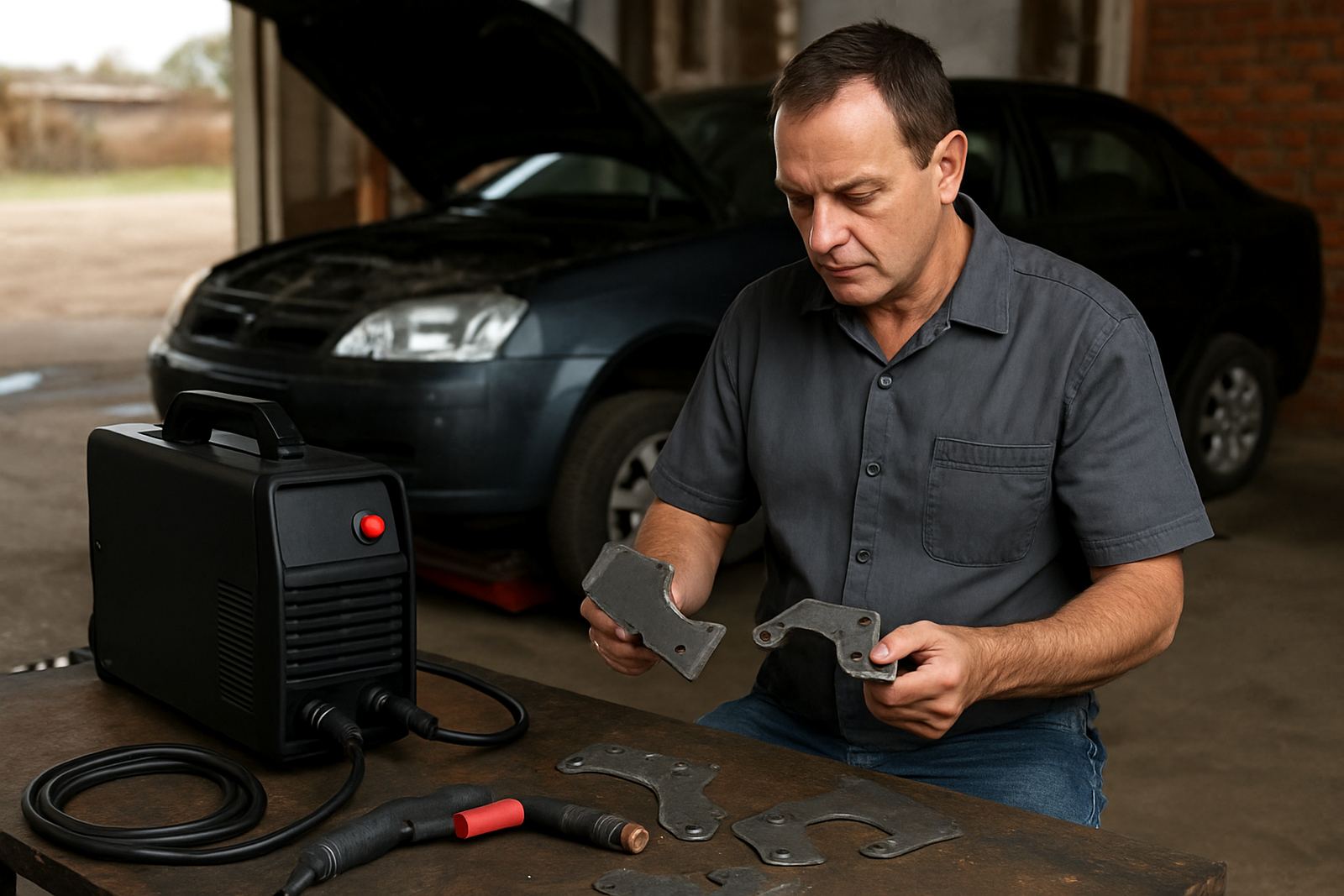
The best buying decision starts with the material on your floor. Thin sheet, mild steel plate, stainless, aluminium and repeated production cutting all ask for different output, duty cycle and torch setup. If you are only cutting light bracket work in a small workshop, a compact handheld unit may be enough. If you are running daily fabrication in Vereeniging, Vanderbijlpark or Germiston, you may need a machine that can hold cut quality through longer shifts.
Look at thickness first, then speed, then finish. A machine that can cut 16 mm in a brochure may still feel slow on 10 mm plate if you need clean edges and fewer slag marks. For repeated work, check how it handles starts and stops, and whether it stays consistent when the workshop is hot or the power supply is not ideal.
Handheld Or CNC: Which Setup Suits Your Workshop
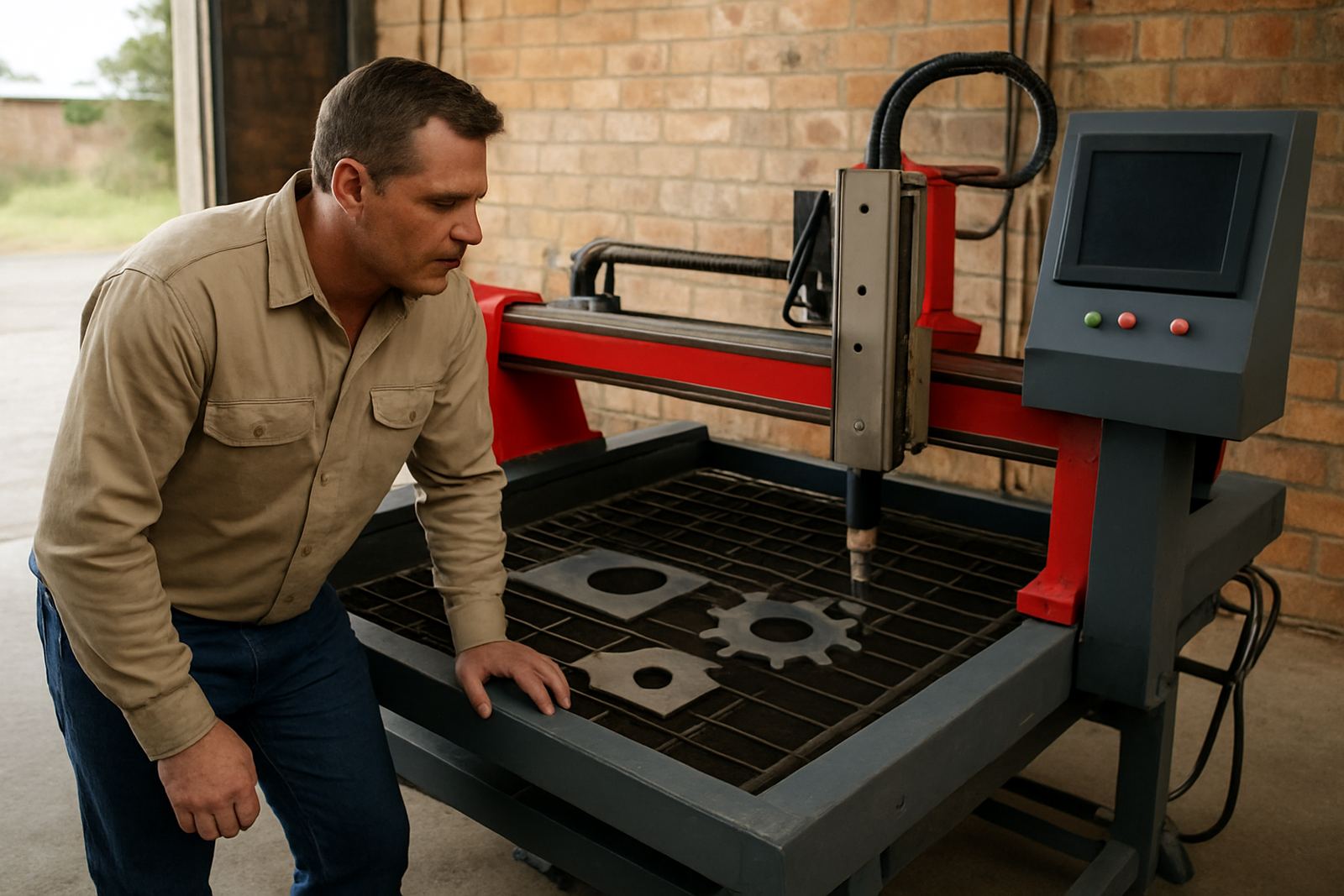
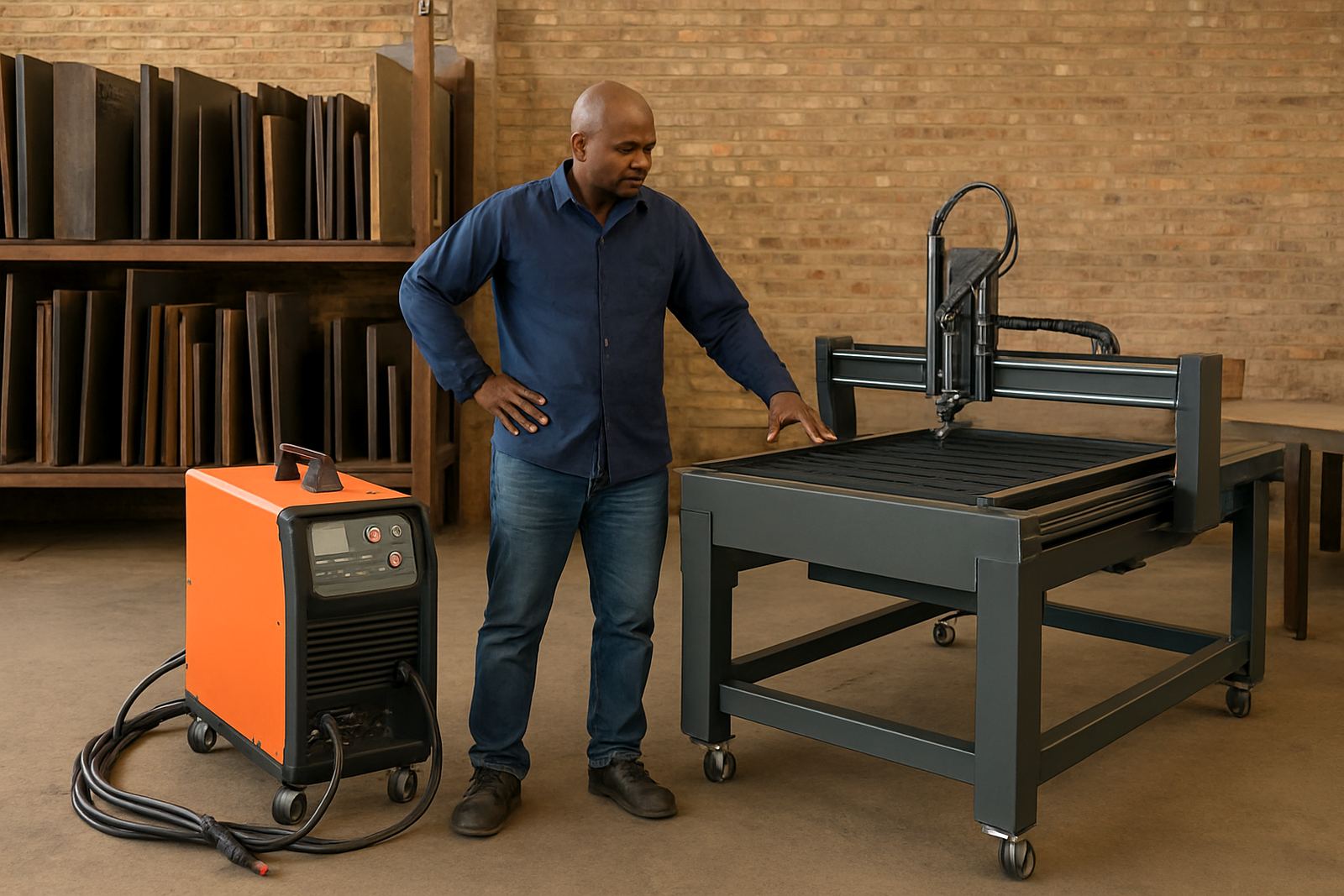
Handheld plasma cutters suit repair shops, site work and general fabrication where flexibility matters. CNC plasma systems suit cutting tables, repeat parts and production runs where accuracy and layout control save time. In places like Sasolburg and Welkom, many buyers choose a handheld machine first, then move to CNC once orders become regular and cutting volume grows.
- Choose handheld if you need mobility, quick setup and mixed repair jobs.
- Choose CNC if you need repeatable parts, nesting efficiency and tighter tolerances.
- Choose both if your workshop does repair work and batch cutting for customers.
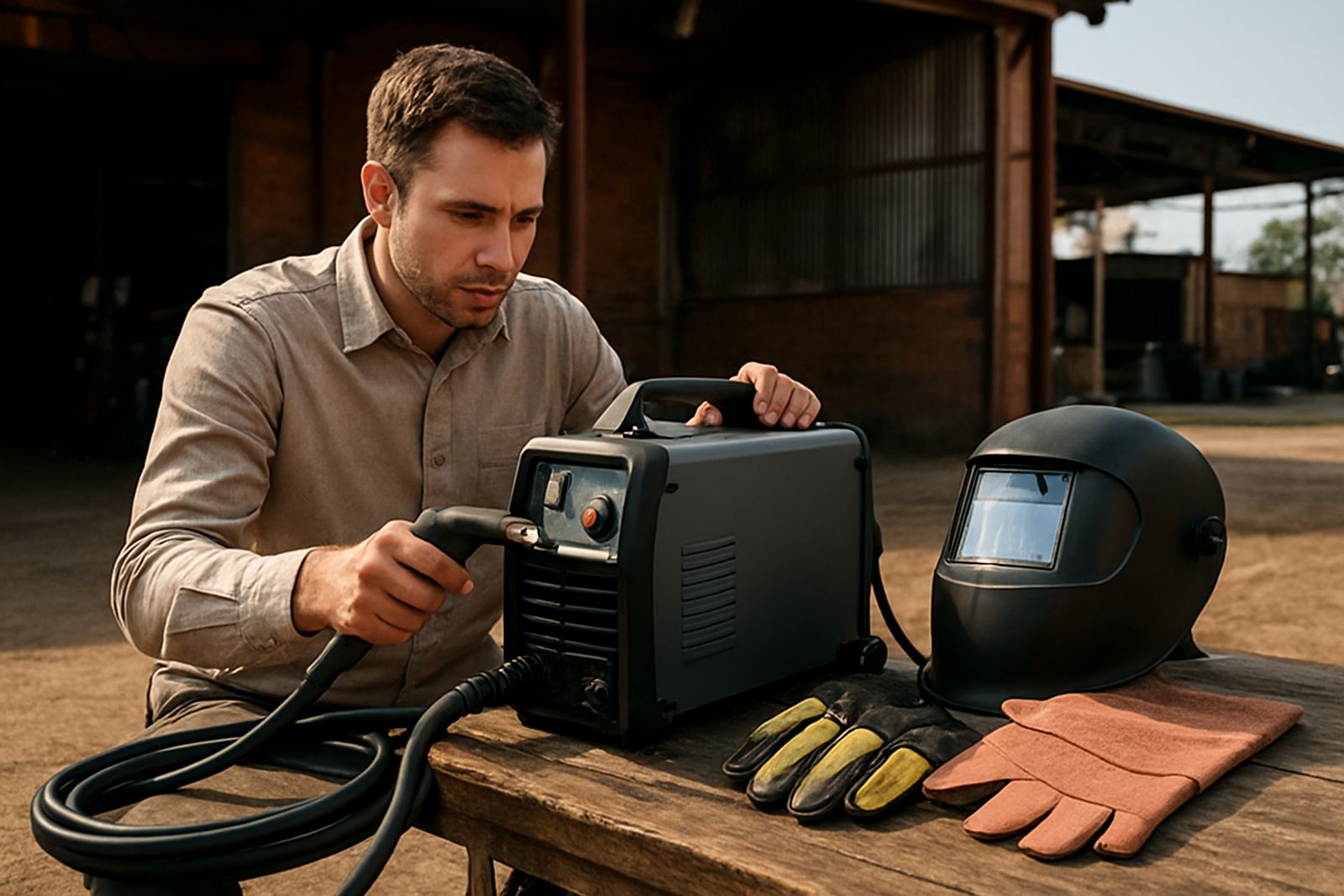
Also think about floor space, ventilation and dust control. A CNC table needs a proper home, level flooring and enough room for loading plate. Handheld units need a safe cutting area, good extraction and storage for consumables.
Power Supply, Air Quality And Load-Shedding Planning
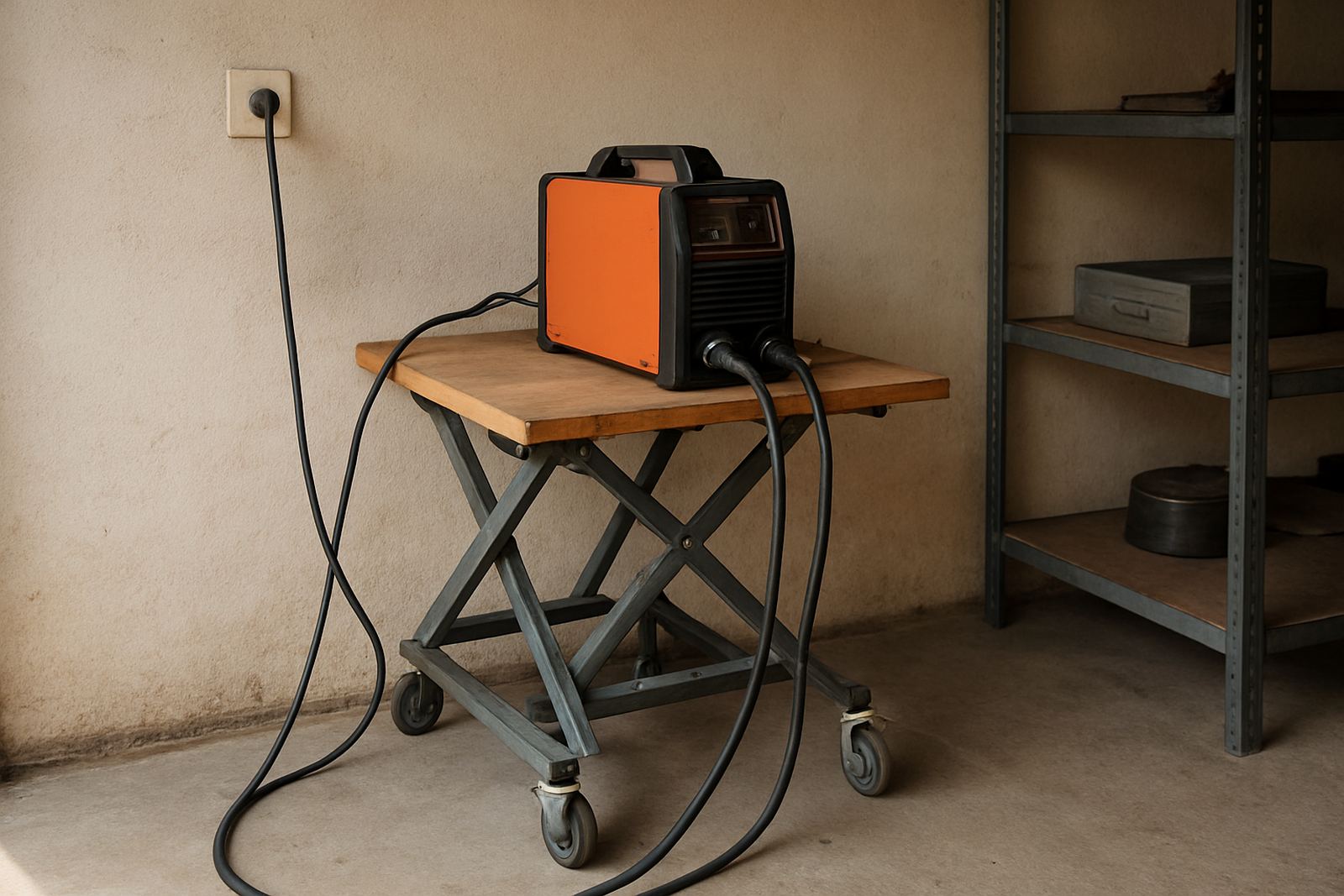
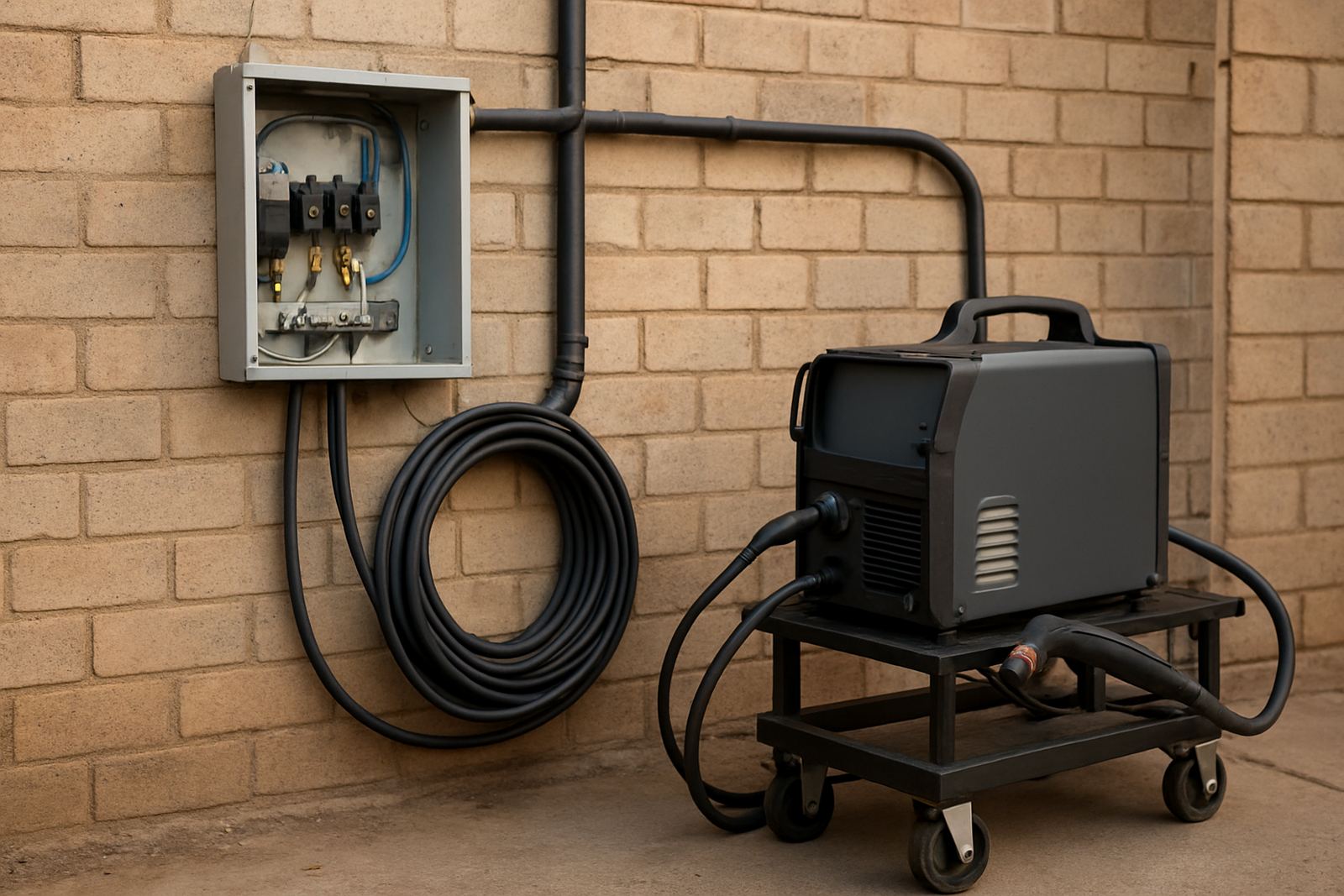
South African power conditions matter. Before you buy, check whether your site has stable supply, generator support or inverter backup. Some workshops in Alberton, Meyerton and Bloemfontein run small machines well on local supply, but longer cuts can suffer when voltage drops or the supply is dirty. If load-shedding affects your area, ask whether the machine will restart cleanly and what backup capacity you will need.
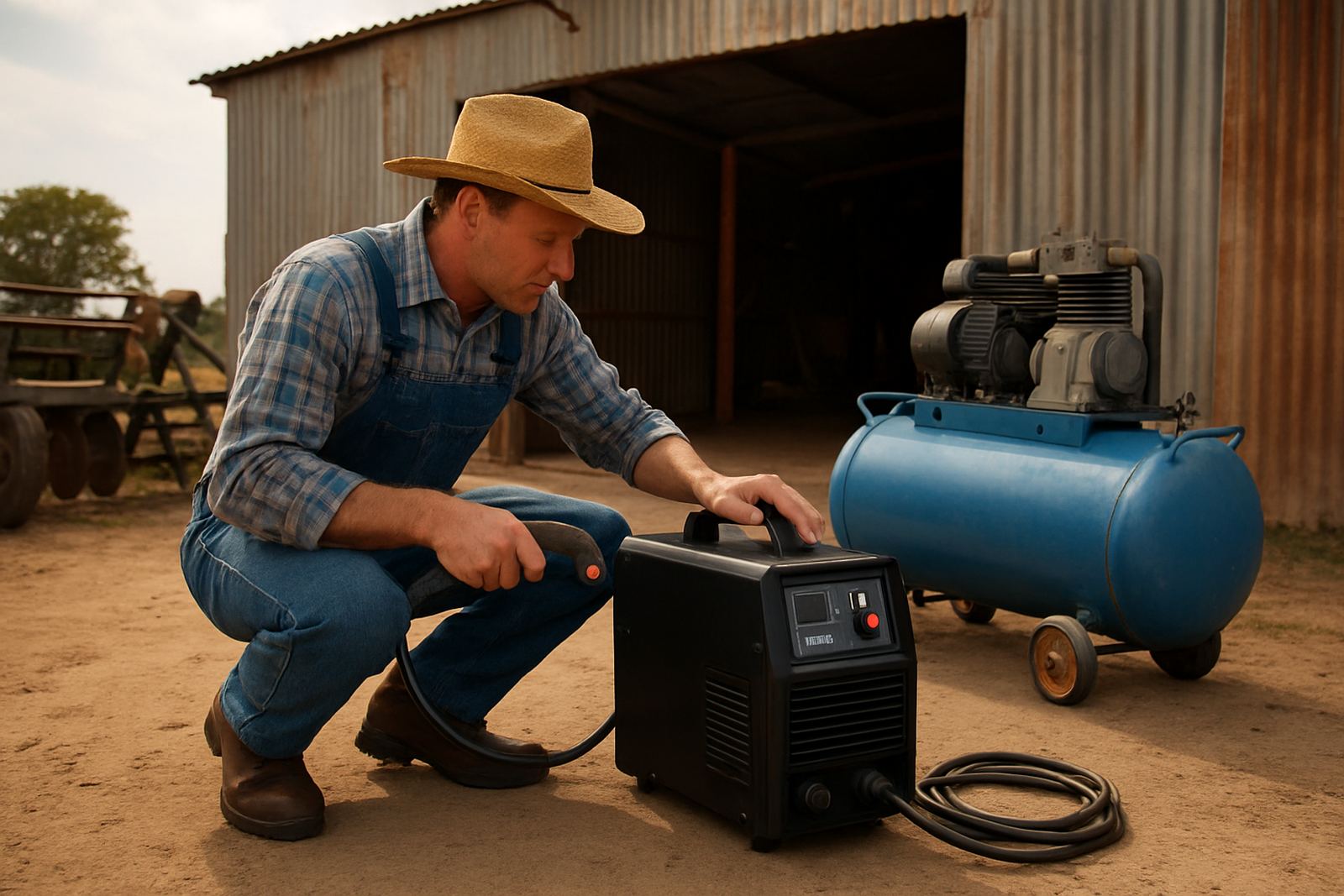
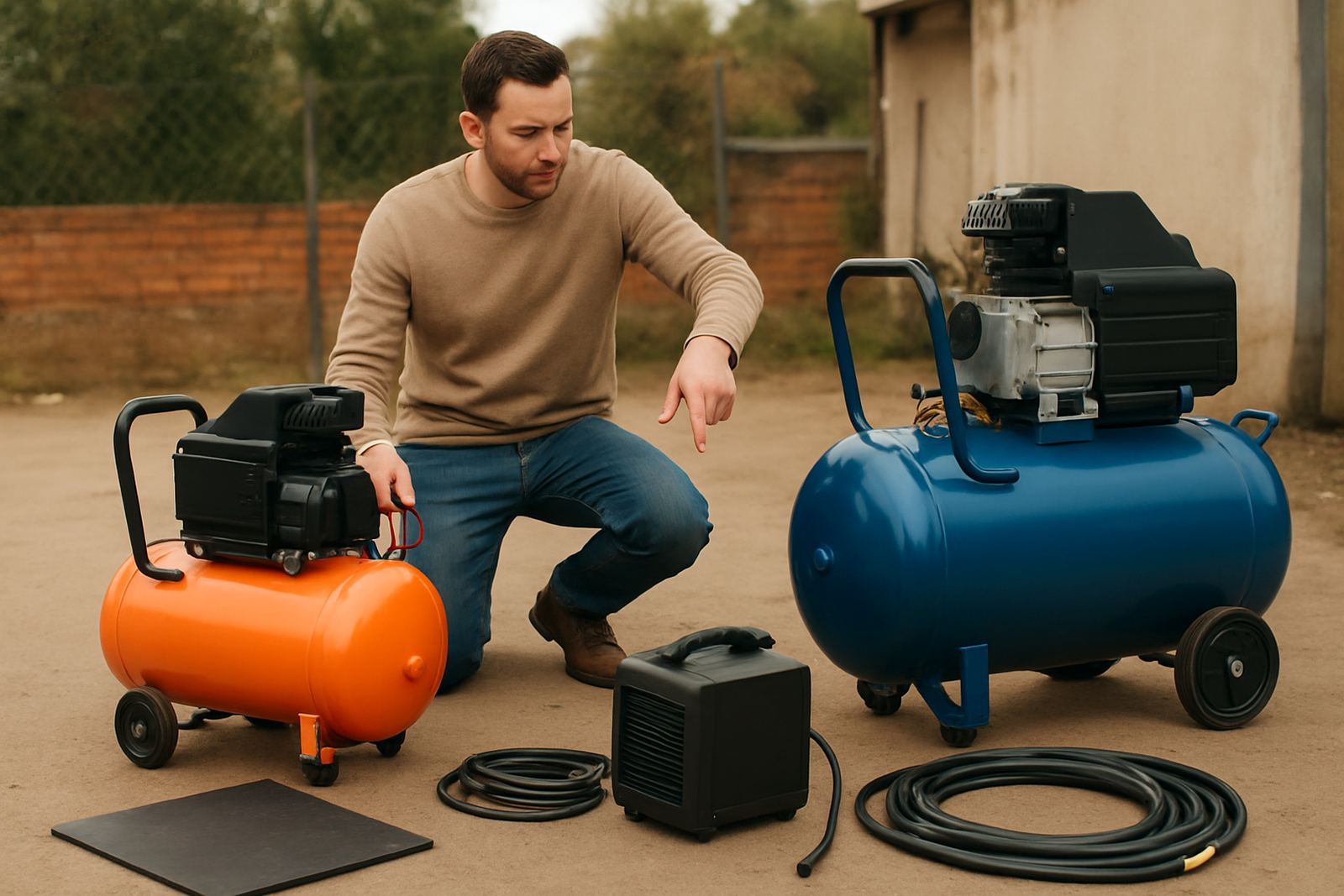
Air quality is just as important. Poor compressed air shortens consumable life and hurts cut quality. Water, oil and uneven pressure can lead to rough edges, more dross and extra torch wear. A simple air system inspection can save money fast, especially in coastal humidity or dusty industrial sites.
- Confirm the required input power and breaker size.
- Check compressor output, filtration and moisture control.
- Prepare for load-shedding, outages and the correct shutdown and restart of your plasma cutter.
Support, Repairs And Servicing Should Form Part Of The Purchase
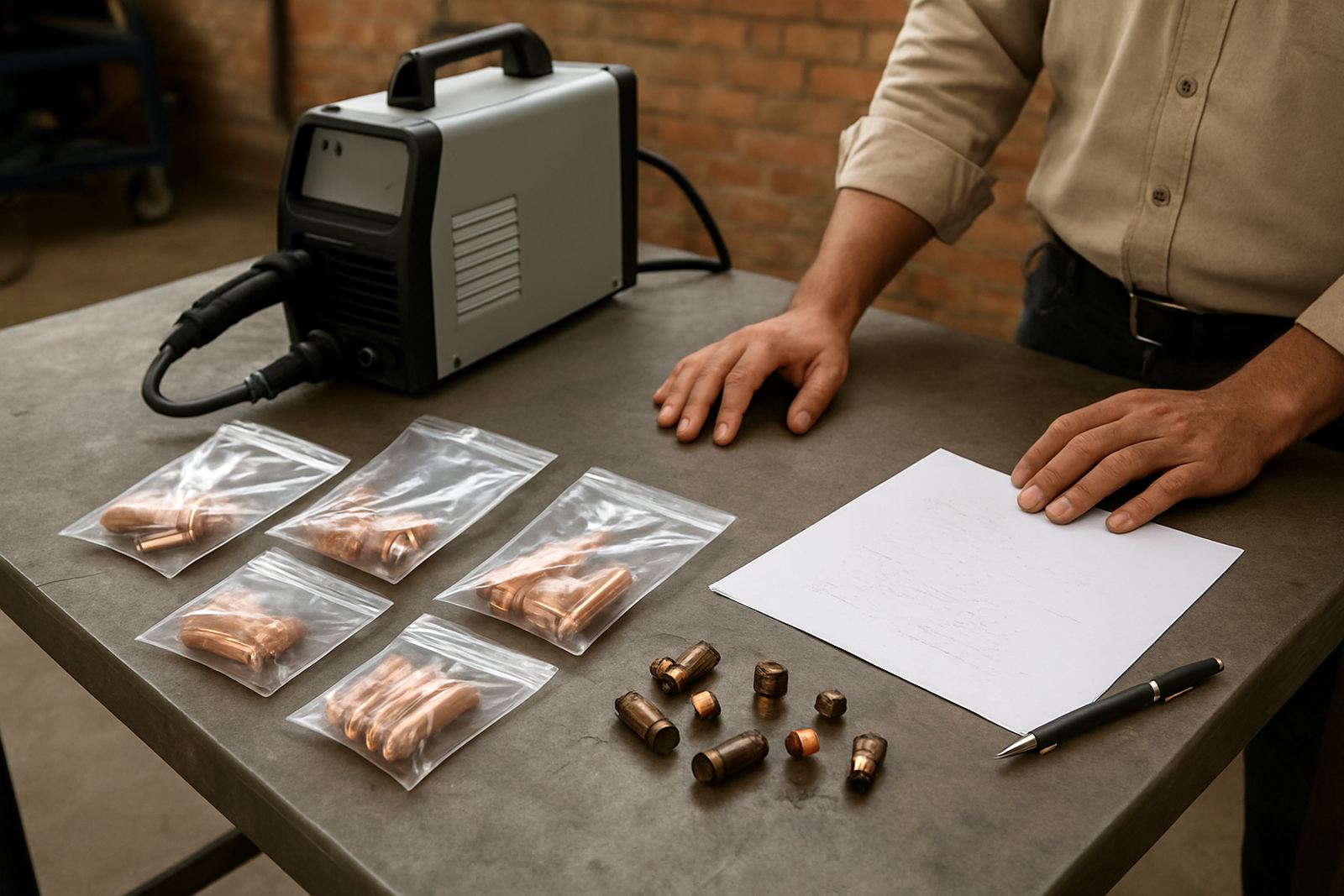
A plasma cutter is only useful if it stays working. Buyers often focus on machine price and forget support, spares and repair turnaround. For workshops in Gauteng and the Free State, local servicing can matter more than a small saving on the purchase price. Torch repairs, power source repairs and consumables checks help keep the machine earning instead of standing idle.
Ask what happens when a torch lead is damaged, when cut quality drops, or when the height control needs calibration. If a supplier can do on site breakdowns, machine commissioning and cut quality audits, you reduce risk during the first months of ownership. That is especially helpful for new operators or workshops setting up a second cutting station.
What To Ask Before You Spend The Money
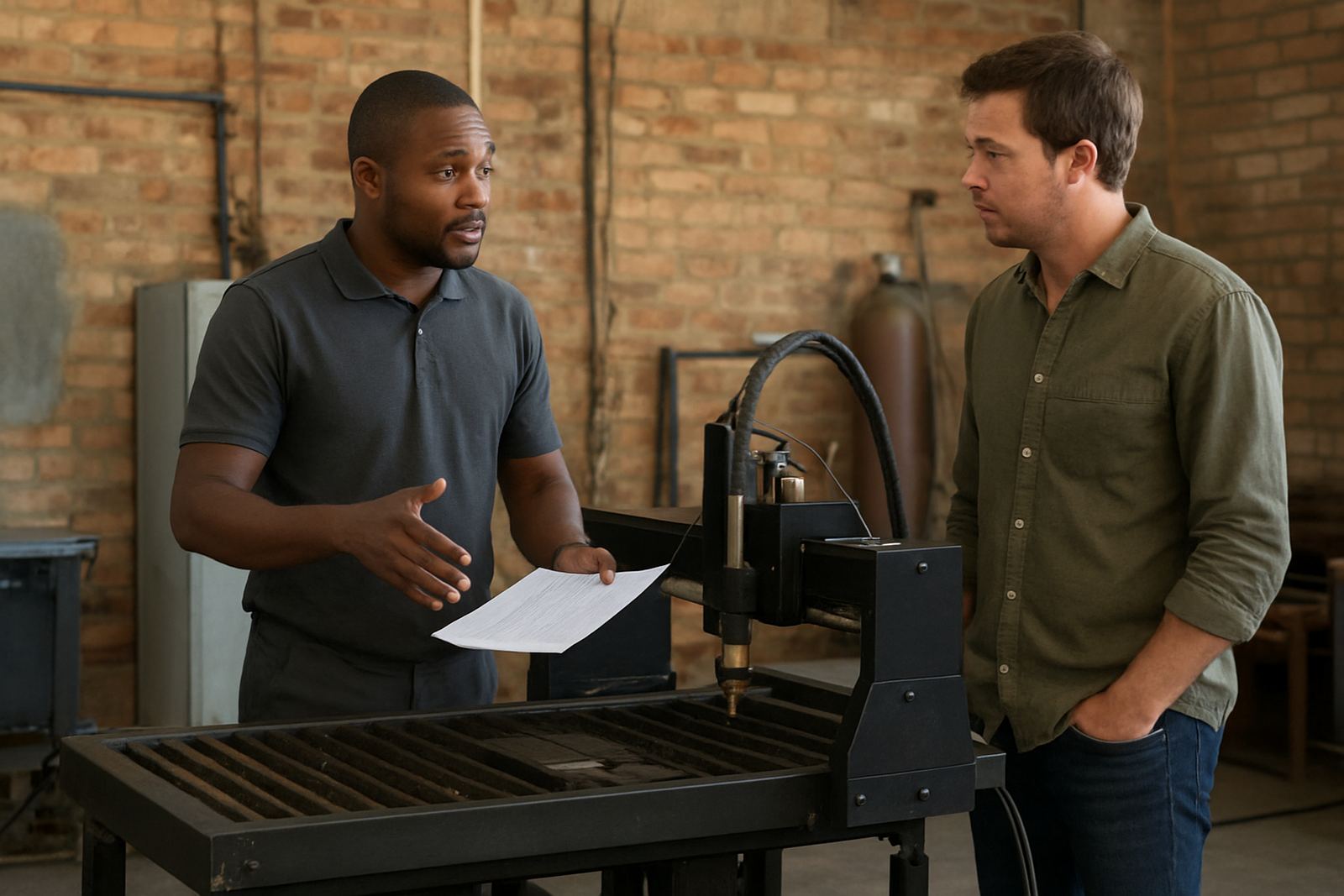
Good buying decisions come from practical questions, not fancy claims. Compare machines on real workshop use, not only on maximum amperage. Ask for the cut range you will use most often, the duty cycle at that setting and the expected consumable life on your material. If you are running automotive repairs, structural work or general fabrication, you need answers that reflect actual jobs, not ideal conditions.
- What thickness do you cut every week?
- How often will the machine run in a shift?
- Can the machine be commissioned on site and the operators trained properly?
- Are spares, torches and consumables available when needed?
A clear answer to these questions helps you avoid buying too small, or paying for capacity you will never use.
Use A Simple Comparison Before You Buy
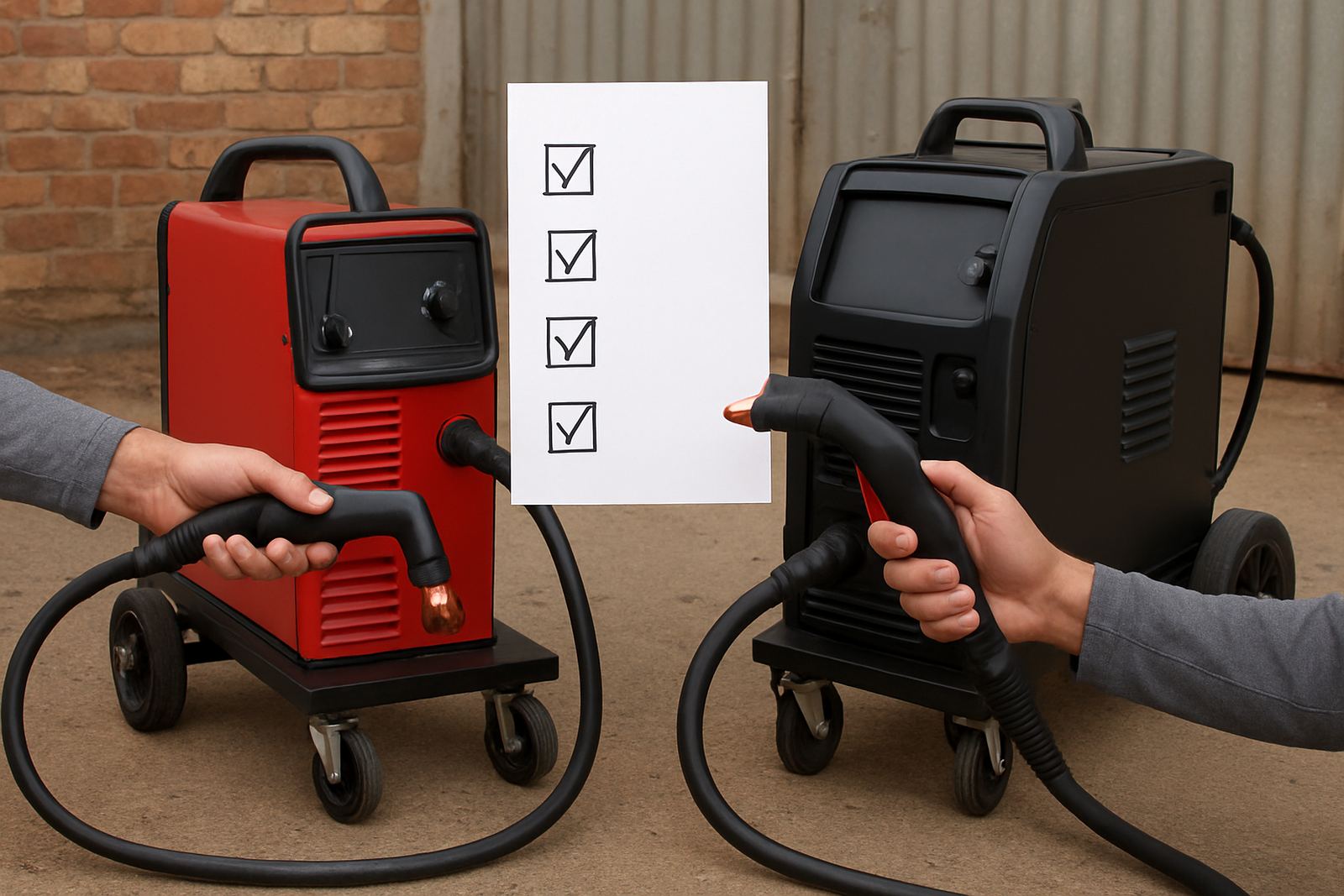
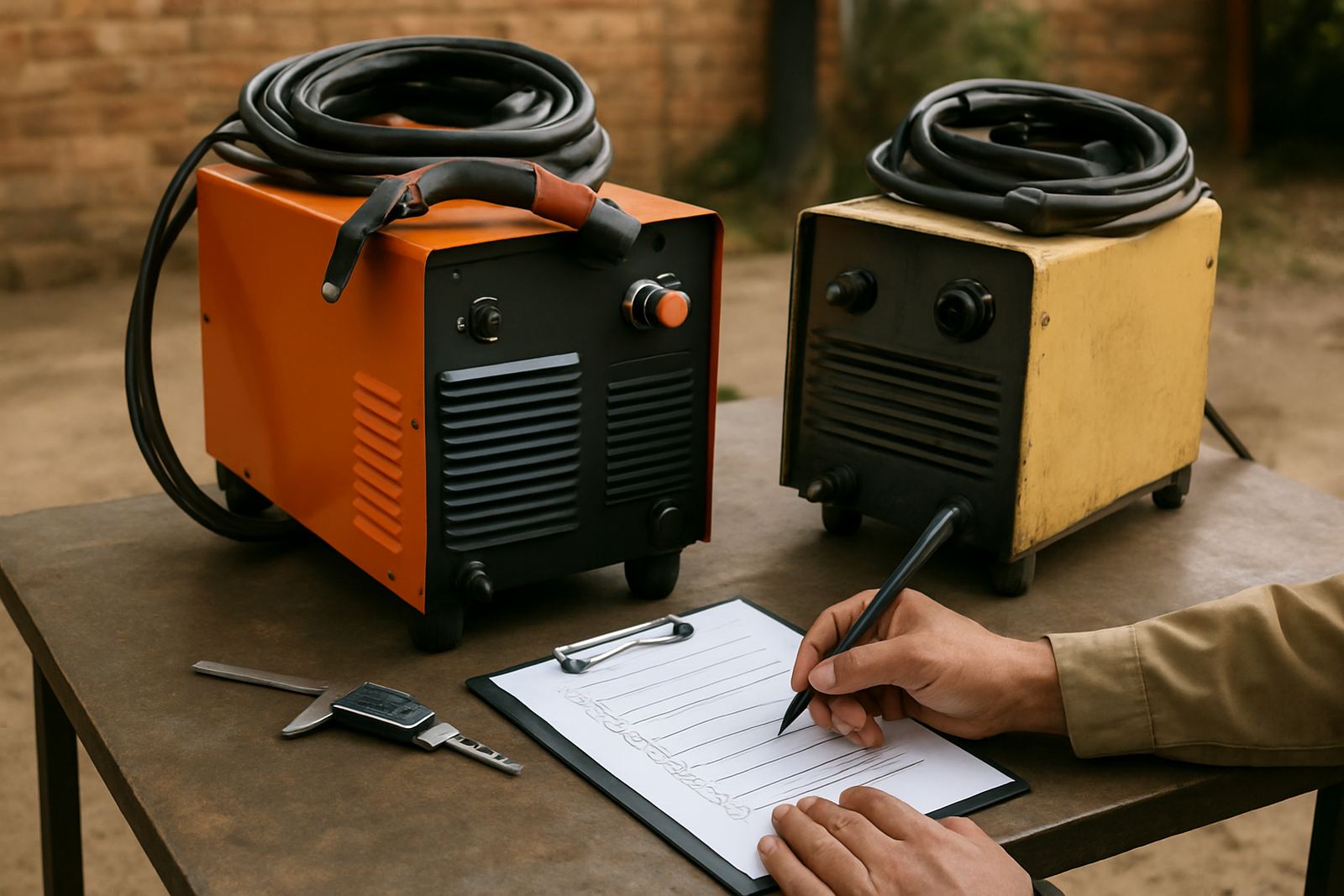
When comparing options, keep the process simple. List the material thickness, daily cutting hours, power availability and whether you need CNC now or later. Then compare the total cost of ownership, not only the unit price. That includes consumables, servicing, training and the cost of downtime if something goes wrong.
For buyers in Vereeniging, Vanderbijlpark, Sasolburg, Germiston and Bloemfontein, the right choice is usually the one that fits the workshop you have today and the work you expect next. If you need hands-on help, demos and servicing across Gauteng and the Free State can make the decision easier and a lot less risky.