Start With The Cutting Job, Not The Sticker Price
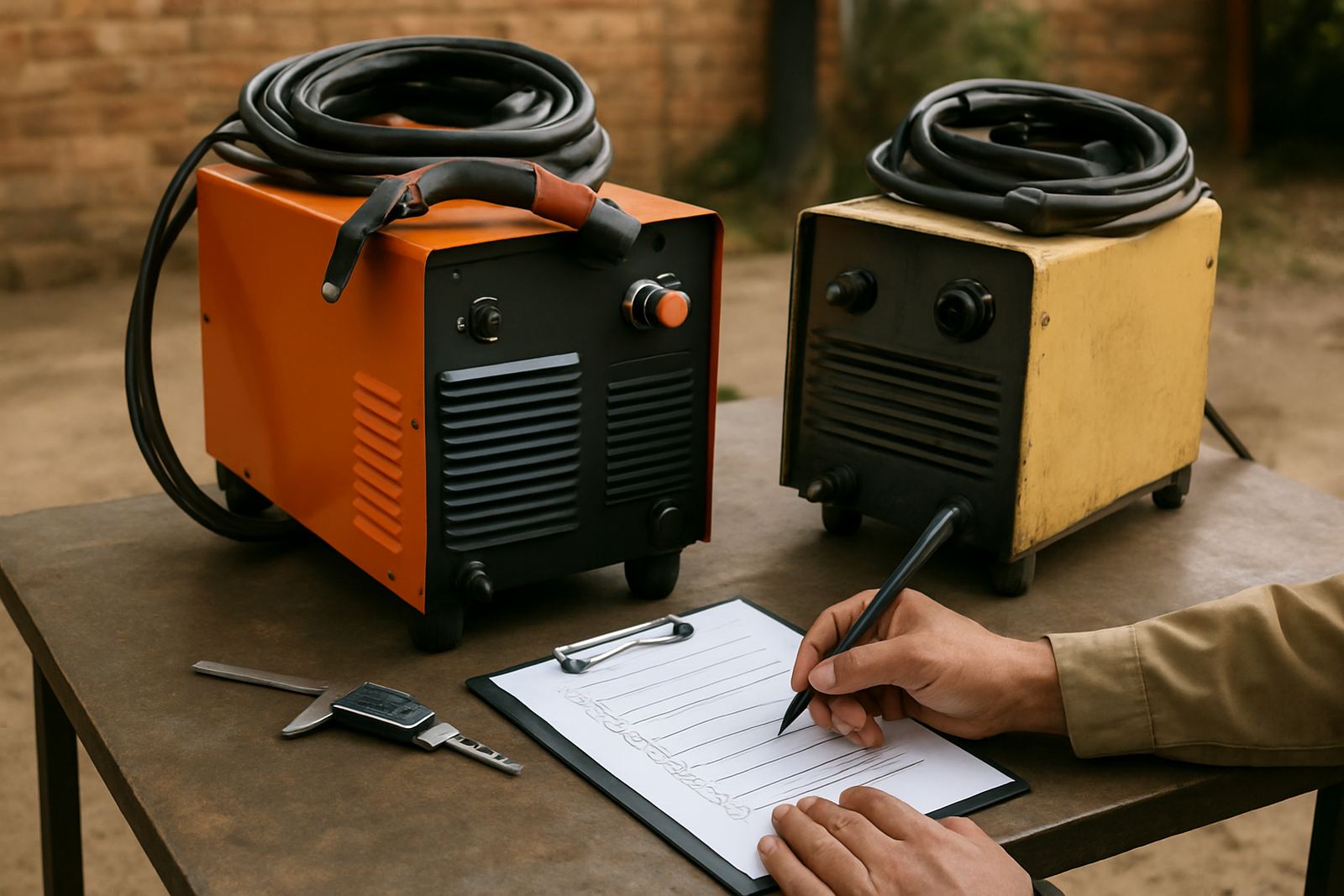
The right choice depends on the work you do each day. A light workshop doing brackets, sheet repairs and occasional maintenance may get good value from a well checked refurbished unit. A fabrication shop running long shifts, or a business that cuts daily for automotive, structural or production work, often benefits from a new machine with full cover and a clean service record.
Before comparing prices, write down the metal thicknesses you cut most often, your expected duty cycle, and whether the machine will run in a dusty workshop, near the coast, or on a site with load-shedding and generator use. That detail tells you far more than a sales flyer.
- Daily cutting thickness in millimetres
- Expected hours per week
- Single phase or three phase supply
- Need for CNC use now or later
- Transport between workshop and site
What A New Machine Should Give You
A new plasma cutter should arrive with no hidden wear, current components, and a full set of operating papers. The torch, leads, connectors and internal cooling path should all be in proper condition. If the unit will be used for CNC work, check that the height control and interface options suit your table and control setup.
Ask what is included in the sale beyond the machine itself. Training, setup help, spare consumables and commissioning can save a lot of time in the first month. In Vereeniging and nearby towns, that support matters when you need a quick start and not weeks of trial and error.
- Unused or current-condition torch and leads
- Clear operating and safety instructions
- Warranty terms in writing
- Suitable input power for your site
- Consumables pack for first use
How To Judge A Refurbished Unit Properly
A refurbished machine can be a smart buy if it has been stripped, cleaned, tested and repaired by someone who understands plasma systems. The key is not whether it was used before, but whether the wear parts, torch body, cables, cooling and internal boards have been checked properly. A clean exterior means very little if the output is unstable under load.
Ask for the service details. Which parts were replaced, what tests were done, and was the machine run at output for a proper period. A proper refurbishment should also cover the air system, because wet or dirty air will shorten the life of even a very good unit. Around Sasolburg and coastal routes into the Free State, that point gets ignored too often, then people wonder why the cut edge looks rough.
- Service report with replaced parts listed
- Burn test under load, not only idle running
- Torch condition and cable inspection
- Cooling fan, filters and airflow checked
- Air quality checked for moisture and oil
Compare The Real Running Costs, Not Just The Purchase Price
The cheaper machine is not always the cheaper option. A lower purchase price can be followed by extra downtime, more consumables, and slower cutting if the machine is not matched to the work. New machines may cost more upfront, but they can reduce unplanned stoppages and may suit higher output work better. Refurbished units can still be worthwhile when the machine is in good order and the application is steady.
When you compare options, include consumables, power use, compressor requirements, and the cost of missed jobs if the unit stops during a busy week. If a machine is going onto a CNC table, also factor in torch alignment, height control accuracy and the quality of cut edges. These small points affect profit more than most buyers expect.
- Upfront purchase price
- Likely consumable use per month
- Electricity and compressed air needs
- Downtime risk and repair lead time
- Training time for new operators
Questions To Ask Before You Sign
Whether you are buying new or refurbished, ask the same practical questions every time. Good suppliers should answer clearly and show you how the machine was tested. If the answers are vague, walk away and keep looking.
Use this short checklist before you pay:
- Has the unit been tested at full output
- Are the torch and leads original to the machine or replaced
- What warranty applies, and what does it cover
- Are spares and consumables available locally
- Can the machine be seen cutting material similar to your own
- Is setup help or operator training included
It is also worth asking who will handle repairs if the unit goes down after installation. A proper after-sales arrangement can save days of waiting, especially when work is time-sensitive and the shop is already behind. One small check now can prevent a lot of grief later.
When Refurbished Makes Sense, And When New Is Safer
Refurbished is often a good option for lighter use, backup cutting capacity, starter workshops and businesses that want a lower entry cost. It can also suit a farm workshop or general maintenance team that cuts intermittently and needs dependable performance more than high-speed production.
New is usually the safer route when the machine will run all day, when cut quality must stay consistent for customers, or when a CNC table depends on accurate height control and repeatable output. If your operation is growing, a new machine may also give you more room to add capacity without replacing it too soon.
At PlasmaCutter in Vereeniging, we help customers compare both paths by looking at the material, the hours, the air supply and the kind of support they need after delivery. That way the machine fits the job, not the other way round.