Choosing The Right Cutter For Your Work
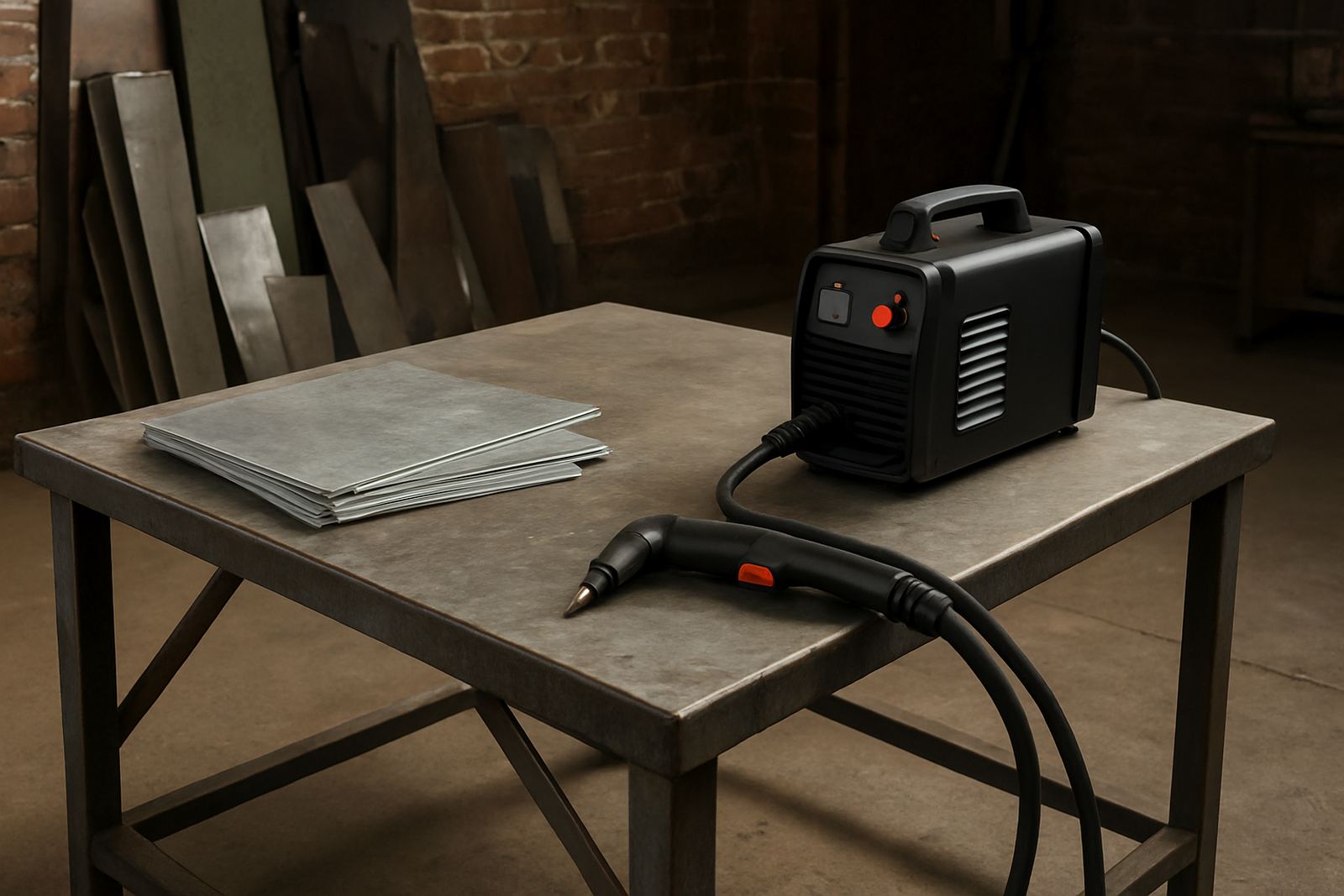
The right cutter depends on the thickness you cut, how often you cut, and whether you work on site or in a fixed workshop. A small repair shop in Vereeniging may need a light handheld unit for brackets and patch panels, while a fabrication yard in Vanderbijlpark or Germiston may need a CNC setup for repeated parts and cleaner edge finish.
Start with the type of jobs you do most often. If you cut short runs, fix damaged components, or work in tight spaces, a handheld machine is usually the practical choice. If your work involves repeat parts, templates, or nested sheet cutting, a CNC table gives better consistency and less rework.
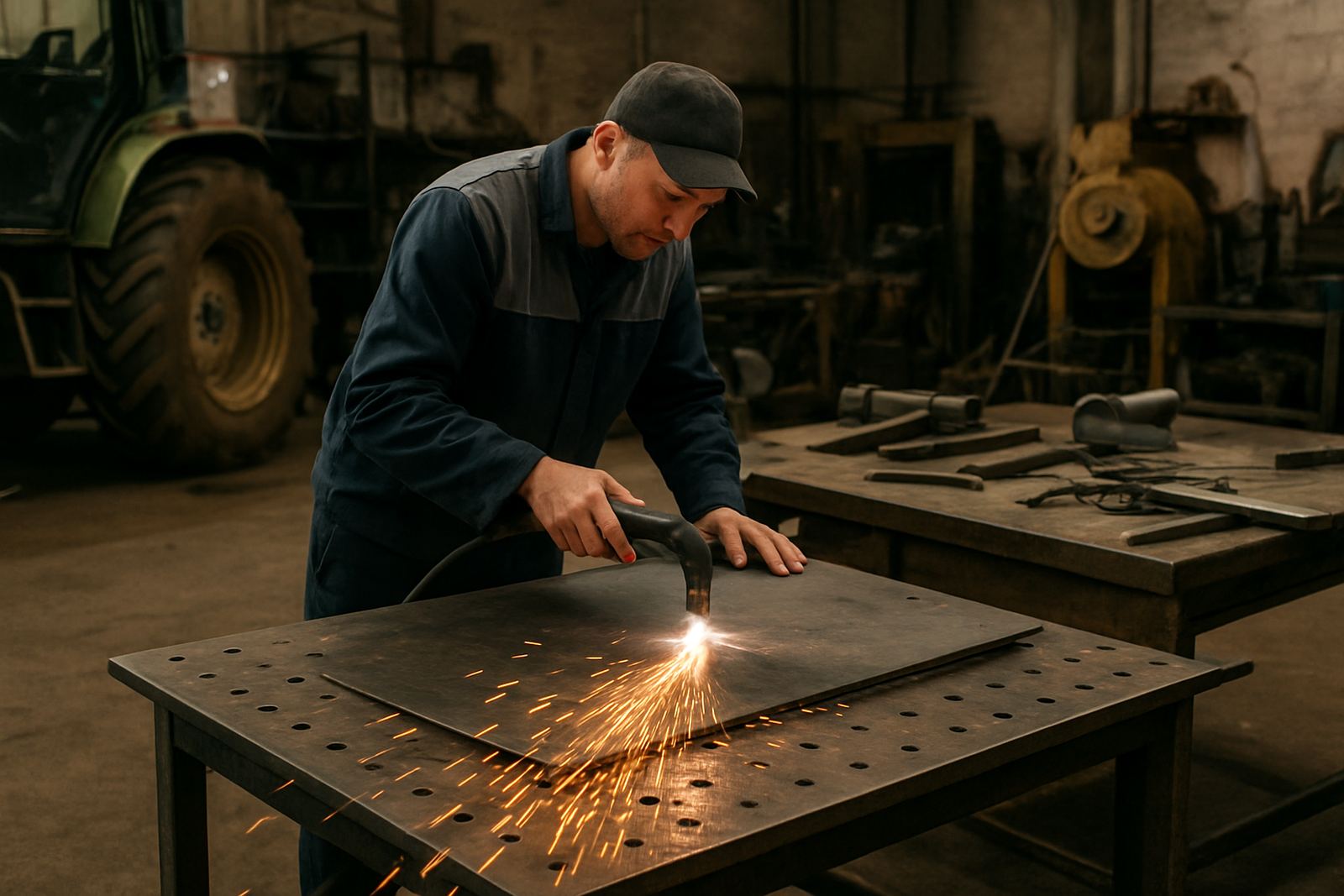
Metal Fabrication Shops And General Workshop Use
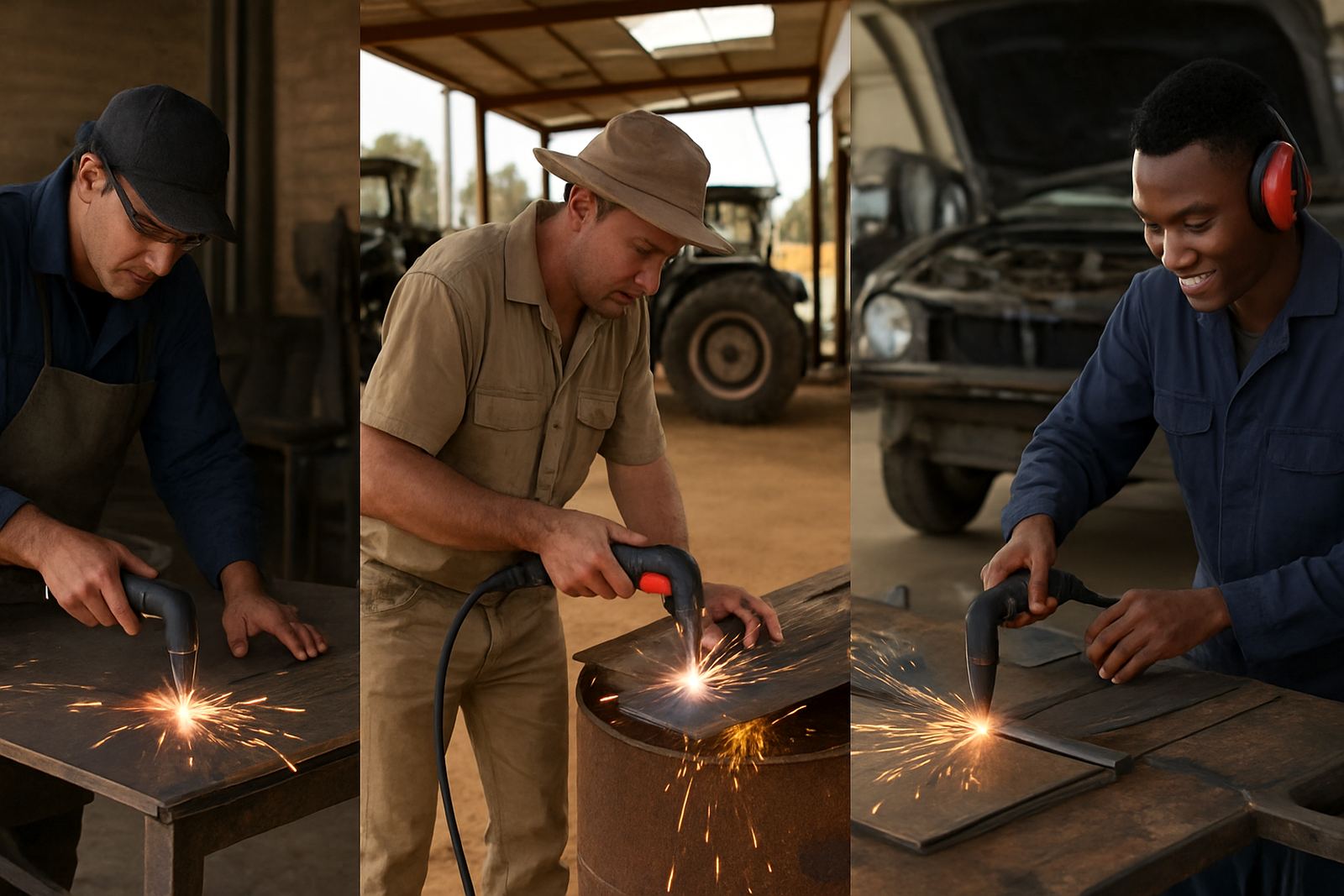
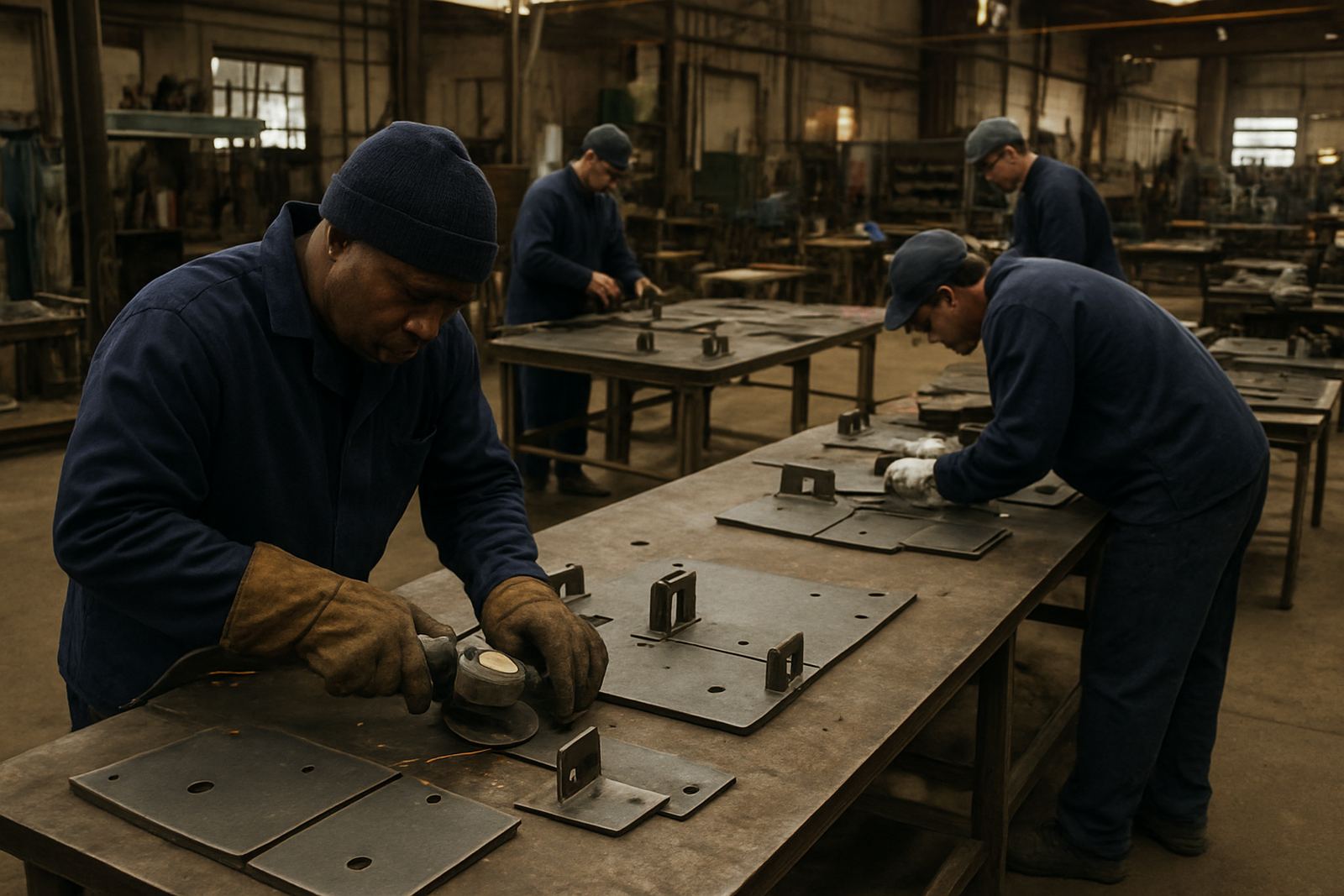
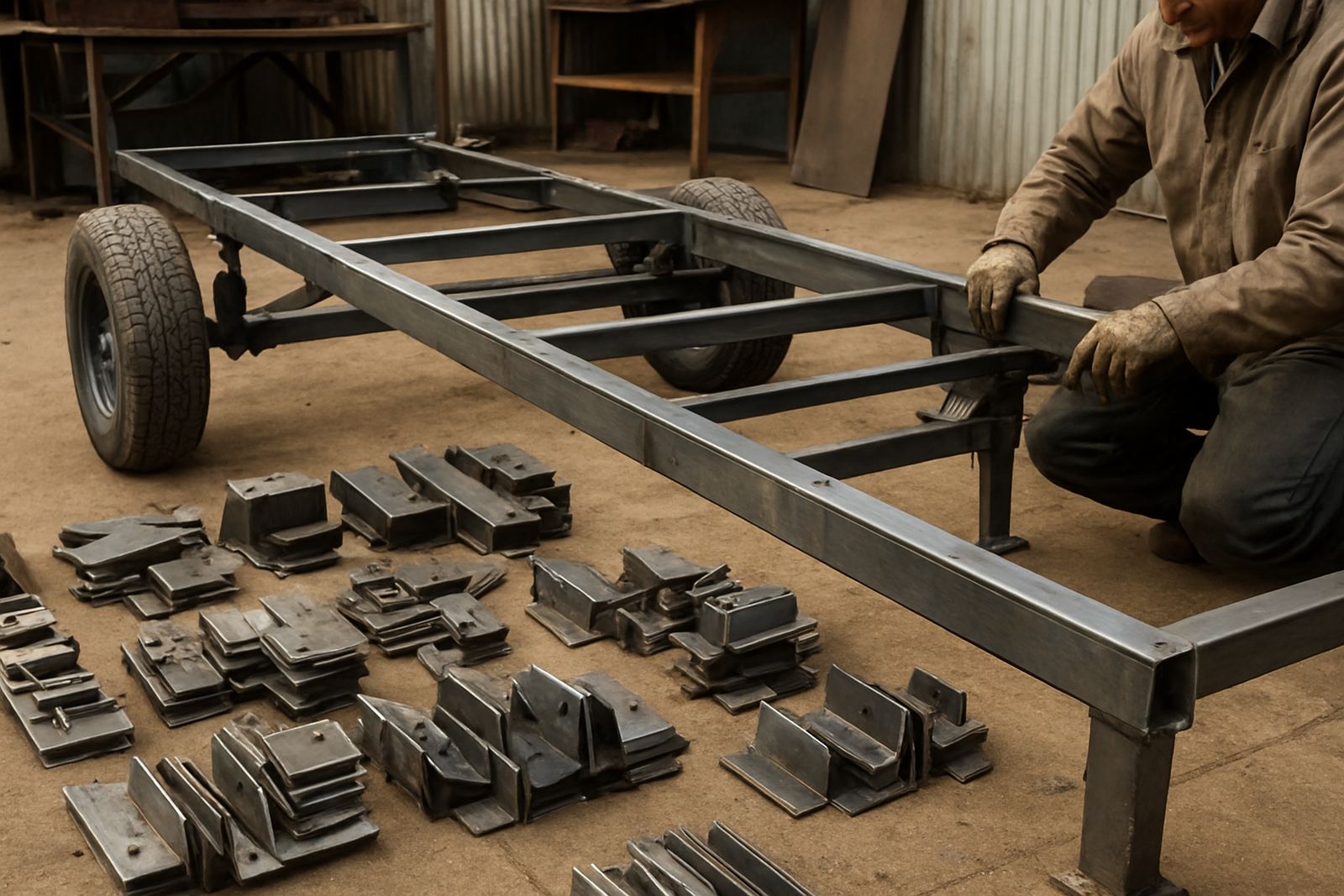
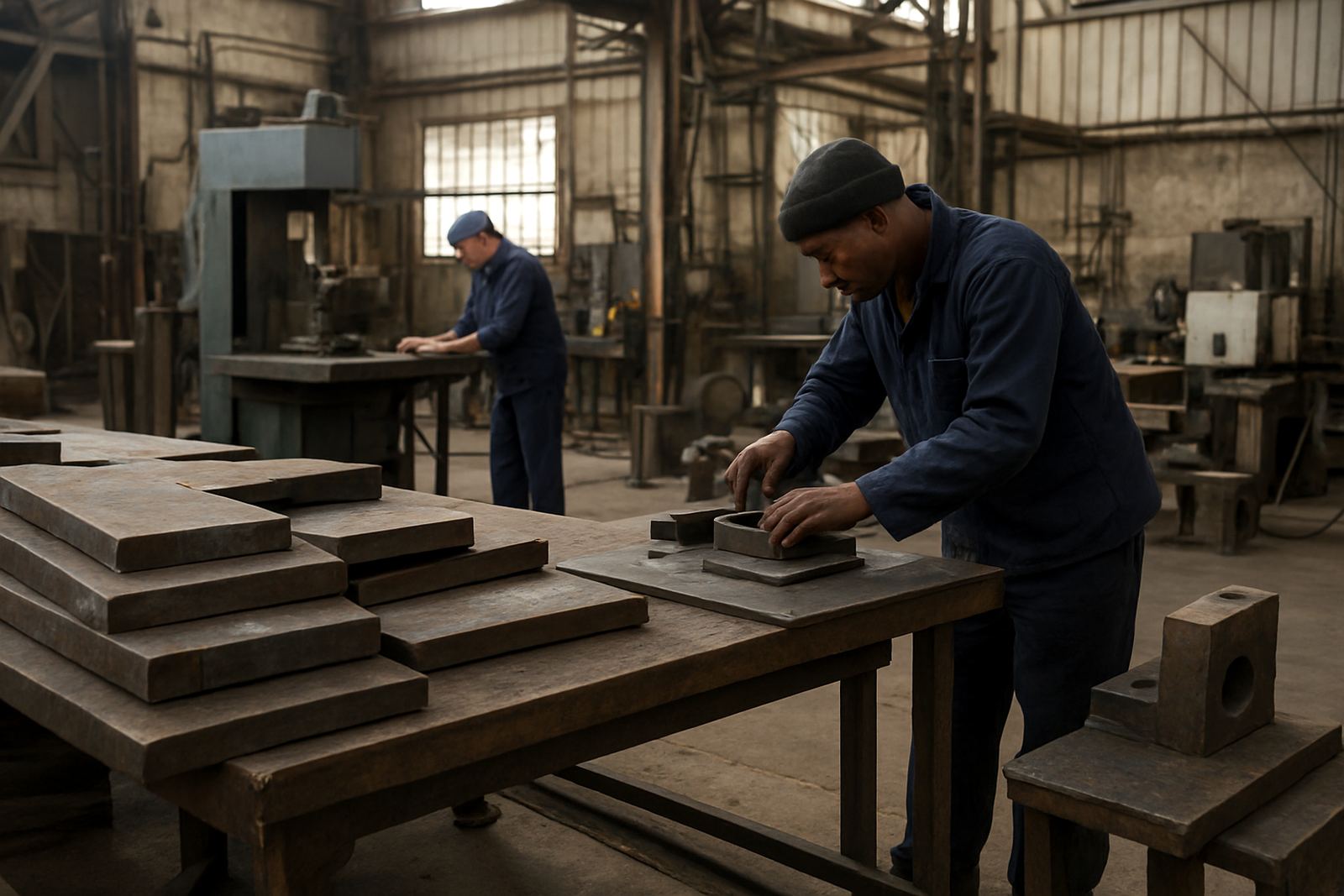
Fabrication workshops need dependable cutting on frames, plates, gussets, repair sections and brackets. In areas like Meyerton, Alberton and Sasolburg, many workshops work under time pressure, so ease of use and low downtime matter just as much as cutting performance.
- Cutting mild steel for frames, base plates and supports
- Preparing parts for welding and fit-up
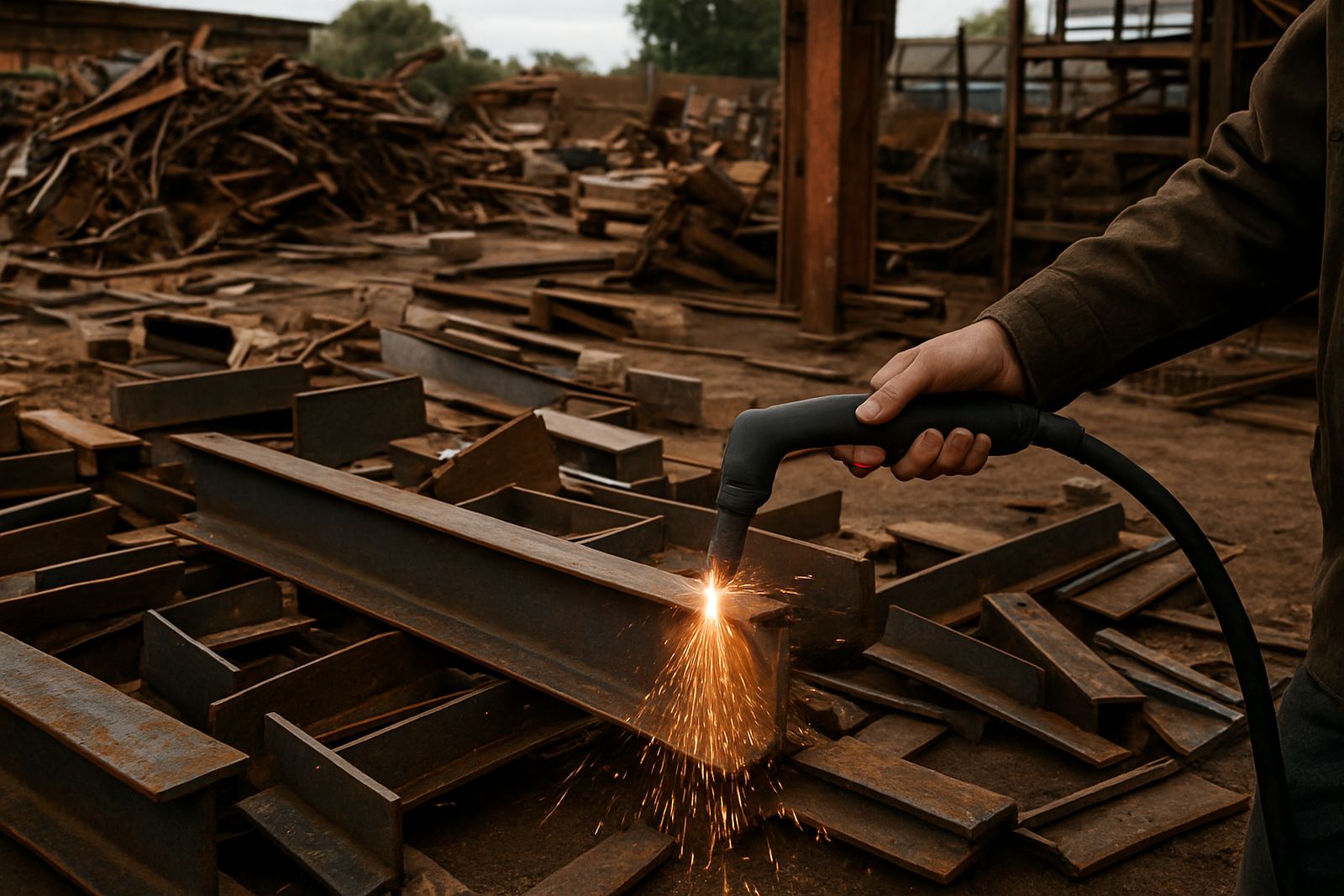
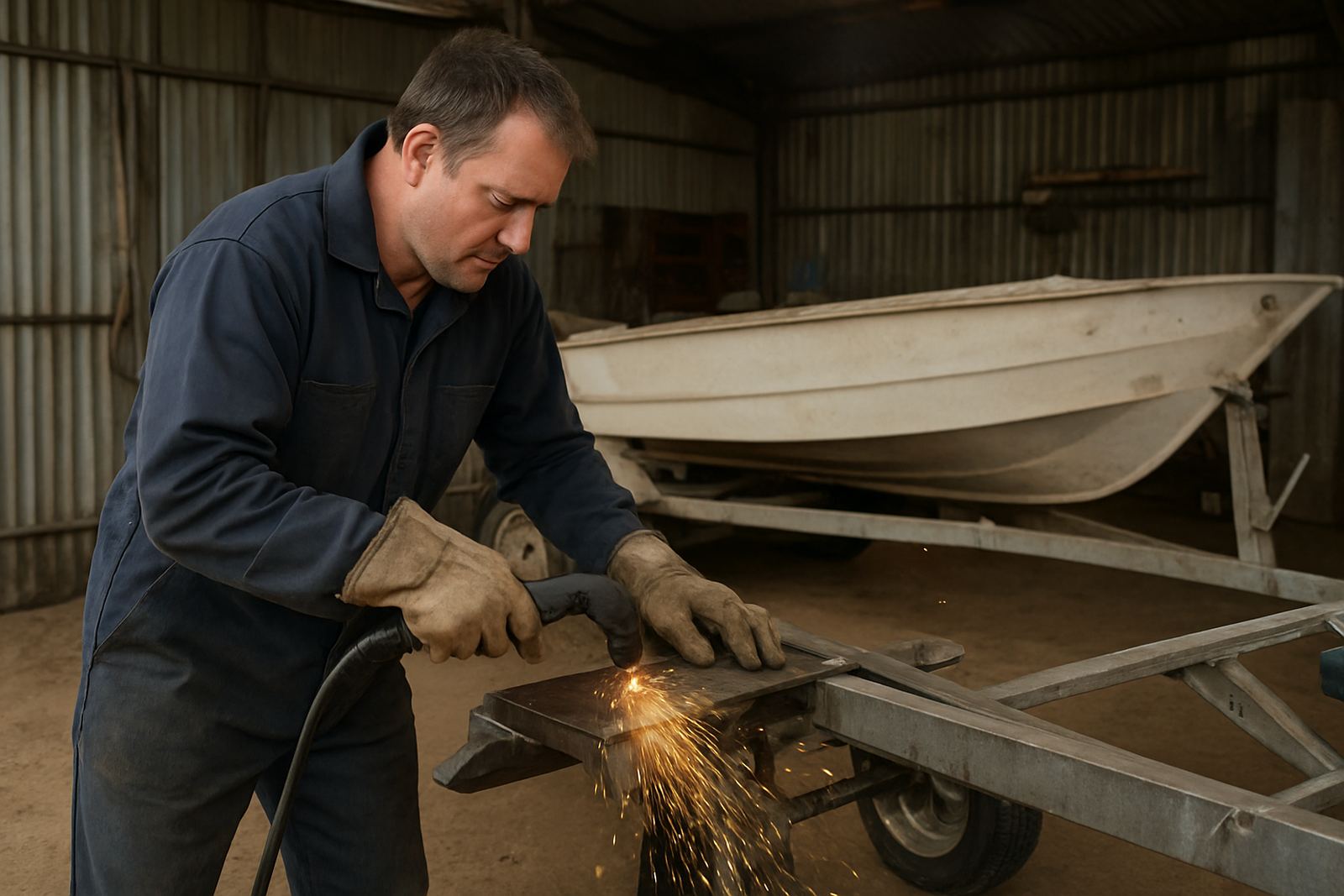
- Repairing gates, trailers, machinery guards and plant equipment
- Handling batch work where repeat size matters
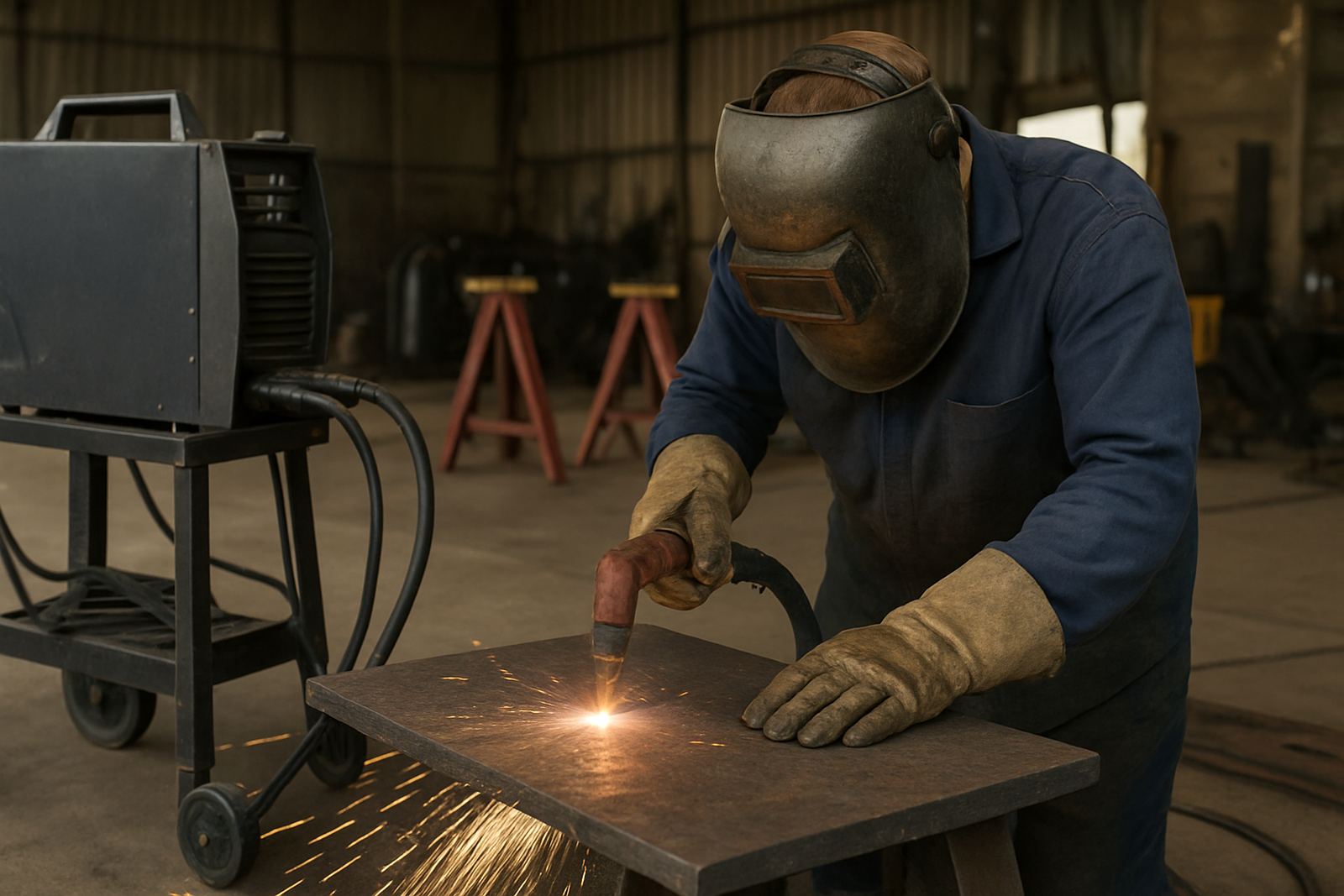
For everyday workshop use, customers usually want clean starts, stable arc performance and consumables that are easy to monitor. In dusty sites or places with load-shedding, proper air supply and regular servicing help keep the machine working properly, not just on paper.
Automotive Repairs, Fitment And Panel Work
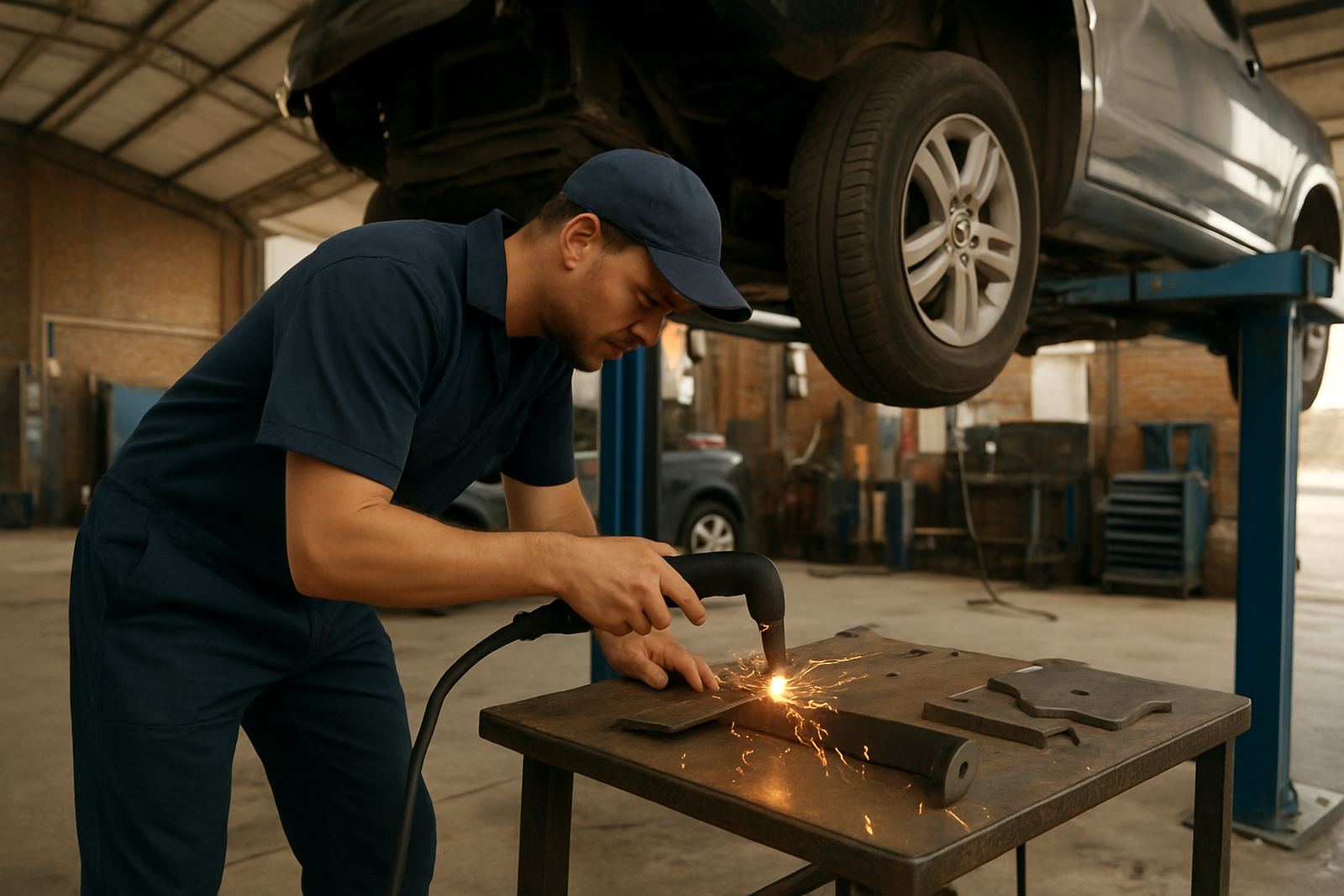
Automotive work often needs controlled cutting on body sections, chassis components, exhaust parts and repair panels. In Germiston, Welkom and Bloemfontein, where many repair and maintenance businesses run mixed workloads, plasma cutting gives quick results without the delays of slower cutting methods.
Handheld units suit body repairs, farm bakkie repairs, trailer work and plant maintenance. Smaller machines are useful when you are cutting in awkward positions or working away from a main workshop. For repeat parts, jigs and repair templates, CNC machines help keep dimensions more consistent and reduce grinding time later.
CNC Production For Repeat Parts
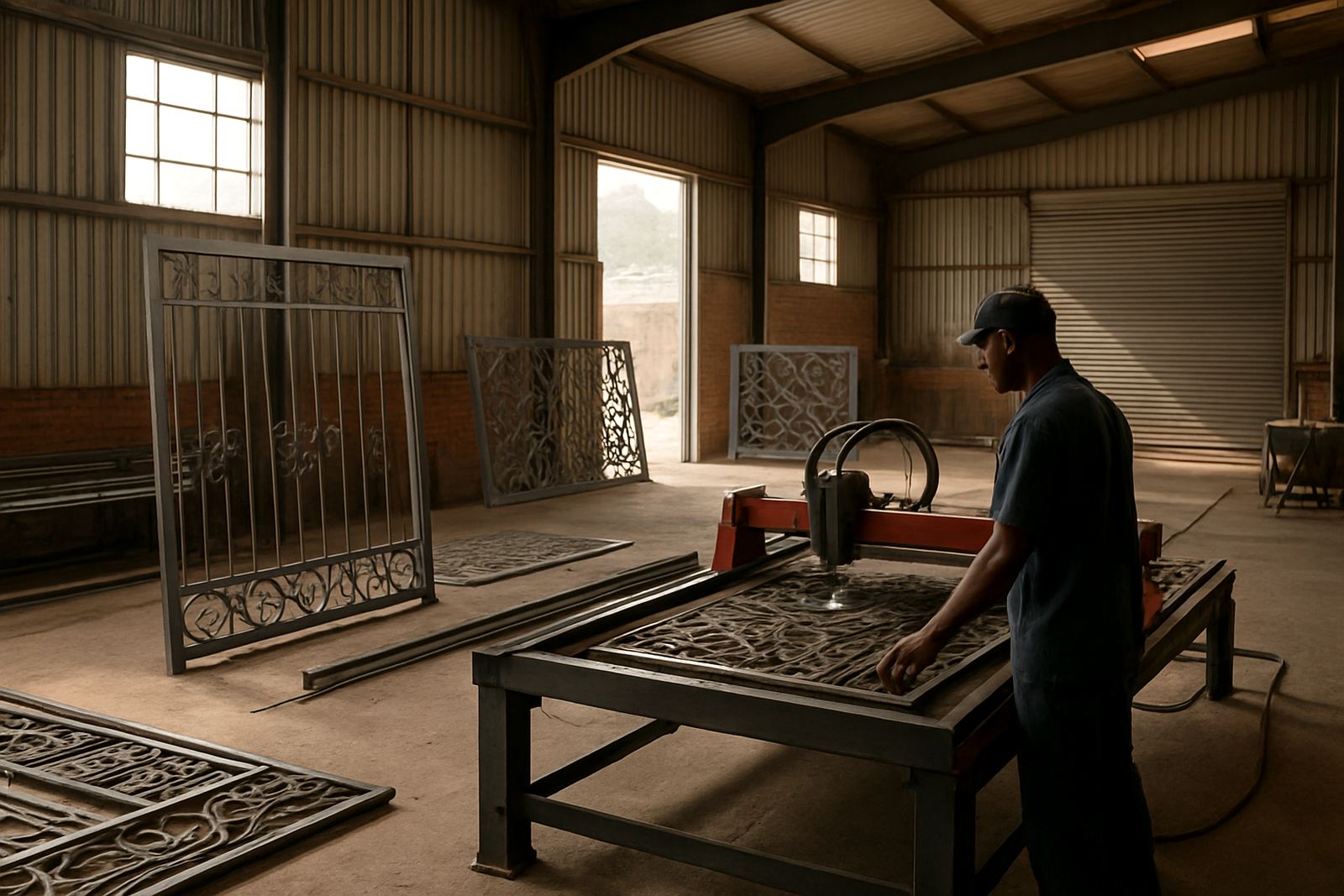
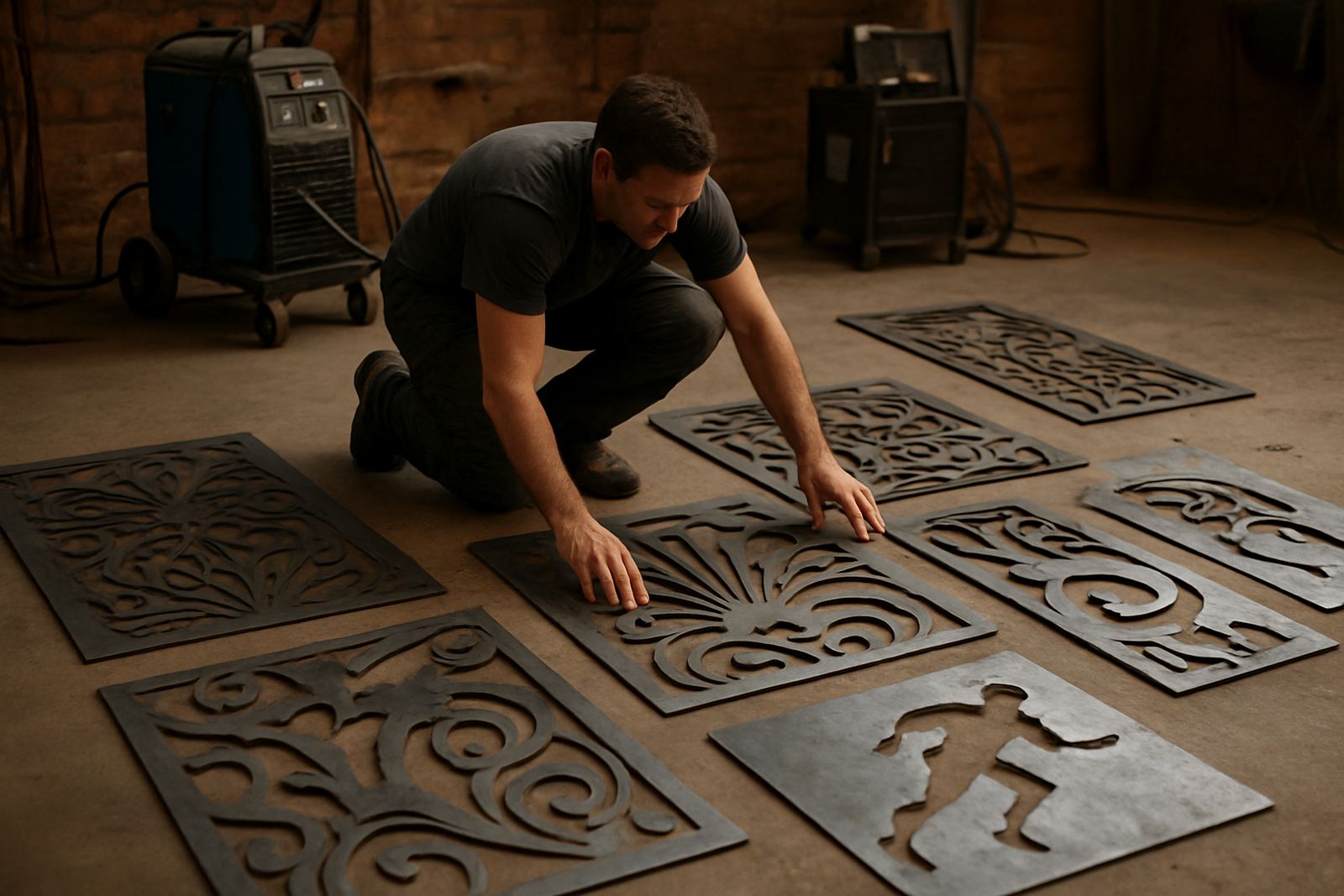
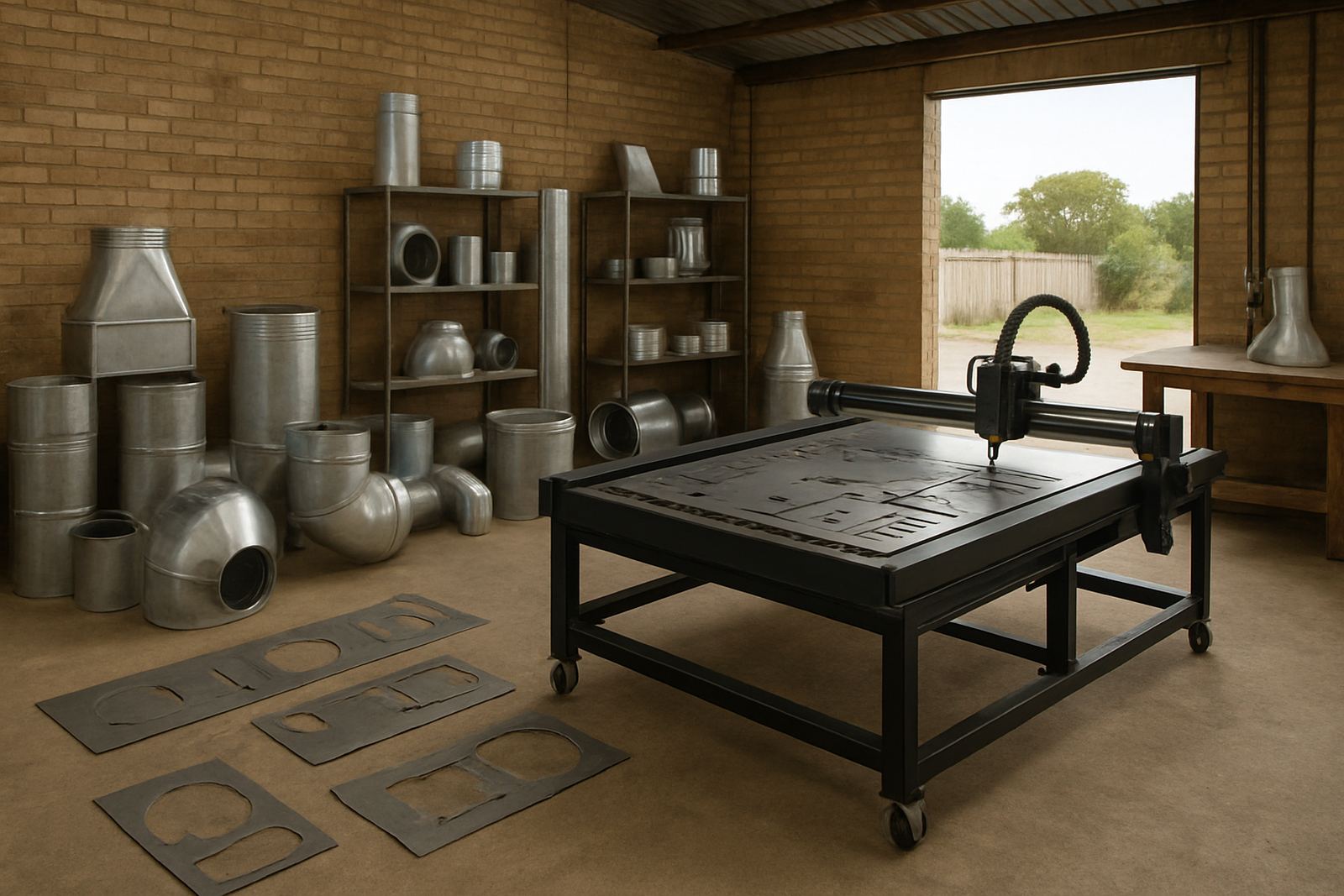
When a workshop has regular part numbers and higher volumes, CNC plasma cutting can save a lot of time. It is a practical choice for steel fabricators, sign and frame makers, equipment builders and jobbing shops that want the same cut every time.
- Repeat brackets, flanges and mounting plates
- Sheet parts for enclosures and machine covers
- Nested cutting to reduce material waste
- Cleaner part preparation for welding and assembly
A CNC table also helps when labour is tight and accuracy must stay steady through the day. If your team cuts the same shapes over and over, a programmed table can reduce measuring errors and keep the workflow moving, even when the power supply is not ideal.
Where Plasma Cutting Helps In Local Conditions
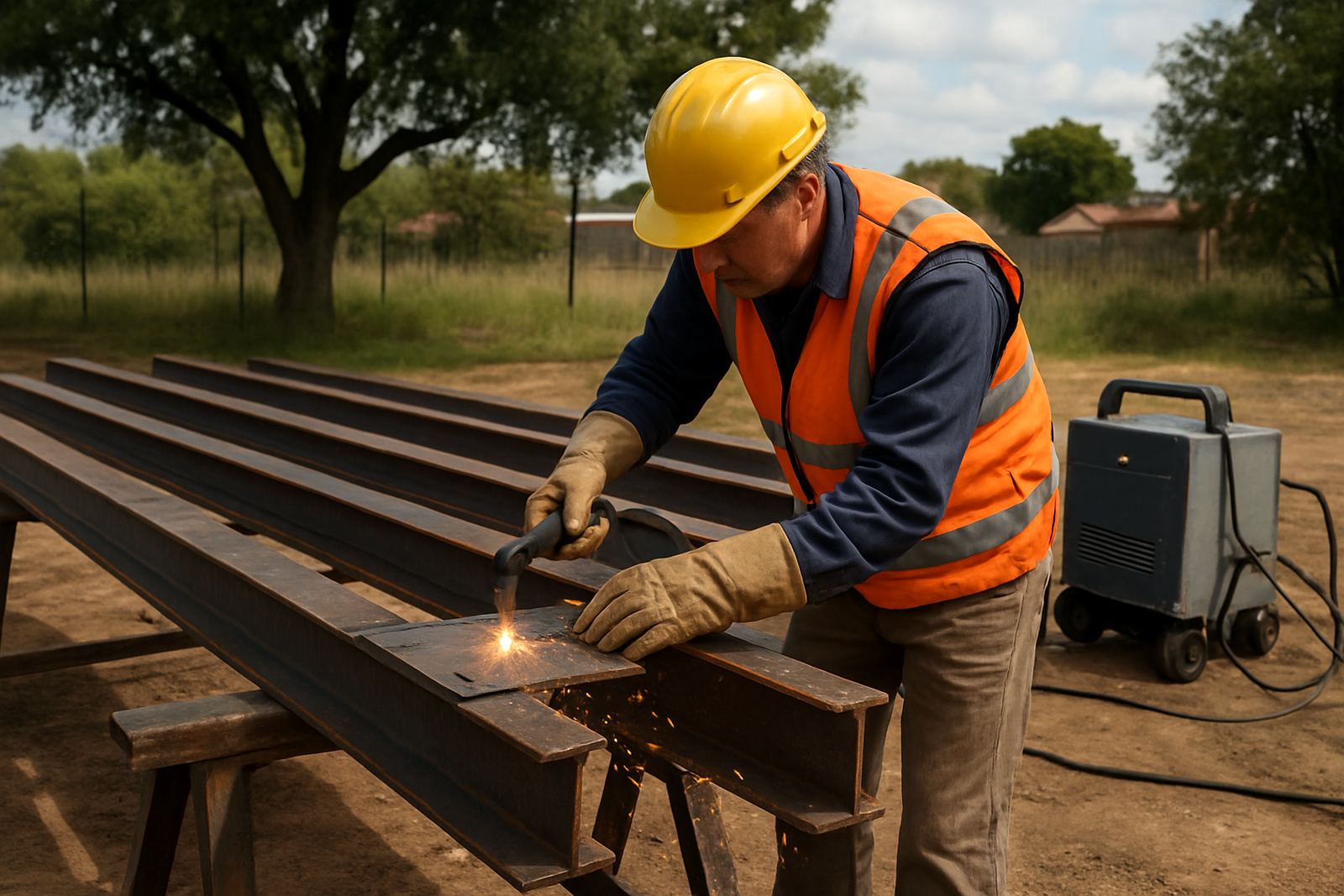
South African workshops deal with real site conditions, not perfect ones. Coastal humidity can affect stored consumables, while dust, heat and voltage swings can influence performance inland. That is why machine choice, air quality and routine checks matter in everyday use.
In industrial areas around Vereeniging, Vanderbijlpark and Sasolburg, customers often ask for equipment that can cope with long shifts and stop-start work. In Free State towns like Welkom and Bloemfontein, travel time and on site support become part of the decision too. A practical setup should suit your power supply, compressor capacity and cutting schedule, not only the spec sheet.
Support, Training And After Sales Use
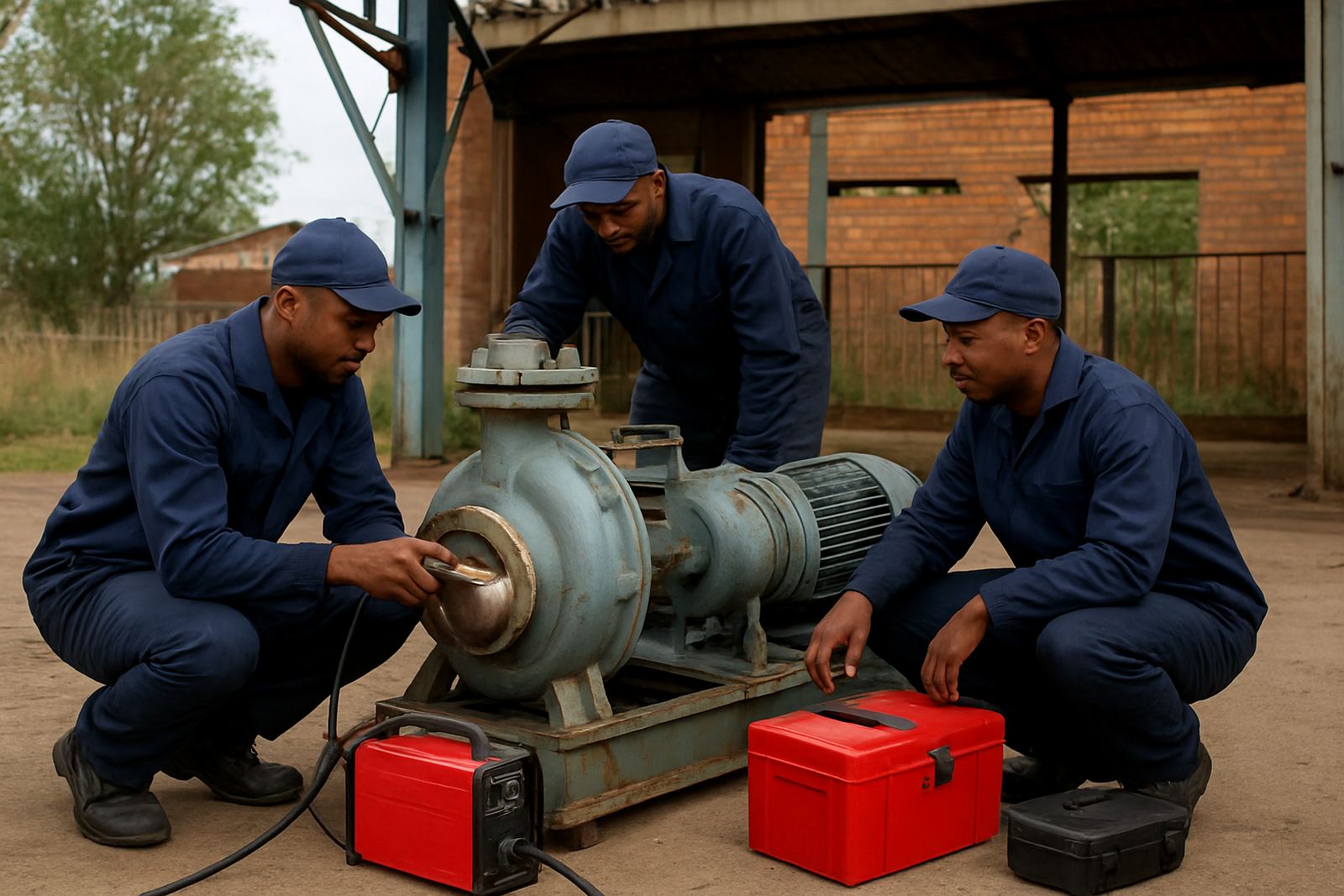
Good cutting results depend on more than the machine alone. Operators need the right settings, clean air, working consumables and proper torch handling. PlasmaCutter supports customers with commissioning, training, cut quality checks and servicing across Gauteng and the Free State.
Typical support requests include torch repairs, power source repairs, preventive maintenance, air system inspection and CNC table servicing. Customers also ask for spares supply, height control calibration and on site breakdown help. That matters when a job is due and the machine cannot sit idle, especially during busy production weeks.
- Operator training for new staff and handovers
- Consumables checks to spot wear early
- Cut quality audits for edge finish and speed settings
- Machine commissioning after installation or relocation
Finding The Best Fit For Your Industry
There is no single plasma cutter that suits every trade. A small repair outfit, a municipal maintenance crew and a production fabricator all need different balances of portability, duty cycle and accuracy. The best choice is the one that matches your daily work, your materials and your available air supply.
If you are based in Vereeniging, Vanderbijlpark, Sasolburg, Meyerton, Alberton, Germiston, Bloemfontein or Welkom, the easiest starting point is to match the machine to the job list you cut most often. From there, PlasmaCutter can help you narrow down handheld and CNC options so you get the right fit first time, not after costly trial and error.