Why Mining Support Work Needs Consistent Cut Quality
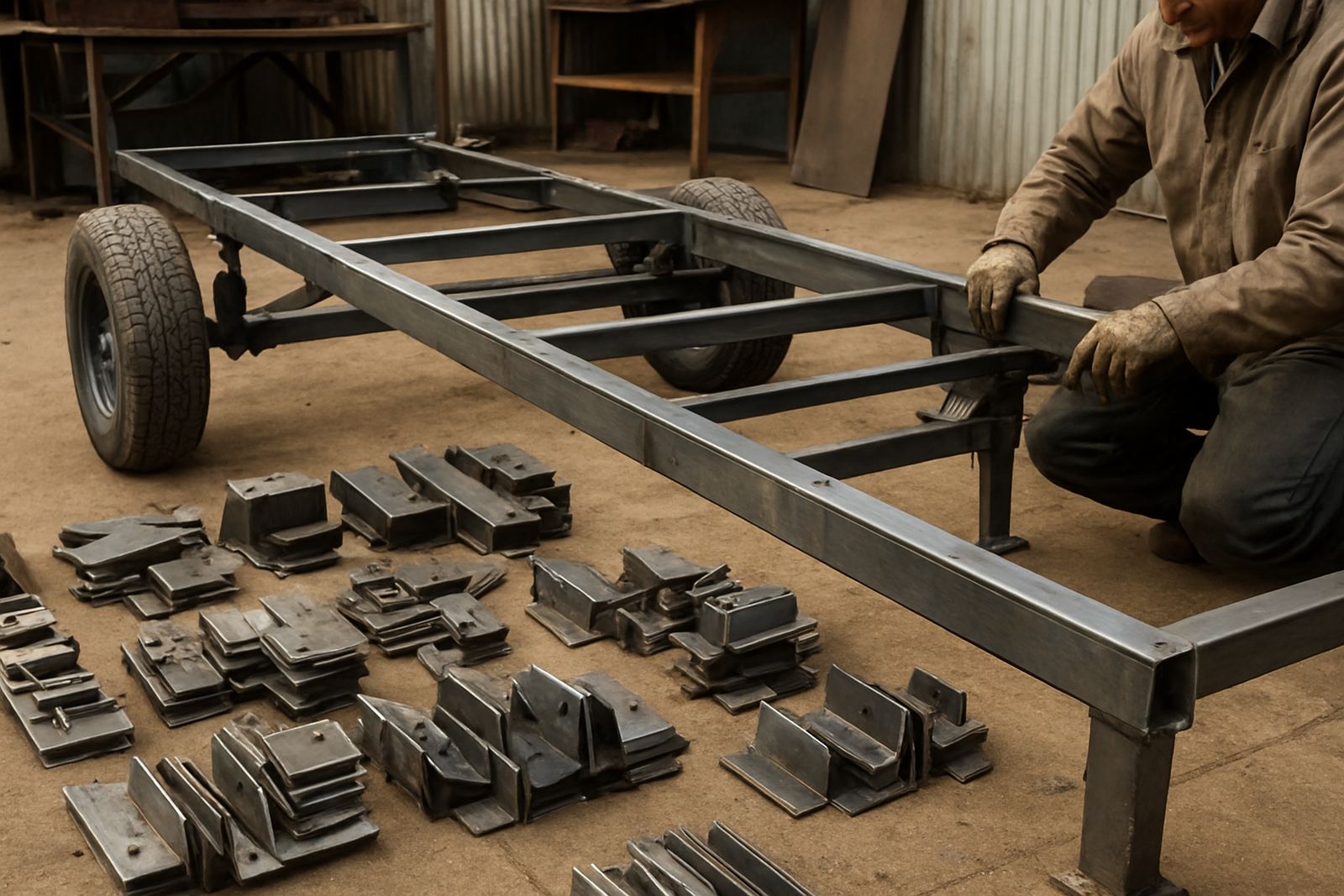
In mining support, small errors become expensive fast. A bracket that is 3 mm out, a plate with heavy bevel, or a hole that needs extra grinding can slow a repair crew down and waste steel. That is why many contractors choose plasma cutting for wear plates, chutes, guards, base plates and repair sections that must fit first time.
Our customers in Vereeniging, Vanderbijlpark, Sasolburg, Meyerton, Alberton, Germiston, Bloemfontein and Welkom usually want two things: speed and repeatability. For support workshops, that means a cutter that can handle mixed work, from 6 mm mild steel parts to heavier plate on a CNC table, without giving trouble when load shedding hits or when compressed air quality drops in a busy yard.
Typical Equipment For A Mining Support Workshop
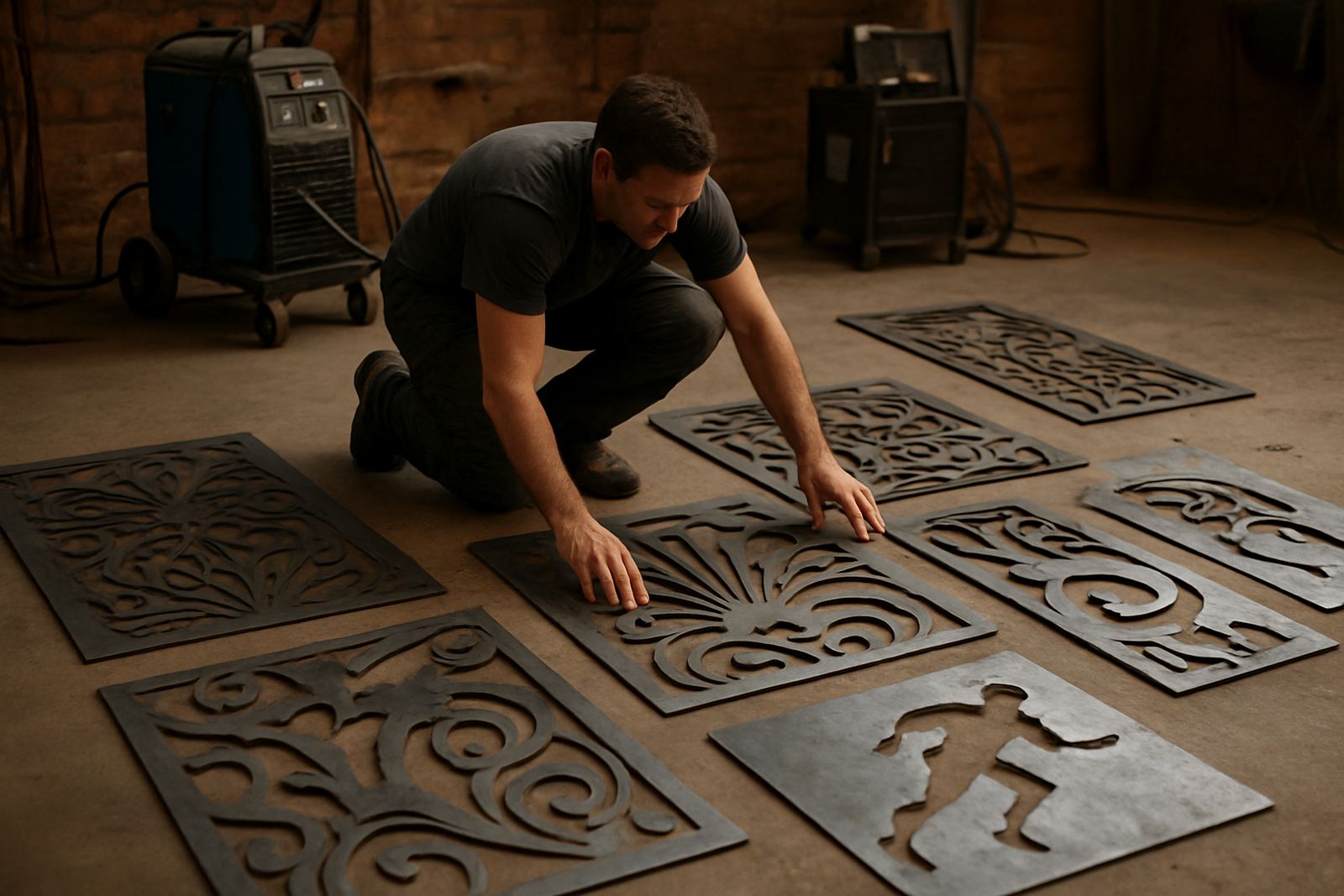
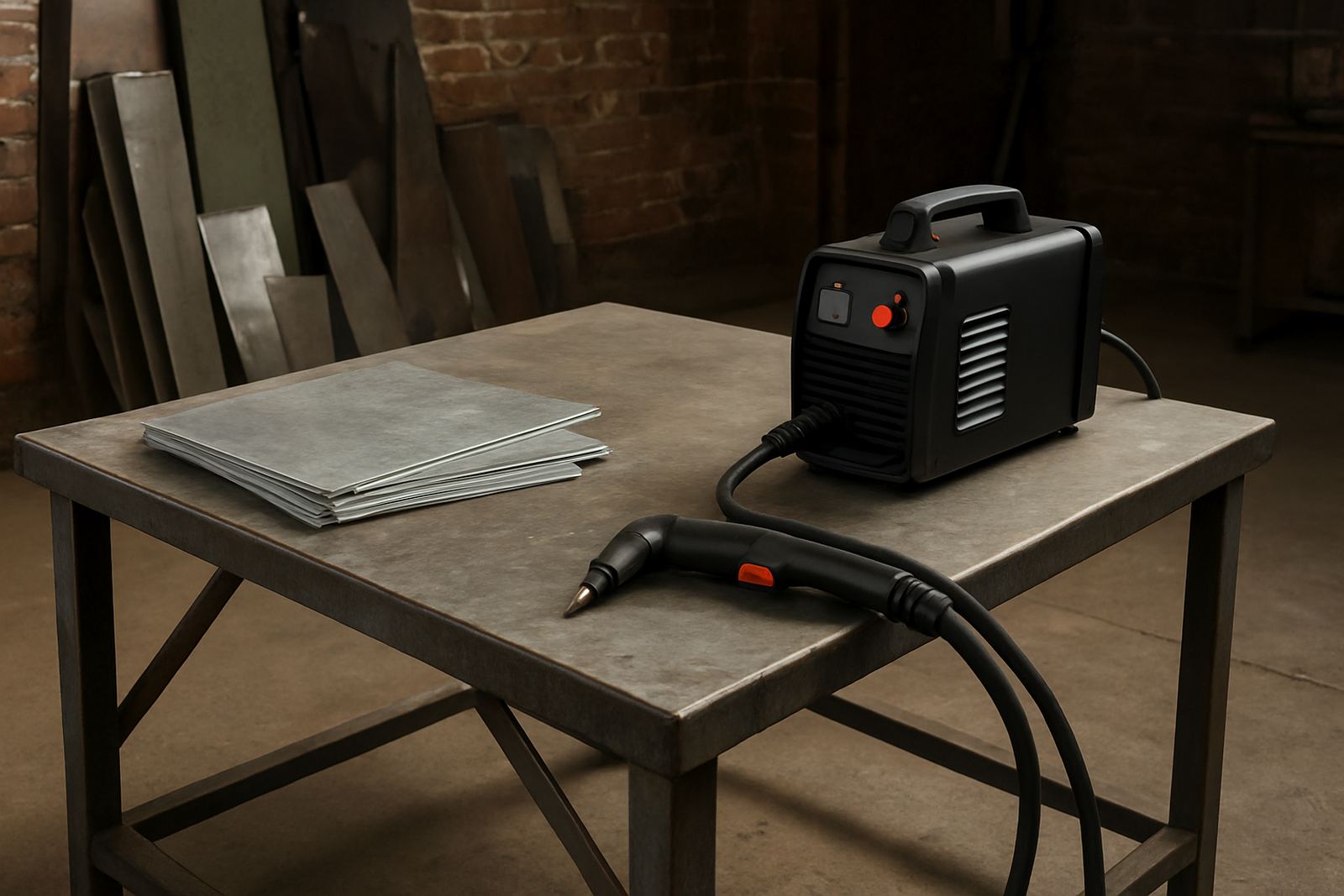
A practical setup depends on the volume of work, but most mining support teams start with one handheld unit for breakdown work and one CNC system for repeated parts. Handheld cutters are useful for field repairs, trimming failed brackets, cutting gussets, and doing quick fixes on site. CNC tables suit wear plate batches, bolt patterns, and repair parts that must match drawings and jigs.
- Handheld plasma cutter for breakdowns and mobile repair work
- CNC table for repeated parts, wear plates and production runs
- Air compressor with dry, clean supply and proper filtration
- Height control for cleaner pierce points and more stable cutting
- Extraction or extraction planning for smoke and dust control
- Spare torches, leads, consumables and basic service parts
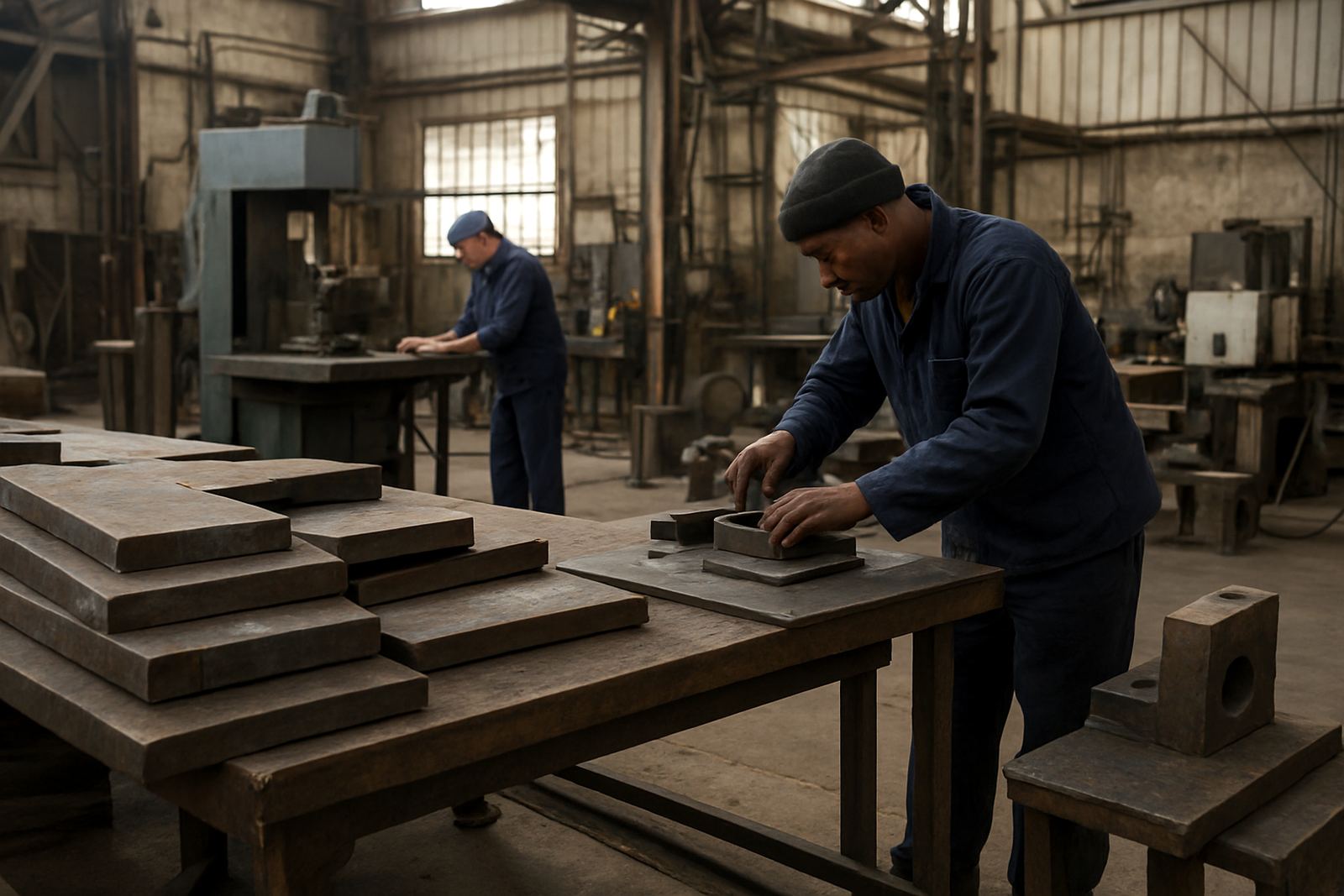
If your workshop also does fabrication for plant maintenance, it helps to set aside one bay for cutting, one for fit-up, and one for grinding and finishing. That keeps work moving and reduces the chance of sparks, dust and metal offcuts causing problems around other equipment.
Layout And Planning Advice For Busy Yards
The best layout is simple and safe. Put the cutting area close to material storage so sheets and plate do not need to be carried across the yard more than once. Leave enough space for loading, offloading and turning large stock. If you cut near a municipal boundary or in an industrial park, make sure your noise, smoke and waste handling match site rules and local by-laws.
For CNC work, keep the table on a level floor with enough room for maintenance access on all sides. Protect electronics from dust, fine grinding waste and moisture, especially in coastal or humid periods. In winter or during power interruptions, plan how you will restart the system, since repeated starts and poor air supply can affect cut consistency. A short checklist at the machine helps operators catch issues before a job starts.
- Check air pressure and moisture trap before every shift
- Inspect torch consumables at the start of each job
- Keep spare nozzles, electrodes and swirl rings in labelled storage
- Separate cutting, grinding and assembly areas where possible
- Keep a backup plan for outages and after-hours breakdowns
Common Mistakes That Slow Down Mining Support Teams
One of the biggest mistakes is treating the cutter as a stand-alone fix. Plasma systems work best when the air supply, table setup, consumables and operator habits are all in order. When compressed air carries oil or water, consumables wear faster and cut edges need more clean-up. When plate is not clamped flat, the cut can wander and parts need rework.
Another problem is under-training. A machine can be reliable, but if the operator is guessing on current settings, travel speed or pierce height, results will be poor. We often see workshops trying to push worn consumables for too long, which leads to poor cut quality and more dross. It is cheaper to replace a nozzle on time than to send a technician back to fix a batch of bad parts. It sounds simple, but it saves hours.
Budget Ranges For Contractors And Support Workshops
Budget depends on whether you need a compact handheld unit, a workshop machine or a CNC table with height control and commissioning. For many smaller support workshops, a handheld solution can start in the low tens of thousands of Rand, while a heavier duty system for regular fabrication moves much higher. A CNC setup with proper table sizing, extraction planning and operator training can run into the hundreds of thousands, depending on the spec.
For planning, it helps to think in three layers:
- Entry level handheld work for repairs and light fabrication
- Mid-range workshop systems for steady production and part making
- CNC packages for repeat wear plate and repair component cutting
Do not forget the ongoing cost of consumables, air treatment, preventive maintenance and spare parts. A lower purchase price can become expensive if it cuts slowly, eats torches, or needs constant attention. We help customers match the machine to the actual workload, not just the wish list.
Support, Servicing And Training Across Gauteng And The Free State
PlasmaCutter works from Vereeniging and supports mining contractors, maintenance teams and support workshops across Gauteng and the Free State. Our services include torch repairs, power source repairs, preventive maintenance, consumables checks, air system inspection, CNC table servicing, height control calibration, on site breakdowns, machine commissioning, operator training, spares supply and cut quality audits.
Marius van der Merwe leads the business, with Kgomotso Mhlongo handling sales, Johan Botha on technical support, Phenyo Diale coordinating customer support, Ruan Visser attending field service work and Naledi Selebalo managing training and demos. If your team needs help choosing the right setup or sorting out an existing machine, send an enquiry through the contact page and we will arrange the next step.