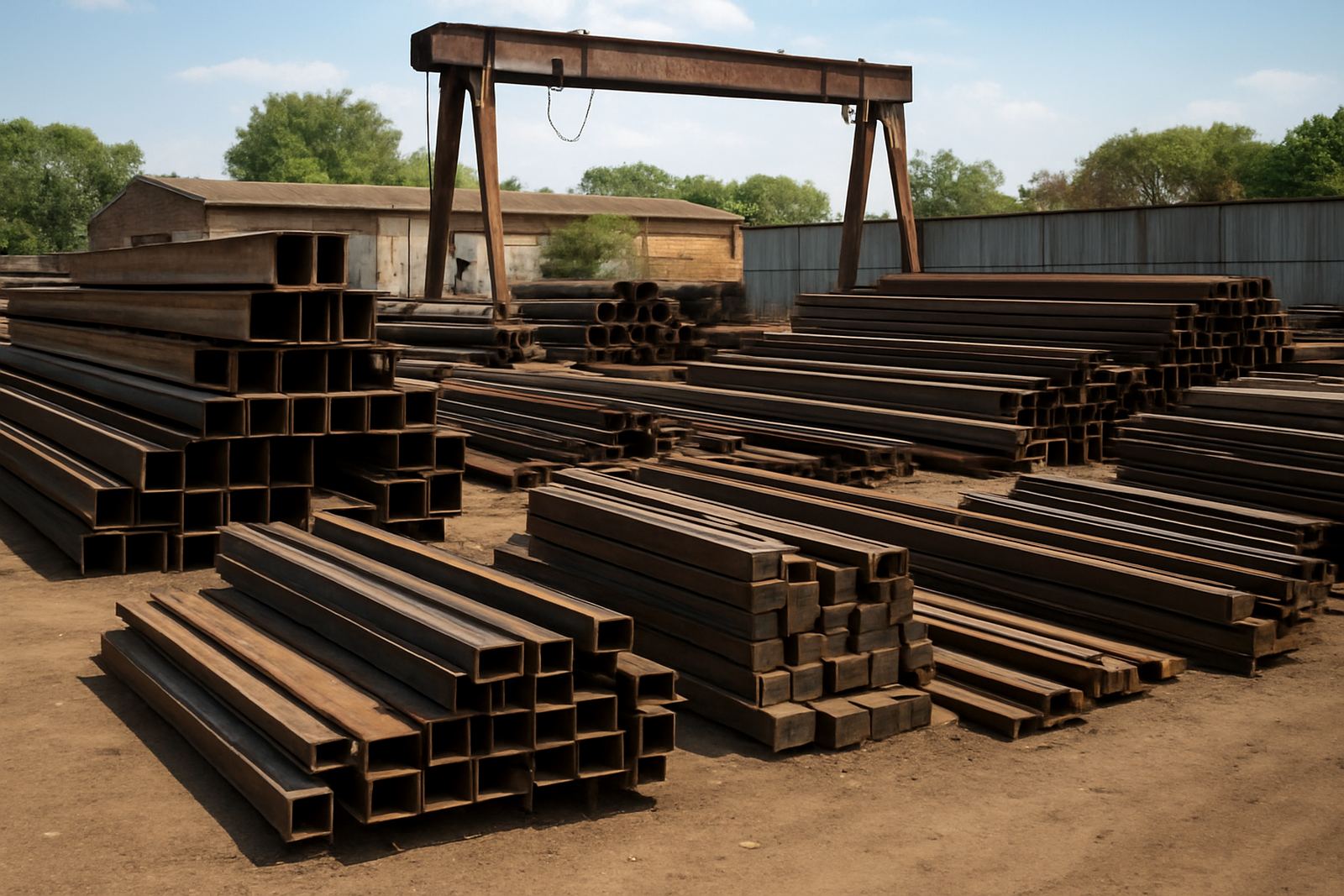
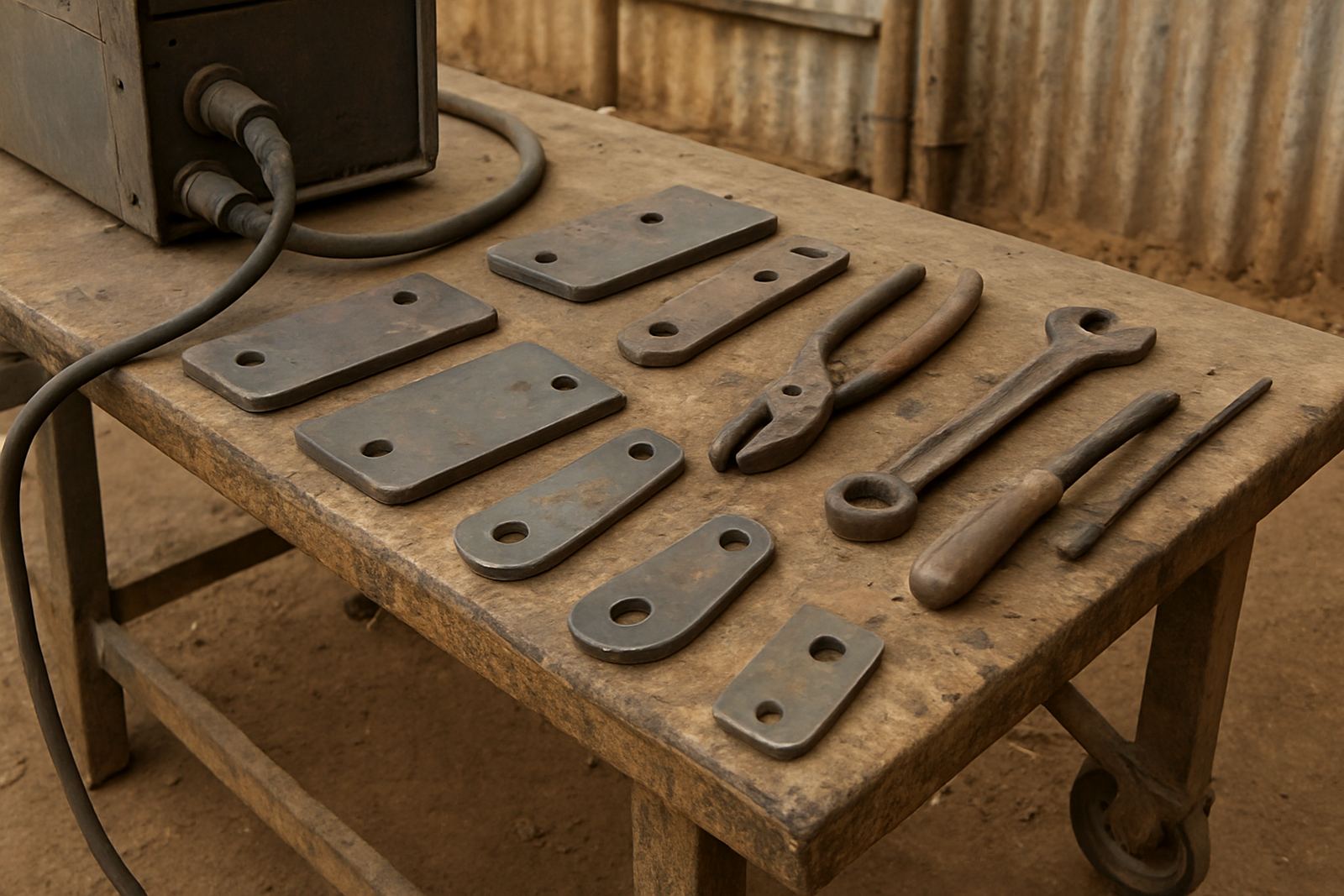
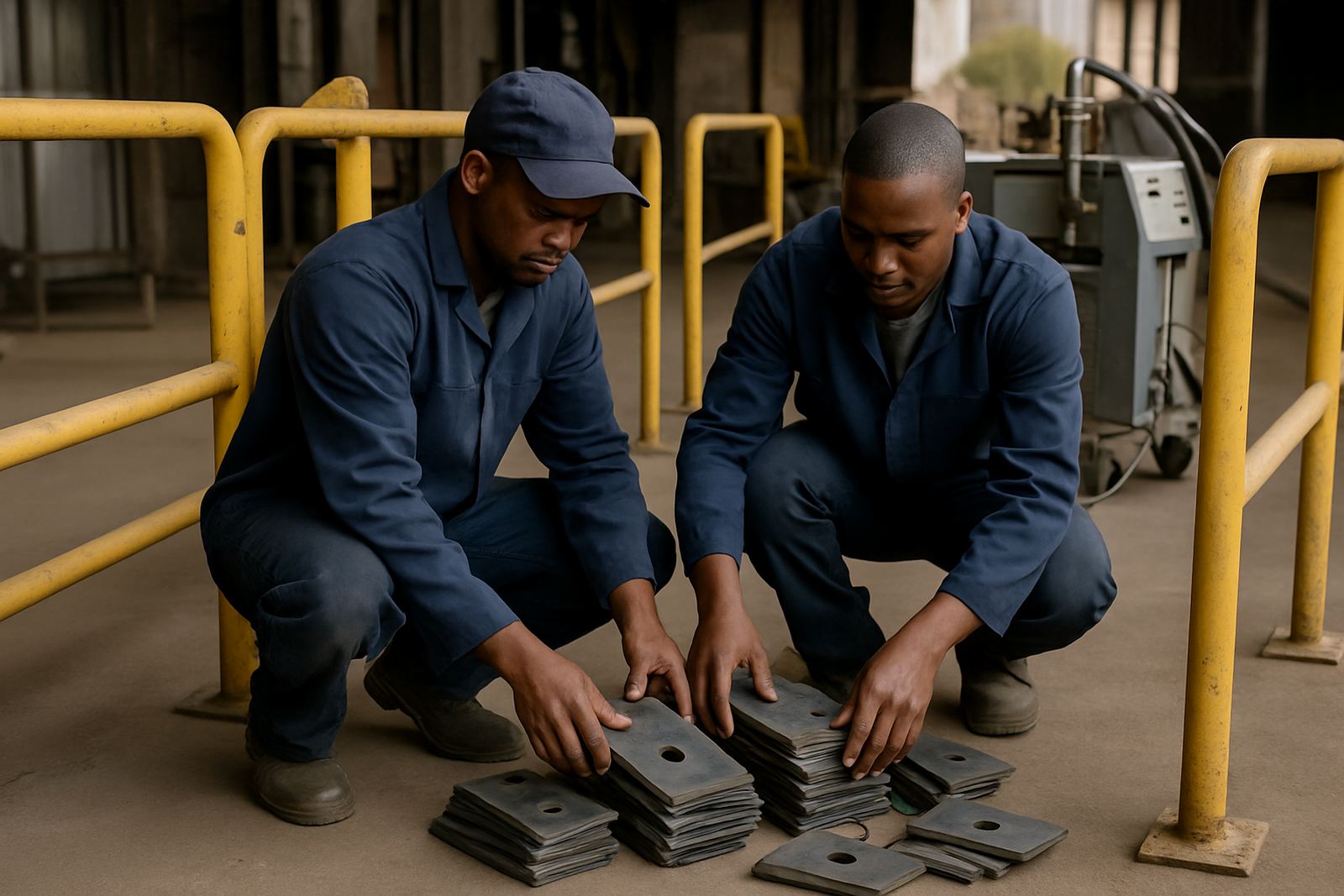
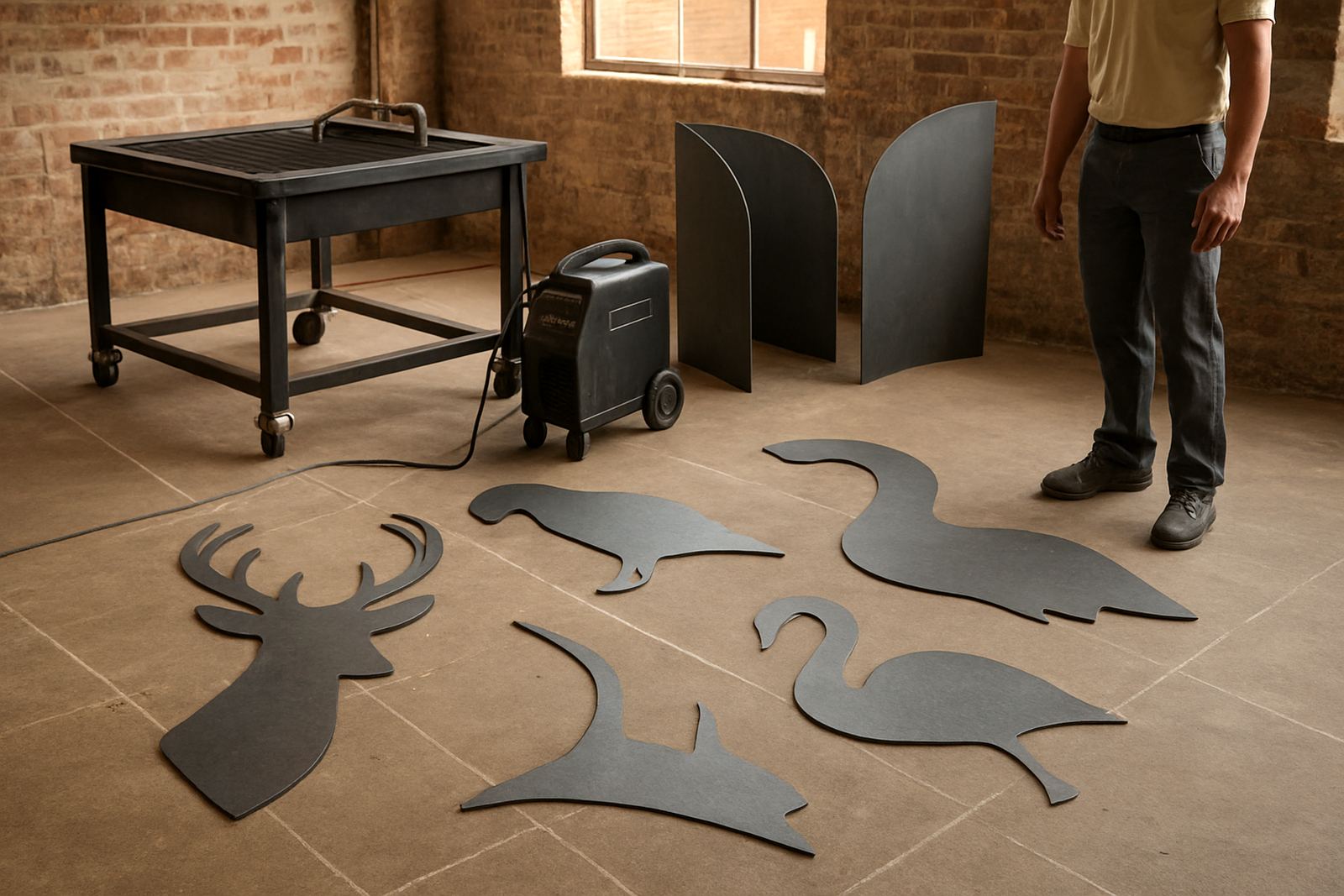
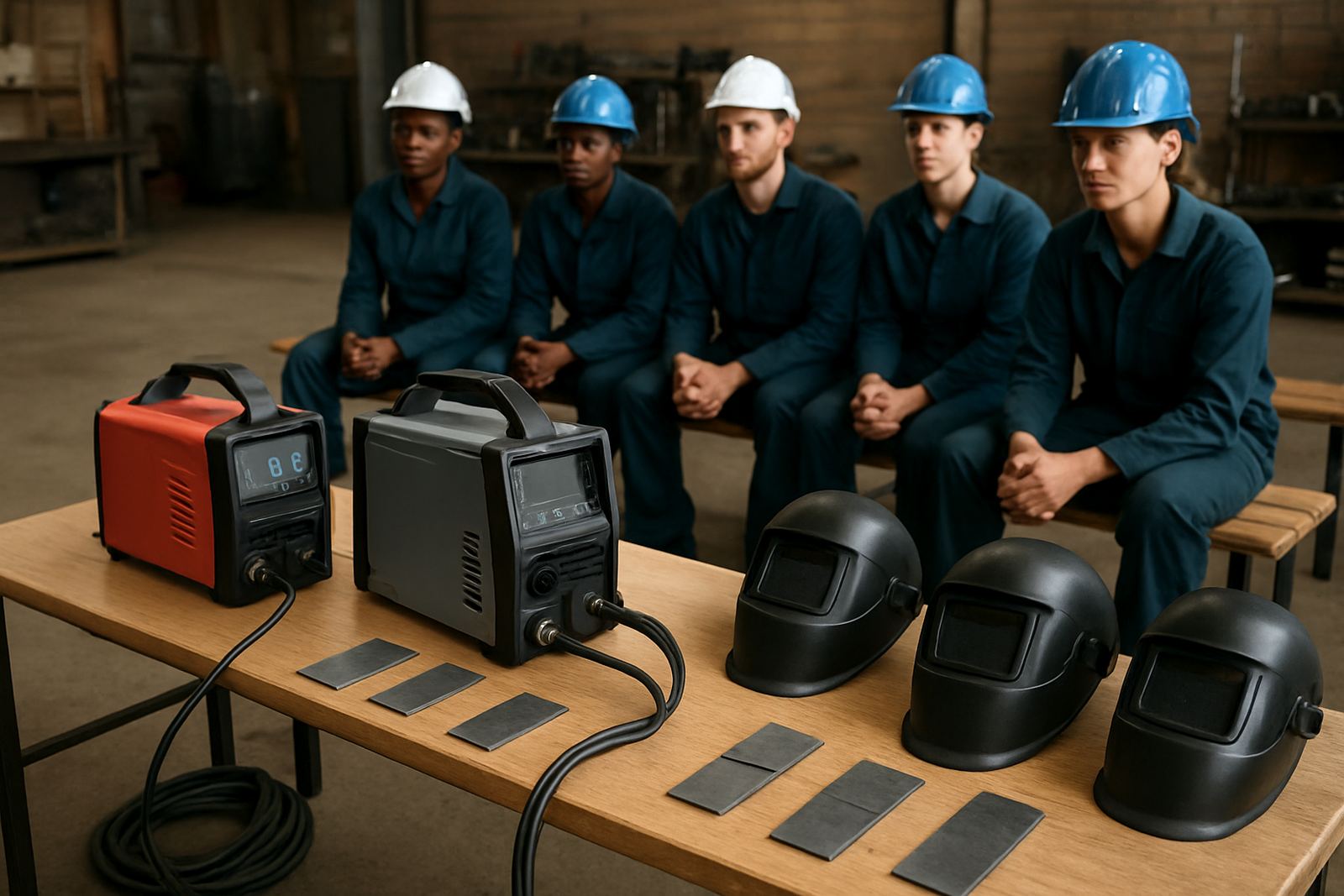
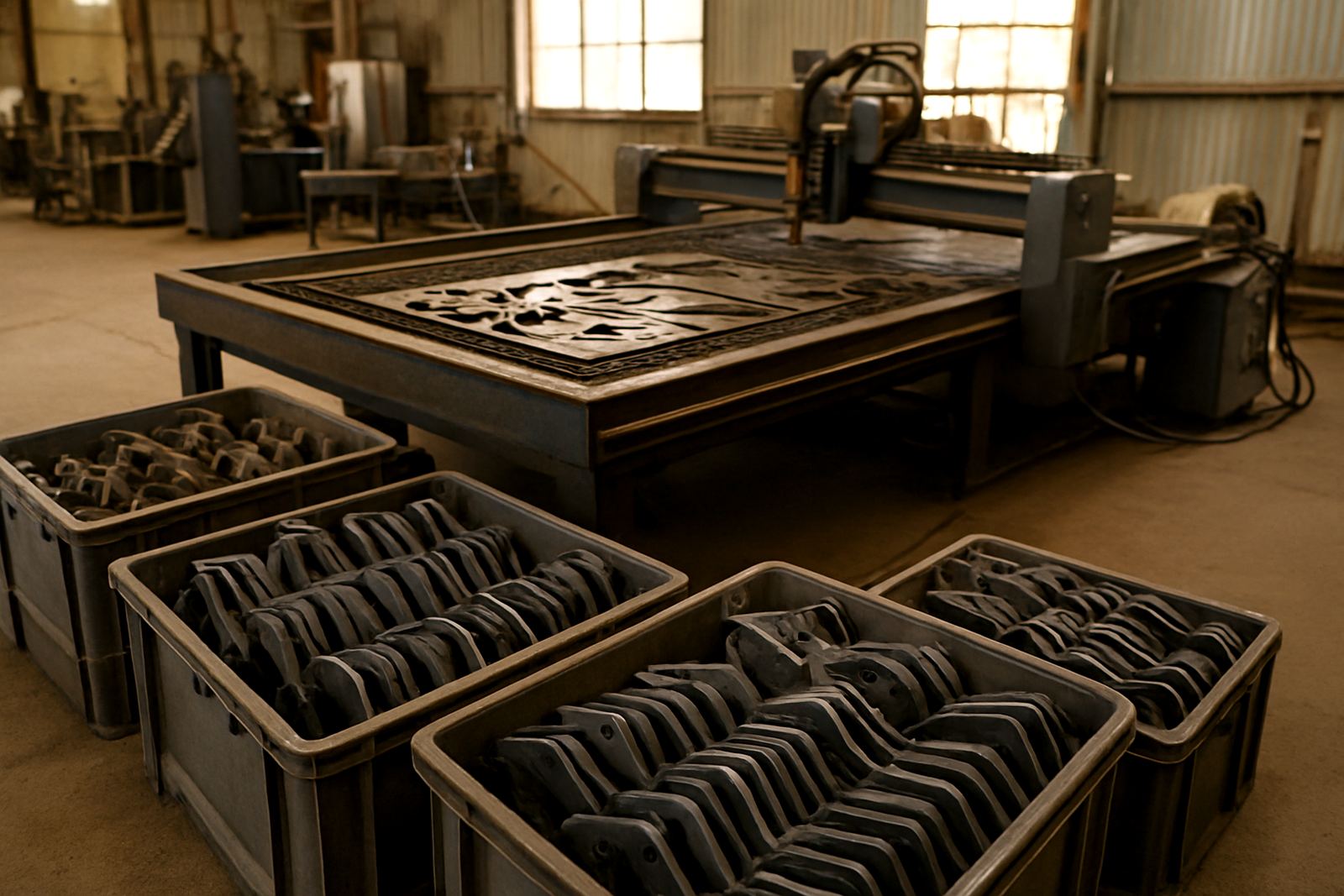
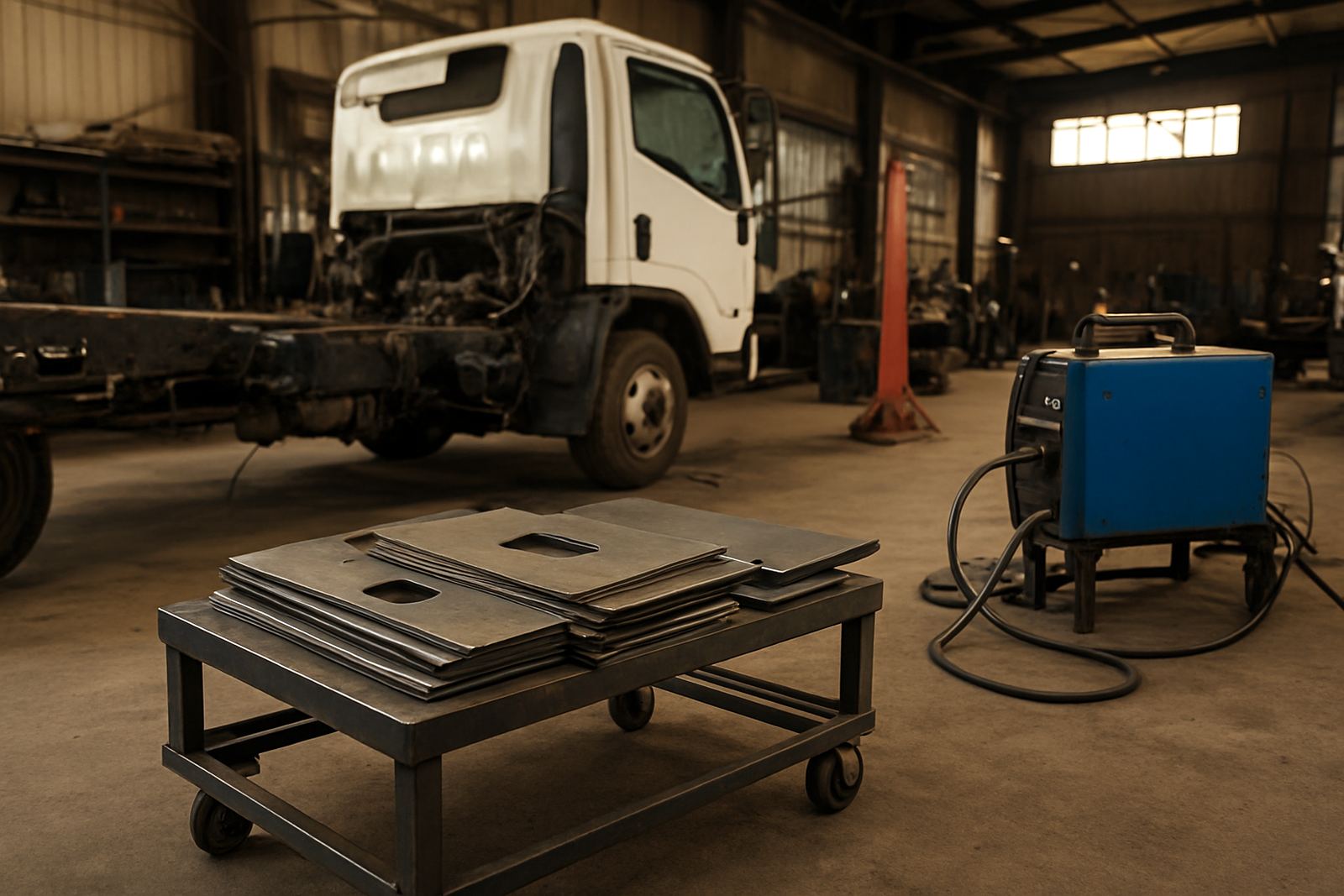
What these completed jobs show
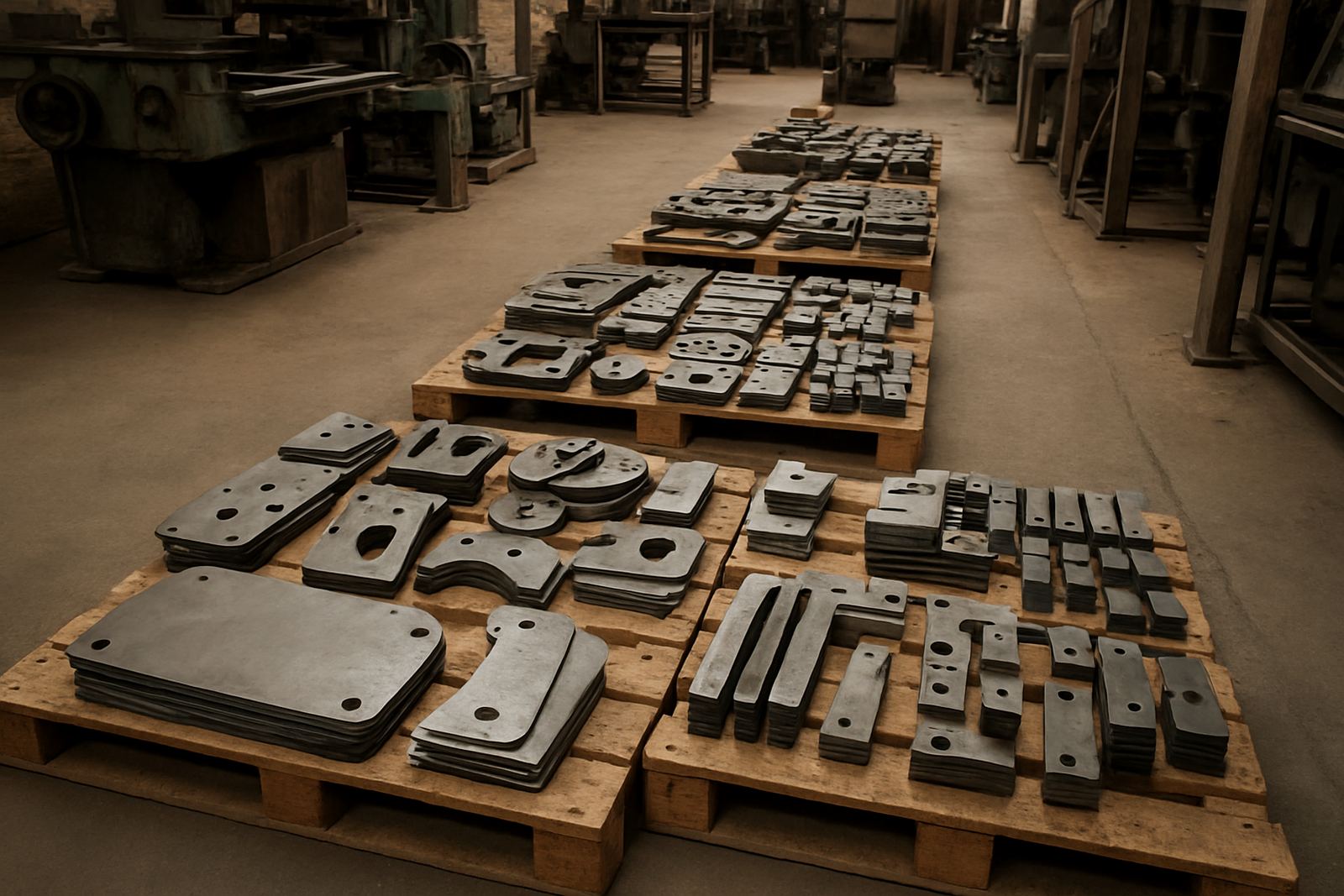
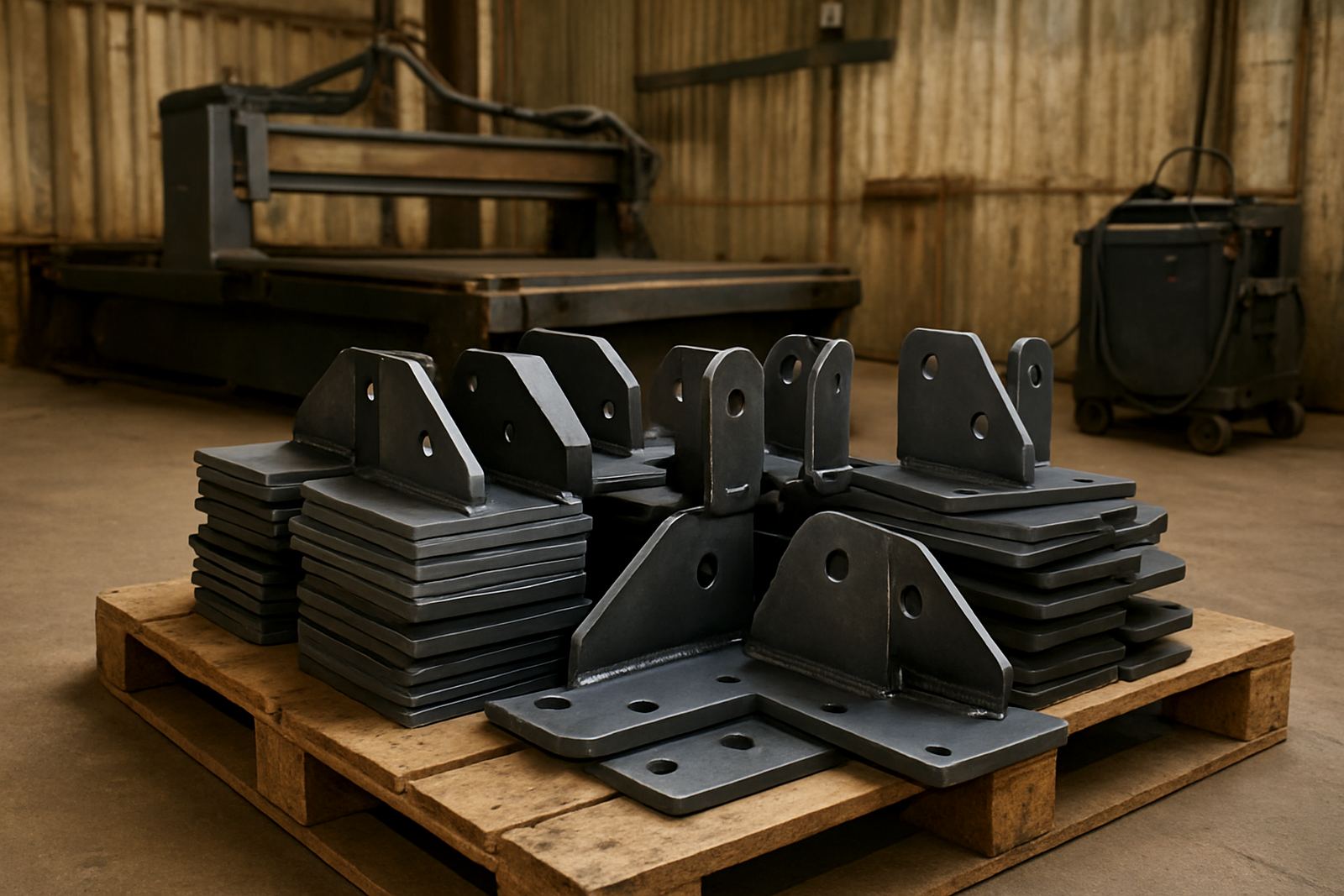
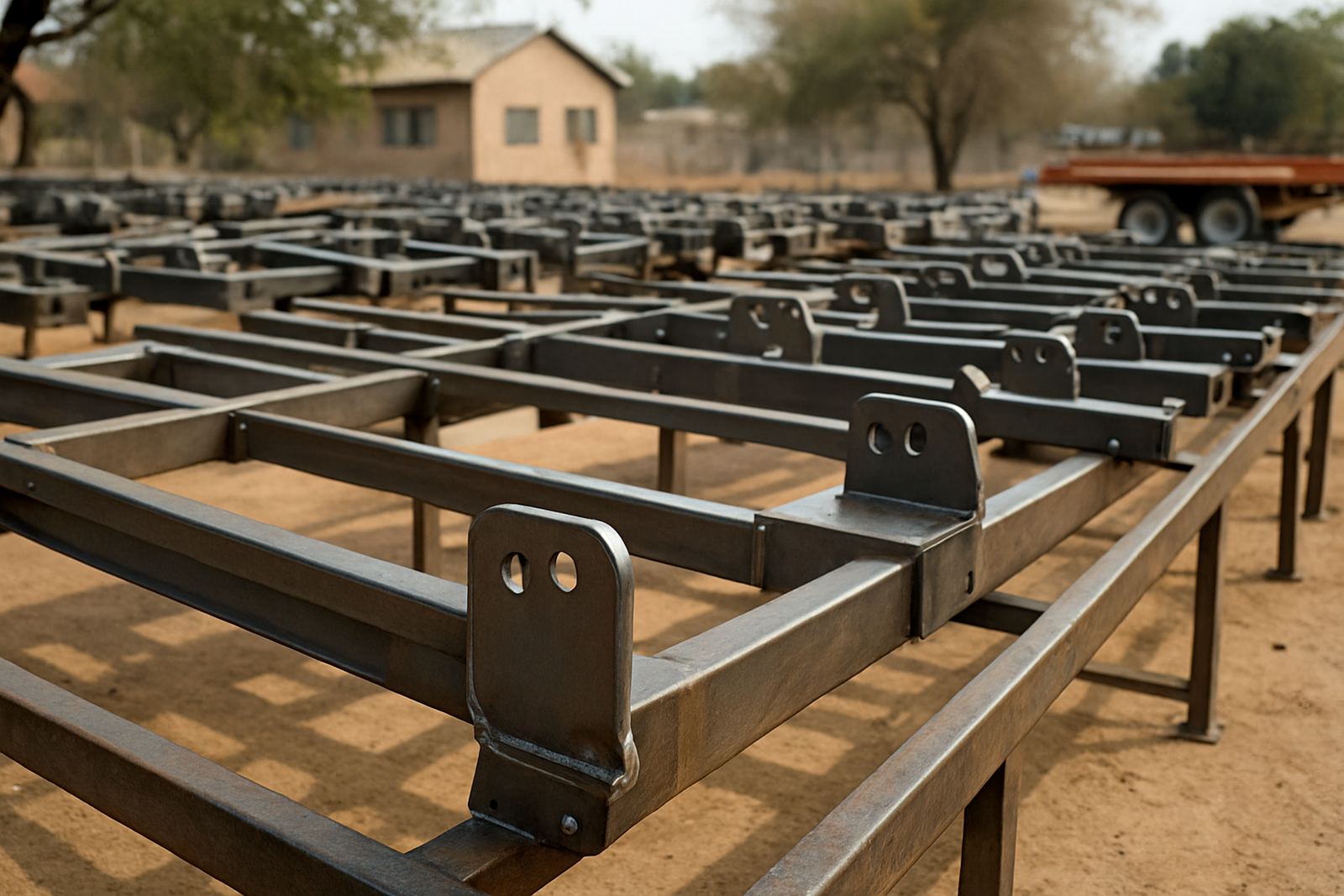
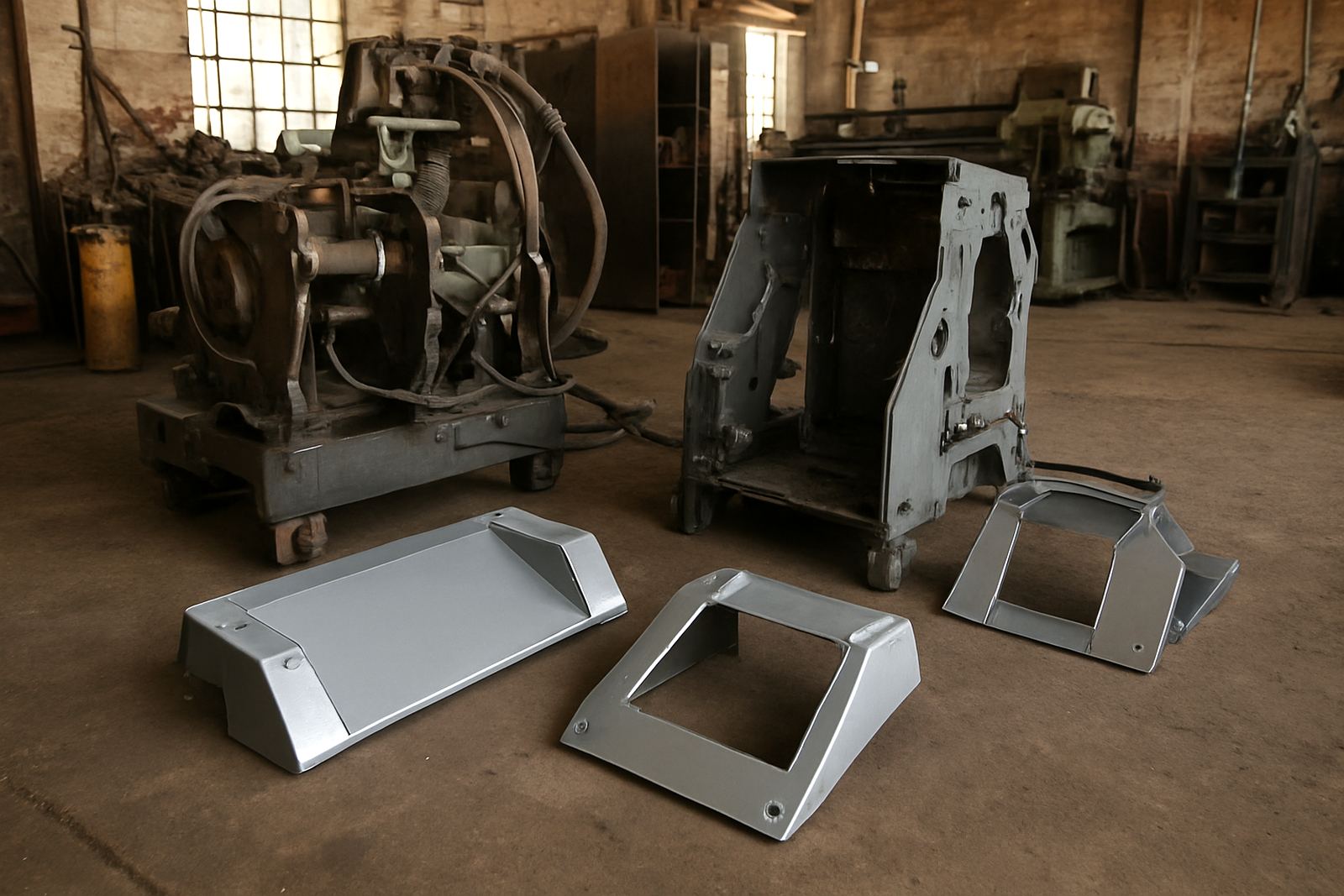
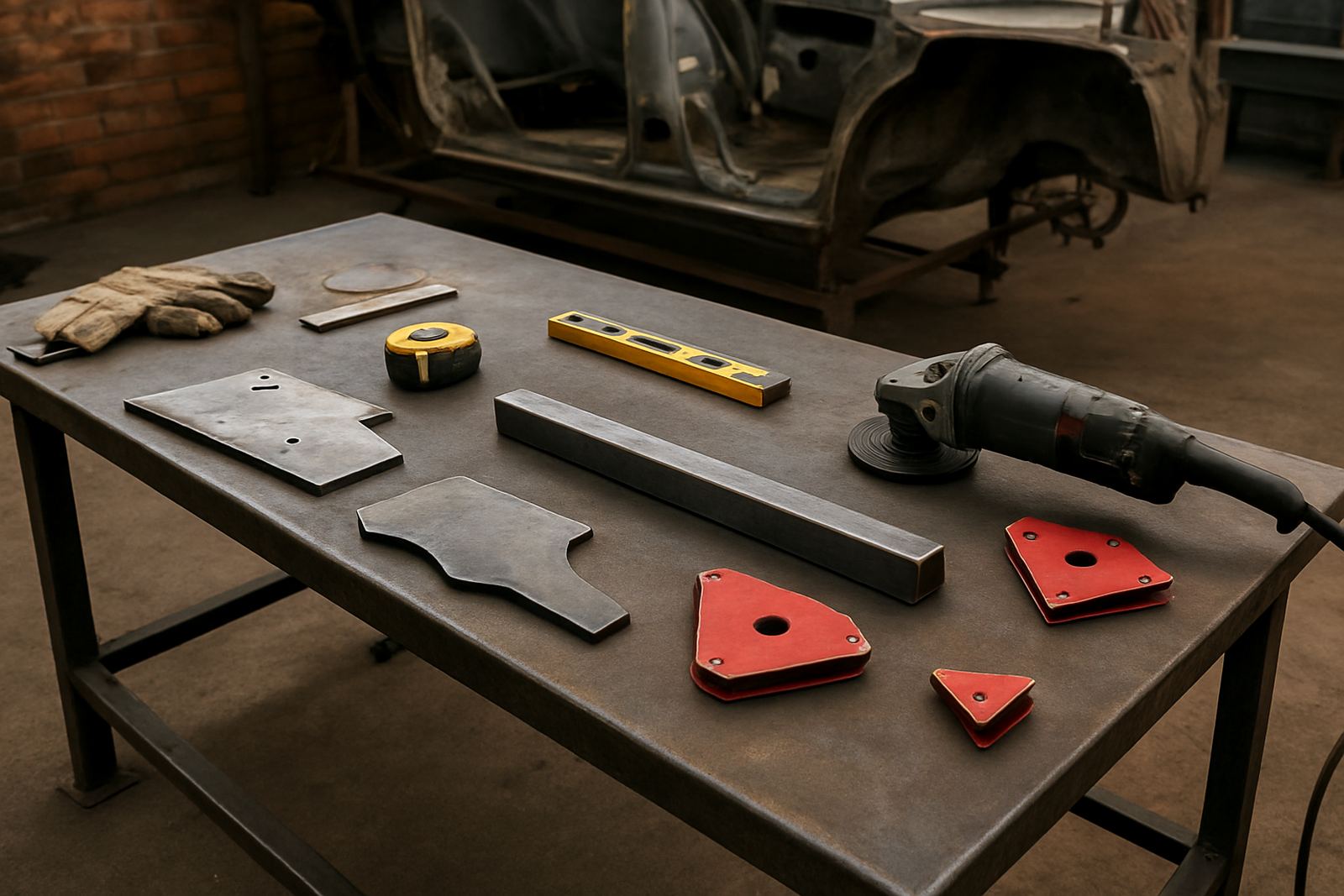
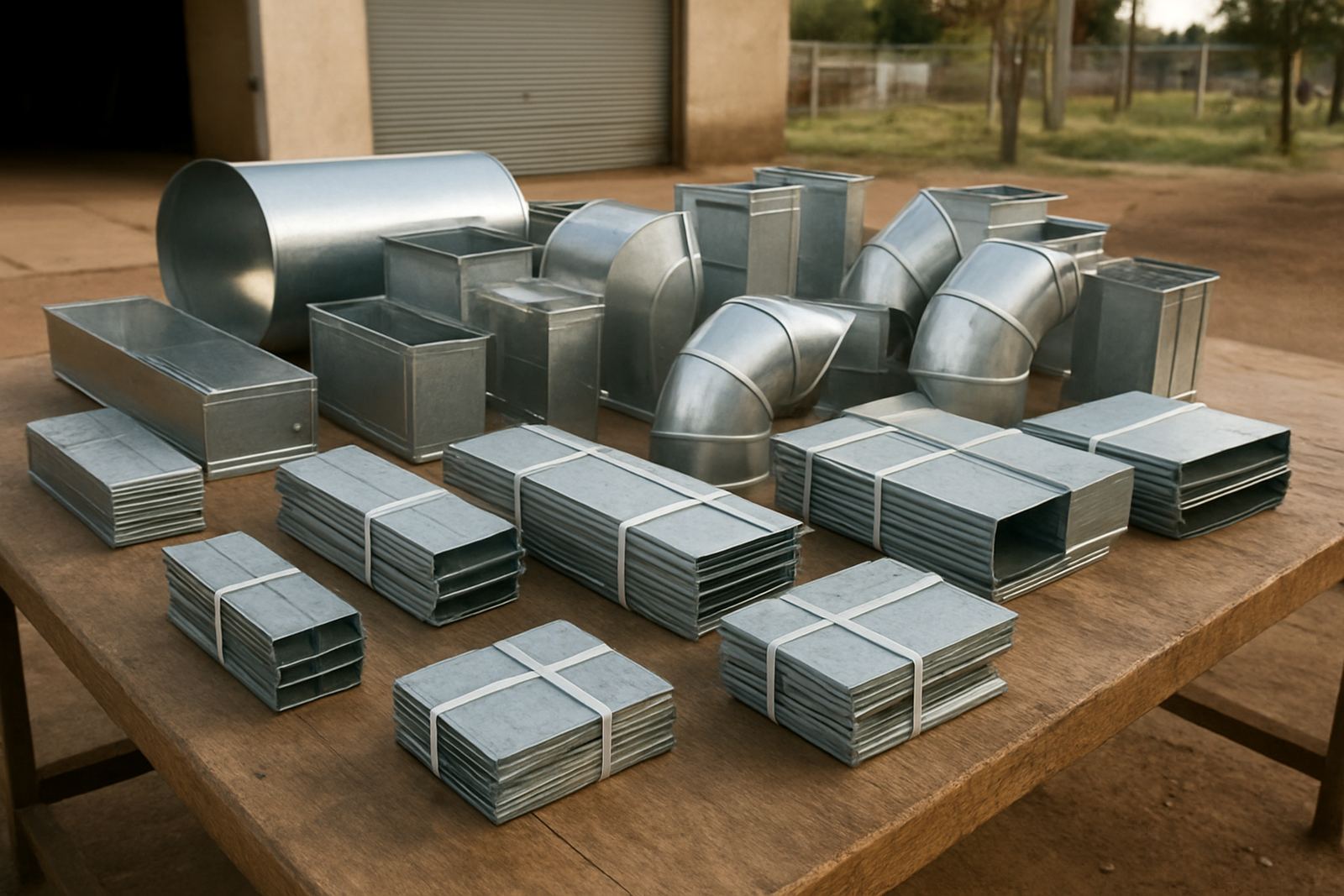
Projects include repair work, production cutting and one-off jobs for workshops, factories and smaller operators. Some call for straight, repeatable cuts on plate, while others need careful shaping on mixed thickness steel, and a few need site support where power, air quality or dust control can make a real difference.
If you are choosing a setup, compare the job type, the metal thickness and how often the work repeats. A small workshop in Alberton may need clean handheld cuts for brackets and patch panels, while a fabrication shop in Vereeniging may be looking for a CNC table for regular batch work and better edge consistency.
Jobs by town and site conditions
Our completed cutting jobs span workshop floors, industrial yards and field work from Vanderbijlpark through to Bloemfontein and Welkom. Each area brings its own practical issues, from long cable runs and dust in production spaces to coastal-style humidity inland during summer storms, which can affect air systems and stored consumables.
- Vereeniging and Meyerton: general fabrication, repair sections and repeat cutting for steel components
- Alberton and Germiston: automotive-type parts, brackets and panel repair work
- Sasolburg: maintenance-related cuts in plant and workshop settings
- Bloemfontein and Welkom: site support for larger, heavier steel sections
Handheld cutting jobs for repair and light fabrication
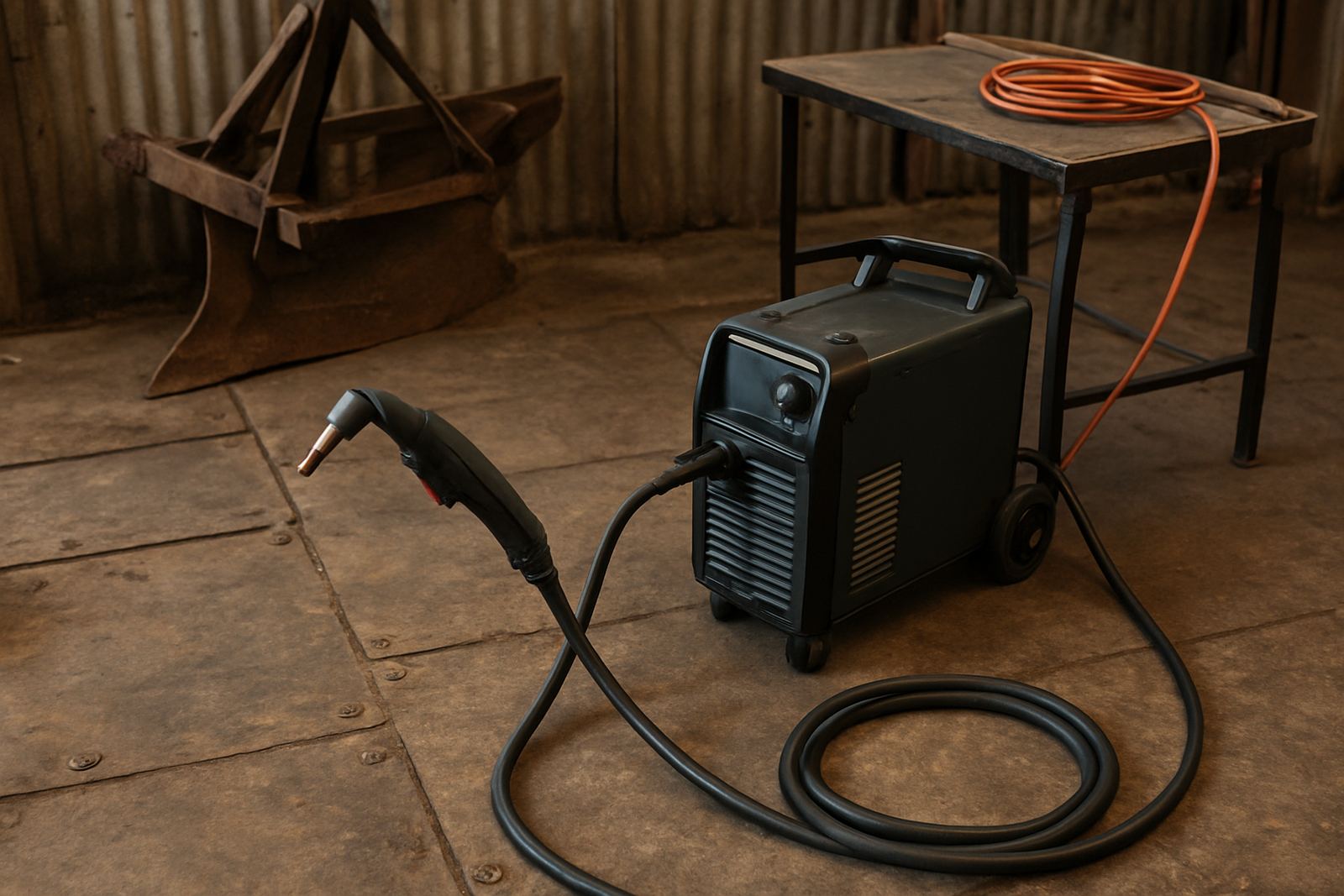
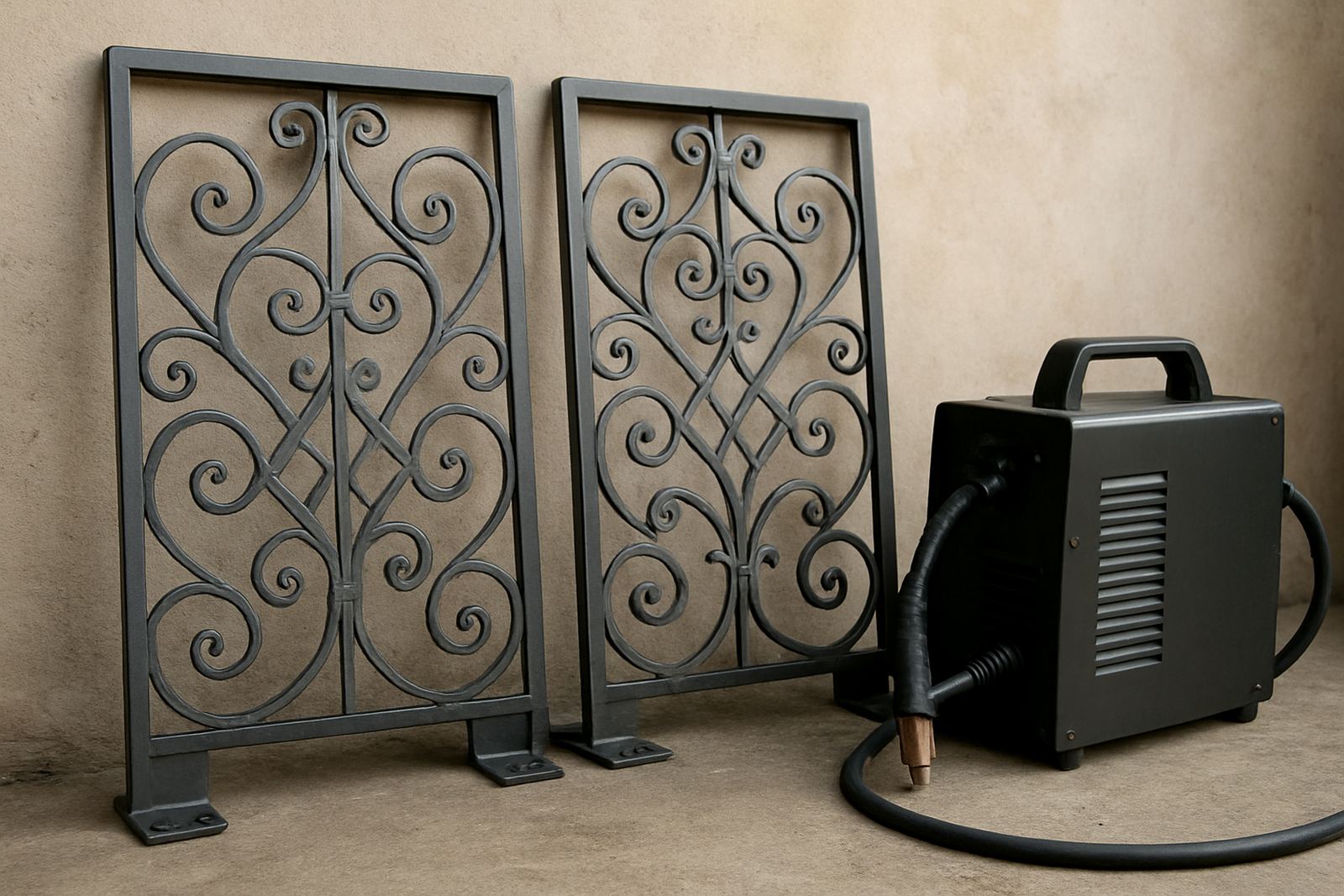
Handheld jobs are often the right fit when the work changes from day to day. These projects usually involve quick setup, controlled torch use and clean edges on mild steel. We see this in metal repair yards, agricultural repair shops and smaller fabrication teams that need dependable cutting without tying up a large machine for simple work.
For these jobs, the important points are cut speed, torch comfort and how easy the unit is to keep ready. In many cases the operator is working around load-shedding schedules, so practical power use and simple maintenance matter just as much as the cut itself. Good consumable checks can save time and a fair bit of waste.
CNC cutting jobs for repeat accuracy
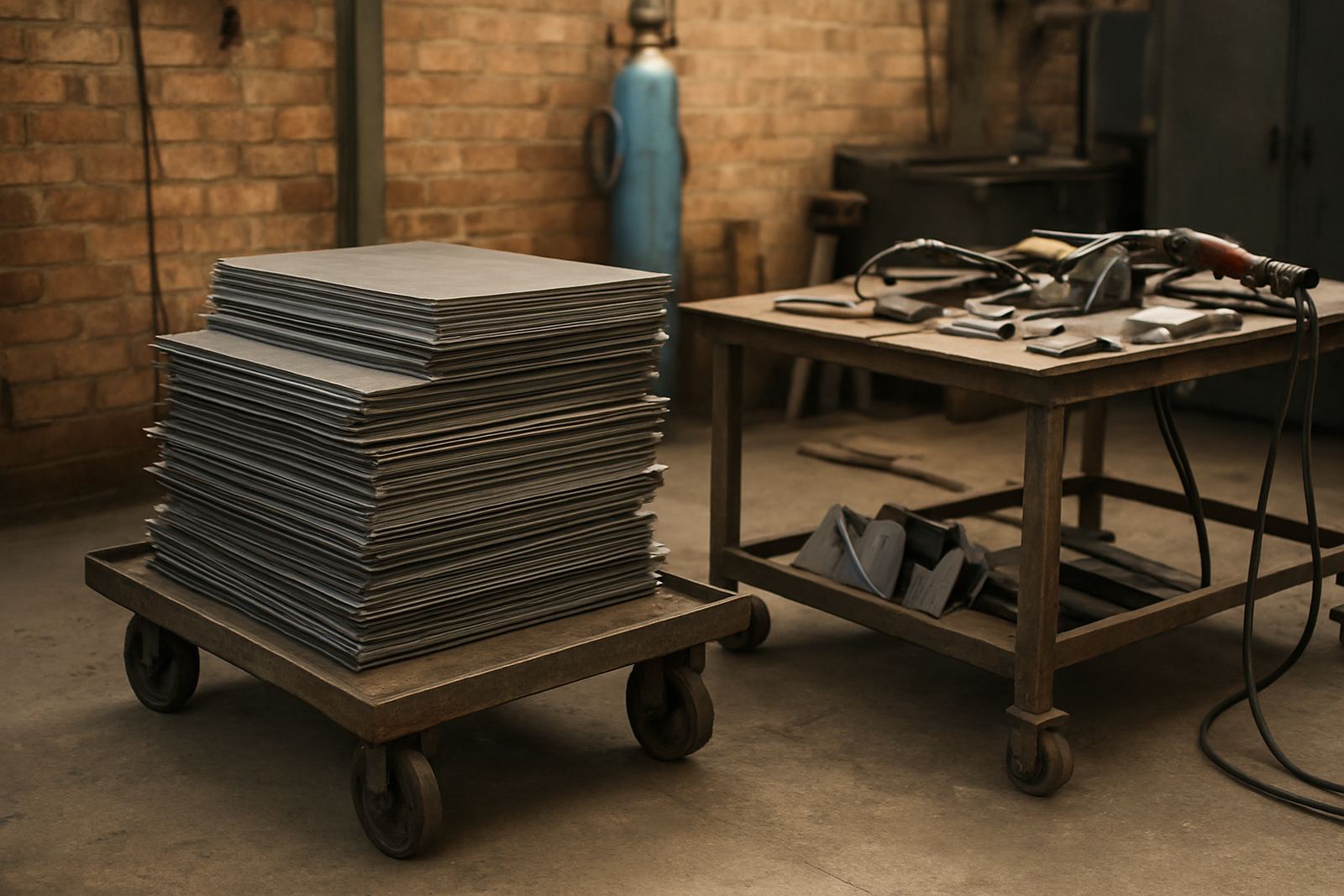
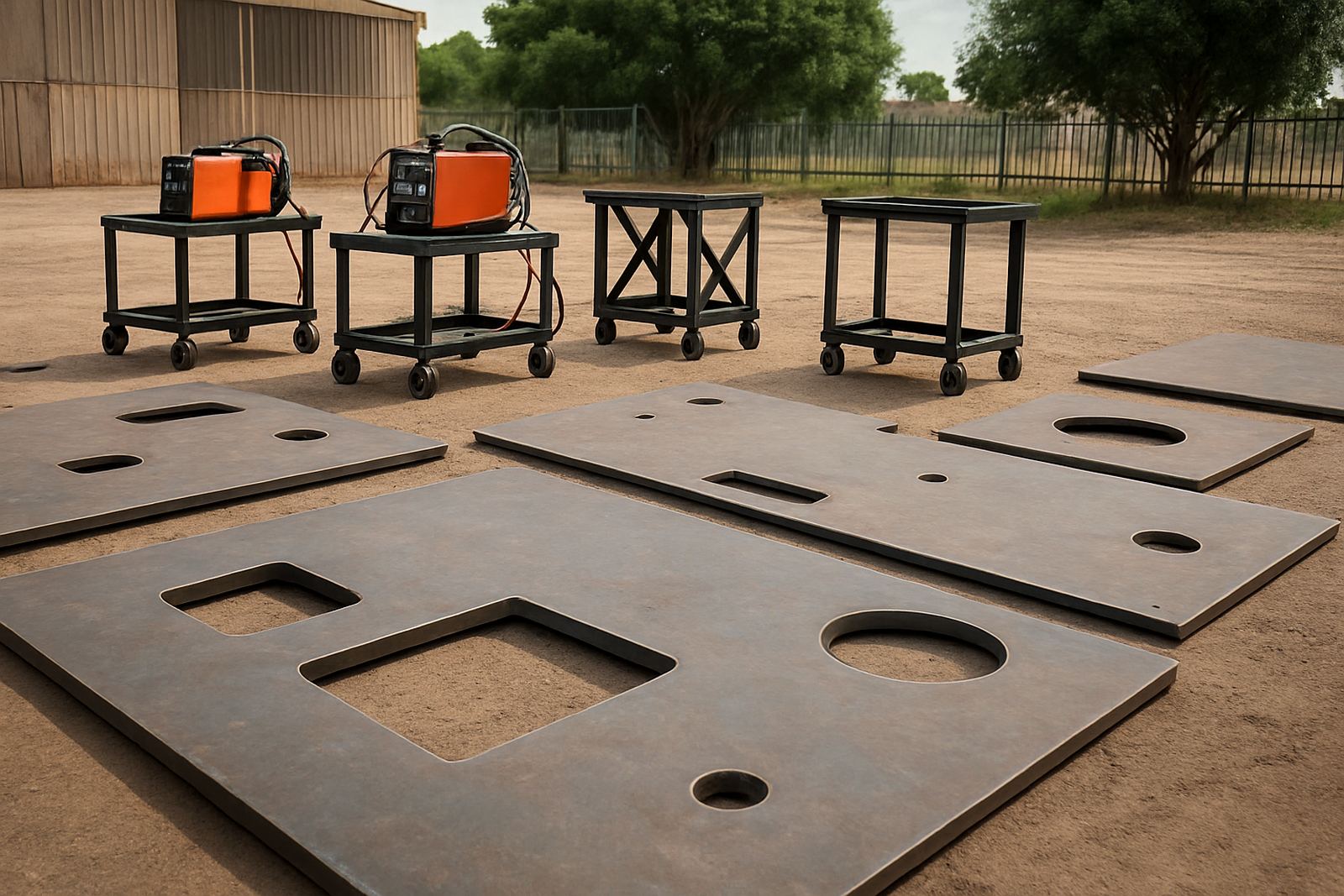
Where the same part needs to be cut again and again, CNC jobs give a better picture of what the machine can hold over time. The completed projects in this category tend to involve plates, frames, mounting parts and production batches where the edge quality, hole size and finish must stay consistent from the first piece to the last.
- Machine commissioning and first-run setup on site
- Height control calibration for steady arc performance
- Cut quality audits for edge finish and kerf control
- CNC table servicing to keep movement and alignment in check
These examples are useful if you are comparing a new build, a workshop upgrade or a production line that cannot afford repeated rework. A small issue with torch height or air supply can throw off the whole job, so the support side is part of the outcome.
Support work behind the cut
Completed cutting jobs also show the maintenance side of the work. A clean result depends on more than the torch alone. Torch repairs, power source repairs, spares supply and air system inspection all help to keep the equipment working as expected, especially in busy workshops where downtime costs money.
Our field and workshop support covers Vereeniging, Vanderbijlpark, Sasolburg, Meyerton, Alberton, Germiston, Bloemfontein and Welkom. If a machine is underperforming, the cause is often simple: worn consumables, dirty air, poor earth connection or height control that needs checking. Catching that early keeps the job moving.
How to match the right plasma cutting setup to the work you do
When you look through the completed cutting jobs, choose examples that match your own material, volume and site setup. A hobby user cutting light plate in a home workshop will need different guidance from a production client running daily batches. The best comparison is usually the closest town, same thickness and same type of finish.
Use the job pages to judge whether you need handheld flexibility, CNC repeatability or extra site support such as operator training and preventive maintenance. If your work involves changing steel thicknesses, poor workshop air or regular breakdown response, then the service detail matters just as much as the machine spec. That is often where the savings show up, not just on the first cut.