Training support for a practical workshop in Potchefstroom
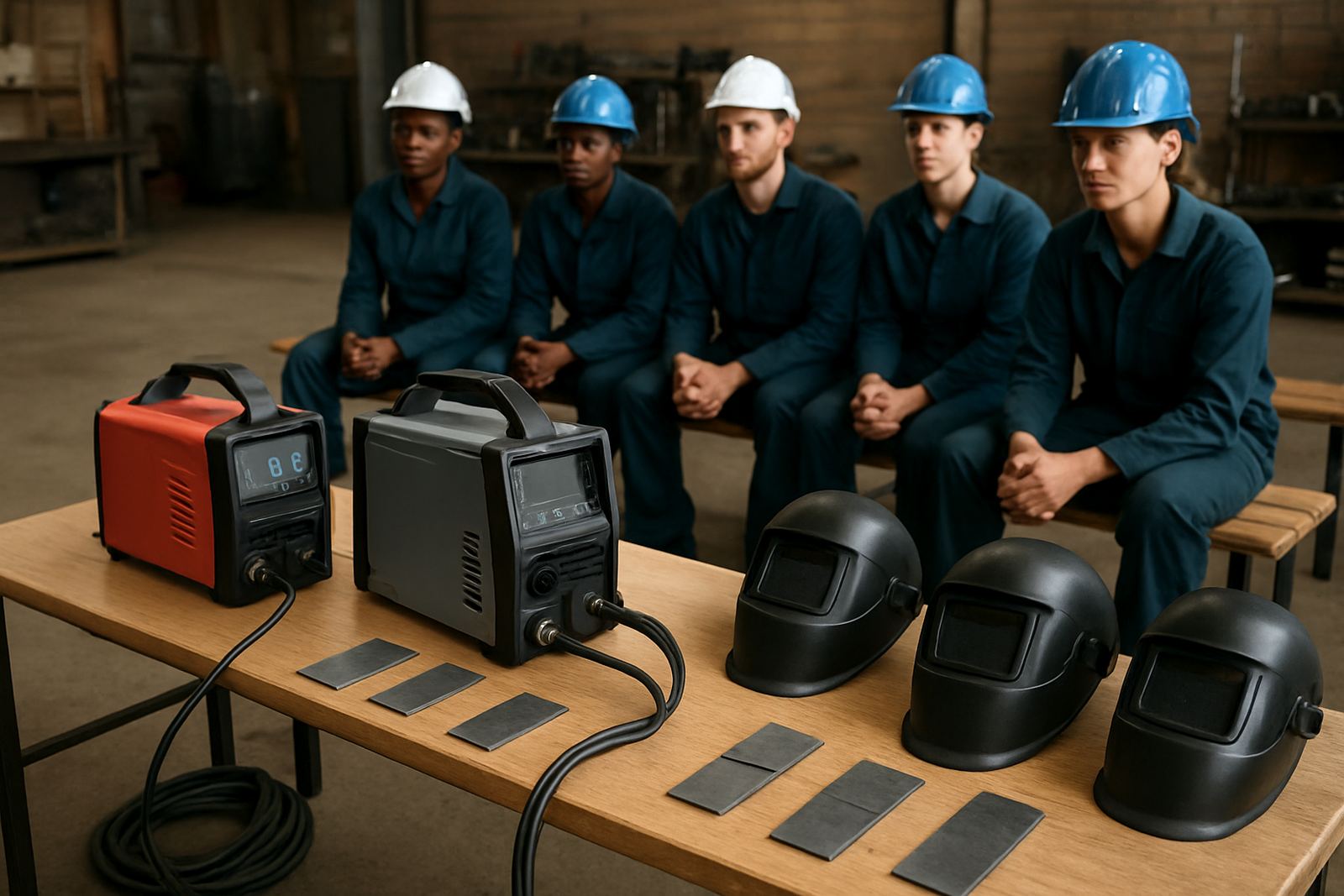
The client was a training centre in Potchefstroom running introductory and intermediate metalworking sessions for learners, small fabrication teams, and workshop supervisors. Their focus was hands-on training, not theory only, so they needed sample parts that could handle repeated cutting and show the difference between poor setup and correct setup.
The brief came through our enquiry form and centred on two things. First, they wanted sample material that would let learners practise straight cuts, inside corners, circles, and edge starts. Second, they needed clear guidance on machine setup so each session could be run in a steady way, even when different instructors were on duty.
Because this was a training environment, the parts had to be consistent and safe to handle. They also had to suit local workshop conditions, including load-shedding interruptions and variable air supply quality. In Potchefstroom, that means planning around power stability and making sure the compressor and plasma unit are both ready before class starts.
What the workshop needed to get right
The centre needed a practical package rather than a sales pitch. Learners had to see how torch angle, travel speed, amperage and air pressure affect cut quality. If those settings drift, the cut edge starts to show more dross, more bevel and more rework. That is fine for learning if it is controlled, but it is frustrating when the parts are not suited to the lesson.
We also had to keep the training setup manageable. Some classes ran back to back, so changeover time had to be short. The staff wanted a support package they could use again without phoning around for every small adjustment. That meant supplying sample parts with clear labels and giving guidance that was easy to follow on the floor.
Another constraint was the local workshop rhythm. Training ran during business hours and sometimes after hours, so we had to work around class schedules and machine availability. The centre asked for a solution that could be used whether the training group was working on handheld cutting or basic CNC table familiarisation.
Sample parts and setup guidance we supplied
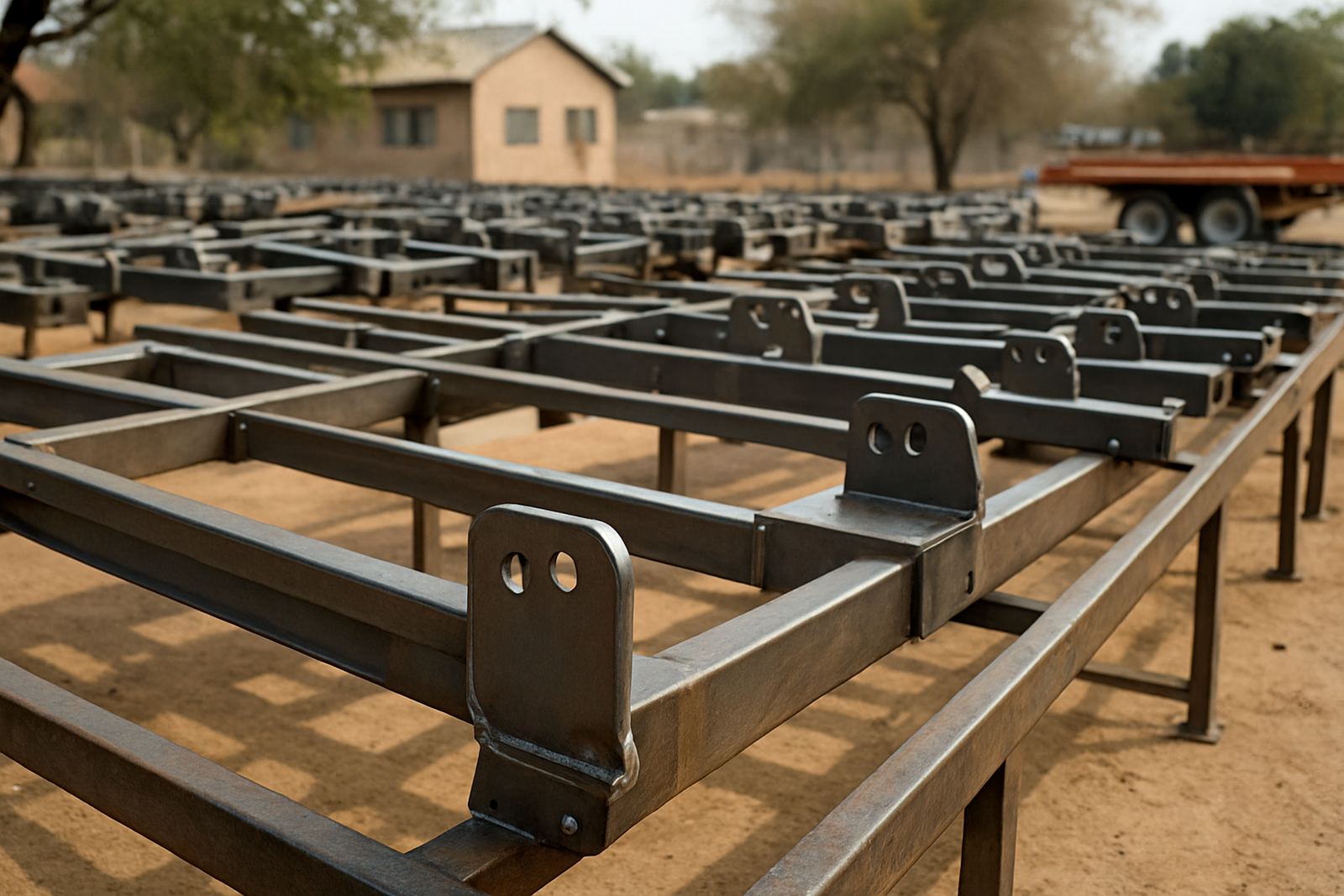
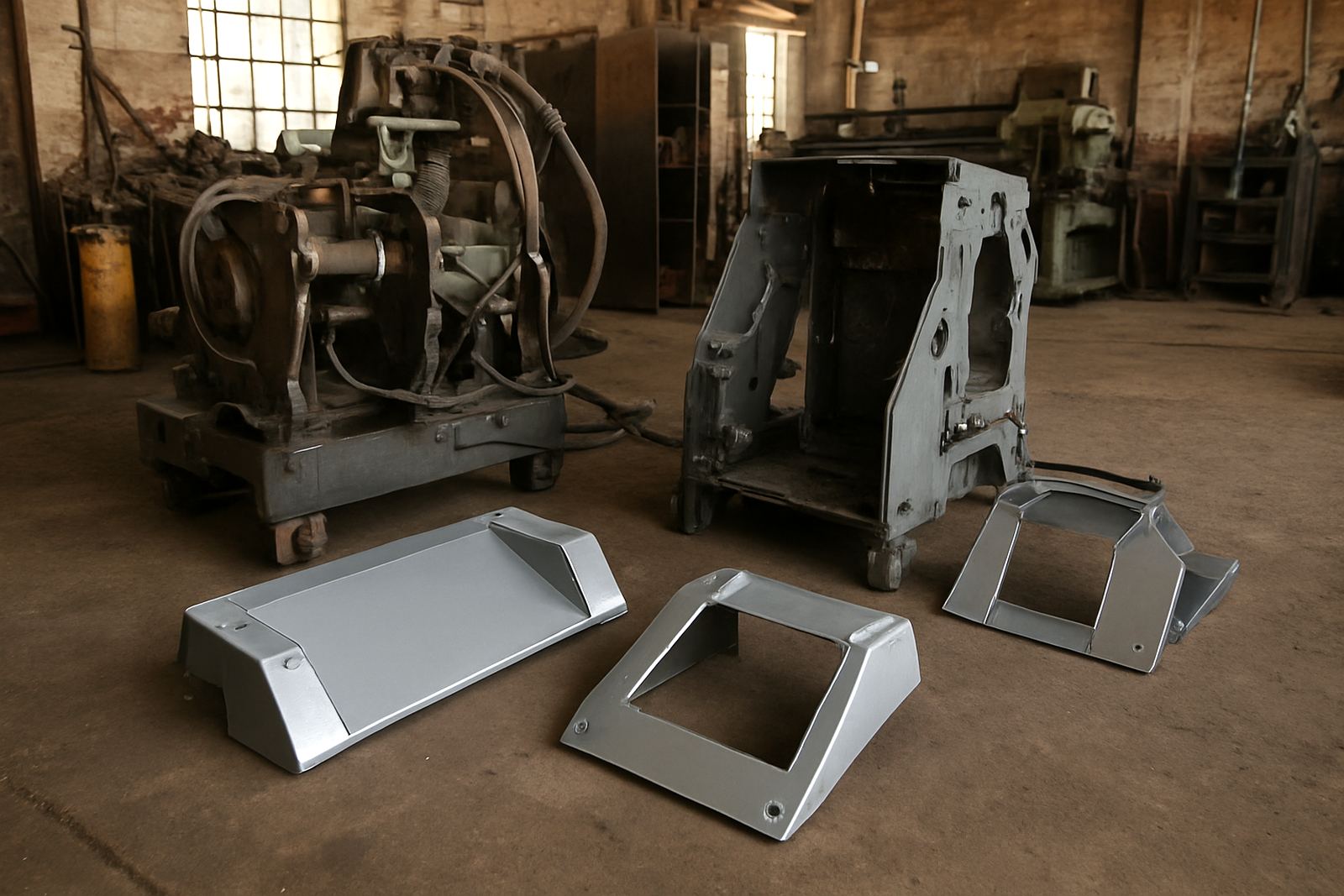
We supplied a set of sample parts in mild steel that covered the main training cuts. The pack included straight line sections, pierced start points, circles, internal cut-outs and corner exercises. Material thickness was chosen to suit common workshop teaching, with parts in 3 mm, 6 mm and 10 mm plate so learners could compare behaviour across different settings.
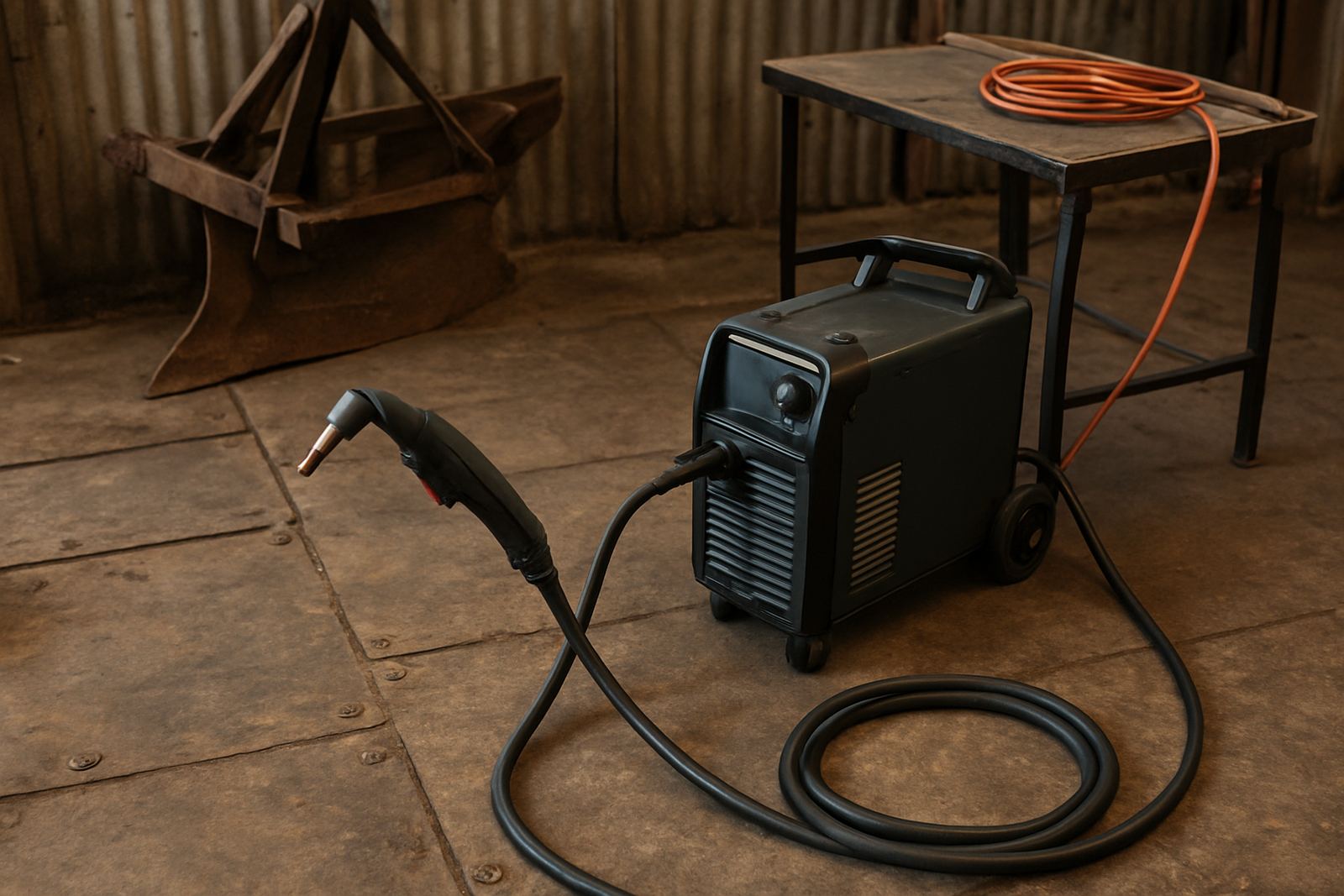
Along with the parts, we provided setup guidance for plasma cutting sessions. That included recommended air pressure checks, torch height starting points, consumable wear checks and a basic cut-quality checklist. The team also received guidance on how to inspect the air system before each class, because wet air or unstable pressure can spoil results quickly.
We kept the guidance practical. Rather than long theory sheets, the notes focused on what the instructor should look for at the machine: clean arc starts, minimum dross, correct kerf width and reduced edge bevel. A simple maintenance note was added for torch repairs, power source checks and consumables inspection so the training tools stay in good order.
Timeline from enquiry to first training session
The full project ran over three weeks from first enquiry to the first assisted session. During week one, we confirmed the training objectives and the workshop conditions. Week two was used to prepare the sample parts and finalise the setup notes. In week three, we guided the centre through the first session and checked the cutting results against the expected settings.
That timeline worked because the centre was organised and knew exactly what it wanted to teach. We could therefore match the sample parts to the curriculum without overcomplicating the process. A small typo in early class notes was corrected before the session started, and the instructors appreciated having a clean handover pack that they could file for future groups.
We also made sure the guidance suited South African workshop realities. If there is a power interruption or a compressor issue, the class should still know how to recover without wasting a full plate. That is especially helpful when learners are working on a limited number of sample sheets and need to make every cut count.
What changed after the first sessions
The main result was better consistency. Learners could see the impact of setup changes straight away, which made the training more useful and less frustrating. The instructors reported cleaner edges, fewer stalled cuts and quicker understanding of how to set up the machine before starting work.
The centre also found that the sample parts gave them a better way to measure progress. Instead of using random offcuts, they had a proper training sequence that could be repeated from one group to the next. This made it easier to compare results, identify common faults and coach learners with confidence.
For the staff, the biggest gain was time. Because the setup guidance was practical and the parts were labelled, they spent less time explaining basics during every session and more time correcting technique. That meant better use of the workshop, less wasted material and a smoother training flow overall.
What we would carry into the next training centre project
We would follow the same approach again for another training centre. Start with the lesson plan, match the sample parts to the skill level, and keep the setup instructions practical. That format works well in places where multiple instructors use the same equipment and the class schedule changes from week to week.
We would also keep the support local and direct. A training centre does not need fancy language, it needs parts that behave the same way every time and guidance that helps learners fix their own mistakes. If the workshop is in Potchefstroom, Vanderbijlpark, Sasolburg or Bloemfontein, the same principle applies.
For centres looking to train operators, fabricators or maintenance staff, we can also assist with machine commissioning, operator training, consumables checks, air system inspection and cut quality audits. That is often the best way to keep training sessions practical from the first demo through to the final assessment.
Key facts
| Project | Potchefstroom Training Centre |
|---|---|
| Client type | Technical training centre |
| Town | Potchefstroom |
| Timeline | 3 weeks |
| Supplied | Sample parts and setup guidance |
| Material thicknesses | 3 mm, 6 mm and 10 mm mild steel |