


How to choose the right plasma cutting advice
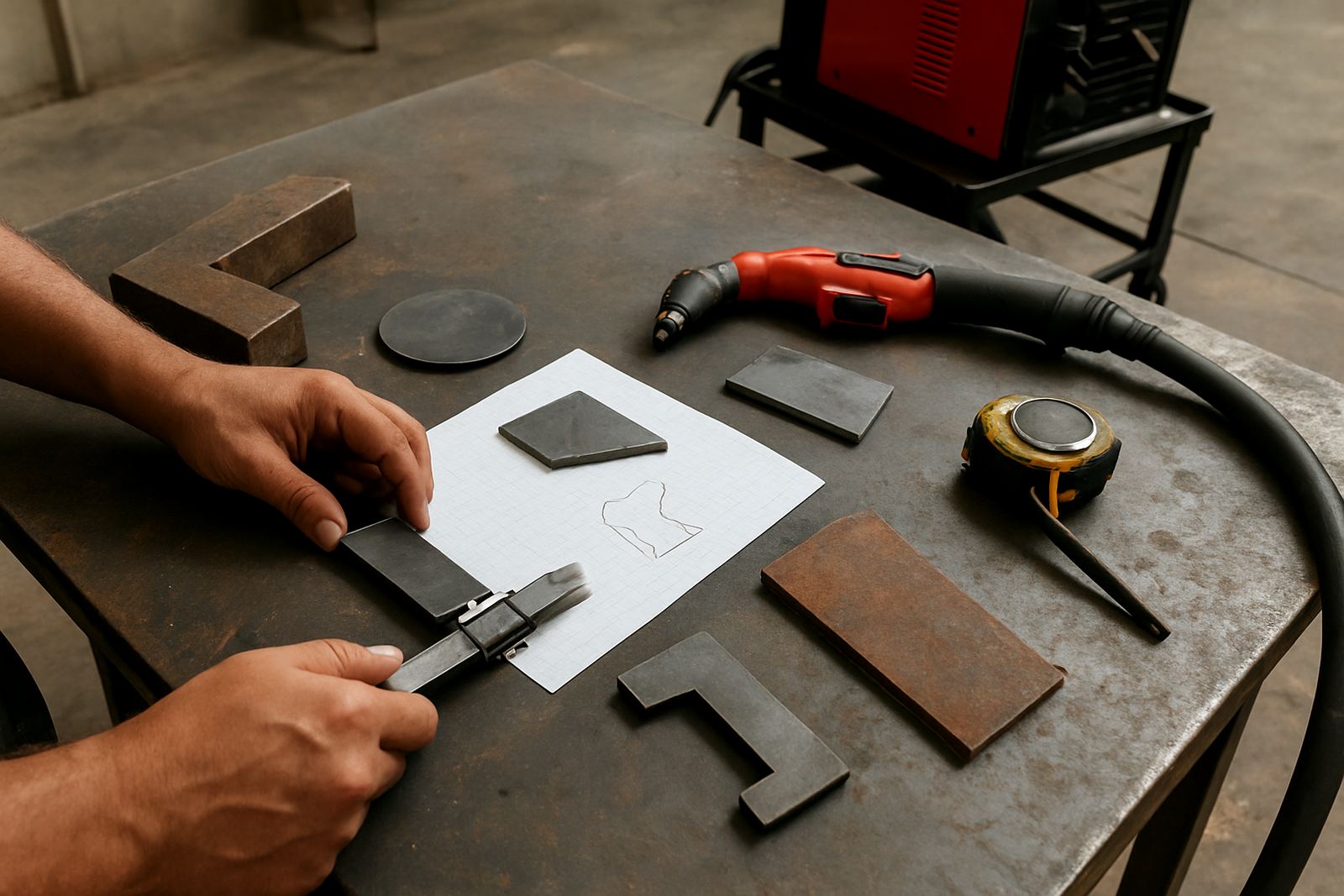
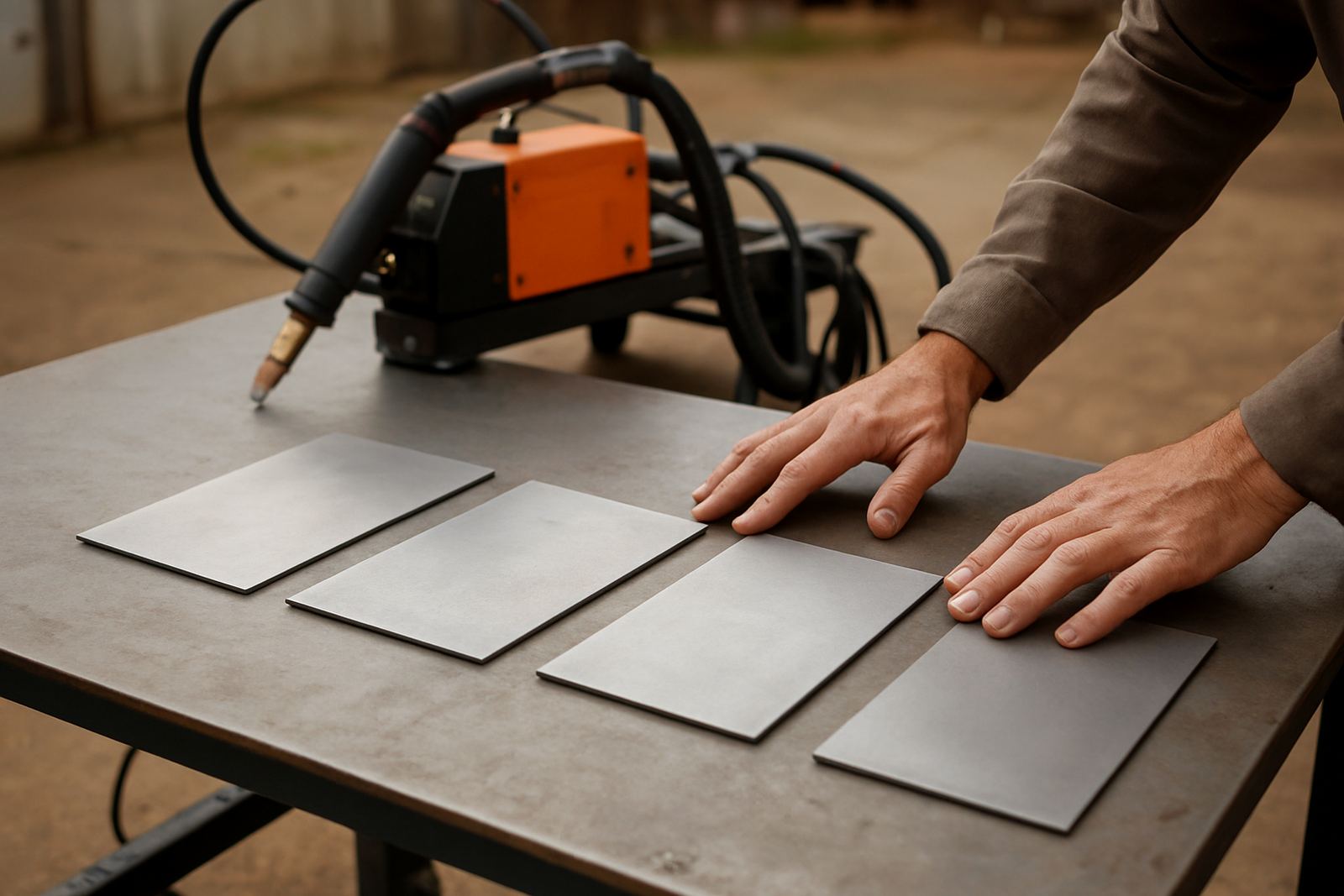
Not every job needs the same approach. A small repair shop in Vanderbijlpark, a fabrication yard in Germiston and a farm workshop near Sasolburg all face different plate thicknesses, power supply conditions and production targets. Start with the material type, the thickness range and how often the machine will run in a day.
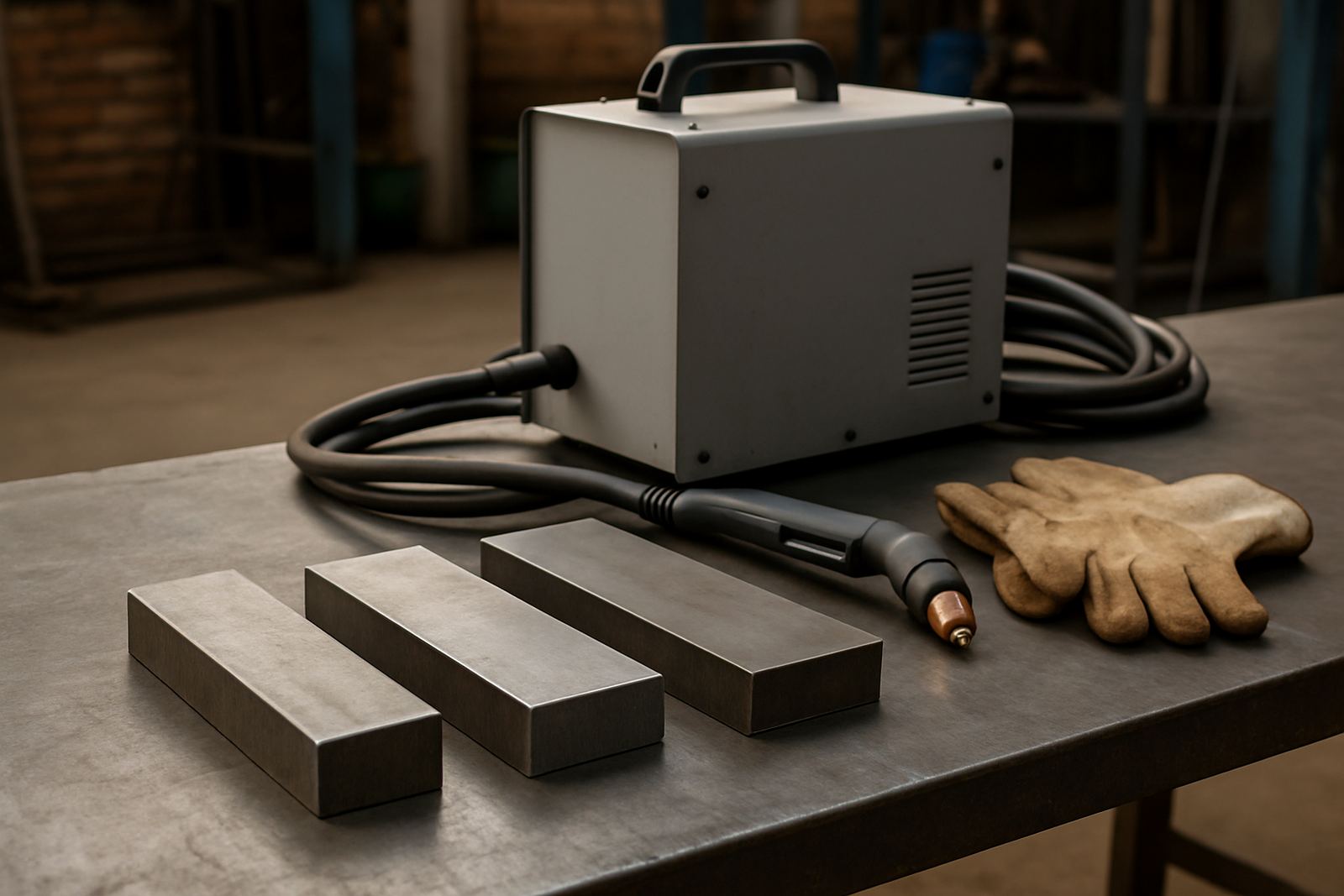
Our cutting notes cover handheld work, CNC tables, consumables, air supply and maintenance planning. If you are not sure where to begin, look at the topic that matches your biggest pain point first, whether that is slow cutting, rough edges, tip wear or uneven arc starting.
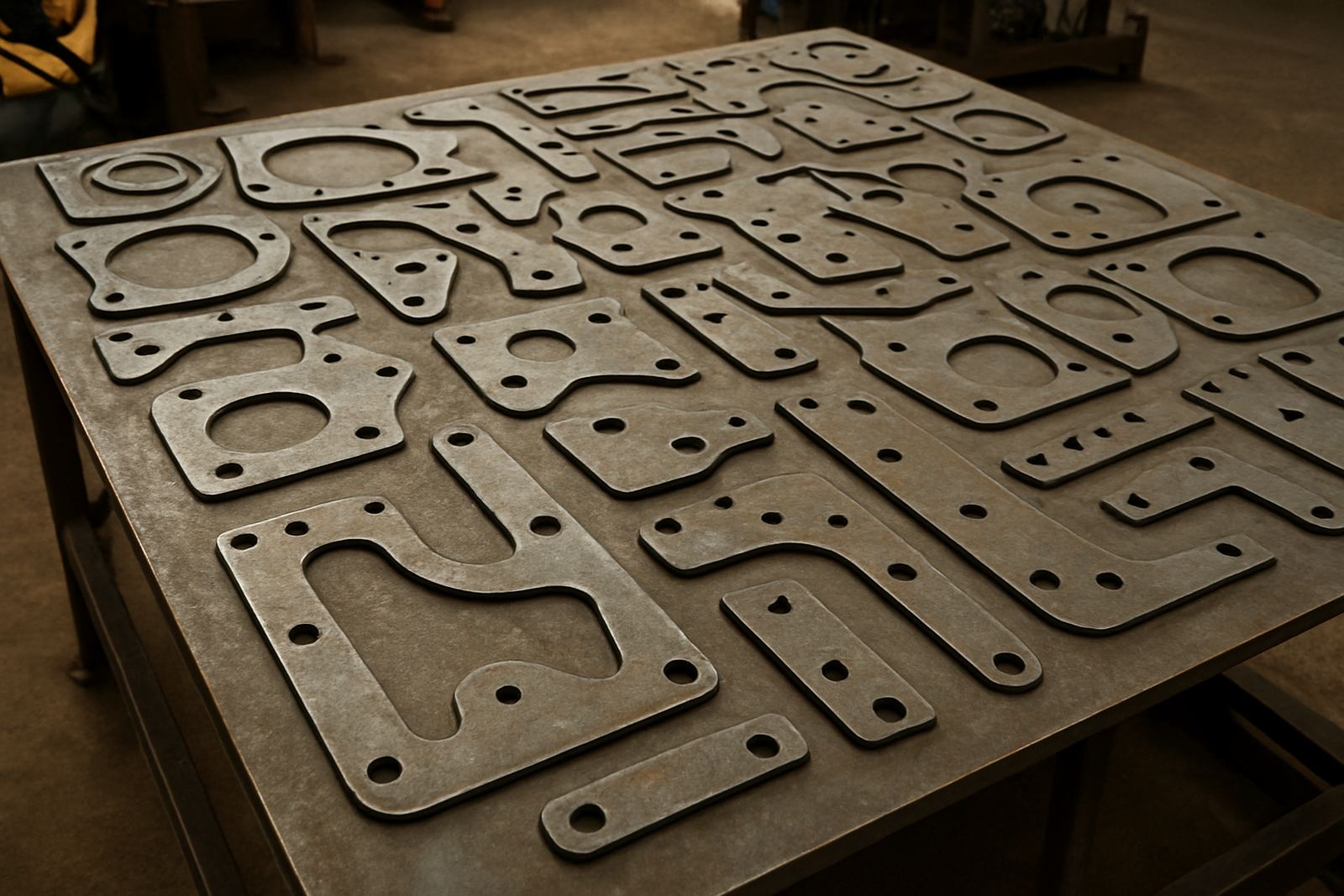
Cut quality basics every operator should know
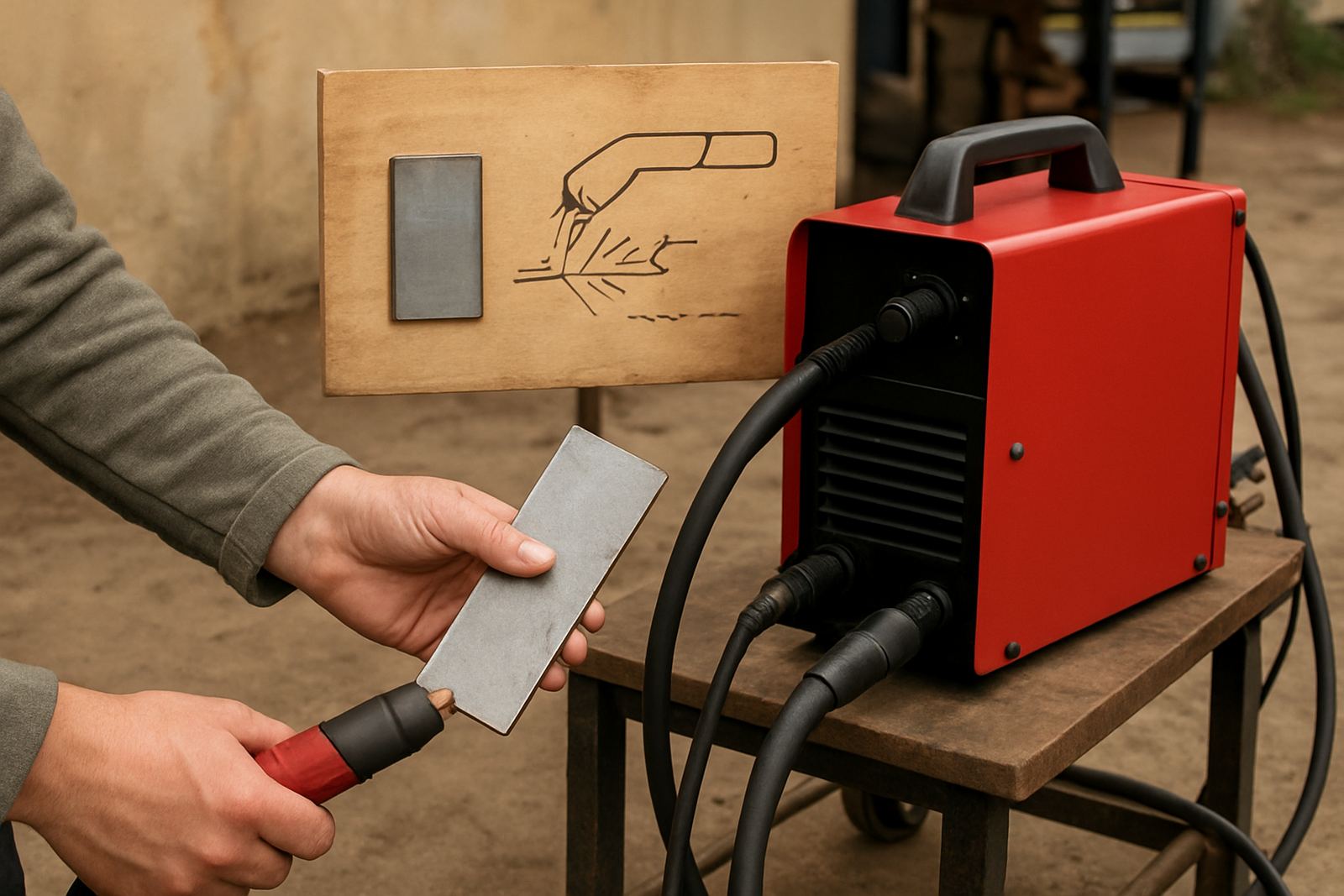
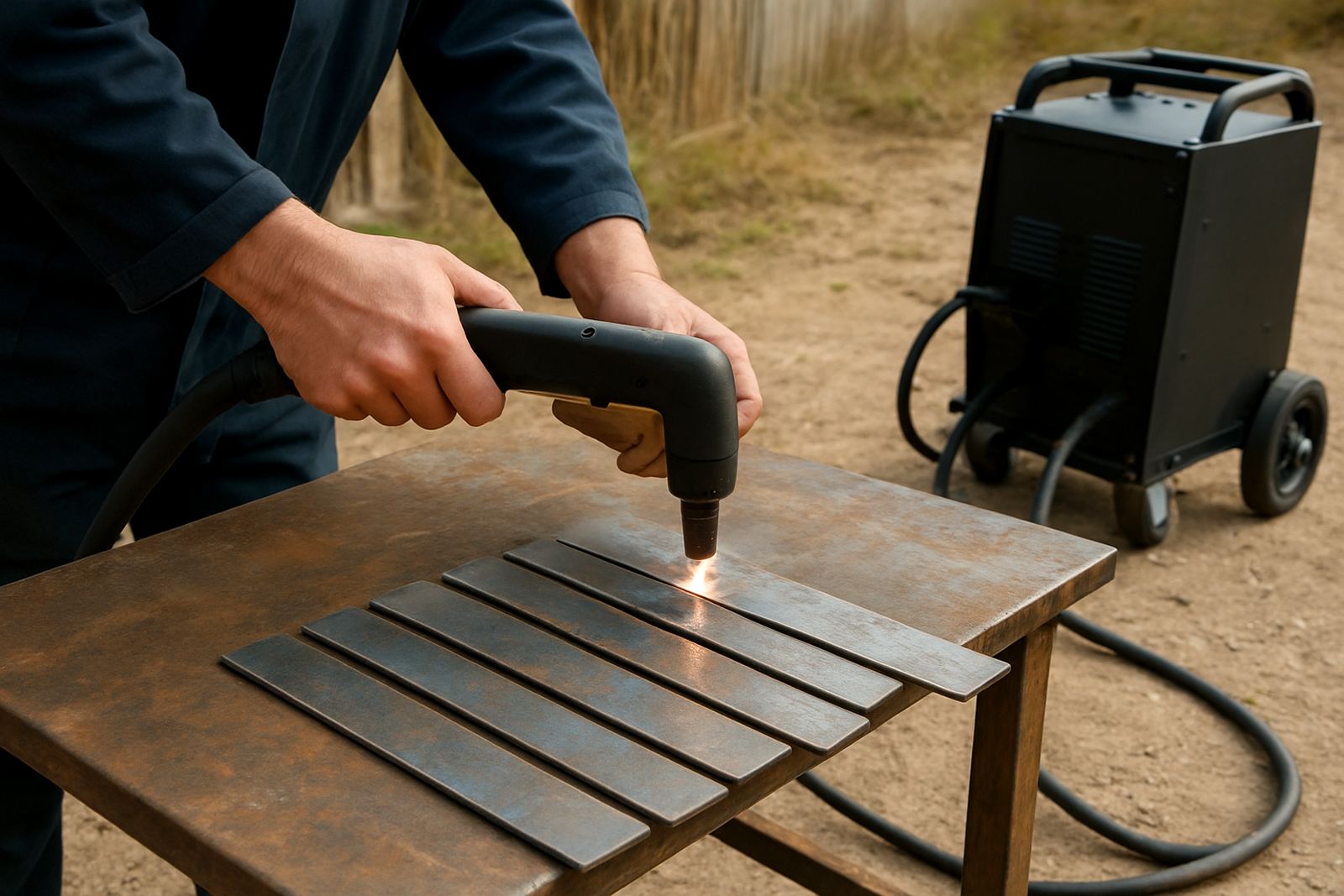
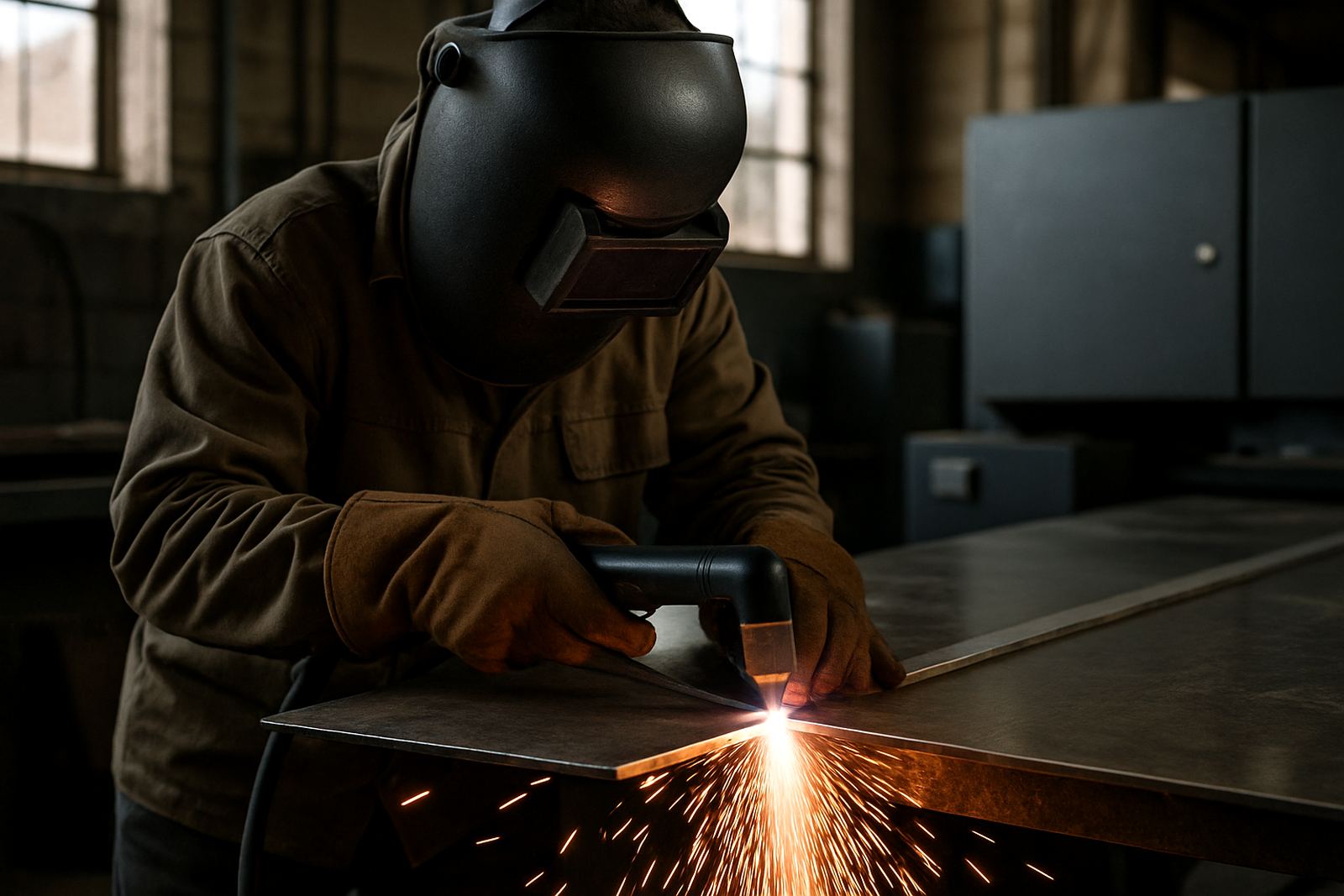
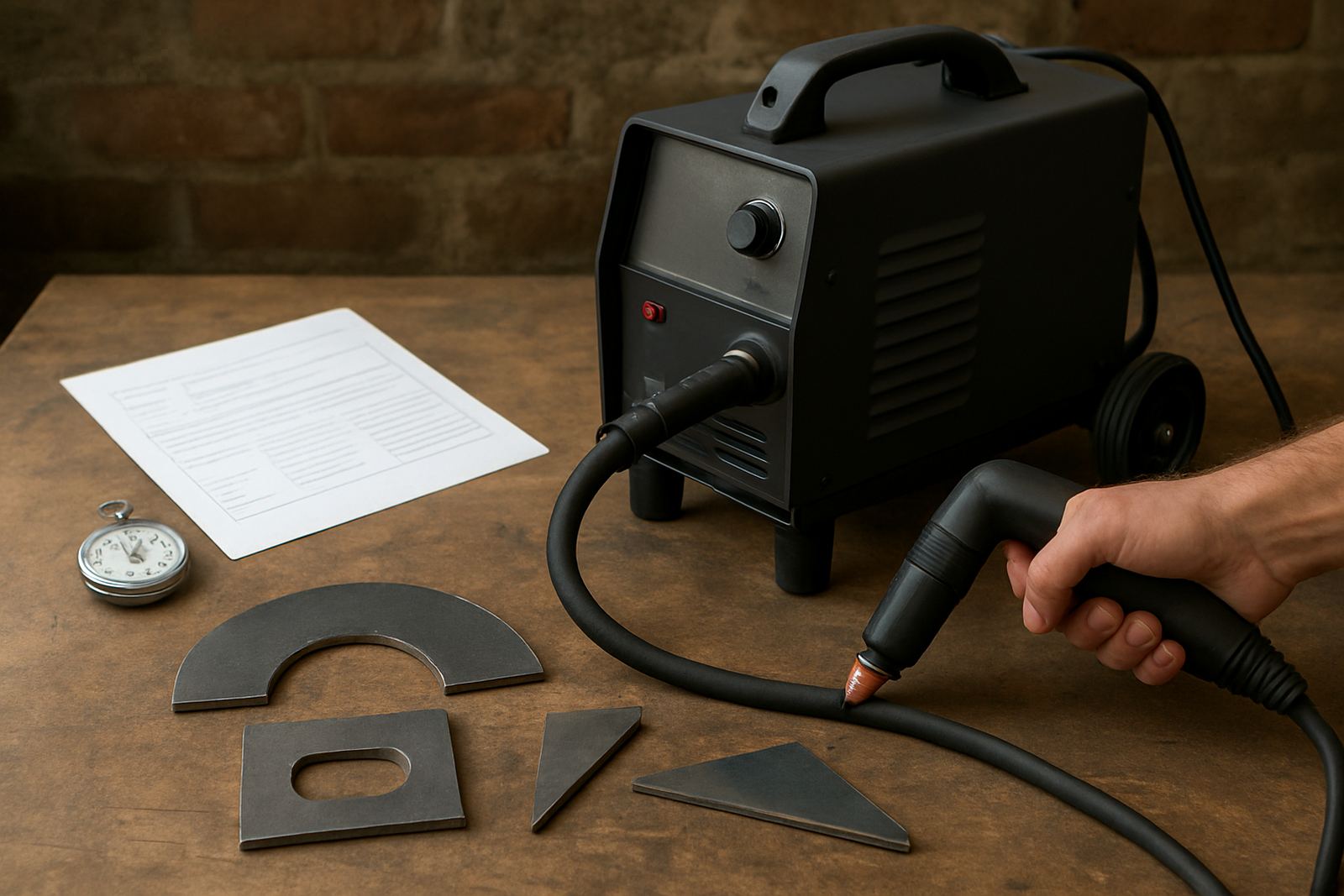
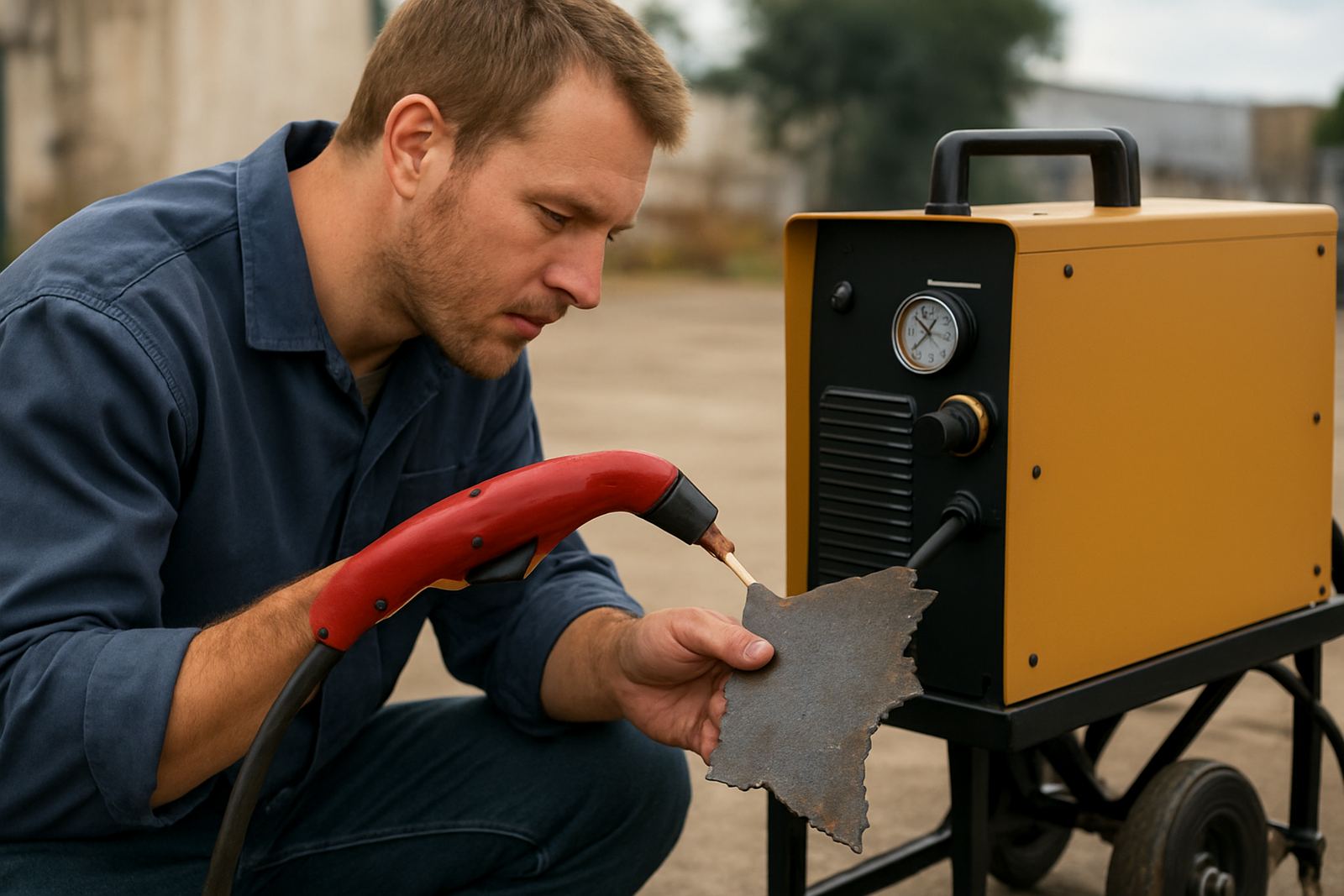
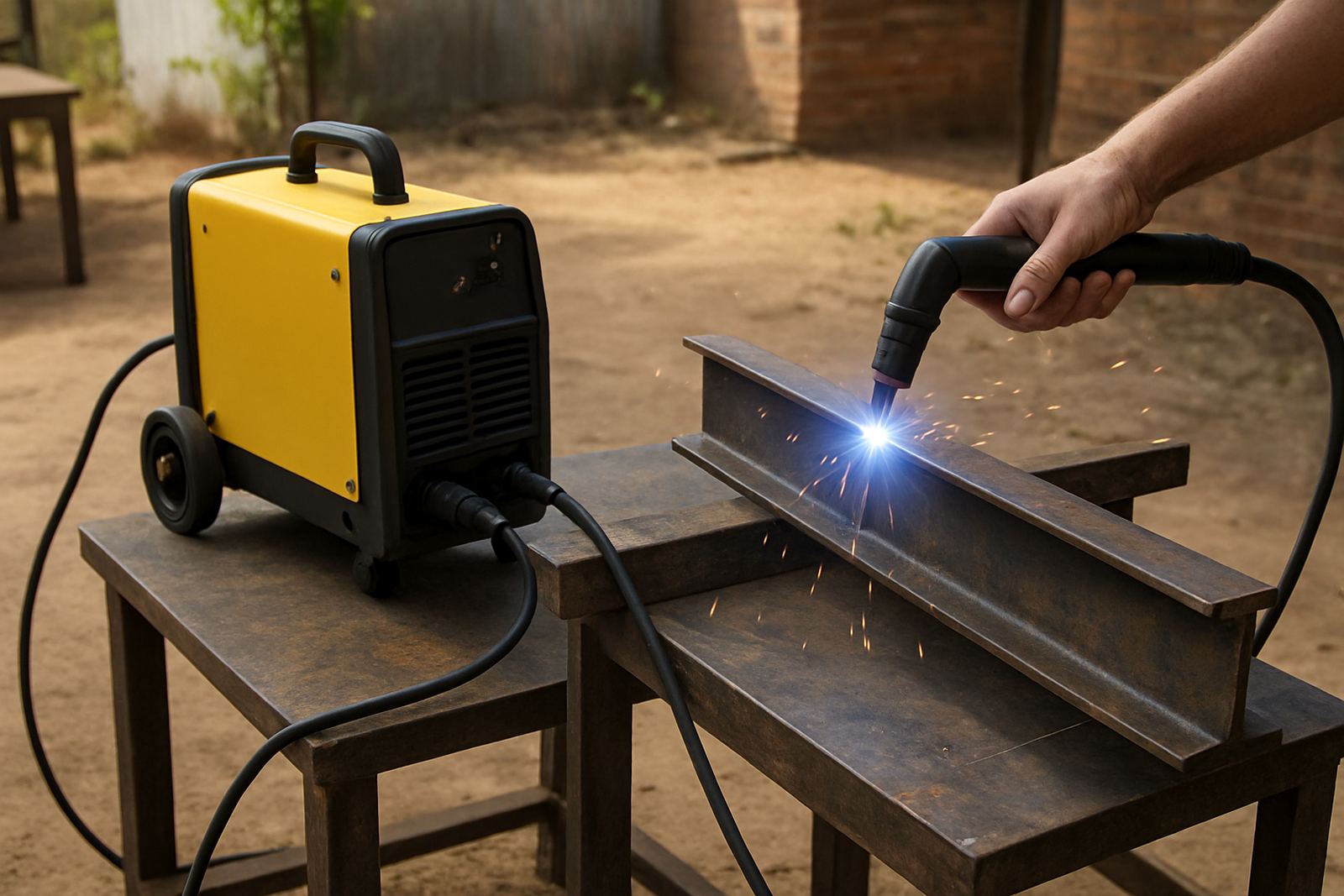
Good cut quality is usually a mix of correct amperage, clean air and the right travel speed. If the torch moves too slowly, the edge can widen and dross builds up. If it moves too fast, the arc may not fully break through and the finish becomes uneven.
- Check the consumables before every shift
- Make sure the air is dry and oil free
- Match the current setting to the plate thickness
- Keep the torch angle steady on hand cutting jobs
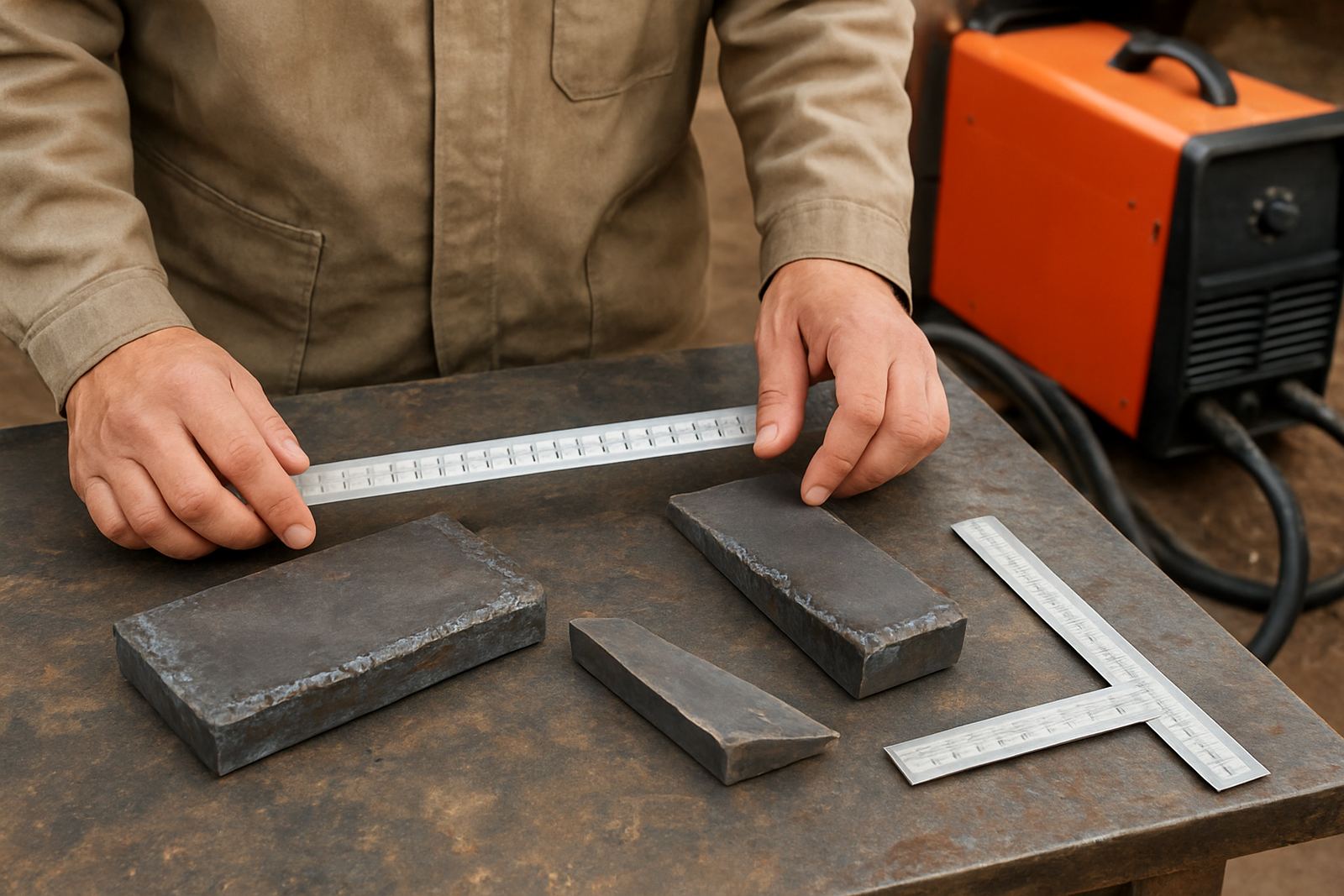
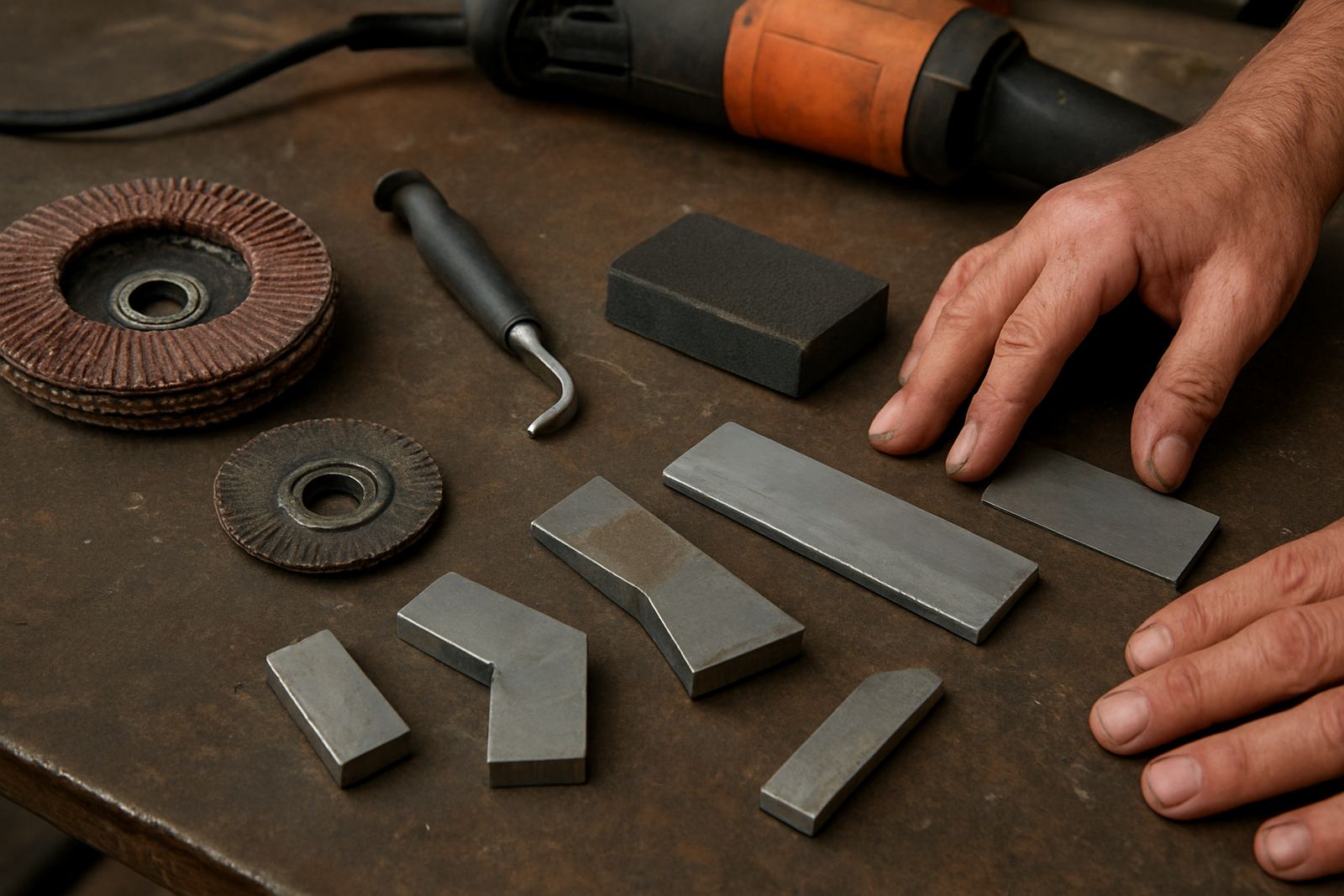
- Clear slag and scale before measuring the finish
In busy Gauteng workshops, small changes in technique can save a lot of rework. A clean first pass is cheaper than grinding later.
Machine care that keeps production moving
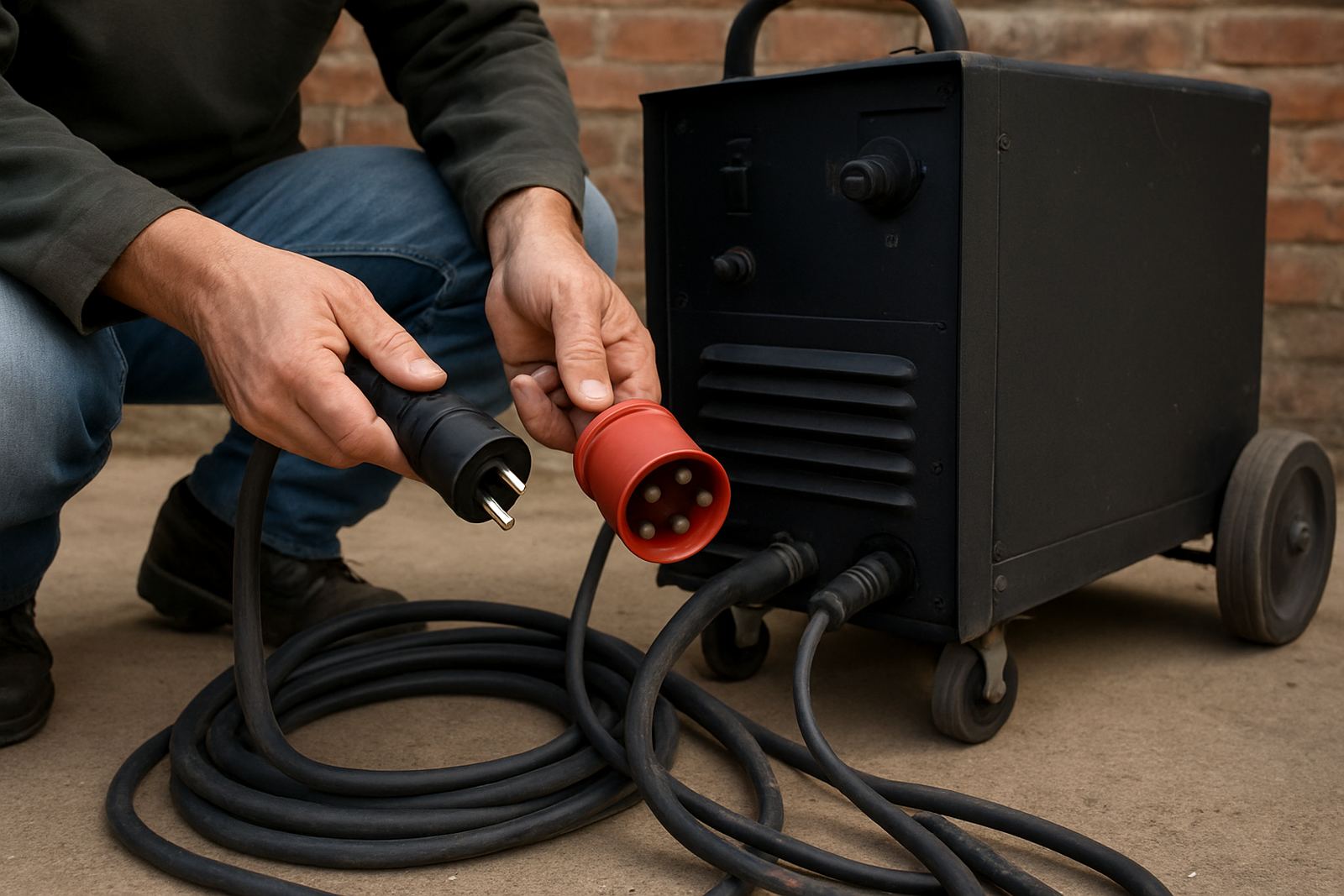
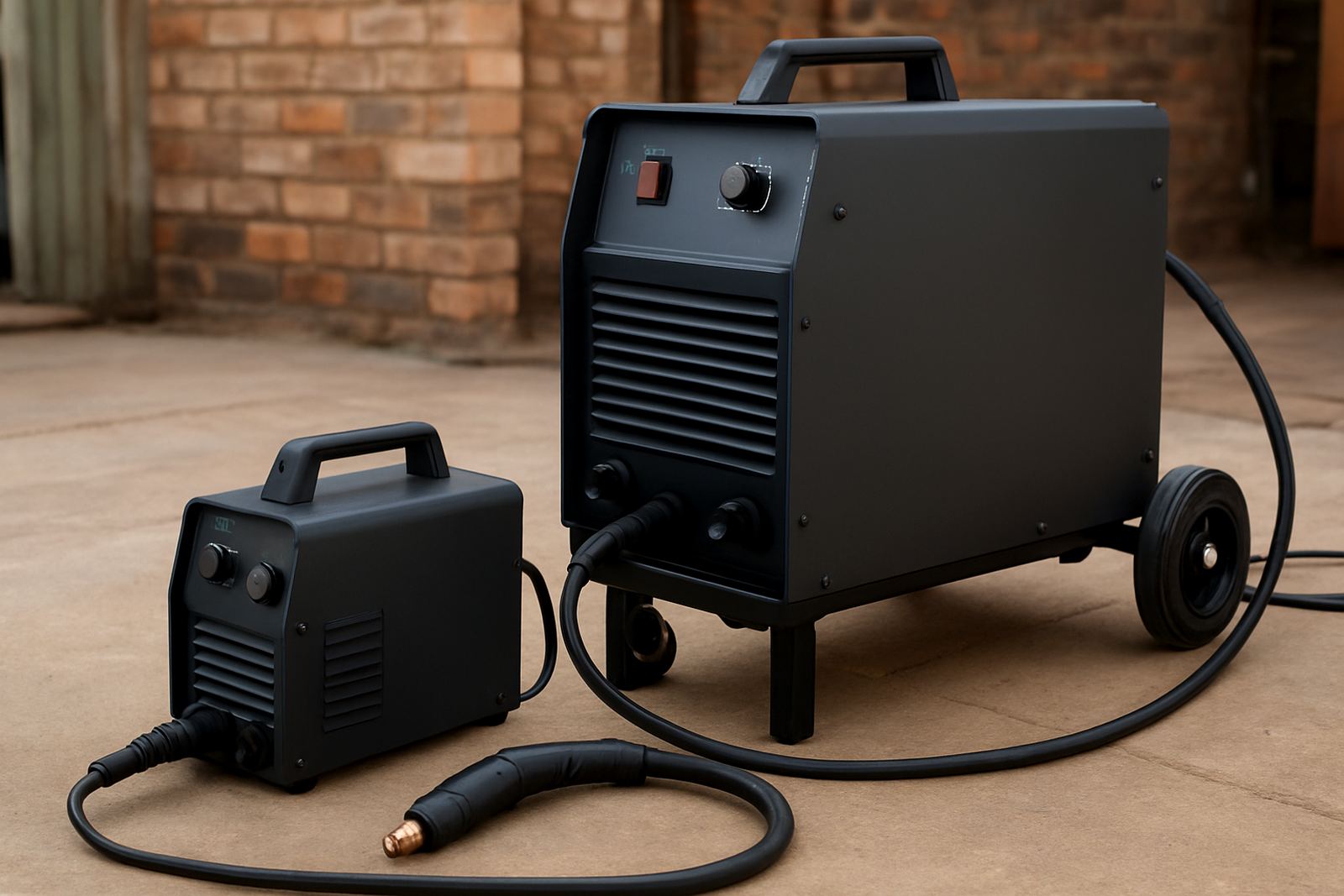
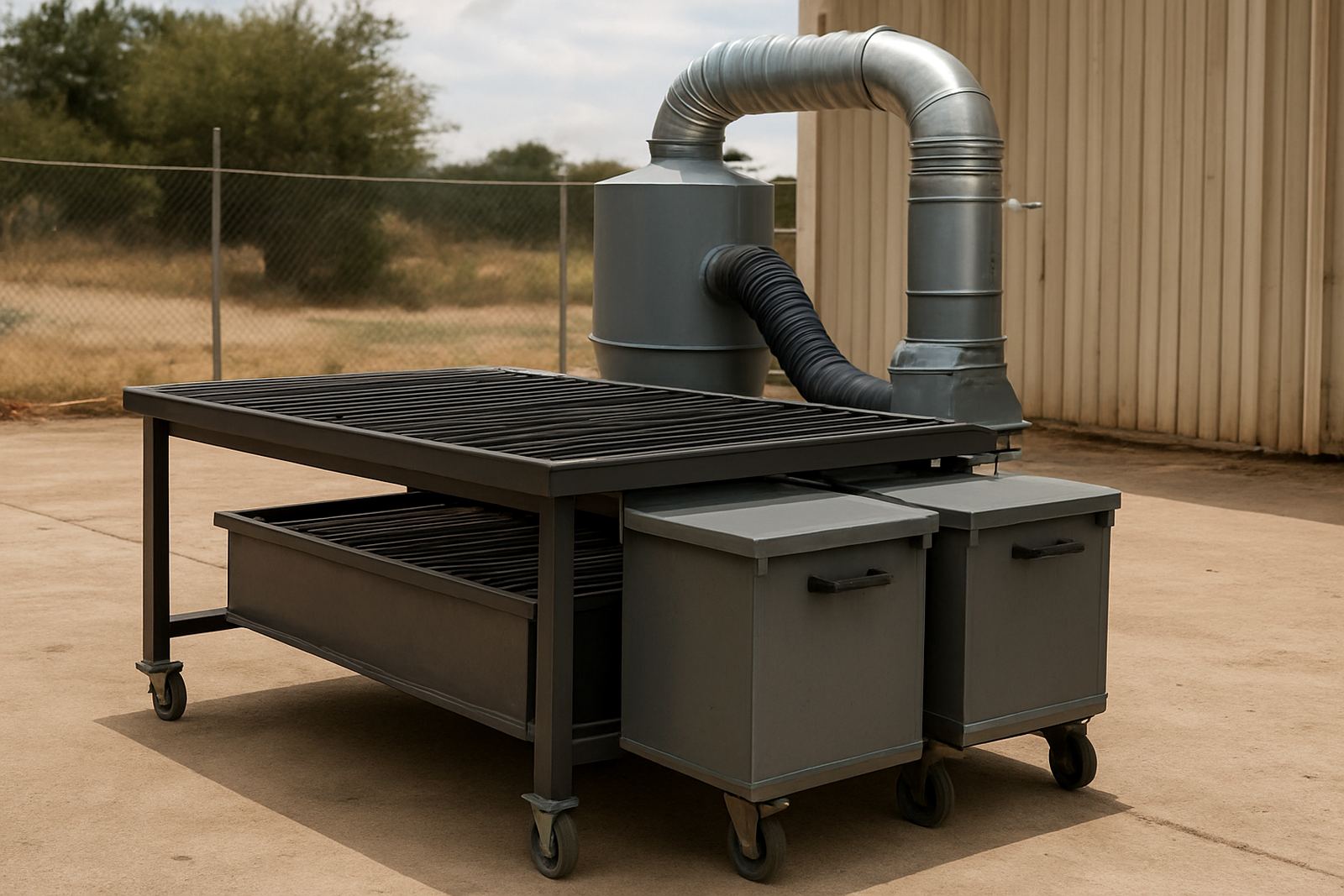
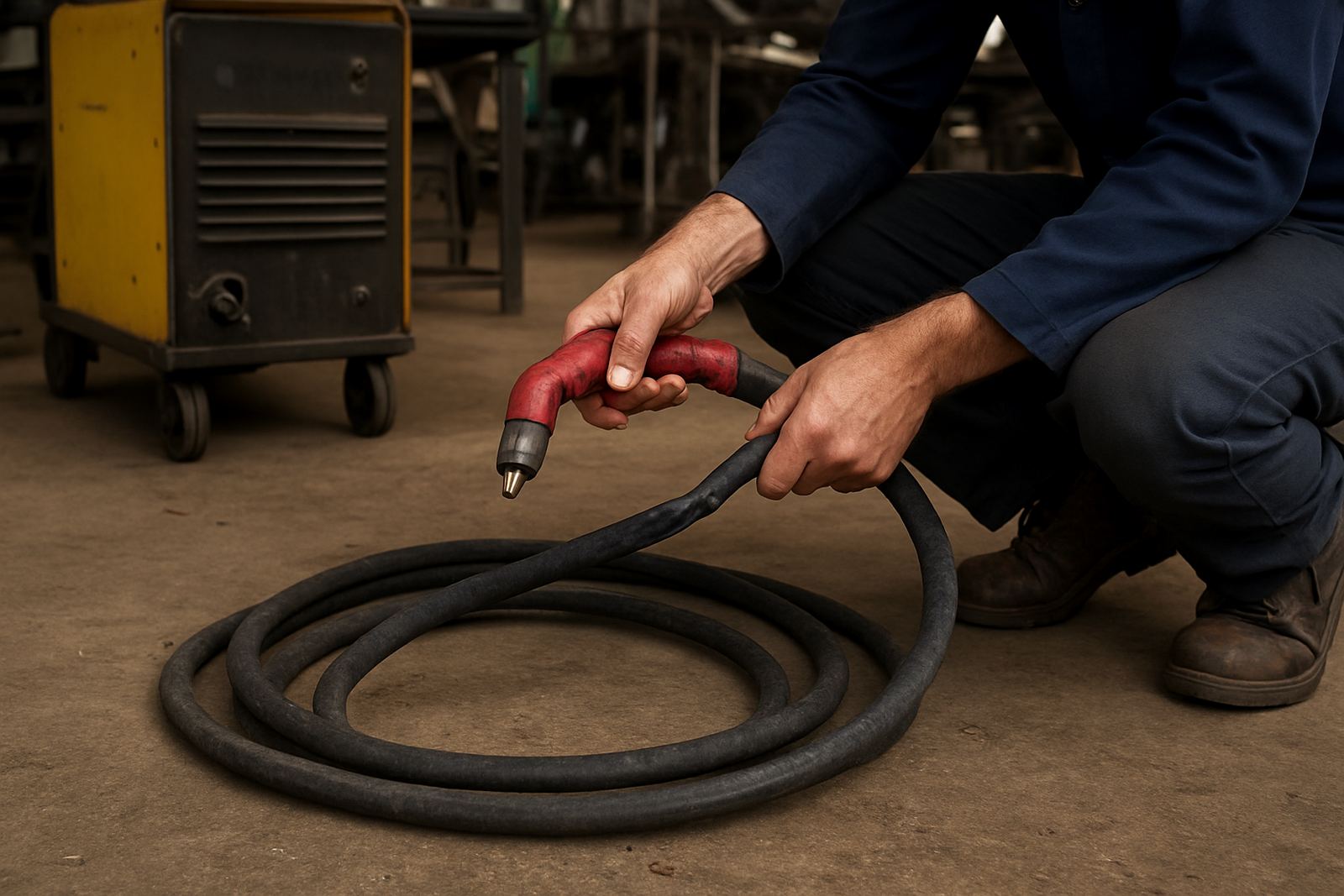
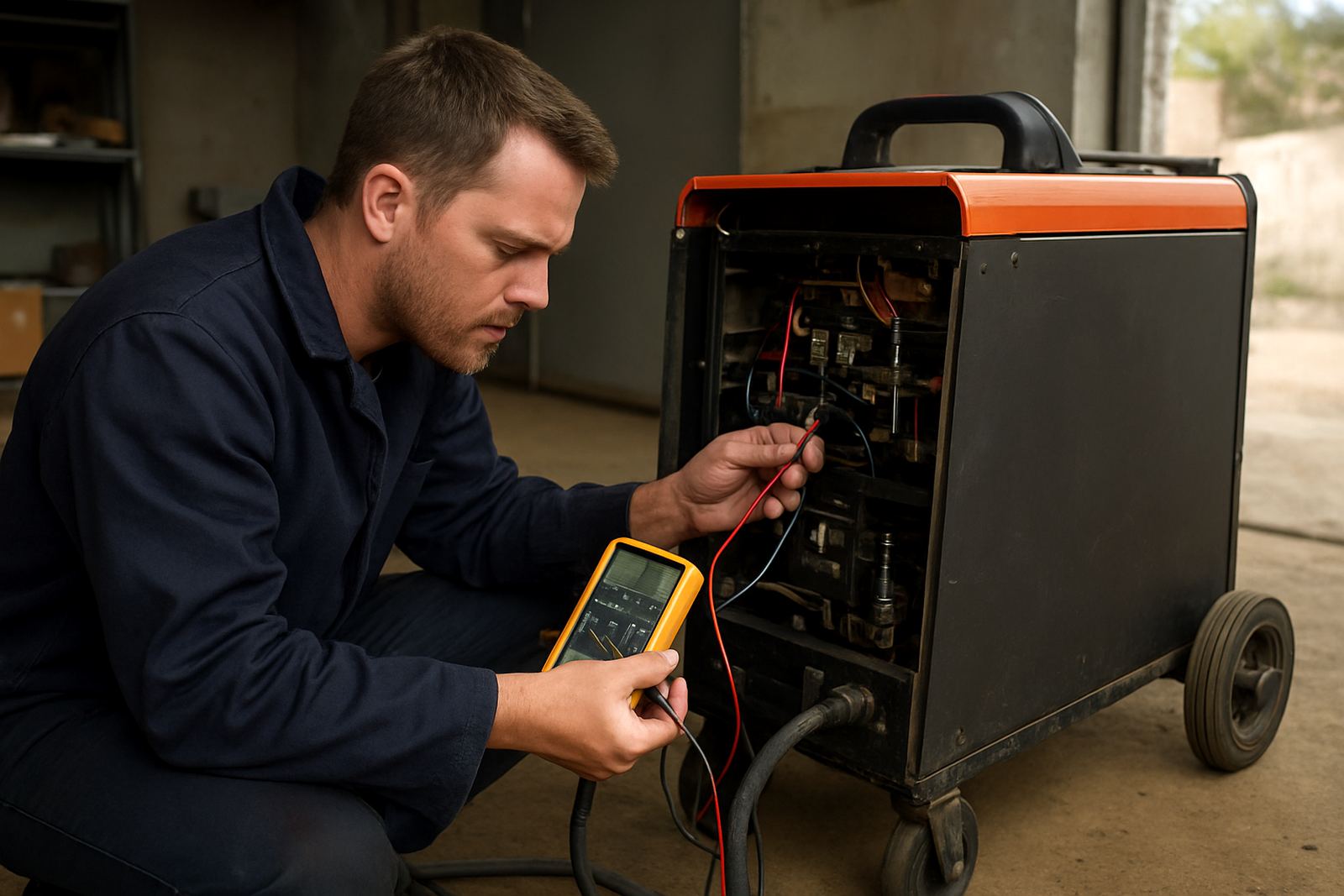
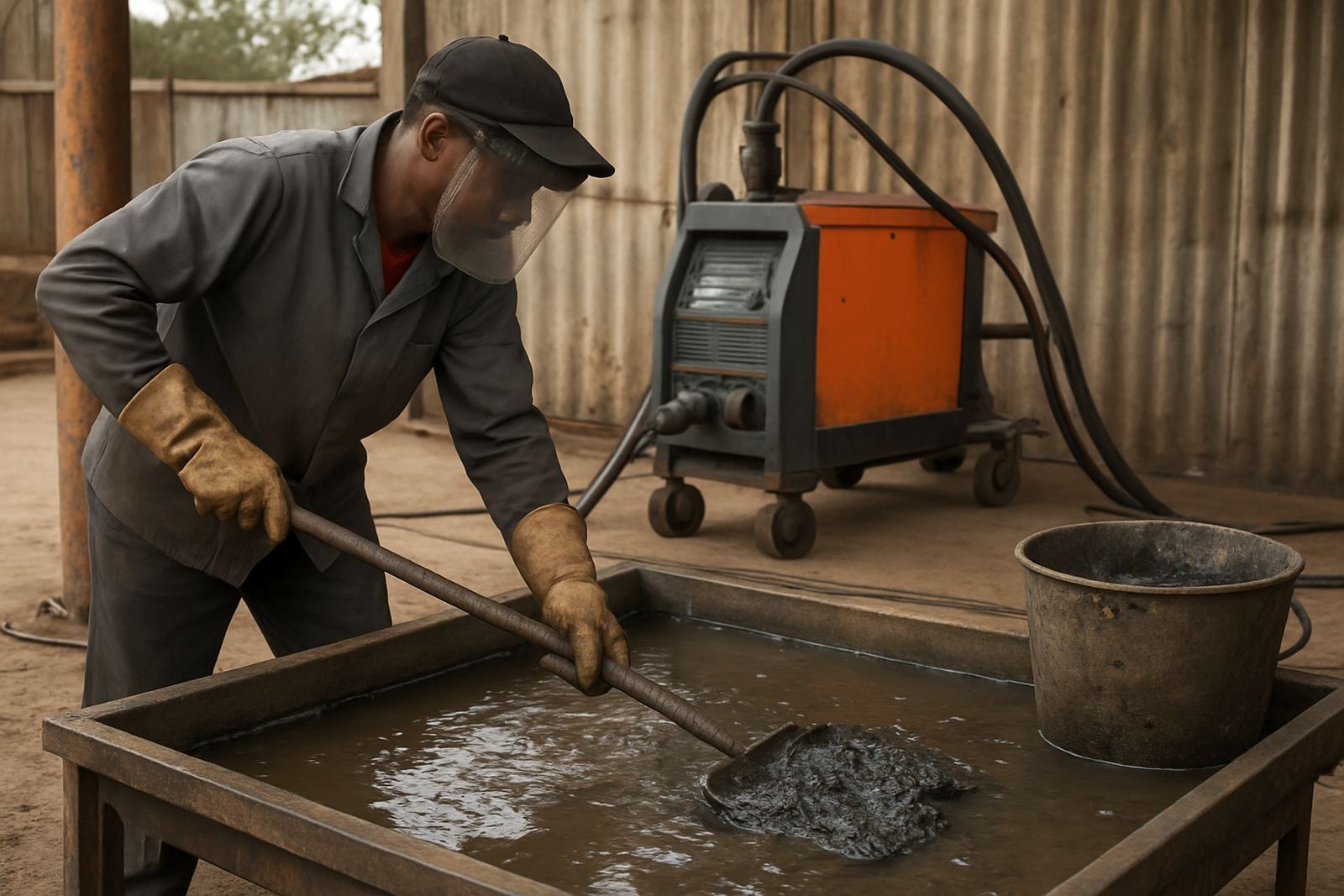
Plasma equipment works best when it gets regular attention. Preventive maintenance is not only for large factories. Even a smaller workshop in Meyerton or Welkom benefits from planned checks on hoses, connections, cooling paths and earth clamps. Dust, metal fines and poor air quality can shorten component life quickly.
Our maintenance notes explain what to inspect weekly, monthly and after a heavy cutting run. They also cover practical concerns like load shedding, voltage swings and compressed air systems that struggle in hot weather or coastal humidity when equipment is moved between sites.
CNC table and height control topics
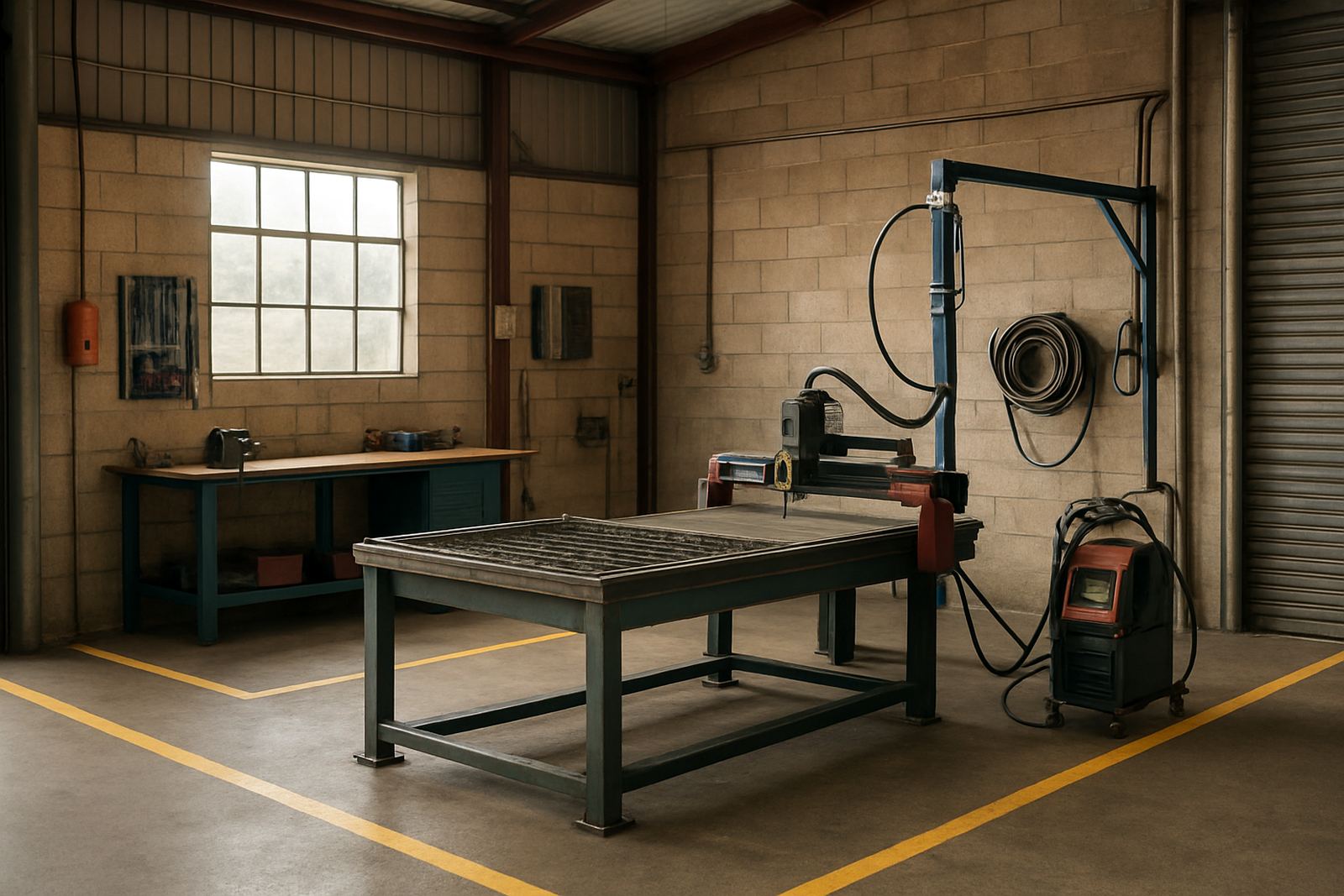
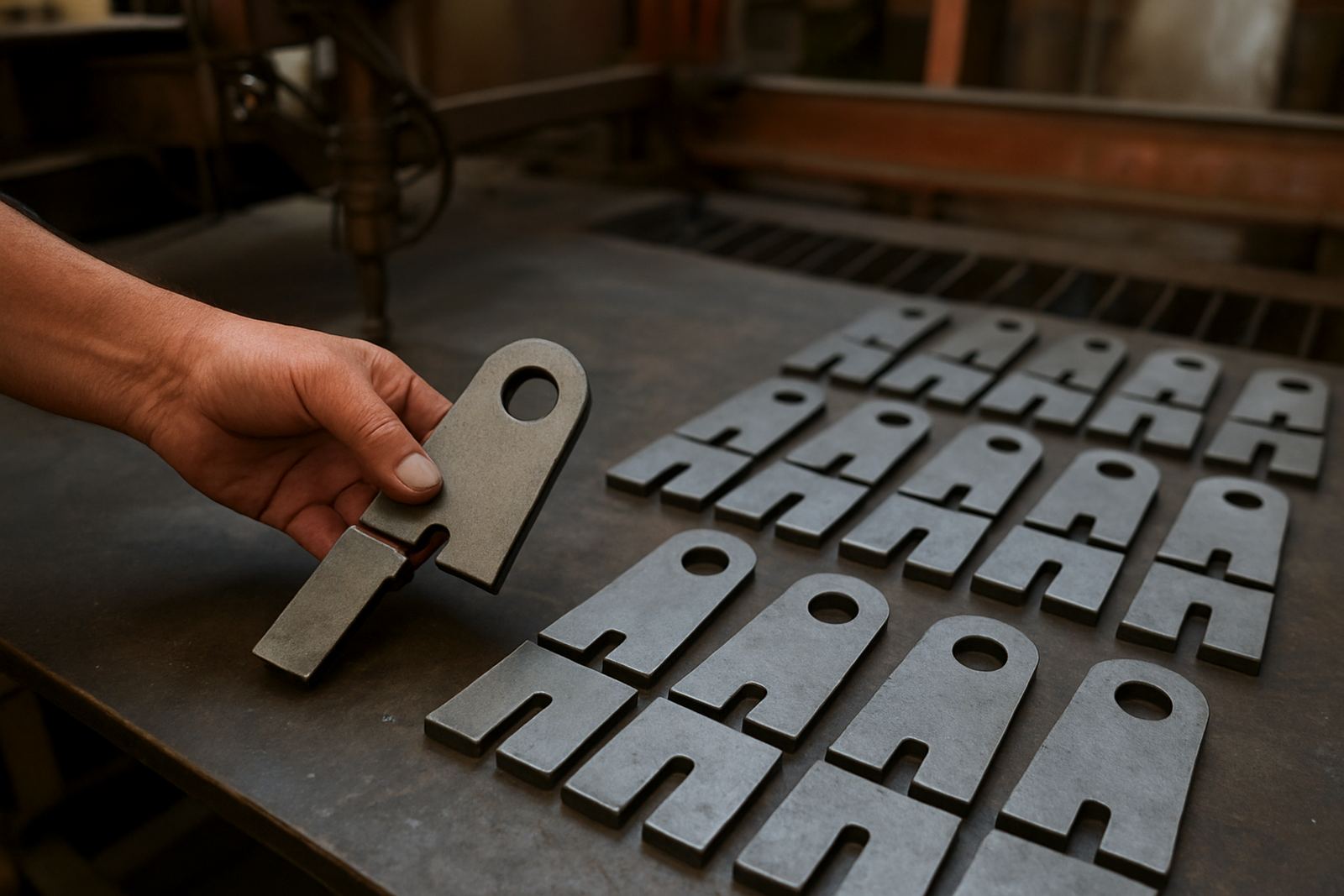
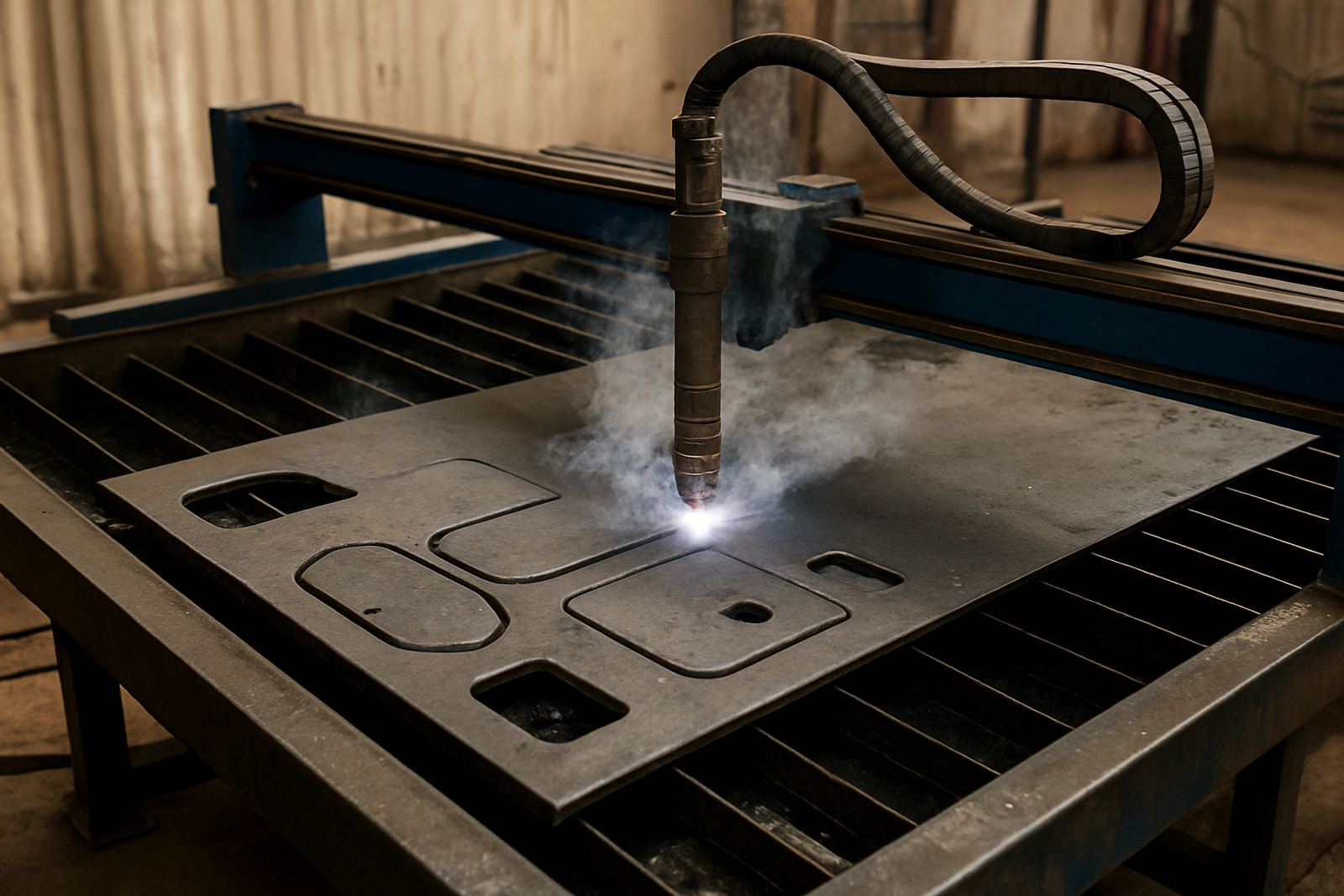
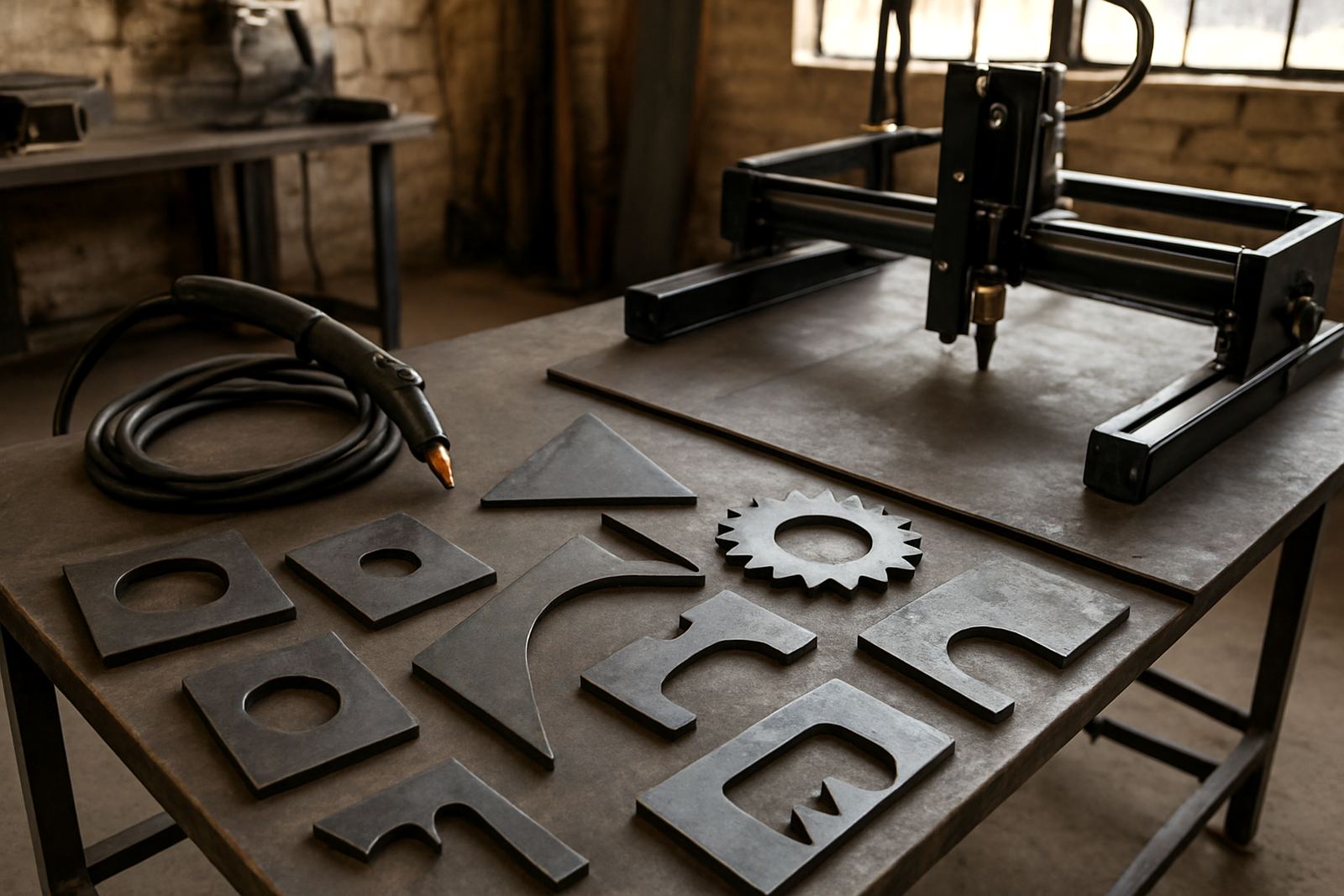
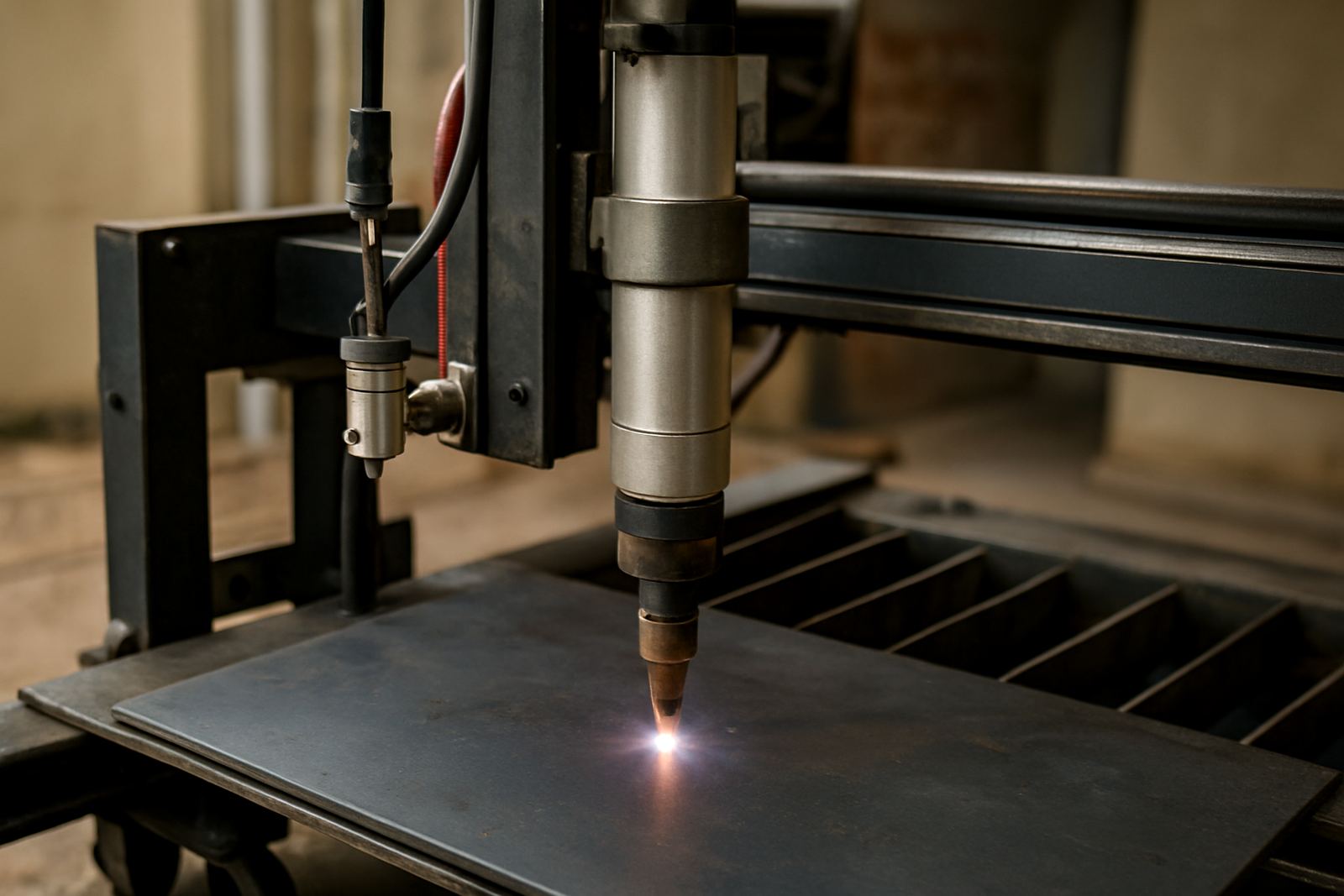
CNC cutting adds another layer of accuracy, but it also needs correct setup. A table that is not level, a height control that reads poorly or worn rails can affect repeatability. If your parts are coming out differently from one batch to the next, the issue may be in the table setup rather than the cutting power itself.
Use these articles to understand calibration, basic servicing and the signs that a machine needs inspection. We also explain how to spot problems with torch stand-off, torch alignment and cut start delays before they become a full shutdown. For production shops, that can save hours on a busy Monday.
Air supply and consumables checks
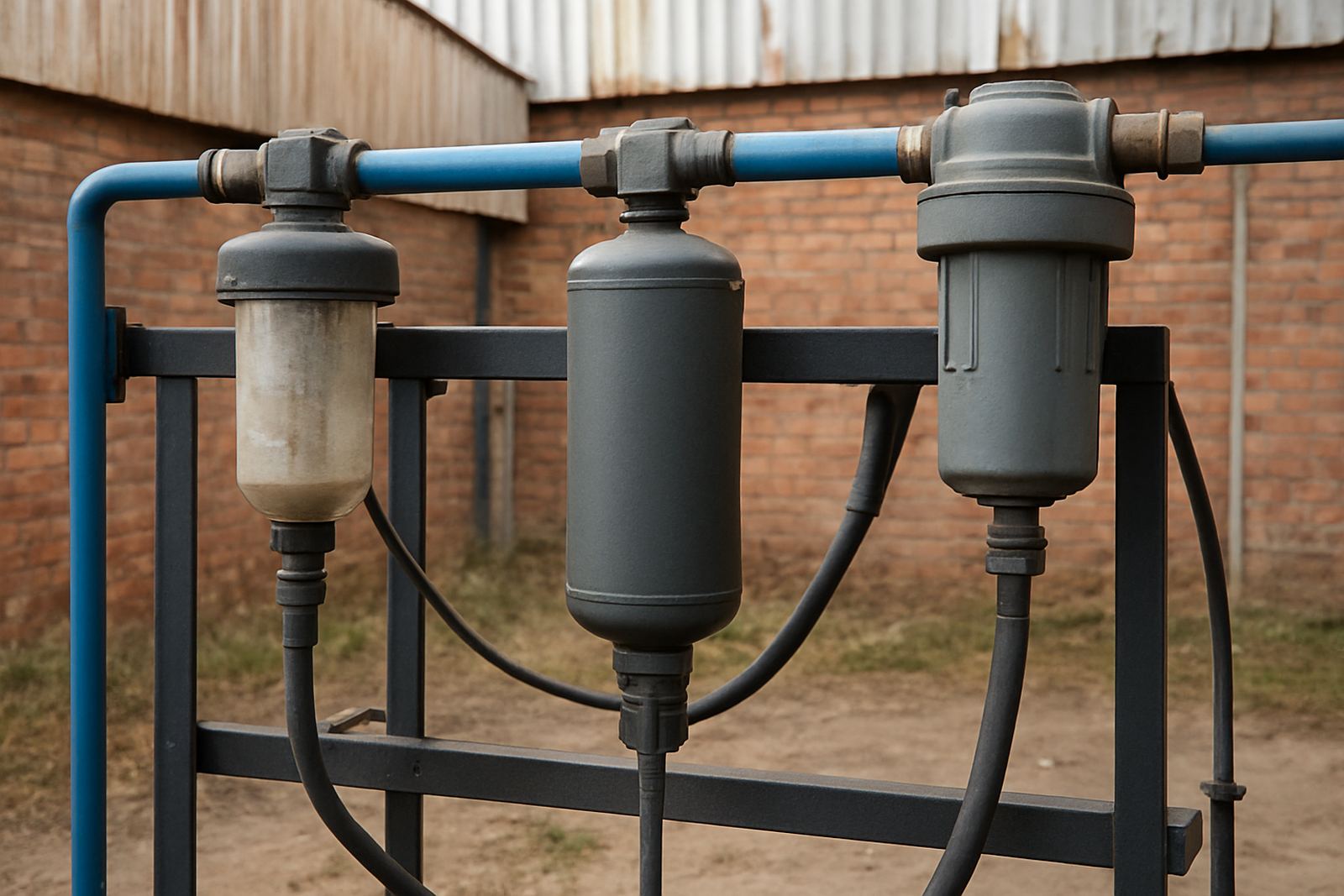
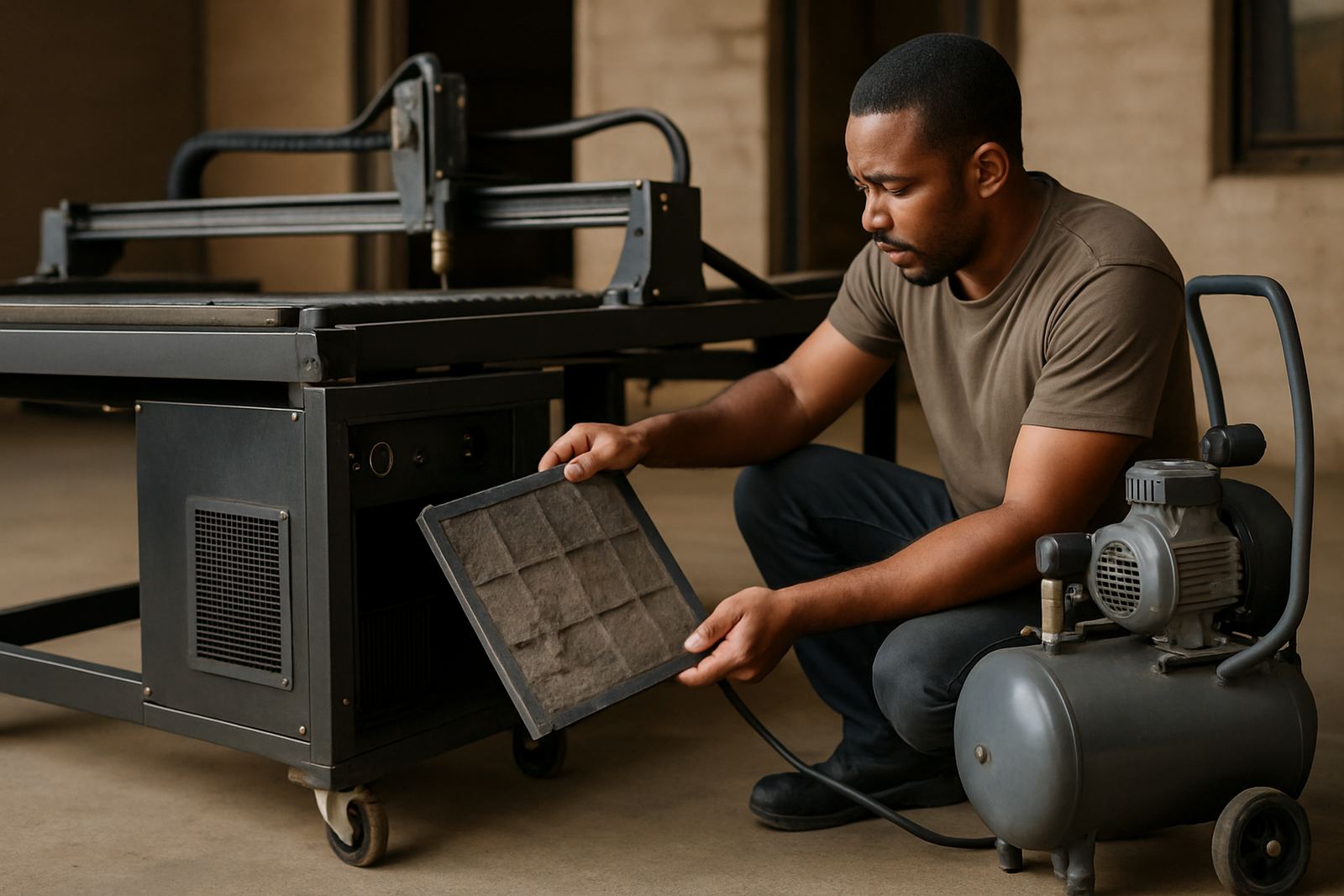
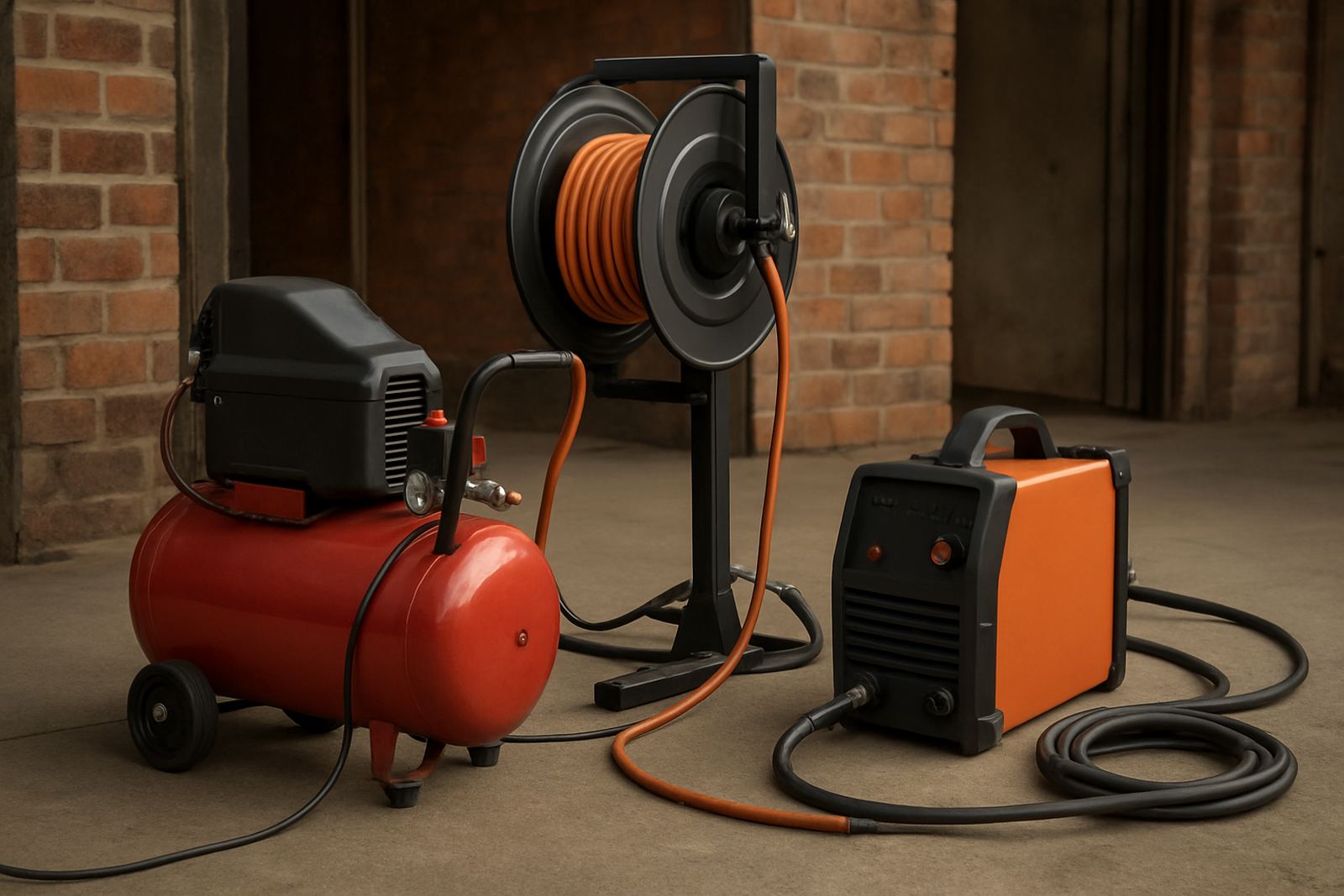
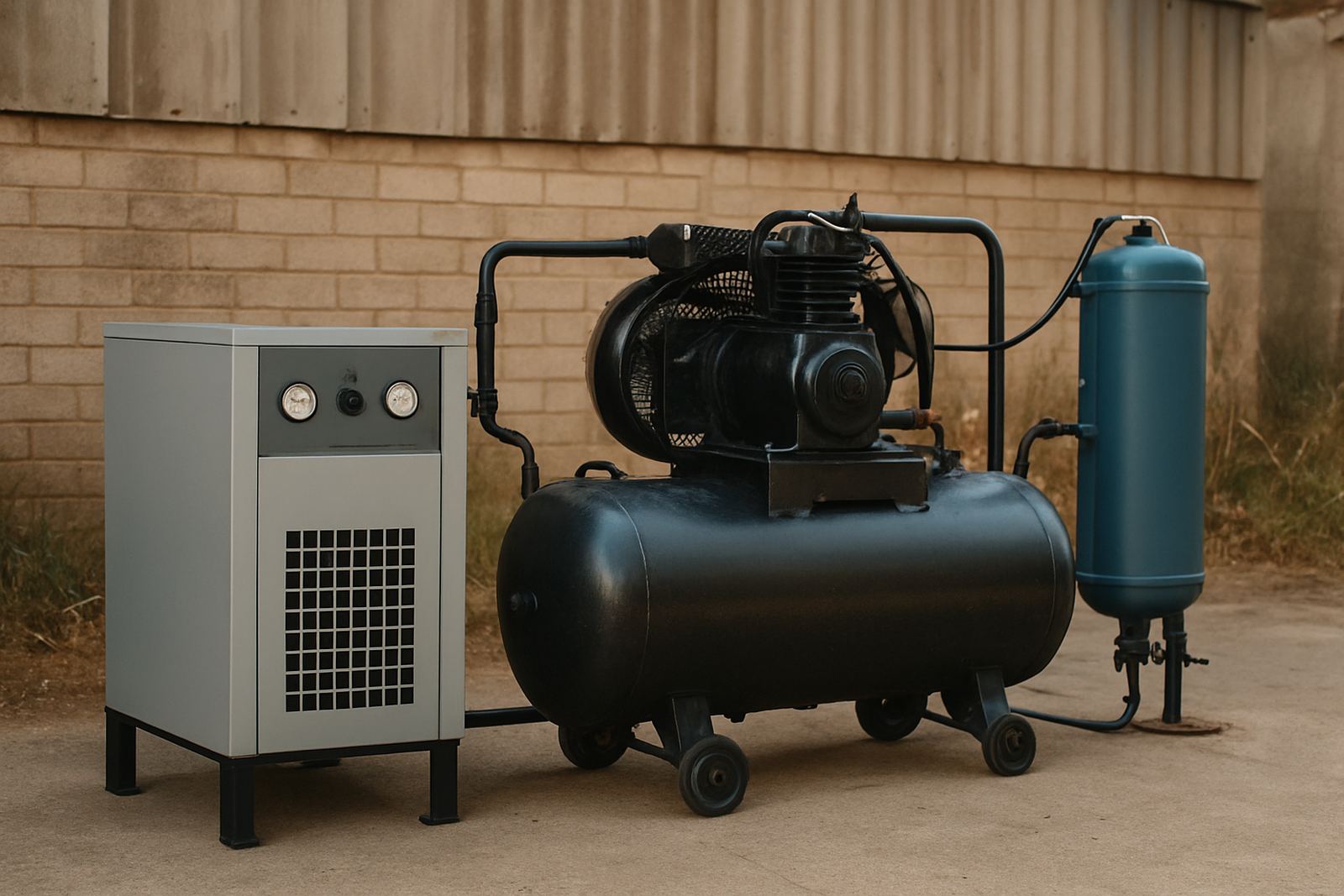
Many cutting faults start with air. Water in the line, blocked filters or unstable pressure can lead to poor arc starts and messy edges. That is why air system inspection and consumables checks matter as much as the cutter itself. In some workshops the machine gets blamed first, when the real issue is compressed air not being ready for the job.
- Drain water traps before the first cut of the day
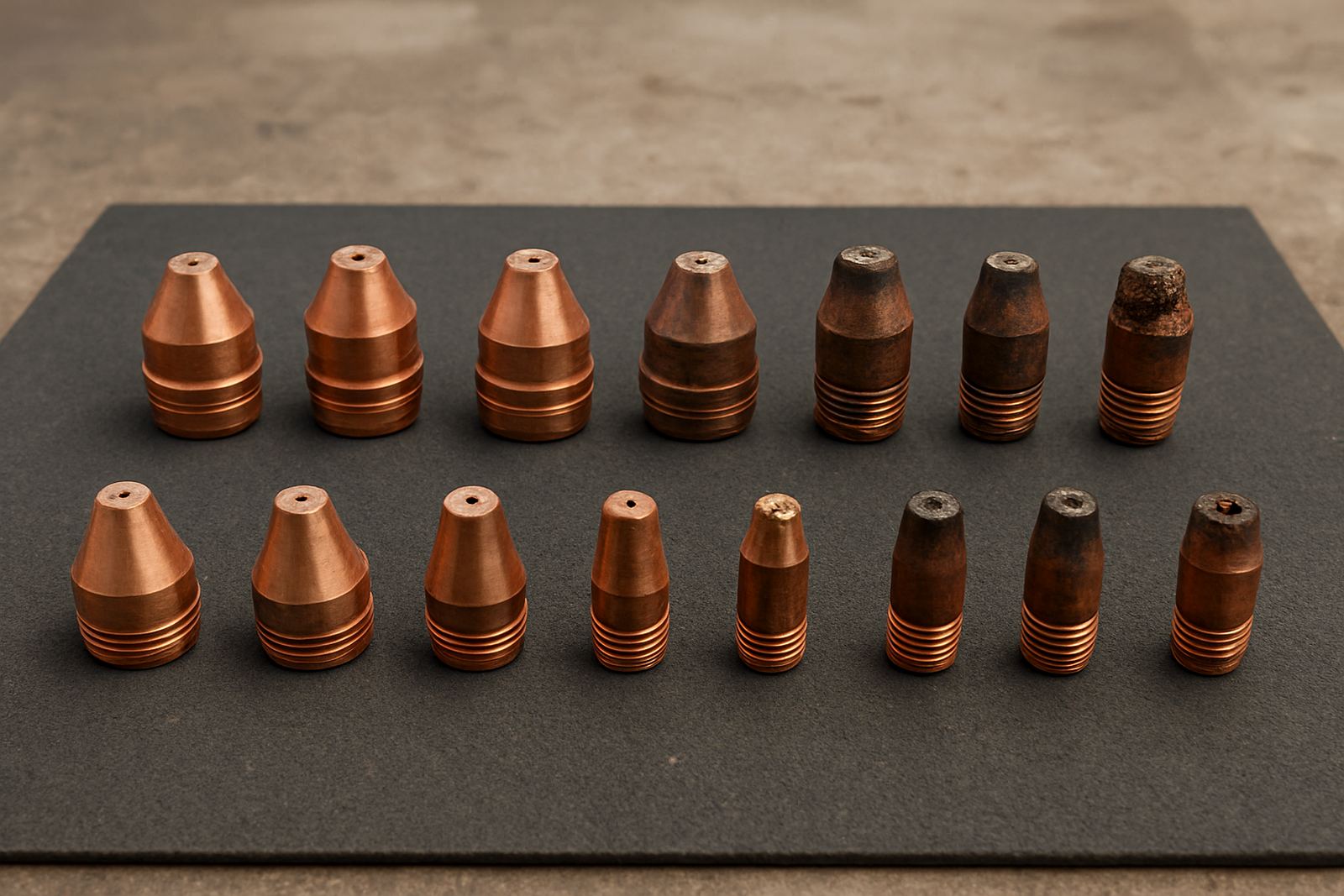
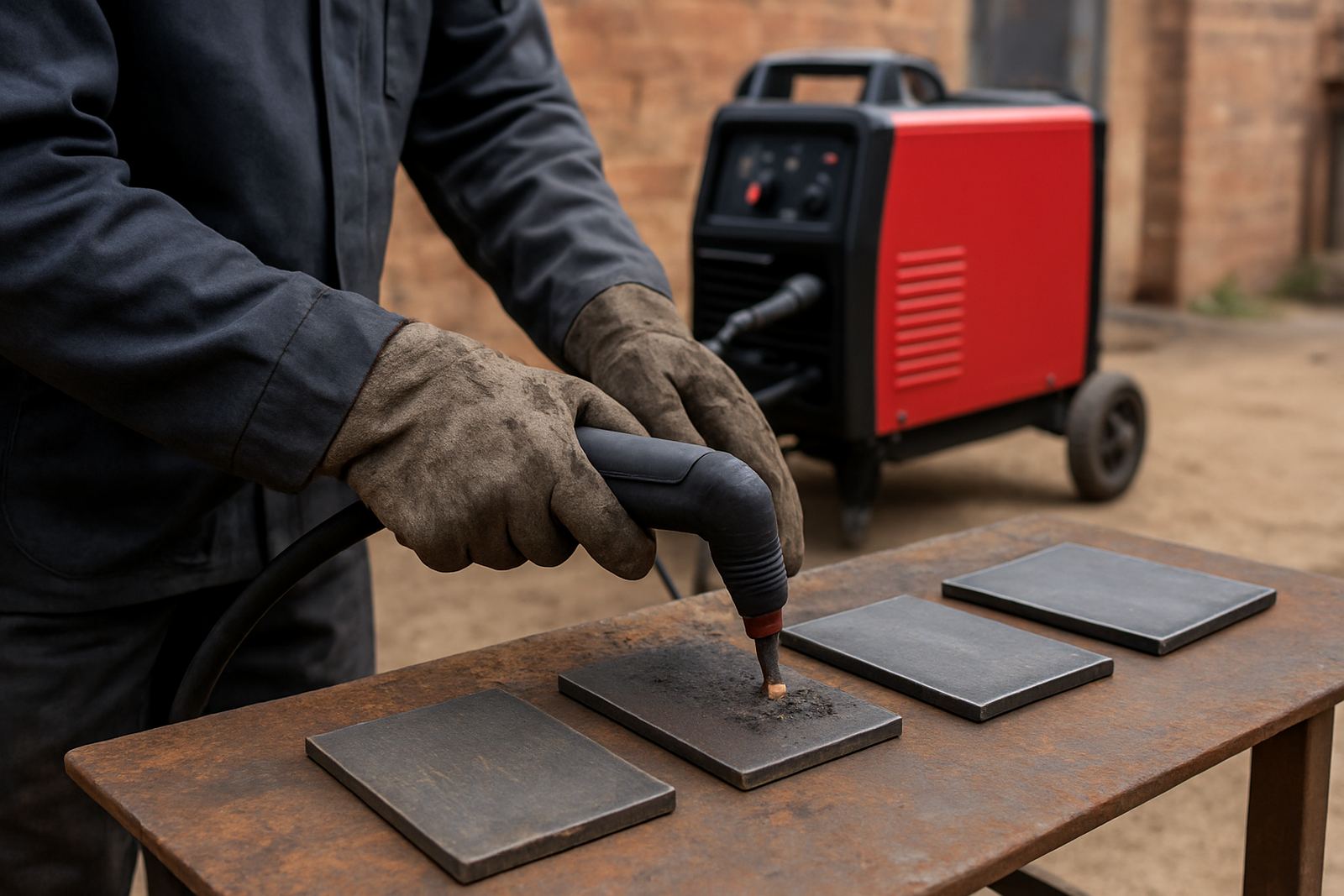
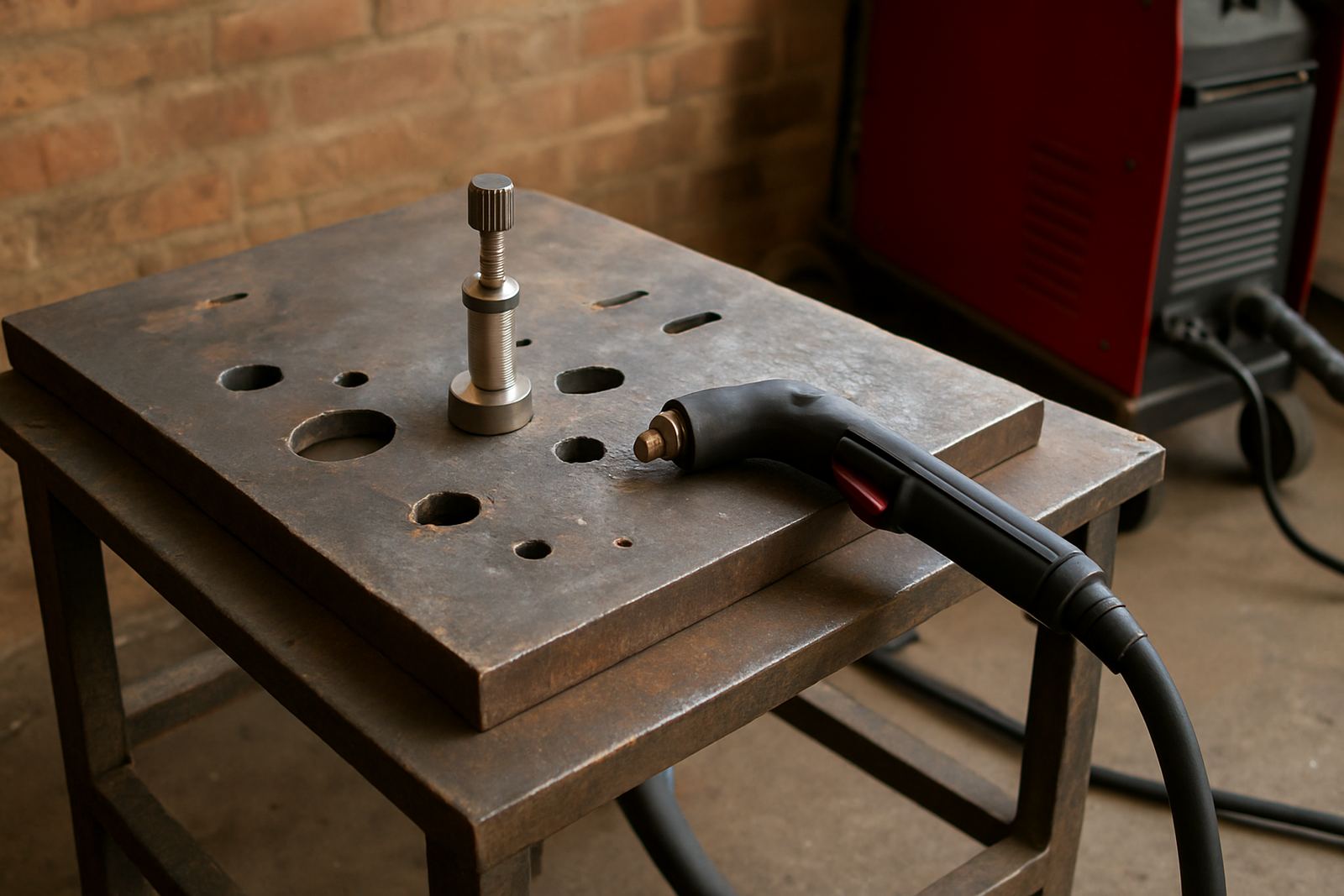
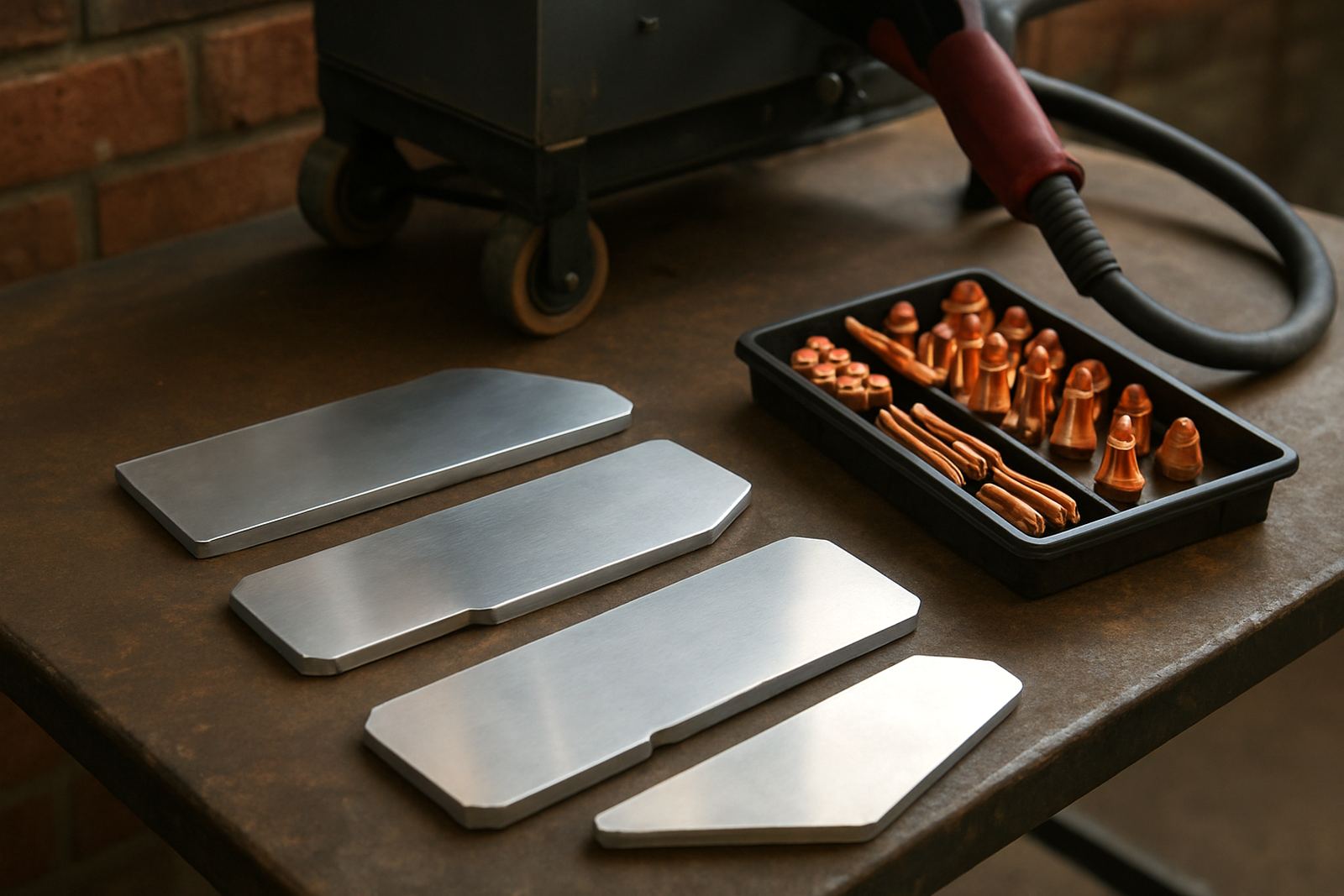
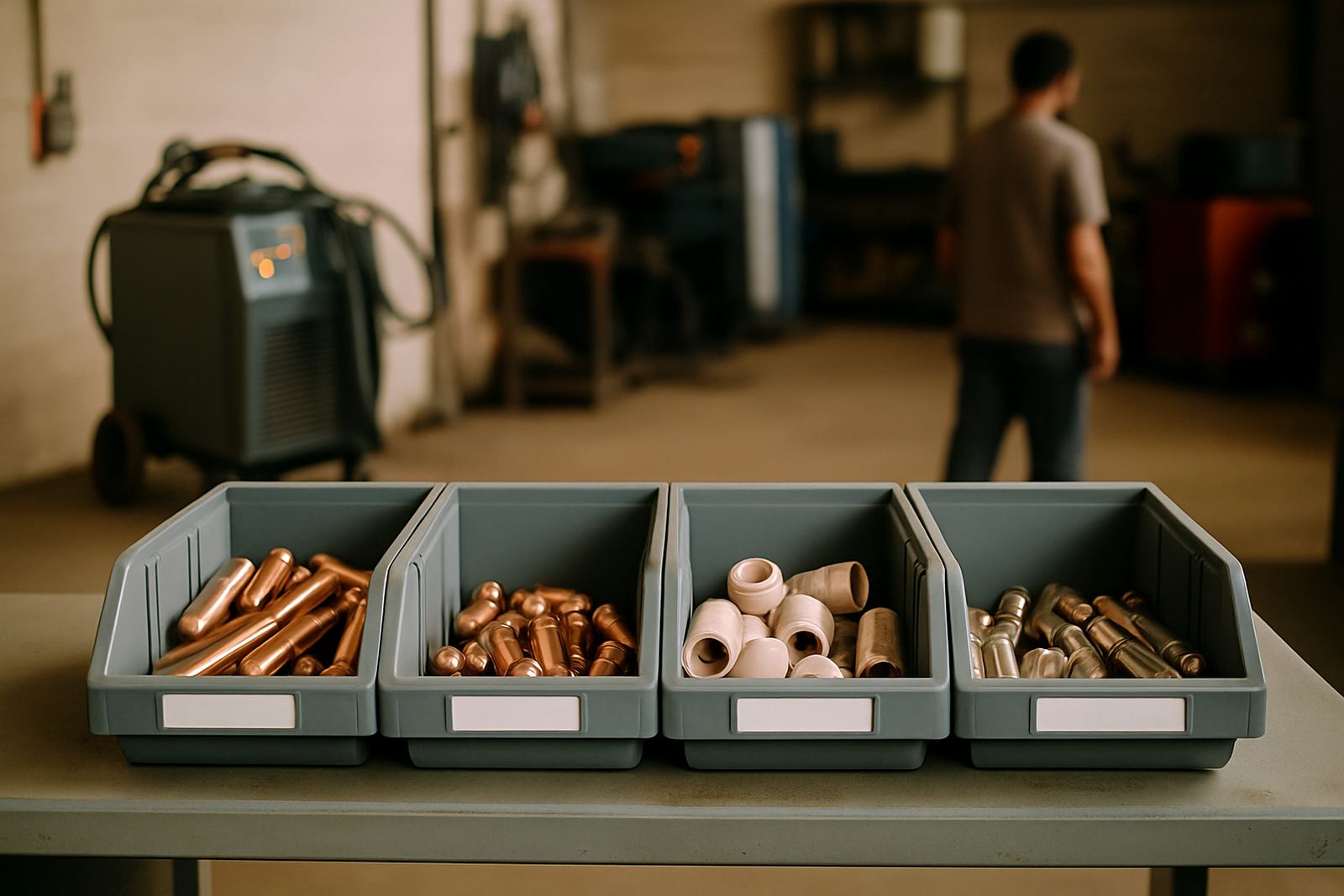
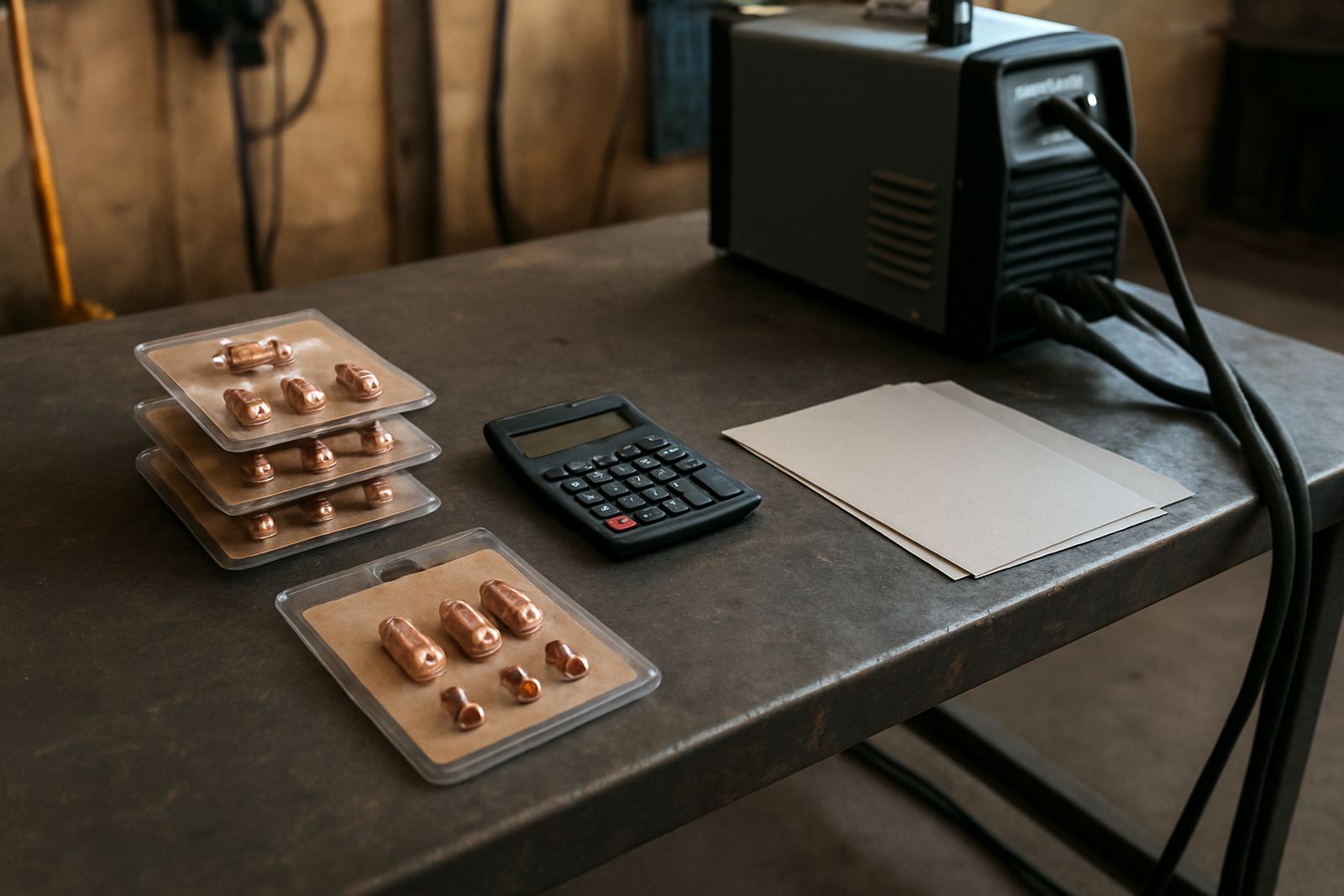
- Inspect tips, electrodes and shields for wear
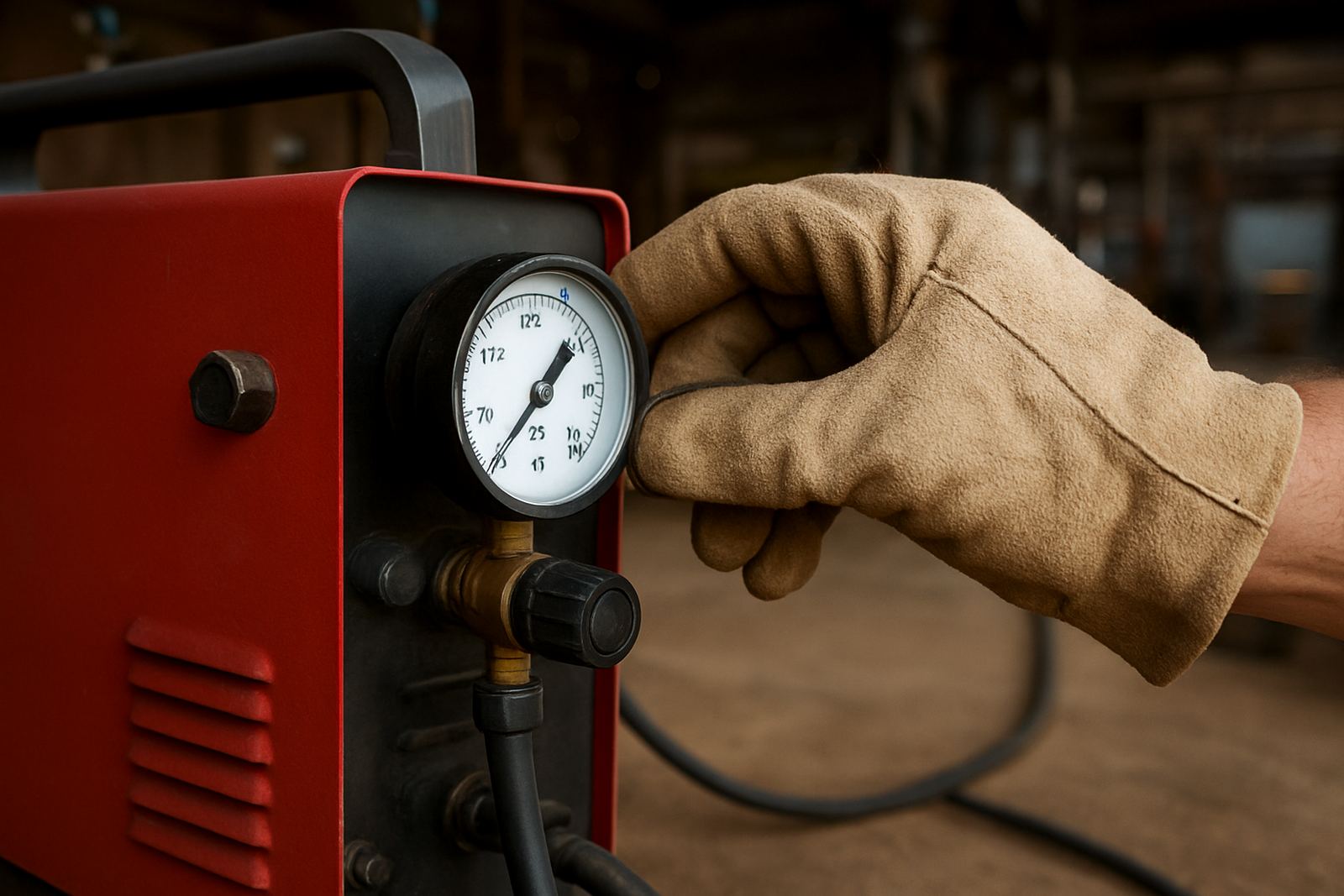
- Confirm pressure settings at the machine, not only at the compressor
- Replace damaged hoses before they fail on site
When the supply side is sorted out, operators usually notice steadier cuts and fewer interruptions.
Site support, training and when to call for help
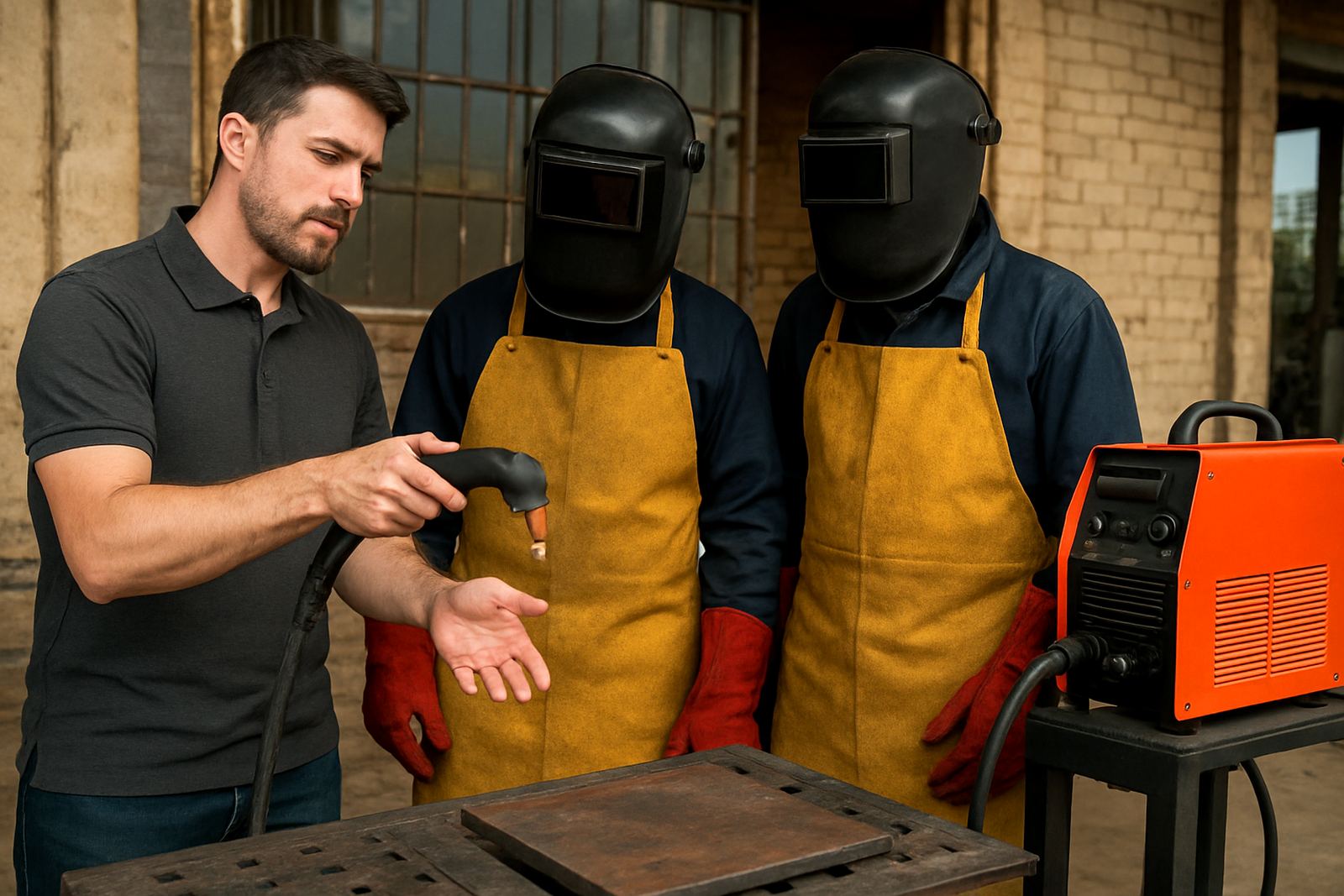
Some problems can be fixed in house. Others need a field visit, especially when a machine stops during a rush order or a new operator is still learning the process. Our notes explain the difference between routine upkeep and faults that need breakdown support, commissioning or a cut quality audit.
We work from the Vereeniging base and support customers across Gauteng and the Free State, including Alberton, Bloemfontein, Germiston, Meyerton, Sasolburg, Vanderbijlpark and Welkom. For training, demos and service planning, use the enquiry form on our contact page and we will help you choose the next step.