What Air Does Inside A Plasma Cutter
Plasma cutting depends on a steady stream of compressed air to create and control the cutting arc. If that air carries water, oil or fine dirt, the arc becomes less stable and the cutting nozzle wears faster. You may notice more dross, rough edges, trouble starting the arc, or cuts that wander off line on thinner plate.
In practical terms, the machine is only as consistent as the air feeding it. A clean air supply helps the torch start cleanly, hold the arc properly and keep the cut width even from the first part to the last. That matters whether you are trimming brackets in Alberton or running production parts in Sasolburg.
Why Wet Air Causes Trouble In Local Workshops
Moisture is a common issue in Gauteng and the Free State, especially when compressors sit in hot rooms, outside bays or areas with poor drainage. During colder mornings, condensation forms inside tanks and lines, then travels straight to the torch. Coastal conditions are not the only problem, inland humidity and temperature swings can be enough to upset cut quality.
Wet air also shortens the life of consumables. Electrodes, nozzles and swirl rings start breaking down sooner, which pushes up running costs. For smaller workshops the extra spend can sneak up slowly, until a set of parts that should last a week is gone in a few shifts.
- Water in the line can cause rough edges and heavy dross.
- Oil mist can damage torch parts and leave inconsistent starts.
- Dust and rust flakes block small passages in the torch body.
- Pressure drops make the cut less accurate, especially on longer hoses.
What Clean Air Should Look Like Before It Reaches The Torch
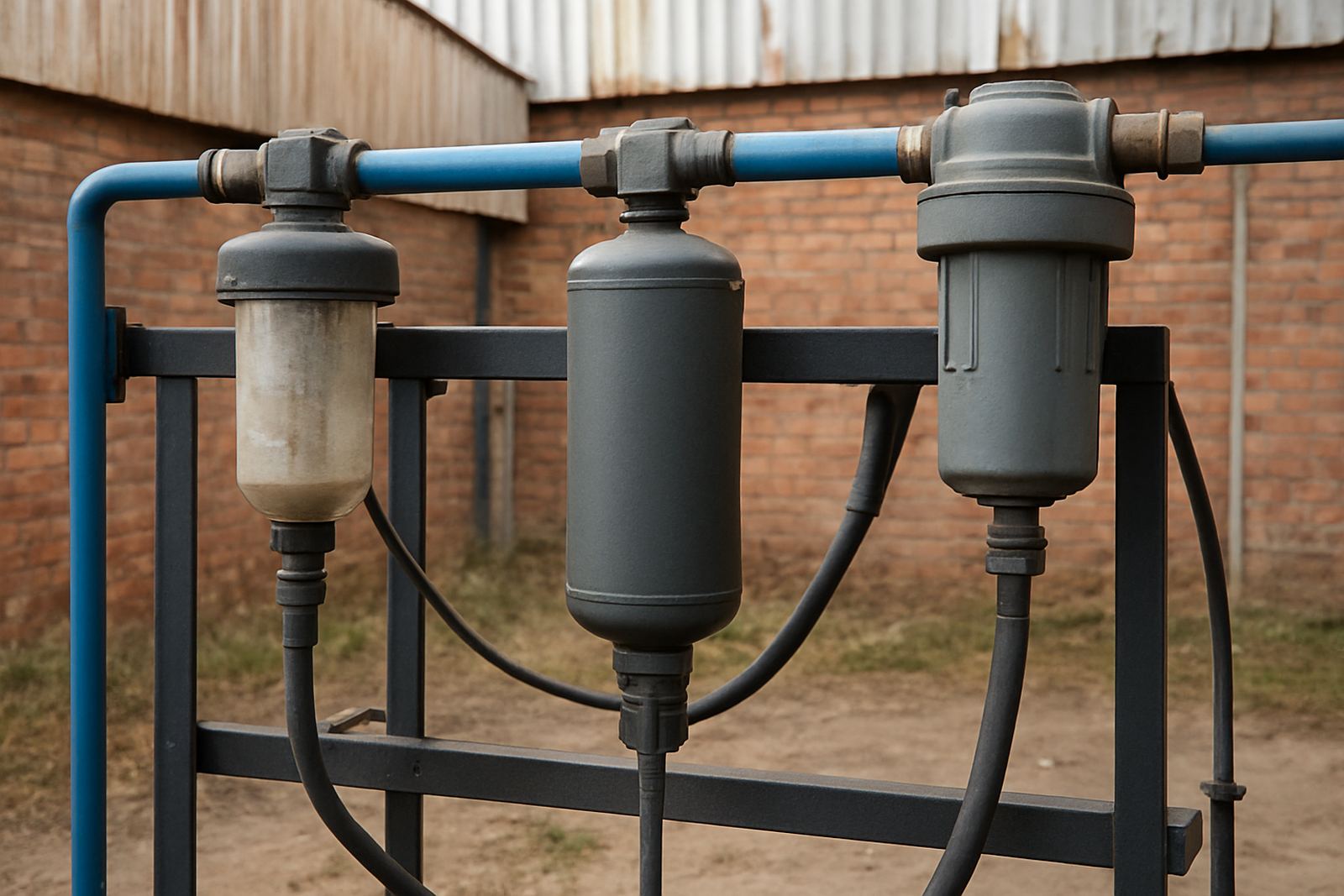
A proper air supply does not need to be complicated, but it must be controlled. The compressor should deliver the pressure and flow required by the cutter, and the air must be dried and filtered before it reaches the machine. Many faults that look like electrical trouble are actually air faults, which is why checking the supply first saves time.
Operators should watch the pressure at the machine, not only at the compressor tank. Long hose runs, quick couplers and undersized pipes can all drop pressure by the time the air reaches the torch. In a busy shop, that small loss can mean a machine that starts well in the morning but struggles later in the day.
- Use the correct air pressure range for the cutter being used.
- Fit water separation and filtration close to the machine.
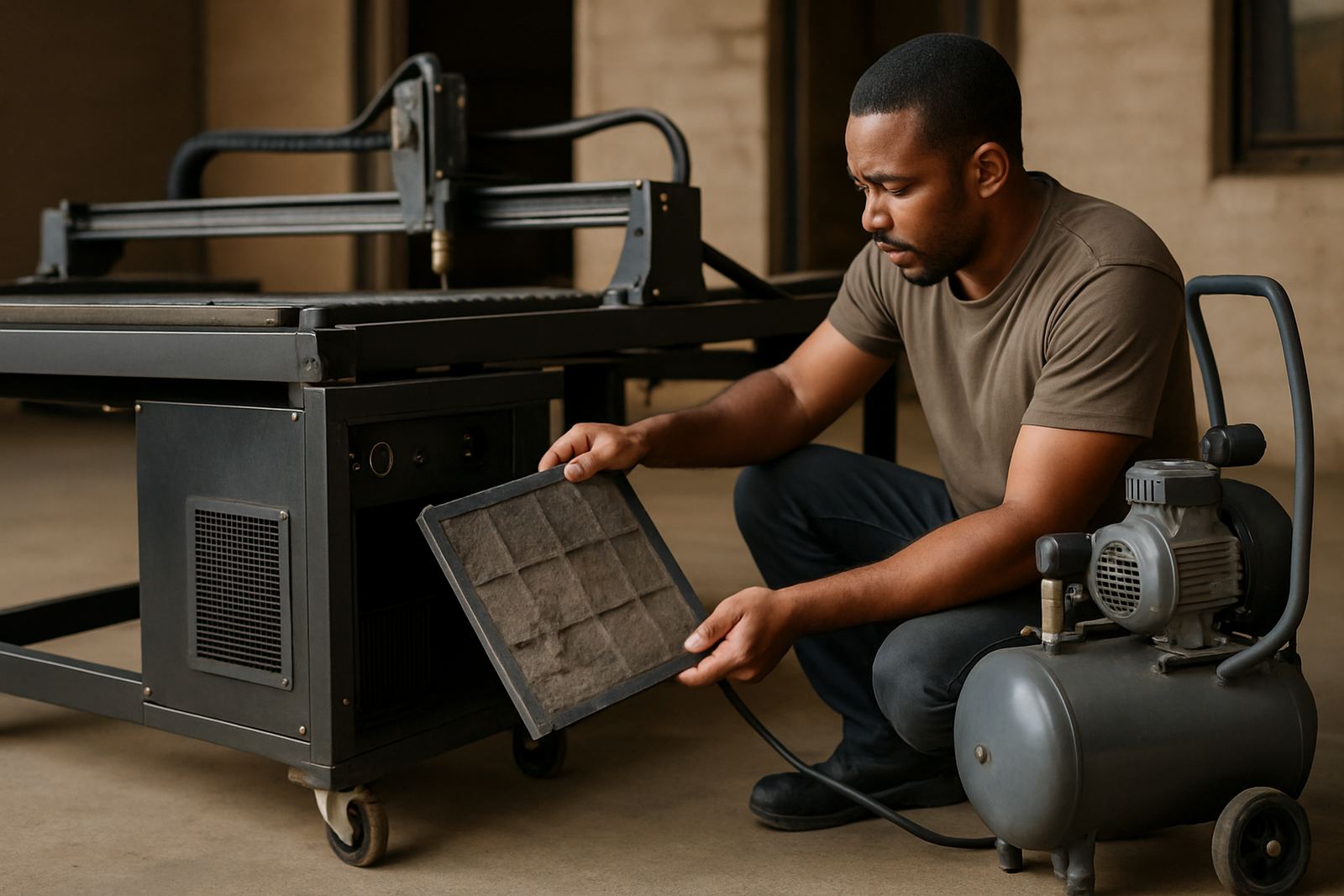
- Drain compressor tanks and filters daily, not when it is convenient.
- Check hoses for kinks, cracked fittings and leaks.
Signs Your Air System Is Hurting Cut Quality
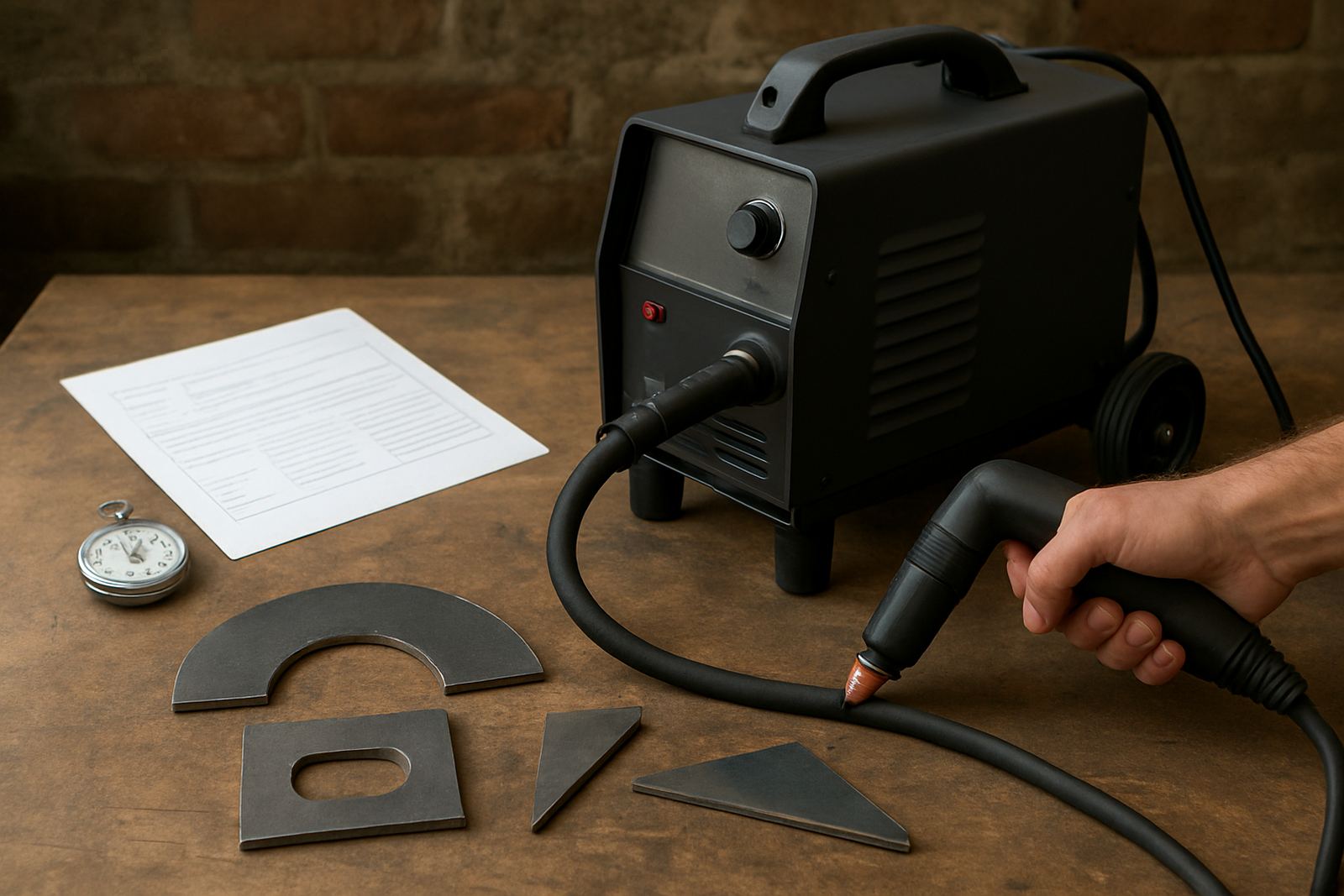
If your cuts have started looking uneven, dirty or inconsistent, air quality is one of the first things to test. A torch that used to cut cleanly through mild steel may suddenly leave heavier slag, wider kerf lines or more start marks. On CNC tables, poor air can also affect edge finish from part to part, which creates extra grinding and rework.
Some signs are easy to miss at first. An operator may keep adjusting cutting speed or torch height when the real issue is the compressor line. If the machine performs better after a service, then slips again a few days later, the air supply may be the reason. It is a simple point but often overlooked.
- Frequent consumable burn out.
- More splatter and rough edge finish.
- Hard starts or repeated arc failures.
- Variation between parts cut on the same setting.
A Vereeniging Example: Small Fault, Big Cost
A fabrication shop in the Vereeniging area might run a handheld cutter for repairs during the week and a CNC table for batch work on weekends. If the compressor is shared between tools and the air line runs across a dusty floor, the plasma system can end up taking in warm, damp air and fine grit. The result is often blamed on the machine when the real issue is supply quality.
After a proper inspection, the fix is usually straightforward. Drain points are added, filters are replaced, a leak is found in the line, or the air setup is moved closer to the cutter. Once the air is sorted, the operator sees steadier starts, cleaner edges and better life from consumables. That saves money fast, especially where power interruptions already disrupt production.
How PlasmaCutter Supports Better Air And Better Cutting
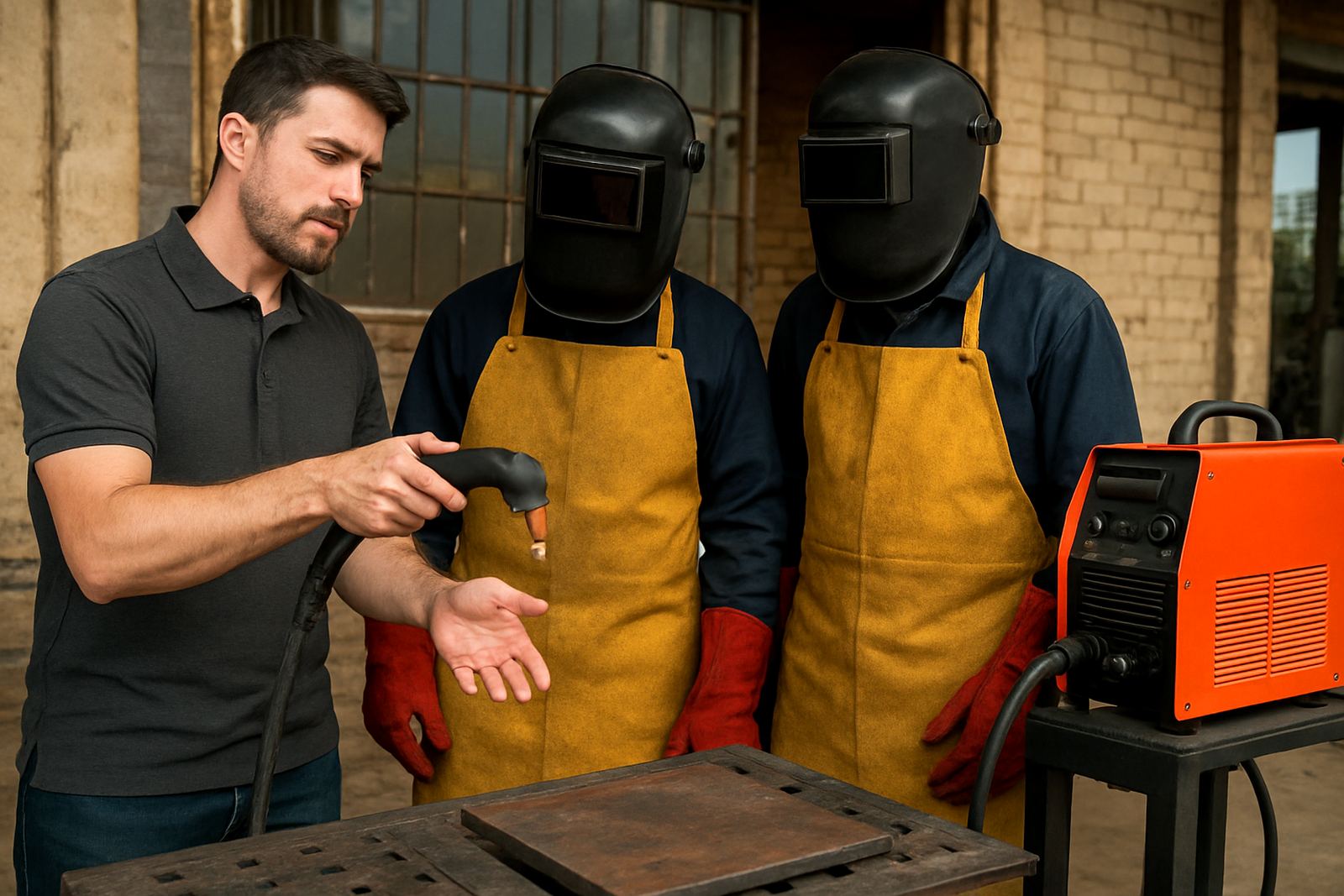
PlasmaCutter works with workshops, maintenance teams and production users across Vereeniging, Vanderbijlpark, Sasolburg, Meyerton, Alberton, Germiston, Bloemfontein and Welkom. Support includes air system inspection, consumables checks, preventive maintenance, cut quality audits, CNC table servicing and height control calibration. If the problem is at the torch, the power source, or the air line, it can usually be traced with a proper site check.
Good air does not only protect the machine, it helps the operator work with less guesswork. That matters when you need repeatable cuts, fewer stops and less time spent correcting parts. For many users the best improvement is not a new cutter, but a better prepared air supply and regular maintenance.
If your cutting results have started to drift, the first question should be simple: what is coming out of the compressor? In plasma work, clean dry air is not a bonus, it is part of the process.