Why operator training pays back in the workshop
In a busy workshop, small mistakes become expensive very quickly. A cut that starts too high, travel speed that is too slow, or air that is not clean enough can waste sheet material and burn through consumables far faster than expected. When operators understand the machine instead of just pressing start, the whole process becomes more controlled and predictable.
That matters whether you are cutting brackets in Vereeniging, repair panels in Vanderbijlpark, or small production runs in Sasolburg and Meyerton. In the real world, workshops do not have time for repeated rework. Trained staff get the job done right the first time more often, which means fewer scrap pieces, less grinding and better use of every Rand spent on steel.
- Less wasted sheet from poor torch angle or speed
- Fewer blown consumables from bad piercing habits
- Cleaner edges that need less finishing
- Lower strain on the machine, torch and height control
What operators should understand before they cut
Plasma cutting is straightforward when the basics are clear, but those basics must be repeated until they become habit. A trained operator knows how to check the air supply, set the correct amperage, confirm material thickness, and keep the torch moving at the right pace. They also know why a dirty compressor line or damp air causes poor arc stability and uneven edges.
On many sites, especially where load-shedding interrupts production, operators restart a job too quickly after a power dip and carry on without checking settings or torch condition. That is where training helps most. It gives staff a simple process to follow before, during and after each cut, so they are not guessing under pressure.
- Check air pressure and moisture before starting
- Match consumables to the thickness and material type
- Set pierce height and cut height correctly
- Recognise when a nozzle or electrode is worn
Better cuts mean longer machine life
Machine life is not only about how well the equipment was built. It also depends on how carefully it is used. When operators force the torch through heavy plate at the wrong speed, or let slag build up around the torch body, wear increases on parts that should have lasted longer. Over time that extra stress can affect torch repairs, power source reliability and even the accuracy of the CNC table.
Training reduces that risk by teaching the signs of trouble early. If an operator notices arc instability, poor cut quality or unusual vibration, the machine can be checked before the fault becomes a breakdown. That saves time on site and helps avoid emergency callouts to places like Alberton, Germiston or Bloemfontein when a full day of work is already booked.
For workshops that run both handheld and CNC work, the same principle applies. An operator who understands basic maintenance will keep rails clean, check earth connections and report issues before they grow. That is far cheaper than replacing damaged parts after months of avoidable strain.
A simple training routine for Gauteng and Free State workshops
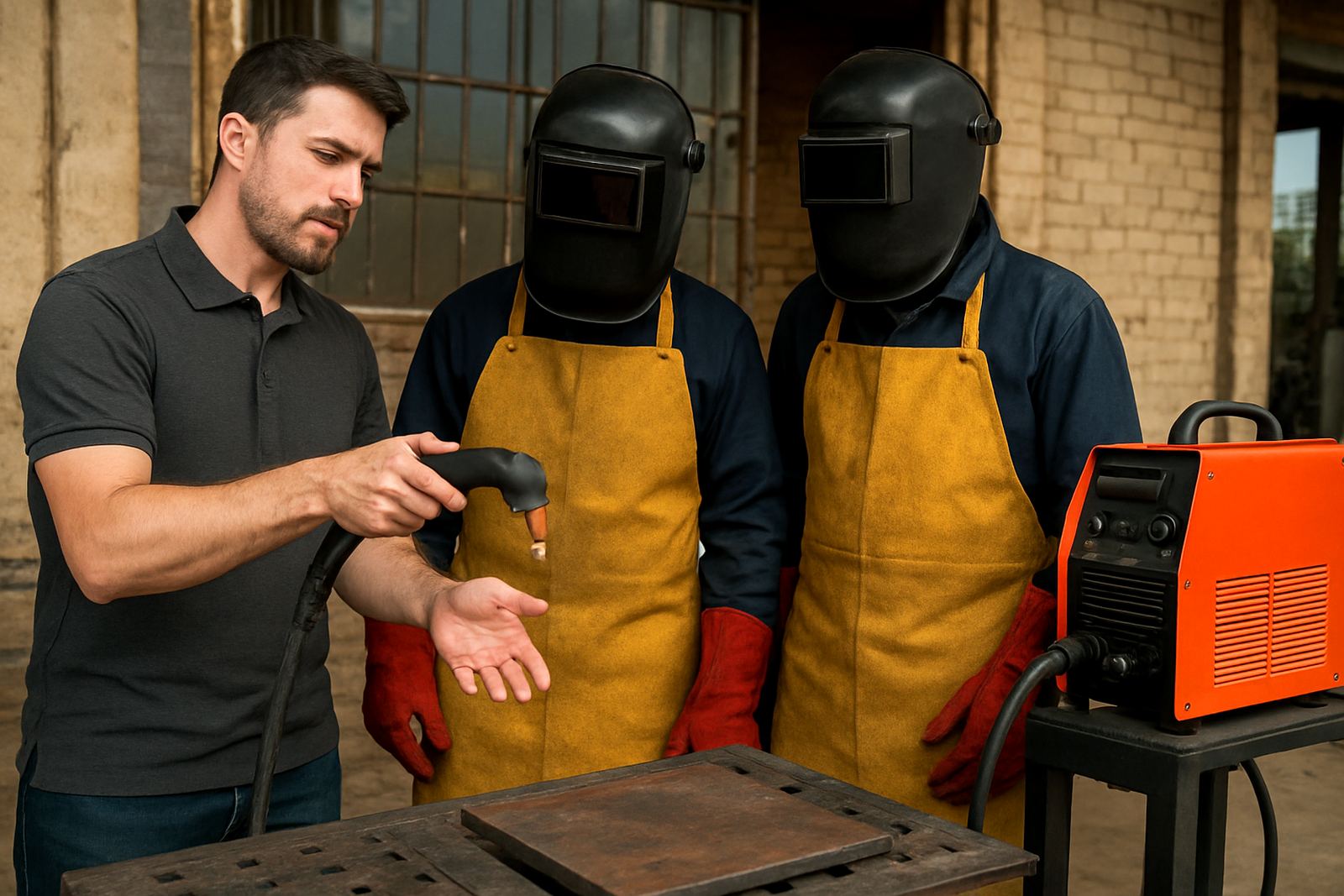
A good training session does not need to be complicated. It should fit the way South African workshops actually work, with changing jobs, busy teams and interruptions from power cuts or supplier delays. The best results come from practical sessions at the machine, using the material and settings the team already uses every day.
In Vereeniging, one fabrication shop was losing material on short production runs because operators kept adjusting the torch by eye instead of checking the correct pierce height. After a site-based training session, the team followed a set routine before every shift. Scrap dropped, cut edges improved and they needed fewer post-cut touch-ups. The owner said the biggest change was not the machine, it was the confidence of the operators.
- Start with a pre-shift machine check
- Review air quality and consumable condition
- Run a test cut on the same thickness used for production
- Show the team what acceptable and poor cut quality looks like
Training also improves safety and compliance on site
Plasma cutting brings heat, fumes, electrical current and moving parts into one working area. Operators who understand safe working habits are less likely to place themselves or others at risk. That includes using correct PPE, keeping leads in good condition, managing fumes properly and working within the limits of the machine and the workshop layout.
In some factories municipal or site rules also affect how and where cutting can take place, especially where fire controls, extraction and storage areas are managed closely. Training helps operators work within those rules without slowing production down. It also reduces the chances of avoidable incidents that stop work and create more admin for supervisors.
For teams handling automotive panels, farm equipment, general fabrication or repair work, safety training supports better day-to-day discipline. The result is a cleaner work area, less damage to parts and fewer interruptions when the pressure is on.
How PlasmaCutter supports operator training on the ground
PlasmaCutter works from Vereeniging with demos and servicing across Gauteng and the Free State, so training can be matched to the actual machine in use. That means the operator is not learning from theory alone. They are shown how to handle torch repairs, consumables checks, CNC table servicing, height control calibration and normal start-up routines on equipment that is already in the workshop.
Support can also include cut quality audits, machine commissioning and practical guidance for new staff or mixed-level teams. Where needed, field service can deal with on site breakdowns and then show the operator what caused the problem and how to avoid it next time. That combination of repair plus training is often what changes the long-term result.
For workshops in Vereeniging, Vanderbijlpark, Sasolburg, Meyerton, Alberton, Germiston, Bloemfontein and Welkom, this local approach matters because production conditions are not the same everywhere. A coastal workshop has different air issues to an inland site, and a small repair shop does not run like a high-volume CNC line. Training should reflect that reality, not ignore it.