Start With The Right Power Supply
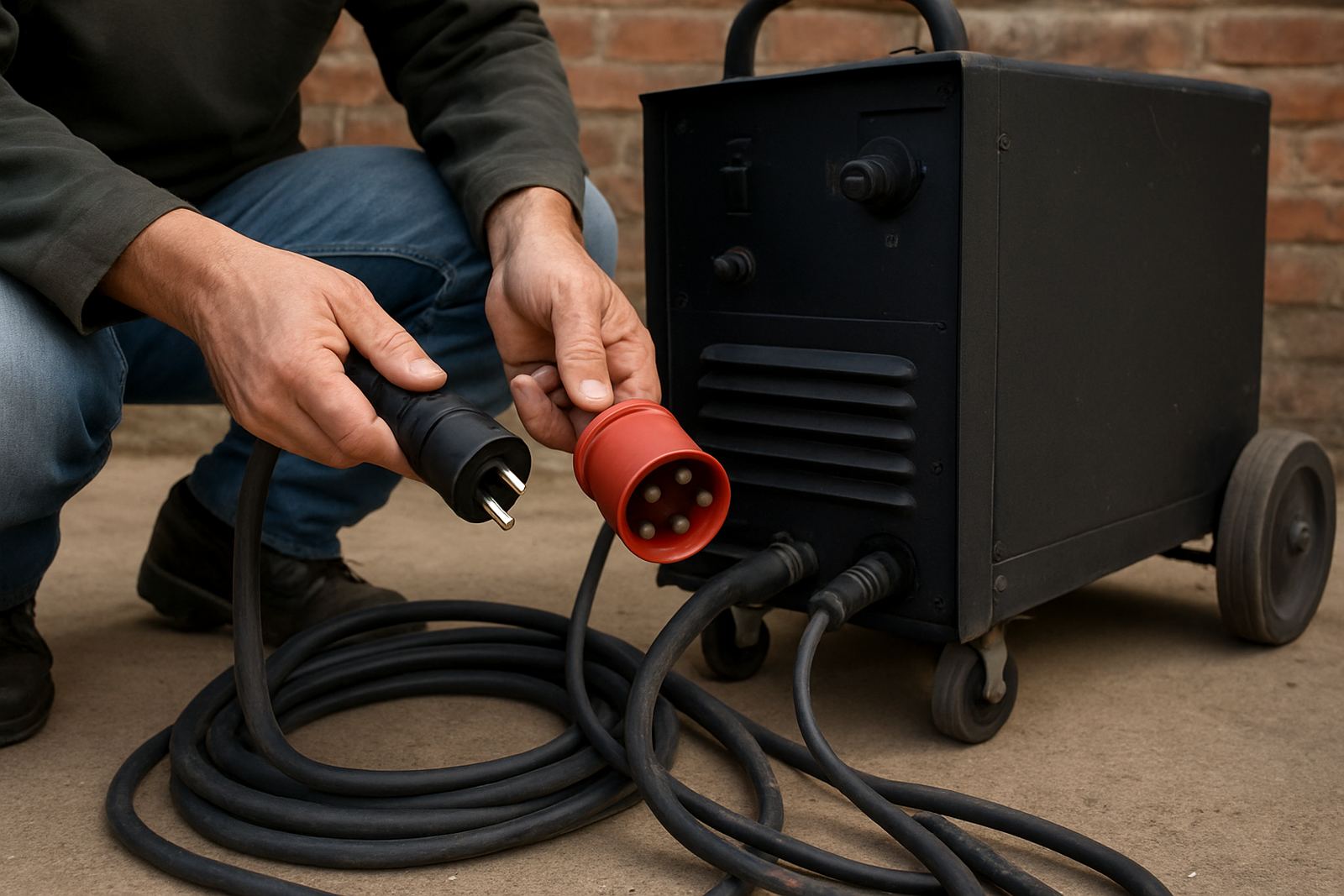
When people compare plasma cutters they often start with thickness and amperage, but the supply is just as important. A single phase unit can be a practical fit for smaller workshops, mobile work and properties where the electrical installation has not been built for heavy industrial loads. Three phase is usually better suited to higher output, longer run times and repeated cutting through thicker material.
In practice, the supply affects how stable the arc remains under load. If the machine is starved for power, you will see more variation in cut quality, faster wear on consumables and nuisance trips at the board. That matters in Vereeniging and surrounding industrial areas where many sites run mixed loads, compressors, welders, grinders and plasma cutters at the same time.
Single phase: best for mobile work and lighter workshop demands
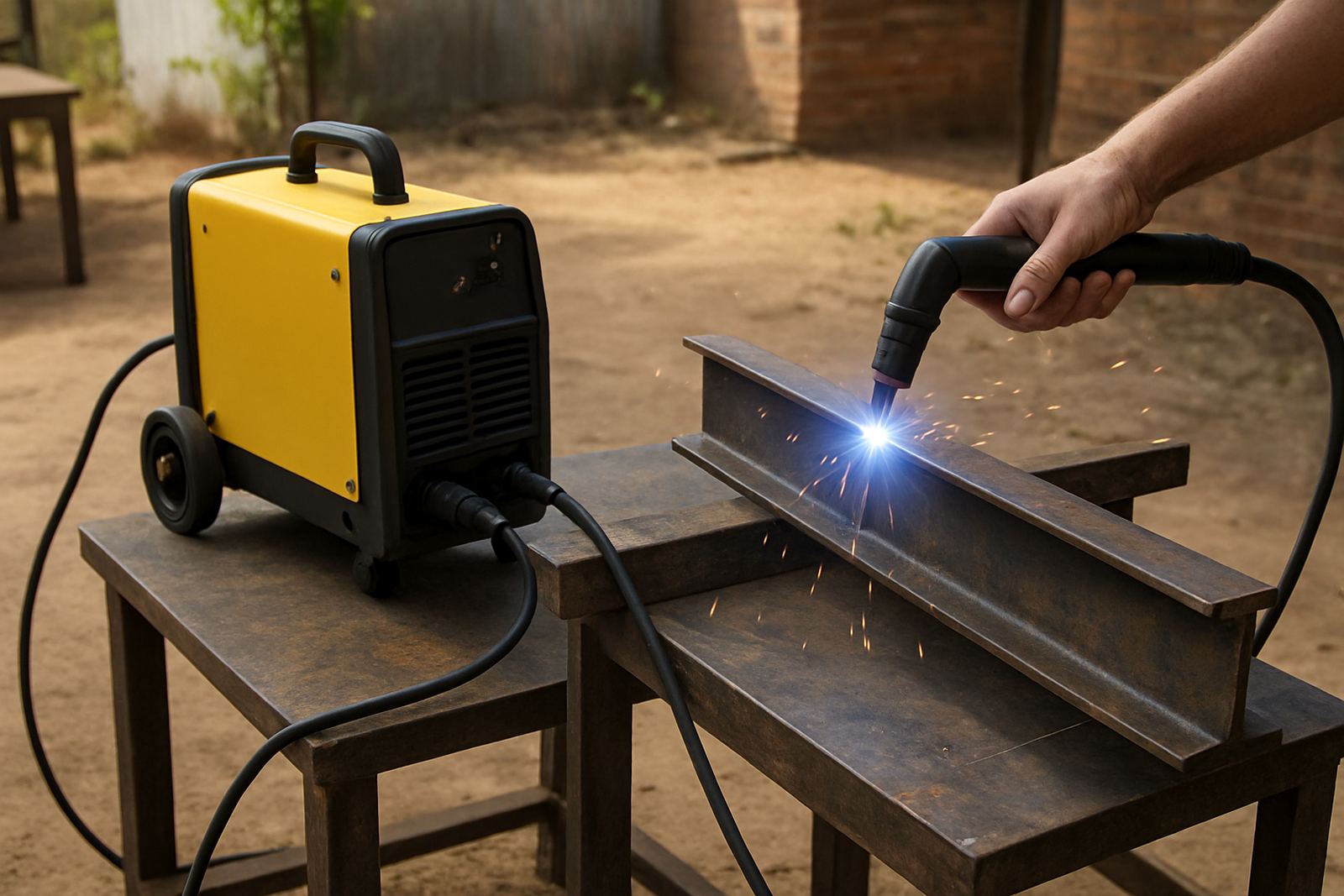
Single phase plasma cutters are often the better option for smaller fabrication bays, farm repairs, maintenance teams and hobby users. They are easier to plug into common workshop supplies and can be moved between jobs with less planning. For local teams doing gate repairs, brackets, trailer work or light automotive fabrication, that convenience can save a lot of time.
There are limits though. A single phase supply may not support the same duty cycle as a three phase setup at comparable output, so you need to plan the work around cooling periods and breaker size. In older buildings around Meyerton or older parts of Germiston, the wiring may also need checking before a machine is installed because voltage drop can affect performance more than people expect.
- Good for light to medium cutting work
- Useful where the machine must be moved between sites
- Often simpler to connect in smaller workshops
- Needs careful checking of breaker size and cable run
Three phase: better for production, repeat cuts and long duty cycles
Three phase machines are the safer choice when cutting is part of daily production. They generally handle higher output with better consistency, especially when the workshop is running for hours at a time. That makes them a strong fit for fabrication shops, production lines, and repair centres that cut brackets, plate, box section and wear parts all week.
Because the load is spread across three live conductors, the machine usually draws power more evenly and can maintain performance under pressure. In real use, that can mean fewer interruptions, smoother starts and less stress on the electrical installation. If your shop in Sasolburg or Bloemfontein is already running multiple machines, three phase can make the whole site easier to manage.
- Better for repeated cutting and higher throughput
- More suitable for thicker material and longer runs
- Often preferred where other production equipment already uses three phase
- Can reduce strain on the supply when the site is planned correctly
Duty cycle is not just a number on the label
Duty cycle tells you how long a machine can cut within a set period before it needs to cool. But that figure only helps if the supply is suitable and the workshop is set up correctly. A machine might advertise a healthy duty cycle, yet still struggle if it is connected through long undersized cables, weak power, or a noisy generator that cannot hold voltage steady.
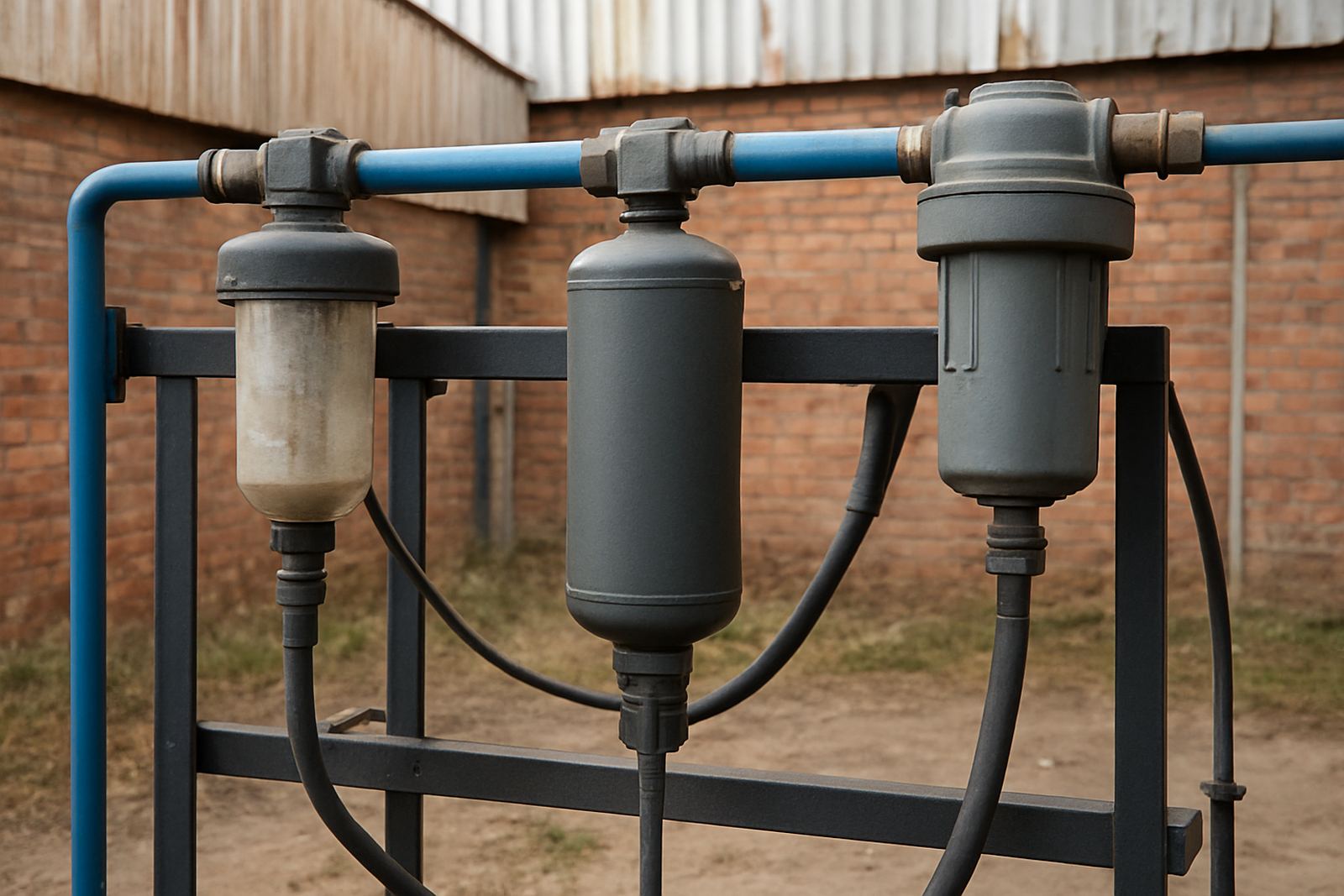
For users in places with load-shedding, this becomes even more important. If the power returns with spikes or the site runs on backup supply, a machine that is already close to its limit can give poor cut quality or trip unexpectedly. A stable installation with the right supply and an air line that stays dry will usually outperform a bigger machine running on weak power, every time.
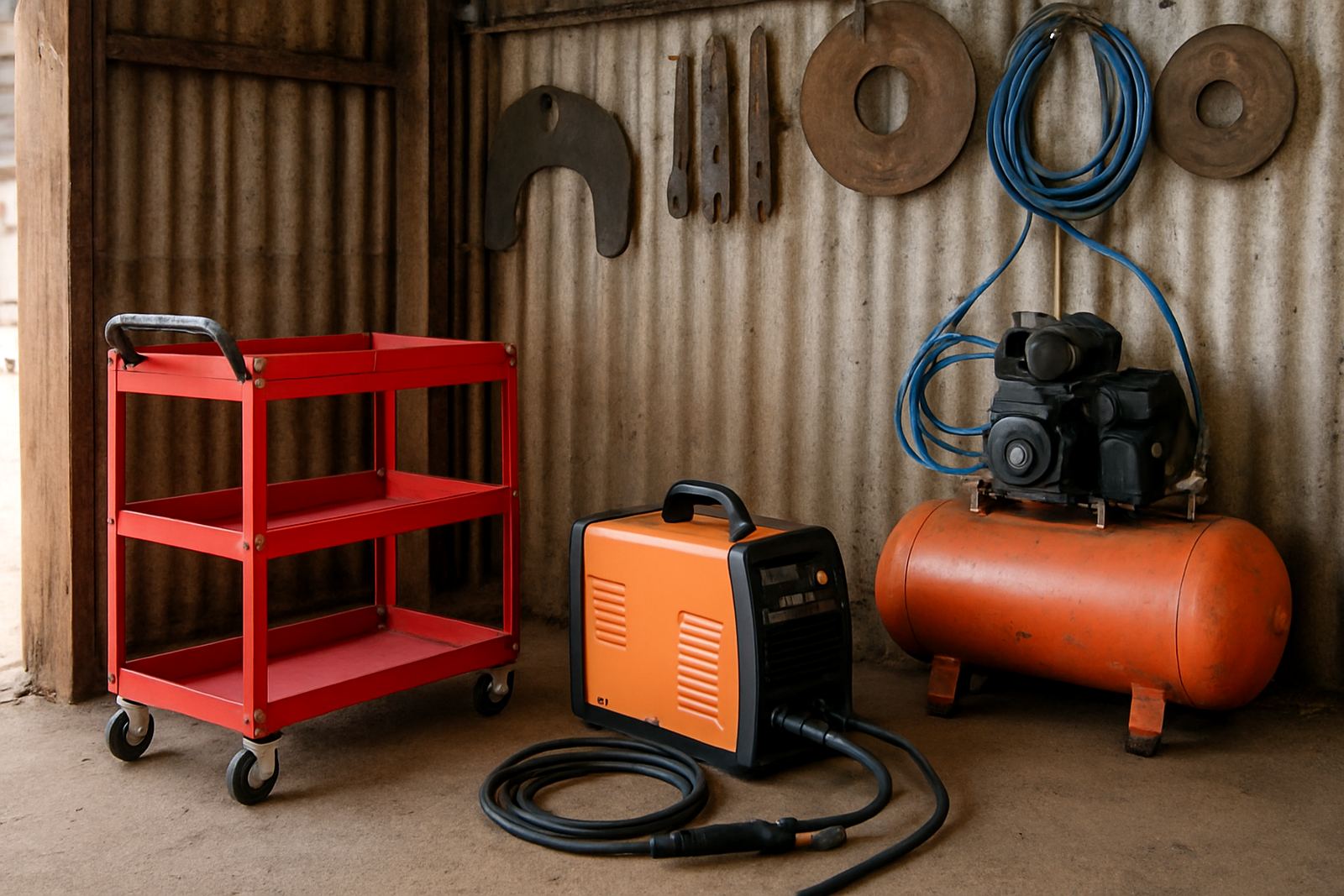
As a rule, it is better to match the machine to the real workshop conditions than to buy bigger and hope for the best. That includes checking the supply at the board, the length of the extension lead and whether the compressor can keep up with the torch.
Workshop planning for Gauteng and the Free State
In places like Alberton, Vanderbijlpark and Welkom, the decision often comes down to what the site already has in place. A fabrication shop with three phase distribution should normally plan for a three phase plasma cutter if cutting is a regular part of production. A mobile repair team or smaller bay may get better value from a single phase unit that can be commissioned quickly and moved where needed.
If the cutter will be used near the coast, the air system and storage are just as important as the supply, but inland workshops have their own issues too. Dust, long cable runs and old plug points can reduce performance. A practical setup includes proper earthing, dry compressed air, enough breaker capacity and a machine position that keeps the torch lead as short as possible.
- Check the supply at the board before purchasing
- Match the machine to the type of work, not only the maximum thickness
- Allow for compressor output, cable length and cooling space
- Plan for servicing access and safe torch storage
A practical example from a mixed fabrication shop
A shop in Vereeniging doing fencing repairs, light truck work and occasional batch cutting may be tempted to choose the highest output machine it can afford. But if the site has only single phase supply available, the better result may come from a well matched unit with a realistic duty cycle and proper consumable control. That setup can cut faster in the real world than an oversized machine that trips, overheats or runs poor arcs.
By contrast, a larger workshop in Sasolburg with a stable three phase installation and regular production orders will usually benefit from the extra headroom. The team can run longer jobs, keep the edge quality more consistent and reduce stoppages caused by cooling pauses. The key is knowing how the machine will be used day to day, not just on the day of purchase.
Getting the decision right the first time
Single phase and three phase both have a place. The right answer depends on your site, the electrical supply, the kind of material you cut and how often the torch is in hand. If the machine is for occasional maintenance and small fabrication work, single phase may be enough. If it is part of daily output, three phase often makes more sense.
At PlasmaCutter, the focus is on helping buyers choose a machine that suits the actual workshop conditions and not only the spec sheet. That includes support with machine commissioning, operator training, consumables checks, cut quality audits and on site breakdown assistance across Vereeniging, Vanderbijlpark, Meyerton, Alberton, Germiston, Sasolburg, Bloemfontein and Welkom. A well matched supply can save on repairs, reduce wasted consumables and keep the cutting line moving.