
Start with the jobs the workshop actually does
Most farm repair bays in Gauteng and the Free State are not set up for one repeat job. One day it is a broken trailer side, the next it is baler guards, loader brackets, feed mixer wear plates or a cracked gate hinge. That means the plasma cutter must suit mixed steel thicknesses and quick turnaround work, not only light hobby use.
A practical setup begins with knowing your average material range. Many agricultural repairs sit between 1.6 mm and 10 mm mild steel, with heavier pieces coming in from time to time. If your work is mostly on repair parts and general fabrication, a handheld unit with a steady arc and sensible duty cycle is usually the better fit than a machine that only looks good on paper.
- List the top 10 repair jobs done in a normal month
- Note the thickest material cut on site
- Check whether work is done indoors, under a roof or out in the yard
- Match the machine to the amount of daily cutting, not the biggest once-off job
Power supply and load-shedding planning
In places like Vereeniging, Vanderbijlpark and Sasolburg, a workshop can lose half a morning to load-shedding or a weak supply on the property. Plasma cutters need a stable electrical feed, proper earthing and enough capacity for repeated starts. If the supply is shared with welders, grinders and compressors, the workshop should be planned around peak use, not guesswork.
It is worth checking the incoming supply, cable length and breaker size before moving the machine into place. Long extension runs cause voltage drop, which can affect cut consistency and arc start. If the site is on a generator or inverter backed supply, make sure the output is suitable for the cutter's demand and that the compressor can also keep up.
- Keep the cutter close to the distribution board where possible
- Use heavy duty leads only for temporary movement
- Separate cutting from high draw equipment when possible
- Test the setup during a real job, not only at idle
Compressed air that stays dry and clean
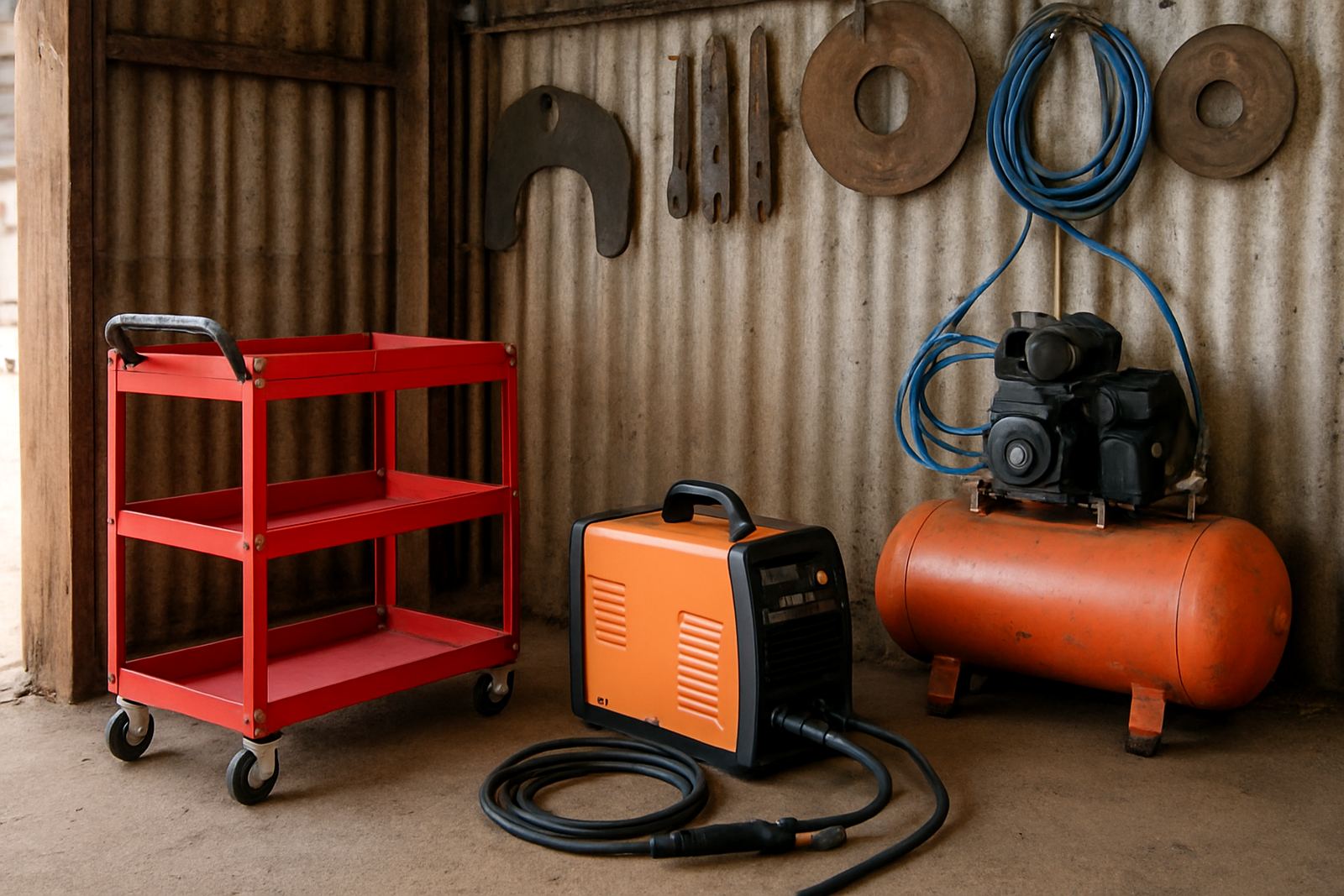
Air quality makes a big difference to cut edge finish and consumable life. In farm workshops, compressors often sit in the same room as dust, chaff and grinding grit, so the air line needs proper filtration and regular draining. Wet air causes rough cuts, more spatter and faster wear on torch parts.
For work in humid areas or near the Vaal River, moisture management needs attention all year. An air system inspection should include the compressor, regulator, filters, hoses and quick couplers. If the workshop is running on long hose lengths to reach a gate or implement outside, the line should be checked for leaks and pressure drop. It may seem small but it saves money over time.
- Drain water from the tank every day when in use
- Fit filtration before the torch line
- Replace tired hoses that soften or leak at the fittings
- Keep the compressor away from dust paths and grinding bays
Place the table, torch and stock for fast farm repairs
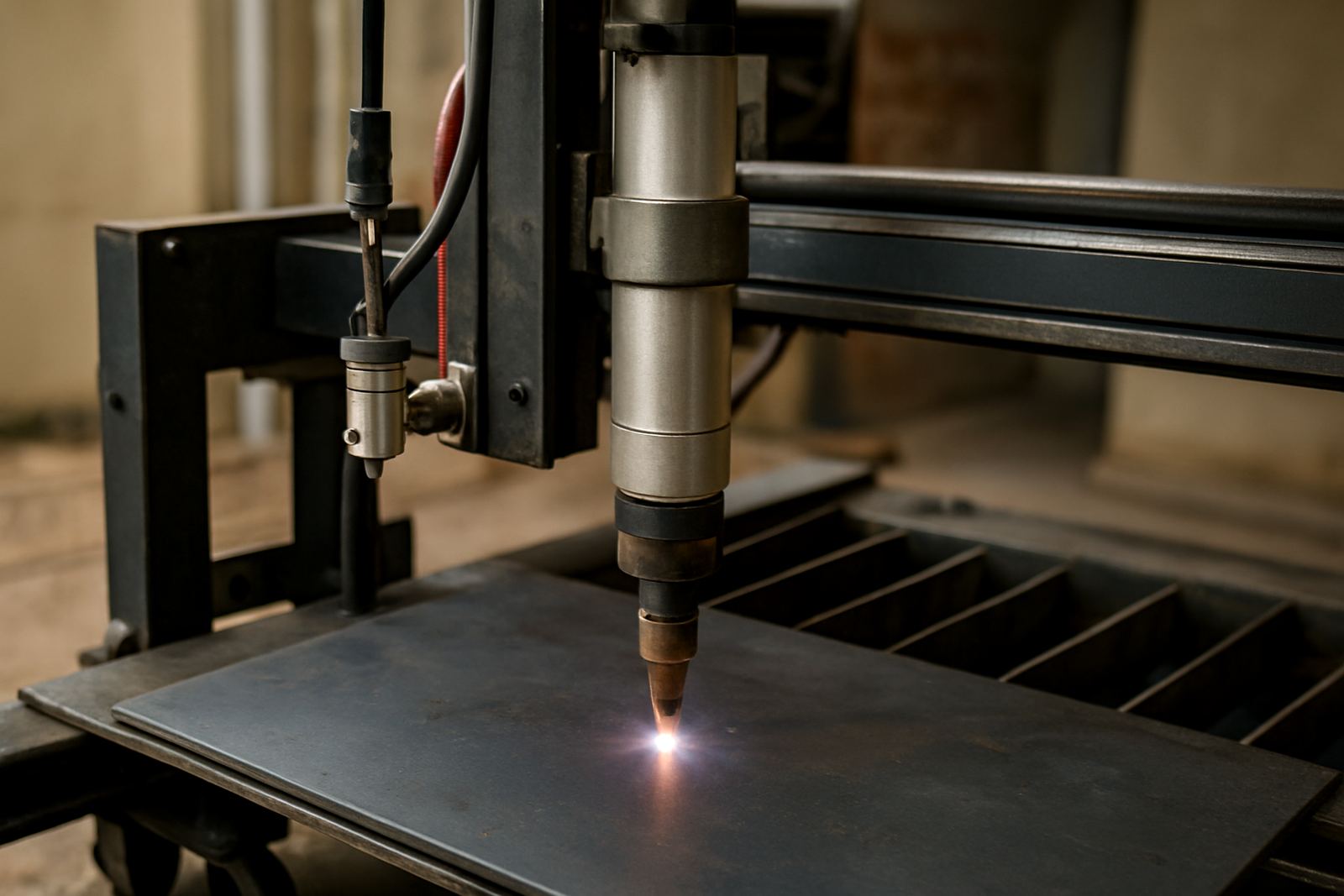
The best farm workshop layout keeps steel, tools and the cutting area within a short walk of each other. Long trips across the yard waste time and make it more likely that offcuts, electrodes and nozzles get lost. A CNC table needs a level surface and enough clearance around it for loading plate safely, while a handheld station needs a clear cutting bench with fire-safe surroundings.
For agricultural repair work, it helps to store common flat bar, plate and offcut steel near the machine. That way, brackets and gussets can be made without first hunting through scrap piles. Good storage also keeps the cutting zone tidy, which matters when sparks and hot slag are involved. In smaller sheds, a compact layout often works better than trying to fit too much into one corner.
- Keep consumables, clamp sets and spare leads in labelled containers
- Store plate off the floor to avoid rust and damp
- Mark a safe zone around the cutter and compressor
- Leave a straight path for wheelbarrows, trolleys or forklift use
What maintenance prevents downtime in peak season
Peak farming periods do not wait for workshop breakdowns. Preventive maintenance should be built into the calendar before planting, before harvest and before heavy repair months. Torch repairs, power source repairs and consumables checks all help avoid unexpected stoppages when equipment is needed urgently.
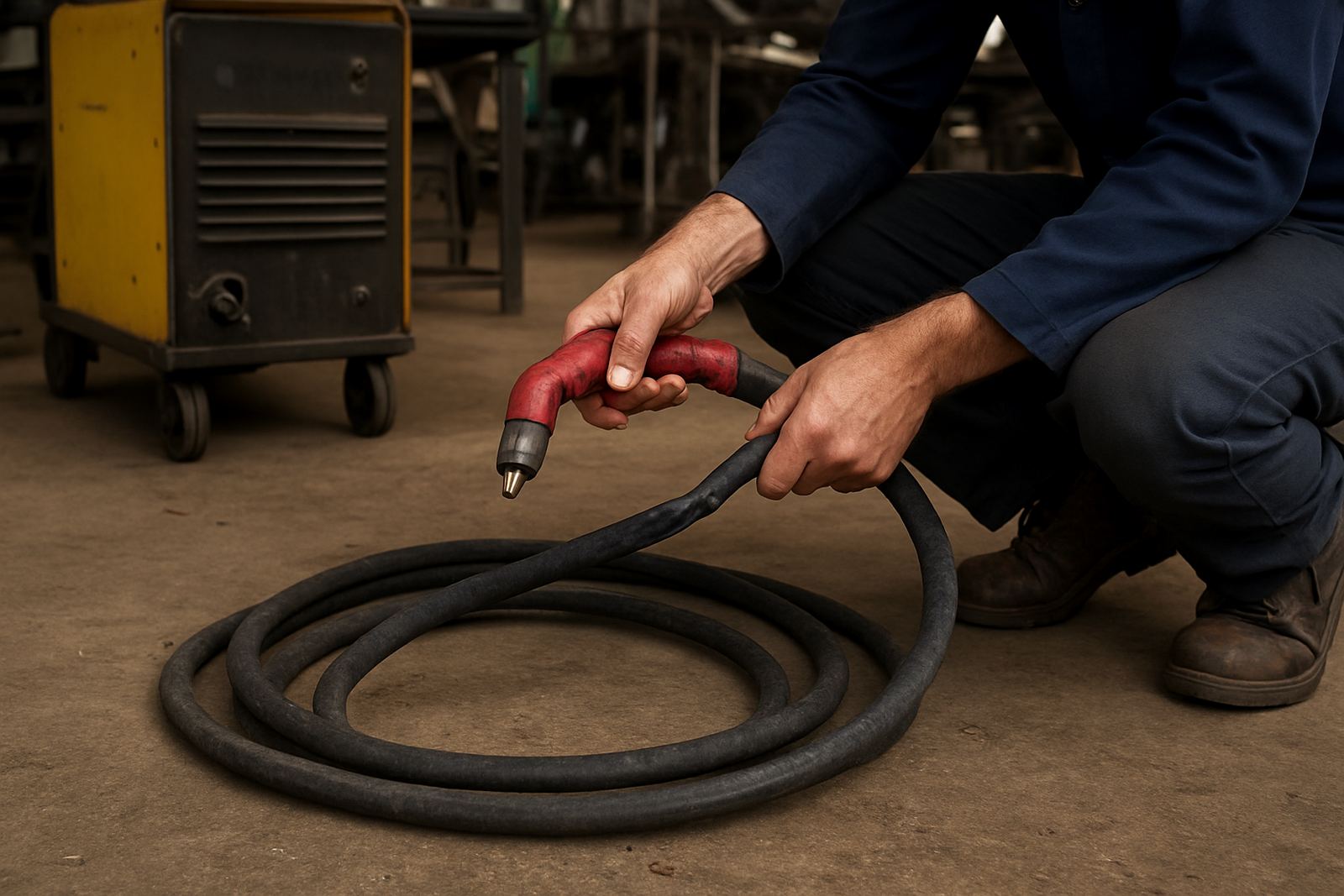
A sensible maintenance plan checks the torch body, leads, air flow, height control on CNC equipment and the condition of all wear parts. If the cut starts changing shape or the arc becomes unstable, that is often a sign of air problems, worn components or a machine fault. Catching it early keeps the repair list shorter and the costs down.
- Inspect torch heads and cable jackets for heat damage
- Check air pressure before each cutting shift
- Look at edge quality to spot a developing issue
- Schedule CNC table servicing before busy periods, not after failure
A Vereeniging example from mixed farm repair work
A farm repair workshop near Vereeniging may be asked to cut hinge plates in the morning, then patch a trailer side after lunch and finish with guards for a tractor attachment. In that setting, the cutter must start reliably after power interruptions, the compressor must stay dry, and the operator must not waste time adjusting the setup for every small job.
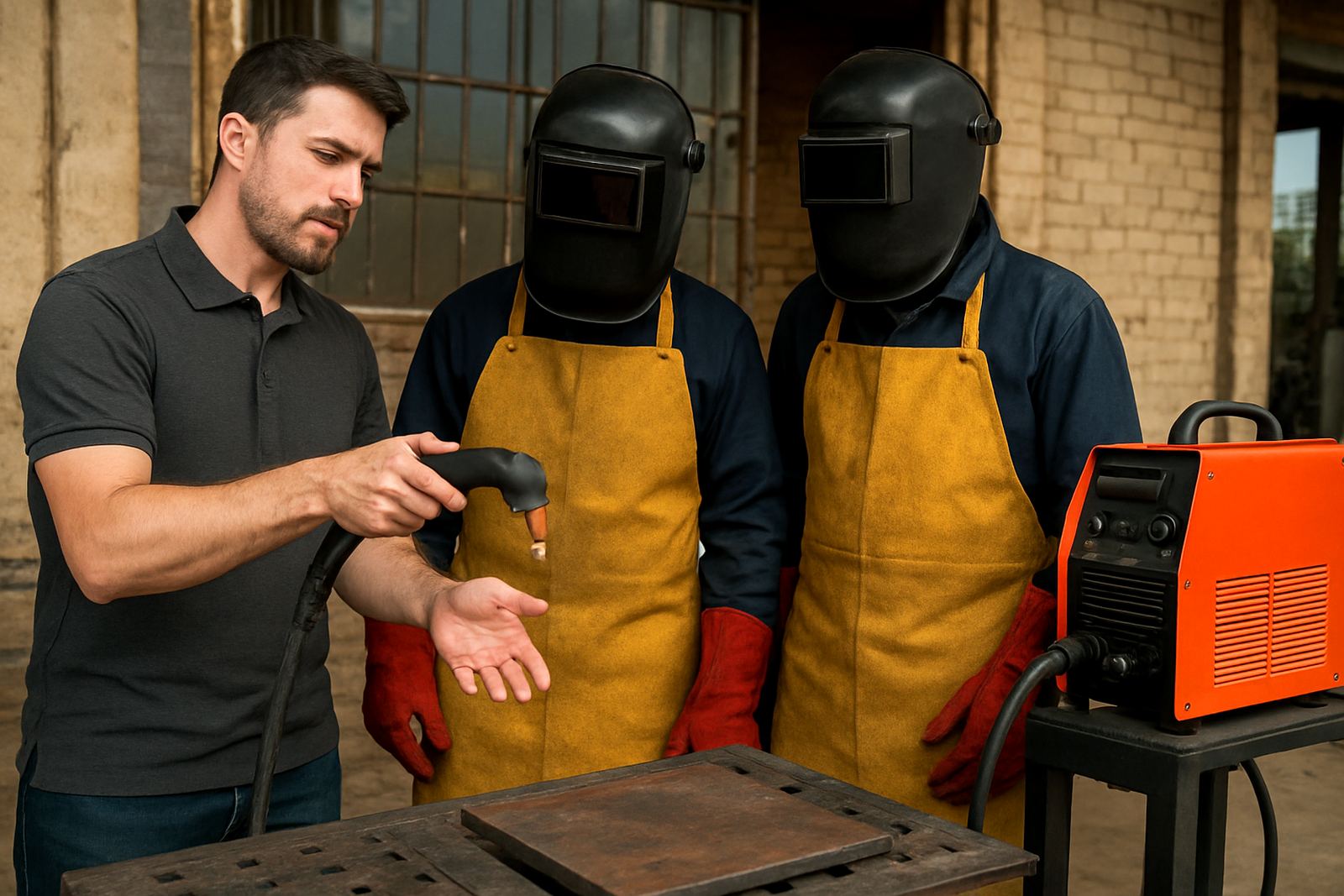
That is where on site breakdown support, machine commissioning and operator training make a real difference. When the team knows how to check cut quality, clean the torch and spot air issues early, the workshop can keep working even when the week is messy. For many farms, the answer is not more machines, it is a better arranged one that fits the work already being done.
PlasmaCutter supports clients across Vereeniging, Vanderbijlpark, Sasolburg, Meyerton, Alberton, Germiston, Bloemfontein and Welkom with demos, servicing and practical setup guidance. That local reach matters when a machine must be seen in use before it is put into the shop.
When to choose support before buying or upgrading
If the current workshop setup is producing rough cuts, too many consumable changes or repeated shutdowns, it is worth reviewing the full system before spending more. A proper cut quality audit can show whether the issue is the machine, the air supply, the torch or the way the bay is organised. Small changes often bring better results than replacing everything at once.
For farms that also run light fabrication for gates, repairs and transport equipment, training helps operators use the machine safely and consistently. It also makes it easier to hand over tasks between staff without losing cut quality. The goal is a workshop that can handle repair season without constant stoppages or guesswork.
Clients can reach PlasmaCutter through the enquiry form on the contact page for support, demos and servicing in Gauteng and the Free State.