Why torch height matters before you touch the speed
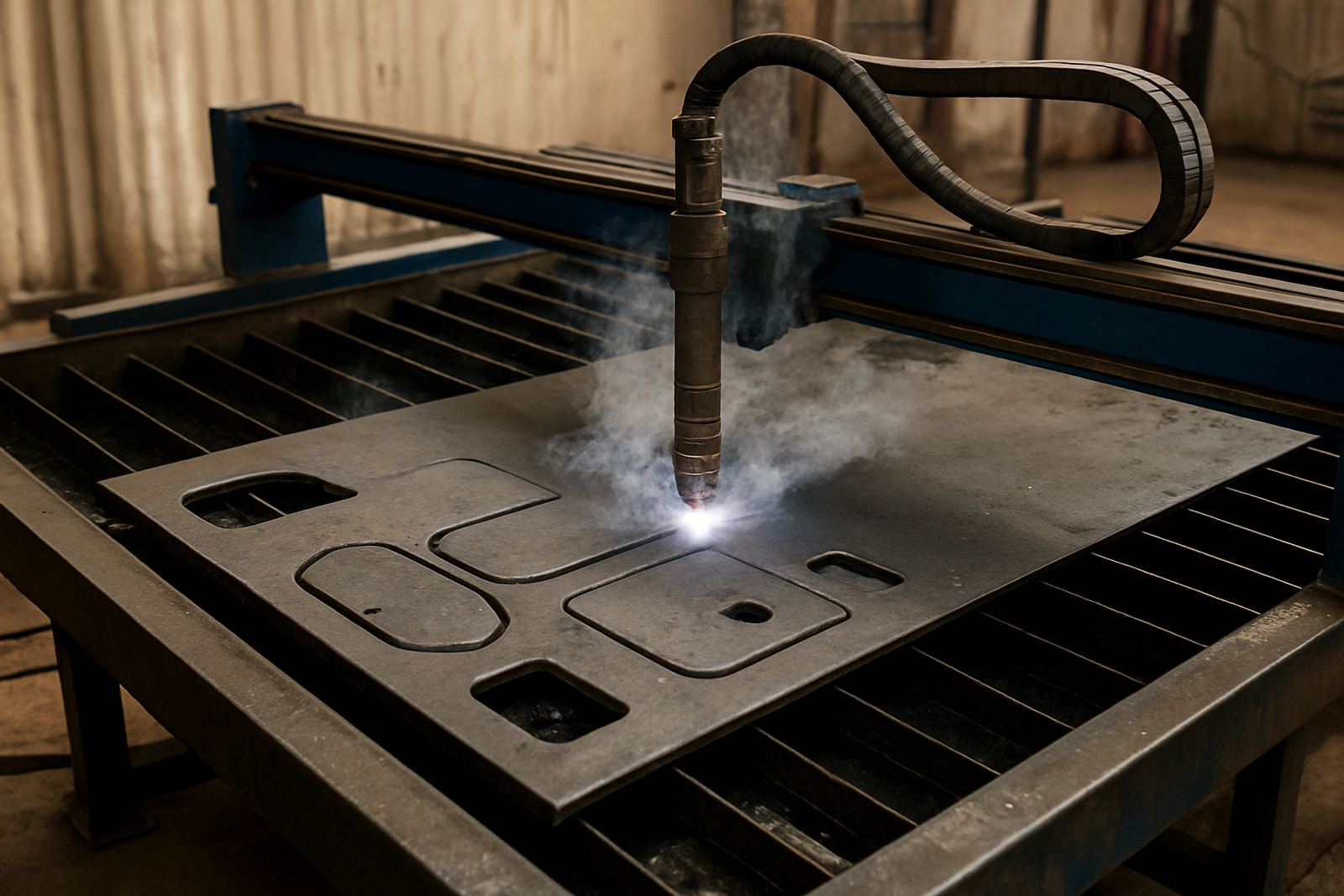
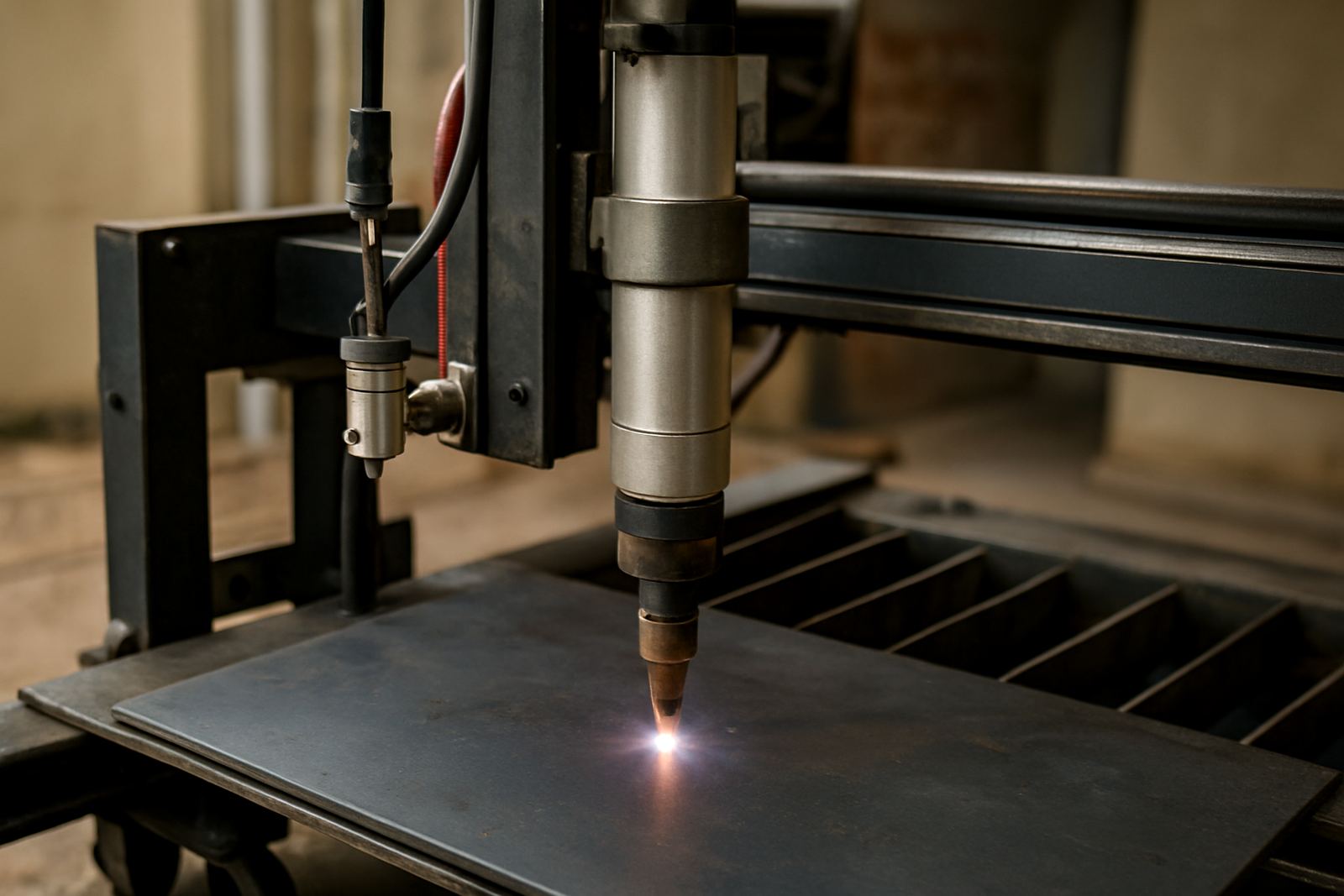
On a CNC plasma table, height is not a small setting to leave for later. The arc starts and transfers best when the torch stands at the right distance from the plate, because that distance affects arc shape, cut angle and how much heat is pulled into the kerf. If the torch is too low, the nozzle can take a beating and the cut edge may get more dross. If it is too high, the arc spreads, the cut gets wider and the edge can go rougher than it should.
Many operators first look at amperage or travel speed when the cut is not right. Those matter, but a poor torch height can hide the real cause. On thin sheet steel, the difference can be a clean edge or a burnt edge. On thicker plate, it can mean a straighter cut on the first pass instead of cleaning up later with grinders and extra labour.
- Too low: faster wear on the consumables, more splatter and a greater chance of torch contact.
- Too high: wider kerf, more bevel and less consistent edge finish.
- Correct height: better repeatability, less rework and steadier cut quality across the sheet.
How height control works on a CNC plasma table
Most CNC height control systems do two jobs. First, they find the plate and set the pierce height. Then they adjust to the cut height while the machine runs. A good system follows the surface of the sheet or plate closely enough to handle dips, bows and sheets that are not perfectly flat. That matters in local workshops where material may sit outside for a while and pick up warping or surface rust.
The control usually uses arc voltage feedback or a sensing method linked to the torch position. The idea is simple: keep the torch at a steady working distance even when the table, sheet or slats are not perfectly level. If the setting drifts, the torch can chase the plate too slowly or too quickly. That is where you start seeing poor edge finish, inconsistent kerf width and extra wear on guide parts.
- Pierce height protects the torch during ignition.
- Cut height supports stable cutting once the arc is established.
- Corner handling helps prevent overcutting on tighter shapes.
Signs your height control needs attention
When torch height is off, the table often tells you before the operator does. You may see heavy dross on the underside, more bevel on one side of the cut, or a noisy arc that does not sound steady. Consumables may also show uneven wear, especially if the torch is spending too much time too close to the plate.
In Vereeniging and Vanderbijlpark, where many workshops deal with mixed plate sizes and frequent production changes, these signs can creep in slowly. A table can still cut parts but waste more consumables each week. That adds up, especially when you are running daily batches for fabrication, maintenance or automotive work. A simple cut quality audit can show whether the problem is torch height, air supply, machine movement or a combination of all three.
- Uneven edge bevel on straight cuts
- Heavy dross that is difficult to knock off
- Frequent nozzle or electrode replacement
- Arc instability on long cuts or around corners
Setup habits that keep the torch at the right distance
Good results start before the first cut. The plate should sit flat enough for the table and height control to do its job. Slats need to be clean, and scrap under the plate should be cleared so the torch does not chase random high spots. Air quality matters too. Wet or dirty air can disturb arc stability and affect height control performance, especially in humid coastal stretches or when compressors are pushed hard in summer.
Operators should also check that the torch consumables are in good condition. A worn nozzle or electrode can make a sound setup behave badly. During load-shedding, some workshops rush to restart production after power returns, but that is when faults are often missed. Before cutting again, it is worth checking machine alignment, height sensing and air pressure. It saves time later.
- Keep the table level and the slats clear.
- Drain moisture from the air system regularly.
- Replace worn consumables before they affect the cut path.
- Check machine homing and calibration after power interruptions.
A practical example from a Free State job shop
Consider a small fabrication shop in Sasolburg cutting bracket sets and repair parts from 6 mm plate. The operator notices that some parts need extra grinding on one side, while others cut cleanly. The machine has not changed settings, so the team first suspects material quality. After a proper check, the issue turns out to be height control drift caused by a dirty sensing point and inconsistent air pressure. Once the height control is calibrated and the air system inspected, the cut path settles down and the consumables last longer.
That kind of case is common. The machine is not always the problem in a dramatic way. Often it is a small setting, a worn part or a maintenance gap. The important part is to check methodically. A local technician can also run a cut quality audit, confirm pierce settings and make sure the table is behaving the same on mild steel, stainless and other common materials used in fabrication work.
When to call for servicing instead of adjusting on the fly
Operators can handle basic checks, but repeated height faults usually point to a deeper issue. If the torch keeps crashing, the stand-off changes during a cut, or the table gives different results from one job to the next, it is time for a proper service. That may include torch repairs, preventive maintenance, CNC table servicing, height control calibration or machine commissioning after a major repair.
For workshops across Vereeniging, Alberton, Germiston, Bloemfontein and Welkom, the cost of waiting is usually more consumables, more wasted plate and more time spent reworking parts. Good height control is not just about neat edges. It helps protect the torch, supports repeatable results and keeps the machine ready for the next job.
- Request a service when height errors keep returning.
- Book training if different operators are getting different results.
- Use preventive maintenance to avoid breakdowns during busy production runs.