Why a water table changes the cut environment
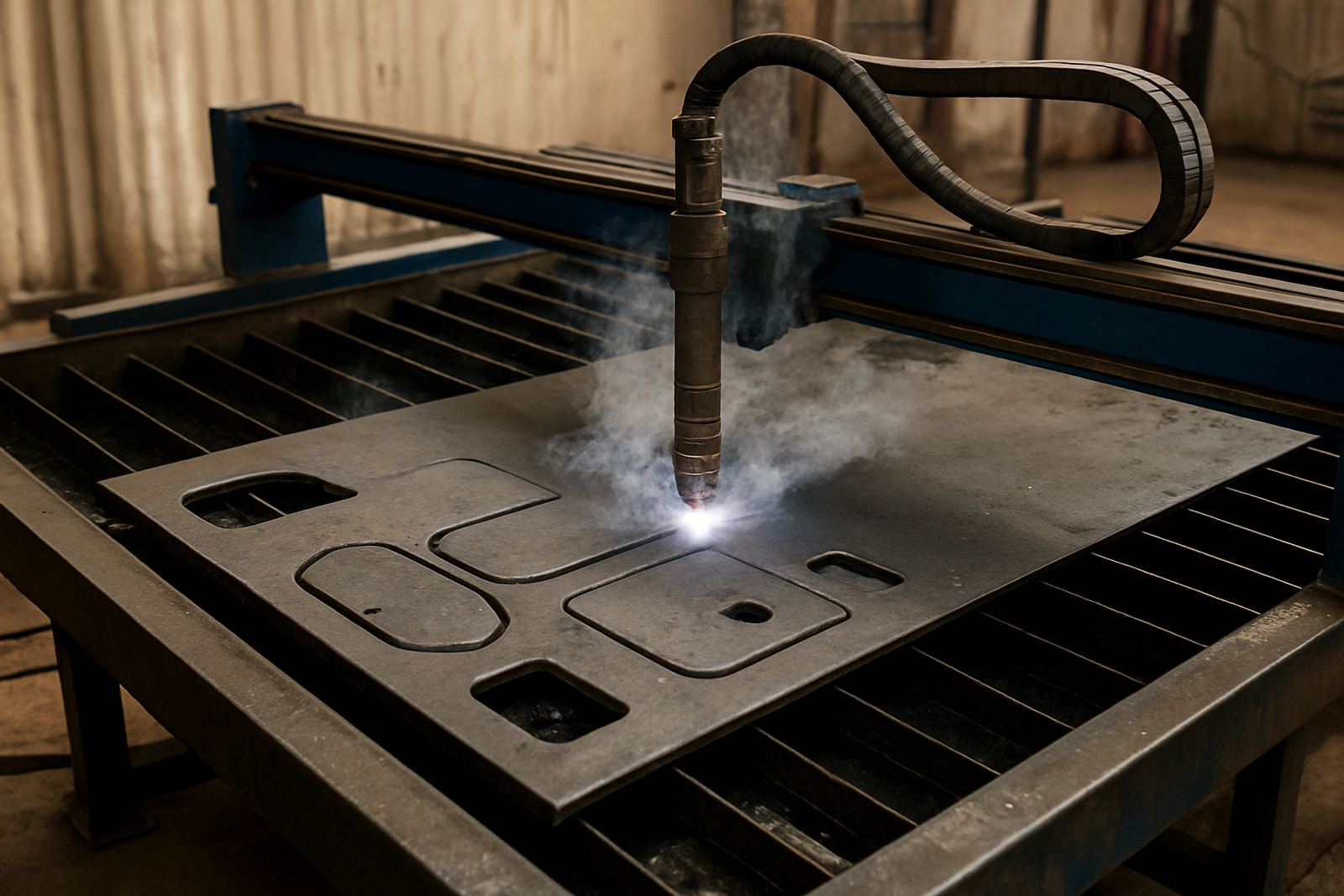
A water table, sometimes called a water bed, sits under the cutting area and catches dross, sparks and fine particles as the torch does its work. Instead of letting hot waste collect on the floor or hang in the air, the water helps trap it before it spreads through the workshop.
That matters in busy fabrication bays where steel plate, tube and brackets are cut all day. In Vereeniging and surrounding industrial areas, many shops work in enclosed spaces with limited extraction and the water table gives them another layer of control without overcomplicating the setup.
Used properly, it can improve housekeeping too. Less slag build-up means less time spent scraping floors and less chance of a hot offcut landing where it should not. It is a practical answer, not a fancy one, and that is often what matters most on the shop floor.
Fume control for enclosed workshops and smaller bays
Plasma cutting creates fumes that need to be managed, especially when working indoors or near other trades. A water table helps by cooling and trapping part of the fumes close to the cut zone, which can reduce what hangs in the air around the operator.
This is not a substitute for proper ventilation, but it is a useful support measure. In towns like Vanderbijlpark, Meyerton and Alberton, many businesses work from compact premises where roof extraction or large ducting is difficult to fit. A water bed can buy valuable breathing room, especially during longer production runs.
- Helps reduce visible smoke close to the cut line
- Supports extractor fans and local ventilation
- Can improve comfort for nearby workers and fitters
- Reduces airborne grit settling on nearby equipment
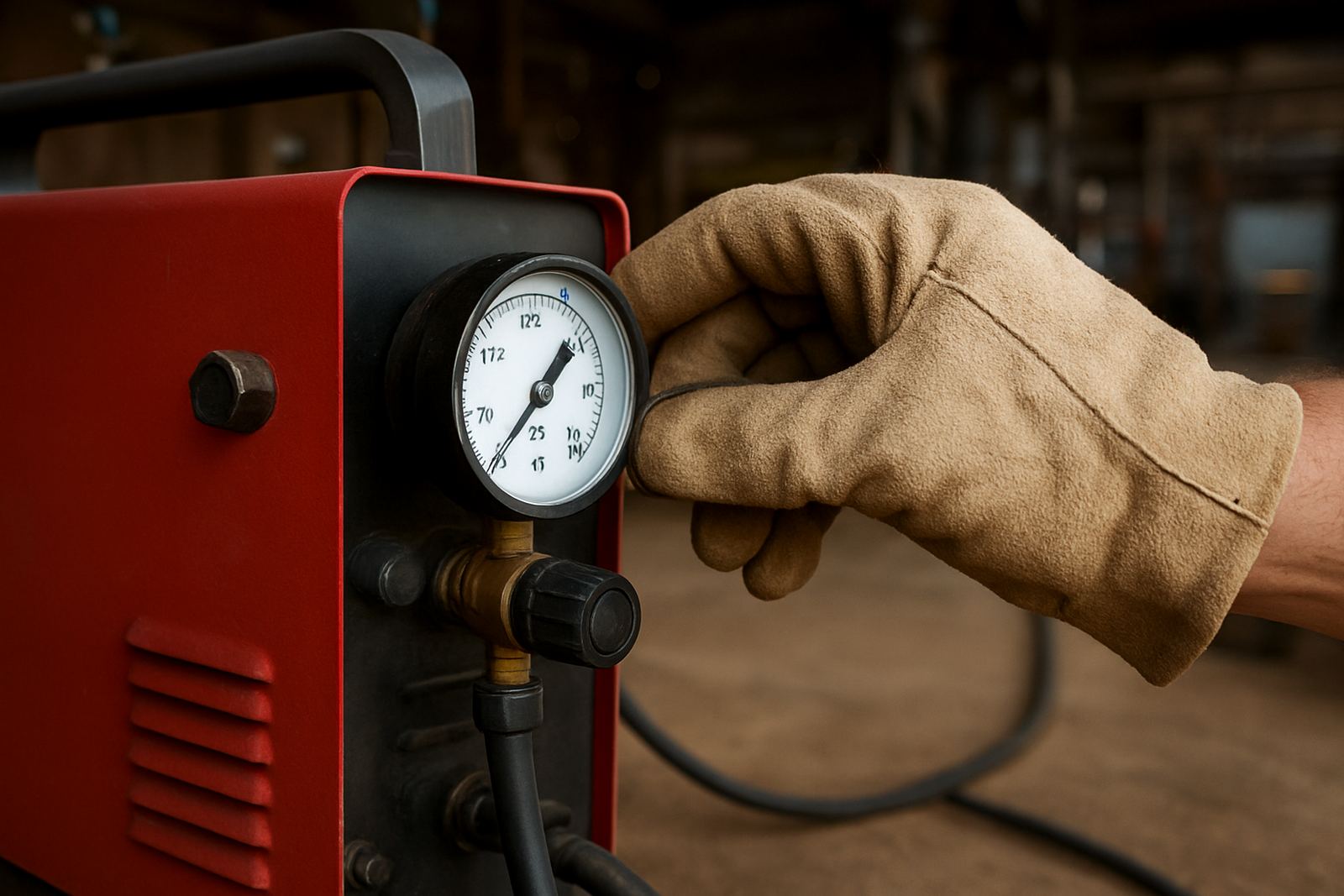
It still pays to keep the air system checked, because damp or contaminated air lines can affect torch performance and consumable life. Clean, dry air and a good water table work better together than either one on its own.
Helping limit heat and plate distortion
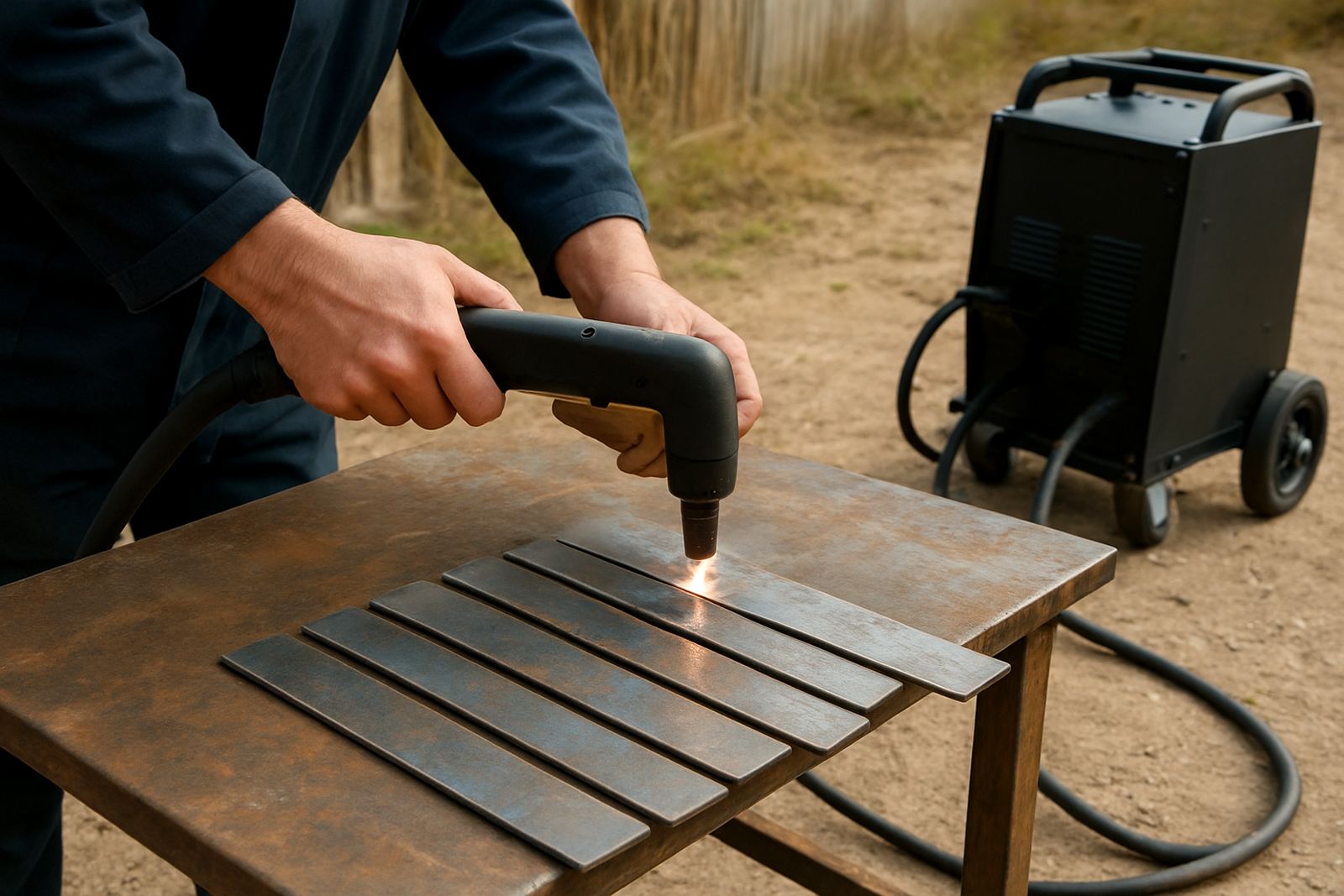
One of the main reasons fabricators use water tables is to manage heat. Plasma cutting sends a lot of energy into a small area, and thin plate can warp quickly if heat builds up. Water below the cut helps draw some of that heat away and can slow down distortion, especially on lighter material.
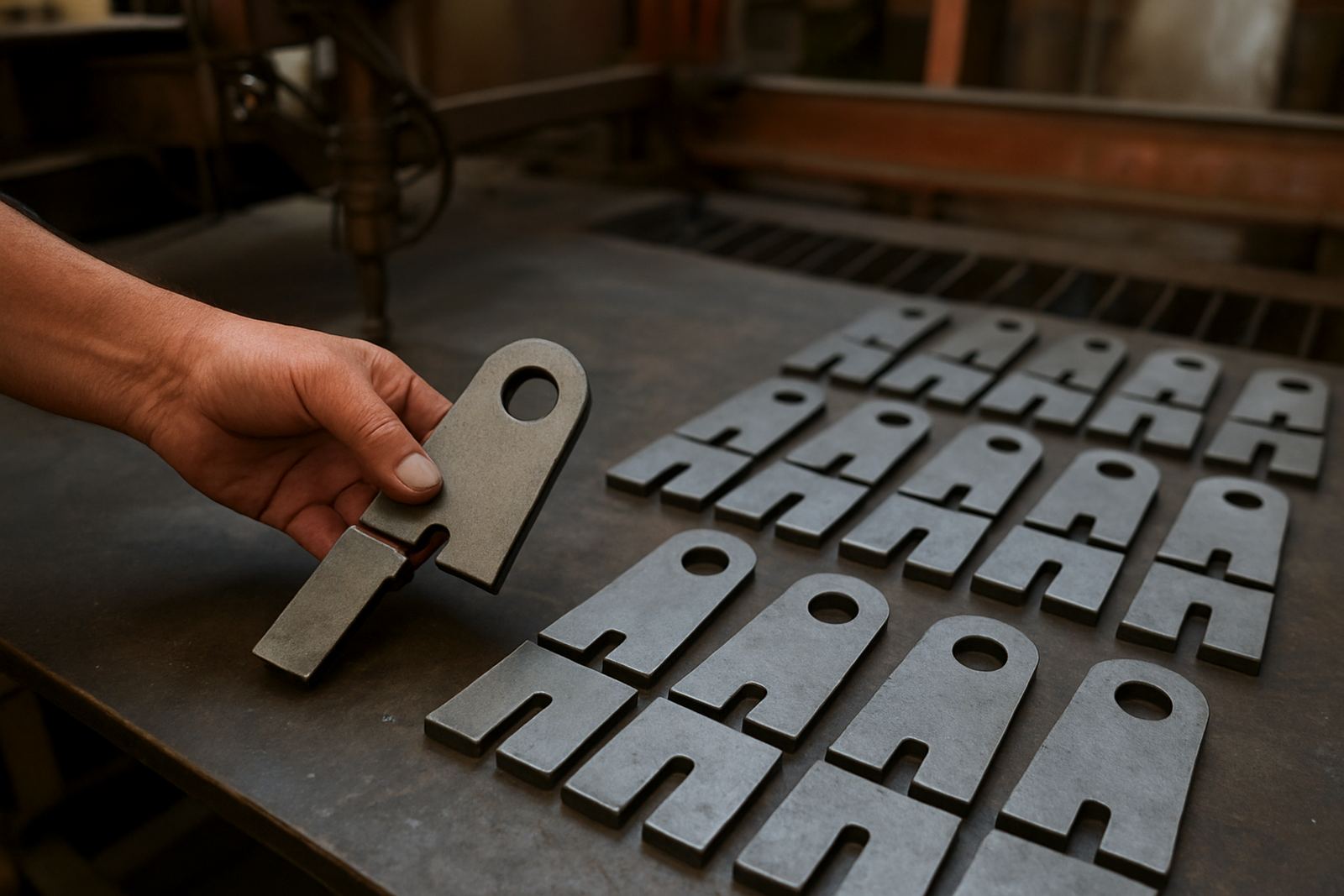
That makes a difference when cutting parts that must fit later without extra straightening. It is useful in automotive work, light structural jobs and general fabrication where repeatable fit-up matters. On thicker sections the effect is less dramatic, but it still helps steady the work area and reduce local heat spread.
If a job has long straight cuts or nested parts close together, a water bed can be the difference between a part coming off ready to weld and a part needing extra correction. That saves time, and time is money in every workshop in Sasolburg or Bloemfontein.
Cleaner floors, safer handling and less post-cut cleanup
When molten material falls into water it cools faster and is easier to contain. That means less hot material bouncing around the bay and fewer sparks landing where they should not. For small teams, that can reduce the risk of burns, floor damage and unnecessary clean-up after a shift.
A water table also keeps more waste in one place. Instead of dust and dross spreading across the workshop, much of it settles where it can be removed during planned maintenance. That helps with general safety and makes the work area easier to keep in order, especially where machine access is tight.
- Less hot spatter on floors and surrounds
- Reduced clean-up after cutting sessions
- Improved control of dross and offcuts
- Easier housekeeping around the machine base
In wet or coastal conditions the table itself still needs attention, but in inland areas too it can simplify the daily clean-down. A tidy bay is easier to work in and usually safer for everyone.
What to watch for before choosing a water table setup
Not every workshop needs the same setup. The table size, water depth, drainage and access for cleaning should match the type of work being done. If you cut a lot of heavy plate, you may need stronger support and easier sludge removal. If you mostly cut smaller parts, speed of setup and quick part access may matter more.
There are a few practical points worth checking before you commit to one.
- How easy it is to remove sludge and dross
- Whether the water level is simple to monitor
- How the table handles different plate sizes
- Whether the machine will still be accessible for servicing
- How the setup fits with extraction and shop ventilation
In humid areas, standing water can also mean more attention to corrosion. That does not make the table a bad idea, it just means the operator should plan for regular draining, cleaning and inspection so the machine stays in good order.
A local example from a Vereeniging fabrication shop
A fabrication business in the Vereeniging area was cutting mixed batches of brackets and repair parts for light industrial clients. The team was dealing with smoke in the bay, hot offcuts on the floor and noticeable warping on some thinner sections. They did not need a complicated answer, just something practical that could be managed by the team on site.
After moving to a water table setup and tightening their maintenance routine, the workshop found the cut area easier to keep clean and the thinner material behaved better during cutting. They still had to keep the air supply dry and the torch in good condition, but the working environment improved enough that the operators noticed it within the first few jobs.
That kind of result is common when the machine is set up correctly and the team knows how to use it. The benefits are not magic, just the result of better control over heat, smoke and waste.