
The point where hand cutting starts costing more
Most workshops do not switch to CNC because they suddenly want fancy equipment. They switch because the same problems keep showing up on the floor: uneven edges, slow repeat jobs, too much grinding, and offcuts that could have been used better. If your team is cutting the same plate shapes week after week, or spending time marking out patterns by hand, that is usually the first sign that CNC is worth a proper look.
In Vereeniging and the surrounding industrial areas, many fabrication shops work under pressure from short lead times and rising material costs. A hand torch can still handle repairs and odd jobs, but once the job cards start repeating, the waste adds up. Even a small saving on each sheet can make a noticeable difference over a month.
Jobs that make the most sense for CNC plasma
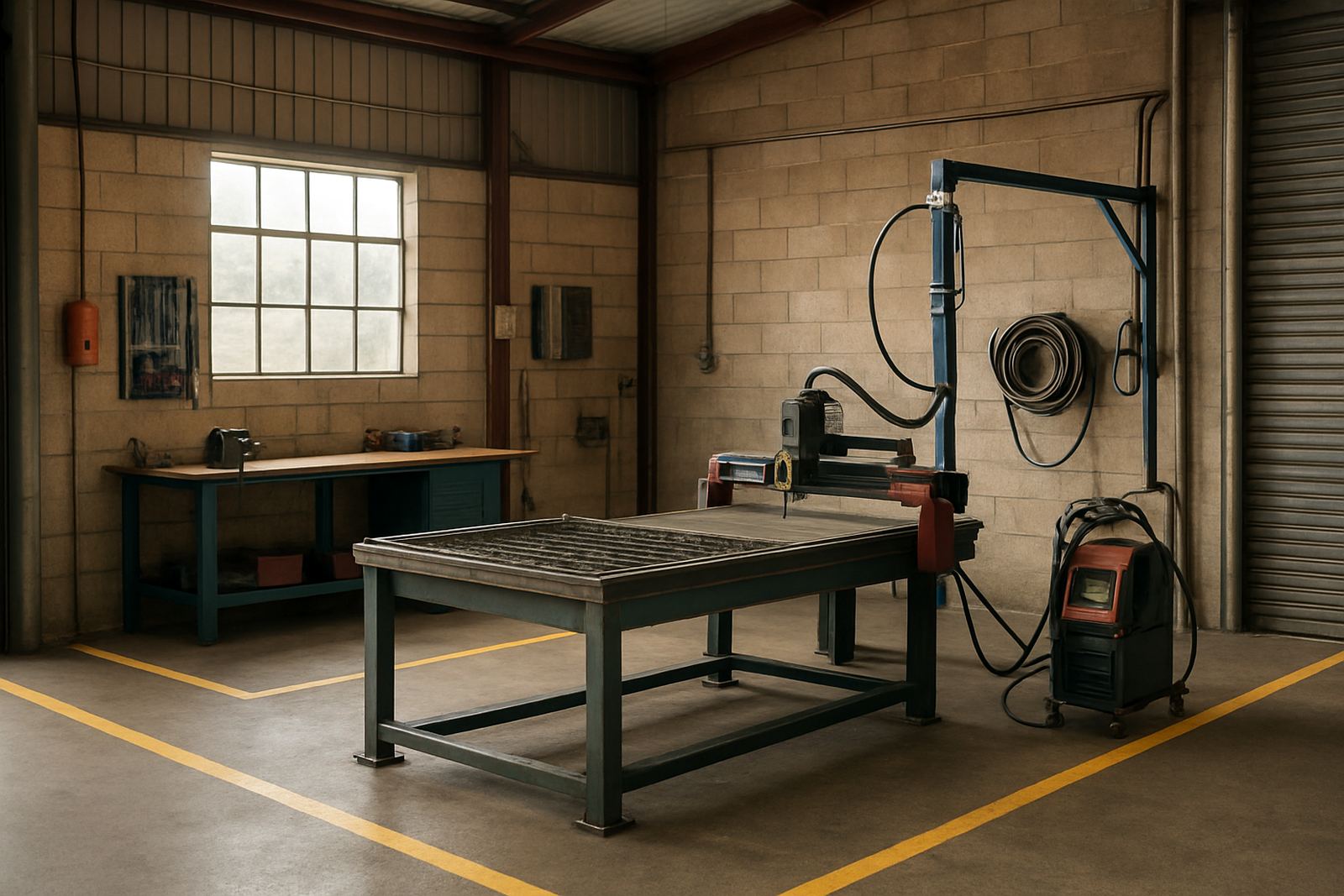
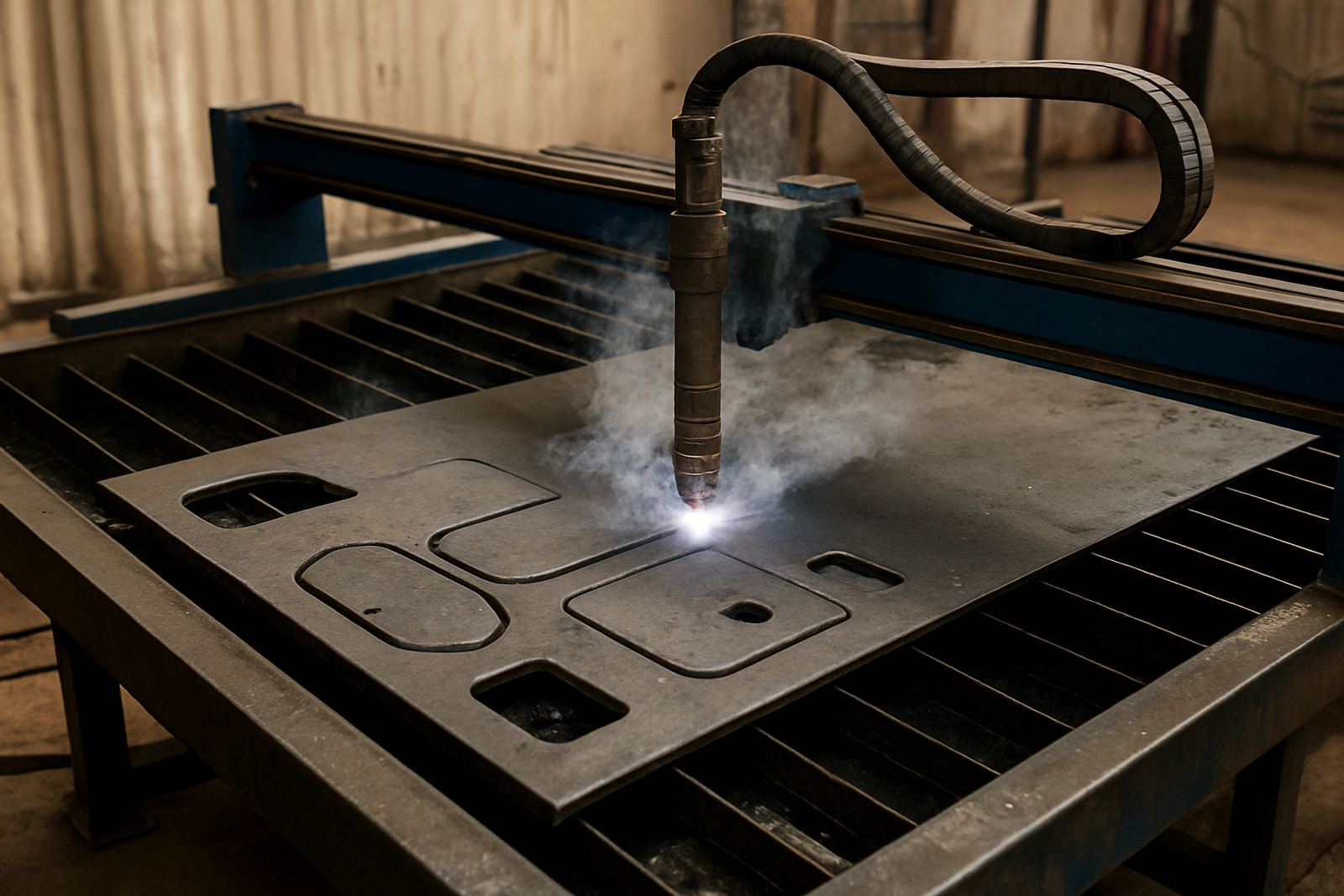
CNC is not only for large factories. It is useful wherever repeatability matters and part fit-up has to stay consistent. That includes gate work, brackets, base plates, automotive parts, agricultural repairs, duct sections and general fabrication. If your parts need to fit together cleanly without constant filing or re-cutting, CNC helps keep the work predictable.
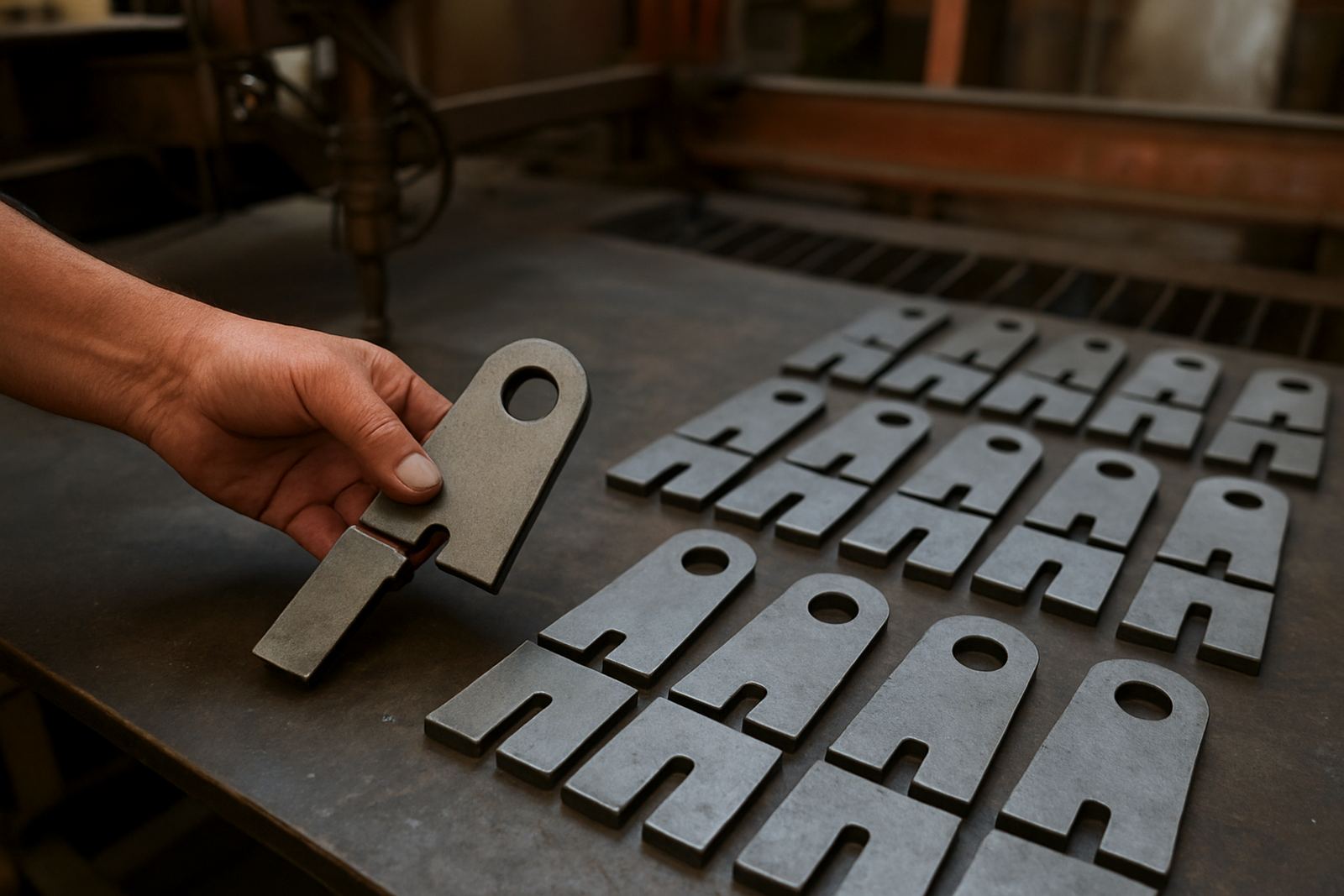
It is also a better fit when you need to nest parts closely together on a sheet. Manual cutting often leaves more scrap between parts because the operator needs space to work safely and accurately. With CNC, the layout can be planned on the sheet first, so the cuts are placed with far less waste.
- Repeat parts that must match each time
- Jobs with many identical holes or cut-outs
- Thicker plate where accuracy matters
- Batch work that uses the same material size
- Parts that need less grinding before assembly
Signs your workshop is ready for repeatability
There are a few practical signs that usually show up before a workshop makes the move. One is when your best operator becomes the bottleneck because only one person can cut parts to the right standard. Another is when you start rejecting parts because hole spacing or edge finish changes from one job to the next. A third sign is when your nesting gets messy and offcuts are hard to reuse.
If you are turning down work because it is too time consuming by hand, CNC can open the door to bigger batches. It also helps when your clients ask for the same item month after month, such as trailer parts, machine components or replacement panels. For those jobs, consistency is usually more important than speed alone.
- The same drawings keep coming back
- Manual marking-out is taking too long
- Operators are spending extra time on cleanup
- Material usage is difficult to track
- Quality changes from shift to shift
Why nesting matters when material prices are tight
Nesting is one of the biggest reasons shops move to CNC. It is the process of arranging parts on the sheet so you get the best possible yield from every plate. When steel prices are under pressure, or when a client only wants a small margin, poor nesting can eat into the job quickly. A better layout can mean fewer sheets bought and less scrap sent to the bin.
This matters even more in South African workshops where load-shedding, supply delays and transport costs can already slow a job down. If you can cut more parts from the same sheet and keep the machine running efficiently, the job becomes easier to schedule. In places like Sasolburg, Alberton and Bloemfontein, that kind of planning helps keep production steady even when the week gets disrupted.
When CNC is not the first choice
CNC is useful, but it is not the answer for every task. If you only need one quick repair cut, a hand torch may still be the simplest option. The same applies when the part is awkward to clamp, the material is heavily damaged, or the job changes every few minutes. In those cases, setting up a CNC table can take longer than the cut itself.
For small workshops, the better question is not whether CNC replaces hand cutting. It is whether the jobs you repeat enough to justify the setup. If the answer is yes, then CNC can handle the repeat work while manual cutting stays available for the odd repair. That balance is often the most practical setup for local fabricators and maintenance teams.
- One-off emergency repairs may not justify setup time
- Very irregular parts can be quicker by hand
- Damaged material may need manual preparation first
- Small jobs can stay manual while batch work goes to CNC
A local example from the Vaal and beyond
Consider a workshop in Vanderbijlpark that supplies repeated plate parts to a client in Meyerton. At first, the team cuts each batch by hand and checks every piece with a tape measure. After a few months, they notice that some parts need trimming before assembly and material use is harder to predict. Once they move the repeat shapes to CNC, the same parts fit better, the scrap pile drops and the operator has more time for other work.
That is usually how the decision starts in practice. Not with a huge investment decision, but with a job that keeps coming back and a need for cleaner output. For workshops across Vereeniging, Germiston, Welkom and Sasolburg, the real test is simple: if a part must look the same today and next week, CNC is often the better tool.
What support matters after you choose CNC
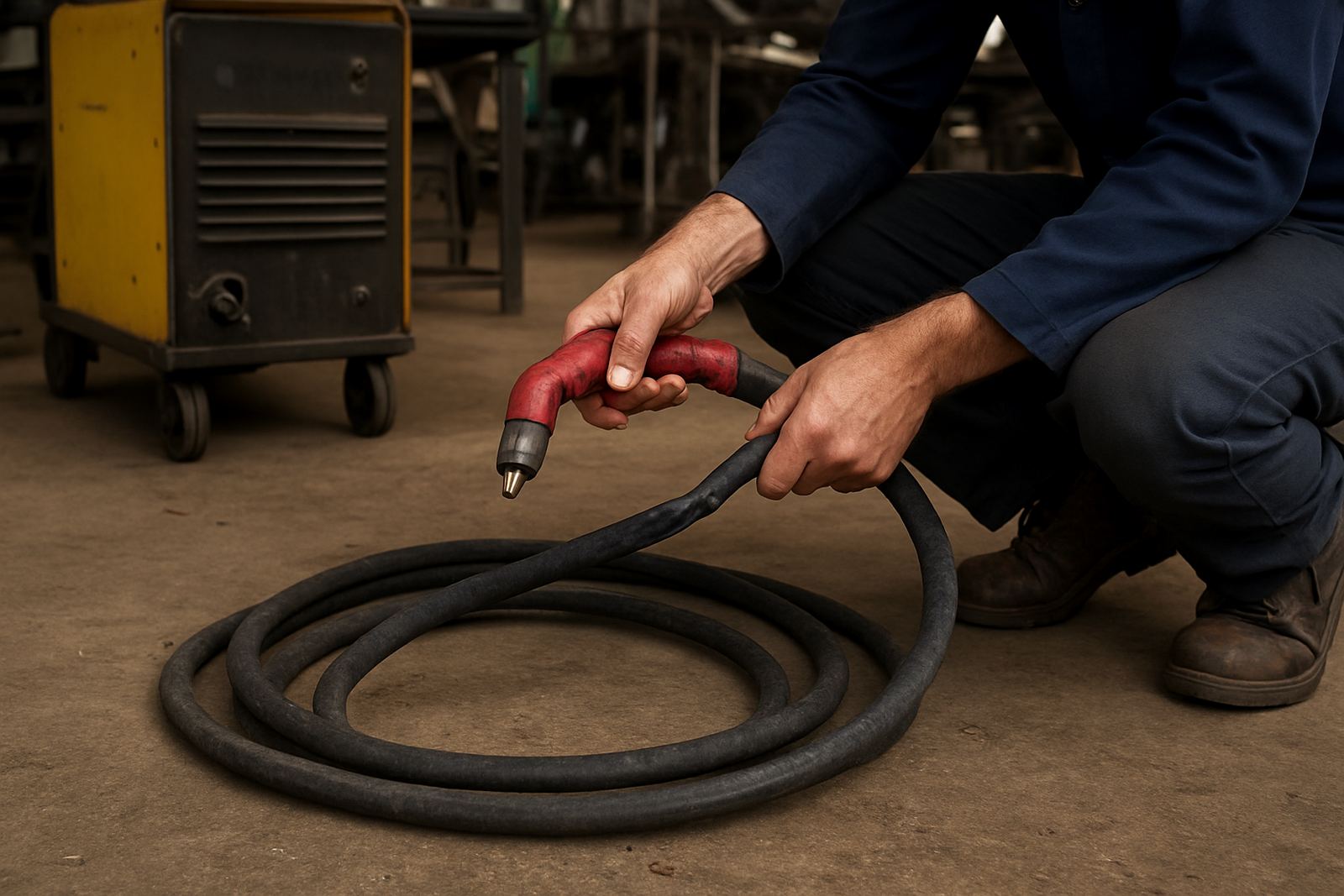
Buying the machine is only part of the decision. The real value comes from keeping it cutting accurately over time. That means proper commissioning, training, preventive maintenance, consumables checks, air system inspection and height control calibration. If the torch is not set correctly or the air supply is dirty, cut quality drops quickly and the repeatability you paid for disappears.
For many shops, local support matters just as much as the machine itself. If you need on site breakdown help, torch repairs, power source repairs, CNC table servicing or cut quality audits, it helps to work with a team that understands the pressure of day-to-day production. In a busy workshop, downtime is never only a technical issue. It affects delivery dates, labour and customer trust too.