
Start With Three Clear Zones
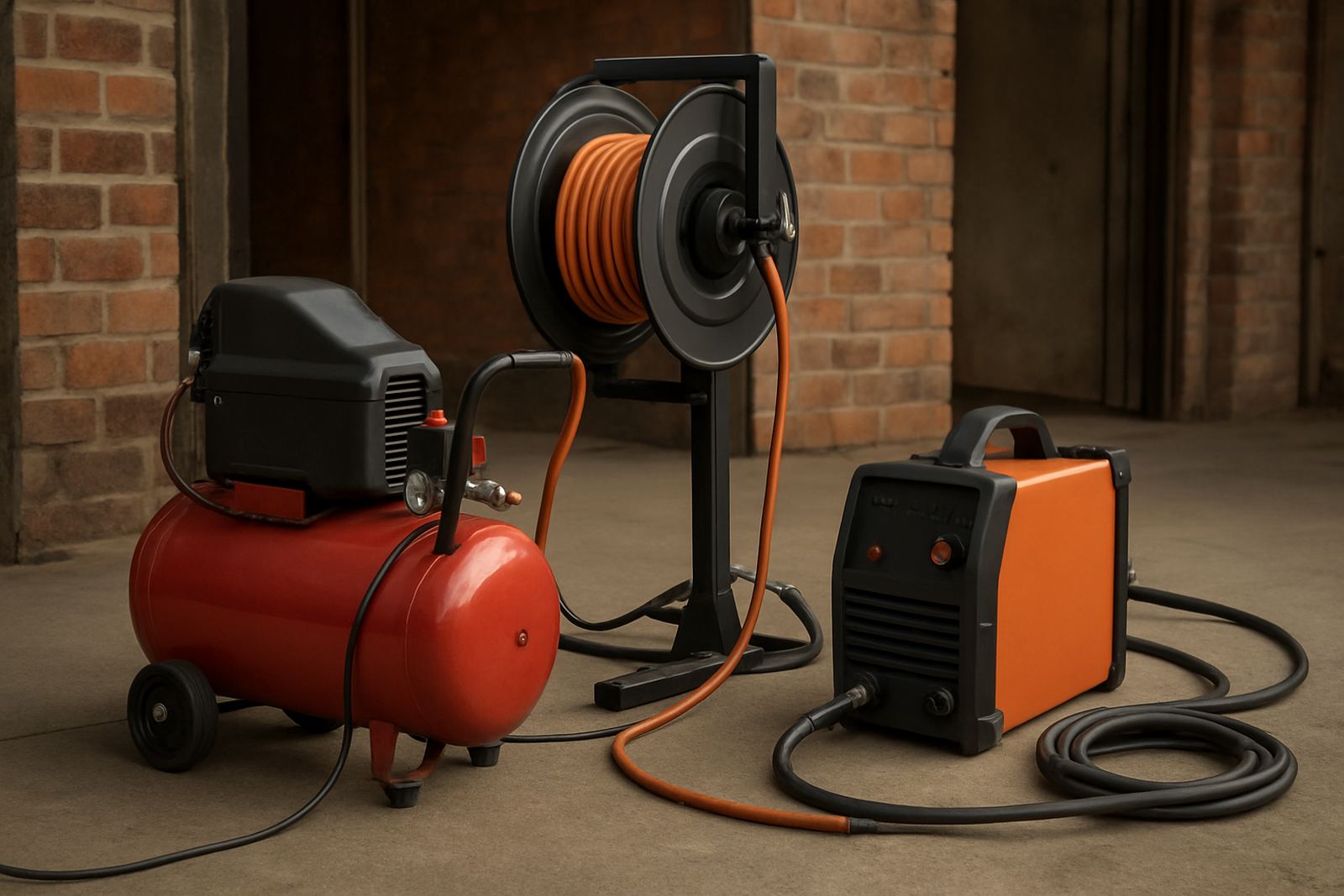
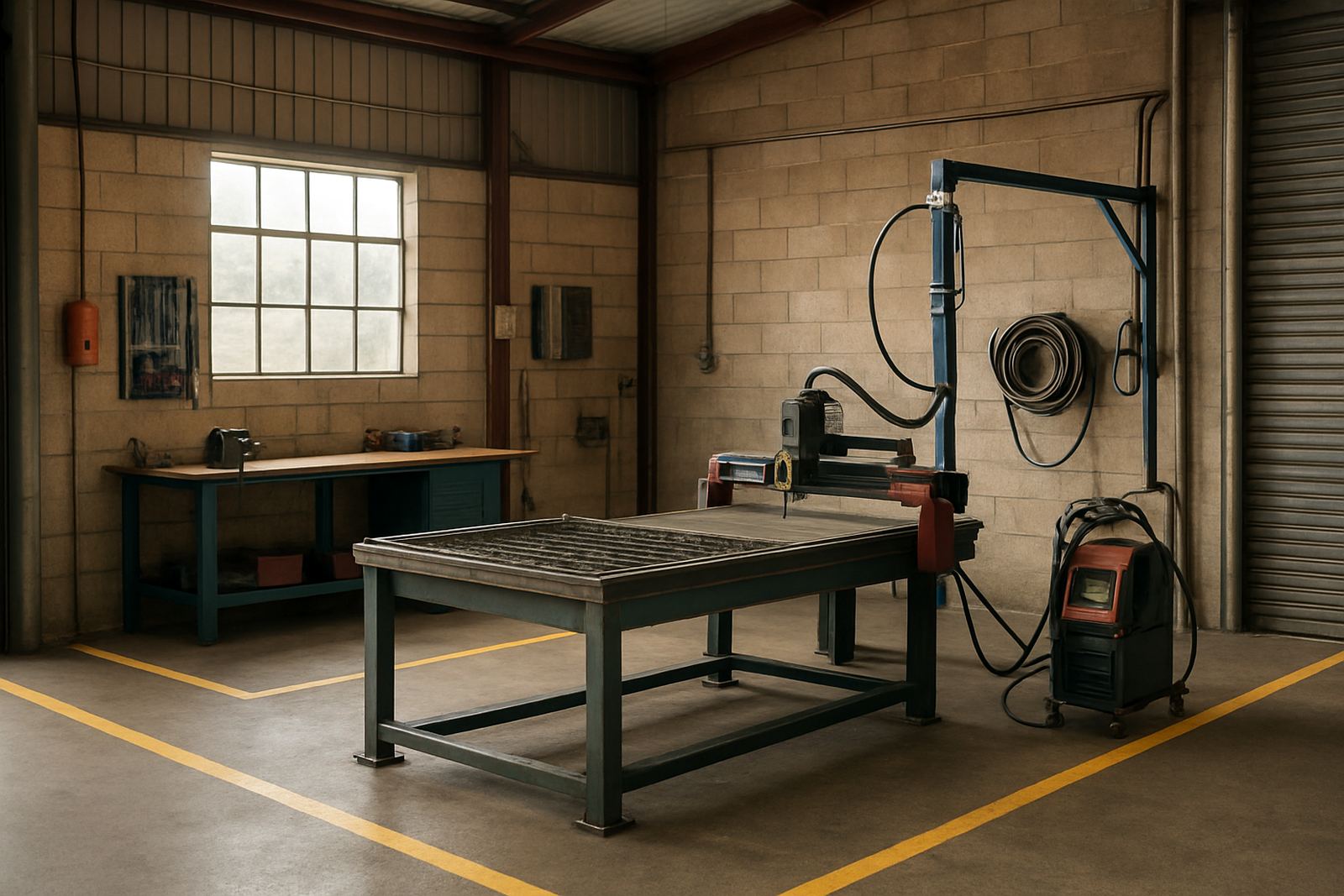
The simplest way to improve workshop safety is to separate the work into three areas: power supply, air supply and cutting. When these zones are mixed together, hoses get stepped on, leads get snagged and operators spend too much time moving around live equipment. A good layout keeps each task in its own place, with enough clearance for routine checks and quick shutdowns.
In a Vereeniging fabrication bay, for example, the power source can sit near a wall with proper ventilation, the compressor and air treatment gear can stay in a drier corner, and the cutting table can be placed where scrap and fumes can be managed. That reduces clutter and helps staff see what is hot, live or under pressure. It also makes fault finding easier when something stops working.
- Keep the power source off the floor and away from water, wash bays and coolant spills.
- Run air lines so they do not cross walkways or hang where operators move material.
- Mark the cutting area with enough room for loading, unloading and sheet offcuts.
- Leave access for maintenance panels, torch repairs and service checks.
Plan Around Power Cuts And Voltage Fluctuations
South African workshops need to think about load-shedding from the start. A cutting area that works only when the power is perfect becomes a daily headache. Put your main supply gear where it is easy to isolate, and keep cables short where possible. Long cable runs can add wear and make voltage drops worse, especially in older industrial buildings around Meyerton or Germiston.
If you use generators or backup systems, keep them in a separate, ventilated space with clear signage. The operator should not have to walk through the cutting zone to switch over supply. Also make sure surge protection and earthing are checked regularly. A damaged earth connection can affect cut quality and create a serious shock risk. This is one of those jobs that gets ignored until the first fault trip, then everybody notices.
- Install clearly marked isolators for each major machine.
- Keep extension leads out of permanent walk paths.
- Test earthing and protection devices on a set schedule.
- Allow space for maintenance on power sources and control panels.
Keep Air Quality And Moisture Under Control
Compressed air is often treated as an afterthought, but it plays a big part in cut quality and machine life. Wet air causes unstable arcs, dirty cuts and unnecessary wear on consumables. In humid areas like Sasolburg or near the Vaal River, moisture can build up fast in pipework and tanks. That means the air system must be part of the layout, not just bolted in wherever there is space.
Place filters, dryers and drains where they can be reached without moving stock. If your compressor sits in a hot, dusty room, it will run harder and fail sooner. Good airflow around the compressor and the power source is important too, especially in summer. Regular air system inspection helps catch blocked filters, leaks and water carryover before they affect the torch.
- Keep the compressor in a ventilated, dust controlled space.
- Drain tanks and lines on a fixed routine, not only when problems show.
- Fit moisture control close to the point of use.
- Check hoses and fittings for cracks, leaks and loose clamps.
Build A Cutting Area That Works For People And Material
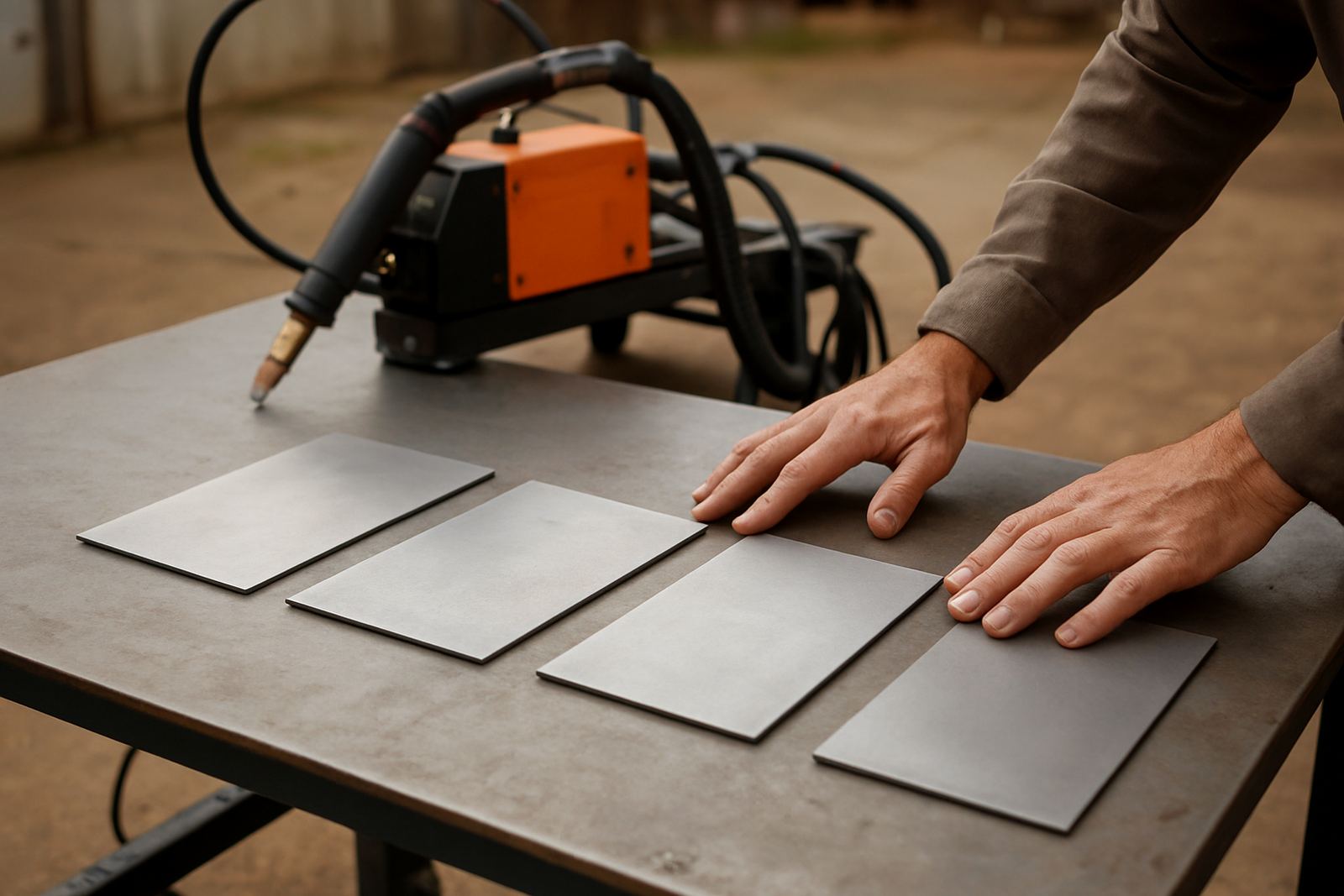
A safe cutting area is not only about the machine. It also has to suit the people moving sheets, offcuts and finished parts. Wide enough access paths make a big difference when handling plate, tubes or scrap bins. In a busy shop, narrow passages lead to awkward lifts and accidental contact with hot metal. The floor should be even, kept clean and marked where trolleys or pallets are stored.
Think about the direction of movement from raw material to cutting to finishing. If the route backtracks across other workstations, you get congestion and more chance of injury. Good lighting matters too because operators need to see slag, torch position and any cable damage. In Bloemfontein and Welkom, where many shops run long shifts, tired staff need a layout that reduces extra steps and awkward reaching.
- Separate pedestrian routes from machine loading areas.
- Use marked zones for raw material, scrap and completed work.
- Keep fire extinguishers and first aid kits accessible, not hidden behind stock.
- Position lighting so it does not cast heavy shadows over the cutting table.
Make Maintenance Easy To Reach
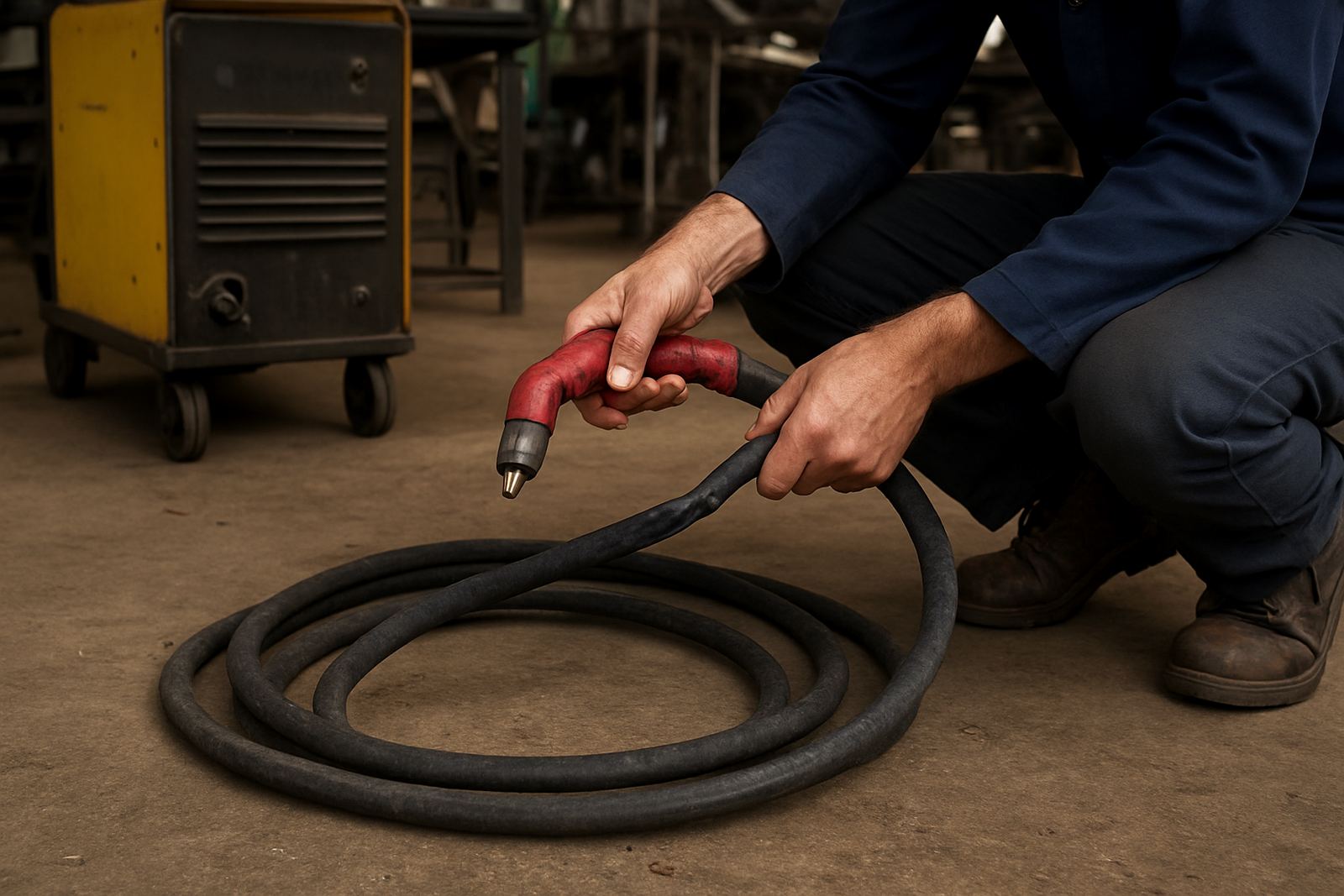
Good layout supports preventive maintenance, because if a machine is hard to reach, it gets serviced late. Leave enough room around the power source for filter changes, internal cleaning and inspections. The same applies to the cutting table, height control system and torch cable. When staff can inspect parts quickly, small issues are found before they turn into breakdowns.
This also helps during on site breakdowns. A technician needs space to test the air system, check connections and replace worn parts without moving half the workshop. In places like Alberton and Vanderbijlpark, where production time is valuable, that saved time matters. It is often the small things such as a blocked air line or a loose clamp that stop a machine, not the big expensive parts.
- Allow access on all sides needed for service work.
- Keep spare consumables and common spares in a dry, labelled cabinet.
- Record service dates so inspections are not missed.
- Make sure operators know what must be reported before a fault gets worse.
A Local Example From Vereeniging
A fabrication shop in Vereeniging can improve safety without a full rebuild. Start by moving the compressor to a cleaner corner, then place the power source where the leads do not cross the walkway. Next, give the cutting table a dedicated loading space and mark the scrap drop area clearly. Even small changes like cable hooks, floor markings and a proper place for gas or air lines can make the shop calmer and more controlled.
Training matters just as much as layout. Operators should know where to isolate equipment, how to check consumables and when to stop for a fault. A workshop that has clear zones, steady air and easy access for servicing will usually cut better and last longer. It also makes day to day work less stressful, which is something every manager can value when deadlines are tight.
For shops across Vereeniging, Vanderbijlpark, Sasolburg, Meyerton, Alberton, Germiston, Bloemfontein and Welkom, the goal is the same: keep people safe, keep equipment reachable and keep the cutting process tidy. That approach supports better output and fewer surprises.