Why thin sheet warps so quickly
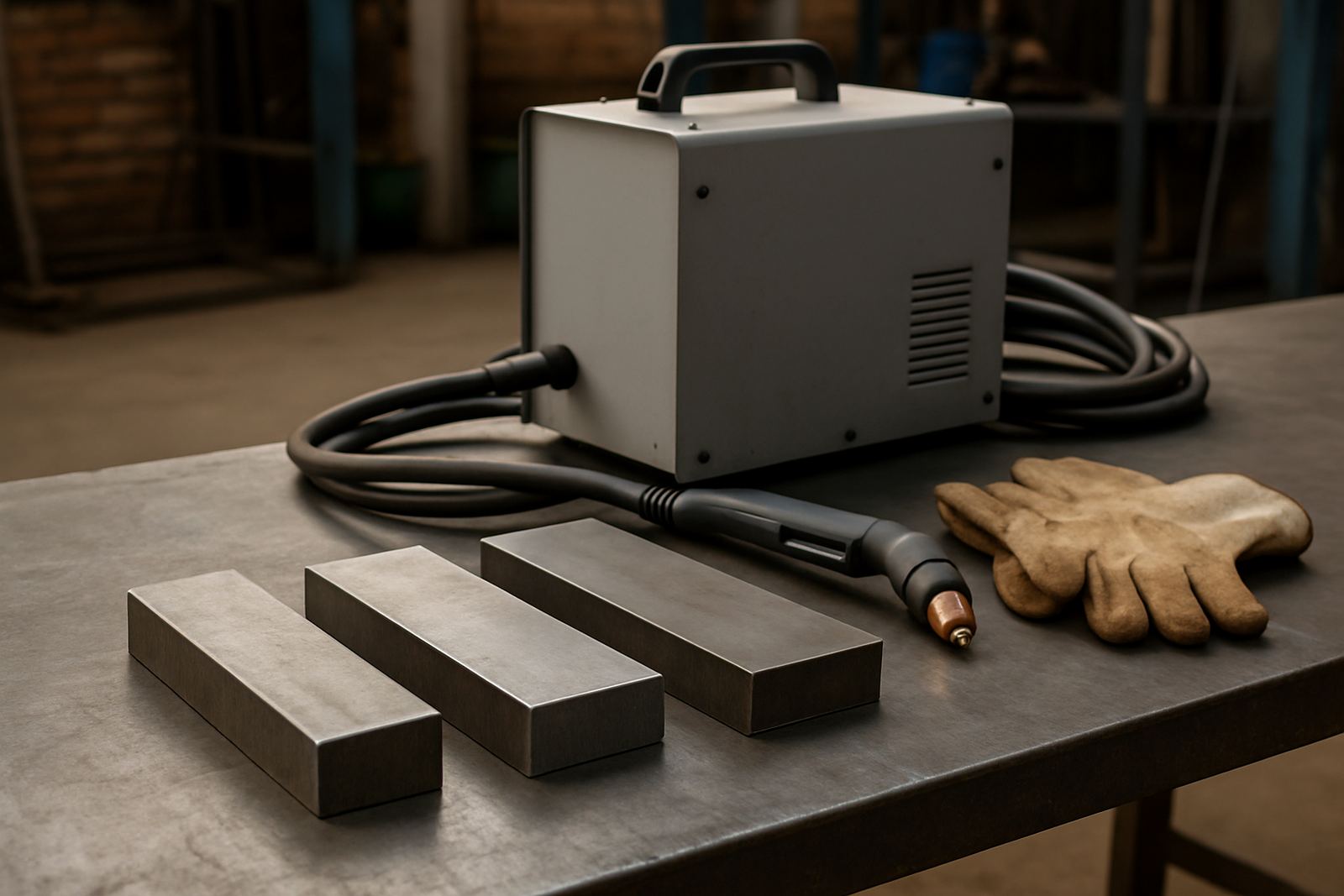
Thin sheet steel has very little thermal mass, so heat builds up fast and spreads through the panel before the operator notices it. That is why a cut that looks fine for the first 200 mm can suddenly start pulling, bowing or leaving a wider kerf than expected.
In Gauteng workshops and small fabrication yards in places like Vereeniging, Vanderbijlpark and Alberton, thin sheet jobs often sit alongside heavier work. That mix can tempt operators to use the same settings for everything, but 1 mm to 3 mm material needs a lighter touch. Too much current, too slow a travel speed, or a worn consumable will put extra heat into the edge and make distortion worse.
On CNC work, the issue is not only heat. Poor nesting, weak sheet support and start points placed too close together can all add movement. Once the sheet shifts, the cut path changes and clean square parts become a lot harder to hold.
Set the machine for the job, not for habit
Before you start, match the amperage, travel speed and pierce height to the thickness in front of you. Thin sheet usually performs better with lower current and faster movement, provided the arc stays stable. If the machine is running too hot, the edge will show heavy dross and a wider heat affected zone.
On handheld work, a steady hand and a consistent standoff distance matter just as much as the power setting. On CNC tables, correct torch height control is critical because a torch that sits too low will scuff the plate while one that sits too high can stretch the arc and leave a rough edge. If the cut quality changes from one side of the sheet to the other, check the table levelling and the motion system before blaming the power source.
- Use the lightest amperage that still gives a clean pierce and full cut through.
- Keep travel speed consistent from start to finish, especially on long straight cuts.
- Check that the sheet is flat, clean and properly supported before cutting.
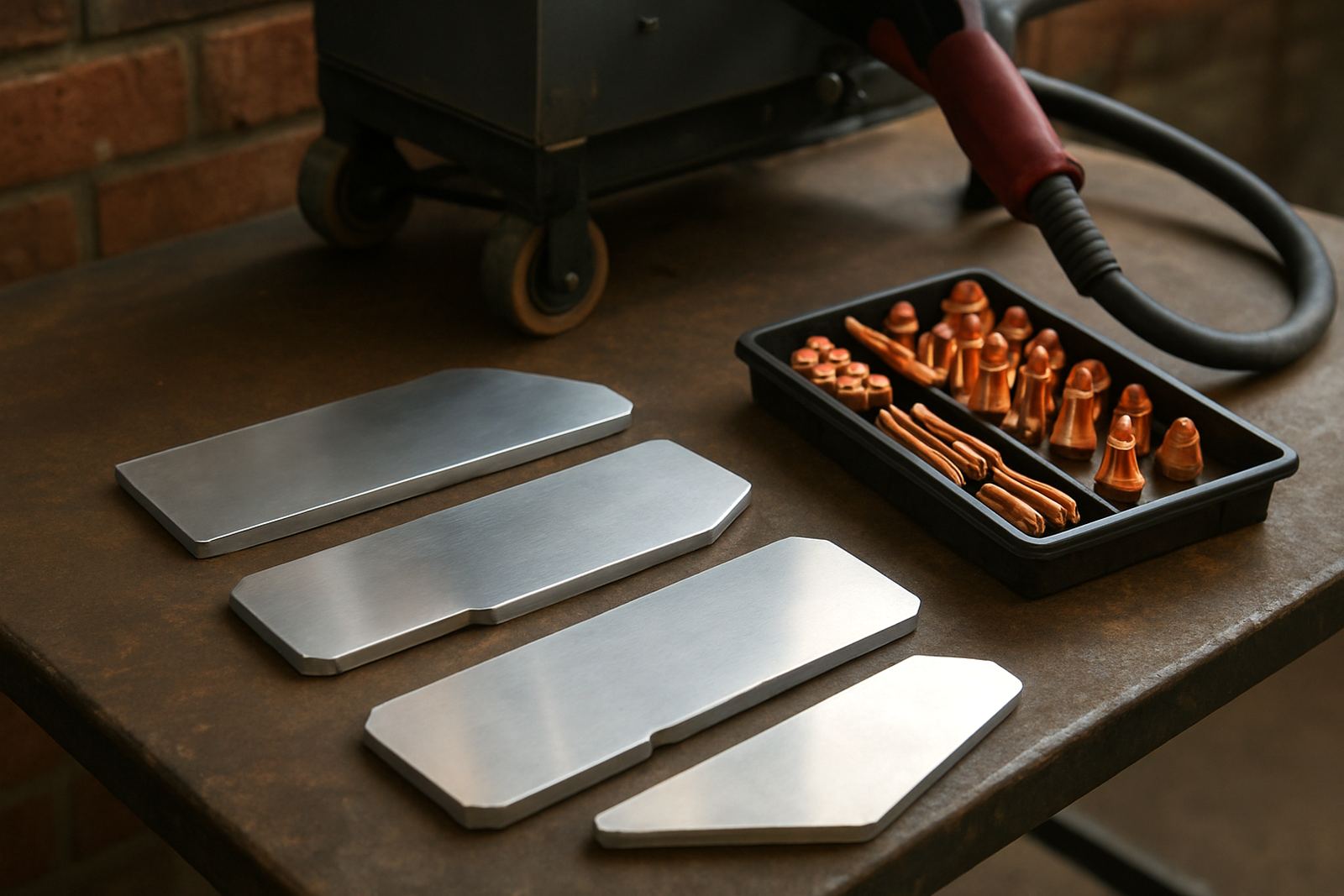
- Replace worn nozzles, electrodes and swirl rings before quality drops.
Keep the air clean and the consumables sharp
Clean, dry air makes a bigger difference on thin sheet than many operators expect. Moisture, oil and dirt in the line can cause unstable arc behaviour, extra spatter and a rougher edge. In coastal humidity the problem is even more obvious, but inland workshops can still get caught out when compressors are under strain or drains are not emptied often enough.
PlasmaCutter sees this regularly during servicing and cut quality audits. A machine that is otherwise in good condition can still produce poor thin-sheet results because the air system has not been checked. The same goes for consumables that are technically still working but already out of spec. The cut may complete, but the edge quality drops and the operator has to clean up more material afterwards.
Preventive maintenance helps here. A proper consumables check, air system inspection and torch repair schedule can save a lot of time on repetitive sheet work. It also reduces the risk of sudden downtime during a busy shift, which is important when load-shedding has already reduced available production hours.
Use layout and fixturing to fight distortion
Good cutting starts before the torch fires. Thin sheet should be laid out so that heat is spread across the panel, not concentrated in one corner. If all the cuts are placed too close together, the sheet can lift or twist as the temperature rises.
For CNC jobs, the nesting plan should allow for bridges, lead-ins and cut order that keeps the sheet stable. For handheld work, clamps and supports must hold the workpiece without leaving the operator fighting a panel that vibrates or flexes. On light gauge material, even a small amount of movement can affect the final size.
- Cut internal holes and smaller features before long outer profiles.
- Space parts apart so heat does not build up in one area.
- Use an airflow or support table that allows slag to fall away cleanly.
- Leave tabs where needed so parts do not shift at the end of the cut.
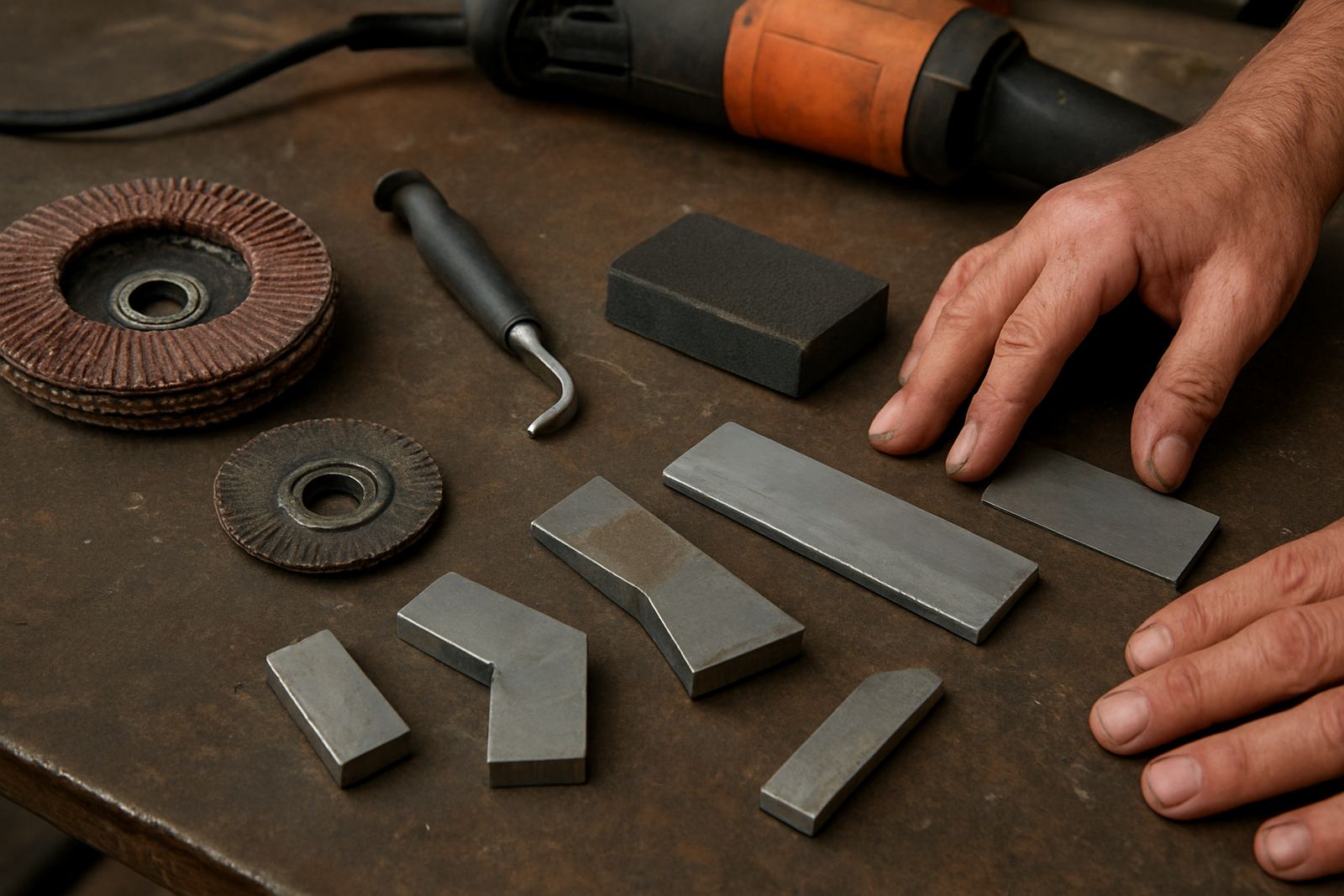
When the sheet is supported properly, you get a straighter edge and less rework. It also makes edge cleaning faster because the dross is less likely to weld itself back onto the part.
A practical example from a Vereeniging job shop
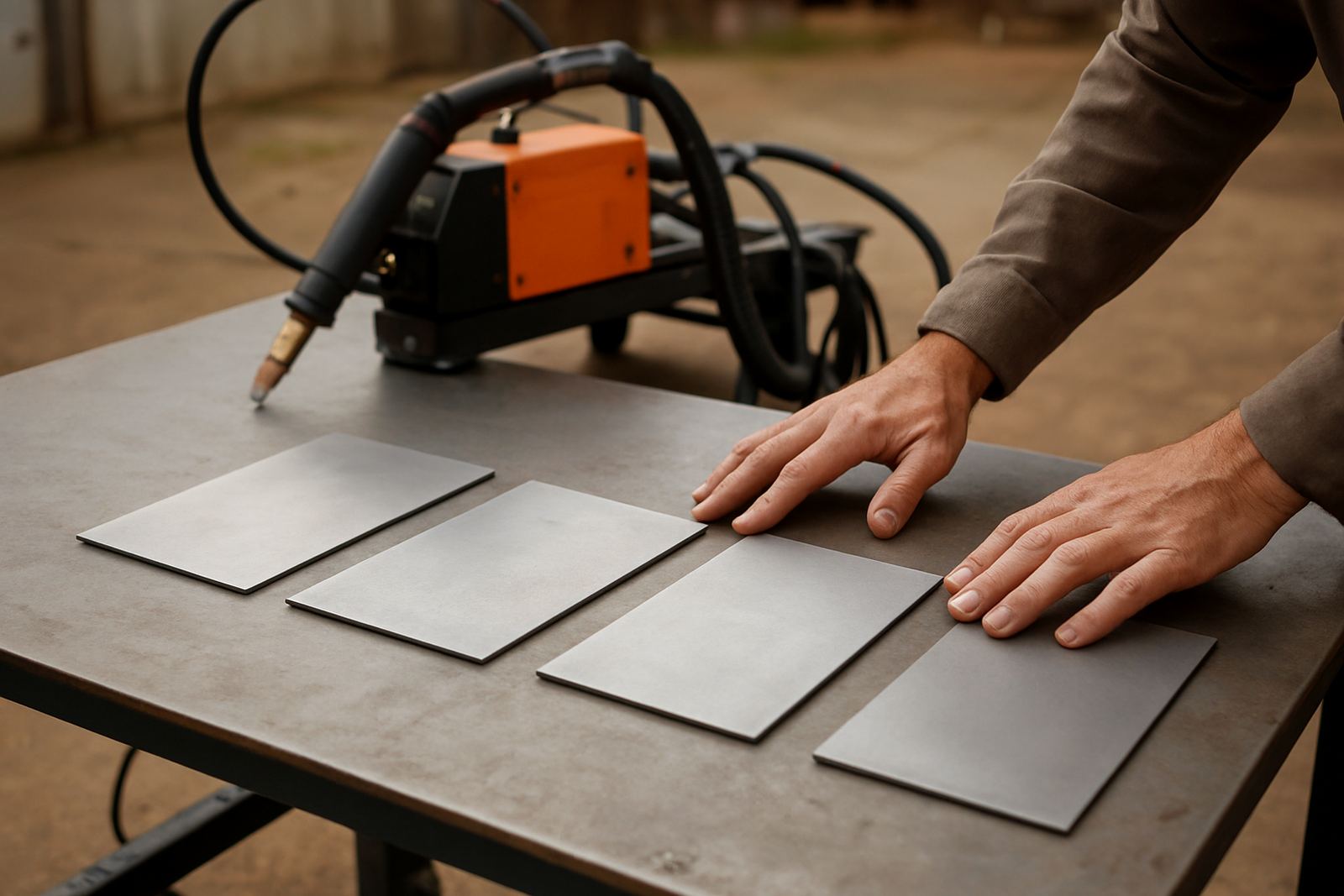
A local fabrication shop in Vereeniging was cutting 1.6 mm mild steel panels for light vehicle brackets and covers. The operator was getting acceptable pierces, but the parts were bowing after the cut and the edges needed too much grinding before assembly. The machine was not faulty, but the setup was working against the material.
After checking the air supply, the torch consumables and the cut sequence, the shop reduced amperage, increased travel speed slightly and changed the nesting order so that heat was spread more evenly across the sheet. They also improved support under the plate to stop vibration. The result was a cleaner edge, less warp and a better fit at assembly, with less time spent on finishing.
That kind of change is often practical rather than dramatic. Thin sheet does not need force, it needs control. When the settings, air quality and sheet handling line up, the cut stays tidy and repeatable.
When to call for servicing or training
If thin-sheet quality keeps drifting, it is worth checking more than just the operator technique. Power source repairs, height control calibration, CNC table servicing and machine commissioning all play a part in how well the machine performs on light gauge material. A torch that cuts well on one day and poorly the next usually has an underlying issue that should be found before production slips further.
Operator training also helps when new staff are moving from thicker plate to sheet work. They need to understand pierce height, cutting angle, feed rate and what a good cut edge should look like. Onsite support is useful when a machine is already installed and the problem only shows up during real production, not in a quick test cut.
- Check if the problem is heat, air supply, worn consumables or torch height.
- Review the cut path and nesting order before changing every setting.
- Ask for a cut quality audit if edge finish and fit-up are inconsistent.
- Arrange preventive maintenance if the machine is cutting thin sheet regularly.
For businesses across Gauteng and the Free State, from Meyerton and Germiston to Sasolburg, Bloemfontein and Welkom, a good thin-sheet process can save time every shift. The aim is simple: less heat, less distortion and cleaner parts with less handling afterwards.