Support For Handheld And CNC Plasma Systems
PlasmaCutter works with hobby users, workshops and production teams that need clean cuts and less downtime. The support range covers handheld units and CNC systems used for metal fabrication, repair work and parts production. Whether the issue is poor arc start, rough edge finish or a table that is not tracking correctly, the aim is to find the cause quickly and put it right.
Our team is based in Vereeniging and assists clients across Gauteng and the Free State, including Vanderbijlpark, Sasolburg, Meyerton, Alberton, Germiston, Bloemfontein and Welkom. Service calls are planned with local conditions in mind, including load-shedding, dusty workshops and the moisture that coastal air can bring into some jobs through supply chains and stored equipment.
When To Book Servicing
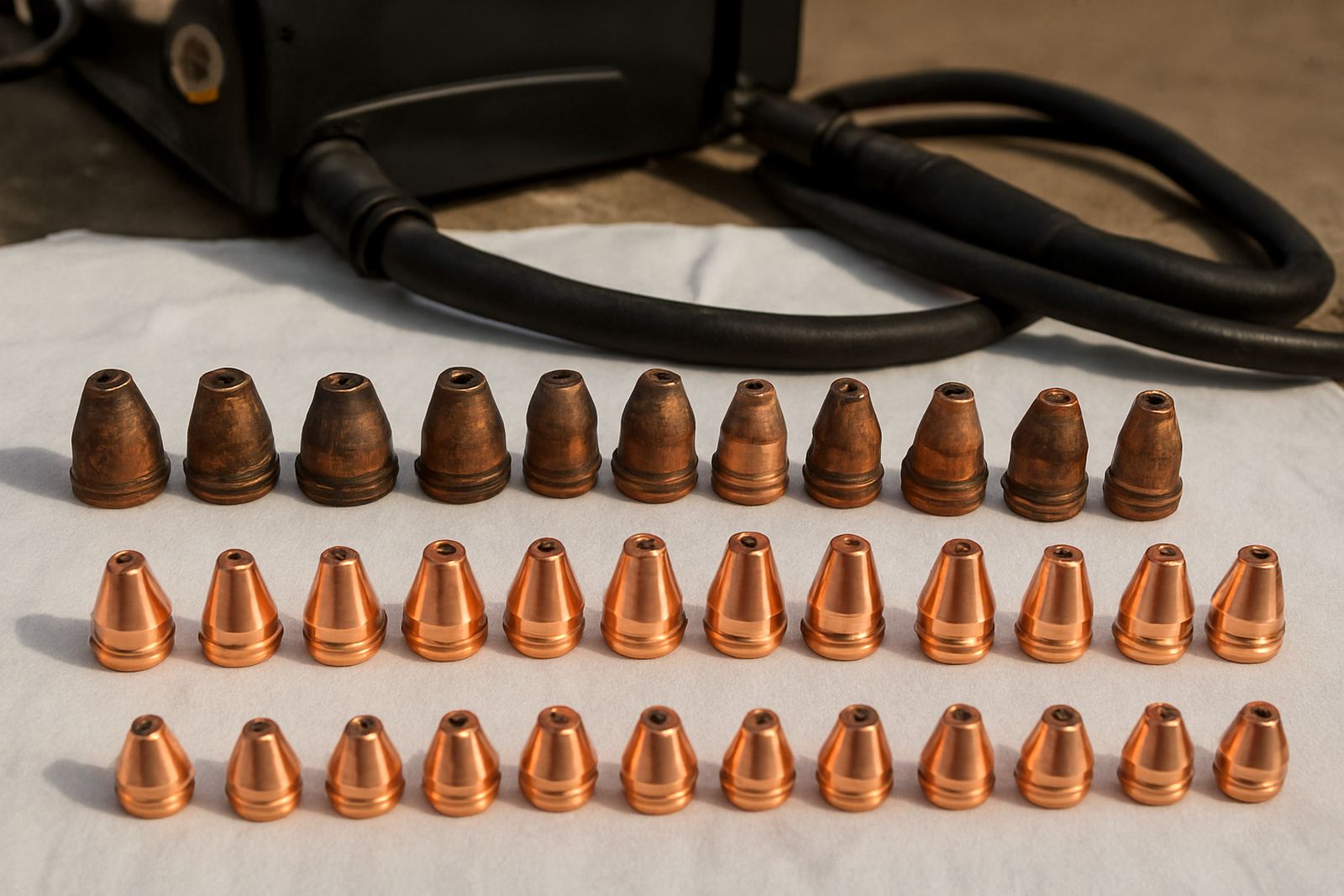
If a machine is cutting slower than usual, leaving heavy dross or tripping during use, it is normally time for a check. Small faults often start with consumables, then move into torch wear, poor air quality or a power issue if they are ignored. On CNC systems, a slight height control problem can throw off an entire sheet and waste material.
- Arc starts are inconsistent or fail often
- Cut edges are rough, wide or angled
- Air pressure keeps dropping during use
- The torch cable or lead shows visible wear
- The machine needs repeated resets after load-shedding
Catch these signs early and you usually save time, material and repair cost. It also helps keep operators working safely, which is always worth it in a busy shop.
Repairs And Preventive Maintenance
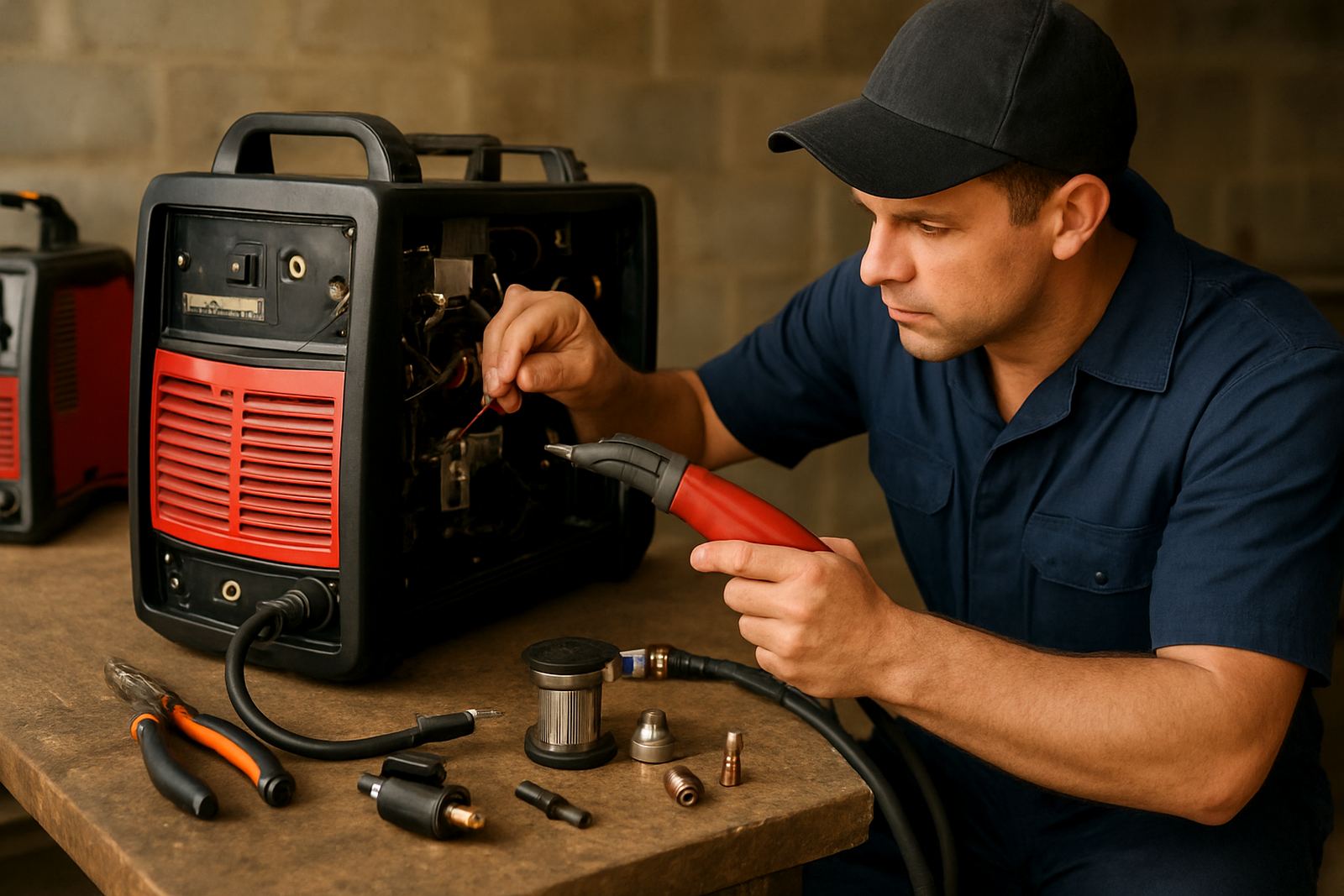
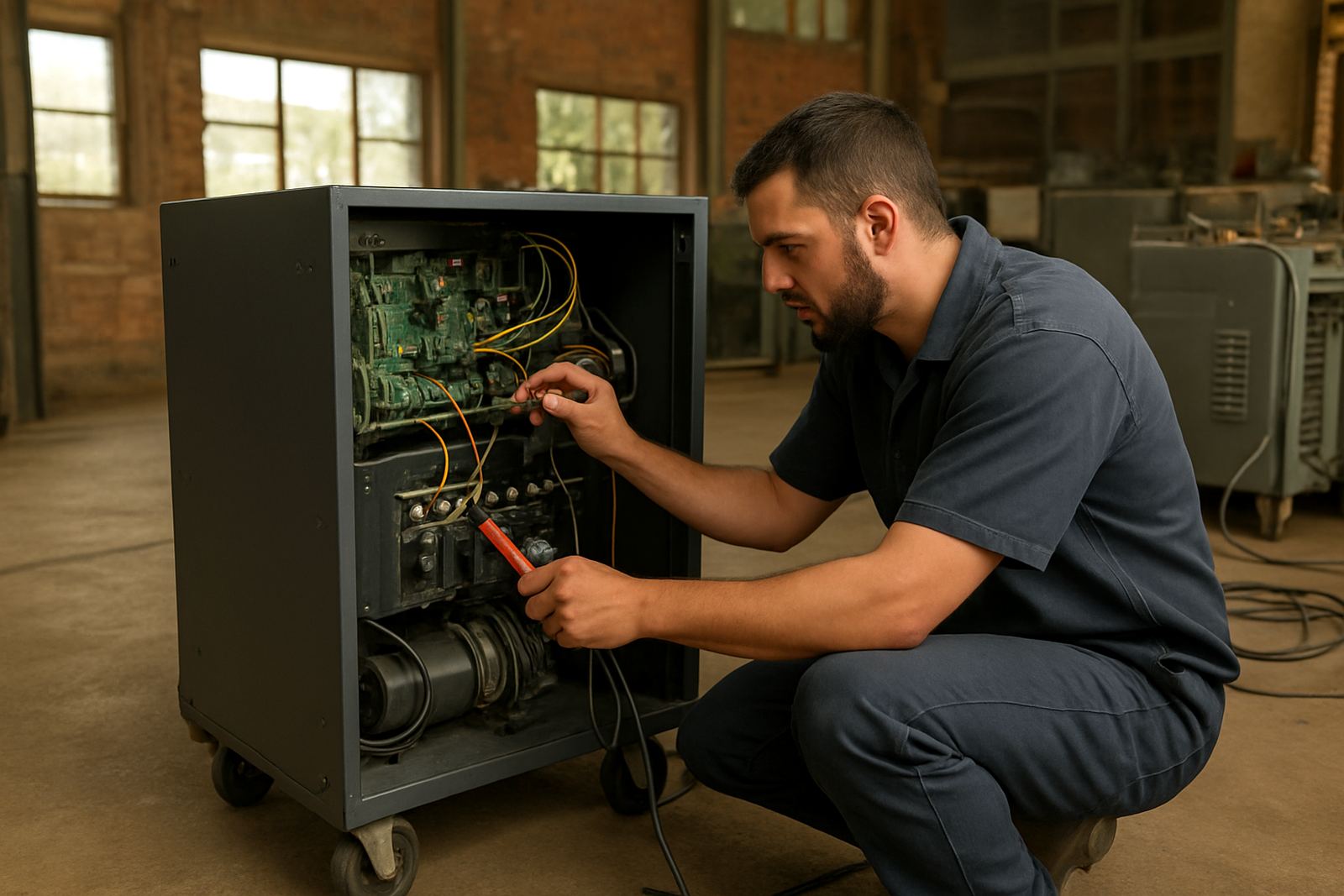
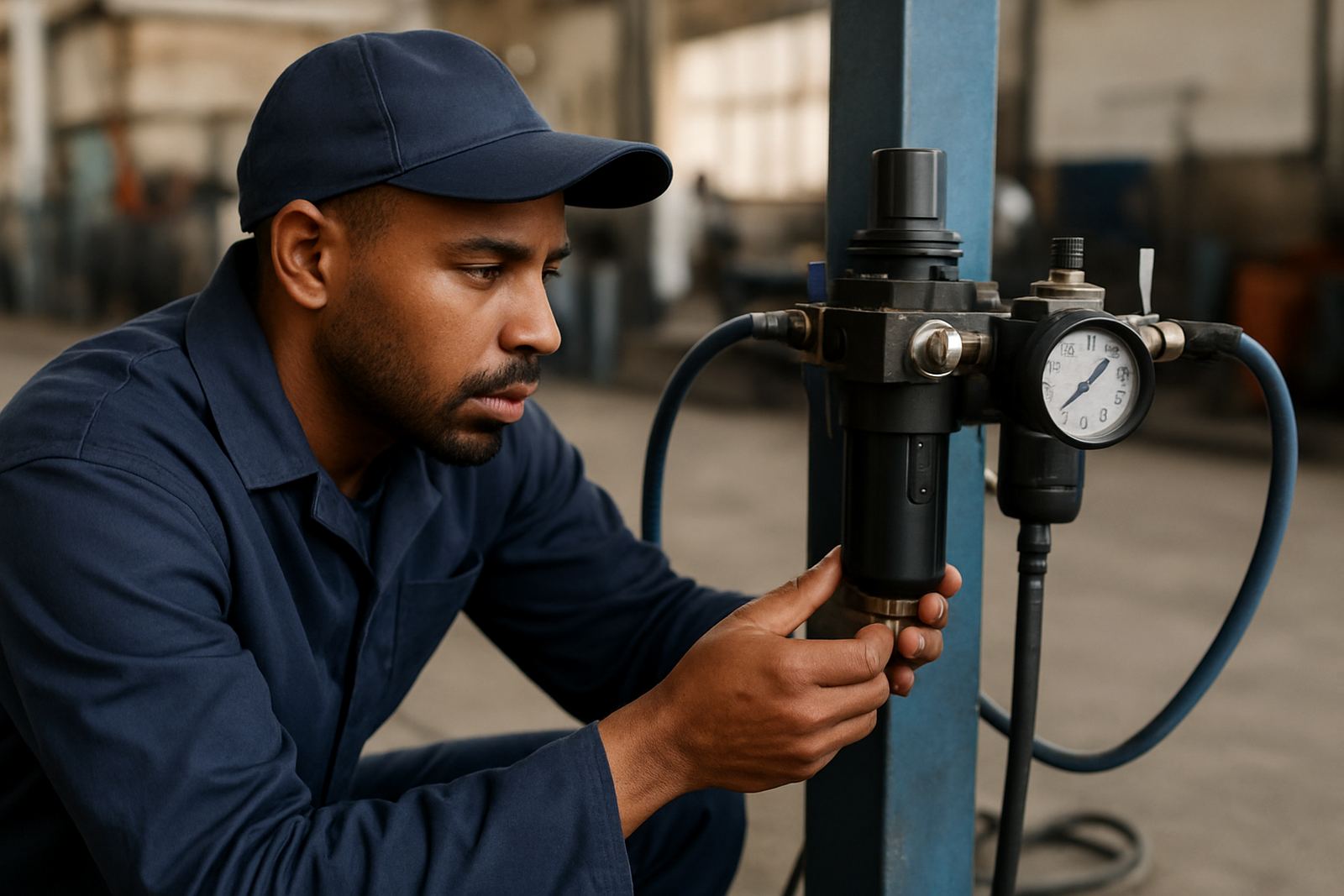
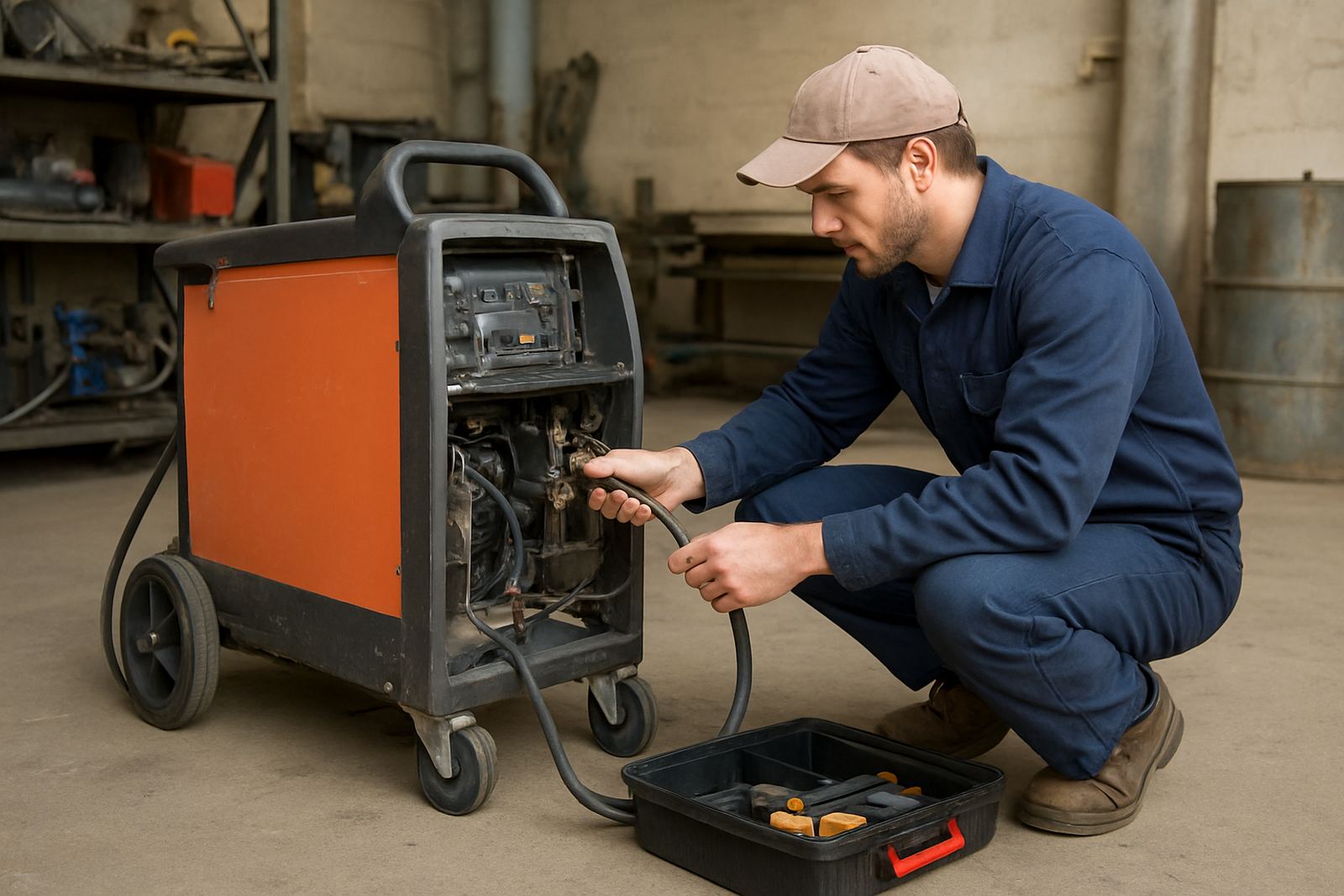
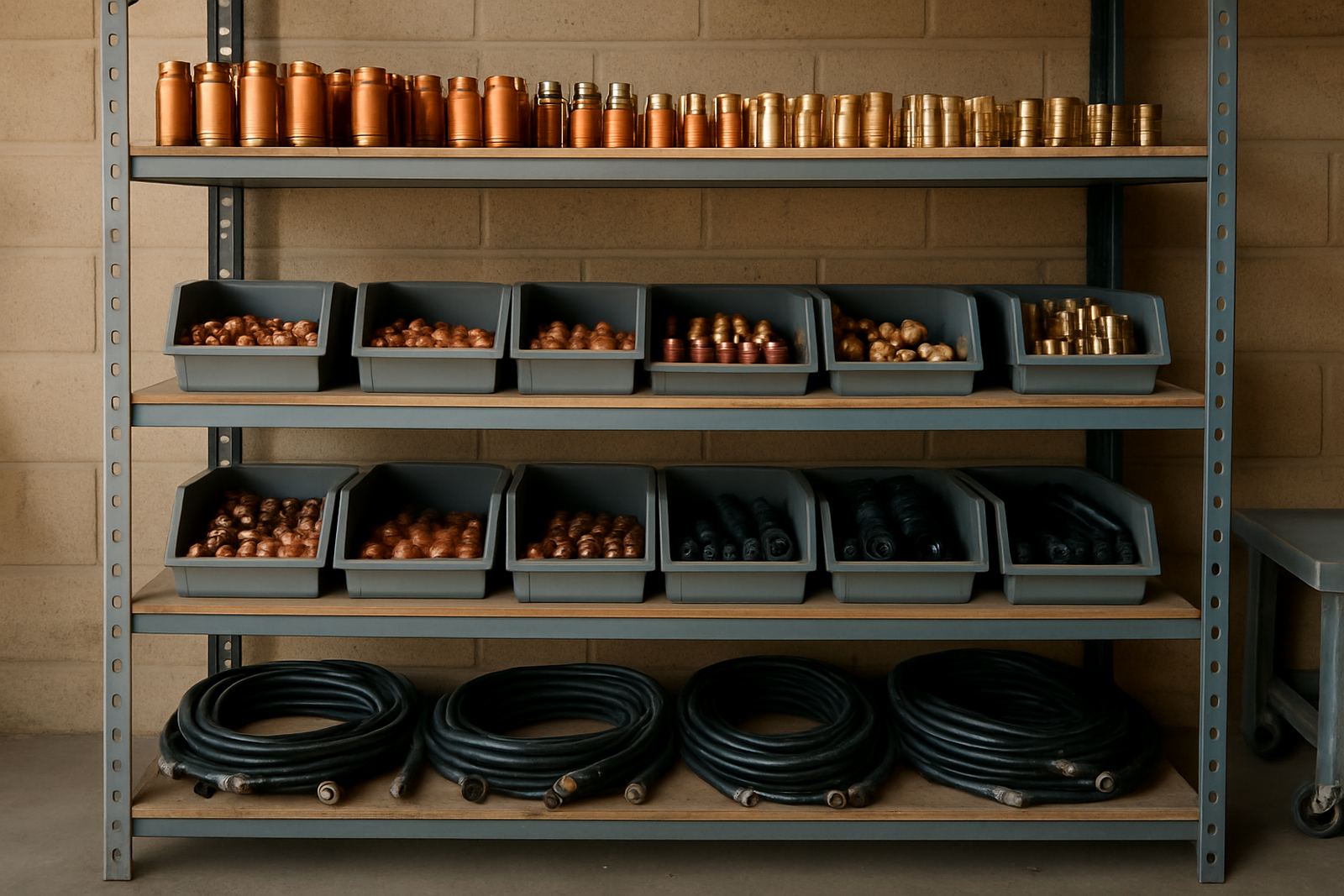
Our servicing covers torch repairs, power source repairs, preventive maintenance and consumables checks. We also inspect the air system, because dirty or wet air causes a lot of avoidable trouble. In many workshops, the machine itself is fine but the supply air is carrying oil, water or fine dirt that shortens torch life.
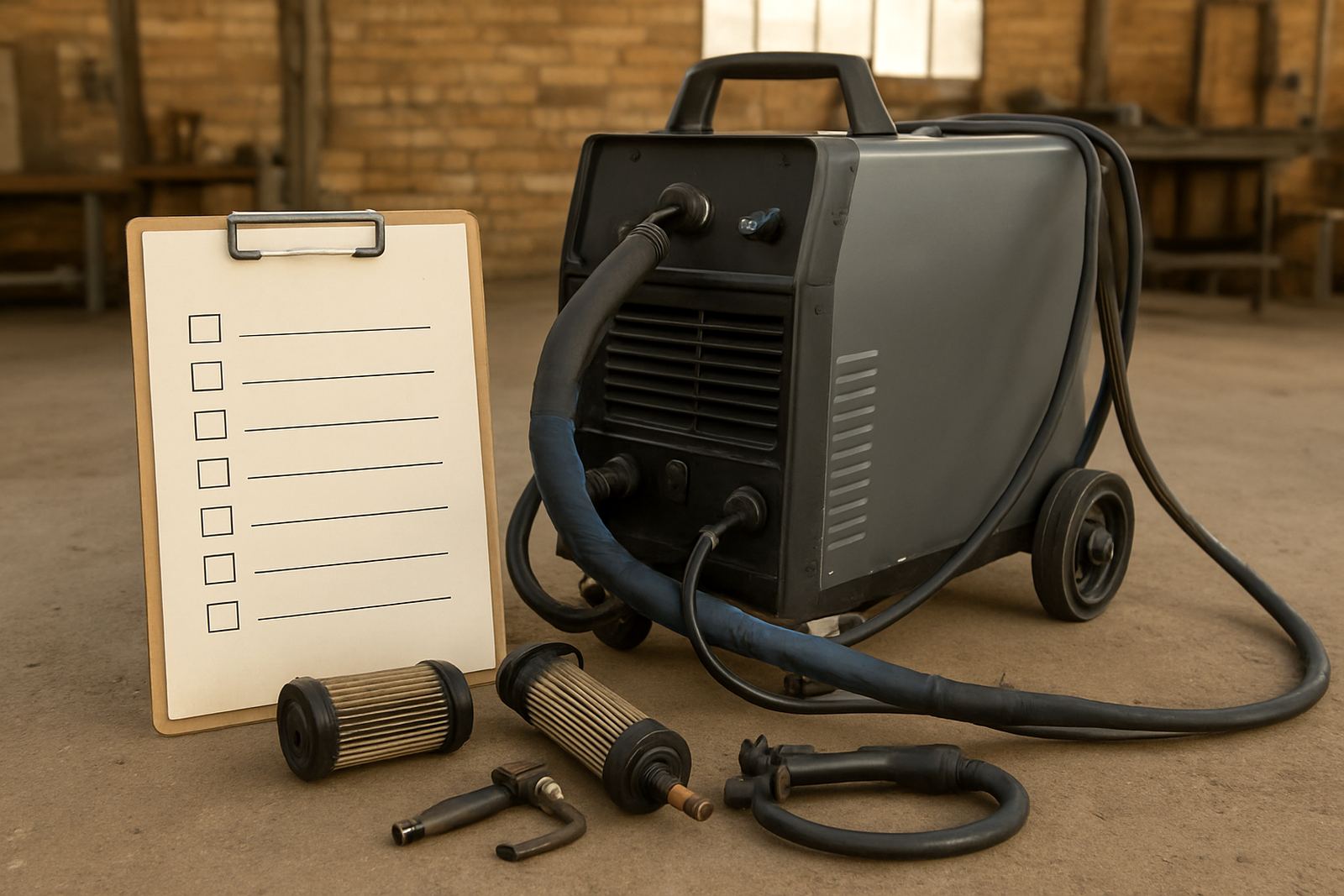
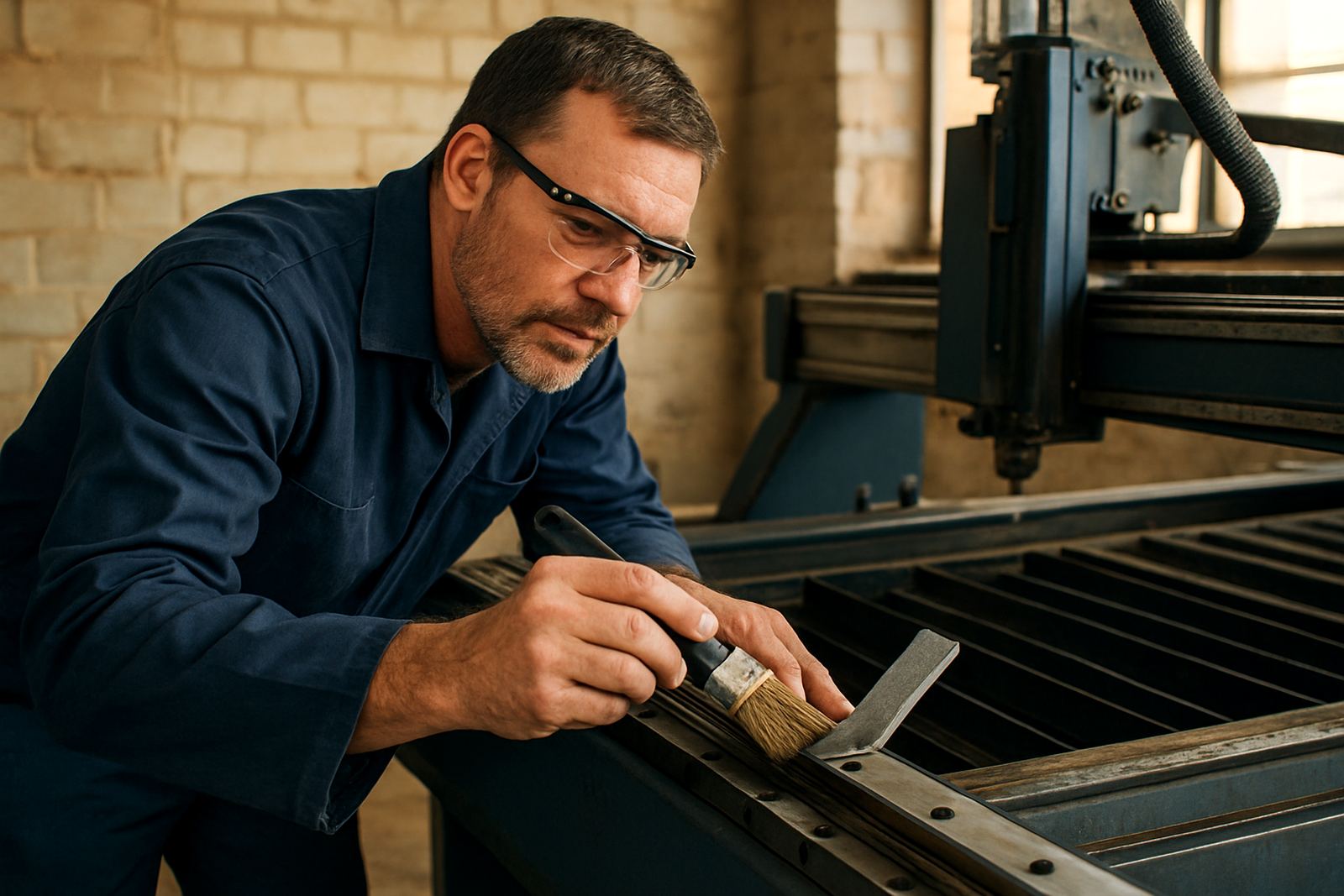
Preventive maintenance is best done on a schedule rather than waiting for a breakdown. That can include cleaning, wear checks, tightening connections, testing the output and looking over the cutting table if it is a CNC setup. A short service visit can prevent a full stop later on, and it keeps the machine ready when orders come in faster than expected.
CNC Table Checks And Height Control
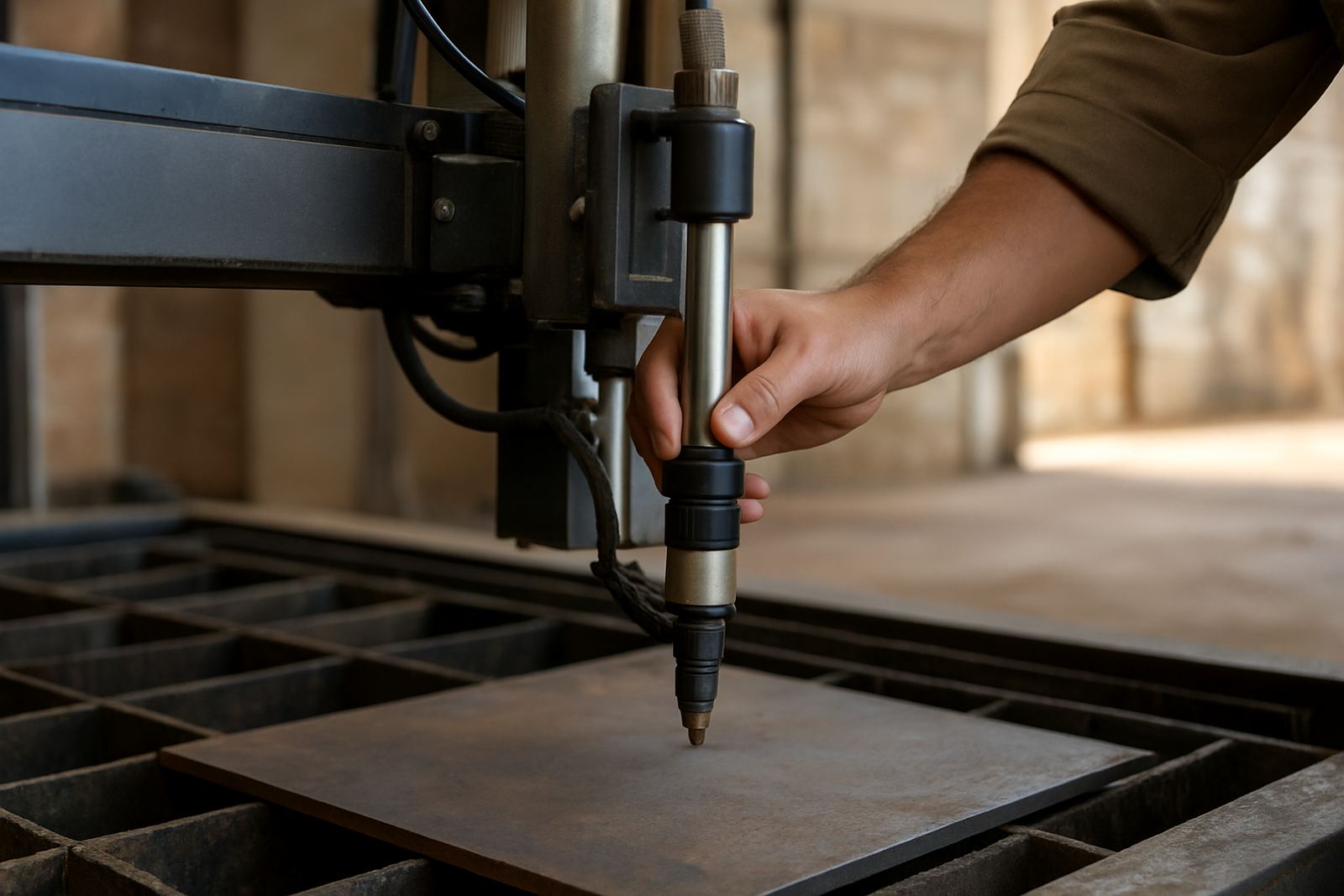
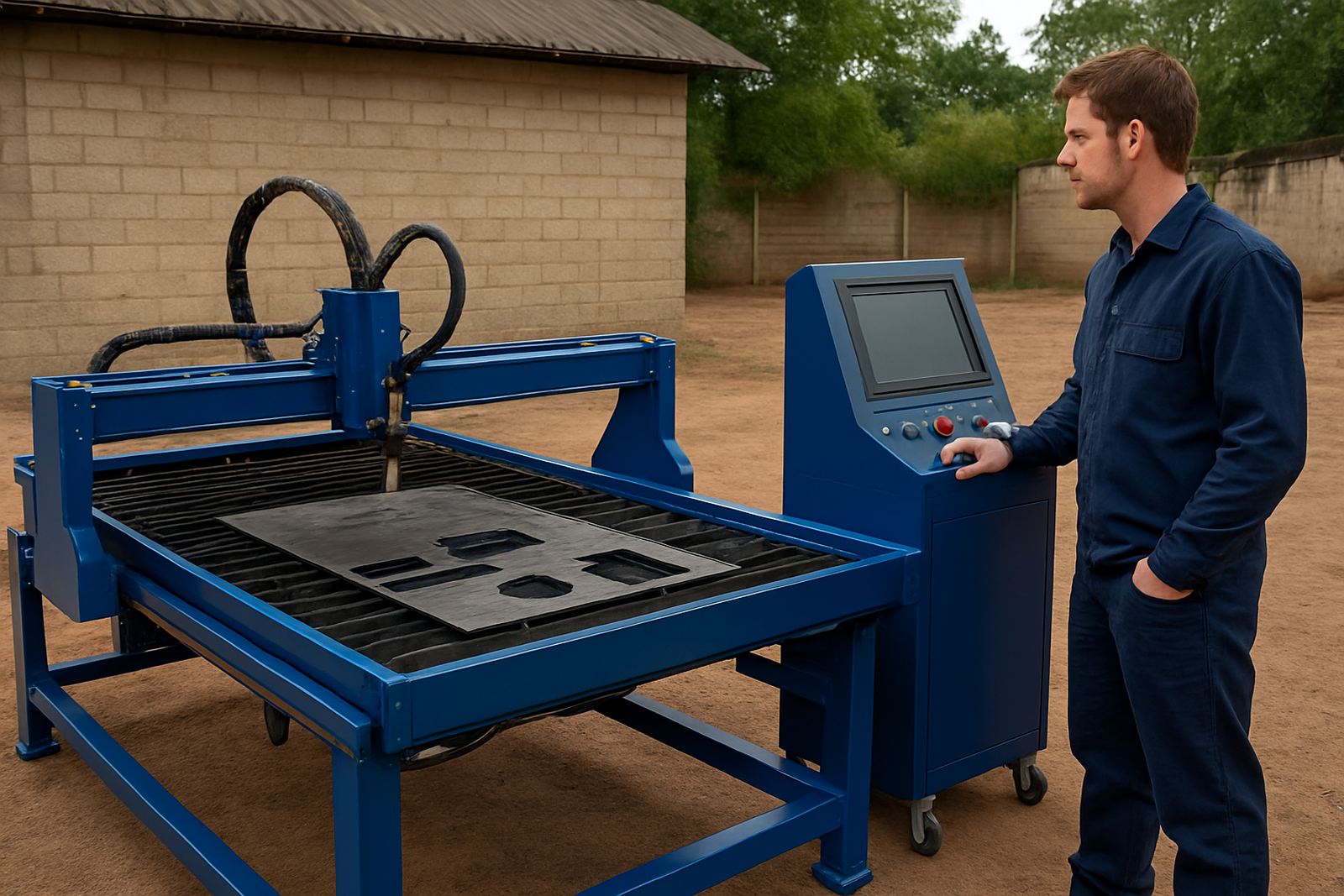
CNC plasma systems need more than a working power source. The table, motion system and height control must all be set correctly if the cut quality is going to stay consistent from one job to the next. When the torch sits too high or too low, you get poor edge quality, extra slag and more post-cut clean-up.
- CNC table servicing for moving parts and basic alignment
- Height control calibration for cleaner and more accurate cuts
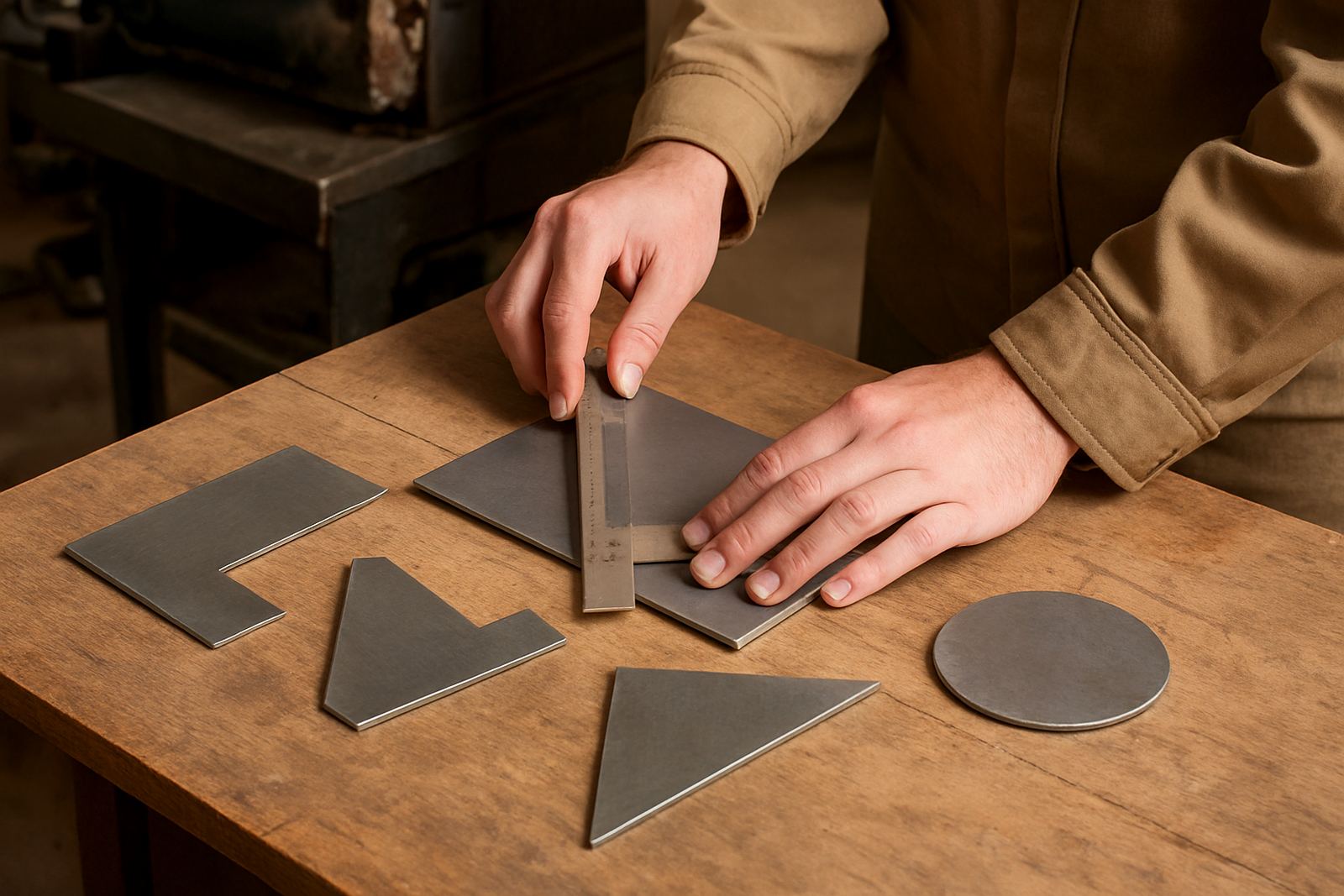
- Cut quality audits to identify setup problems on repeat jobs
- Machine commissioning for new installations and handover support
For production shops, that extra checking can make a real differnce to repeatability. It is also helpful when changing material thicknesses or moving between mild steel, stainless steel and aluminium jobs.
Training, Demos And Practical Guidance
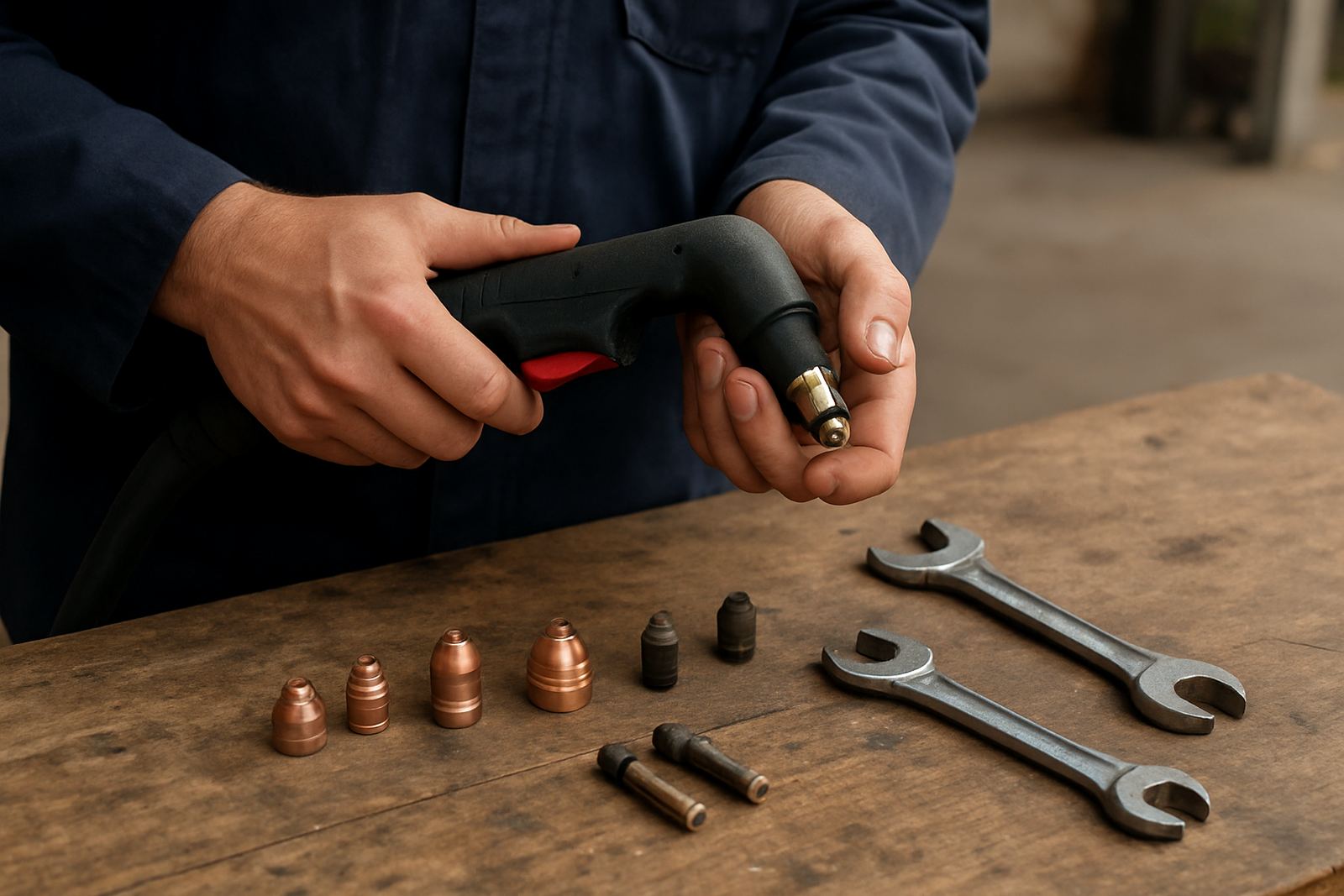
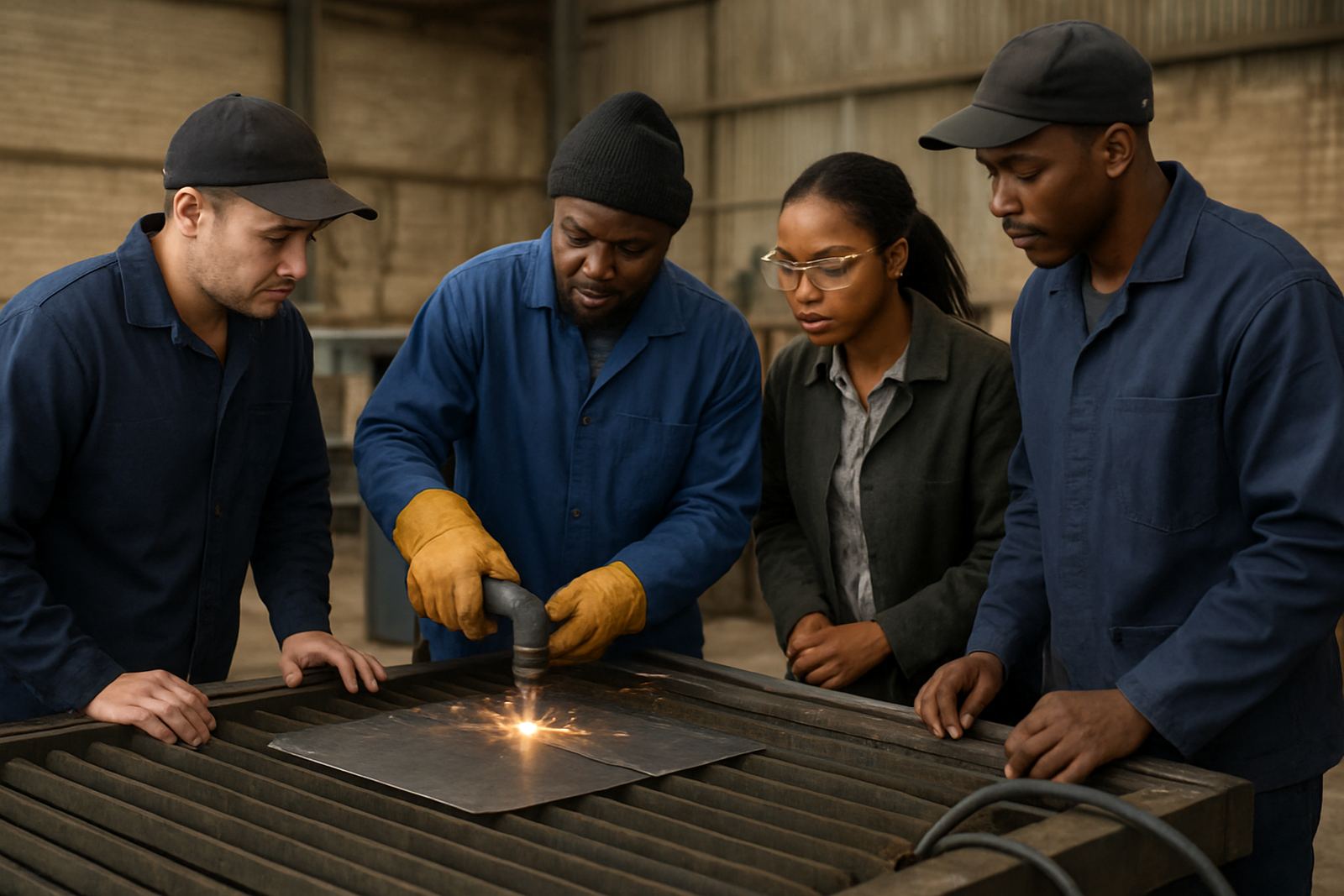
Good support is not only about repairs. It also includes operator training and demos so users understand what the machine needs day to day. That means correct torch handling, consumable use, air supply checks and basic setup habits that improve results from the first cut.
Naledi Selebalo assists with training and demos, while the technical team helps with field issues and commissioning. Kgomotso Mhlongo and Phenyo Diale help clients work through the right service option for their site, whether they need one-off support or a maintenance plan for regular use.
How To Choose The Right Service
Different jobs call for different support. A small workshop in Meyerton may only need consumable checks and an occasional torch repair, while a fabrication plant in Germiston may need scheduled maintenance, breakdown support and cut quality reviews. If a CNC line is running daily, preventive checks and height control calibration are usually worth prioritising.
- Choose breakdown support when the machine has already stopped
- Choose preventive maintenance to reduce unplanned downtime
- Choose training when cut quality depends on operator consistency
- Choose a cut quality audit when the finish is changing between shifts
For advice on the best option, clients can send an enquiry through the contact page and the team will guide the next step. Marius van der Merwe oversees the service approach from the Vereeniging base with Johan Botha handling the technical side and Ruan Visser supporting field work where needed.