What machine commissioning covers on site
Commissioning is the first proper working session for a new plasma cutter, whether it is a handheld unit for a workshop in Vereeniging or a CNC table going into a fabrication bay in Germiston or Bloemfontein. We set the machine in place, confirm the supply requirements, check the air line quality and run the first test cuts so the equipment is not started blind. The aim is simple: clean edges, repeatable results and an operator who knows what each setting does.
Our team checks the physical setup, the torch connection, earth clamping, consumable fitment, cut parameters and safety points around the work area. If your site has a generator backup or sits on a line that sees load-shedding, we can also check the power stability and advise on sensible operating limits. In many cases the first hour on site saves days of poor cut quality later.
Step by step start-up and test cut process
We follow a practical sequence so nothing is missed. The process changes slightly between handheld and CNC machines, but the aim stays the same: a stable machine, accurate test pieces and a clean handover to your team.
- Inspect machine placement, ventilation and cable routing
- Confirm input power, earthing and breaker size
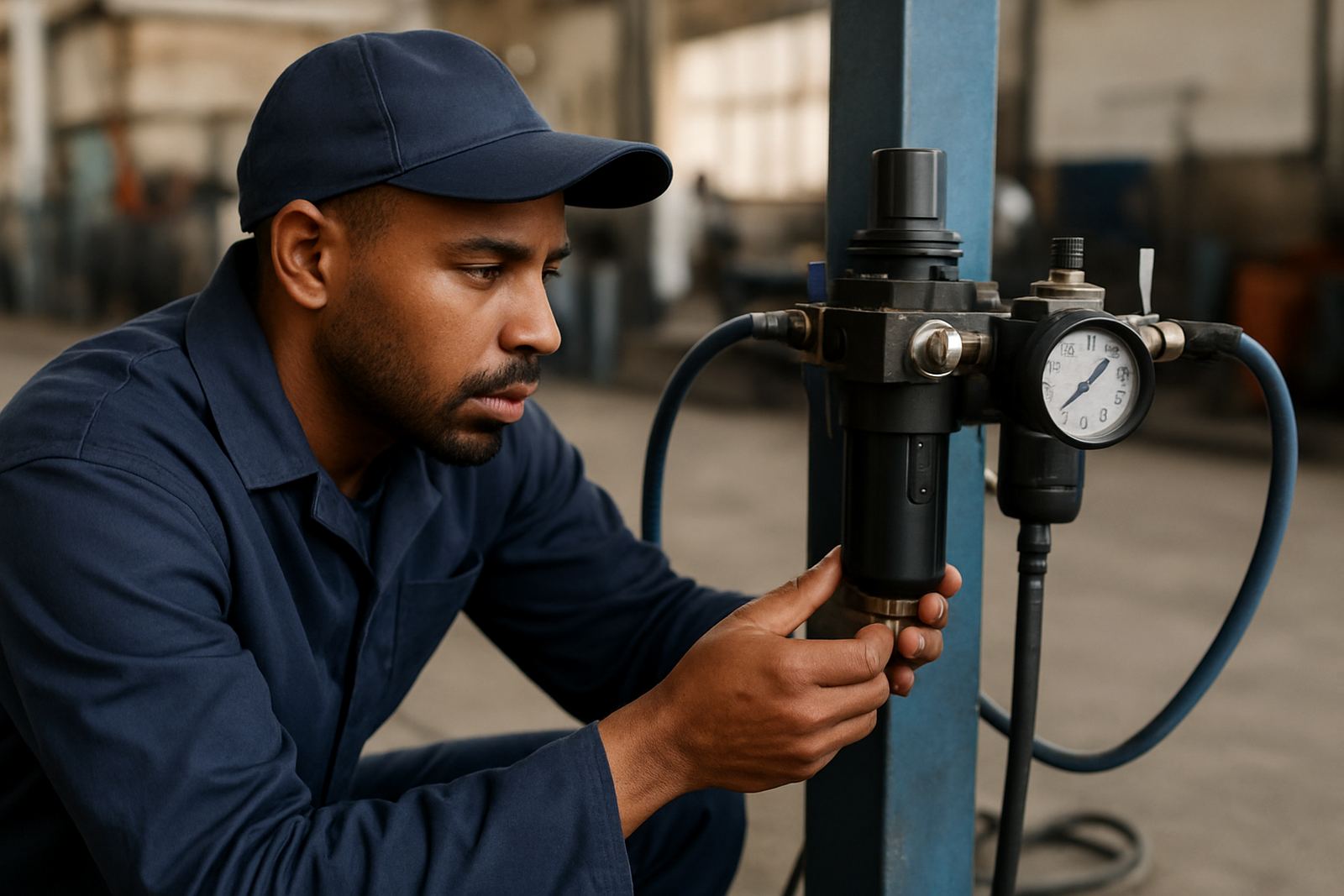
- Check compressed air quality, pressure and moisture control
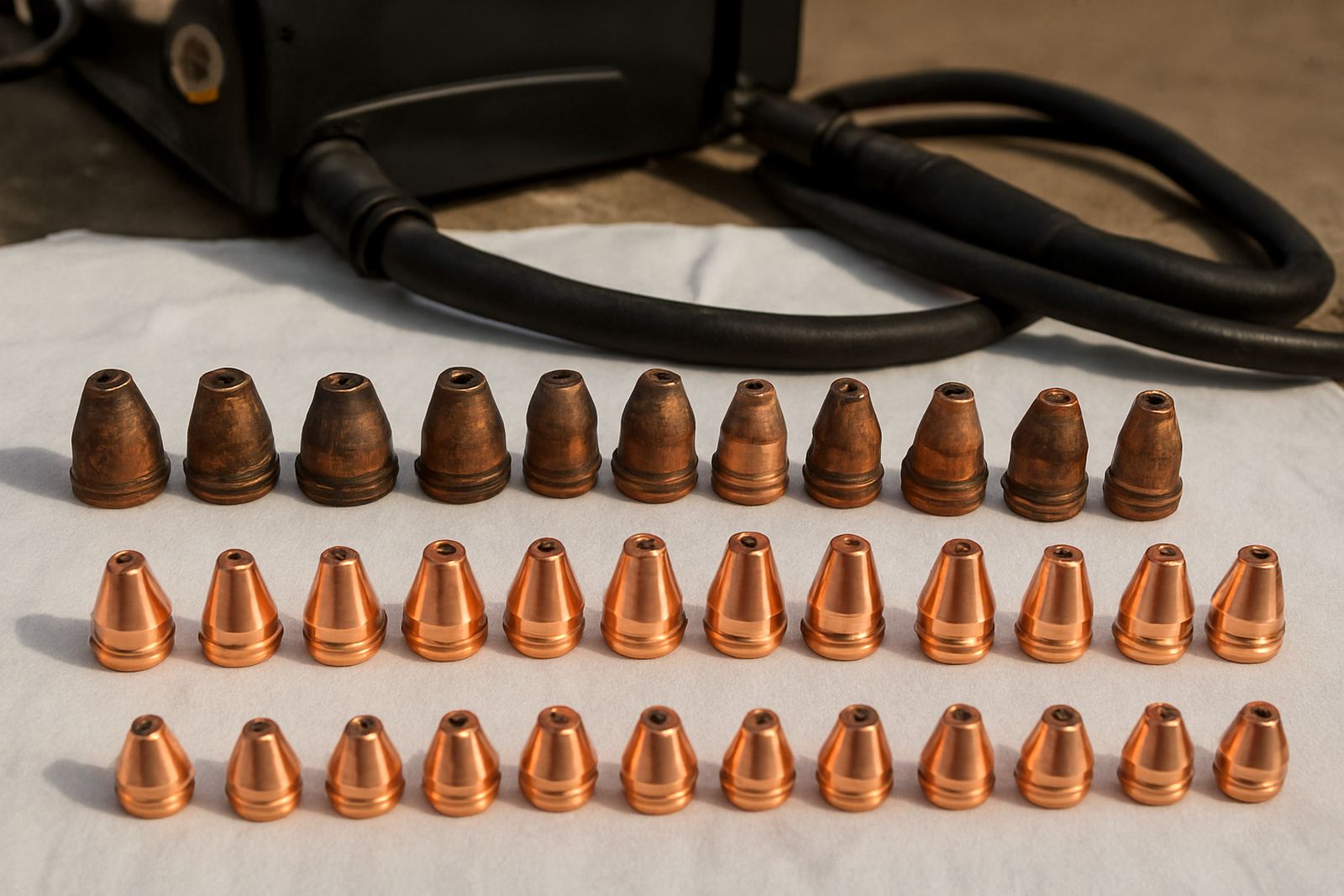
- Fit consumables and inspect torch wear points
- Load or confirm initial cut settings for material thickness
- Run test cuts on mild steel and, where needed, stainless or aluminium
- Measure kerf, edge angle and dross level
- Adjust speed, amperage and height settings until results are consistent
- Hand over operating notes and basic daily checks
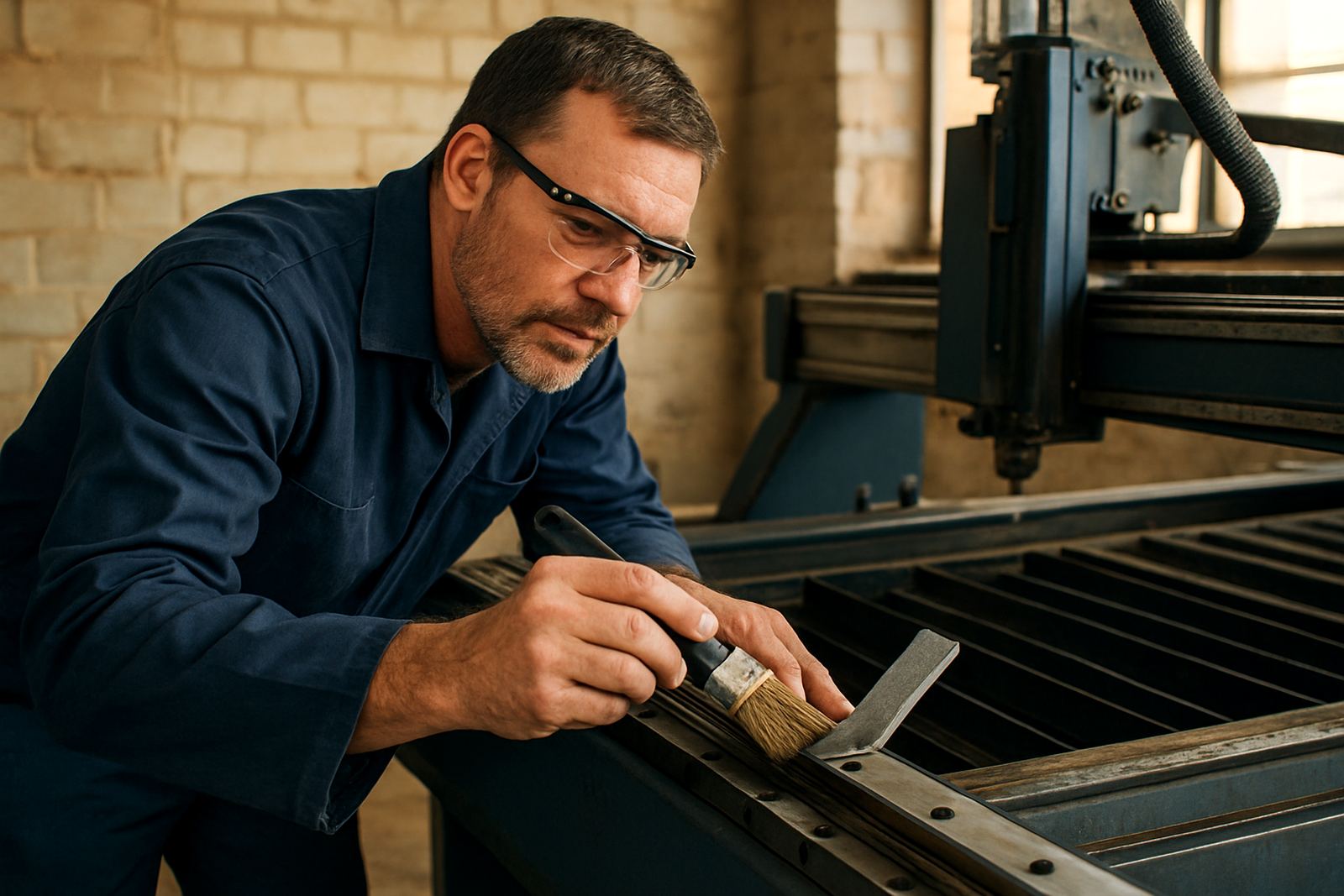
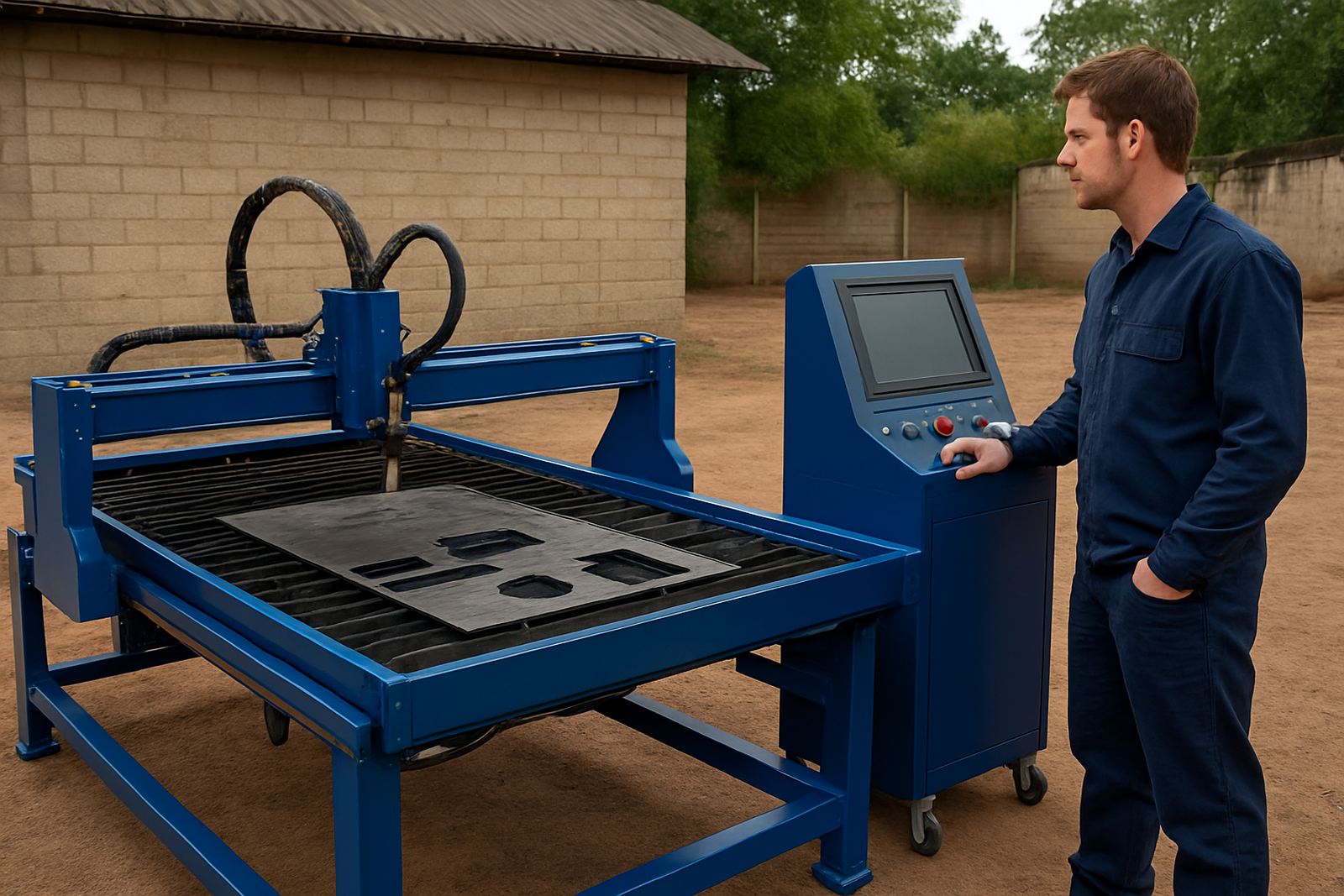
For CNC table commissioning we also check axis movement, limit switches, height control response and cut path accuracy on a small sample part. If the table has been moved from one site to another, we recheck square and level because that alone can throw off a good program.
Technical checks that prevent early faults
A new machine often arrives able to power on, but not yet ready for long shifts. Our commissioning includes the checks that protect your investment and reduce call-outs in the first few weeks. We look at air flow restrictions, torch alignment, duty cycle limits, torch lead strain, and whether the cut environment is suitable for the machine class. If the area is hot, dusty or close to grinding stations, we flag it early.
For CNC systems we can confirm height control calibration, pierce delay, cut height and arc transfer timing. On handheld units we confirm trigger response, pilot arc stability and the right nozzle and electrode combination for the job. Small setup errors here can cause rough edges, excessive consumable wear and wasted plate. That is money out the door, plain and simple.
Where the machine is going into a fabrication shop that runs on mixed thicknesses, we help set up a sensible starting chart for common material. Many clients cutting 3 mm to 12 mm plate find this especially useful because it gives operators a repeatable base line rather than guessing on each job. It is a practical setup, not theory.
Operator handover and first-shift support
Commissioning is not complete until the operator is comfortable. We show your team how to start the machine, recognise a good cut, spot signs of worn consumables and make the everyday checks that keep production moving. If the machine is going into a new bay or being used by multiple operators, we can spend extra time on the settings that should not be changed without reason.
Training during handover usually includes:
- Safe start-up and shut-down steps
- Consumable inspection and replacement points
- Air pressure checks and moisture drainage
- Basic fault signs, including poor arc transfer and excessive spatter
- Cleaning and end-of-shift care
- What to record if quality starts drifting
We keep the notes practical so they can be used by the person on the floor, not only by the supervisor. If your team needs a second pass later in the week, we can arrange that too, especially after the first production run shows where extra coaching is needed.
Turnaround times across Vereeniging, Gauteng and the Free State
For commissioning in Vereeniging and nearby areas such as Vanderbijlpark, Sasolburg, Meyerton and Alberton, we usually plan the visit once installation and power preparation are complete. For sites in Germiston, Bloemfontein and Welkom, timing depends on travel and whether the machine needs bench checks before we arrive. In most cases, a standard handheld setup can be completed in a single visit, while a CNC table with control calibration may need a half day or a full day depending on the machine size and job complexity.
We prefer to commission once the equipment is fully installed and the air supply is ready. That avoids repeat visits and keeps the start-up clean. If the machine was delivered in sections or the table still needs level adjustments, tell us upfront so we can plan the right amount of time. A rushed setup is not worth it and usually costs more in the end.
Pricing approach and maintenance intervals after commissioning
Pricing for machine commissioning depends on the equipment type, the site location and the amount of setup needed. A straightforward handheld machine with good power and air in place is priced differently from a CNC table that needs calibration, cut sample testing and operator training. We quote after we understand the machine size, the plate thickness range and the site conditions, so you only pay for the time and work that are actually required.
After commissioning, we recommend a maintenance rhythm that keeps the machine performing the same way week after week. In most workshops that means daily torch and consumable checks, weekly air system inspection and a monthly review of cut quality and height control response. On CNC tables or busy fabrication lines, a three-month preventive service is often wise, especially where the machine runs long shifts or works in a dusty bay.
If your site has coastal humidity moving inland on certain days, or if the compressor is working hard, the inspection interval may need to be shorter. That is not overkill. Moisture and unstable air quality are two of the quickest ways to spoil a good plasma setup.
Why local commissioning pays off in real work
Good commissioning reduces wasted plate, protects consumables and gives operators confidence from day one. It also helps when municipal power is unstable or when a workshop in a fast-paced area like Alberton or Germiston needs to keep jobs moving between breakdowns and scheduled work. A machine that has been set up properly is easier to troubleshoot later because the starting point is known.
PlasmaCutter supports new equipment owners across Vereeniging and the wider Gauteng and Free State regions with direct, practical setup. Marius van der Merwe and the team work with fabrication shops, vehicle repair businesses and smaller operators who need the machine to earn its keep quickly. If you want your new plasma cutter to cut well from the first shift, commissioning is the right place to start.
Key facts
| Service scope | Initial setup, test cuts and operator handover |
|---|---|
| Equipment types | Handheld plasma cutters and CNC plasma tables |
| Typical material range | Mild steel, stainless steel and aluminium from thin sheet up to heavier plate |
| Site coverage | Vereeniging, Vanderbijlpark, Sasolburg, Meyerton, Alberton, Germiston, Bloemfontein and Welkom |
| Turnaround | Single-visit commissioning for simple setups, longer for CNC calibration and training |
| Follow-up care | Daily checks, weekly air inspection and three-month preventive servicing where needed |