What We Check During an Air System Inspection
An air system inspection is a practical review of the air supply feeding your plasma cutter. We look at the full chain from the compressor outlet through to the torch inlet, because a small fault in one part can cause poor arc starts, rough edges and fast consumable wear. In workshop conditions around Vereeniging, Vanderbijlpark and Sasolburg, we often find moisture build-up, unstable pressure and tired hoses after long run periods or power interruptions.
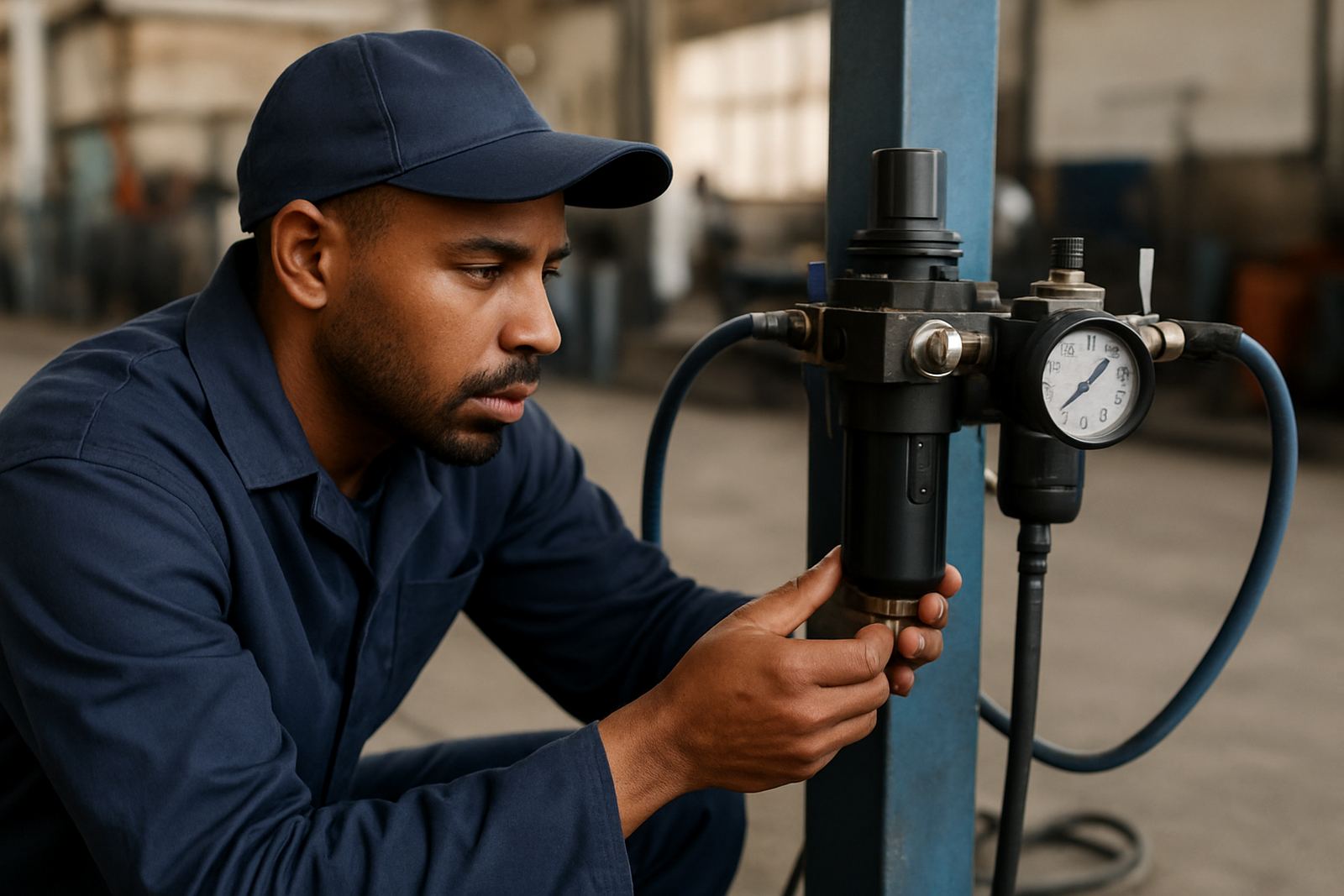
Our inspection covers regulators, filters, dryers, hose condition, fittings and basic air quality checks. We also look for pressure drop under flow, oil carryover, water in the line and blocked elements. If your machine is on a CNC table we also check whether the air supply can hold steady during piercing and higher duty cycles. This is especially important where compressed air is shared across several tools and the compressor is working harder than it should.
- Regulator setting and stability under load
- Moisture traps, dryers and filter condition
- Hoses, quick couplers and fittings for leaks
- Air pressure at the machine and at the torch point
- Signs of oil, water or dirt contamination
Why Clean Cutting Air Matters
Plasma systems rely on clean, dry, stable air to keep the arc focused. If the air contains too much moisture or particles, you can get inconsistent starts, excessive dross and a narrower useful life on consumables. On mild steel, stainless steel and aluminium jobs, that turns into more grinding time and more wasted material.
In practical terms, good air delivery helps you hold cut quality on thin sheet and thicker plate alike. It also protects the torch body, swirl ring and nozzle from unnecessary wear. We often find that customers blame the torch when the real issue is bad air. A proper inspection saves time and helps you spend Rand on the right parts instead of replacing items that still had life left in them.
- Better arc stability and cleaner cut faces
- Less dross and reduced rework
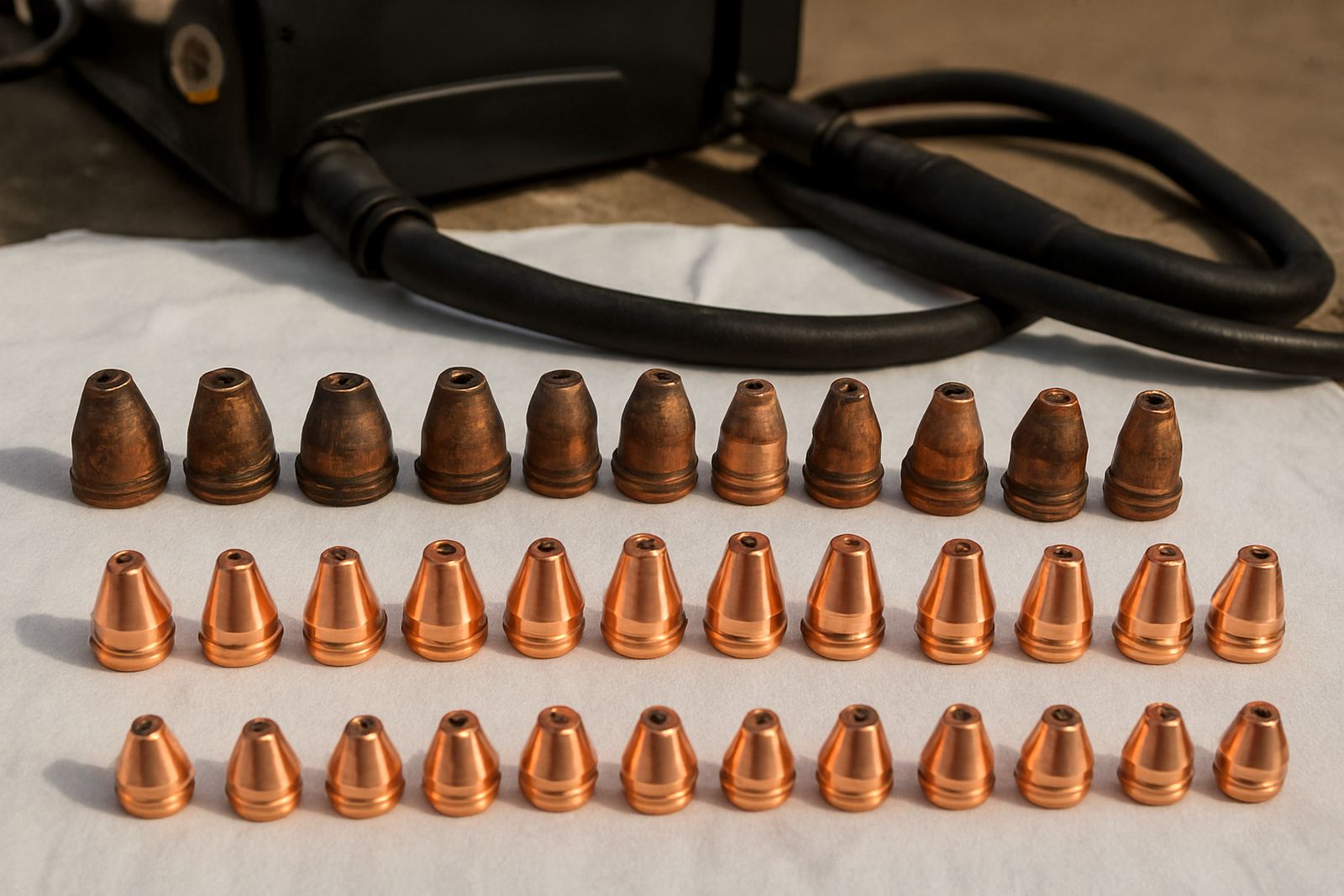
- Longer consumable life
- Lower risk of torch faults linked to contamination
Our Inspection Process Step by Step
We keep the process straightforward so you know exactly what was checked and what needs attention. If you book an inspection at our Vereeniging base or request an onsite visit in Gauteng or the Free State, we start by confirming the machine type, compressor size and the symptoms you are seeing. Common signs include weak starts, blowback, rough edges or a pressure gauge that keeps moving around.
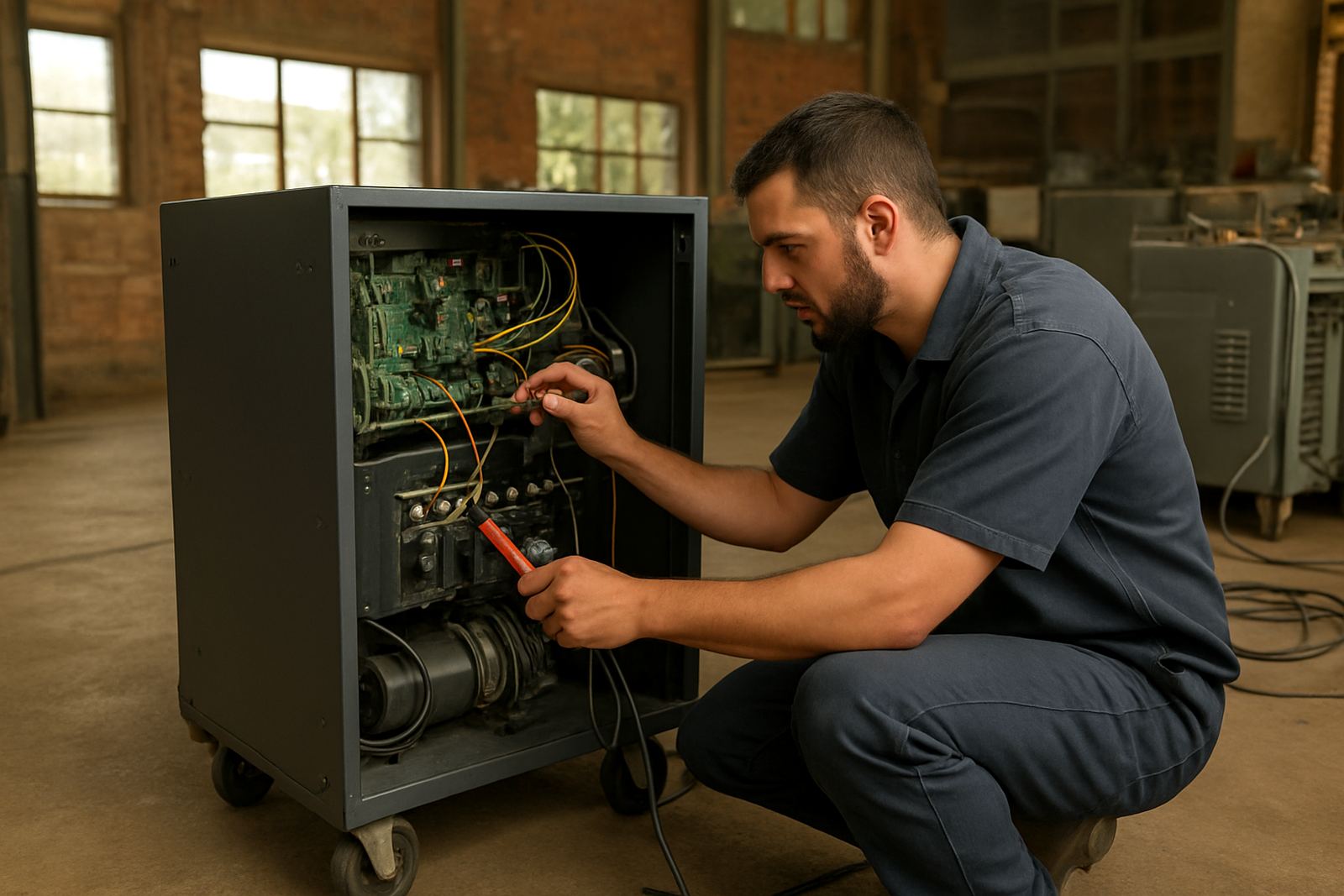
Next, we isolate the air line and inspect each part in sequence. We test for leaks, check filter elements, confirm regulator response and inspect the dryer or moisture control setup. Where needed, we measure pressure at the machine under working conditions, not just at idle. If there is a fault that needs repair, we will point out the likely cause and the practical fix before any work starts.
- Initial fault description and machine details
- Visual inspection of air line and fittings
- Pressure and flow check under working conditions
- Filter, dryer and hose assessment
- Report with findings and next steps
Typical Specs We Work To
Different plasma cutters have different air requirements, but most handheld and CNC systems used in metal fabrication and automotive work need a steady supply in the correct range. We work with common workshop setups, from small compressor systems to larger multi-user installations. If your compressor cycles too often or your line runs too long, pressure loss can become a daily problem.
As a guide, many plasma systems require air in the 4.5 to 6.5 bar range at the machine, with clean, dry supply air and minimal oil content. Some setups need higher pressure at start-up and stable delivery during continuous cutting. Hose size, line length and filter placement all matter. In humid areas and where equipment sits in open bays, moisture traps and dryers need more regular attention, especially during summer.
We do not guess on air quality. We check what the machine is actually getting, because a gauge at the compressor does not always tell the full story. That is where a proper inspection pays for itself.
Turnaround and Site Response
Turnaround depends on whether the issue is a routine inspection or a problem that needs repair parts. For planned maintenance, we can usually complete the inspection in a single visit. For breakdowns or repeat moisture issues, we may need to return with specific parts such as filters, hoses, seals or regulator components. In many cases, the inspection itself is quick, but the value lies in catching problems before they damage torch parts or interrupt production.
We support customers across Vereeniging, Vanderbijlpark, Meyerton, Alberton, Germiston, Bloemfontein and Welkom. Where onsite work is not practical, you can arrange a check at our base and collect the machine or components once the inspection is complete. We keep you updated on what was found and what should be done next, so there are no surprises.
- Planned inspection: usually same day or next available slot
- Fault finding with minor parts: often completed during the visit
- Complex air or compressor problems: quoted after inspection
Pricing Approach and Maintenance Intervals
We price air system inspection work according to the setup, the number of components to be checked and whether the visit is onsite or at our base. A simple handheld machine with a short hose run is not the same as a CNC table on a shared air line, so we quote according to the actual labour and parts required. If the job only needs a check and adjustment, we keep it lean. If the system needs replacement parts, we list those clearly before anything is fitted.
For maintenance intervals, most busy workshops should have the air system checked every 3 to 6 months. In coastal humidity, dusty fabrication areas or sites with long compressor run times, monthly checks may be more suitable for filters and moisture control. If you run a CNC table every day or work in shifts, regular inspection is a practical way to avoid random faults and keep cut quality steady.
- Light use: every 6 months
- Daily workshop use: every 3 months
- High humidity or heavy use: monthly filter and moisture checks
Support, Training and Follow-Up
We do more than identify the problem. If we find an air supply issue that is affecting cut quality, we explain what to watch for and how to keep it from coming back. That may include draining moisture traps, changing filter elements on time, checking hose wear, or setting the regulator correctly after compressor work. Good air care is part of good machine care, not a once-off fix.
Our team also supports operator training where needed, so your staff can spot the early signs of air trouble before it causes damage. Whether you are running a small fabrication shop or a busy production floor, having one person who knows what normal pressure and airflow should look like makes a big difference. If your system has been giving trouble after load shedding or an air compressor repair, we can check it and get it back to steady working order.
- Clear notes on findings and actions
- Operator guidance for day-to-day checks
- Follow-up on parts or maintenance recommendations
Key facts
| Service area | Vereeniging, Vanderbijlpark, Sasolburg, Meyerton, Alberton, Germiston, Bloemfontein and Welkom |
|---|---|
| Inspection scope | Regulators, dryers, hoses, filters, fittings, air pressure and moisture control |
| Typical pressure range | Common plasma systems require about 4.5 to 6.5 bar at the machine |
| Use cases | Handheld plasma cutters and CNC plasma tables |
| Turnaround | Usually same day for planned inspections, subject to workload and travel |
| Maintenance interval | Every 3 to 6 months, or monthly in humid and heavy-use environments |