What Our Spares Supply Covers
Our spares supply service is focused on the parts that stop a machine from earning when they wear out or fail early. That includes common torch consumables, internal support items, torch leads, connectors, filters, regulators, air line parts and selected replacement components for handheld and CNC plasma cutting systems. We help you match the part to the machine type, cutting current and torch configuration so you do not waste time on items that look correct but do not fit properly.
For busy fabrication shops in Vereeniging, Vanderbijlpark, Sasolburg, Meyerton, Alberton, Germiston, Bloemfontein and Welkom, that means fewer delays on urgent jobs and fewer repeat callouts. We also assist with consumable packs for workshops that run mild steel plate, angle iron, tube and sheet metal on a daily basis. If a part is not suitable for your setup, we will say so before it is ordered.
Typical Parts And Support Items We Source
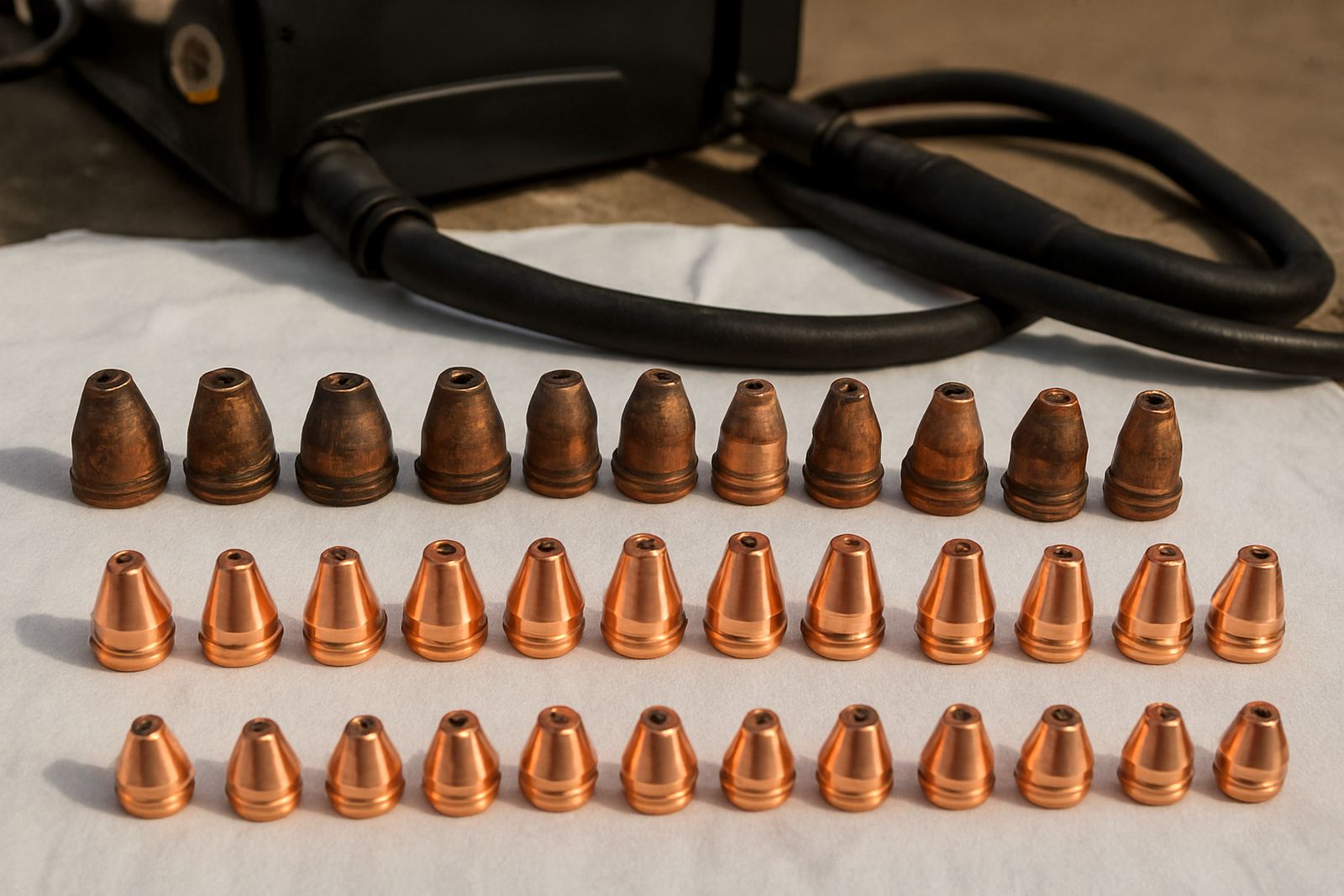
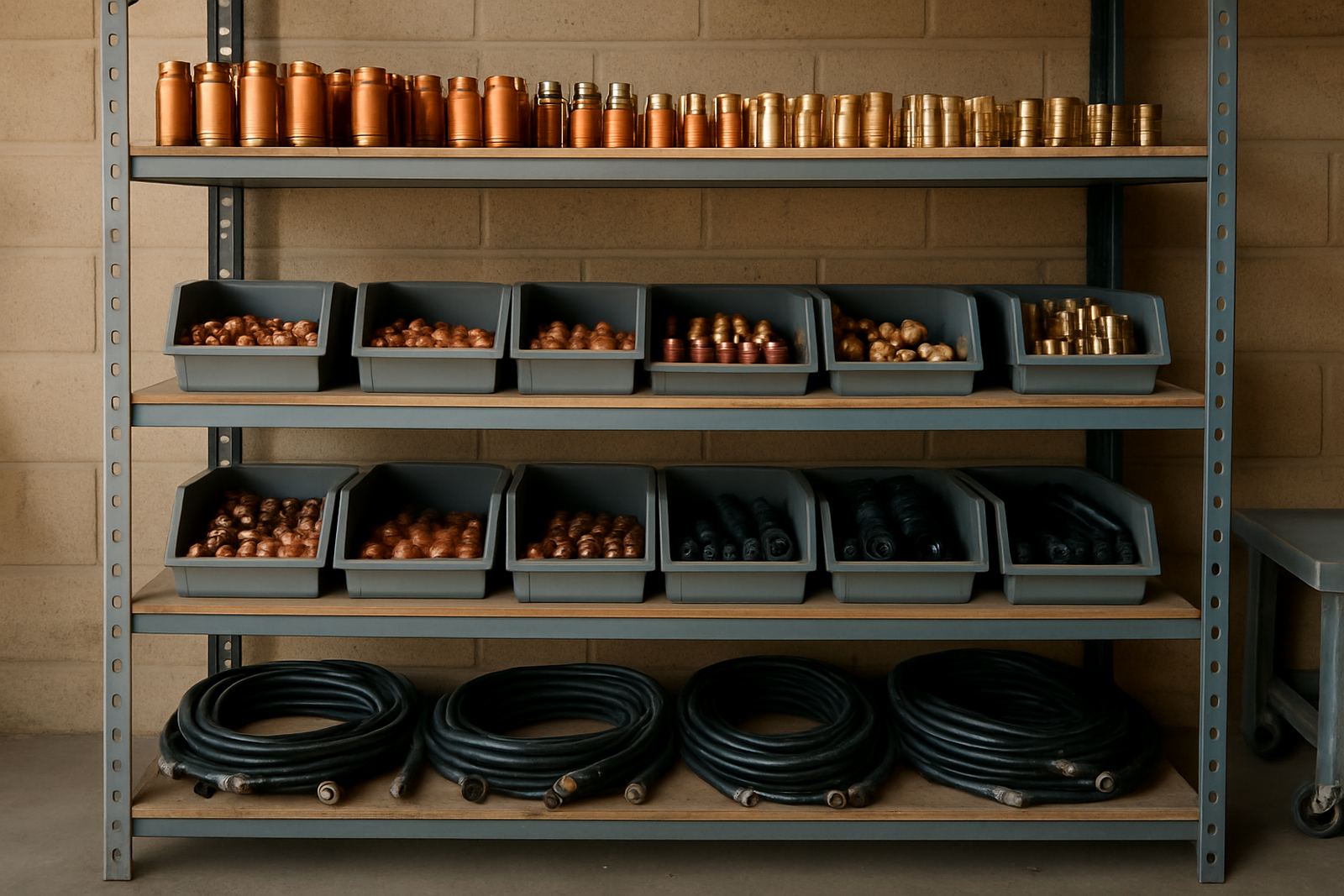
Different machines call for different wear parts, and correct matching matters even more where cutting runs for long shifts or where dust and heat build up around the torch. We supply common items for handheld and CNC systems, plus service consumables that help protect the power source and air delivery system.
- Electrodes, nozzles, swirl rings and shield cups
- Start cartridges, retaining caps and torch heads
- Torch leads, trigger switches and control cables
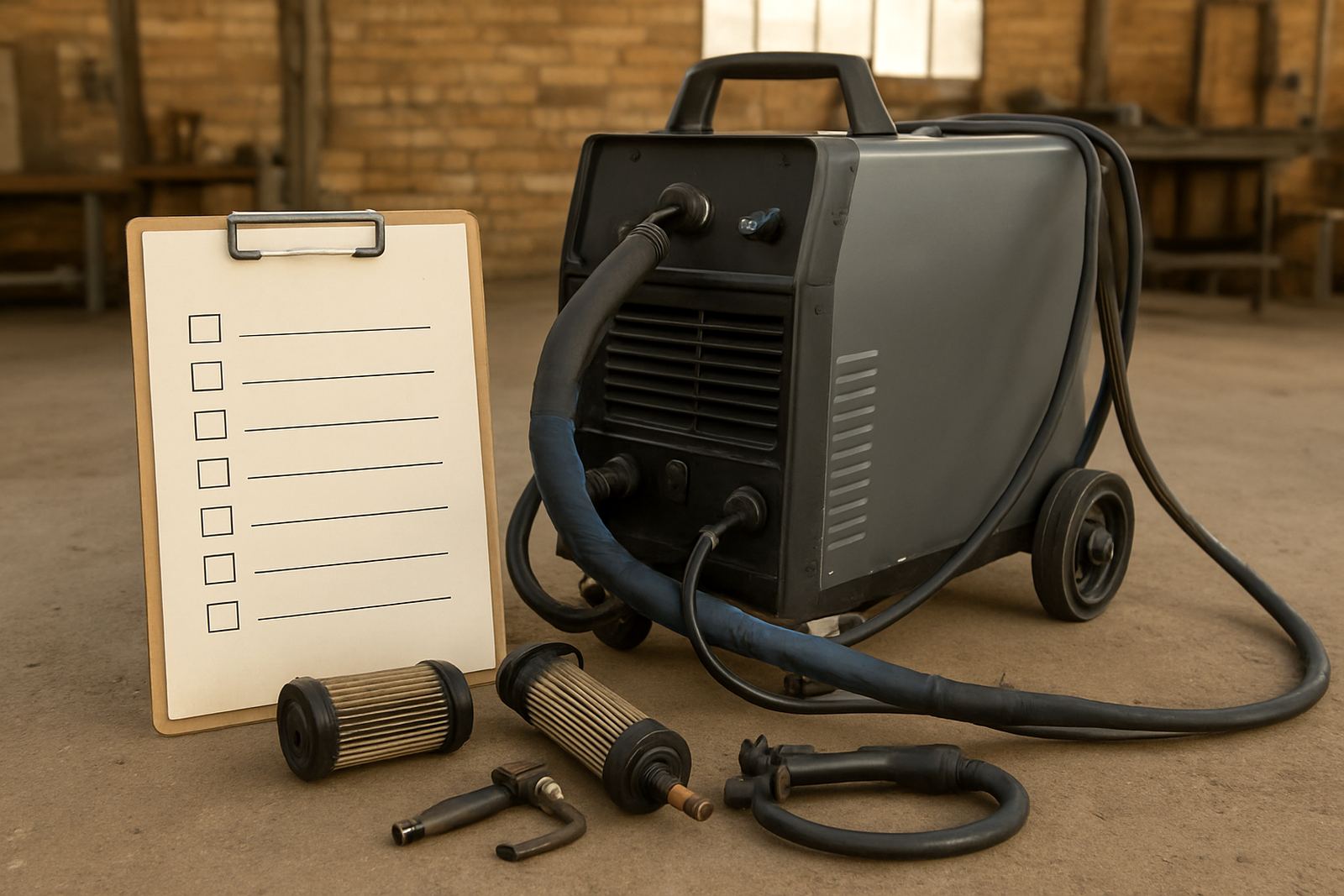
- Air filters, separators, regulators and moisture traps
- Height control support parts and sensor items for CNC tables
- Cooling and protection items, where fitted
- Contact tips, connectors and general service hardware
In coastal humidity or in workshops where compressors work hard, air quality becomes a real issue. Wet air shortens consumable life and can damage cut quality, so part supply often goes hand in hand with a check on filtration and air line condition.
How We Handle The Supply Process
Our process is straightforward. You send an enquiry through the contact form and include the machine details, torch type if known, the fault or wear pattern and, if possible, photos of the old parts. We then confirm the likely match, check availability and advise on suitable alternatives if the original item is no longer stocked.
- Step 1: identify the machine, torch and cutting current
- Step 2: confirm the worn or failed part against photos or samples
- Step 3: quote the part and any related items that should be replaced together
- Step 4: supply the parts or arrange collection, delivery or fitment with service work
This saves time on the back and forth that often happens when parts are ordered from a description alone. If a full consumable set makes more sense than one item, we will recommend that as well.
Turnaround Times And Stock Planning
Many high-use wear items are planned and held as part of normal workshop support, while some machine-specific pieces need to be ordered in. Common consumables can often be turned around quickly, especially when the machine model and torch type are clear from the start. Less common electrical or CNC support parts may need a longer lead time, particularly if they are tied to a particular controller, torch body or power source generation.
For shops affected by load-shedding or unplanned shutdowns, we suggest keeping a basic spare set on hand. A small stock can prevent lost production when a nozzle burns out in the middle of a job or a water trap fails on a Friday afternoon. Where usage is heavy, we can help set a reorder rhythm that fits your cut hours instead of waiting until the last item is finished.
Pricing Approach For Parts And Packs
Pricing depends on the part type, machine compatibility, whether the item is an original replacement or a suitable equivalent and how urgently it must be sourced. We keep the approach practical. You receive a clear quote before supply, with the option to buy single items, grouped service packs or parts linked to scheduled maintenance. There are no hidden extras and we explain when a cheaper item is not worth fitting because it may shorten torch life or affect cut quality.
For customers running regular production, bundling consumables with maintenance or service work can reduce downtime and limit repeat callouts. A torch that is drawing air poorly or running worn consumables will keep chewing through parts, so it often makes more sense to address the cause rather than replace one item at a time.
When To Replace Spares Before They Fail
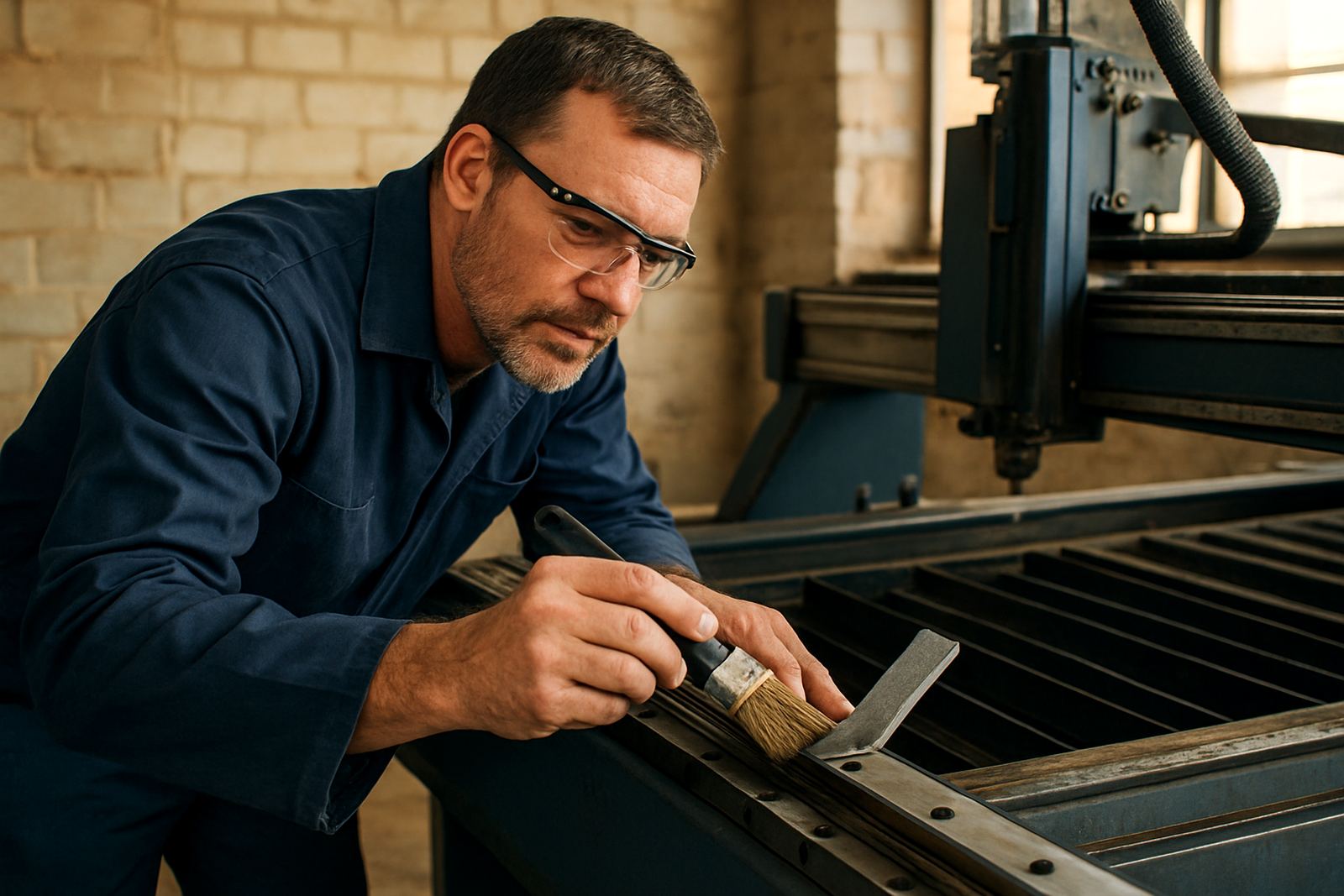
Good spares planning is not just about waiting for a breakdown. Some parts should be changed on an interval, especially where the machine works in dusty conditions, on long shifts or with inconsistent compressed air. Consumables are a normal wear item, but torch leads, air fittings, filters and sensor parts also need inspection before they start causing erratic cutting, poor arc starts or damage to the power source.
- Daily checks: consumables, torch body, air pressure and visible cable damage
- Weekly checks: moisture traps, filters, torch trigger response and cut edge quality
- Monthly checks: lead wear, connector tightness and height control response
- Quarterly checks: deeper inspection of air delivery, table condition and service items
In many Vereeniging and Gauteng workshops, the best results come from replacing small items before they cause a bigger stoppage. That approach is cheaper in the long run and keeps operators focused on production, not repairs.
Key facts
| Service focus | Replacement parts and support items for handheld and CNC plasma cutters |
|---|---|
| Base | Vereeniging |
| Service area | Gauteng and the Free State, including Vanderbijlpark, Sasolburg, Meyerton, Alberton, Germiston, Bloemfontein and Welkom |
| Part types | Consumables, torch parts, leads, filters, air system items and CNC support components |
| Turnaround | Same-day for common stocked items, longer for special-order parts |
| Pricing | Quoted per part, pack or service requirement after machine matching |