What Preventive Maintenance Covers in a Working Workshop
Preventive maintenance is a planned service, not a repair after the fact. We inspect the full cutting setup so small faults are caught before they become downtime, especially in shops running daily shifts, handling mixed plate thicknesses, or working through load-shedding with generators and backup power. For handheld units and CNC tables, the aim is the same: keep arc start quality stable, protect consumables, and hold cut accuracy across the job.
In Vereeniging, Vanderbijlpark, Sasolburg, Meyerton, Alberton, Germiston, Bloemfontein and Welkom, we see the same wear points again and again. Dust, metal fines, damp air on the coast and unstable compressed air all shorten service life. A proper schedule keeps the machine cleaner, cooler and easier to run for operators on the floor.
- Handheld plasma cutters and CNC plasma tables
- Single shift and multi shift production sites
- New installs and older machines in daily use
- Workshops with compressors, dryers, regulators and long hose runs
Checks We Carry Out on Handheld and CNC Systems
Every visit is based on the condition of the machine and how it is being used. We look at the cutting circuit, the air quality, torch condition, earth return, wiring, cooling and table movement where applicable. If a machine is starting harder than usual, cutting with heavy dross or tripping under load we trace the cause instead of only replacing parts.
Our inspections are practical and focused on the items that affect cut quality and uptime most. That includes nozzle wear, electrode condition, airflow consistency, torch alignment, guide motion, height control response and the condition of spares already in circulation. We also check for signs of heat damage, loose terminals and contamination from dust or moisture.
- Torch body, leads and trigger controls
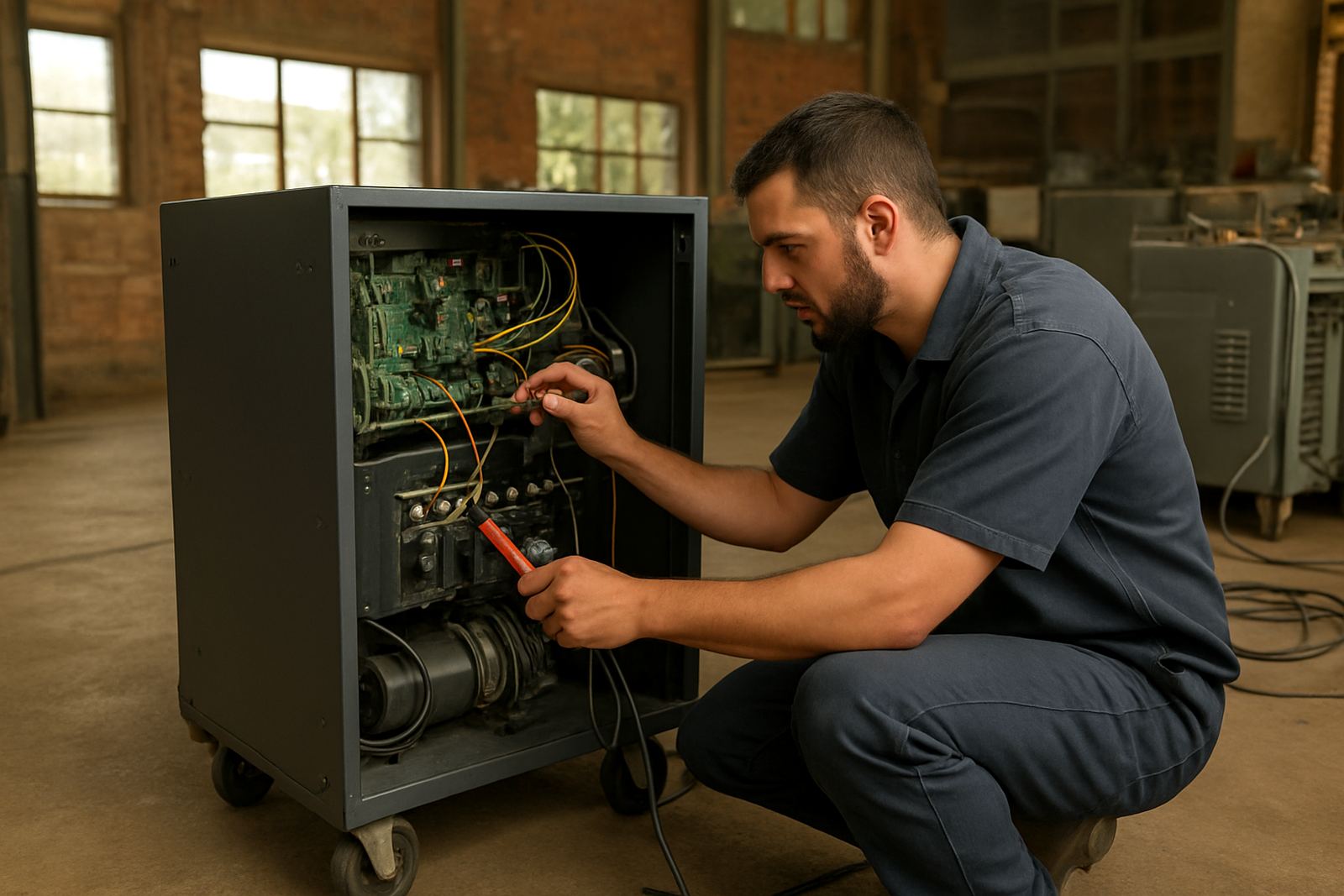
- Power source condition and internal connections
- Air pressure, filtration and moisture carry-over
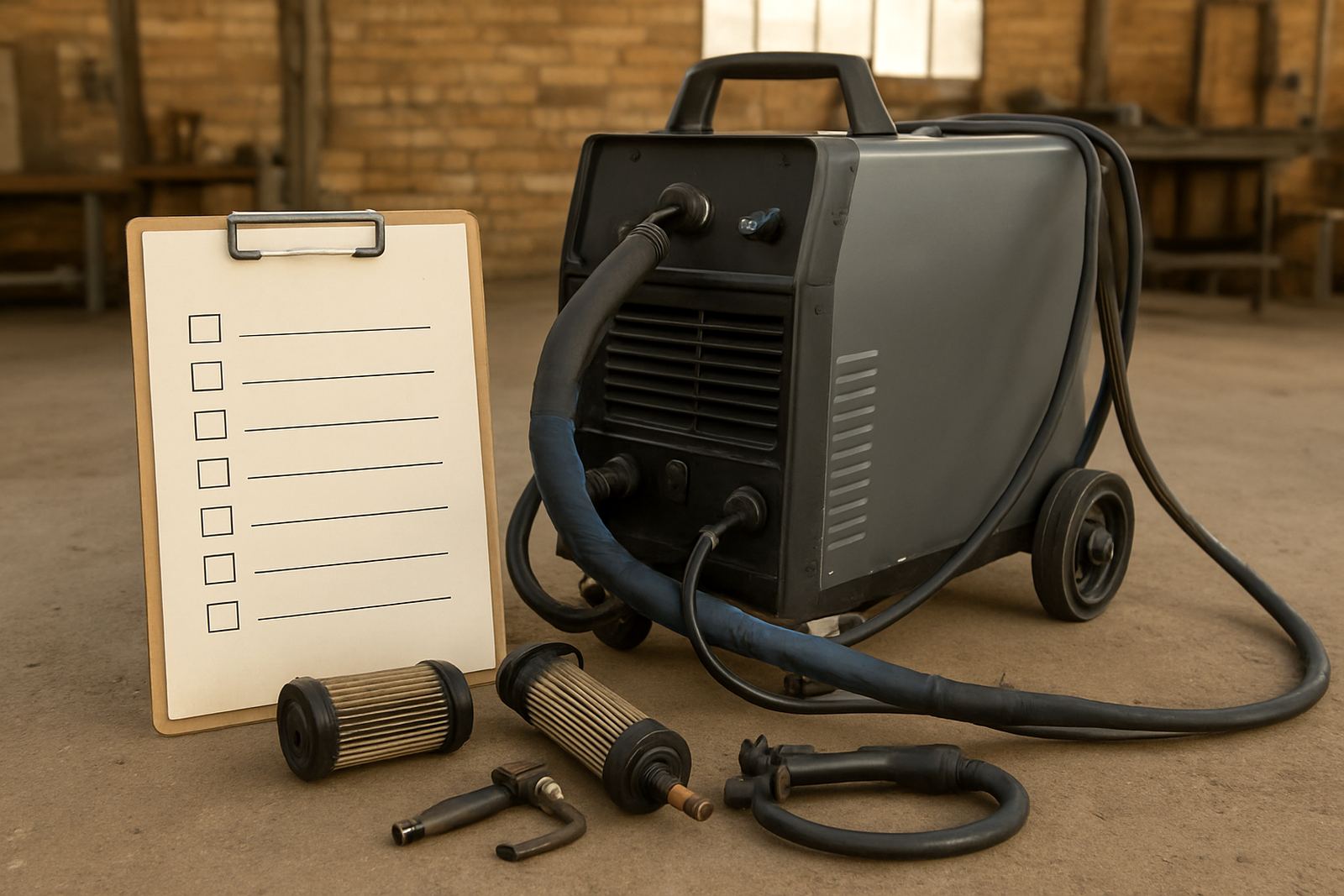
- Nozzle, electrode and shield wear patterns
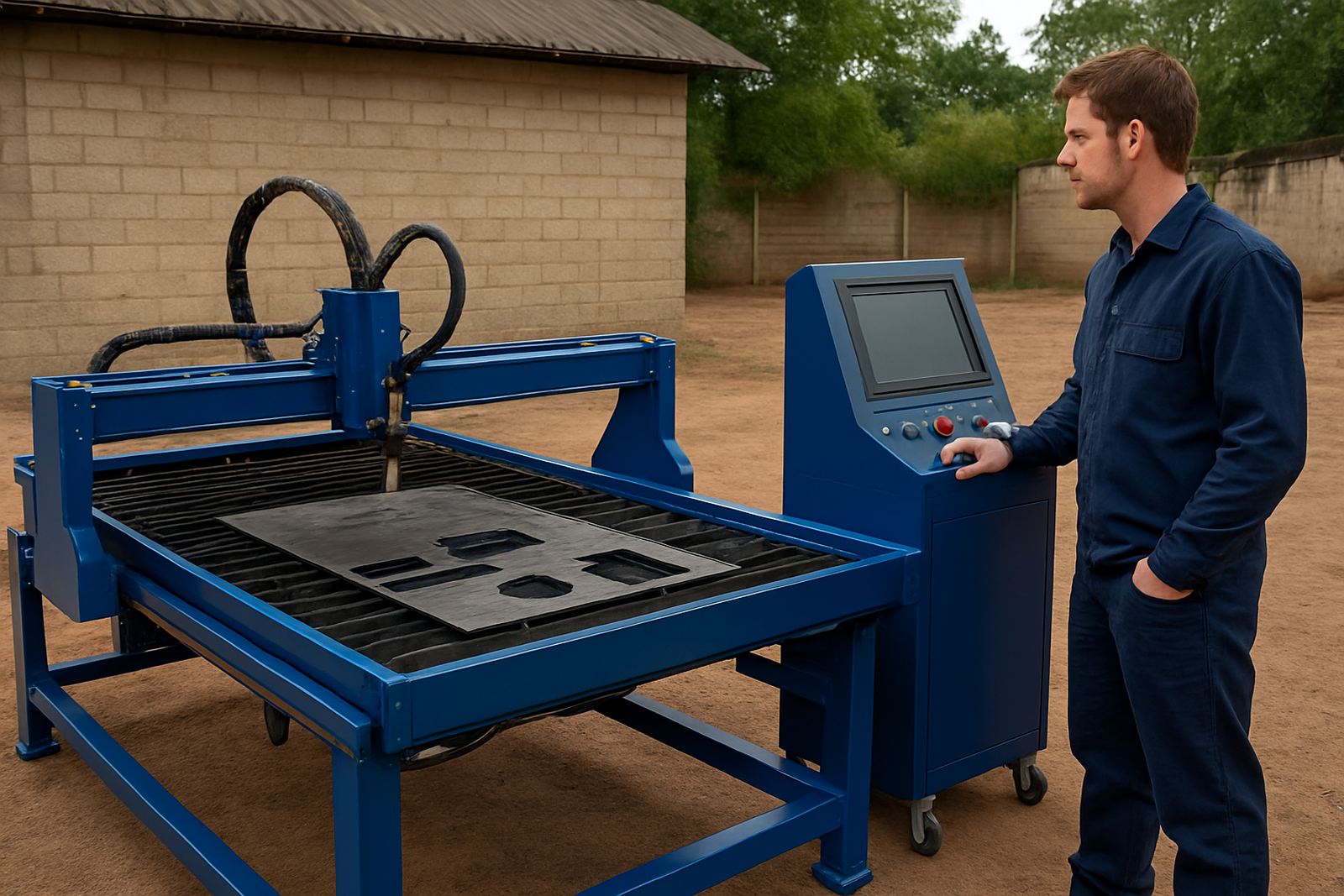
- CNC table movement, height control and cut surface consistency
- Earth clamp, return path and cable condition
How a Service Visit Is Done From First Inspection to Sign-off
We start with the machine history, the materials being cut and the faults the operator has noticed. Then we inspect the unit on site or at our Vereeniging base depending on the work required. Simple maintenance can often be completed during one visit, while deeper cleaning, calibration or parts replacement may need the machine to come in for a short period.
After the inspection, we clean and test the affected systems, replace worn consumables where needed and check the machine under load. For CNC units we confirm travel, torch height response and repeatability before handing the table back. If any issue is outside maintenance scope, such as a failed board or damaged torch head, we give a clear recommendation before more work is done.
- Book a site assessment or workshop booking
- Inspect the machine and note fault patterns
- Carry out cleaning, checks and minor adjustments
- Test cut or run under operating conditions
- Report findings and set the next interval
Turnaround Times for Planned Maintenance and Urgent Gaps
Turnaround depends on the size of the machine, the number of units on site and whether parts must be supplied. For routine preventive work we aim to minimise disruption to production and can often schedule around shift changes or quiet periods. If a machine is already overdue and showing signs of trouble, we will prioritise it so it does not fail during a busy run.
For workshops in Gauteng and the Free State, same-week site visits are often possible depending on travel and job load. Where a machine needs bench work, the time off-site is usually short because the fault was picked up before it caused major damage. That saves more money than waiting for a full breakdown and then trying to recover lost production.
- Routine site checks: usually planned to fit the workshop schedule
- Workshop maintenance: depends on parts and the condition found
- Calibration and test work: completed once the machine is clean and stable
- Repeat visits: set to match usage, dust levels and duty cycle
Pricing Approach That Fits the Machine, Not a Guess
We price preventive maintenance according to the machine type, how many units are due, the amount of testing needed and whether the visit is on site or at our base. This keeps the pricing fair for a small fabrication shop in Meyerton and also for a production line running multiple plasma sets in Germiston or Bloemfontein. Consumables and replacement parts are quoted separately if needed.
Because every workshop runs differently, we do not force a one-size-fits-all rate. A unit cutting mild steel sheet a few times a week needs a different maintenance schedule from a CNC table running daily on thick plate. You get a clear scope before work starts, with no hidden extras added later.
- Quoted by machine type and condition
- Separate pricing for labour, parts and consumables where needed
- Site work and workshop work priced differently
- Scheduled multi-unit visits can reduce total call-out cost
Service Intervals That Keep Downtime Under Control
Most active workshops benefit from a monthly visual check, with a fuller service every three to six months depending on hours run, dust levels and air quality. If the shop works in a humid area, runs long hose lines, or cuts hard every day, the interval should be shorter. Good intervals are less about the calendar and more about what the machine is doing.
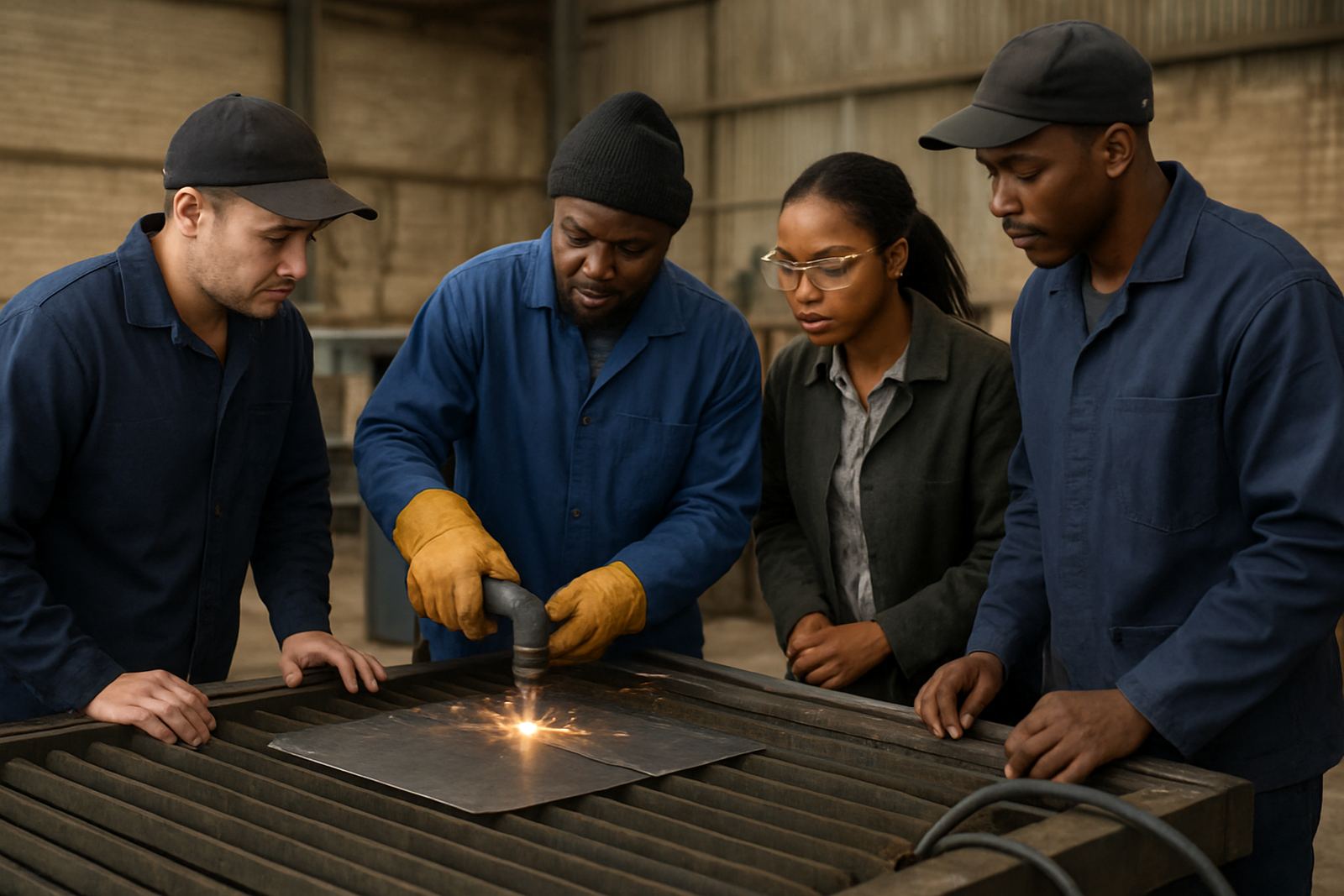
A practical rule is to inspect air quality and consumables often, then plan deeper maintenence before small faults spread into torch damage or power source strain. We can help set a schedule for one machine or a full workshop so the operator knows what gets checked and when. Marius van der Merwe and the team also support training where needed so the people on the floor can spot early warning signs before a breakdown.
- Monthly visual and consumables checks for busy sites
- Three to six month full maintenance on most units
- Shorter intervals for heavy duty, dusty or damp environments
- Scheduled checks after power interruptions or repeated fault trips
Key facts
| Service type | Preventive maintenance for handheld and CNC plasma cutting systems |
|---|---|
| Coverage | Vereeniging base with demos and servicing across Gauteng and the Free State |
| Typical interval | Monthly checks and full servicing every 3 to 6 months |
| Site or workshop | Available on site for checks and at base for deeper work |
| Key focus | Air quality, consumables, torch condition, height control, alignment and electrical health |
| Best for | Fabrication shops, automotive work, maintenance teams and production users |