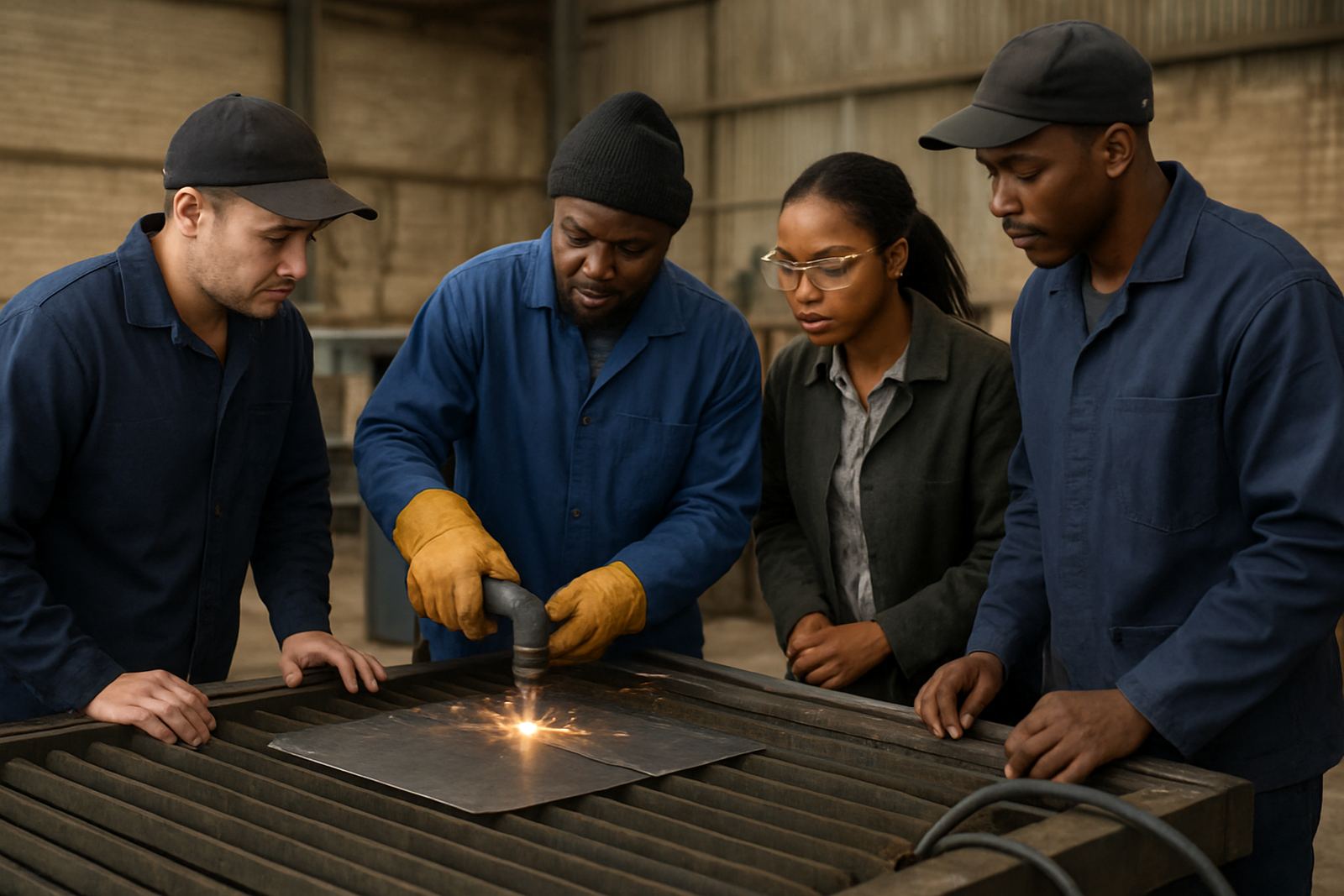
Hands-On Training For Real Workshop Conditions
Our operator training is built for South African workshops that need useful skills, not theory alone. We train new operators, refresher groups and mixed teams working with mild steel, stainless and aluminium, with sessions shaped around your machine, your material thicknesses and the way your workshop actually runs.
Training can take place at your premises or at our Vereeniging base, with demos and servicing support available across Gauteng and the Free State. We work with owners, supervisors and operators in Vereeniging, Vanderbijlpark, Sasolburg, Meyerton, Alberton, Germiston, Bloemfontein and Welkom.
- Machine start-up, shutdown and basic safety checks
- Setting amperage, air pressure and travel speed
- Understanding clean cut, dross and bevel issues
- Handling torch wear, consumables and routine care
What The Training Covers Step By Step
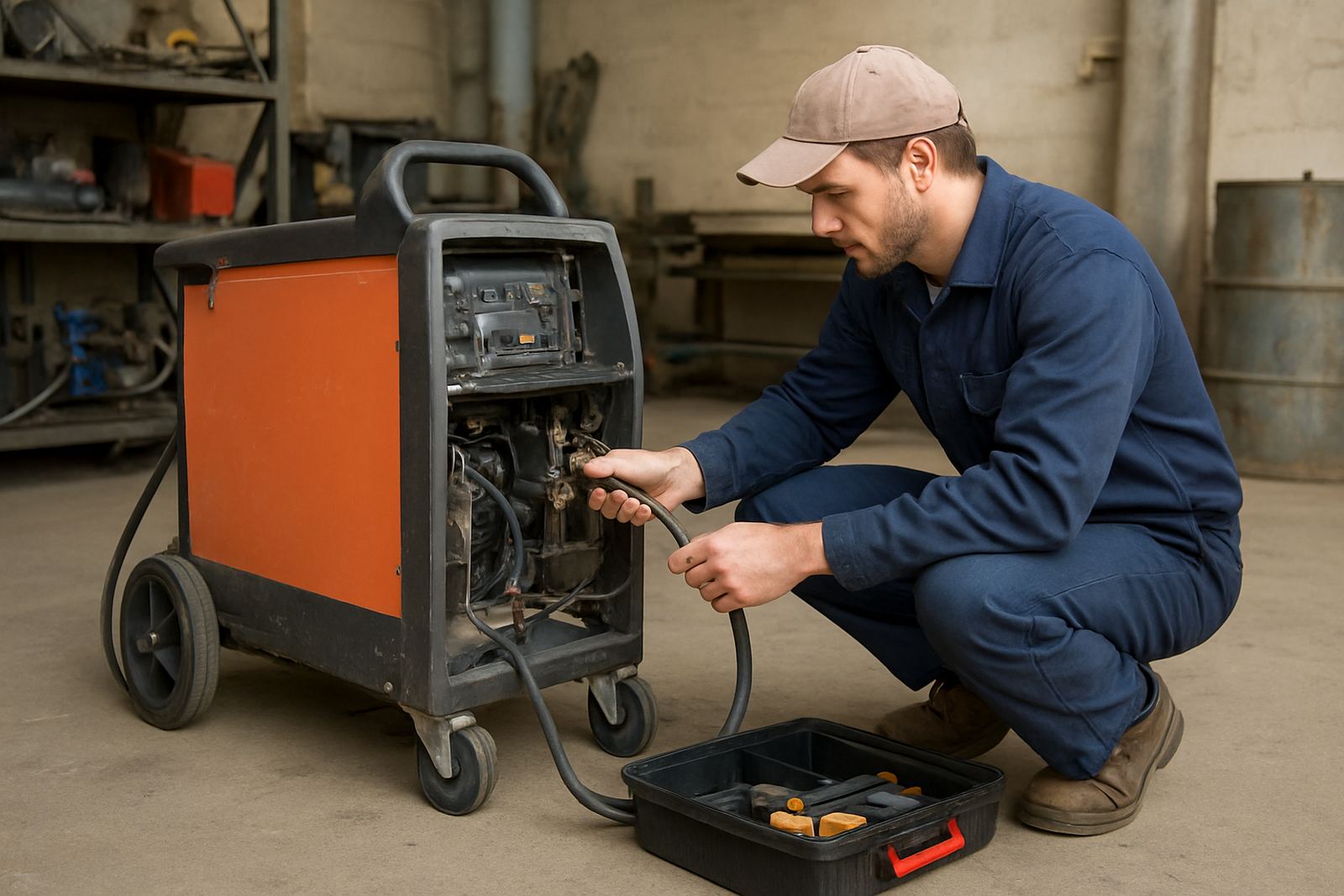
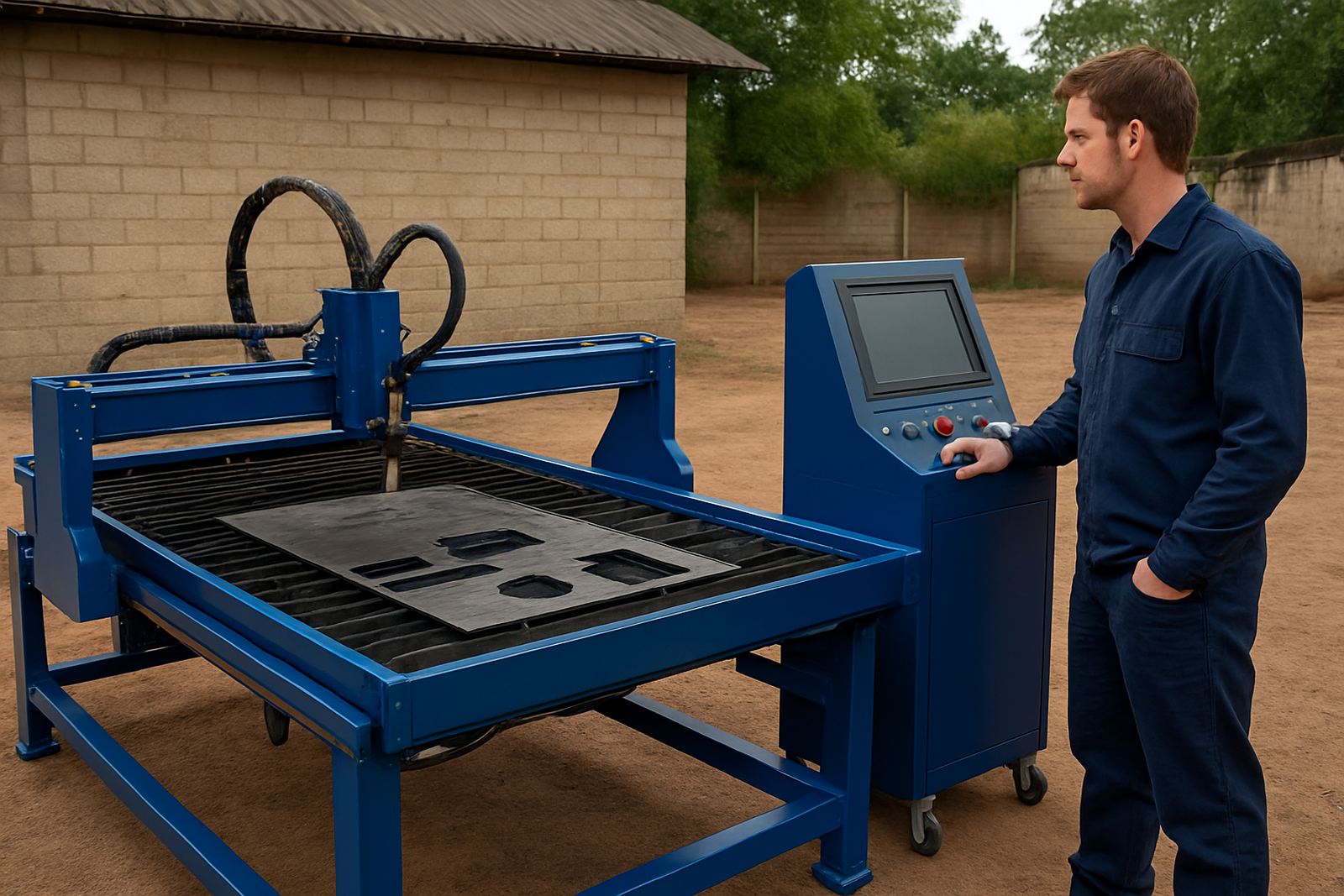
Each session follows a practical sequence so operators can move from setup to cutting with confidence. We start with the power source, torch, earth clamp, air supply and work area, then move into cut quality and fault finding. For CNC users, we include table alignment, height control basics, pierce height, cut height and simple program checks.
We also explain what changes when material gets thicker, when air quality drops, or when load-shedding and unstable supply affect workshop routines. Small issues such as wet compressed air, loose earth points or poor torch angle can change cut quality quickly, so we show operators how to spot these signs early.
- Safe lead handling and cable care
- Choosing the correct nozzle and electrode
- Cutting speed by thickness and material type
- Basic troubleshooting for poor arc starting
Operator Skills We Build During The Session
The aim is to help your team make cleaner cuts with less scrap and fewer stoppages. Good operator habits reduce torch damage, protect the power source and keep the machine running longer between services. This is useful for fabrication shops, automotive repair work, farm equipment repairs and small CNC production runs.
We keep the content clear and practical, with room for questions during the session. If your staff are new to plasma cutting, we focus on confidence and safe control. If they already have experience, we tighten up their cut quality, setup routine and maintenance checks.
- Recognising correct torch angle and standoff
- Reading cut edge quality and slag patterns
- Managing consumable life and replacement timing
- Preparing workpieces for better arc transfer
Training Process And What To Expect On The Day
Before training, we confirm the machine type, material range and the number of operators attending. We then plan the session around the work you do most often, whether that means sheet cutting, bracket work, repair jobs or CNC table production. If needed, we can combine training with a cut quality audit or a preventive maintenance visit.
During the session, our technical lead or training consultant will demonstrate each step first, then guide operators as they practise. We keep the pace steady and practical so the team can ask questions and repeat the tricky parts until they are comfortable.
- Pre-session call to confirm equipment and goals
- On-site or base-based training slot arranged
- Demonstration, hands-on practice and correction
- Wrap-up notes with key settings and care points
Turnaround, Booking And Pricing Approach
Training is usually scheduled as a half-day or full-day session depending on the number of operators and the level of detail required. Smaller teams often need only a few hours, while mixed handheld and CNC crews benefit from a longer session with extra practice time. For urgent starts, we try to fit in date options around breakdown work and site commitments.
Pricing depends on the machine type, number of attendees, travel distance and whether the session is at your premises or ours. We quote in a straightforward way so you know what is included before the booking is confirmed. If your workshop needs follow-up support, we can add a second visit for reinforcement or fault checks.
- Half-day or full-day options available
- Travel and site requirements quoted upfront
- Group training can lower the cost per operator
- Follow-up visits available where needed
Maintenance Intervals And Follow-Up Support
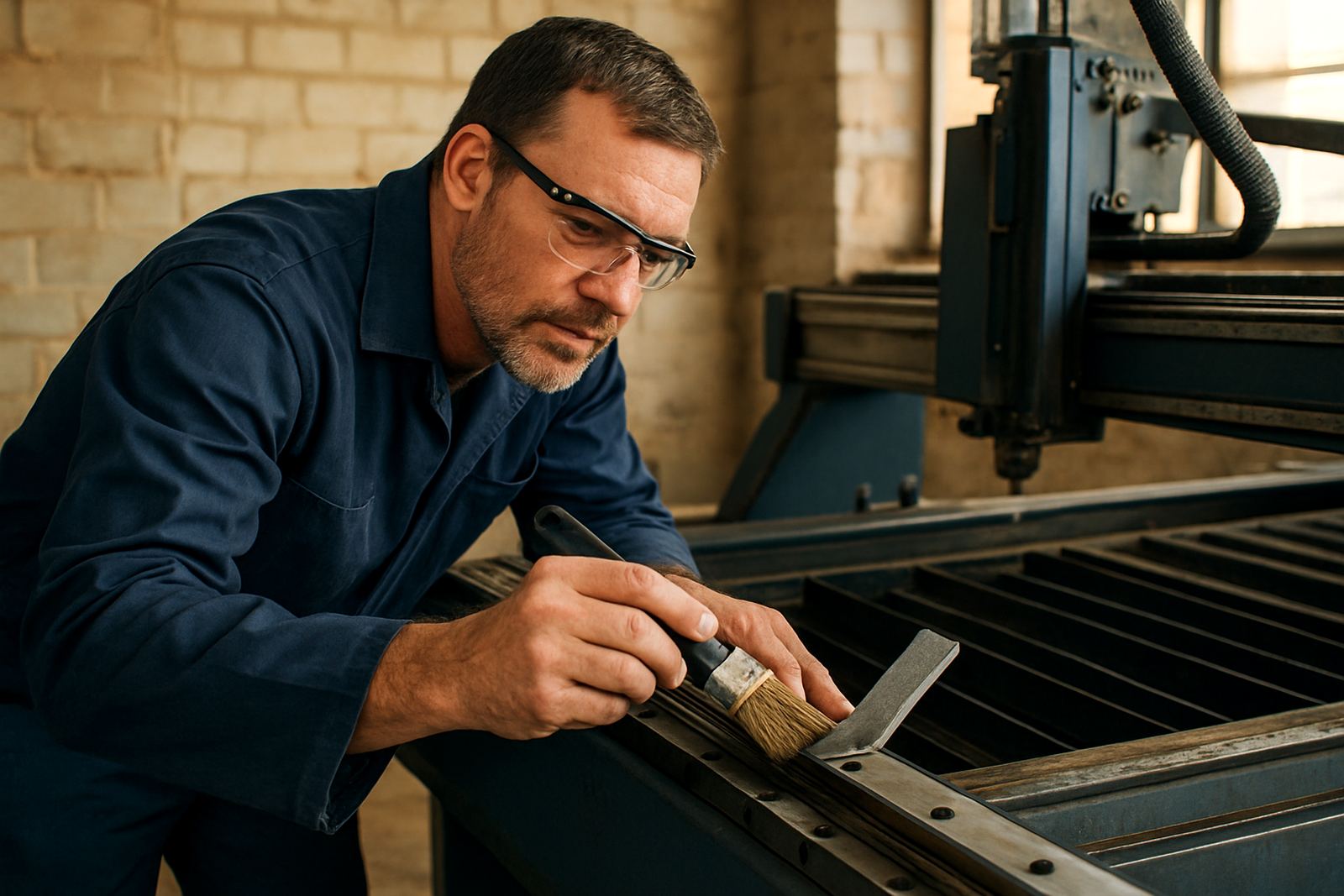
Operator training works best when it sits alongside regular maintenance. In most workshops, consumables should be checked weekly, air quality checked often, and torch condition reviewed before heavy jobs. CNC table users should also watch height control calibration, guide motion and cut bed condition so the machine keeps producing consistent results.
We recommend refresher training after major staff changes, after a new machine install, or when cut quality starts drifting. If operators are seeing more dross, rough edges or repeated arc starts, a short follow-up session can prevent avoidable wear and downtime. In humid coastal conditions and dusty inland workshops, a stricter check routine usually pays for itself quickly.
Our support team, including Marius van der Merwe, Kgomotso Mhlongo, Johan Botha, Phenyo Diale, Ruan Visser and Naledi Selebalo, helps customers arrange training, servicing and spares through the enquiry form on our contact page.
Key facts
| Session length | Half-day or full-day, based on machine type and team size |
|---|---|
| Training formats | At your premises in Gauteng and the Free State, or at our Vereeniging base |
| Equipment covered | Handheld plasma cutters and CNC plasma tables |
| Core topics | Setup, safe use, cut quality, consumables and basic troubleshooting |
| Group size | Best suited to 1 to 8 operators per session |
| Support after training | Refreshers, site follow-up, servicing and spares guidance |