What Our On Site Breakdown Call Out Covers
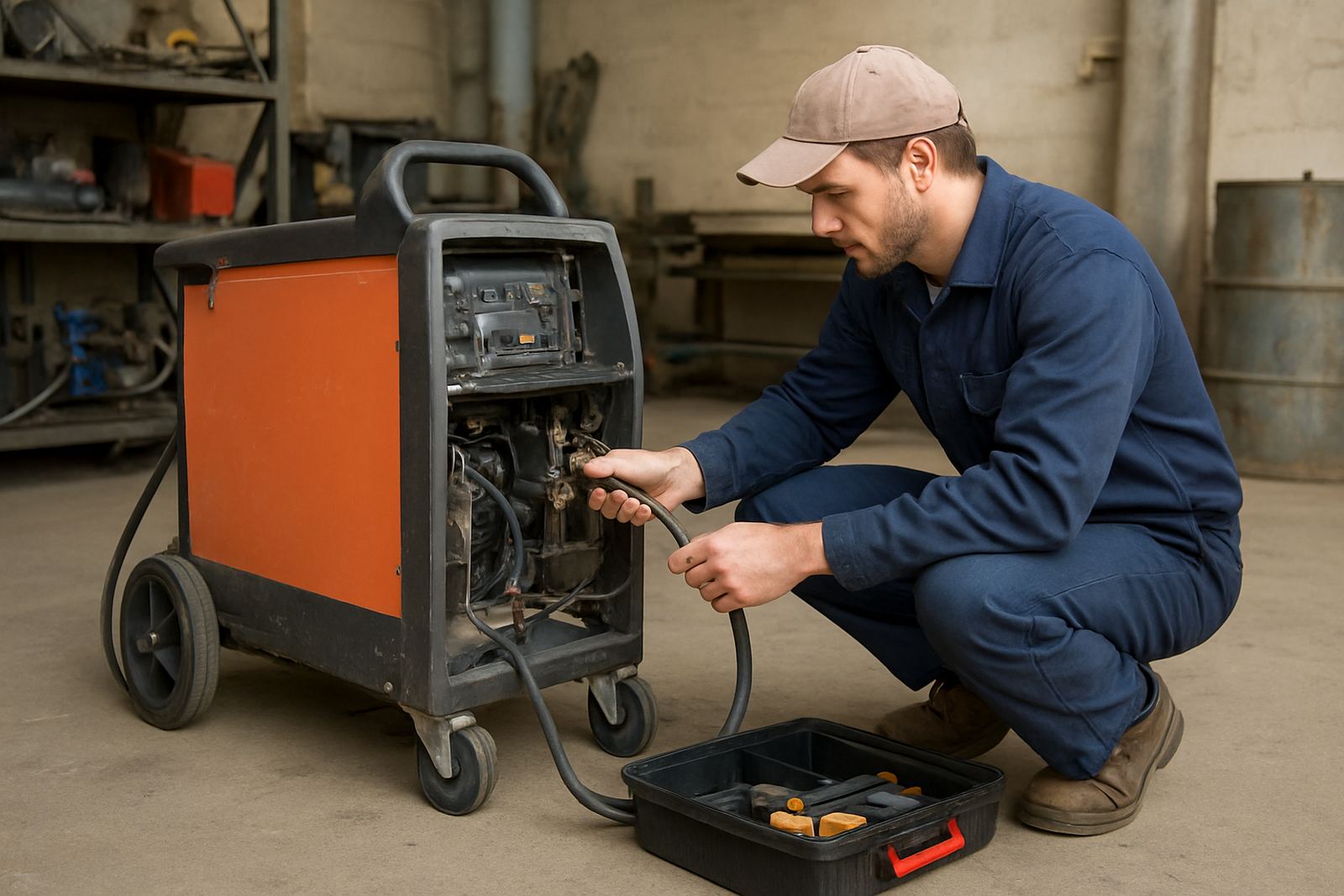
Our on site breakdown service is aimed at urgent plasma cutter faults that interrupt production, whether the machine is in a fabrication shop, a repair bay, or a small workshop handling one-off jobs. We attend to handheld plasma cutters and CNC cutting systems, and we work on issues that affect cut quality, arc starting, torch stability, height control, air supply and machine communication. If your output has stopped or the cut quality has dropped badly, we come prepared to identify the fault quickly and get the machine back into a usable state where possible.
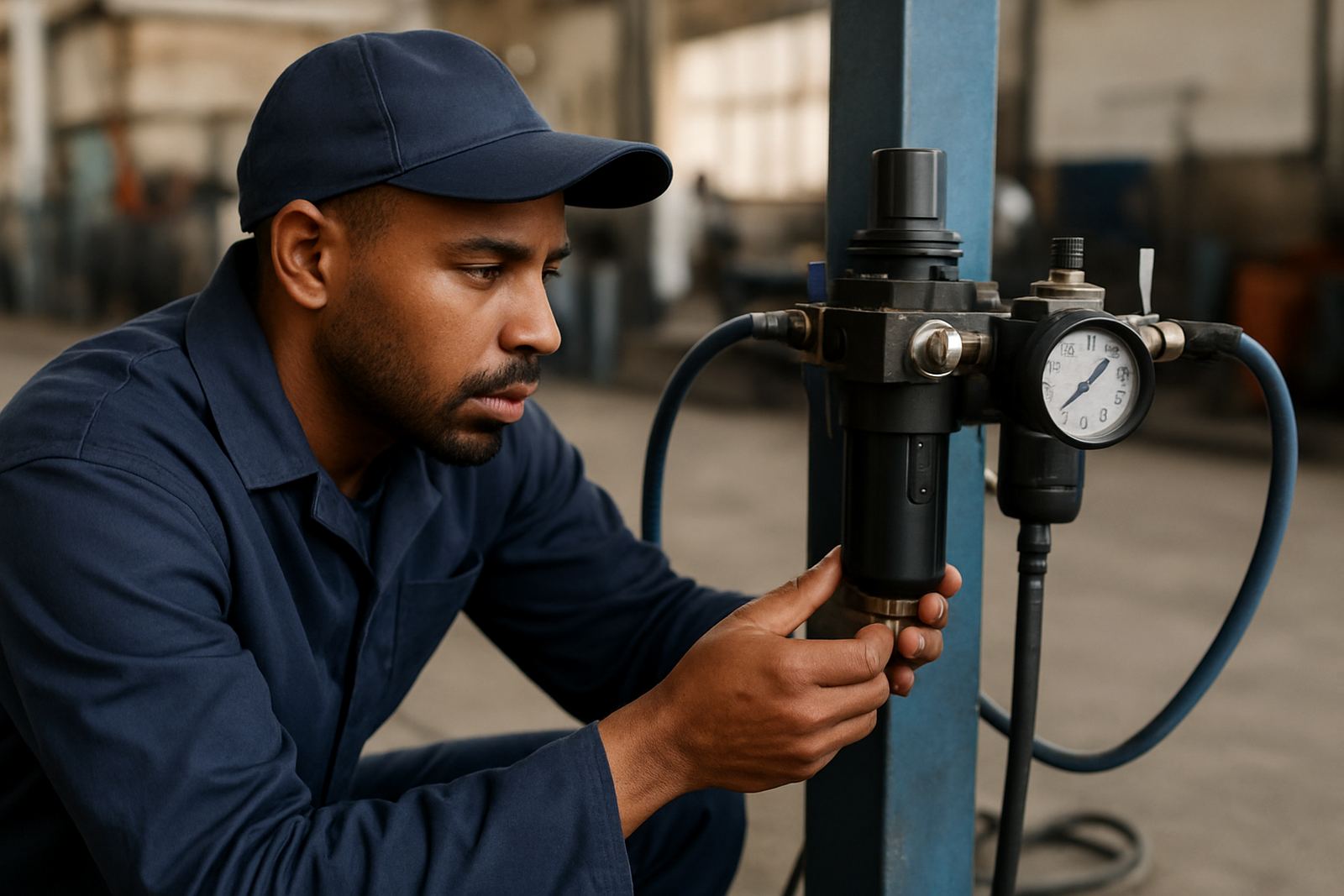
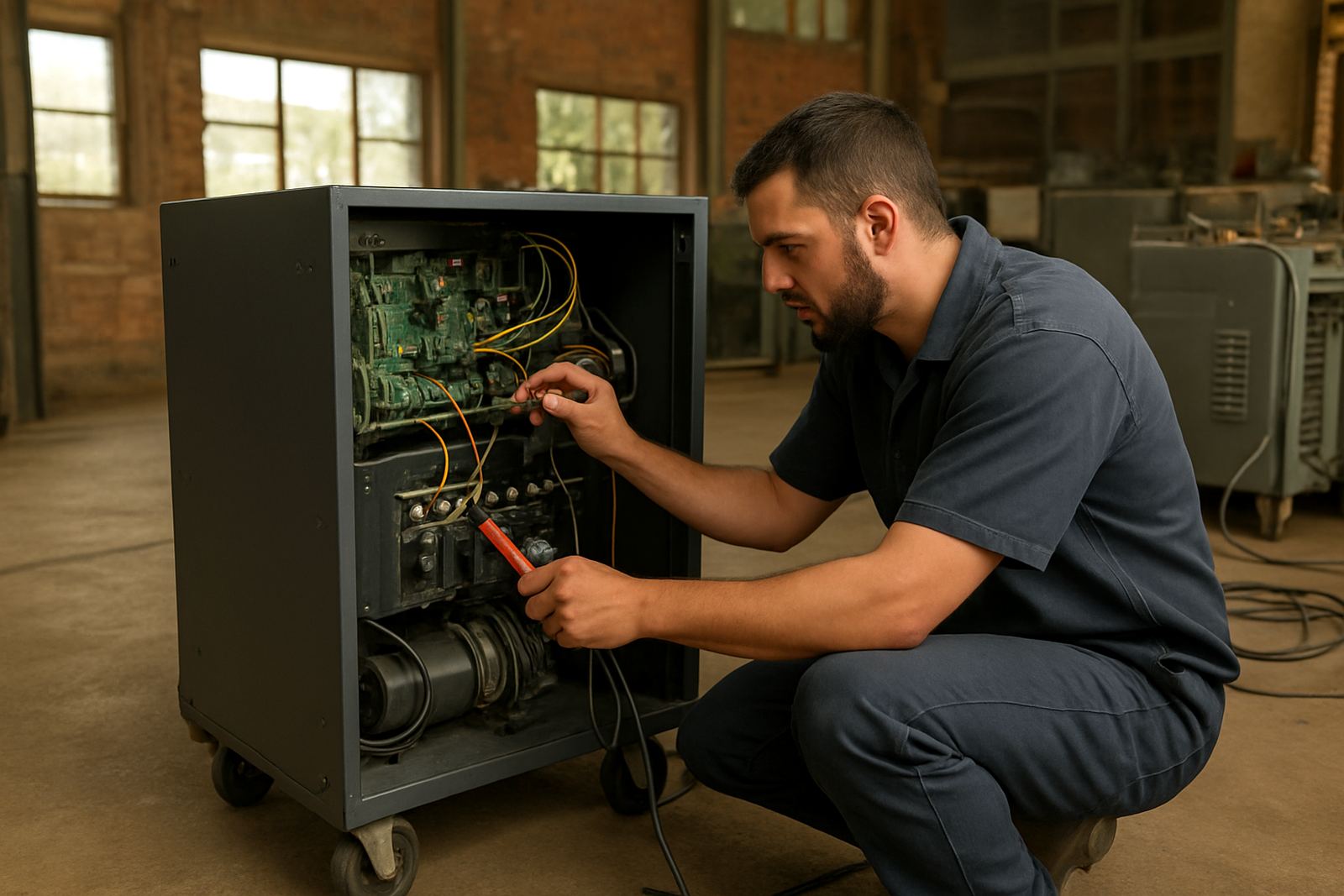
The service is practical and hands on. We inspect the machine, torch, leads, air line, consumables, power source condition and the cutting table setup if it is a CNC unit. We also check for problems caused by dust, heat, incorrect pressure, moisture in the air line, damaged torch parts, poor earthing and unstable power supply. In many cases the issue is not a single fault but a combination of wear and site conditions, so the first job is to separate the machine problem from the installation problem.
- Handheld plasma cutters for workshop and maintenance work
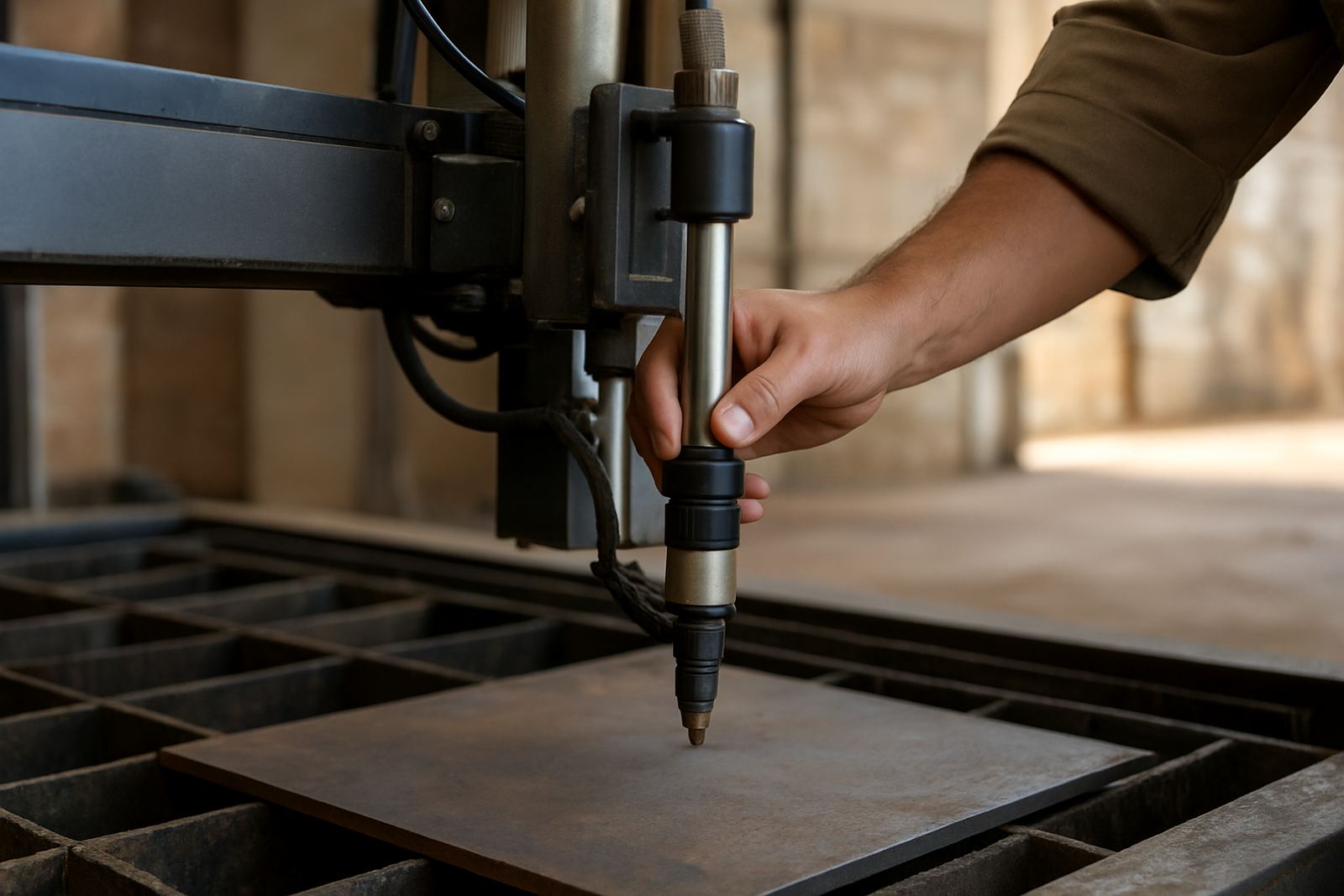
- CNC plasma systems, including table, torch and height control checks
- Air supply faults, moisture issues and consumables wear
- Breakdowns caused by power quality, overloads or poor earthing
- Cut quality loss, misfires, unstable arc and incomplete pierces
How We Handle An Urgent Breakdown Call
Once you send an enquiry through the contact page, our team gathers the basic fault details before dispatch. We ask what the machine is doing, what changed just before the failure, whether the fault is on every cut or only on certain thicknesses, and if the problem affects one torch or the full system. That helps us arrive with the likely spares, test gear and the right technician for the job.
On site, we follow a clear process: safety isolation, fault finding, functional testing, repair or temporary recovery, then a final cut test. If the problem can be solved on the spot, we will do that. If the machine needs workshop repair or a special part, we isolate the failure accurately so you are not guessing later. That saves time and prevents repeat call outs. In Vereeniging and nearby industrial areas we often work on site, and we also support sites in Alberton, Germiston, Sasolburg, Meyerton, Bloemfontein and Welkom when the job is urgent enough to justify travel.
- Fault intake from the enquiry form
- Site assessment and safety check
- Machine, torch and air system diagnosis
- On site correction where possible
- Cut test and handover notes
What We Check During The Visit
A plasma cutter can fail for simple reasons or for faults buried deeper in the power source and control system. We inspect the items most likely to cause downtime in South African workshops, especially where dust, winter condensation, coastal humidity or load shedding conditions have a habit of affecting equipment. On CNC tables we also check whether the machine is actually cutting at the programmed height and speed, because a good power source can still produce poor results if the motion system is out of tolerance.
We commonly test and inspect:
- Torch condition, leads and trigger circuit
- Consumables wear, alignment and fitment
- Air pressure, filtration and moisture contamination
- Height control response and torch standoff on CNC units
- Power source alarms, output stability and start circuit behaviour
- Earthing, work clamp condition and table contact points
If there is evidence of repeated overheating, we also look at duty cycle use versus actual cutting pattern. A 60% duty cycle machine pushed too hard on thick plate will often fail earlier than expected, especially in warm shops or in enclosed cutting bays with poor airflow.
Turnaround And Recovery Time
For urgent breakdowns, turnaround depends on access, fault complexity and whether parts are immediately available. Simple issues such as blocked air lines, worn consumables, loose connections or misadjusted height control can often be resolved during the visit. More involved faults may need a second step, for example replacing a torch component, testing a power board or taking the unit for deeper repair at our Vereeniging base.
We aim to reduce downtime first, then improve reliability. If a machine is repaired on site, we still recommend a follow up check once it has been put back under normal production load. That is especially important for CNC equipment where a temporary fix can hold during the first test but fail again when cutting thicker material or running longer shifts. For busy workshops we can also schedule the next maintenance visit before the team returns to full production, which helps keep the machine from falling into the same fault pattern.
Where a site is running production under pressure, we will give a straight answer on whether the machine should keep cutting, be limited to lighter work, or be removed from service until repairs are complete. That keeps your operators from making things worse while trying to finish a job.
Pricing Approach For Breakdown Work
We price breakdown work according to the real job requirements, not a one size fits all figure. The final cost depends on travel distance, time on site, the complexity of the fault, whether spares are needed and whether the machine can be recovered immediately or must be repaired later. This is the most practical approach for field service because a torch issue in Vanderbijlpark is not the same as a control fault on a CNC table in Bloemfontein.
Before work continues we explain the likely repair path, including any parts that may need ordering. If the problem is straightforward, you get a clear service charge and repair estimate. If a deeper fault is found, we stop, report back and agree the next step. That way you stay in control of the spend and do not get a surprise bill after the fact. For repeat clients and maintenance plans, breakdown support can also be tied into scheduled servicing so the total cost of downtime stays lower over time.
Keeping Breakdowns From Returning
Many plasma cutter failures are linked to preventable wear. A machine that is serviced at the right interval will usually give better cut quality, fewer nuisance trips and more predictable consumable life. In workshop conditions we normally recommend preventive inspection every 3 to 6 months, depending on daily use, cutting amperage and dust levels. High output CNC operations or sites with long shifts may need closer checks, especially if the machine runs near its rated duty cycle for much of the day.
Good maintenance intervals usually include consumables checks, air system inspection, torch care, cable inspection, height control calibration and a general review of cut quality. If your workshop is prone to load shedding or generator changeovers, it is worth checking the power source more regularly too. Sudden voltage changes can shorten component life and create faults that look minor at first but become expensive later. A few small checks can save a full shutdown, and it keeps operators from chasing the same fault every month.
- 3 to 6 monthly maintenance for regular workshop use
- More frequent checks for heavy CNC production
- Extra inspection after power disruptions or generator use
- Follow up on recurring alarms or unstable arc starts
Key facts
| Service area | Vereeniging, Gauteng and the Free State, including Vanderbijlpark, Sasolburg, Meyerton, Alberton, Germiston, Bloemfontein and Welkom |
|---|---|
| Machine types | Handheld plasma cutters and CNC plasma cutting systems |
| Faults covered | Arc start failure, poor cut quality, height control issues, torch faults, air supply problems and power source breakdowns |
| Response method | Field diagnosis first, then on site correction or workshop repair recommendation |
| Typical maintenance interval | Every 3 to 6 months, depending on usage and site conditions |
| Business base | Vereeniging |
| Support contact | Enquiry form on the contact page |