Why height control calibration matters on CNC plasma tables
On a CNC plasma table, torch height is not just a number on the screen. If the torch runs too low, you get more dross, faster nozzle wear and a greater risk of striking the plate. If it runs too high, the arc stretches, edge angle worsens and fine detail suffers. Correct calibration helps the system follow the material at a steadier standoff, which is especially useful on long runs, warped plate and sheet that has been stored in damp sheds around the Vaal or Free State industrial areas.
We calibrate systems used in steel fabrication, repair work, signage, farm equipment, truck body repairs and general jobbing shops. The aim is practical: cleaner starts, steadier arc transfer and more repeatable cut quality across mild steel, stainless steel and aluminium where the machine and consumables are suited to the work.
What is included in the calibration service
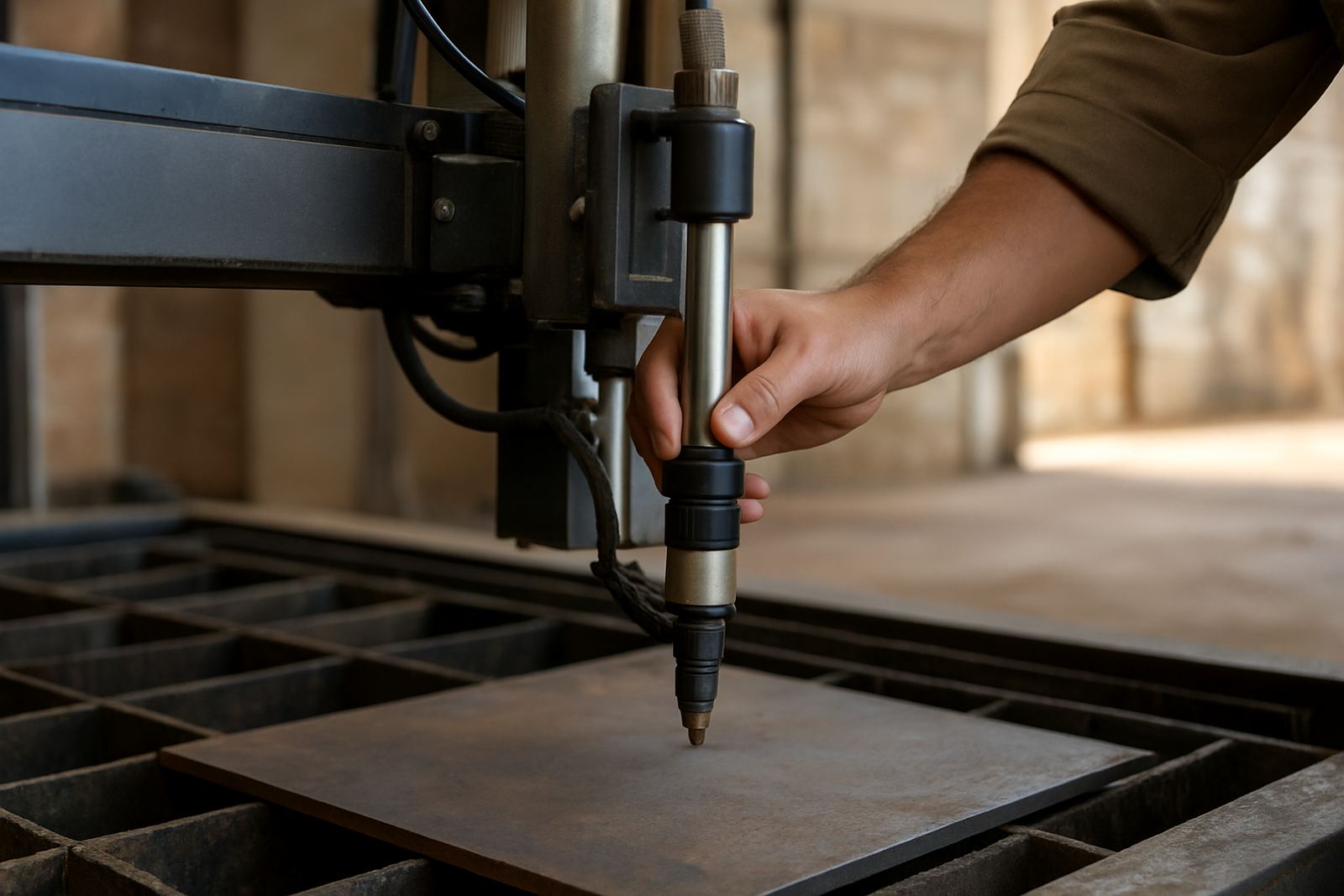
Our height control calibration service is more than a quick touch-up. We check the motion path, confirm the sensing method, inspect the torch mount and set the system so the cut height follows the material properly during the pierce and cutting cycle. Where needed, we also look at related issues that can throw the settings off, such as loose brackets, dirty guide rails or unstable air supply. In many cases a machine that seems to be "cutting badly" has a height control issue at the root.
- Initial inspection of the CNC torch mount and height control unit
- Calibration of pierce height, cut height and travel response
- Verification of torch liftoff and anti-collision clearances
- Check of signal response, cable condition and sensor alignment
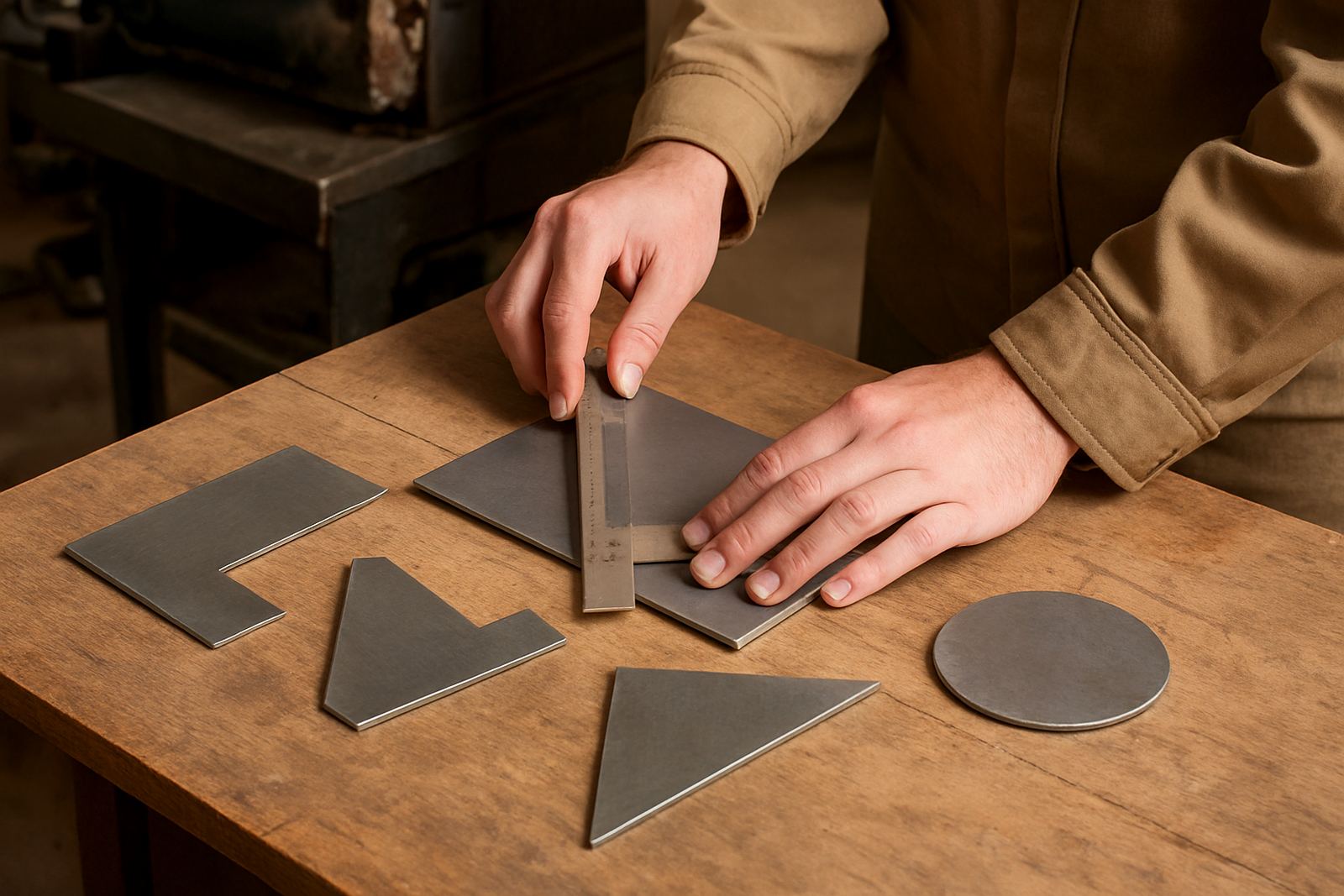
- Test cuts on sample material and final adjustment where required
- Simple handover notes for the operator or supervisor
Our step-by-step calibration process
We start with a machine check and a short discussion about the cuts you are trying to achieve. That includes plate thickness, whether the table is used for production or repair work, and what problems the operator has noticed. We then inspect the torch axis, height sensing method and control settings, and we confirm that the air supply is clean, dry and steady. If the compressor is cycling badly or the moisture trap is full, height control results will suffer no matter how carefully the settings are adjusted.
Once the basics are in order, we set the pierce and cut heights, confirm the delay settings and run sample cuts. For machines with consumable wear or surface rust on the plate, we may need a second pass to fine-tune the result. Before we leave, we show the operator what to watch for during day-to-day use so the settings do not drift again after a few busy shifts.
- Machine and torch assessment
- Air system and power stability check
- Parameter setting and calibration
- Test cutting and edge review
- Operator handover and recommendations
Turnaround, support and on-site work
Turnaround depends on the condition of the machine and whether the issue is limited to settings or includes worn parts, cable damage or air quality problems. Simple calibrations can often be completed in a single visit. If the table needs more work, we will explain what must be done first and what can wait. For customers in Vereeniging, Vanderbijlpark, Meyerton and Sasolburg, we often schedule site work around production hours so the table is not down longer than necessary.
We also handle on-site breakdowns across Gauteng and the Free State, including Alberton, Germiston, Bloemfontein and Welkom. That matters for shops working around load-shedding or tight delivery dates, because a machine that is slightly out can quickly become a machine that is wasting plate and consumables. If the table is already open for maintenance, calibration is often best done at the same time as a preventive service.
Pricing approach and what affects the quote
Our pricing is based on the machine type, the access needed, the condition of the height control system and whether the job is a basic calibration or a full fault-finding visit. We do not quote a fixed figure before seeing the table because a light adjustment on a well-kept CNC setup is different from a system with worn guide components, damaged wiring or moisture-related problems. If replacement parts are needed, we will separate labour from spares so you can make a clear decision.
For many customers, the best value is to combine calibration with a preventive maintenance visit, consumables checks or CNC table servicing. That reduces repeat call-outs and gives a better result over time. We are practical about cost because most shops want reliable cutting, not unnecessary work.
- Machine model and torch system
- Site access and travel location
- Condition of sensors, cables and mountings
- Need for test cuts or fault repairs
- Any parts or consumables supplied
Maintenance intervals for steadier cut quality
Most CNC plasma systems benefit from height control checks every 3 to 6 months, depending on hours run, dust levels and how often the table is moved or retooled. Shops running daily production, especially in warmer or more humid areas, may need checks sooner. In coastal humidity the air system can carry more moisture, while in workshop environments with heavy grinding dust the sensor area and torch mount can shift out of spec faster than expected.
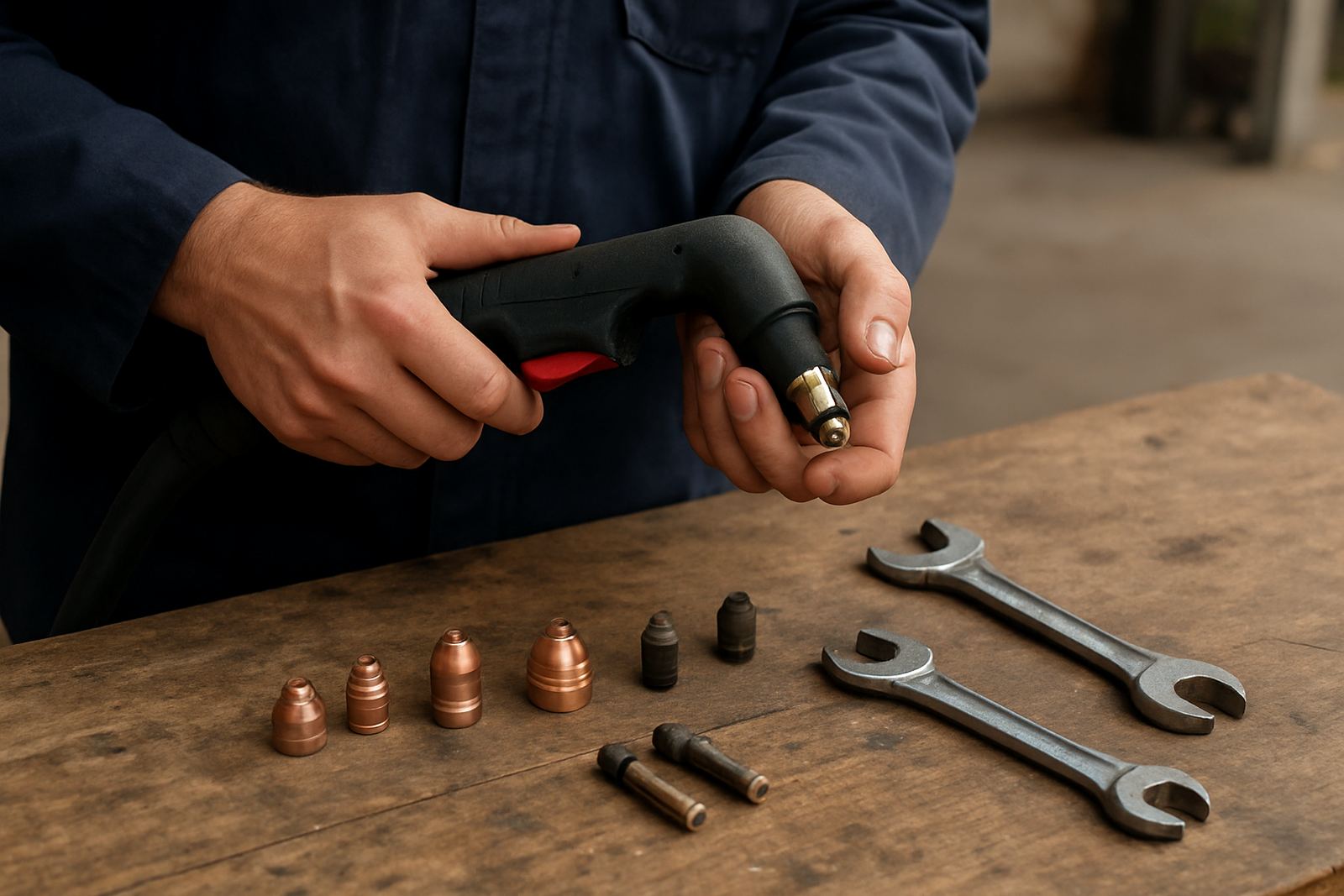
As a rule, book a calibration whenever you notice more dross, more nozzle wear, inconsistent pierce results or a change in arc sound. It is also sensible after a torch collision, a power interruption, a control board change or a major service. Keeping the torch at the correct height helps protect consumables and gives the operator a better baseline for repeat work.
Who handles your calibration work
Our Vereeniging team supports customers from first enquiry through to the final test cut. Marius van der Merwe oversees the business, with Kgomotso Mhlongo handling sales support, Johan Botha leading technical work, Phenyo Diale coordinating customer support, Ruan Visser handling field service and Naledi Selebalo assisting with training and demos. That mix means the person on site is backed by people who know the machine, the job and the practical pressures of a South African workshop.
Whether you run one table or a small production cell, we help set the machine up so the operator is not fighting the settings every shift. If the issue is only calibration, we keep it simple. If the system needs a deeper look, we say so clearly and show you the next steps.
Key facts
| Service type | Height control calibration for CNC plasma systems |
|---|---|
| Base area | Vereeniging |
| Service regions | Gauteng and the Free State, including Vereeniging, Vanderbijlpark, Sasolburg, Meyerton, Alberton, Germiston, Bloemfontein and Welkom |
| Typical interval | Every 3 to 6 months, or sooner if cut quality changes |
| Common table sizes supported | Small workshop tables up to larger production CNC beds |
| Related checks | Torch mount, signal response, air quality, pierce height, cut height and test cuts |