What Our Torch Repair Service Covers
Torch faults often start small. A cracked body, a tired lead, a loose connector or a worn nozzle can cause poor arc transfer, rough edges and extra dross on mild steel, stainless steel or aluminium. Our torch repair service focuses on the full torch assembly so the fault is traced properly, not guessed at. We work on handheld torches and CNC torch heads used in metal fabrication, repair shops and automotive work.
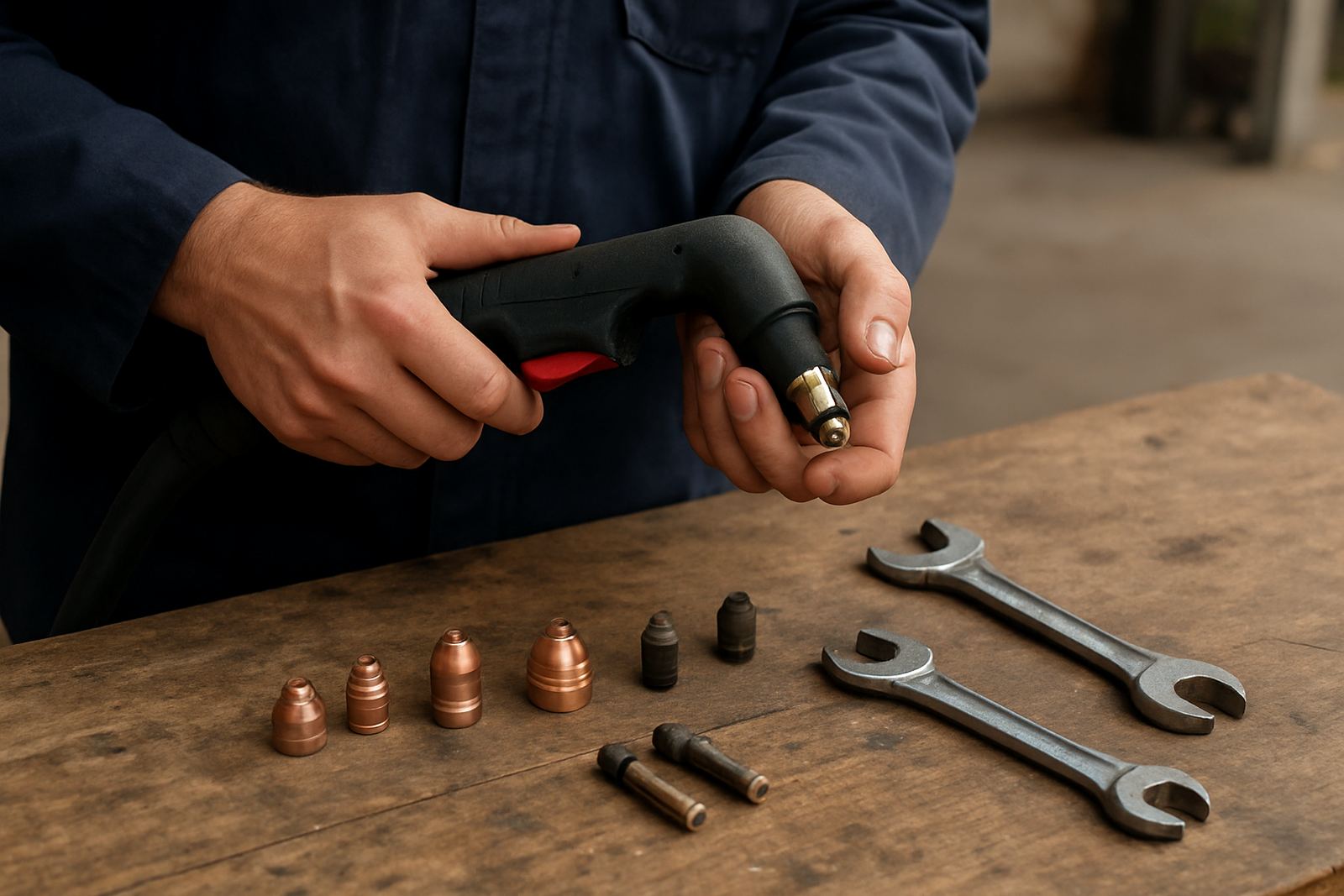
The service covers inspection and repair of the torch body, trigger or switch assembly, lead set, swirl ring, retaining head, electrode seat and front-end consumables area. If the torch has been dropped, crushed under scrap or damaged by heat and spatter, we check alignment, insulation condition and mechanical fit before any parts are refitted. That helps prevent repeat failures and costly down time.
- Torch body crack and insulation inspection
- Lead continuity and strain relief checks
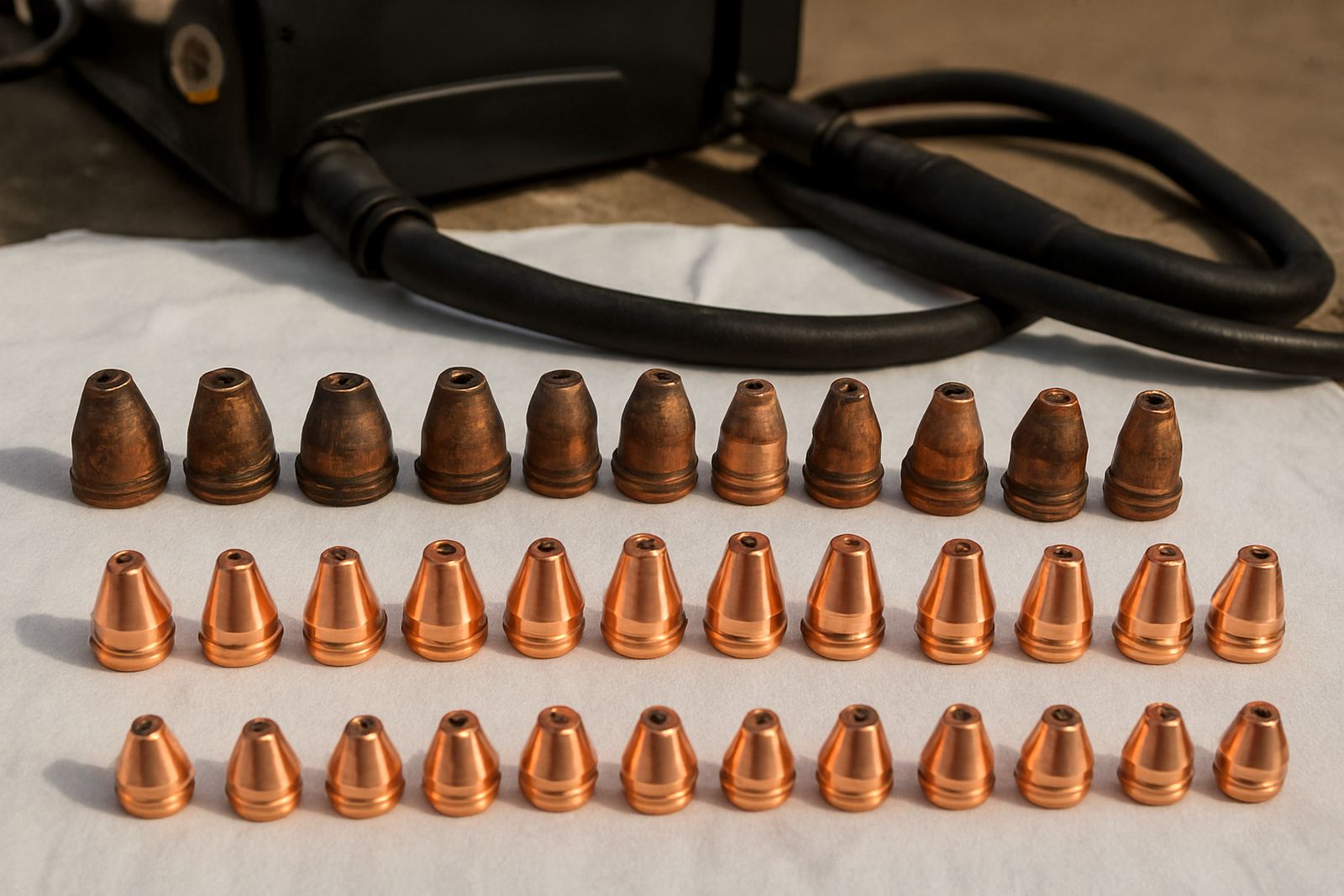
- Front-end component fitment and wear assessment
- Switch, trigger and safety control checks
- Connector and torch-to-machine interface inspection
- Basic cut test after repair where applicable
Typical Torch Faults We See In Gauteng And The Free State
In Vereeniging, Vanderbijlpark and Sasolburg, we often see torch damage linked to daily workshop use, oil mist, grinding dust and frequent movement between bays. In Bloemfontein and Welkom, transport vibration and long shifts can loosen fittings and wear the lead near the torch handle. Coastal humidity is not the issue here, but workshop moisture, compressed air contamination and poor storage still damage torches faster than many owners expect.
Common signs that a torch needs repair include hard starts, arc wandering, excessive back-spatter, overheating at the handle, intermittent cutting and visible scorch marks on the lead. A torch may still switch on and appear usable, yet the arc quality has already dropped. That is where a proper inspection matters because the fault may sit inside the handle or at the lead termination, not only at the consumable tip.
We also check for damage caused by load-shedding recovery. Power interruptions can leave a torch and power source out of sync if the unit is repeatedly switched on and off under load. If a torch has been operating with unstable compressed air or incorrect stand-off, the front end may show fast wear and the cut quality becomes uneven along the full sheet.
Our Repair Process From Intake To Test Cut
We keep the process simple and practical. Once the torch arrives at our Vereeniging base or is booked for an on-site lookover, we first record the fault description and inspect the visible wear. After that, the torch is tested for continuity, shorting and mechanical condition. Where needed, the front-end parts are stripped and the internal components are checked for heat damage, loose connections and cracked insulation.
Repairs are then carried out with the aim of restoring safe function and steady cutting performance. If the torch is suitable for repair, we replace worn items, re-secure fittings and confirm the torch meets normal operating requirements before it goes back into service. For CNC units, we also check torch-head alignment and cable movement so the torch tracks correctly across the table.
- Intake and fault logging
- Visual inspection and electrical checks
- Strip down of the damaged section
- Replacement of worn or failed parts
- Reassembly and functional testing
- Return with notes on care and next service interval
Turnaround Times And Pricing Approach
Turnaround depends on the torch type, the level of damage and parts availability. A basic front-end repair may be handled quickly once the unit is assessed, while damaged leads, switch packs or CNC torch heads can take longer. If a torch has internal burning, repeated short faults or water damage from poor air handling, the repair scope is broader and we will explain that before work continues.
Our pricing is based on the actual fault, the parts required and the labour involved. That keeps costs fair for both a small workshop and a busy production line. We do not treat every torch the same because a handheld unit used on site has very different wear from a CNC torch running long shifts on sheet metal. You get a clear view of what can be repaired, what should be replaced, and what the likely service life is after the work is complete.
If you need urgent help after a breakdown in Alberton, Germiston or Meyerton, tell us what happened, what machine the torch is fitted to and whether the fault is intermittent or constant. That information helps us prepare the right checks and reduces wasted time once the unit arrives.
Specs And Repair Standards We Work To
Each torch is assessed against practical operating standards rather than a quick visual fix. We look at fit, electrical continuity, insulation condition, lead flexibility and the ability of the torch to hold a consistent arc under normal workshop conditions. For CNC systems, we also check that the torch head moves freely without snagging and that the lead set does not interfere with the table travel.
Where possible, we test on the type of work most customers in the area are cutting, such as 1.6 mm to 20 mm mild steel, with higher-thickness checks done where the machine setup allows. We also pay attention to the air system because bad air can ruin a good torch. Moisture, oil carryover and low pressure all shorten torch life and cause unnecessary front-end wear.
- Handheld torch and CNC torch head support
- Lead inspection for cuts, crushing and heat damage
- Front-end wear checks on nozzle, electrode and shield area
- Continuity and short-circuit testing
- Insulation and trigger function verification
- Cut quality check after repair where the setup allows
How Often To Inspect And Service A Torch
In busy shops, a torch should be checked at least every 3 to 6 months, and sooner if it is used daily or moved between job sites. If the unit is used in fabrication, maintenance work or vehicle repair, a monthly front-end inspection is worth the time. Consumables alone are not enough. A torch with a worn lead or damaged body can keep eating tips and electrodes until the real fault is fixed.
We recommend a full torch review after any hard drop, electrical trip, overheating incident or repeated cut quality issue. If your team notices more slag, rough edges or a torch that starts only after a second trigger pull, do not wait until the lead fails completely. A quick check now is usually cheaper than a full replacement later.
Our team also gives practical care advice after the repair. That includes how to store the torch, how to avoid sharp bends at the handle, what air pressure range suits the setup and how to spot early warning signs before the next breakdown. That is especially useful for workshops running through load-shedding and stop-start production, where equipment gets switched on and off more often than it should.
Service Areas And Support Through Our Vereeniging Base
We support customers from Vereeniging, Vanderbijlpark, Sasolburg, Meyerton, Alberton, Germiston, Bloemfontein and Welkom, with demos and servicing arranged across Gauteng and the Free State. Our work is handled from the Vereeniging base, and our team manages enquiries through the contact form on the site. That makes it easier to track the torch details, machine type and fault history before the unit is booked in.
Our support team includes Marius van der Merwe, Kgomotso Mhlongo, Johan Botha, Phenyo Diale, Ruan Visser and Naledi Selebalo. Between them, they handle sales, technical assessment, customer support, field work and training. If your repair needs lead to a new operator briefing or a CNC table check, we can line up the next step without making you start over with a different contact each time.
Key facts
| Service focus | Torch body, leads, switch gear and front-end component repairs |
|---|---|
| Torch types | Handheld plasma torches and CNC torch heads |
| Common fault checks | Continuity, shorting, insulation wear, heat damage and trigger function |
| Typical material range | 1.6 mm to 20 mm mild steel, with setup dependent checks for thicker work |
| Turnaround | Depends on fault severity and parts availability, urgent jobs assessed first |
| Service area | Vereeniging, Gauteng and the Free State |