Fault Finding For Unstable Or Failed Output
Our power source repair service is for units that will not start, start and stop, cut with low amperage, or show erratic output under load. We check the full unit from the incoming supply right through to the output stage, so the real fault is found instead of guessed at. That matters on site where downtime costs money and the job still has to move, especially when load shedding has already shortened the working day.
Typical problems include failed ignition, blown input components, damaged output boards, overheated internals, contaminated cooling paths, loose connectors, damaged torch interfaces and unstable pilot arc behaviour. We also inspect for poor earthing, voltage dips, undersized supply cabling and air issues that may be affecting the power source. In many cases the machine itself is not the only cause, so our checks cover the complete cutting setup.
- Power units that trip as soon as the trigger is pulled
- Units with no arc, weak arc or intermittent arc start
- Machines that cut for a short period then shut down
- Output that is too low for the selected setting
- Fault codes, indicator lights or protection shutdowns
What The Repair Service Includes
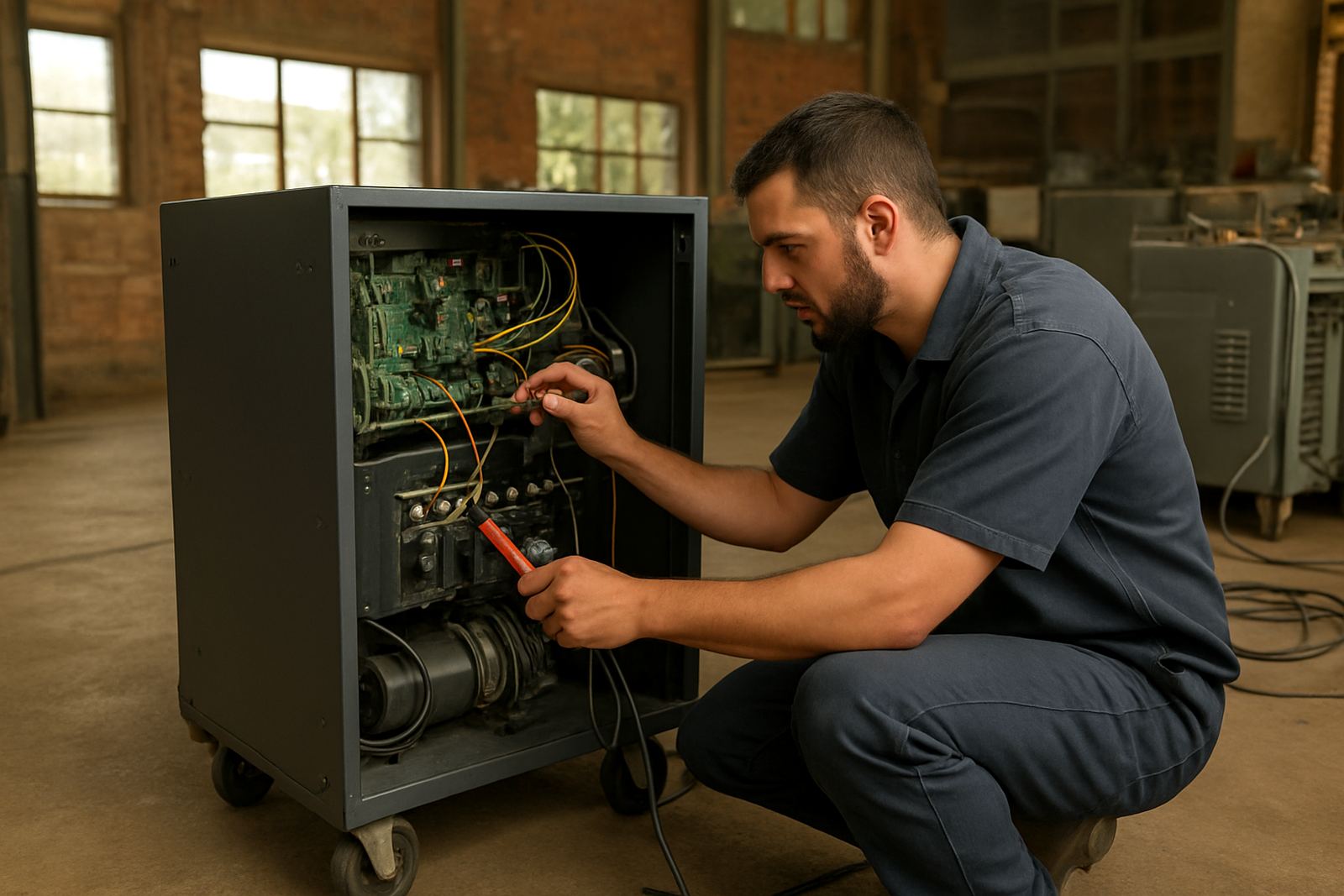
Every repair starts with a structured inspection and a written fault summary. We open the unit, test the supply side, check the control section and measure the output under controlled conditions. Where needed, we replace worn or failed components, clean internal dust build-up, resecure terminals and confirm that cooling fans, relays and protection circuits are working as they should. If the unit has heat damage or corrosion from coastal humidity, we look for secondary faults too, because one failed part often takes another with it.
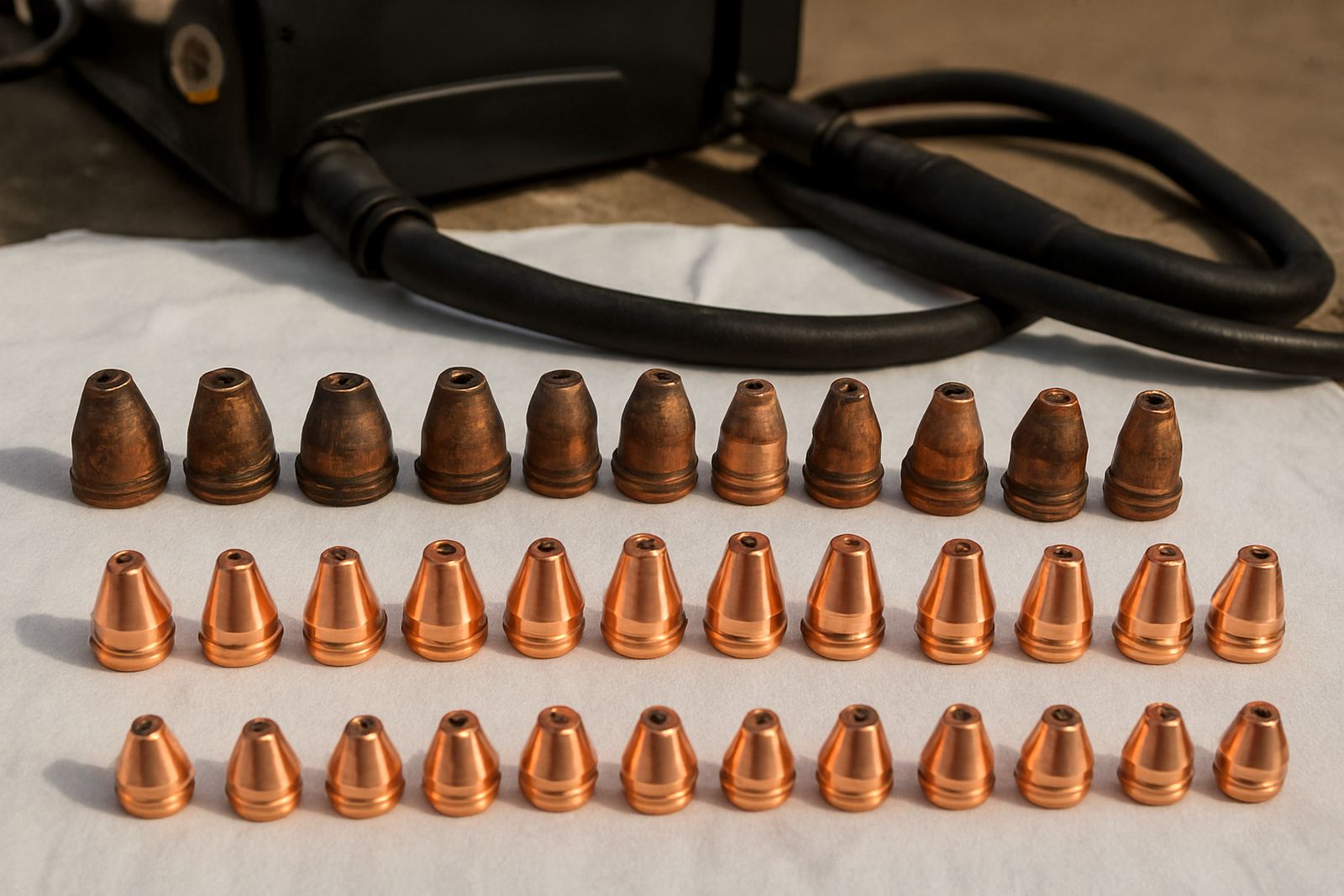
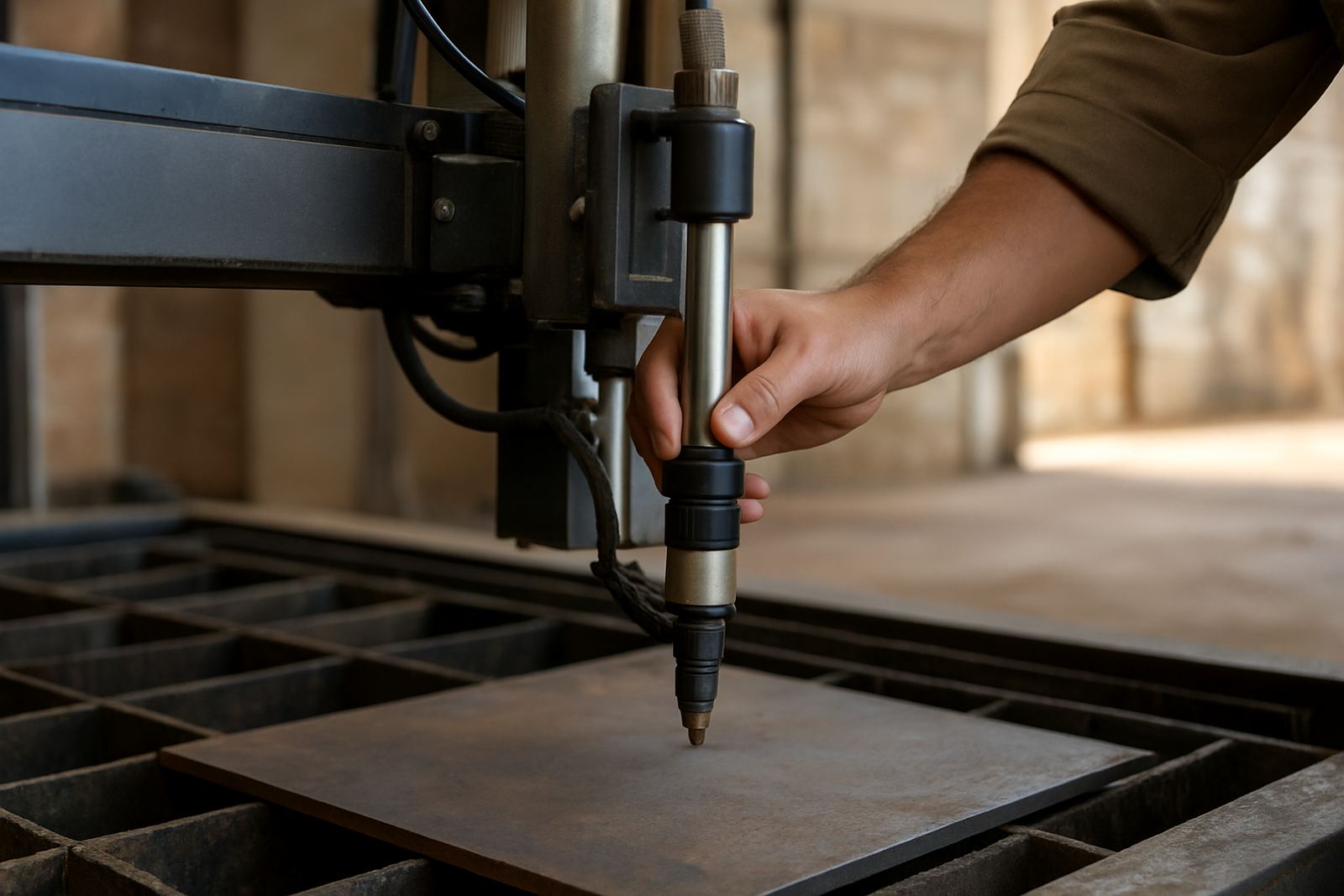
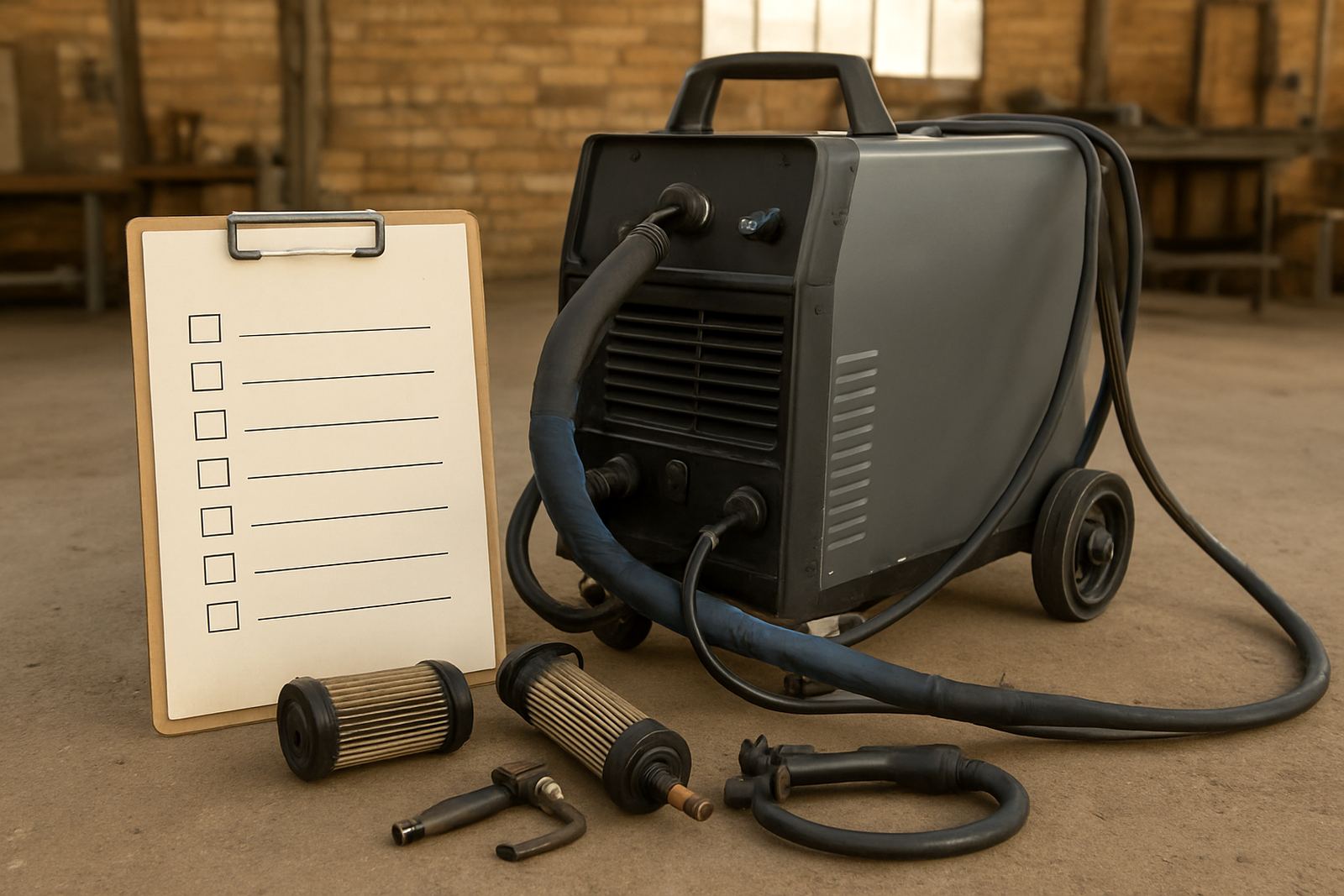
We can also inspect the supporting systems that affect the power source, including compressed air quality, torch condition and cable integrity. If a power source has been running in a steel workshop, a body shop or a fabrication bay with metal dust in the air, we pay close attention to contamination and airflow paths. That helps prevent repeat failures after the first repair.
- Initial fault diagnosis and condition report
- Component testing and electrical safety checks
- Repair or replacement of failed parts
- Internal cleaning and contact rework where required
- Final output test and cut performance verification
- Advice on any related torch, air or table issues
Our Repair Process From Intake To Testing
Clients in Vereeniging, Vanderbijlpark, Sasolburg, Meyerton, Alberton, Germiston, Bloemfontein and Welkom can book a unit in for workshop assessment, or request an on site visit for breakdowns. Once the unit arrives at our Vereeniging base, we log the symptoms, inspect the outside condition and confirm what the machine is doing before any work starts. This avoids wasted time and helps us match the repair to the actual fault, not just the visible damage.
The next step is measurement. We test input supply, internal protection circuits, control signals and output performance. After repair, the unit is run again under load to confirm stable start, steady output and safe shutdown behaviour. If the problem was linked to installation, compressor quality or operator practice, we explain that clearly so the same issue does not come back in a week. It is better to fix the cause once than keep replacing parts.
- Booking and fault description through the enquiry form
- Intake inspection and diagnosis
- Repair quotation based on the actual fault
- Repair work and bench testing
- Final test run and handover notes
- Optional operator guidance for correct use
Turnaround, Urgency And Downtime Control
Turnaround depends on the age of the unit, the extent of the fault and parts availability. Simple repairs may be completed quickly, while units with multiple failed sections or heat damage need more time. Where a workshop is losing production, we prioritise diagnosis so you know early whether the unit is repairable and what needs to be ordered. That helps you plan around machine time, labour and delivery commitments.
For clients running during municipal interruptions or unstable supply conditions, we can also look at whether the problem is being caused by voltage variation, poor earthing or supply contamination. In some cases the machine is sound but the installation needs attention. We will tell you straight if the fix is in the power source, the supply or the system around it. This saves repeat call-outs and unnecessary parts spend.
Where practical, we support quick turnaround on breakdowns in Gauteng and the Free State, especially for fabrication shops, vehicle repair operations and small production lines that cannot leave a machine standing for long. The aim is a reliable repair that holds up under daily use, not a temporary patch.
Pricing Approach And What Affects The Quote
We quote according to the fault found, not a one size fits all rate. That means the price depends on the unit type, the damaged sections, the complexity of the repair and whether specialist parts are required. Before work proceeds, you receive the repair position so you can decide whether to continue. If a unit is too damaged to make economic sense, we say so plainly and explain the options.
Our pricing approach is practical for South African workshops that need control over maintenance spend. There is no sense repairing a machine without checking whether the cooling fan, air system or torch lead will cause another failure shortly after. We look at the whole unit so the quote reflects the real work, not just the obvious symptom. That way, budgeting is simpler and you know what you are paying for.
- Fault severity and number of failed components
- Condition of internal boards, wiring and connectors
- Need for specialised parts or corrective rework
- Transport or on site service requirements
- Whether related air or torch faults must also be corrected
Maintenance Intervals That Help Power Units Last
Power sources in South Africa work hard, and they last longer when they are checked on a schedule. For busy fabrication and repair environments, we recommend a basic inspection every 3 to 6 months, with a fuller service at least once a year. Sites with heavy dust, high humidity, frequent moving of machines or long operating hours may need shorter intervals. If the unit is exposed to grinder dust, oil mist or coastal air, it is best not to wait until a failure stops production.
Routine maintenance usually includes air system inspection, cooling path cleaning, terminal tightening, consumables checks, and verification of output stability. If the machine is part of a CNC table setup, height control and table wiring should also be checked at the same interval. Good maintenance reduces hot starts, nuisance trips and output loss. It also helps operators notice small issues before they become expensive faults.
We support shops that want a planned service cycle rather than emergency repairs only. If you run several units across a yard or production floor, it is often worth staggering service dates so all machines are not due at once.
When To Call Us For A Power Source Repair
Contact us through the enquiry form if your plasma unit is producing a poor cut, refusing to fire or cutting inconsistently after a warm-up period. We handle handheld and CNC power sources, plus related servicing needs for cutters used in metal fabrication, automotive work and maintenance shops. If the machine is in Vereeniging, Vanderbijlpark, Sasolburg, Meyerton, Alberton, Germiston, Bloemfontein or Welkom, we can help with assessment, repair planning and field support where needed.
Our team includes Marius van der Merwe, Kgomotso Mhlongo, Johan Botha, Phenyo Diale, Ruan Visser and Naledi Selebalo, so the right person handles the right part of the job from first query to final test. You get direct, practical support from people who understand how plasma equipment behaves in local conditions. If the unit can be repaired properly, we will repair it. If the problem sits somewhere else in the system, we will point that out as well.
Key facts
| Service type | Fault finding and repair for plasma power units |
|---|---|
| Unit types | Handheld and CNC plasma power sources |
| Typical faults | No arc, weak output, tripping, unstable pilot arc, shutdowns |
| Test methods | Input checks, output measurements, load testing, safety inspection |
| Service area | Vereeniging, Gauteng and the Free State |
| Recommended maintenance interval | Every 3 to 6 months for busy sites, yearly at minimum |