Start With The Alloy, Thickness And Cut Type
Before you strike an arc, identify the aluminium grade and the thickness of the plate or sheet. Thin sheet for panels behaves very differently from 10 mm or 12 mm plate used in fabrication, and both need a setup that matches the cut quality you want. If the job is for fit-up, a clean edge matters more than speed. If it is for rough removal, you can move quicker, but you still need enough control to avoid heavy dross.
For most South African workshops the first mistake is treating aluminium like mild steel. Aluminium transfers heat fast, so the cut window is narrower and the operator has less room to recover from a poor start. Keep the material flat, clean and properly supported. On a warped sheet the torch height can vary a lot over a short run, and that usually shows up as an uneven kerf or a rounded top edge.
- Confirm the alloy and thickness before setting current.
- Check whether the job needs a fine finish or just a cut-off.
- Support sheet properly to prevent movement during the cut.
- Allow for heat spread on long runs, especially on thinner material.
Clean Aluminium Needs Clean Air And A Clean Surface
Aluminium does not like contamination. Oxide, oil, marker lines, cutting fluid and even dusty handling can affect the cut face. Wipe the cut line with a suitable cleaner and use a clean cloth, not one that has already picked up steel dust. If the workshop handles both aluminium and mild steel, keep the preparation area separate where possible. Cross contamination from grinding dust can make a neat cut look rougher than it should.
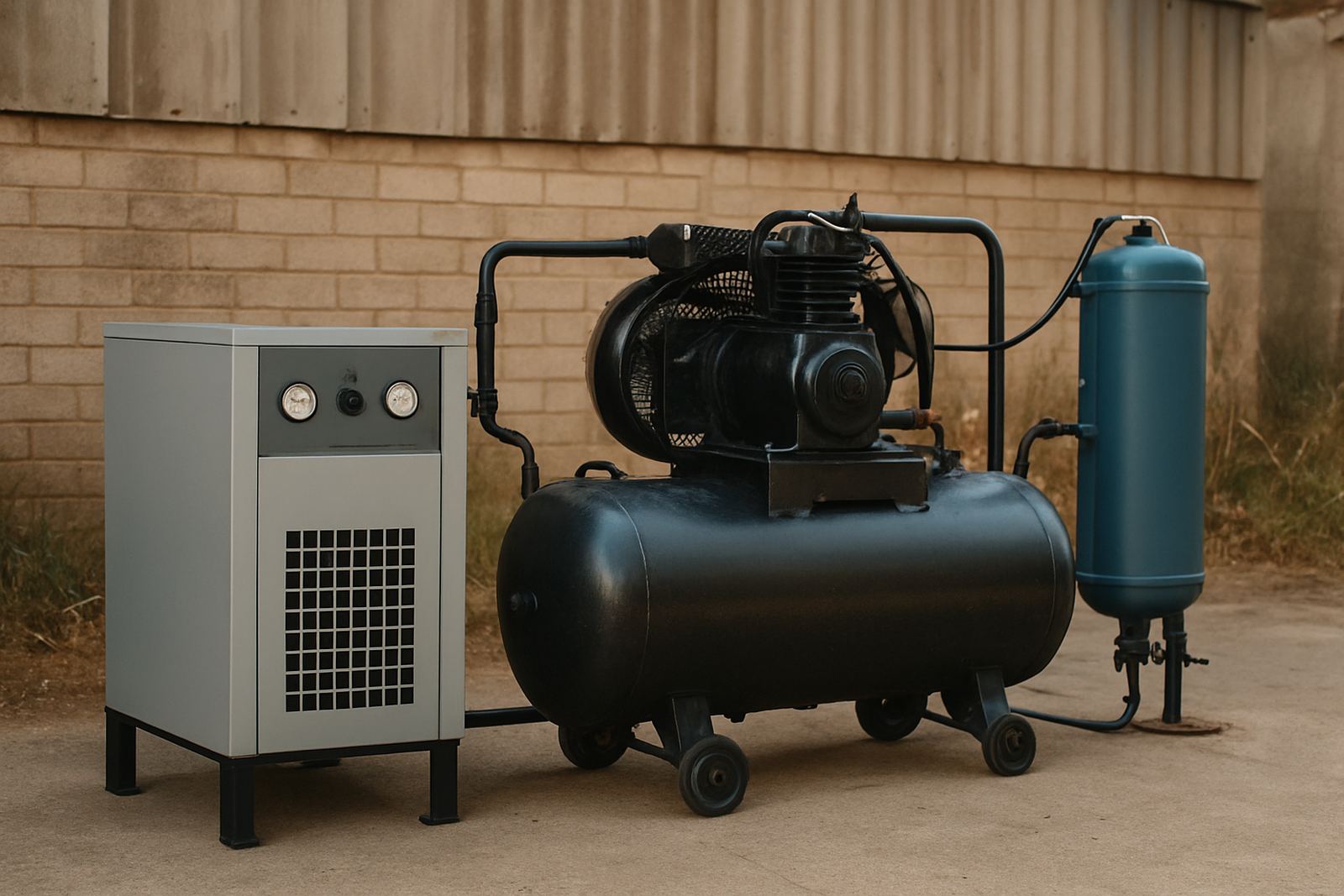
Air quality is just as important. Moisture in the airline can cause unstable cutting and extra edge cleanup. That matters in winter mornings around Vereeniging, Vanderbijlpark and Sasolburg where compressors are already working hard. Drain receivers daily and check filters often. If your air system is struggling, the torch will show it before the operator does.
- Remove oil, oxide and loose debris from the cut line.
- Drain water traps and check air filters before a production run.
- Keep aluminium prep tools separate from steel tools.
- Inspect hoses and fittings for leaks that drop pressure.
Set Torch Height, Speed And Current With Care
Good aluminium cutting comes down to a balanced setting. Too much current and the edge gets wider than needed, with more melt and slag at the bottom. Too little current and the torch struggles to get through the material cleanly. Torch height is just as important because the arc needs enough space to stay stable without blowing too much heat into the plate.
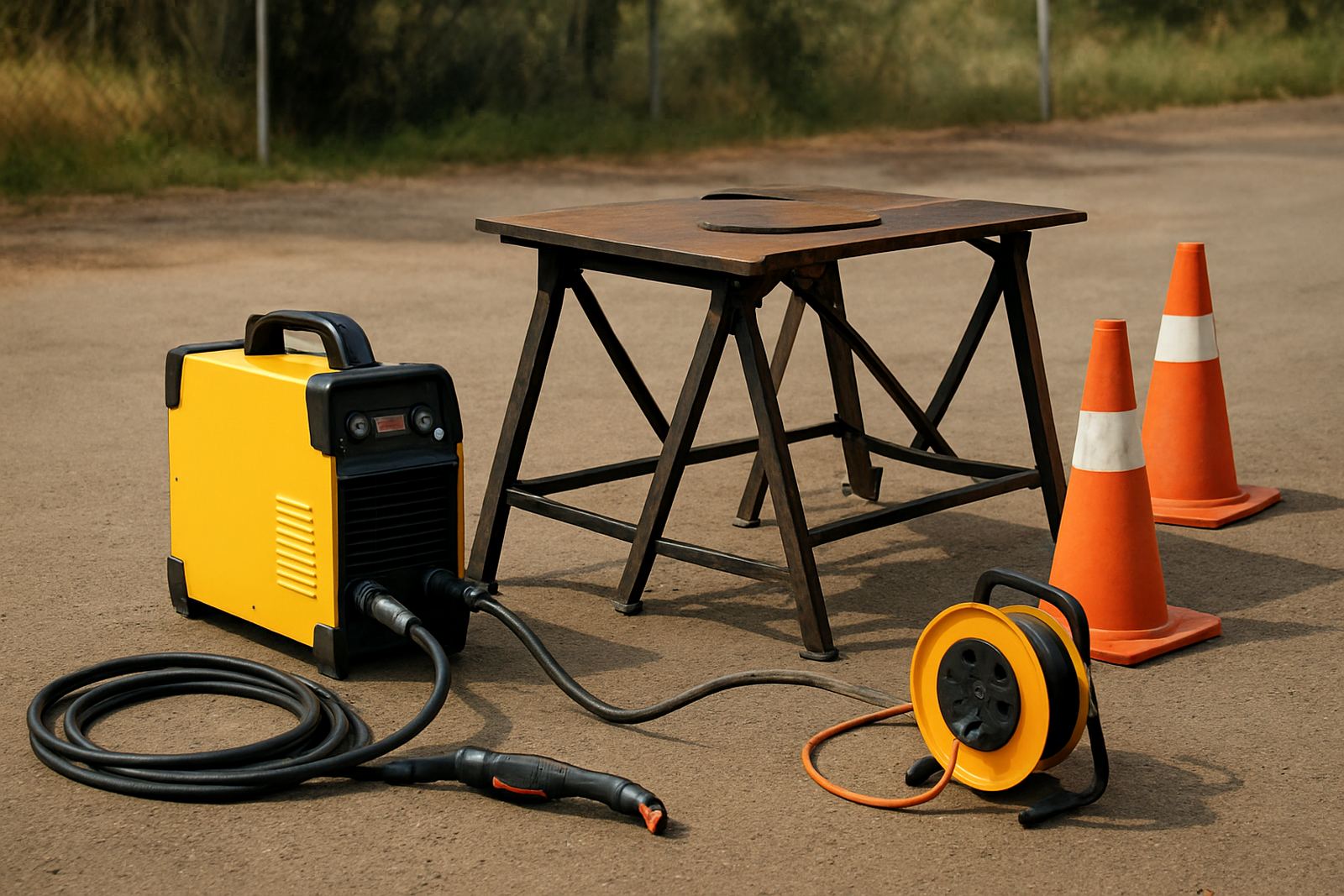
On CNC jobs, height control calibration should be checked regularly, especially after a nozzle change or a maintenance visit. On handheld work, keep a steady travel speed and avoid pausing in one spot. Aluminium heats up quickly, so a short hesitation can leave a heavy notch or a blown corner. If the machine is cutting on a generator, test the output first. Unstable power can change the arc and upset the finish.
- Use the correct current for the plate thickness.
- Keep torch height consistent from start to finish.
- Move at a steady pace to avoid overheating one area.
- Test machine stability after power interruptions or on backup supply.
Kerf, Dross And Edge Quality Need A Quick Check
The best way to judge your settings is to look at the cut edge, not only whether the part dropped free. A good aluminium cut should have a narrow, even kerf and light to moderate bottom dross that clears with minimal effort. Heavy, glassy dross usually means speed, height or air pressure needs attention. If the top edge is heavily rounded, the torch may be too slow or too hot.
For fabrication shops in Germiston, Alberton and Meyerton, cut quality audits save time because they show whether the issue is in the operator technique, consumables or maintenance. A quick check after the first part can prevent a whole stack of sheet from being reworked. That is especially useful when you are cutting parts for brackets, trailer work, covers or body repair where the fit has to be right first time.
- Check kerf width on a sample cut before running a batch.
- Look at dross shape to see if speed or height needs changing.
- Inspect corners for blowout or overburn.
- Use the first part as your reference for the rest of the job.
Consumables And Torch Condition Make A Bigger Difference Than Most Expect
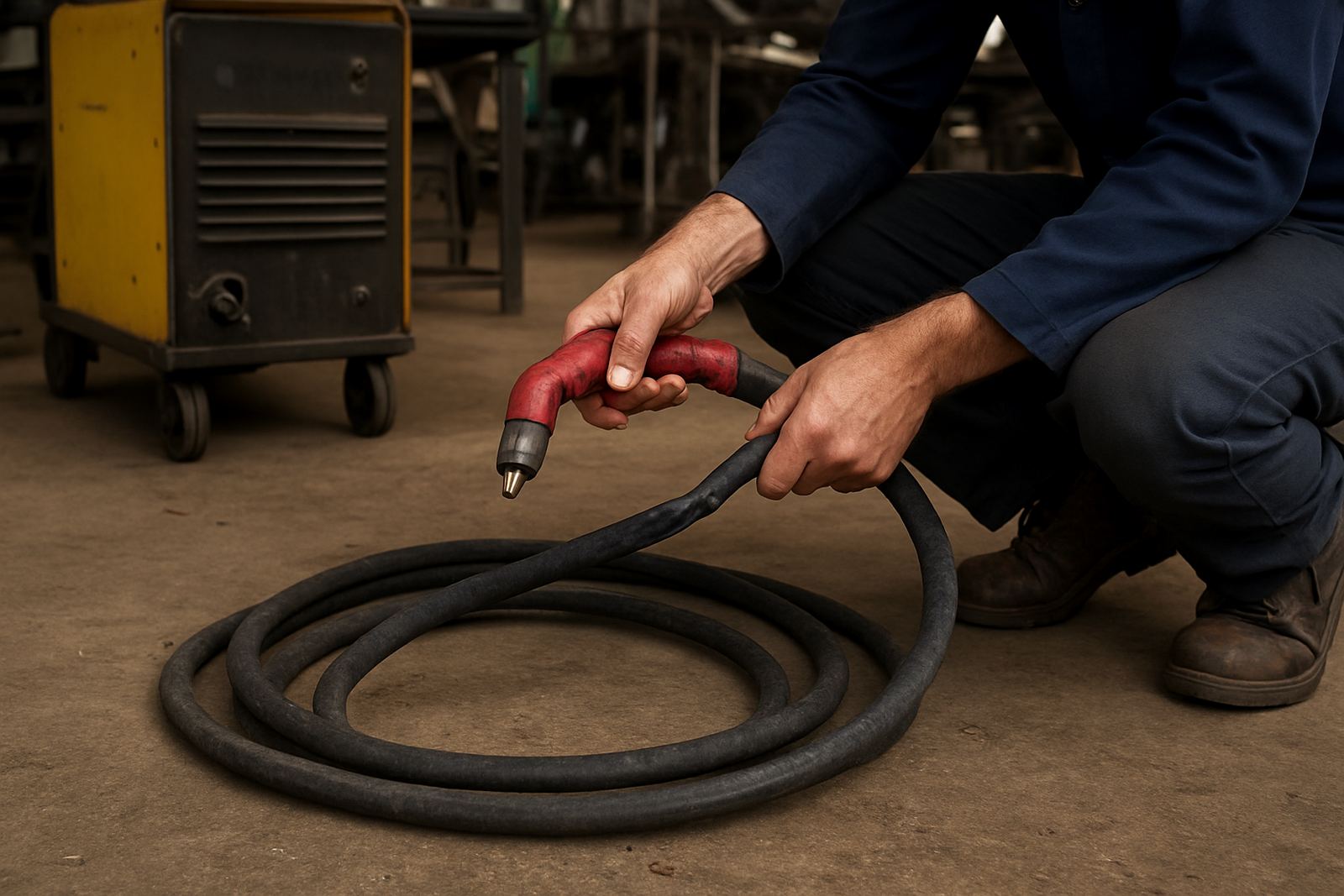
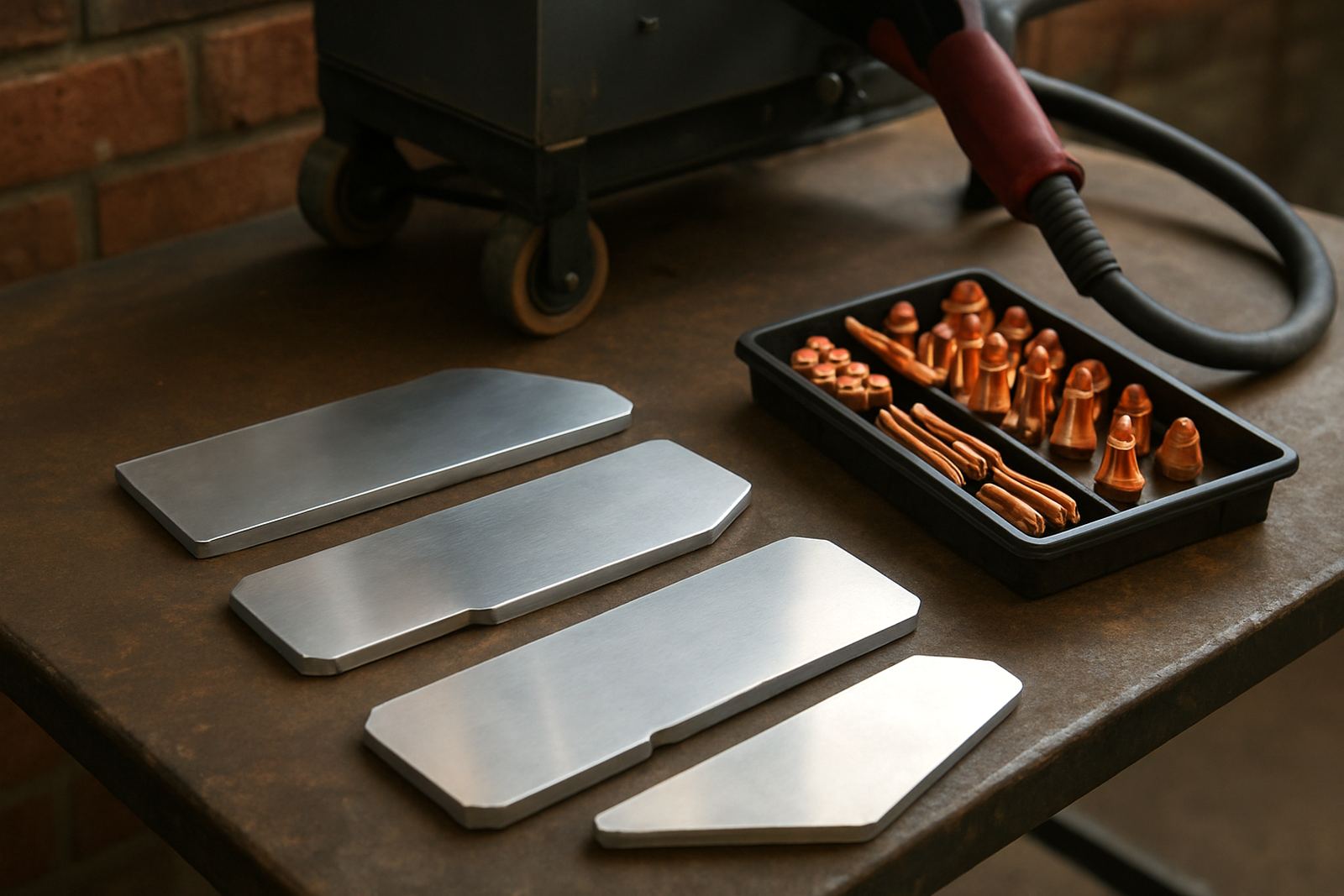
Plasma consumables wear faster on aluminium if the setup is poor. A worn nozzle or electrode can still cut, but the edge quality drops and the torch becomes harder to control. Check consumables often, especially on busy sites where operators run mixed jobs through the day. A small fault in the shield cap or swirl ring can show up as wandering arc lines or irregular dross.
Keep spares on hand for the torch and do not wait until the last set is completely finished. Many breakdowns start with small signs that are easy to miss, like a change in noise, more spatter or a slightly wider kerf. Regular torch repairs and power source repairs also help prevent repeat issues. In workshops near Bloemfontein and Welkom, where long production runs are common, a short planned stop is cheaper than an unplanned halt on a deadline.
- Inspect nozzle and electrode wear before each shift.
- Replace damaged consumables before they affect the cut.
- Listen for changes in arc sound or torch behaviour.
- Keep a basic spares stock for high-use machines.
A Local Example From A Vereeniging Workshop
A practical example comes from a Vereeniging fabrication shop cutting aluminium sheet for light vehicle components and service panels. The first runs were leaving rough bottom edges and more cleanup than expected. The fix was not one single change. The team cleaned the sheet properly, checked air pressure, replaced worn consumables and slowed the travel slightly on thinner sections. After that the parts came off cleaner and fit-up improved. Less rework also meant less time spent grinding, which mattered because the same crew was also handling mild steel work that day.
That is the reality for many local shops. Aluminium is not difficult, but it does ask for discipline. If your operator training is solid, your machine is serviced, and your air system is dry, the cut becomes far more predictable. That is true whether the job is a one-off repair or a run of panels for a customer in Vanderbijlpark, Sasolburg or further out in the Free State.
For teams that are still finding the best settings, structured training and a cut quality audit can save a lot of trial and error. It also gives supervisors a clear way to standardise results across different operators and shifts.