Why Moist Air Causes Trouble At The Torch
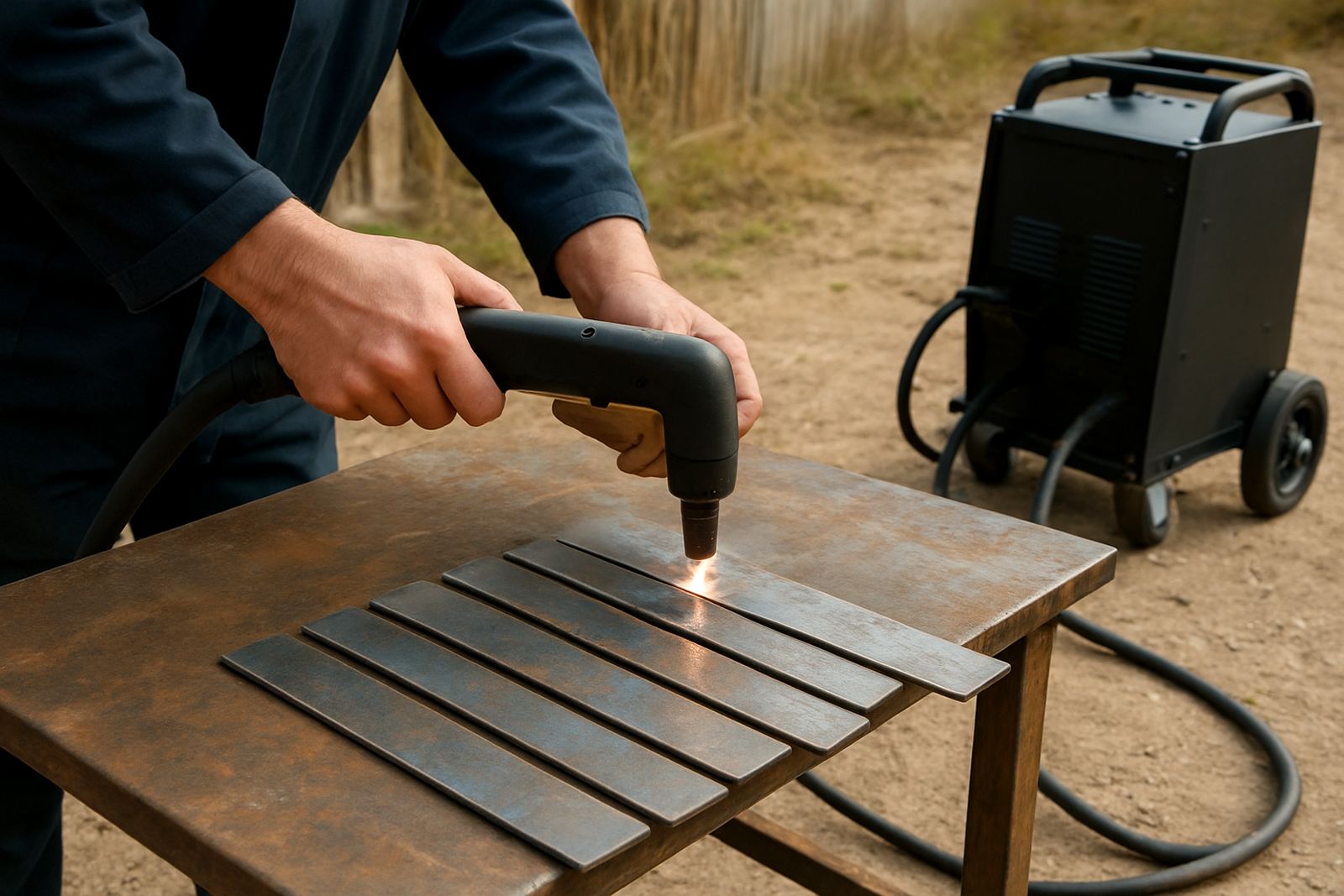
Compressed air is the lifeblood of most handheld and CNC plasma cutters, but air straight from a compressor often carries more than pressure. It can carry water vapour, oil mist and fine dirt. Once that mix reaches the torch, the result is usually poor arc starts, shortened consumable life and cuts that need extra grinding.
In places like Vereeniging, Vanderbijlpark and Sasolburg, the air can be damp for much of the year, and workshop conditions change through the day. A compressor that runs hard in the morning may start pushing wetter air by the afternoon. If your machine is used for mild steel plate, automotive repair work or repeat production, that moisture shows up quickly in the cut edge.
Dry air does not mean perfect air. It means air that has been prepared properly for the torch, with water separated out before it reaches the line. For many shops, that is the difference between replacing consumables often and getting proper working life out of them.
Signs Your Plasma Cutter Is Asking For Dryer Support
You do not need to guess. The machine usually gives you warning signs long before a serious fault appears. If you are seeing inconsistent starts, rough pierces or extra spatter at the bottom edge, moisture in the air line is one of the first things to check.
Look out for these common signs:
- Consumables wearing out faster than expected
- The arc starts, then stumbles or breaks up
- Cut edges need more cleaning or grinding
- Water collecting in the filter bowl or airline
- Intermittent height control issues on CNC tables
- Dirty-looking cuts even when amperage settings are correct
If you run jobs in Alberton, Germiston or Bloemfontein, it is worth checking whether the issue follows the weather, the time of day or the compressor cycle. That pattern often points to air quality, not the torch itself.
When A Dryer Becomes Worthwhile
A dryer becomes worthwhile when the cost of bad air is higher than the cost of treating it. For a hobby user doing a few cuts now and then, a basic filter arrangement may be enough. For a fabrication shop, vehicle repair business or CNC operation, the math changes quickly.
Think in terms of consumables, downtime and rework. A set of tips, electrodes and nozzles costs less than lost production, but repeated failures add up. If your machine is being used every day, or if you cut thicker material where arc stability matters more, dry air usually pays for itself through better cut quality and less frequent parts replacement.
As a rough guide, a dryer starts making sense when any of the following apply:
- You cut daily or near-daily
- You work through long shifts or weekend jobs
- Your compressor runs in a damp bay or near a wash area
- You see water in filters despite routine draining
- You run CNC work where repeatability matters
In a shop in Welkom or Meyerton, for example, a busy operator may spend more on wasted consumables in a few months than the cost of a proper air treatment setup.
What Dry Air Improves In Real Workshop Conditions
Dry air does more than protect a single part. It improves the whole cutting process. The torch stays cleaner inside, the arc is more consistent and the cut face is easier to work with afterwards. That matters if you are fabricating brackets, machine parts or body panels where fit-up has to be right first time.
On CNC tables, dry air helps with repeat cuts because the height control and torch timing are not fighting moisture or contamination. It also helps reduce the kind of random fault that stops a run in the middle of a batch. For shops with load-shedding and start-stop compressor cycles, this is especially useful because the air system often gets more stressed when power returns.
Better air quality can improve:
- Consumable life
- Edge finish and squareness
- Arc starts and pilot reliability
- Consistency on repeat jobs
- Overall torch cleanliness
That said, dry air is only one part of good cutting. Correct amperage, clean earth connection and proper maintenance still matter. A dryer will not fix a worn torch or poor setup, but it will remove one of the most common causes of avoidable trouble.
Coastal Humidity, Inland Dust And South African Reality
South African workshops do not all work under the same conditions. Coastal humidity in places like parts of KwaZulu-Natal can load the air with moisture, while inland workshops may battle dust, heat and long compressor runs. In Gauteng, temperature swings between morning and afternoon can cause condensation inside lines and receivers.
This is why a system that works in one town may struggle in another. A shop in Sasolburg with enclosed cutting bays may have a different air problem from a mobile repair team in Vereeniging. The point is not to buy every accessory available, but to match the air treatment to the way the machine is actually used.
If you are unsure, watch the drain water, inspect your filters and note whether the cut quality changes after rain, during a cold morning or after a long run. Those details usually tell you more than guesswork.
A Practical Setup For Smaller Shops And Busy CNC Tables
You do not always need a complicated system. Often the right setup is a sensible combination of filtration, draining and drying matched to the compressor and duty cycle. The important part is that the air reaching the torch is dry enough for the job you are doing.
For a smaller workshop, that may mean regular drain checks and a good filter stage. For a production bay or CNC table, a dryer with proper servicing is usually the better option. If the machine is cutting often, the extra control over air quality saves time in the long run.
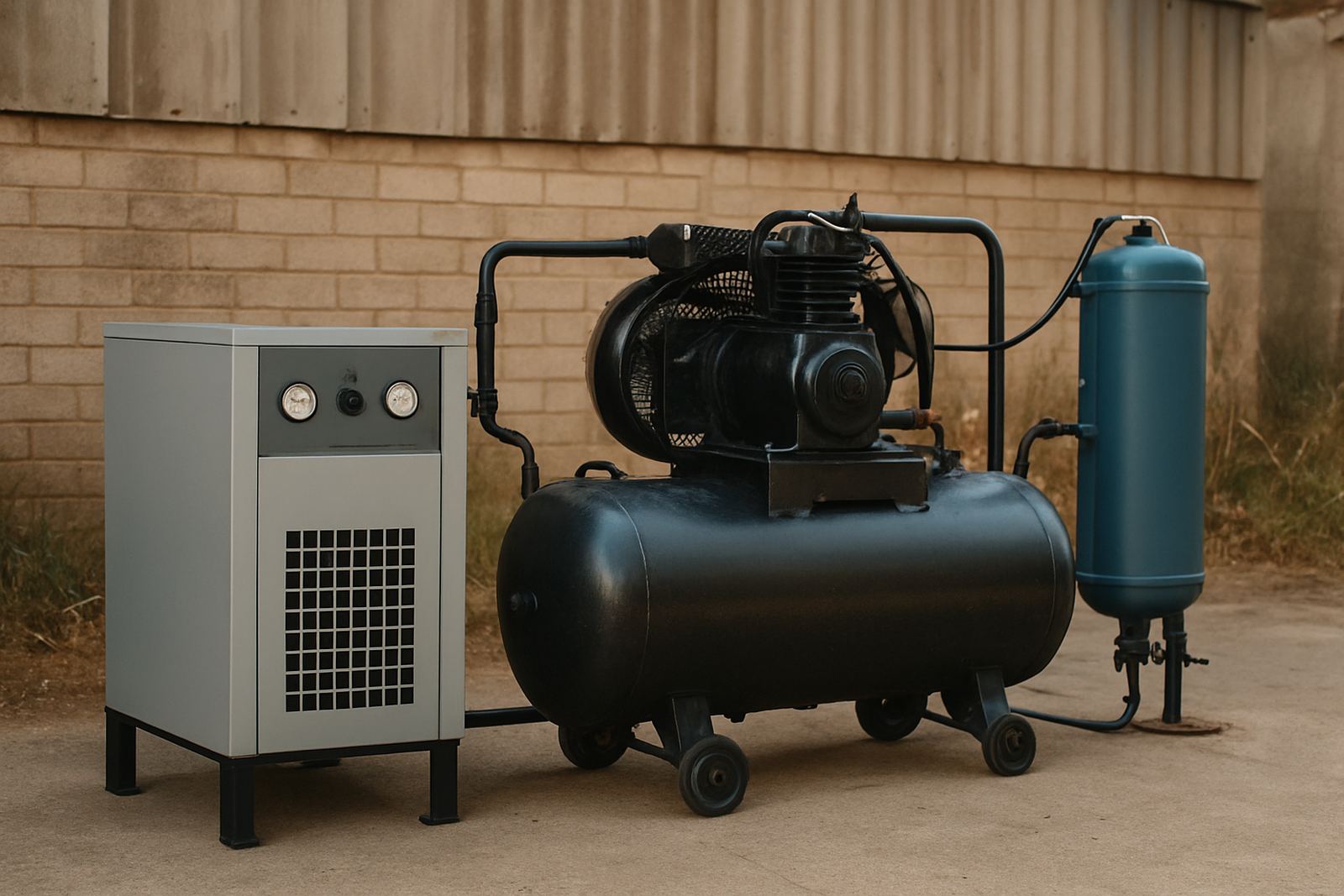
A good place to start is with a basic inspection of the full air path:
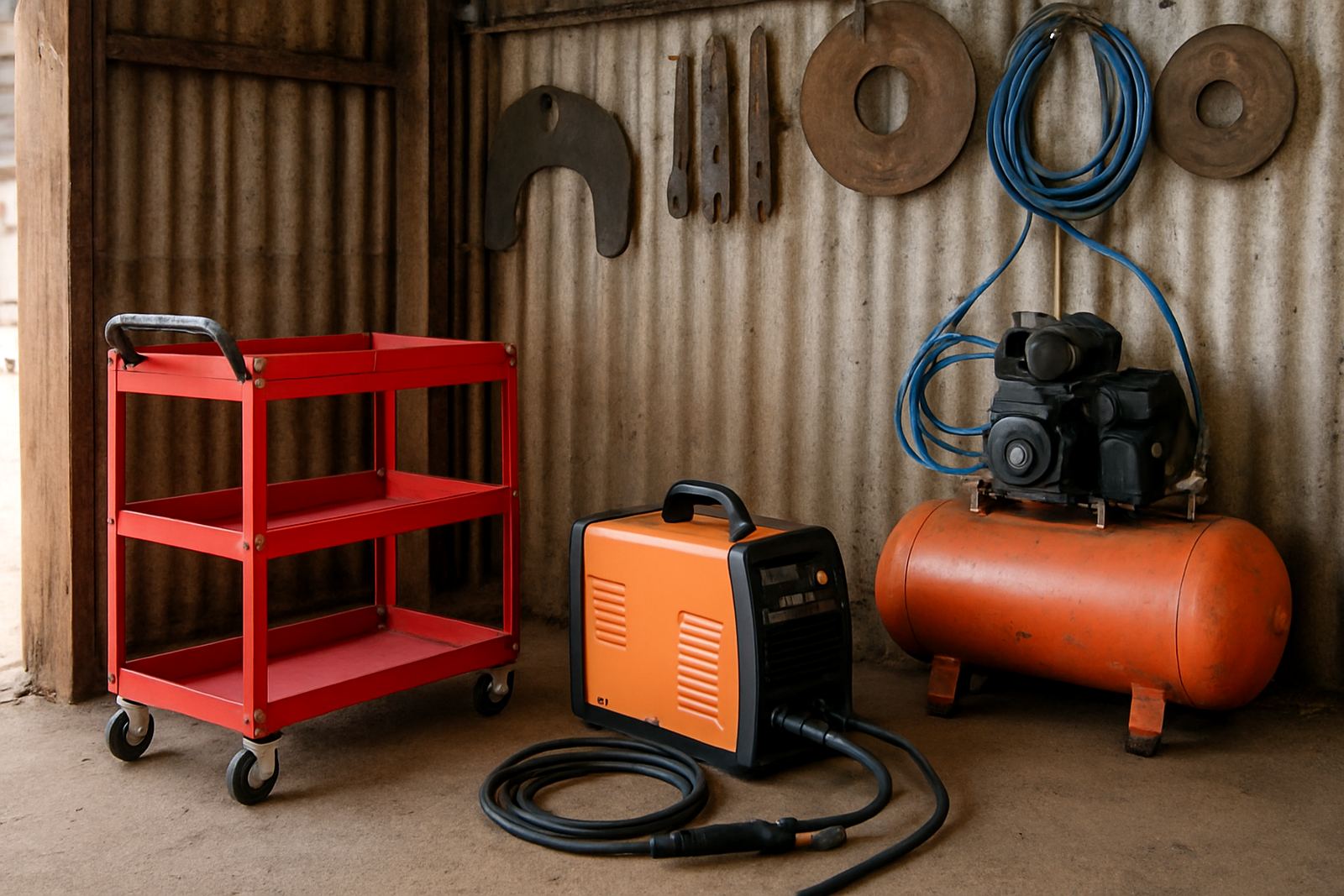
- Compressor receiver tank and drain
- Line filters and water traps
- Air hose condition and routing
- Regulator setting at the machine
- Any signs of oil or rust in the line
When we check a system on site, we look at the torch, the power source, the air supply and the cutting result together. That gives a clearer answer than replacing parts one by one and hoping the fault disappears.
When To Get A Proper Inspection
If you are losing tips too often, fighting poor starts or getting dirty cuts that do not match your settings, it is worth having the system checked before the problem becomes expensive. A short inspection can show whether the issue is airflow, contamination, worn consumables or something deeper in the machine.
PlasmaCutter works with users across Vereeniging, Vanderbijlpark, Sasolburg, Meyerton, Alberton, Germiston, Bloemfontein and Welkom. We handle torch repairs, power source repairs, preventive maintenance, consumables checks, air system inspection and CNC table servicing, plus operator training and cut quality audits. For workshops that want cleaner cuts and better part life, the question is often not whether dry air helps, but whether the current air system is already costing money.
If you are not sure where to begin, start with the air. In many cases, that is where the fault lives.