Start with the steel thickness, not the machine badge
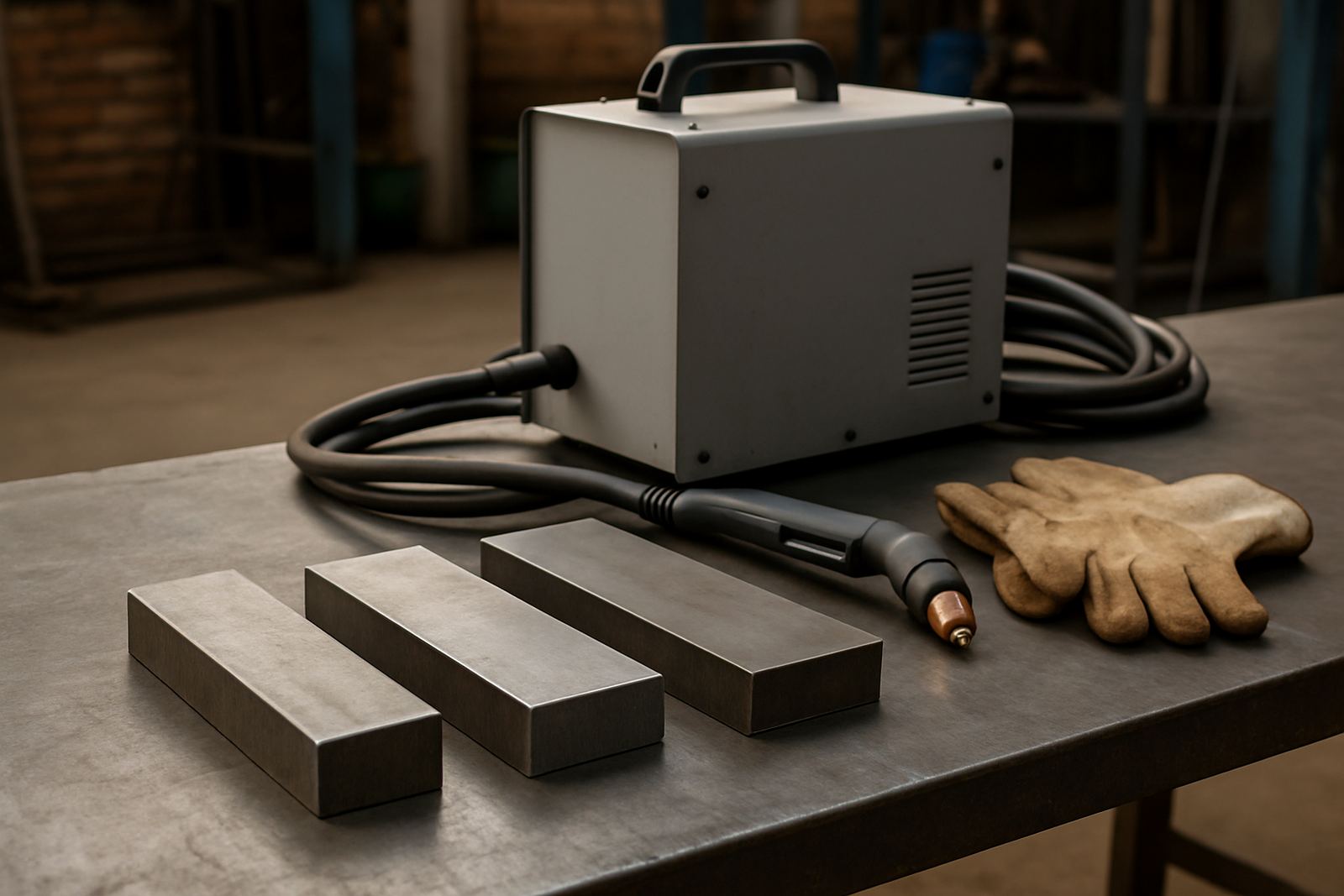
The first mistake many operators make is picking amperage from habit. A 40 amp unit can cut mild steel, yes, but it will struggle when the job moves into thicker plate or when the cut needs to stay square across a long run. Match the power source to the material thickness first, then look at duty cycle, air supply, and whether you need hand cutting or CNC work.
As a practical guide, think in bands rather than exact numbers. Thin sheet around 1 to 3 mm usually needs lower amperage for a narrower kerf and less heat distortion. Medium plate in the 6 to 12 mm range often suits mid-range power. Once you move into thicker sections, a higher amp machine gives better arc stability and less slowing down mid cut. On a busy site in Vereeniging or Vanderbijlpark, that saves time and scrap.
What happens when amperage is too low
Undershooting amperage is the quickest way to get poor cut quality. The arc may still make it through the plate, but the edge can end up heavily beveled, with more slag at the bottom and a rough top edge. Operators often respond by moving slower, but that can make things worse by overheating the cut zone and increasing slag build-up.
- More dross on the underside of the cut
- Arc lagging behind the torch movement
- Excess top edge rounding on thin material
- Difficulty piercing thicker plate cleanly
If the job is critical, do not force a light machine to do heavy work. In fabrication shops around Alberton and Germiston, that usually leads to extra grinding time and more worn consumables. A small machine has its place but it should be matched to the material, not pushed past it.
Why too much amperage can be just as bad
Going too high is not a shortcut to better cutting. On thinner material, excessive amperage can widen the kerf, increase warping, and leave a sharp burr that is hard to clean up. It also shortens the life of nozzles and electrodes because the arc is carrying more heat than the job needs.
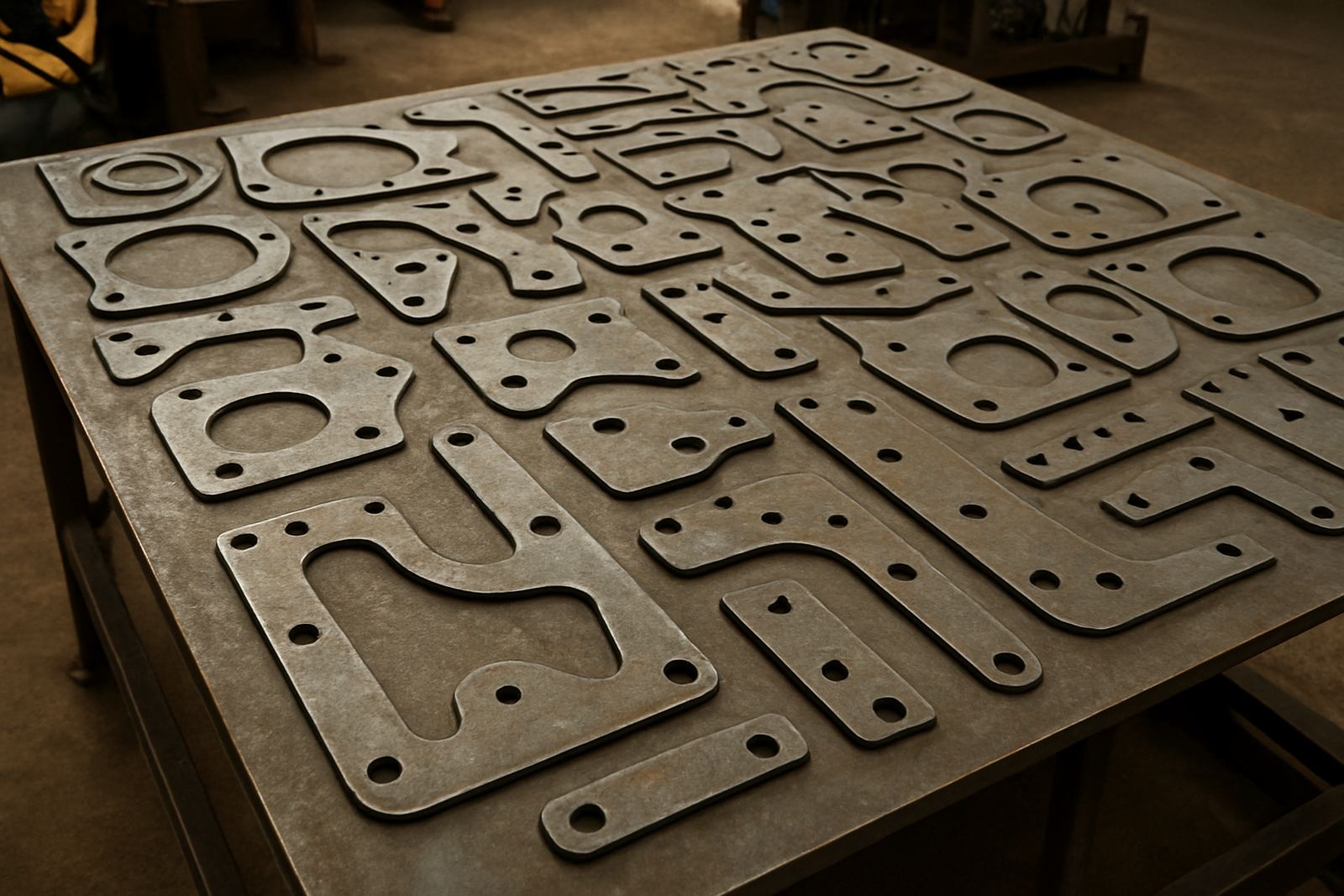
That becomes obvious on sheet metal work, automotive panels, brackets, and light fabrication. A machine set too hot will cut fast but the edge will need more finishing. For CNC table work, too much current can also put heat into the part faster than the table can manage, which affects fit-up later. If you are cutting parts for a customer in Sasolburg or Bloemfontein, a neat edge matters as much as speed.
- Wider cut path than necessary
- More distortion on thinner plate
- Shorter consumable life
- Extra finishing before assembly or welding
Set amperage around cut type, not only thickness
Not every cut on the same plate needs the same setting. A clean straight cut on new mild steel is different from cutting through painted, rusty, or scaled material. Piercing thick plate also asks more from the machine than a simple edge start. If you are doing repeated short cuts on a CNC table, you may want a steadier setting than you would use for hand cutting on site.
These points are worth checking before you start:
- Material type and thickness
- Whether the cut is hand held or CNC
- Surface condition, including rust, paint, or mill scale
- Required edge quality for welding or assembly
- Available air quality and pressure
Air quality is often ignored. Wet air, oil in the line, or poor filtration can make a decent amperage setting perform badly. That is common in coastal humidity, but even inland workshops see trouble after compressor maintenance has been delayed. If the air system is weak, the cut will show it.
A local example from a Vereeniging workshop
A fabrication shop in Vereeniging came in after struggling with 10 mm plate on a machine that was being run too low. The operator was getting heavy slag, uneven edges, and slow progress on every part. The instinct was to blame the torch, but the real issue was the setting. Once the amperage was matched to the plate thickness and the cut speed was corrected, the edge quality improved at once and grinding time dropped.
That kind of change is common across Gauteng and the Free State. A machine can be in good condition and still produce poor results if the amperage is off by even a small margin. The team must also look at travel speed, standoff height, and the consumables fitted. Marius van der Merwe and the technical team often remind clients that one wrong setting can waste more than one worn part.
When to ask for a cut quality check
If you are getting regular dross, bevelled edges, or repeated consumable wear, it is time to check the full setup. The answer is not always a bigger machine. Sometimes the problem is dirty air, incorrect height control, worn torch parts, or a CNC table that needs servicing. On site breakdowns, commissioning work, and preventive maintenance can all make a visible difference to amperage performance.
Useful support services include:
- Torch repairs and power source repairs
- Preventive maintenance and consumables checks
- Air system inspection and CNC table servicing
- Height control calibration and machine commissioning
- Operator training and cut quality audits
If you are in Vereeniging, Vanderbijlpark, Meyerton, Sasolburg, Alberton, Germiston, Bloemfontein, or Welkom, it helps to have the machine checked before a big run. A good amperage choice only works when the rest of the setup is doing its part too.