
Start With the Supply, Not the Machine
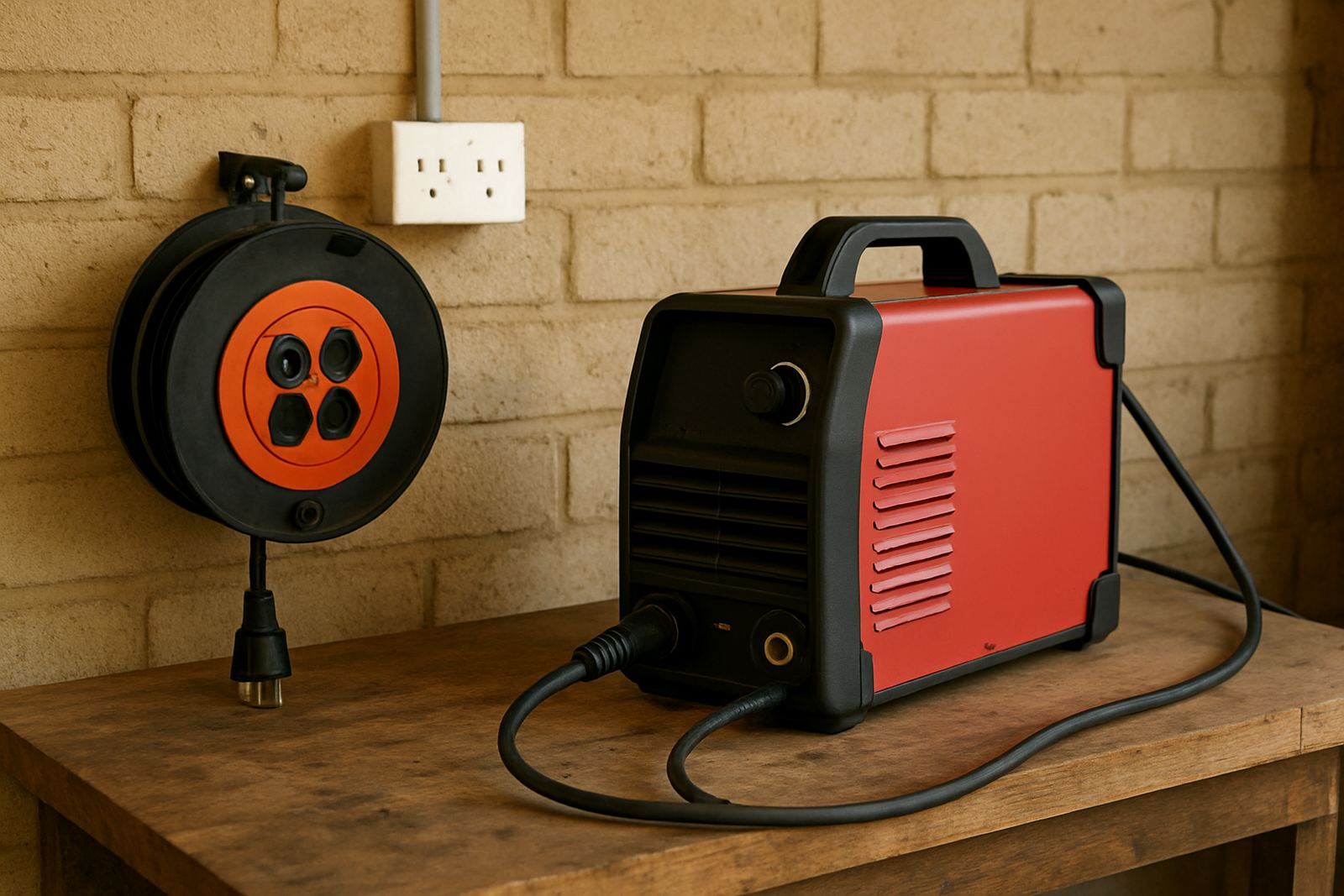
Most home users focus on cutting capacity first, but the real question is whether the garage can support the machine day after day. A plasma cutter may be compact, yet it still needs the right input voltage, a stable supply and enough headroom on the circuit so it does not compete with fridges, lights, gate motors or a geyser on the same side of the board.
In South African homes the garage is often treated as a spare room for storage, tools and a workbench, but it still has to carry a serious electrical load if you are planning regular cutting. Ask a qualified electrician to confirm what is available at the DB board, what the breaker size is, and whether the garage line is shared with other outlets. If the wiring is older or the earth connection is questionable, sort that out first.
- Check the supply voltage available in the garage before buying a cutter.
- Confirm breaker size and cable thickness for the intended load.
- Keep the machine on a dedicated circuit where possible.
- Do not run the cutter from a light-duty extension lead.
Make Space for Safe Cutting and Cleaner Air
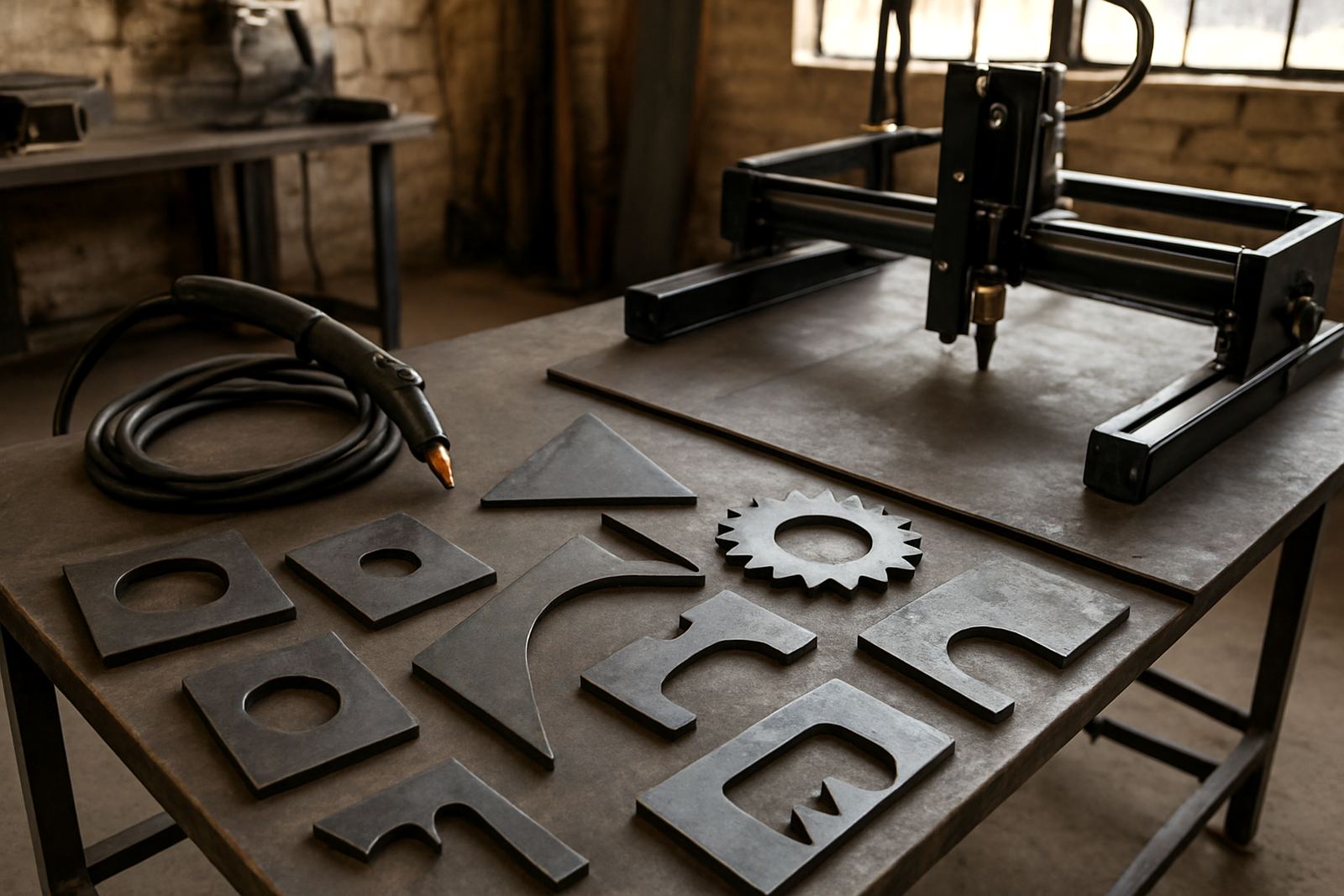
A plasma cutter throws sparks, heat and fine metal dust. That means the garage needs more than enough floor space for the machine itself. You need room to move plate in and out, clear access around the table or cutting area, and safe storage for offcuts and consumables. A cramped garage leads to poor handling, more scrap, and unnecessary risk.
Ventilation matters just as much. If the garage door stays closed because of rain, wind or security concerns, fumes and smoke can build up fast. A simple extraction fan, open door arrangement or directed airflow can help, but the goal is to move fumes away from the operator and out of the breathing zone. On the coast humidity can also affect stored consumables and torch parts, so keep them dry and sealed when not in use.
- Leave clear space around the cutting area for loading and unloading steel.
- Keep flammables, paint thinners and cardboard away from sparks.
- Use extraction or cross-ventilation when cutting indoors.
- Store torches, leads and consumables in a dry cabinet or sealed box.
Plan for Load-Shedding and Voltage Drops
Load-shedding changes how a garage workshop should be planned. A power cut in the middle of a cut can waste material and stress the machine if it is shut down badly. Even when power is back, the first few minutes after restoration can bring voltage swings that are not ideal for sensitive equipment. A sensible owner plans around those interruptions instead of hoping they will not happen.
If your garage shares supply with the rest of the house, a plasma cutter can trigger trips when the grid is unstable or when a compressor starts at the same time. This is where good power planning pays off. Some users schedule cutting for times when the house load is low, while others fit surge protection and make sure their extension runs are short. Long cables cause voltage drop, and that can affect arc stability and cut quality.
For a home workshop in Vereeniging, for example, a user may keep the garage on its own line and avoid cutting while the washing machine, kettle and gate motor are running. That simple habit saves a lot of frustration. It also means the machine performs closer to how it should, especially on thicker plate.
Match the Air System to the Cut Quality You Want
Compressed air is not optional for a plasma cutter. The air supply affects arc quality, consumable life and the amount of dross left on the edge. If the air is wet, dirty or too low in pressure, the machine will still cut but the results will be rougher and the torch parts will wear out sooner. A home garage often has a small compressor, and that is where many setups fall short.
Check that the compressor can keep up with the cutter's air demand, not only for a few seconds but through a full job. The air line should be drained often, filters should be inspected, and the hose run should be practical rather than excessive. In humid areas, moisture traps and regular draining are especially useful. If you hear the compressor working flat out all the time, it may be undersized for the job.
- Use clean, dry air with proper filtration.
- Drain the compressor tank regularly.
- Keep hose runs as short as practical.
- Replace worn filters and consumables before cut quality starts dropping.
Think About Noise, Neighbours and Municipal Rules
A garage workshop can be a nuisance if the noise, sparks and dust are not managed. Plasma cutting is louder than many people expect, especially in a semi-detached area or a street where houses sit close together. If you work late at night, neighbours may hear the compressor cycling and the cutting arc through the wall or driveway. A bit of planning keeps the peace.
Also consider the practical side of local rules. Municipal by-laws and estate rules may affect what you can do from a residential property, particularly if welding, grinding or cutting creates smoke, visible sparks or repeated outside work. Even where it is allowed, it helps to keep the garage tidy and make sure fire extinguishing equipment is close by. Households with children or pets need even more care around hot offcuts and sharp edges.
Choose a Setup You Can Actually Maintain
A plasma cutter that is easy to use but hard to maintain becomes a problem after the first few jobs. Home users should think beyond the machine purchase and consider torch repairs, consumables, maintenance intervals and access to spares. If the setup is awkward to service, small faults drag on and cutting stops at the worst possible time.
That is why operator training and basic upkeep matter. A user who knows how to inspect the torch, check air quality, and spot early wear will get better value from the machine. Preventive maintenance also helps with height control on CNC setups and keeps handheld units performing properly. Whether the garage is in Alberton, Germiston, Meyerton or Sasolburg, the same rule applies: the cleaner the setup, the fewer interruptions.
PlasmaCutter supports users with servicing, repairs, commissioning, training and cut quality audits across Vereeniging, Vanderbijlpark, Sasolburg, Meyerton, Alberton, Germiston, Bloemfontein and Welkom. For home workshops, that support is often the difference between a machine that sits idle and one that earns its keep.
A Practical Rule for Home Buyers
If you are setting up a plasma cutter in a garage, do not start with the biggest machine you can afford. Start with the space, the power, the air and the way the household actually runs. Once those basics are sorted, the right cutter becomes much easier to choose and a lot easier to use.
The best garage setup is not the fanciest one. It is the one that cuts cleanly, fits the electrical supply, handles local conditions and can be maintained without drama. That is what makes a home workshop useful year after year.