Start with the job, not the machine
Before you compare cutting methods, define the work in front of you. A jobbing workshop in Vereeniging that cuts plate, brackets, repair sections and chassis parts has different needs to a fabrication shop in Alberton making repeat parts all week. The right method depends on the material, the thickness, the volume and the finish you need after cutting.
For thin mild steel, a clean edge and a fast turnaround often matter more than absolute heat control. For thicker plate, the question becomes how quickly you can get through the work without wasting gas, consumables or time on extra clean-up. If the part is going straight to welding or fit-up, a method with a little more heat affected zone can still make sense.
In South African workshops, you also have to factor in load-shedding, voltage dips and the practical realities of keeping a team productive. A cutter that is simple to start and easy to maintain can outperform a more specialised system that sits idle when power is uncertain.
Where plasma fits in a busy workshop
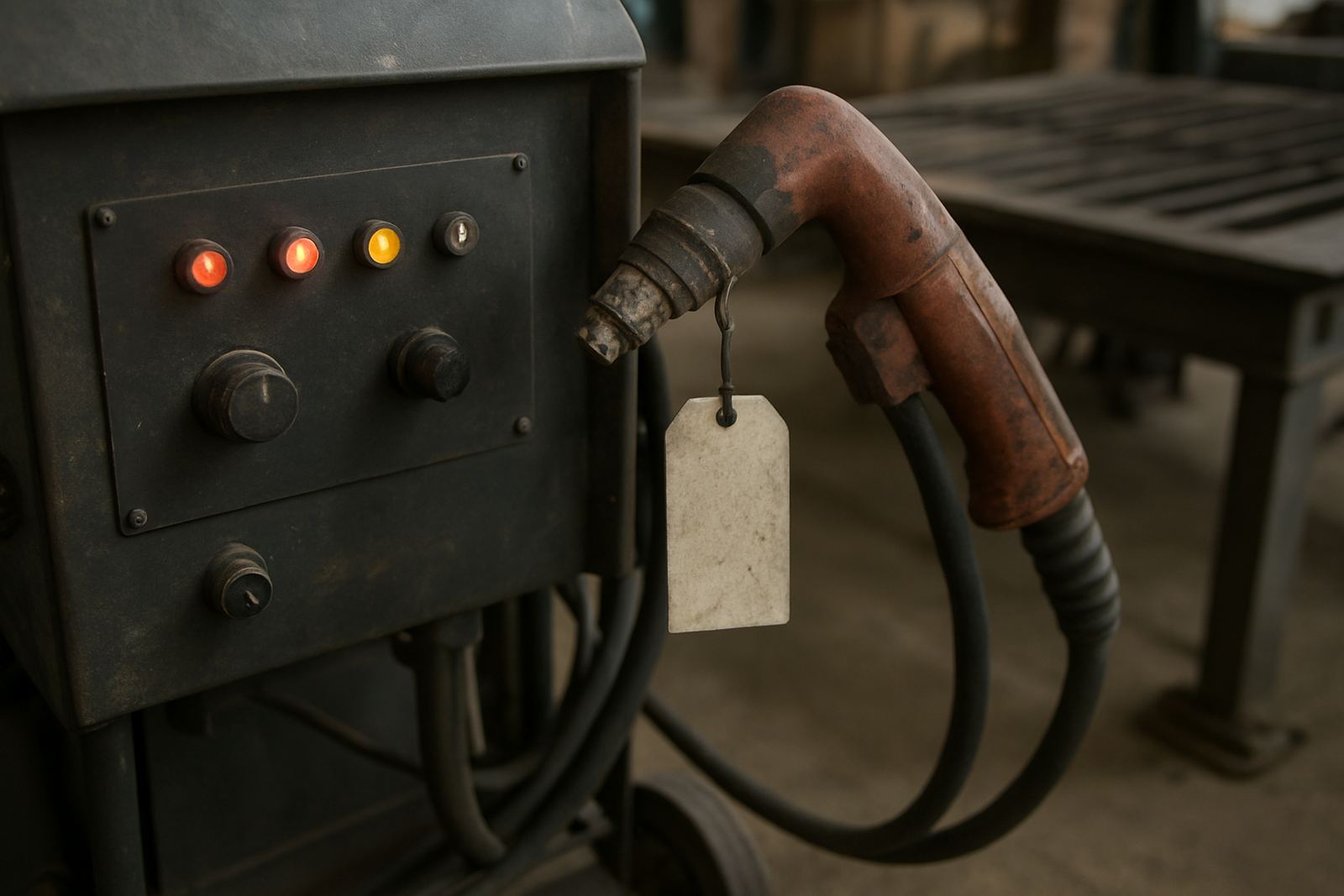
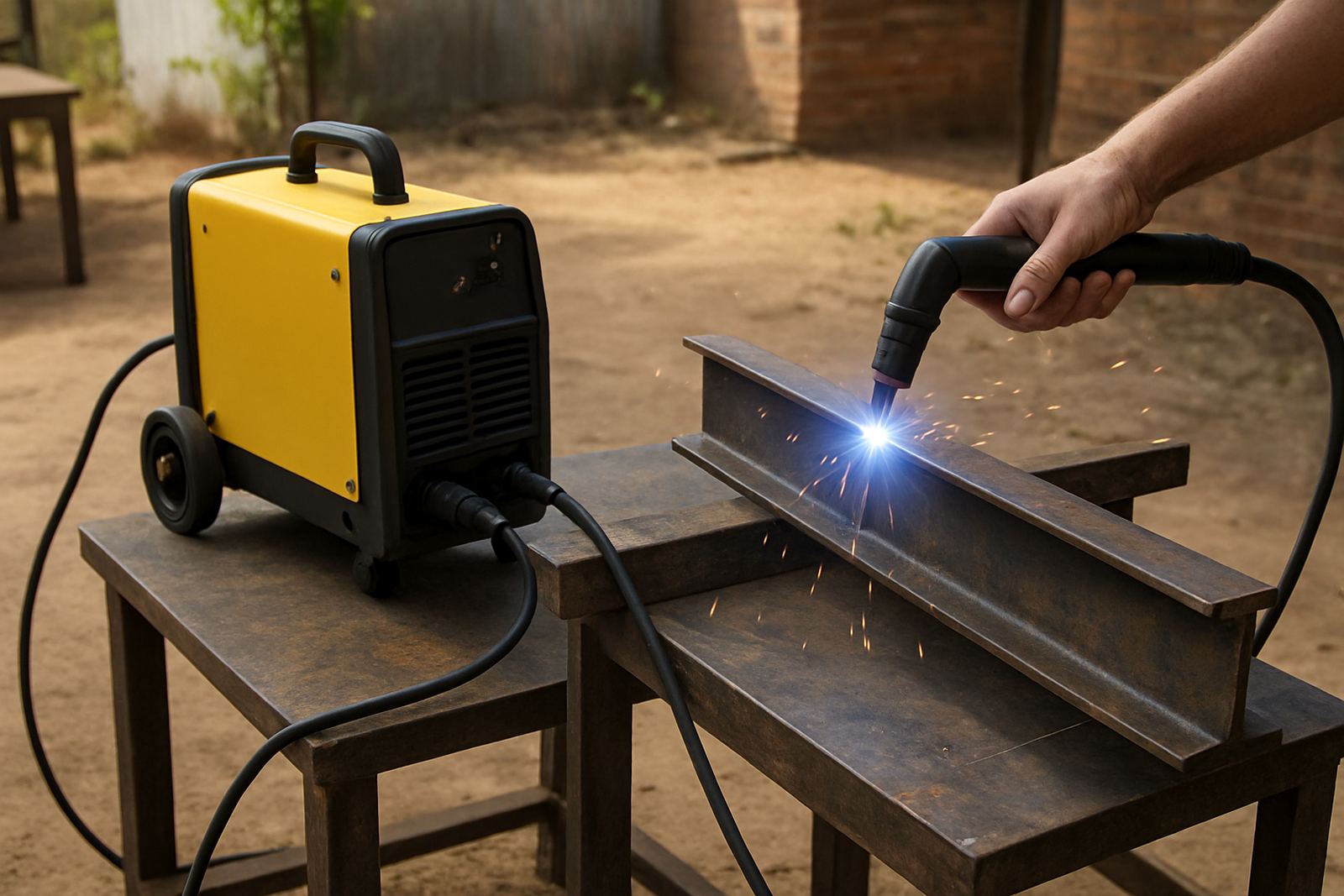
Plasma cutting sits in the middle ground for many local workshops. It cuts faster than manual oxy-fuel on thin to medium plate, handles a wide range of conductive metals, and does not need the same warm-up or gas setup for every cut. For many fabrication, maintenance and automotive jobs, that balance is what makes it the first machine reached for in the morning.
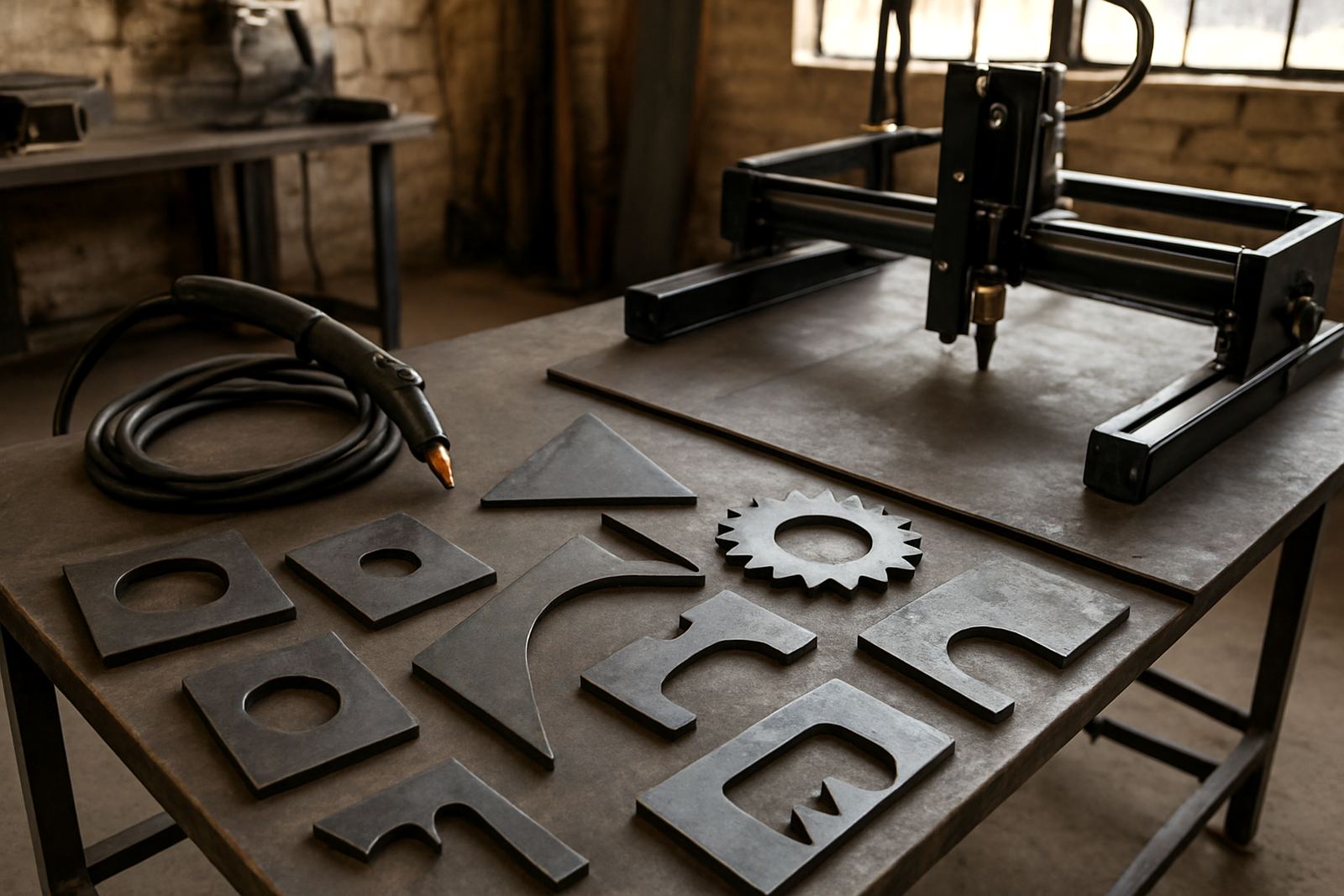
Handheld plasma cutters are useful where the work changes from day to day. CNC plasma tables suit repeat parts, brackets, panels and nest layouts where consistency matters. In areas like Sasolburg and Vanderbijlpark, where fabrication and repair work often overlap, one machine can cover both quick site repairs and scheduled production.
- Good for mild steel, stainless steel and aluminium
- Useful for plate, profiles, sheet and repair sections
- Works well for workshop and site work
- Short setup time compared with gas-based cutting
Plasma is not the answer for every job, but it is often the most practical one when you need decent speed, acceptable edge quality and less fuss in day to day use.
Plasma versus oxy-fuel: speed, thickness and heat
Oxy-fuel still has a place, especially on thicker mild steel. If you are cutting very heavy plate, oxy-fuel can be more economical on the right job. It is also familiar to many older teams and remains useful for bevel cutting and rough demolition work.
Plasma becomes more attractive once you move into thinner and mid-range material. It starts faster, cuts cleaner on smaller sections and is easier to use when you need fine control. That matters in a workshop where you may cut a 6 mm bracket in the morning and a 20 mm repair section after lunch.
There is also the issue of heat distortion. Oxy-fuel puts more heat into the work, which can be a problem on thinner sections and parts that need to stay true. Plasma still creates heat, but in many cases it reduces the amount of post-cut straightening and grinding required.
- Choose oxy-fuel for very thick mild steel and rough heavy plate work
- Choose plasma for faster cuts on thinner and medium thickness material
- Use plasma when you need less distortion and quicker turnaround
Plasma versus laser and waterjet: workshop realities
Laser cutting and waterjet cutting are both excellent in the right setting, but they are not always the practical choice for an everyday South African workshop. Laser systems can produce very fine detail and high repeatability, yet they usually need a larger capital outlay and more controlled operating conditions. Waterjet avoids heat, which is valuable for certain materials, but it is slower and costly to run for general fabrication work.
For a metal fabrication shop in Bloemfontein or Welkom, that can mean plasma is the more workable option when you want a machine that pays its way on common jobs. It gives good cut quality on a broad range of conductive metals without requiring the same level of infrastructure as more specialised systems.
If your business needs intricate, high volume parts with very tight tolerances, laser may justify itself. If your work includes heat-sensitive materials or premium edges with minimal finishing, waterjet may be the better fit. But for many workshops, especially those doing repair and fabrication mixed together, plasma is the middle road that keeps work moving.
Saw cutting, grinding and other low-tech methods
Not every cutting task needs a high-spec machine. Bandsaws, abrasive saws and grinders still have a place in many shops, particularly for sectional material and small batch work. They are often cheaper to start with, and a skilled operator can get solid results on straightforward jobs.
The trade-off is time and labour. Saw cutting is slower on shaped work and does not suit complex profiles. Grinding can get you there, but it is noisy, dirty and hard on discs. For a workshop in Meyerton handling urgent repairs, these methods can become bottlenecks when the same machine is expected to do too many different things.
Plasma reduces that bottleneck because it cuts shapes, plate openings and irregular profiles more quickly. It also means fewer hours spent on rework. That said, many workshops use a mix of methods rather than one single answer.
- Saw cutting suits straight cuts and section work
- Grinding suits small corrections and on-site adjustments
- Plasma suits shaped cuts, plate work and mixed jobs
A practical choice for Gauteng and the Free State
Consider a workshop in Vanderbijlpark that repairs truck bodies, cuts brackets and turns around small production runs for local clients. If the team relies only on manual cutting, the day gets eaten by setup, marking out and finishing. A plasma cutter can shorten that cycle, which helps when the power is not always steady and the order book changes by the hour.
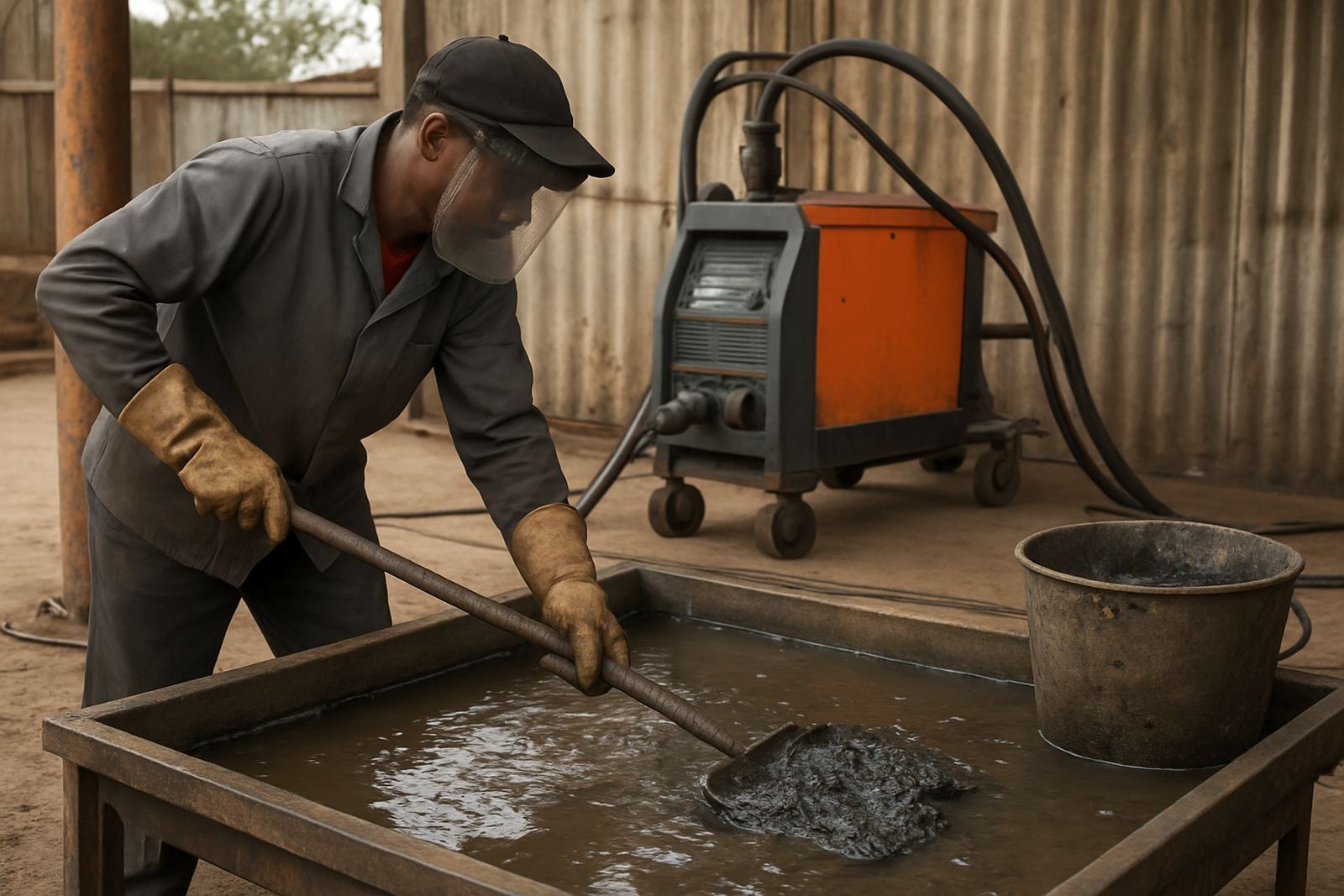
That is where support matters too. Good cutting equipment only helps if the torch, consumables, air supply and height settings are being checked properly. Regular maintenance, consumables checks and operator training keep the machine performing as expected. In humid coastal conditions this matters even more, but even inland dust and poor air supply can shorten consumable life quickly.
For workshops across Vereeniging, Sasolburg, Alberton and Bloemfontein, the right method is usually the one that keeps production steady without overcomplicating the setup. Plasma often lands in that sweet spot: practical, versatile and easy to justify on real work.
How to choose the right method for your shop
If you are comparing methods for the first time, start with these questions. What materials do you cut most often? How thick are they? Do you need mobile work as well as table work? How much finishing can you afford after cutting? The answers usually point quite clearly to one method or a combination.
As a rule, plasma works well when you want speed, flexibility and decent finish on everyday conductive metals. Oxy-fuel suits thicker mild steel. Laser suits precision and volume. Waterjet suits specialised jobs where heat must be avoided. Saw cutting and grinding remain useful support methods, but they are rarely the full answer on their own.
PlasmaCutter supports workshops across Gauteng and the Free State with demos, servicing, repairs, commissioning, operator training and cut quality audits. If you need help matching the method to the work, start with the jobs you actually do and build from there.