Cut quality changes are usually the first clue
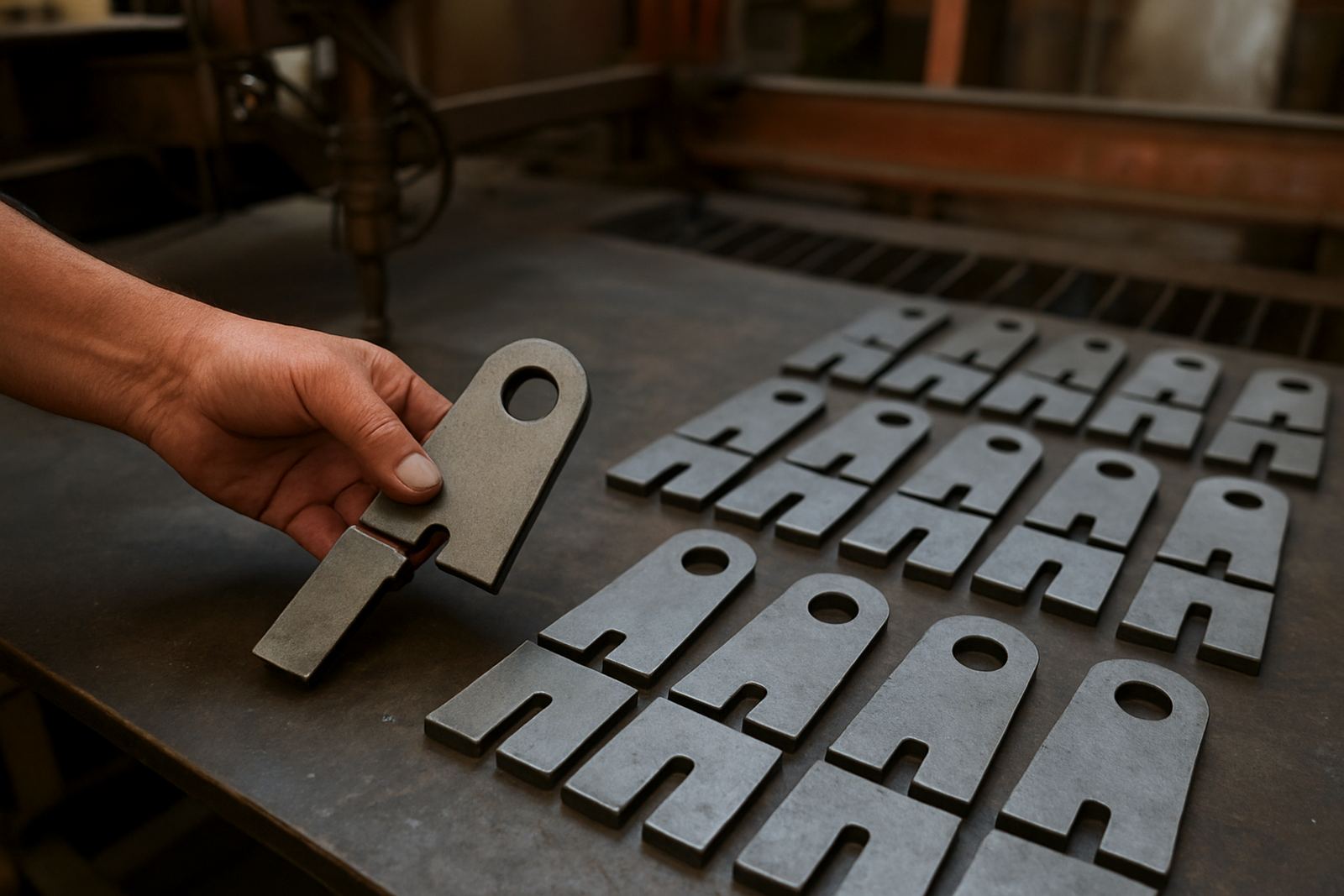
If the cut suddenly looks rougher than usual, do not assume it is only the material. A healthy plasma machine should leave a fairly clean edge with limited dross. When the edge starts showing more slag, wider kerf width, bevel on the cut face or extra grinding time, the system may need inspection.
In many Vereeniging and Vanderbijlpark workshops this shows up first on repetitive jobs, where operators know the usual finish by eye. The change can point to worn consumables, torch alignment issues, unstable air supply or a power source that is not delivering properly under load.
- Excess dross hanging on the bottom edge
- Rounded corners that should be crisp
- More grind time after each cut
- Repeated poor results even after setting changes
If arc starts become unreliable, service should not wait
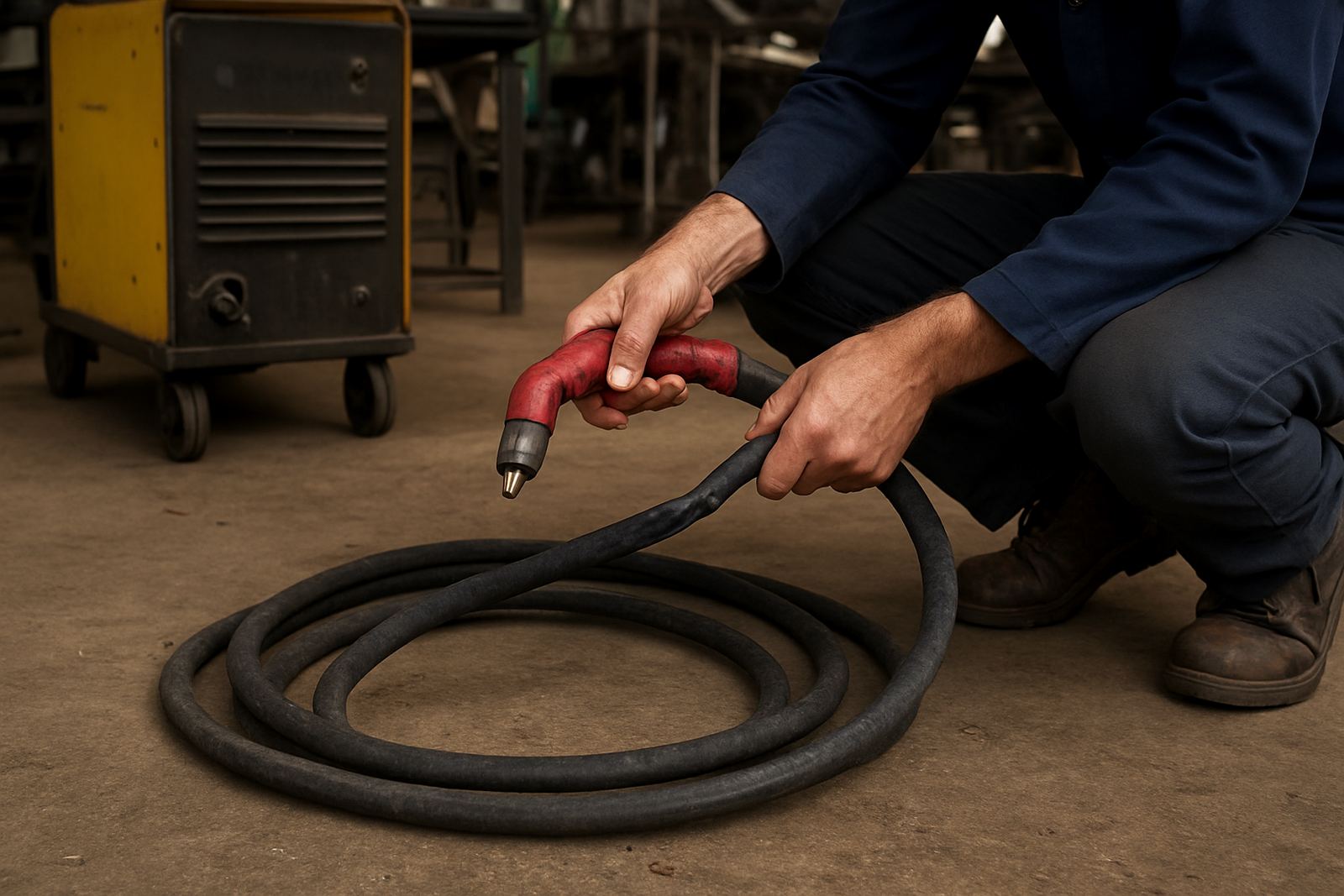
Arc starting problems are a common early warning sign. If the torch needs several tries to start, or the arc cuts in and out during a job, the issue can spread quickly. You may see misfires, delayed starts, unstable arc transfer or a torch that only works when it is held at a certain angle.
This can come from a worn torch, damaged leads, loose connections, moisture in the air line or internal wear inside the power source. In industrial settings around Alberton, Germiston and Meyerton, these faults often get worse after power interruptions or when the machine is moved between bays too often.
- Slow or repeated starting attempts
- Arc dropping out during a cut
- Intermittent cutting with no clear pattern
- Loose or hot cable connections
Air supply problems show up faster than many people think
Plasma systems are very sensitive to air quality. If the air is too wet, oily or inconsistent, cut quality suffers and torch parts wear out quickly. A machine that once performed well but now cuts poorly may simply be getting dirty air, a blocked filter or pressure that drops under demand.
For coastal humidity is not the only concern, because even inland workshops in Gauteng can still pick up moisture after cold nights and hot days. In winter, condensate builds up in lines and tanks. If your compressor cycles too often, or pressure falls when another tool starts up, the plasma unit may no longer be getting what it needs.
- Moisture at the torch or in the line
- Oil contamination on filters or fittings
- Pressure drop when cutting starts
- Inconsistent cut finish between shifts
Unusual noise, heat or smell points to a deeper issue
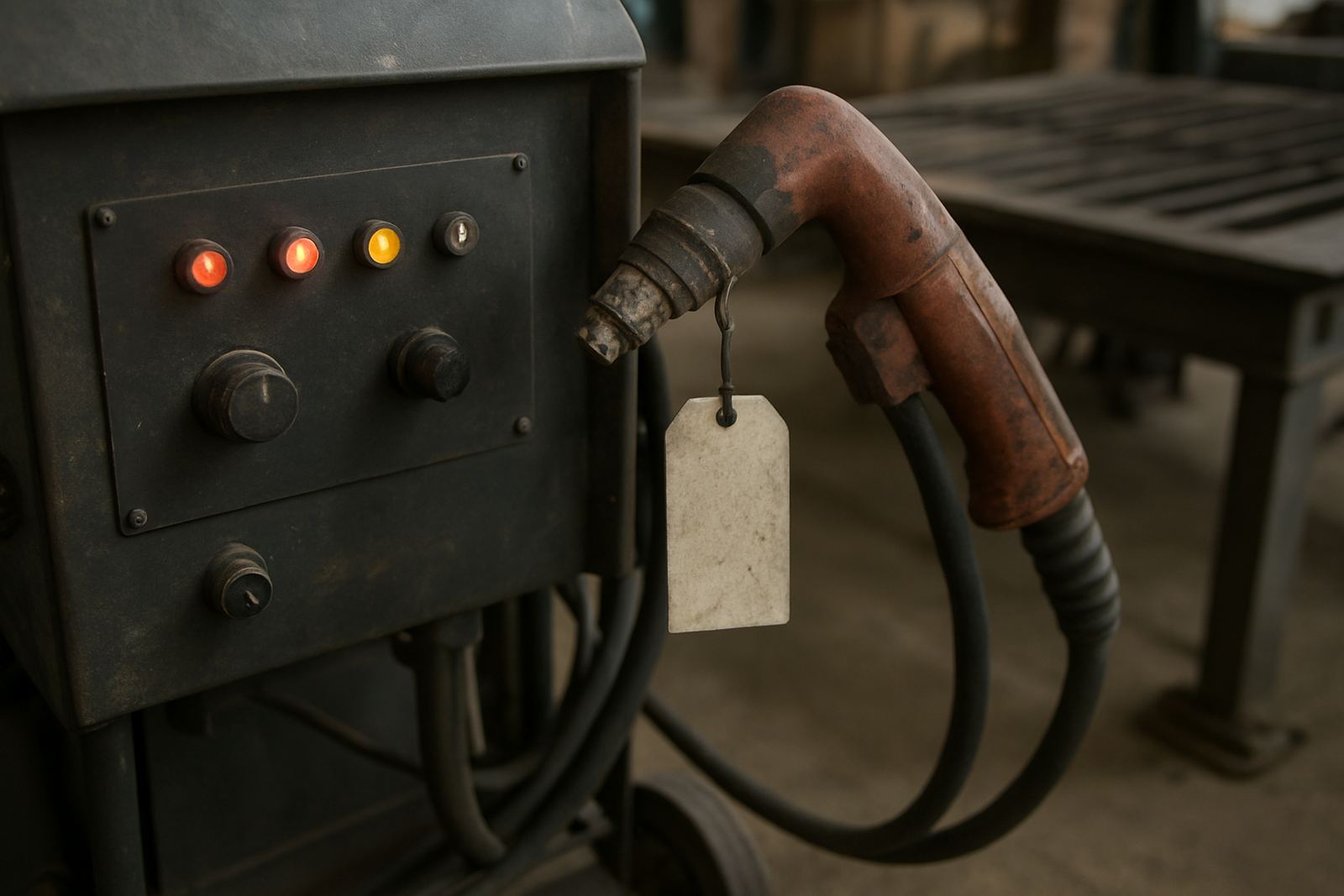
Strange sounds should never be ignored. Clicking, buzzing, whining or crackling from the power source can mean electrical stress or cooling trouble. If the unit becomes hotter than normal, trips more often or smells like burnt dust, that is a sign to switch off and inspect the machine.
Load-shedding, dust and long operating hours can put extra strain on plasma equipment. Fans clog, terminals loosen and internal parts run warmer than they should. A machine that cuts fine for ten minutes but weakens after that may be overheating under the work load and needs a proper check.
Watch for these signs:
- Fan running constantly or not at all
- Hot casing after short use
- Burnt smell, dust smell or electrical odour
- Repeated thermal trips on normal jobs
CNC tables show service needs in the movement, not just the cut
On CNC plasma tables, the warning signs are not only in the edge finish. Listen for rough travel, jerky motion, poor torch height control or cuts that drift from the programmed path. If the table starts missing positions, calibration may be out or a mechanical issue may be developing.
A CNC table that has not had preventive maintenance often shows uneven motion on the rails, dirty guide systems or height control faults that only appear on longer runs. In Bloemfontein and Welkom, where some workshops run mixed shift patterns, these problems can sit unnoticed until a full production order lands and the table cannot keep up.
- Inaccurate hole sizes or slot widths
- Height control hunting up and down
- Axis movement sounding rough or uneven
- Parts no longer matching the drawing
When to stop using the machine and get it checked
Some faults can wait until the next planned service, but others need prompt attention. If the torch keeps failing, the unit trips repeatedly, the air supply is unstable or the machine is leaving poor quality on every job, stopping early can prevent a more expensive repair later.
A practical rule is simple: if the same symptom appears on more than one job, across more than one operator, it is probably not a one off. It is time for a proper inspection, torch repairs, power source repairs, consumables checks, air system inspection or CNC table servicing depending on the setup.
PlasmaCutter supports workshops across Vereeniging, Vanderbijlpark, Sasolburg, Meyerton, Alberton, Germiston, Bloemfontein and Welkom with machine commissioning, operator training, cut quality audits and on site breakdown assistance when needed.