Why Water Table Care Matters in Busy Workshops
A water bed table is not just a tray under the cutting area. It is part of the cut process, the safety setup and the cleaning routine. When the water is left dirty or the level is wrong, you get more sludge on the bottom, more splashback around the slats and less consistent cut quality.
In South African workshops, that matters even more because dust, heat and load-shedding all put extra pressure on equipment. A table in Vereeniging that cuts mild steel all day will age differently to a machine used now and then in a smaller fabrication bay. The fix is not difficult, but it does need regular attention.
Good care also protects the operator. Cleaner water means less smoke hanging around the cutting area, less scale building up on parts and fewer delays when jobs need to move from cutting to bending or welding fast.
Keep the Water Level Where It Should Be
The water level is the first thing to check. Too low and the table loses some of its smoke control and splash reduction. Too high and you can get extra mess on the torch, the slats and the underside of the plate. The right level depends on the table design and the type of work being done, so it is worth setting a mark and sticking to it.
In places like Sasolburg and Germiston, where workshops may run long shifts, evaporation and top ups can change the level without anyone noticing. Check it at the start of the day, not after problems show up. If the table is used for thicker plate or longer runs, look again after the shift because heat can change the water faster than expected.
- Check the level before first cut each day.
- Top up with clean water when needed, not just any leftover drum water.
- Watch for leaks around drain plugs, seams and hoses.
- Keep a simple note of how often the table needs topping up.
Remove Sludge Before It Turns into a Problem
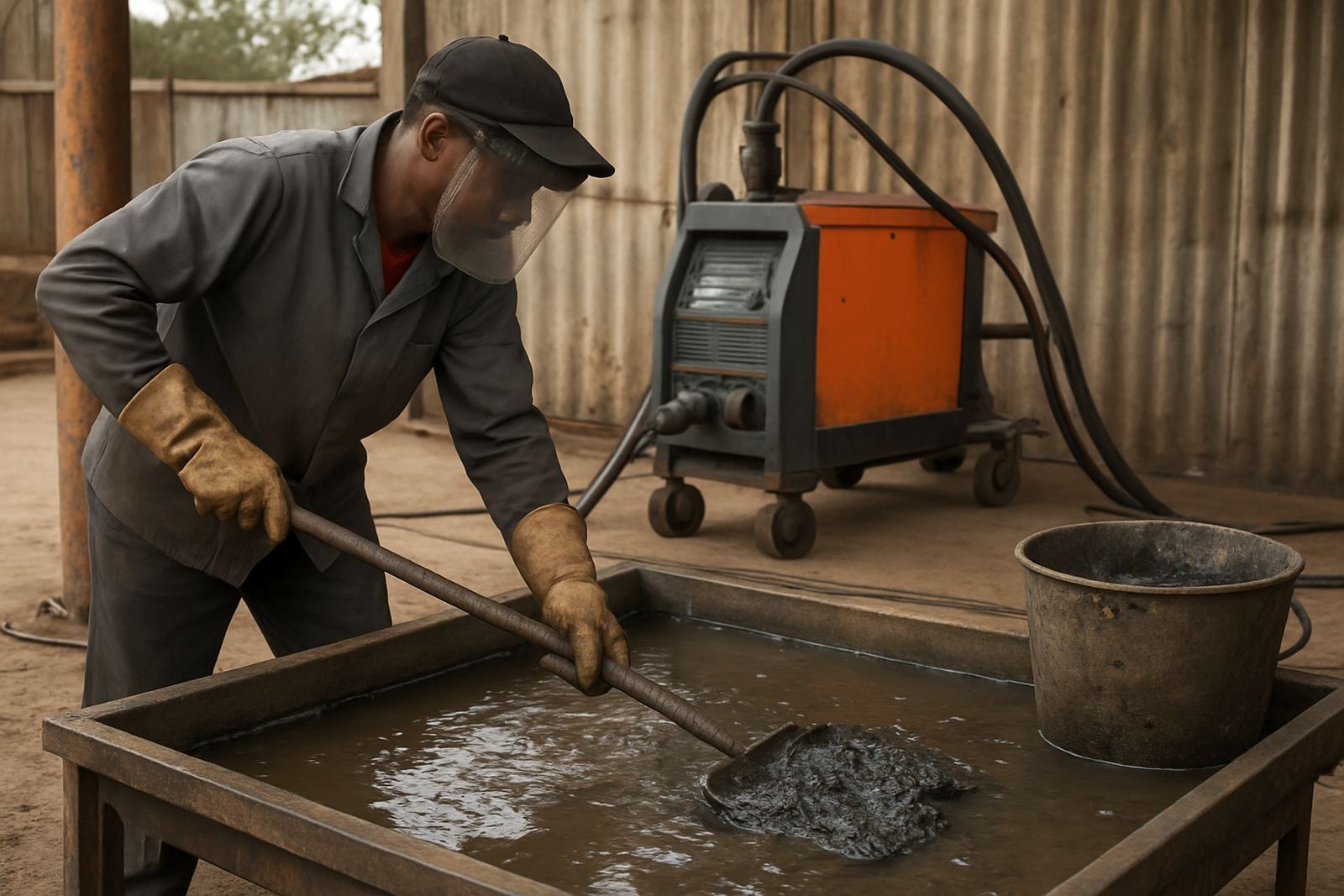
As metal is cut, fine scale and small particles fall into the water. Over time that becomes sludge at the bottom of the table. If it is left too long it can smell, thicken and make cleaning a bigger job than it should be. It can also end up circulating back onto parts when the water is moved.
A practical workshop habit is to schedule a sludge check at set intervals, especially in high use sites around Vanderbijlpark, Alberton and Welkom. If the table is opened up for preventive maintenance, take the chance to inspect the bottom, clean the corners and check that waste has not packed around the drain area. A quick clean every few weeks is easier than a full strip out later.
When sludge removal is done properly, the table drains better and the whole area is easier to keep tidy. That means less time spent scraping and more time spent cutting.
Watch Slats, Rails and Torch Clearance
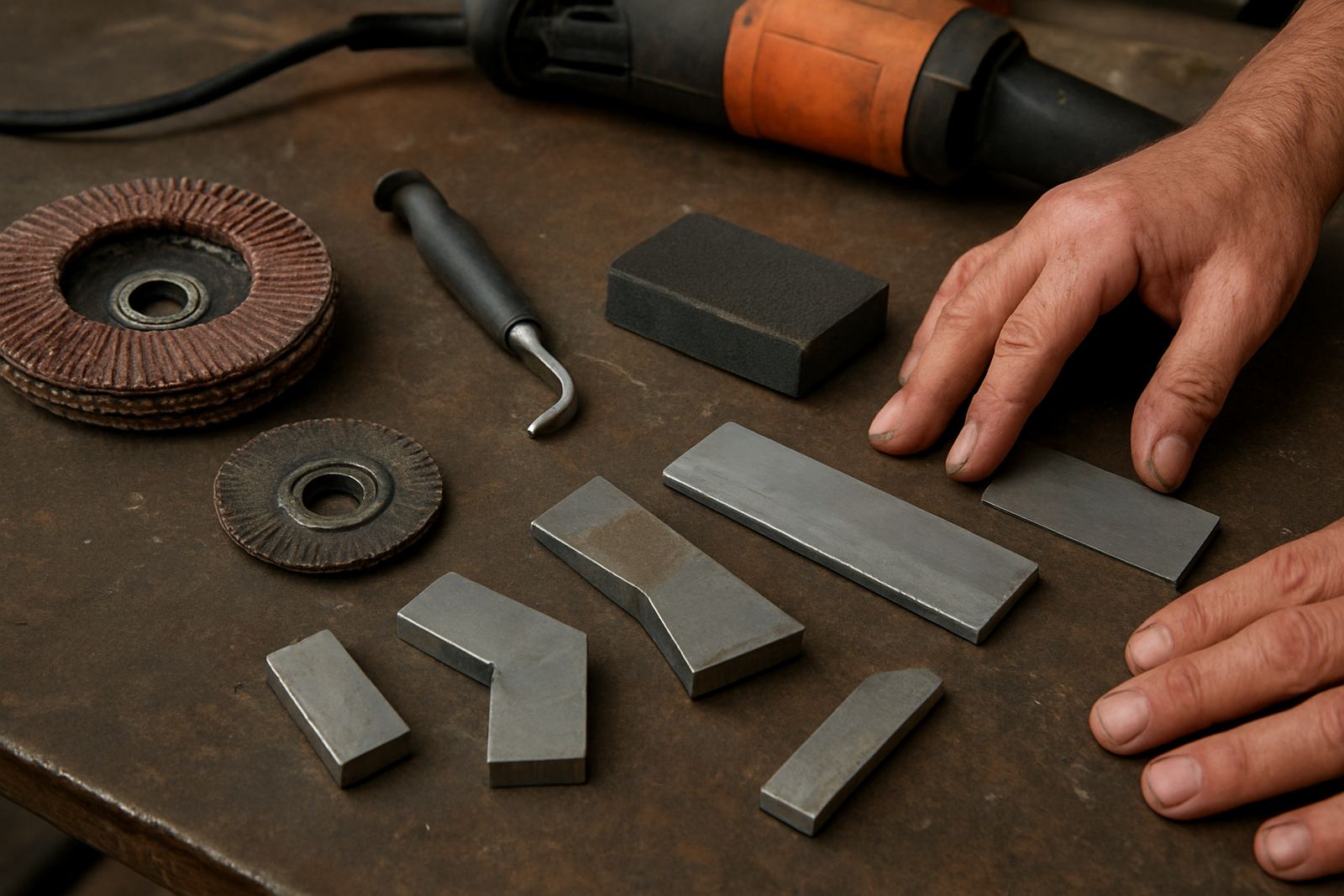
The slats or supports in the water table carry the workpiece and help the torch keep a steady cutting height. If they are bent, heavily scaled or badly spaced, the cut can start to wander and the edge finish suffers. Once the torch has to fight uneven support, consumables wear faster too.
Look for these signs during regular checks:
- Slats with heavy warping or burnt-through sections.
- Build up that stops plate from sitting flat.
- Signs that torch clearance is too tight for certain jobs.
- Rust or scaling on support parts that should move freely.
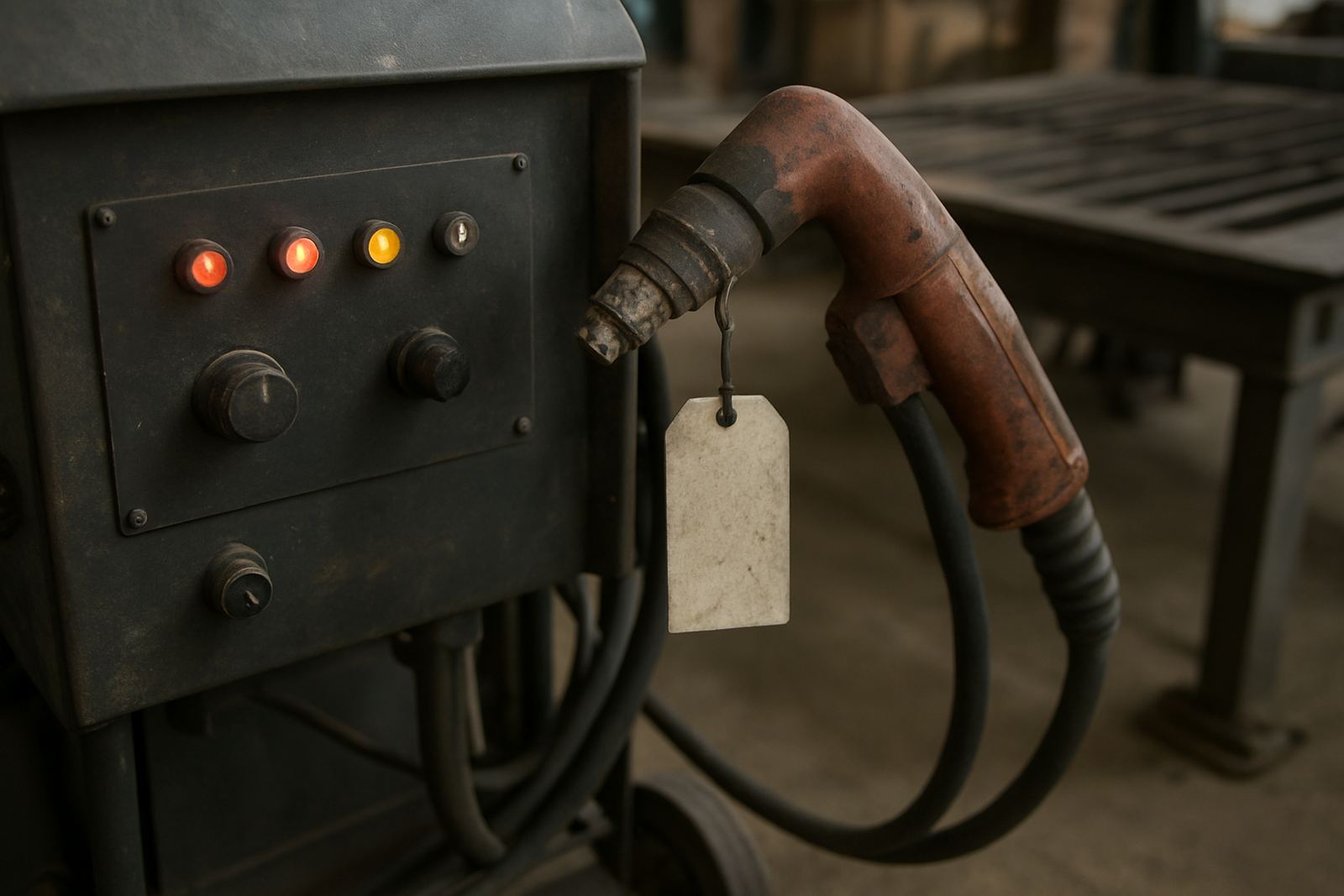
On CNC tables in particular, a support issue can show up as poor cut consistency before anyone notices it by eye. That is why a height control calibration and a quick cut quality audit are useful after repairs or changes to the table setup. It saves time later and keeps the table ready for proper work, not guesswork.
Protect the Table from Rust and Corrosion
Water and metal will always try to work against each other. In coastal humidity this happens even faster, but inland shops are not immune either. Rust can start on cut edges, support parts and any bare steel left wet for too long. Once corrosion gets going, the table becomes harder to clean and the water ends up dirtier for longer.
Simple habits help a lot. Drain and dry areas that do not need to stay wet. Keep the table covered where practical. After heavy use, wipe down the edges, torch leads and any surfaces that stay damp. If the machine sits for a few days because of a shutdown or load-shedding interruption, check it before starting up again.
If a table is left in a workshop that also handles grinding and welding, fine dust can settle into the water and speed up wear. That is normal, but it means cleaning should be part of the weekly routine not only something done when the machine already looks bad.
Plan Servicing Around Real Workshop Use
A water table works best when servicing matches the way the shop actually runs. A light fabrication shop in Meyerton will have different needs to a production environment in Bloemfontein or a repair bay in Alberton. That is why inspection intervals, consumables checks and air system inspection should be planned around cut hours, material types and how often the table is put under strain.
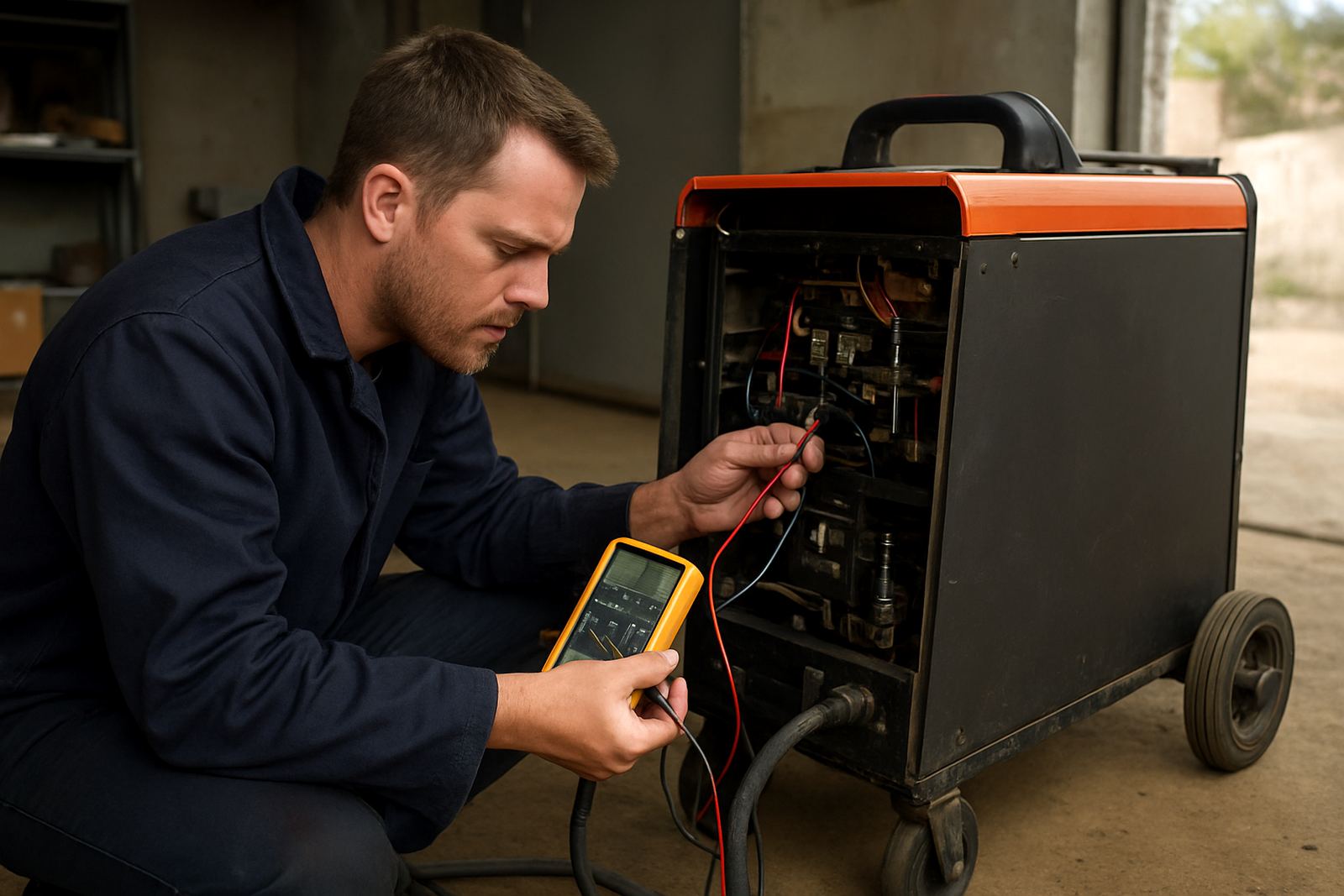
Operators should know what to look for, but the bigger jobs need proper attention. If the torch is cutting poorly, the power source is unstable or the table is not holding height correctly, it is better to sort that out early. On site breakdowns can often be reduced with preventive maintenance and a bit of operator training. The table then stays cleaner and the whole setup is easier to use.
- Schedule maintenance before the busiest period each month.
- Keep spare consumables and common wear items on hand.
- Check air supply quality because moisture affects cut performance.
- Book a height control check after any major repair.
A Local Example from a Vereeniging Fabrication Shop
A small fabrication shop near Vereeniging was battling dirty water, poor edge finish and a table that needed constant cleaning. The team thought the problem was only in the torch, but the real issue was a mix of low water level, sludge build up and worn slats. After a proper clean, a water level reset and a check on the air supply, the table ran better and the crew spent less time stopping to sort out faults.
That kind of result is common. When a water bed table is kept in good order, the whole workshop feels easier to manage. Parts come off cleaner, the torch lasts longer and the operator is not fighting the machine every hour. For many South African shops, that means fewer delays and better use of time, which is important when schedules are tight and power interruptions can already eat into the day.
Good maintenance is not about making the table look perfect. It is about keeping it ready for work, day after day.