
Start with the load, not the price tag
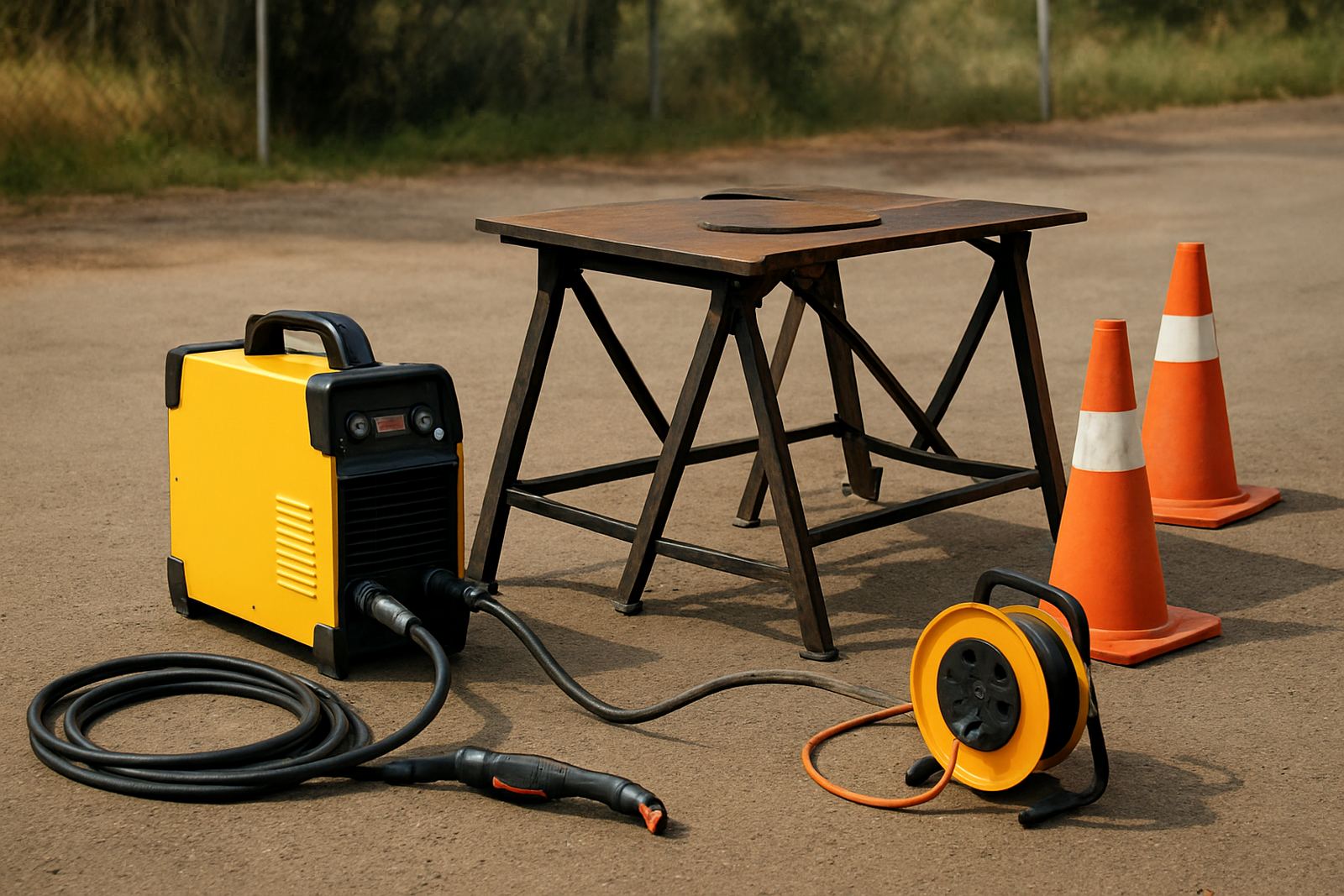
The first check is simple: match the generator to the plasma cutter’s actual input needs, not just the sticker on the machine. Many users look at the cutting amperage and forget that the power source also needs enough start-up capacity, a steady voltage supply and room for compressor demand if the unit uses onboard air.
For workshops around Vereeniging, Vanderbijlpark and Sasolburg, generator use often comes up during load-shedding or on sites without municipal supply. In those cases, a small petrol unit may keep a light-duty cutter running for short jobs, but it can struggle once the duty cycle climbs or the material gets thicker. A healthy rule is to leave margin above the machine’s maximum input draw, not just a narrow match that works on paper.
- Check the plasma cutter input voltage range and phase requirement.
- Confirm the generator’s continuous rating, not only peak rating.
- Allow extra capacity for compressors, lights or other tools sharing the same supply.
- Look at cable length as well, because long leads can cause extra voltage drop.
Stable power matters more than raw output
Plasma cutters prefer clean, stable power. A generator that surges, hunts under load or drops voltage when the arc strikes can cause misfiring, rough edges and premature wear on the torch. That is especially common on older portable sets that have seen hard use on farms, panel shops and construction sites.
If the generator has an automatic voltage regulator, test it under load before trusting it for a full shift. Listen for engine droop when the arc starts. If the machine repeatedly resets, struggles to maintain arc or cuts out as soon as the torch pierces, the supply is likely too weak or too unstable.
In practical terms, the power source must hold its own when the cutter demands a sharp burst. If the engine note changes a lot every time you pull the trigger, the setup is already telling you something. That is not the time to push on and hope for the best. It is usually cheaper to correct the supply than to replace consumables and repair a stressed power source later.
Air supply and moisture control cannot be ignored
Even when the generator is sized correctly, poor air quality can ruin the result. Plasma cutting needs clean, dry, consistent air. On a generator setup the compressor is often a separate machine, which means another load to manage and another point where pressure can fall away. If the compressor cycles too often or the line pressure swings, cut quality drops fast.
This matters even more in coastal humidity or after rain, but inland shops are not off the hook. In winter mornings around Gauteng and the Free State, condensation builds in pipework and tanks, then water gets pushed into the torch. The result is spatter, erratic arc behaviour and consumables that wear out far too soon.
- Drain the compressor tank before every cutting session.
- Use a proper moisture trap and check the bowl for water.
- Keep filters clean and replace elements on time.
- Set the air pressure to the cutter’s stated range, then verify it while cutting.
If the setup includes long hose runs, make sure the hose bore is large enough for the air demand. A narrow hose can cause pressure loss that only shows up once the torch starts working. That is when the customer thinks the plasma cutter is faulty, when the real issue is air starvation.
Earthing and cabling are part of the safety check
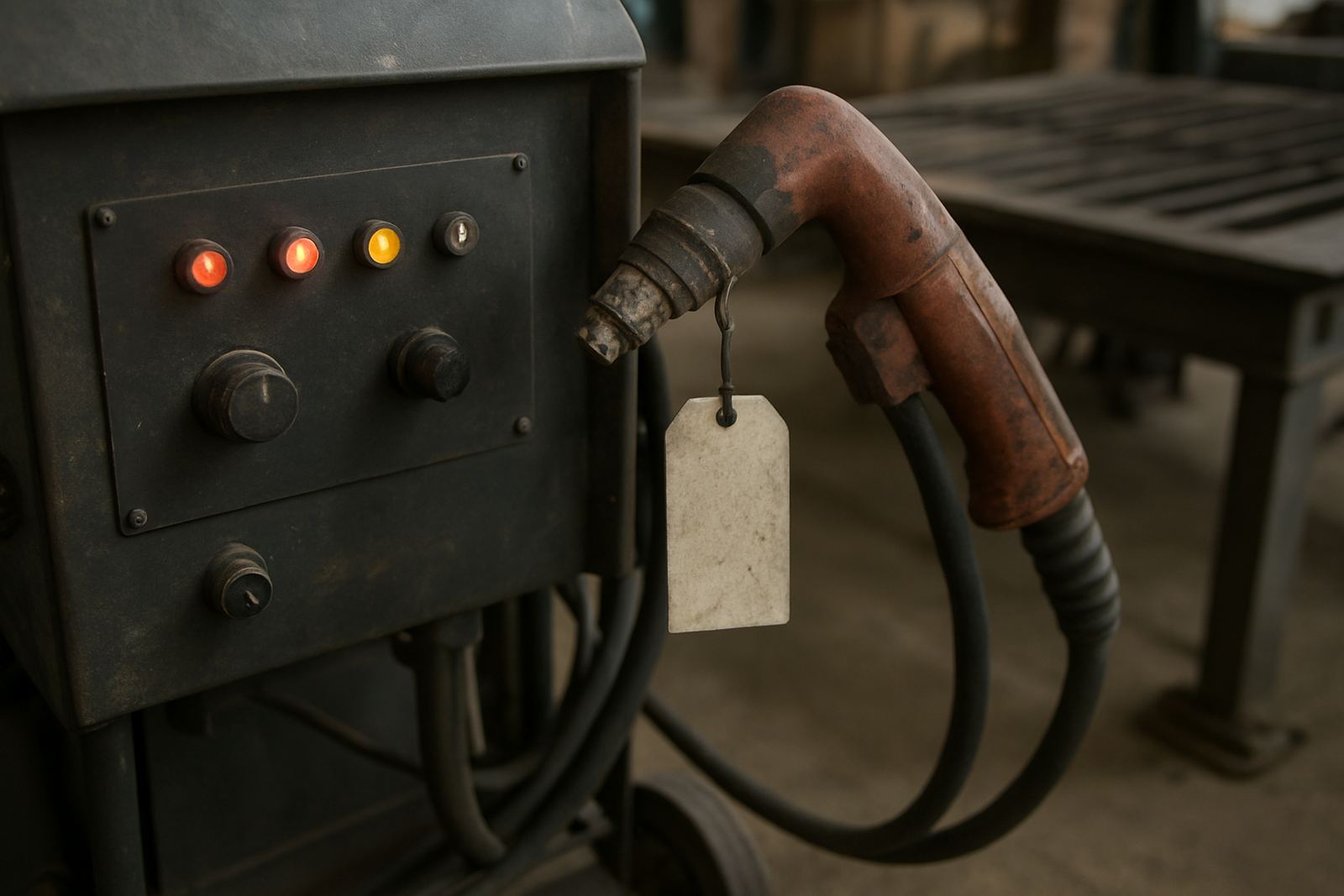
Do not treat earthing as a side issue. A plasma cutter on generator power still needs proper earth continuity, secure work return connection and sound cabling. Loose clamps, rusty contact points and undersized extension leads all create resistance, which affects arc stability and can put extra strain on the machine.
On site, we often find the problem is not the cutter at all but the way the generator and plasma unit are linked. Damaged plugs, warm sockets and temporary joints are common on busy yards. If the connectors are hot to the touch, the setup needs attention before more cutting is done.
- Use cable sizes suited to the current and distance involved.
- Keep the work clamp on clean metal, not painted or scaled surface.
- Avoid coiling leads tightly while the machine is running.
- Inspect plugs, sockets and adapters for heat marks or looseness.
Good cabling is not only about performance. It is also about preventing nuisance trips and keeping the operator safe. If a generator is standing on uneven ground, make sure the unit is stable and the fuel lines are secure before starting. A wobbling set can create its own problems on a busy site.
Choose the right job for generator power
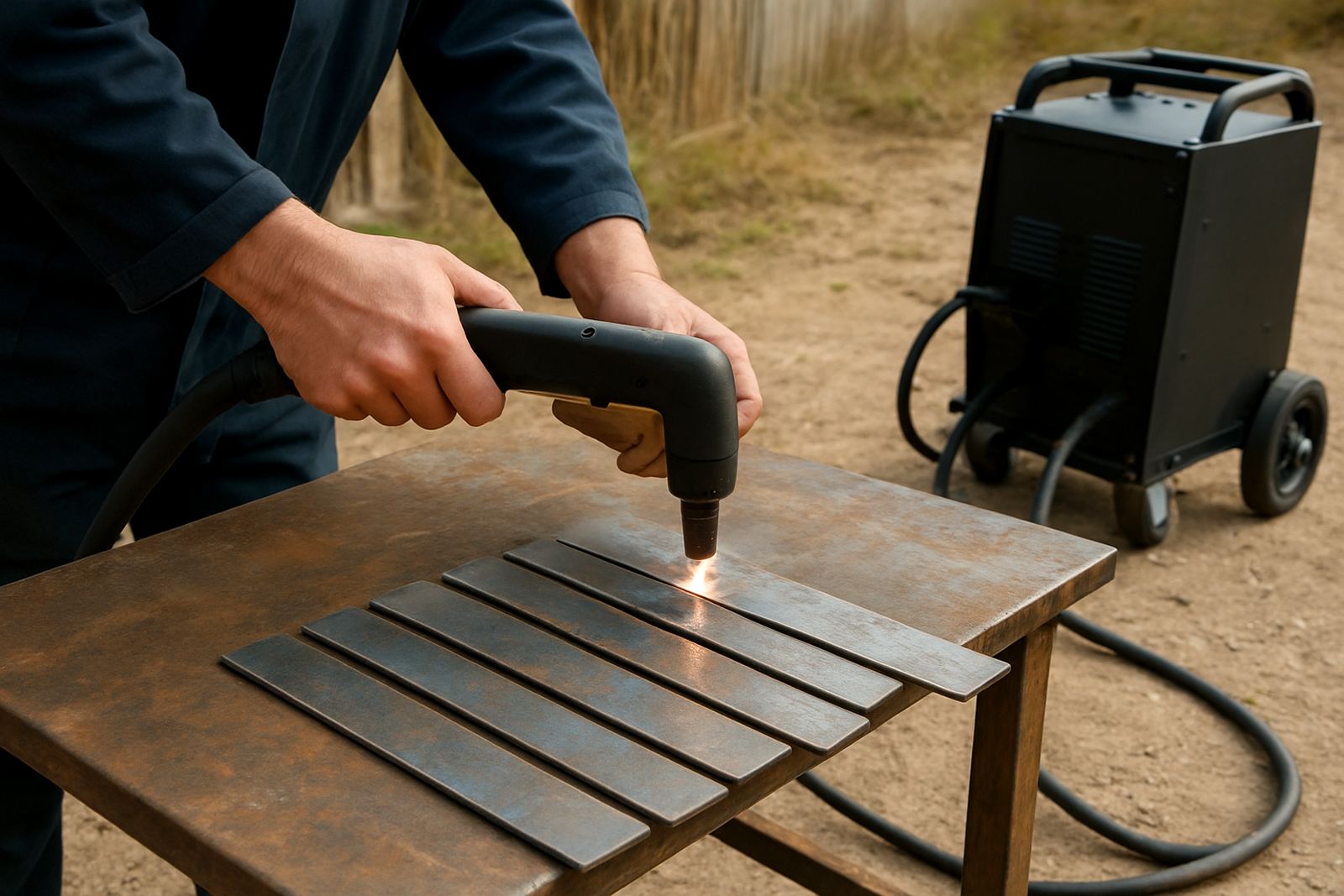
Not every cutting job suits a portable generator. Light fabrication, gate repairs, maintenance work and short on-site fixes are the usual candidates. Heavy plate, long production runs and high-output CNC work are better left to a proper mains supply or a correctly specified industrial generator.
A useful test is to ask how long the cutter will run at a time and how important cut consistency is to the job. If the work needs fine tolerances, clean edge finish or repeatable pierces, weak generator power will show up quickly. A hobbyist trimming brackets in Meyerton may get acceptable results from a compact set, but a fabrication shop in Germiston cutting many parts a day needs a far more stable supply.
Also think about duty cycle. A plasma cutter that is pushed continuously on a marginal generator will feel fine for the first few minutes, then start to falter as heat and voltage drop build. That is how a simple site repair turns into downtime, missed delivery and another call for support.
A Vereeniging example shows why testing saves money
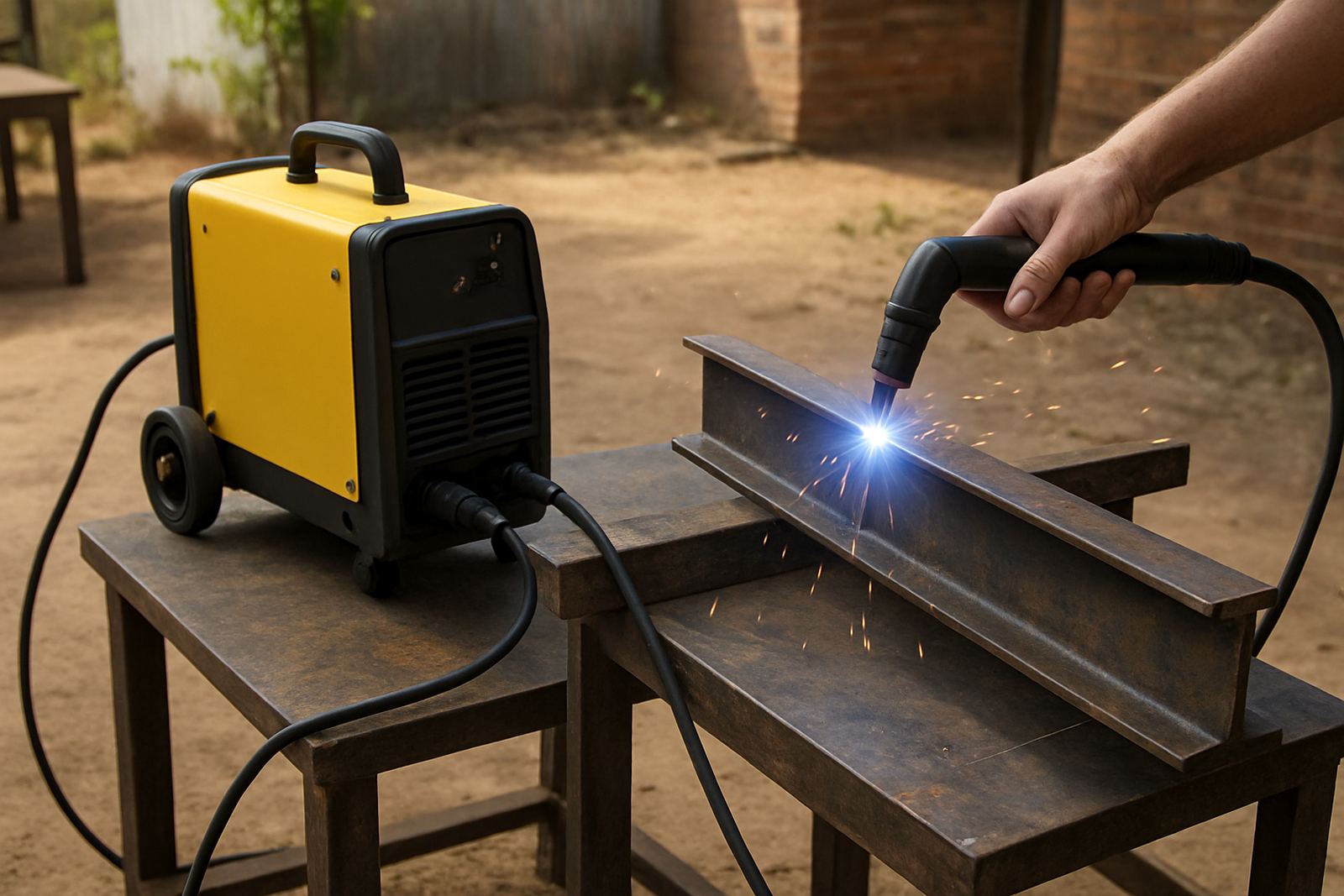
One practical example comes from a small repair crew in Vereeniging that used a portable generator during scheduled outages. They wanted to cut mild steel brackets for a machinery frame on site, and the cutter worked at first, but the arc kept breaking once the compressor and grinder were switched on nearby. The generator was not faulty, it was simply too small for the combined load.
After checking the supply, the air line and the extension leads, the crew separated the loads and moved to a larger set with better voltage control. The same plasma cutter then ran cleanly, with less dross and fewer worn consumables. That is the pattern we see often across Gauteng and the Free State: the cutter is blamed first, but the supply chain around it needs the real attention.
If you are setting up a machine for generator use, test it before the job starts, not after the steel is already on site. A short trial cut tells you plenty about power stability, air flow and earth connection. Catch the issue early and you save gas, tips, electrodes and time.
Get the setup checked before the first cut
Using a plasma cutter on generator power is possible, but it should be treated as a proper setup, not a casual plug-in. The right machine, the right generator and the right air system need to work together. When one part is undersized, the whole job suffers.
If you are unsure about generator compatibility, consumable wear, arc stability or cut quality, get the setup checked before it becomes a breakdown. Our team supports users from Vereeniging, Vanderbijlpark, Sasolburg, Meyerton, Alberton, Germiston, Bloemfontein and Welkom with demos, servicing, training and on site assistance where needed.
For businesses that rely on cutting during outages or remote work, a proper pre-check is usually cheaper than repairing avoidable damage later. It also helps operators work with confidence instead of guessing whether the next trigger pull will hold.