
Start With The Site, Not The Torch
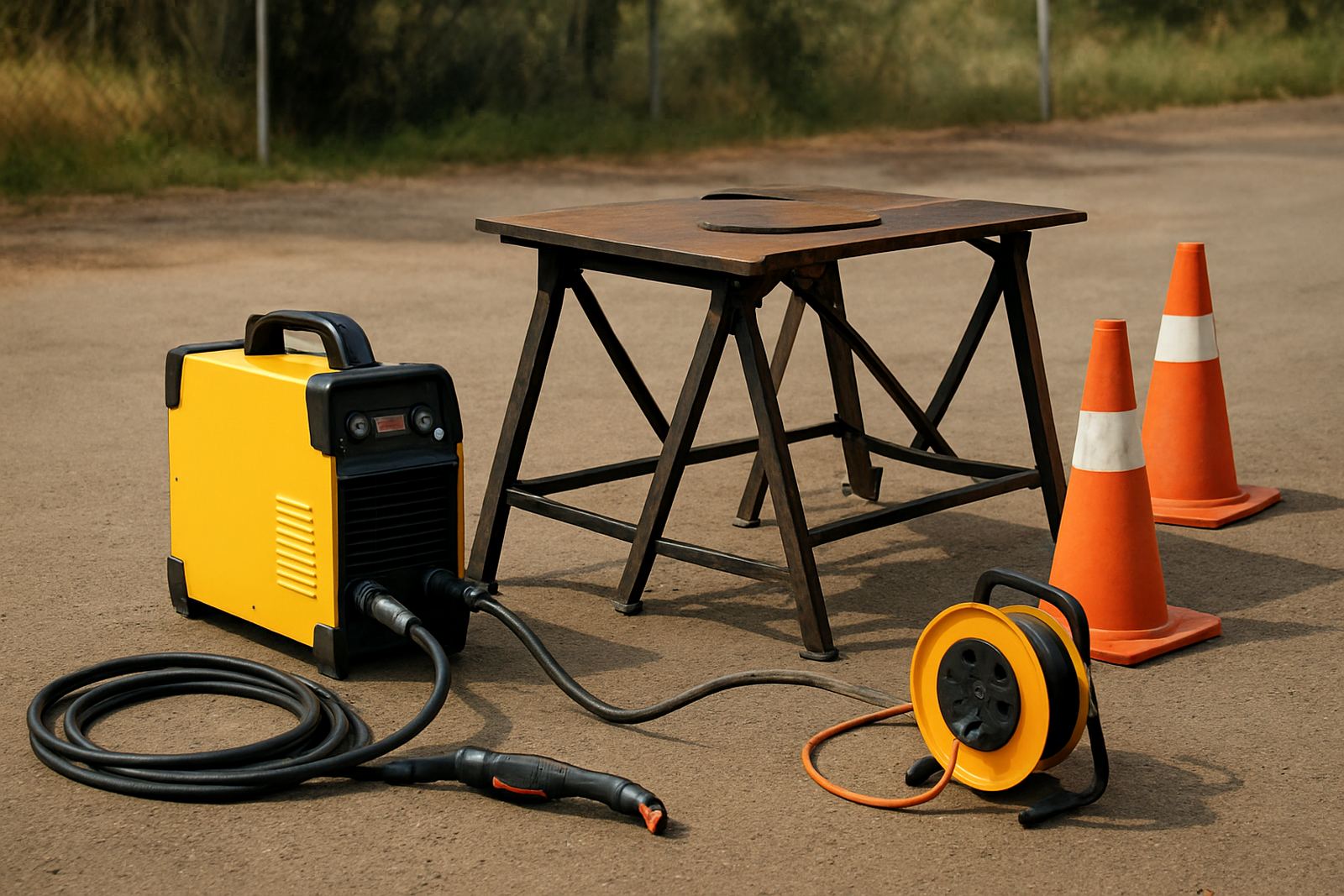
Before you strike an arc, look at the ground, the weather and the job layout. Outdoor cutting is not just about having power and air. You need a firm, dry surface, enough space around the machine, and a clear path for the leads so no one trips or drags them through mud.
On a site in Meyerton or near the industrial areas around Vereeniging, the common problems are dust, loose offcuts and people moving equipment around the work zone. Set the machine on level ground where it will not sit in puddles. If the weather turns, move the power source and air setup under cover rather than trying to work through rain spray. Even light moisture can create nuisance faults and shorten consumable life.
- Keep the machine off bare soil where dust can be blown into vents.
- Leave space around the unit for airflow and servicing.
- Mark a clear cutting area so forklifts, trolleys and staff stay out.
Wind Control Matters More Than Most People Think
Wind pushes the plasma arc and blows shielding gases off line, which can leave angled edges, more dross and wider kerf. If you are cutting sheet or plate outdoors, even a moderate breeze can affect results. A simple windbreak made from site barriers, sheet metal offcuts or a screened work zone can make a big difference.
Do not enclose the unit so tightly that airflow is restricted. You want to block direct gusts around the cut, not trap heat around the power source. In open areas such as Bloemfontein yards or Welkom repairs, timing also helps. Early morning can be calmer than mid-afternoon, especially on exposed sites.
- Position the workpiece so the wind blows across the cut, not directly into it.
- Use temporary screens if the site is open on all sides.
- Check the cut edge often and adjust travel speed if dross starts increasing.
Dust, Rust And Scale Need To Be Controlled
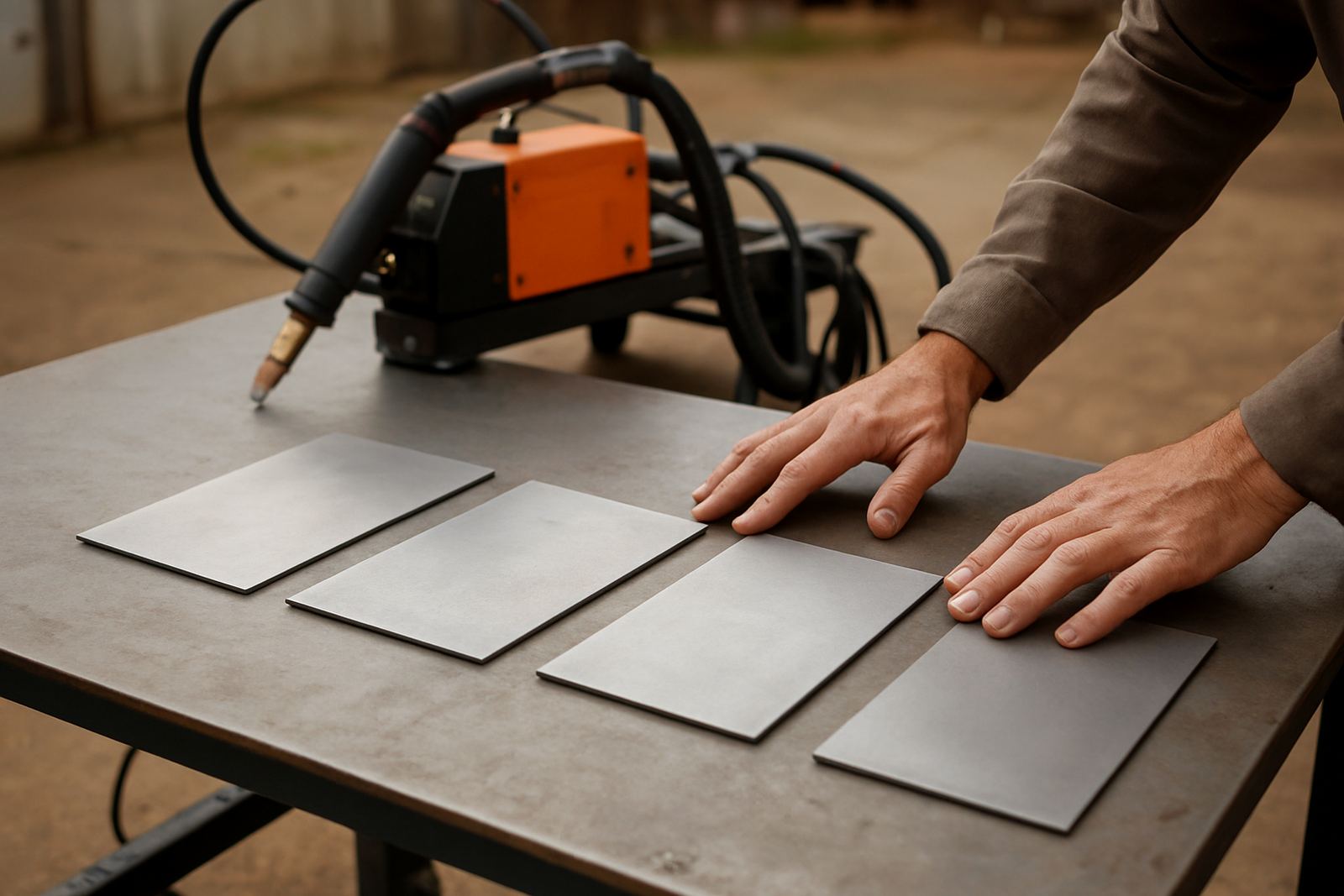
Outdoor fabrication usually means more surface contamination. Rust scale, mill scale, paint residue and grinding dust all affect cut starts and finish quality. Clean the line before cutting, especially where accurate fit-up matters. A torch may still pierce through dirty plate, but you will pay for it in consumables and rework.
In coastal or humid conditions, the problem is not only dust but moisture on the plate. Rust forms faster than many crews expect, particularly if stock is left outside overnight. Wipe down the cutting area, remove loose scale and keep consumables in a dry case. If the air supply is carrying water, the cut will usually show it first as poor edge finish or erratic starting.
- Brush or grind the cut line clean before starting.
- Keep spare consumables in sealed containers, not in the back of a bakkie.
- Drain the compressor and filter bowl regularly during the shift.
Cable Routing And Power Supply Should Be Treated As Site Safety
Long cables across a yard are a trip risk and a damage risk. Route power leads and torch leads along edges where possible, and protect them where vehicles or sharp scrap can pass over them. Cable damage often starts small, with crushed insulation or a loose connector, then turns into intermittent faults under load.
For outdoor work in areas with unstable supply, generator or site power quality also needs attention. Low voltage and poor earthing can affect arc stability and cause nuisance shutdowns. If the cutter is being moved around a fabrication yard in Germiston or Alberton, keep the supply point as close as practical and avoid running extension leads that are too light for the current draw.
- Use the correct cable size for the length of run and machine load.
- Keep leads out of water, sharp corners and traffic lanes.
- Inspect plugs, lugs and connectors before each shift.
Air Quality Is Just As Important Outdoors
A plasma cutter needs clean, dry compressed air. Outside, many teams assume the environment will take care of that. It will not. Dust and moisture still get into compressors, hose lines and fittings, especially when equipment sits in the sun during the day and cools quickly after sundown. That temperature change pulls condensation into the system.
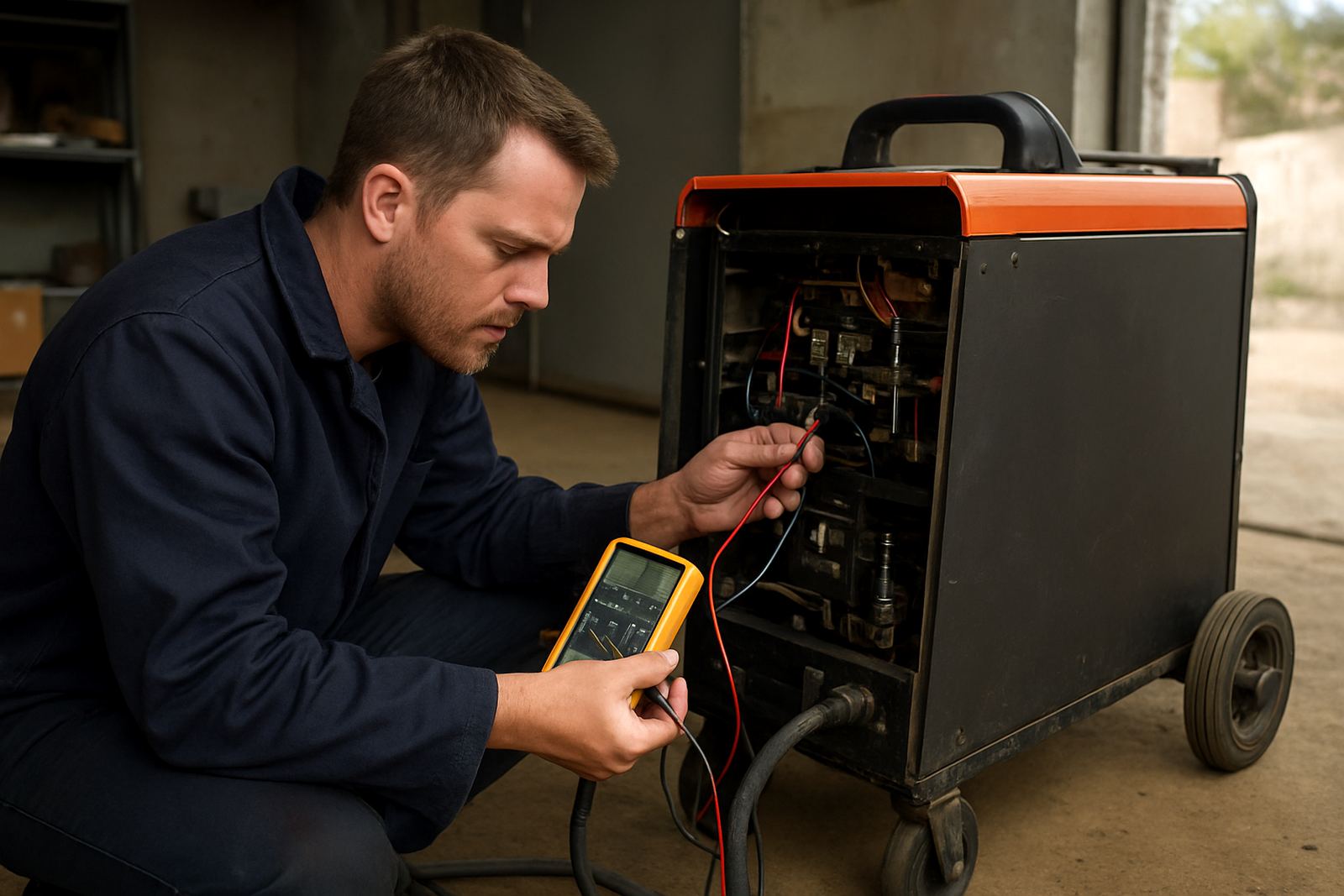
For mobile work around Sasolburg or on maintenance callouts, check the air system before you cut. Drain water traps, inspect filters and listen for leaks at couplings. If the machine has an air warning light or pressure fault, do not ignore it. The easiest time to fix air issues is before the first pierce, not after the nozzle has already worn out.
Safe Setup For Teams Working In The Field
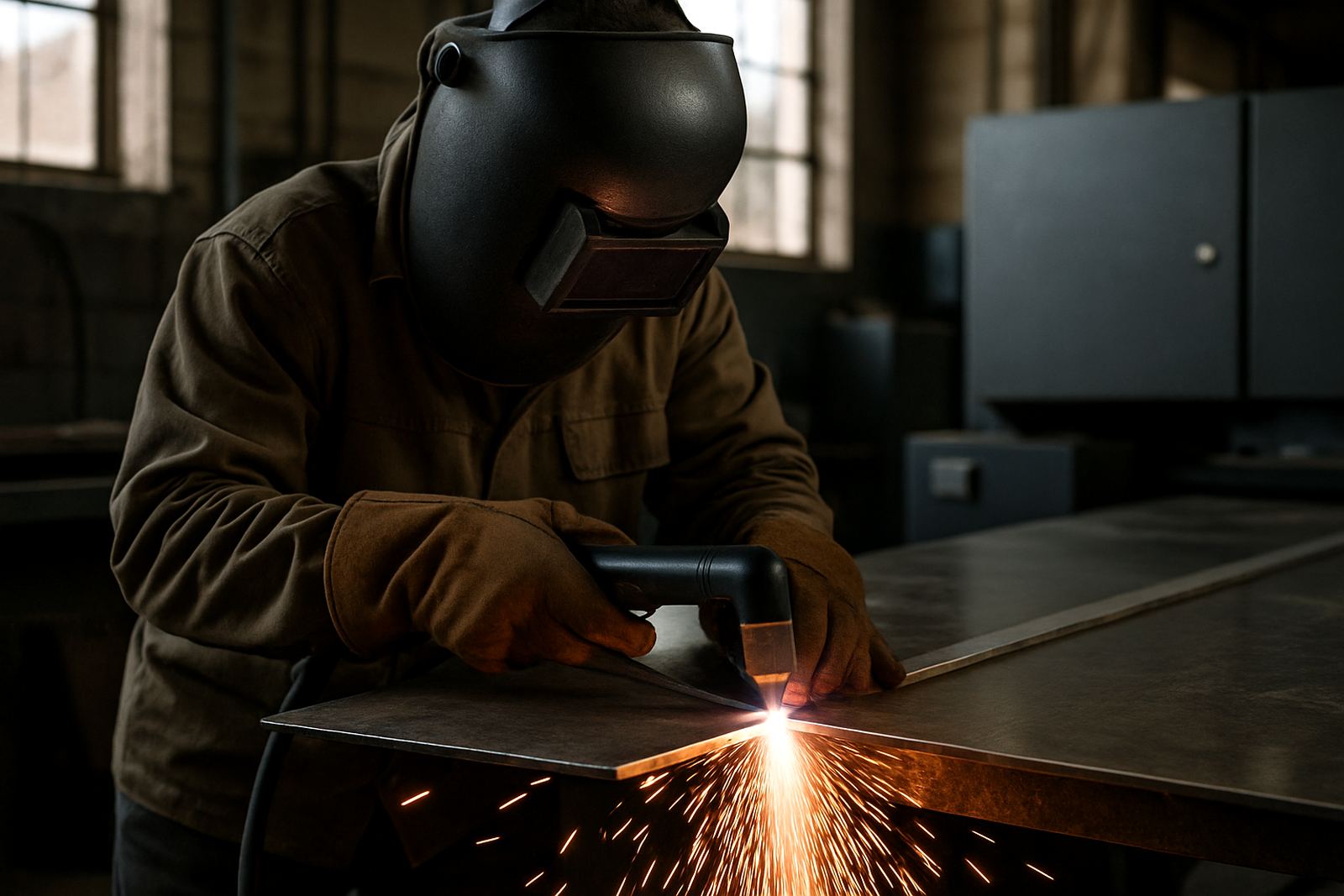
A proper outdoor setup is about people as much as equipment. Keep a fire extinguisher nearby, especially when cutting near grass, dry scrap, packaging or painted structures. Clear the area of flammable material and watch for sparks falling through grating or under trucks and racks. If the job is near a workshop boundary or public area, use screens to protect bystanders from arc flash and flying slag.
Operators should also know where the emergency shutdown point is and how to isolate the machine fast. On municipal or industrial sites, this matters because the work area may change during the day. A tidy start makes it easier to keep control when conditions shift. If the team is rotating between cutting, lifting and loading, assign one person to keep the work zone clear.
- Use proper PPE for cutting, grinding and moving parts.
- Keep fire watch discipline on every hot work job.
- Do a final sweep for slag, embers and offcuts before packing up.
A Local Example From A Vereeniging Job
On a recent yard job in Vereeniging, a crew needed to cut repair sections from plate stored outdoors near a workshop fence. The wind was light at first, then picked up across the open yard just after lunch. Instead of pushing through, the team moved the plate behind a barrier, cleaned the cut lines again, shortened the lead run and checked the air drain on the compressor. The change took a few minutes, but it stopped repeated misfires and saved a stack of worn tips.
That is usually the pattern with outdoor cutting. The first few minutes spent on setup decide whether the rest of the shift goes smoothly or turns into troubleshooting. If you work across Gauteng and the Free State, a disciplined outdoor routine is often the difference between a clean job and a long afternoon of rework.
For teams that cut outdoors often, regular preventive maintenance, consumables checks and air system inspection help keep the machine ready for changing site conditions. Good habits on site reduce breakdowns, protect cut quality and extend the life of the power source and torch.