Why stainless shows every cutting mistake
Stainless steel is less forgiving than mild steel. When the torch travels too slowly the edge overheats, the cut widens and you get heavy scale, rounded edges and a dark heat tint that takes time to remove. Go too fast and the arc can lag, leaving dross at the bottom and a rough top edge. On thin sheet, that can mean extra dressing before the part is ready for welding or fitting.
In places like Vereeniging and Vanderbijlpark, many workshops cut stainless for guards, machine covers and food or medical fittings. Those jobs often need a neater finish because the part is seen as much as it is used. A clean cut also helps when you are joining parts later, since slag and heavy oxidation can upset fit-up and slow down welding prep.
- Use the correct amperage for the plate thickness
- Keep the torch tip condition checked before starting
- Hold a steady standoff so the arc stays focused
- Mark the cut line clearly so you do not wander under pressure
Set the machine up before you strike the arc
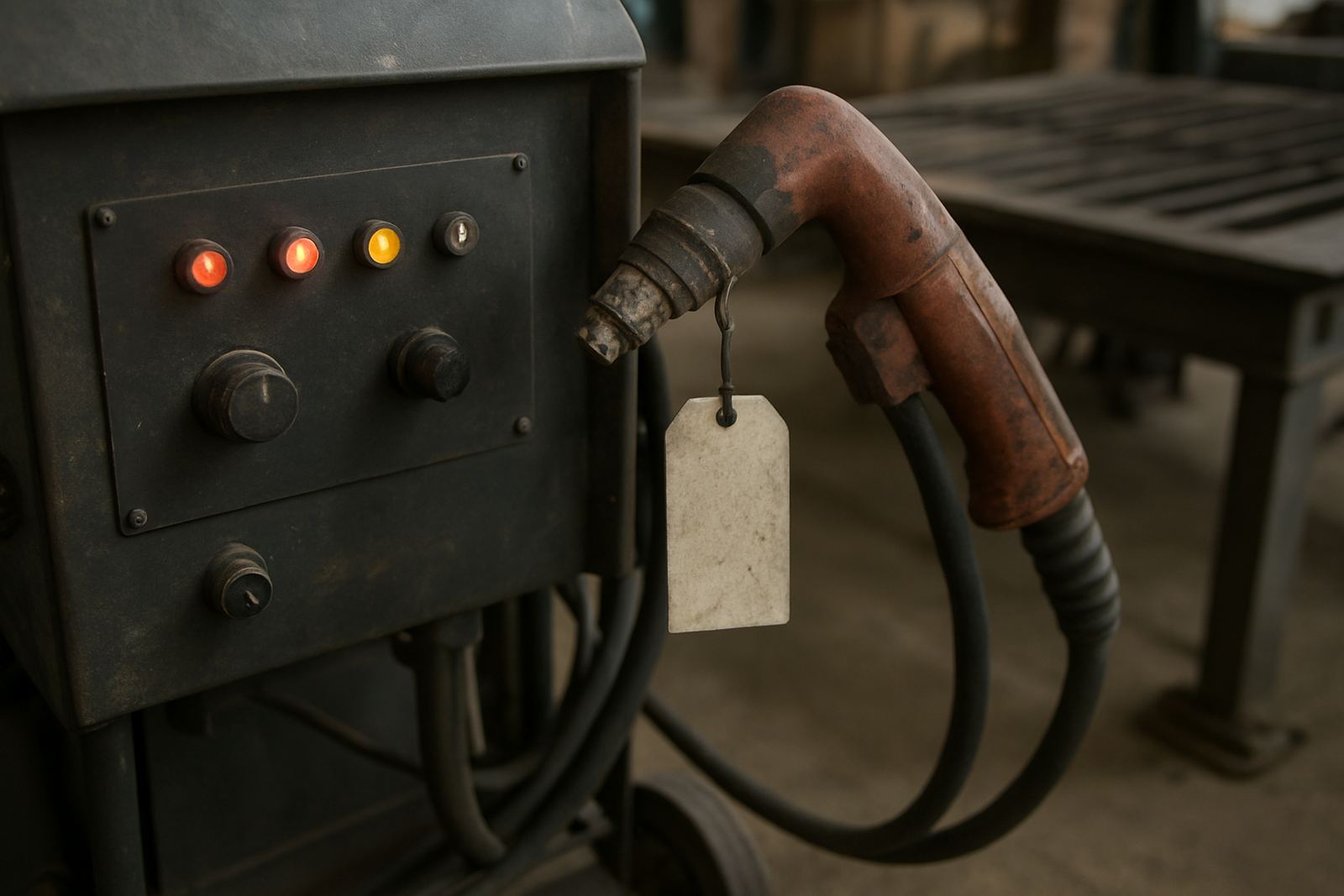
Good stainless cuts start before the first spark. Check the air supply first, because water, oil and dirty lines can ruin cut quality fast. If the air system is carrying moisture, especially on humid days near the Vaal, the arc becomes inconsistent and the edge can look patchy. A simple drain and inspection can save a lot of cleanup later.
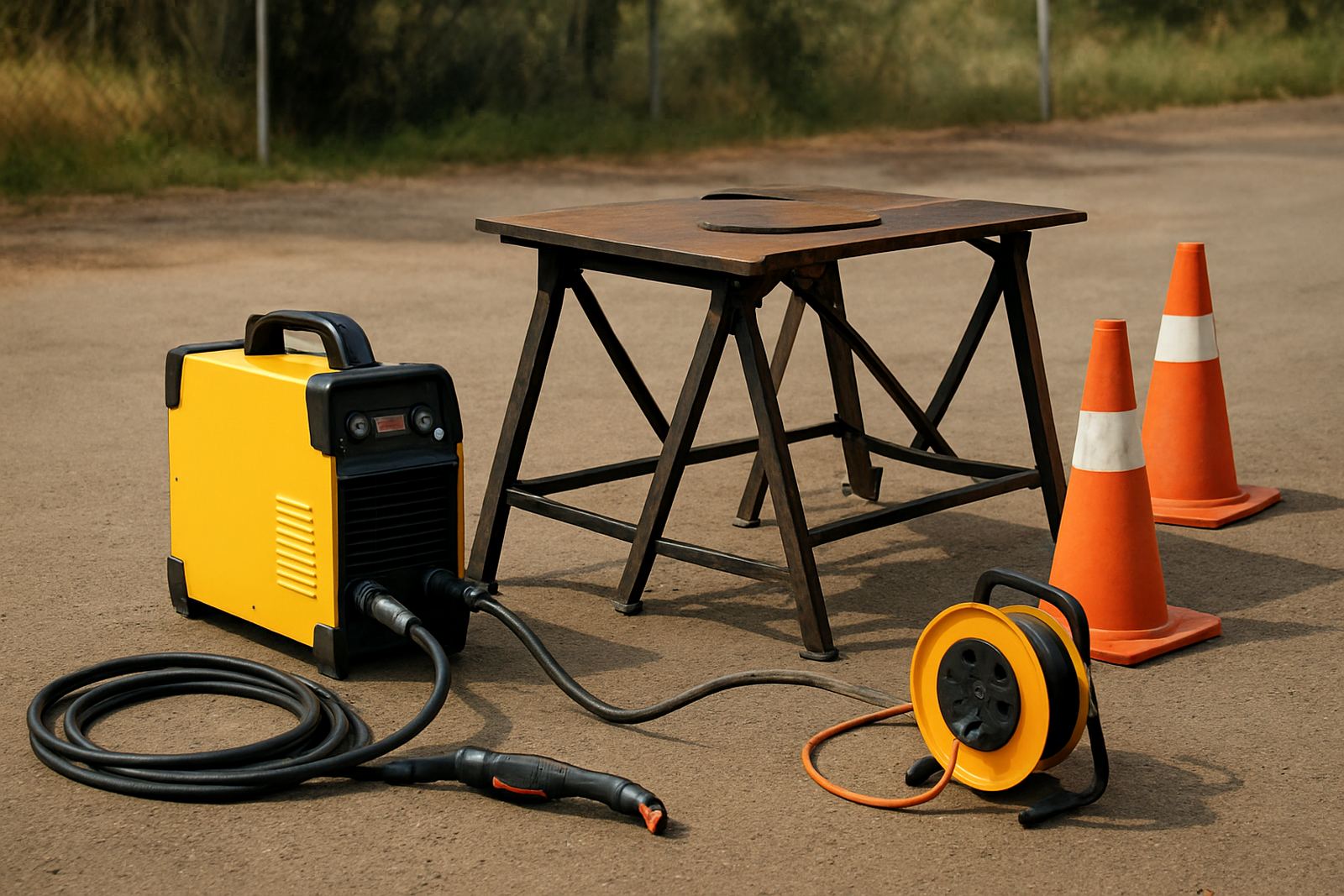
For handheld work, keep the workpiece well supported and make sure the earth clamp has a solid clean contact. If you are cutting on painted or rusted benches, that poor return path can show up as a rough edge. For CNC work, verify the table is level and the consumables are in good shape before a long run. An hour lost to setup usually saves a lot more than an hour spent grinding.
- Drain the compressor daily where possible
- Check filters, hoses and fittings for leaks
- Confirm the gas or air pressure matches the job
- Test the torch on offcuts before cutting finished parts
Heat control makes the biggest difference
Stainless discolours quickly, so the key is to keep heat moving. A slower cut is not always a cleaner cut. If you pause in one spot, the edge pulls in more heat and you get wider heat tint and harder cleanup. Keep the torch moving at a consistent pace and avoid stopping in the middle of the part unless you are finishing a corner or an internal detail.
On thicker sections, it helps to break the cut into sensible runs rather than trying to force one long pass with too much heat. If you are working in a busy fabrication bay in Alberton or Germiston, where jobs are often rushed between other tasks, take a moment to plan the sequence. Cut internal shapes first, then outer profiles. That keeps the part stable and reduces distortion.
For better post-cut finish, do not let the workpiece sit and cool with slag stuck to it if it can be brushed off while still warm. It is easier to remove light dross early than hardened bits later.
Getting cleaner edges on handheld cuts
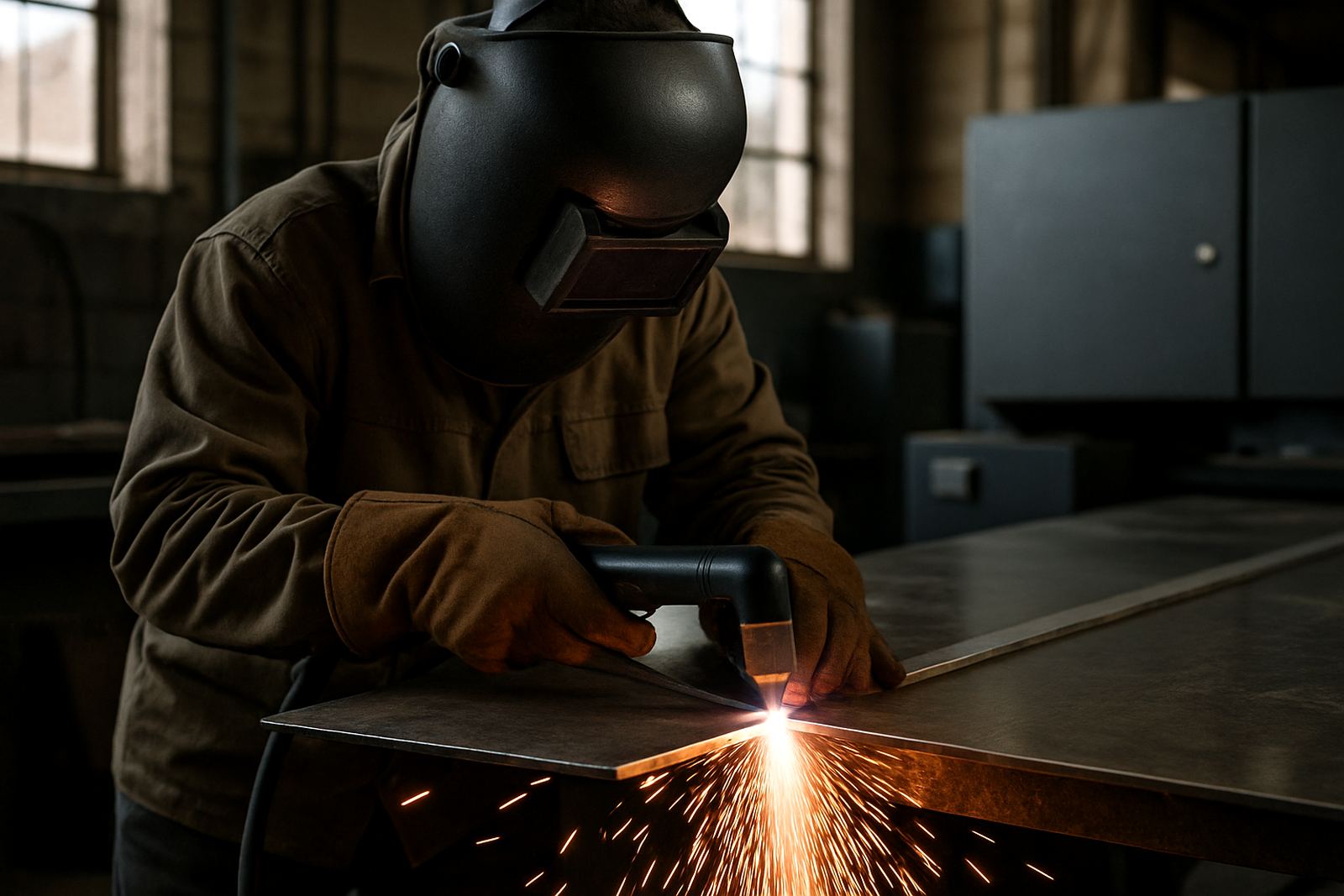
Handheld cutting on stainless can still produce a sharp, tidy edge if the operator is consistent. Keep the torch at the recommended angle and do not tilt too far forward, because that can widen the kerf and leave a rough lower edge. Use a firm stance and both hands where practical. A shaky hand shows up immediately on stainless.
For small parts, clamp the sheet properly so it does not vibrate. Vibration leaves a jagged finish and can make the arc wander on corners. If you are cutting brackets or covers in Sasolburg or Meyerton, where jobs often need to go straight from cutting to fitting, a clean edge saves time on the grinder and file.
- Support thin sheet close to the cut line
- Use a straight edge or guide where the shape allows it
- Keep leads and hoses clear so they do not pull the torch
- Allow the torch to pierce fully before moving forward
CNC tables need attention if you want repeatable finish
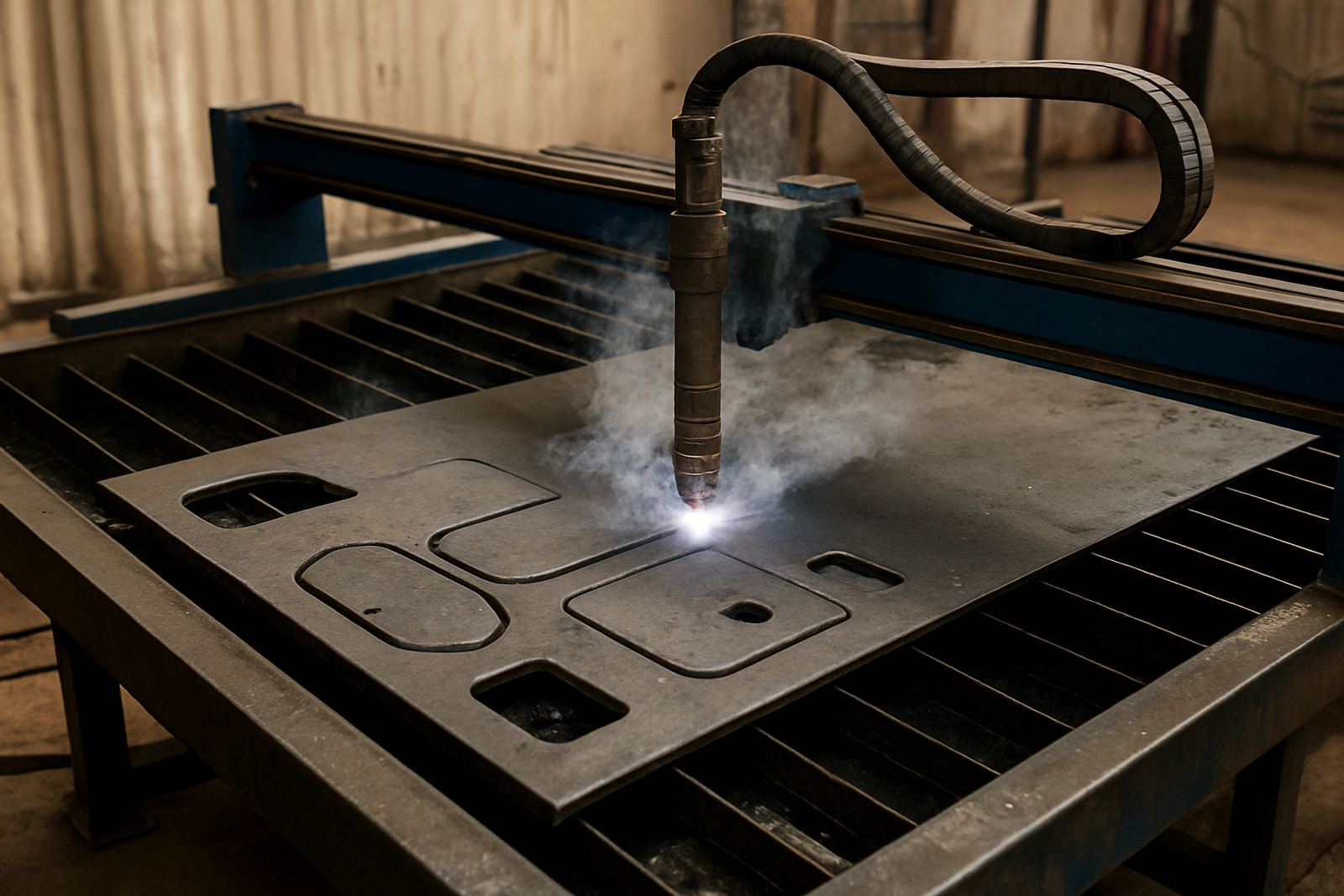
CNC cutting can give very neat stainless parts, but only if the machine is serviced properly and the cut parameters are right. Height control is important because an incorrect torch-to-plate distance changes the arc shape and can leave bevel or excess dross. Regular calibration helps, especially on jobs with repeated parts where one poor setting can affect an entire batch.
Table servicing should cover rails, motion components, cable checks and a review of consumables. On larger runs, even a small fault can multiply quickly. A workshop in Bloemfontein cutting signage frames or appliance parts cannot afford a machine that drifts part way through a batch. The same applies in Welkom where busy shops often run a mix of custom and production work in one shift.
If you see repeated taper, rough starts or uneven bottom edges, do not assume it is only the operator. The torch, power source and table condition all play a part.
Cleaning up stainless without damaging the finish
Stainless parts often need post-cut cleanup, but the wrong approach can leave scratches or alter the finish. Use the lightest method that gets the job done. A fine stainless brush, careful deburring and controlled grinding are usually better than aggressive flap work. If the part will be seen in service, avoid dragging carbon steel tools across it because that can cause contamination and rust spots later.
For better results after cutting:
- Remove loose slag while the part is still easy to handle
- Dress only the high spots rather than the entire edge
- Wipe off dust and cutting residue before assembly
- Keep stainless parts away from ordinary steel grinding dust
In coastal or damp conditions, even a good cut can stain if the part is left dirty. Inland workshops still need the same discipline because fingerprints, grinding dust and coolant residue can all mark the surface before the job leaves the bay.
A practical example from a Gauteng workshop
A fabrication shop in the Vereeniging area recently needed stainless guards for a set of production machines. The first batch came off with heavy edge tint and more cleanup than expected, especially on the smaller sections. After checking the air supply, confirming torch height and adjusting cut speed on the CNC table, the next batch came off cleaner and needed far less grinding. The shop saved time on fit-up and the finished parts looked far better once installed.
That is usually the pattern with stainless. Better cut quality does not come from one dramatic change. It comes from checking the basics every time: air, height, speed, consumables and machine condition. If those are right, the edge improves and the cleanup job gets smaller.
For workshops in Gauteng and the Free State, that matters whether the job is one-off repair work or regular production. A neat stainless cut is easier to weld, easier to fit and easier to hand over without extra dressing.