What happens when the torch starts
A plasma cutter works by sending electricity through a gas, usually compressed air, to create a very hot, narrow stream called plasma. That stream reaches temperatures high enough to melt steel, stainless steel and aluminium on contact, while the gas blows the molten metal away from the cut line.
In simple terms, the machine does two jobs at once. It creates the heat needed to break down the metal and it clears the cut path so the edge stays open. Once the torch trigger is pressed, the power source and air system work together in seconds, which is why plasma is popular in fabrication shops, body repair work and light production.
How the arc forms between metal and torch
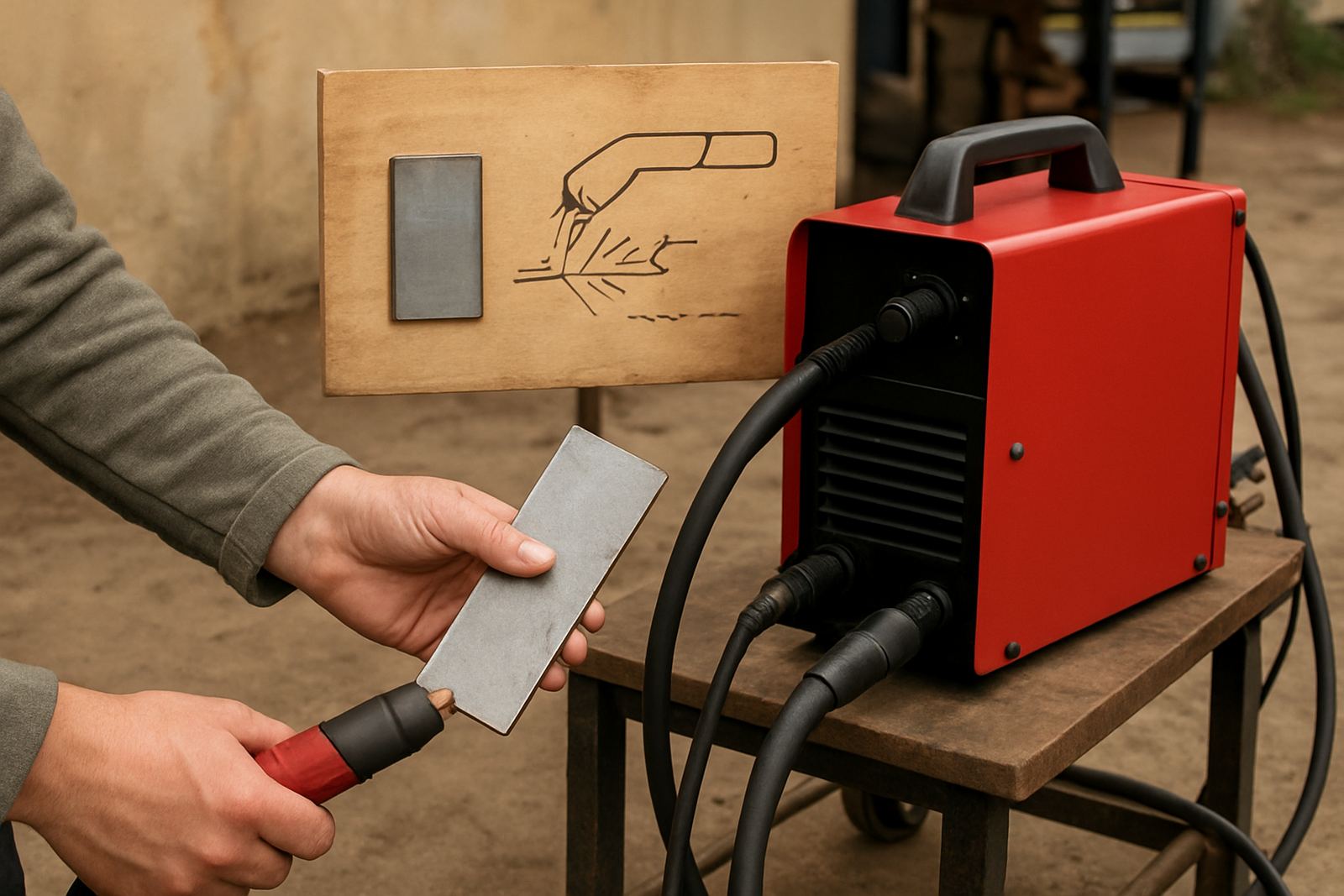
The torch does not just throw heat at the workpiece. It first creates an electrical arc between the electrode inside the torch and the metal being cut. A nozzle then constricts that arc into a fine, concentrated stream. That narrow stream is what gives plasma cutting its speed and its cleaner edge compared with a rough grinder or oxy-fuel setup on thin sheet.
For the process to start properly the machine needs a clean contact point and enough air pressure to ionise the gas. If the material is rusty, painted or badly earthed, the arc can struggle to transfer. On site in Vereeniging or Sasolburg, we often see poor starts linked to simple things like loose clamps, worn tips, or a compressor that is not delivering steady air under load.
- Good earth connection
- Correct consumables in the torch
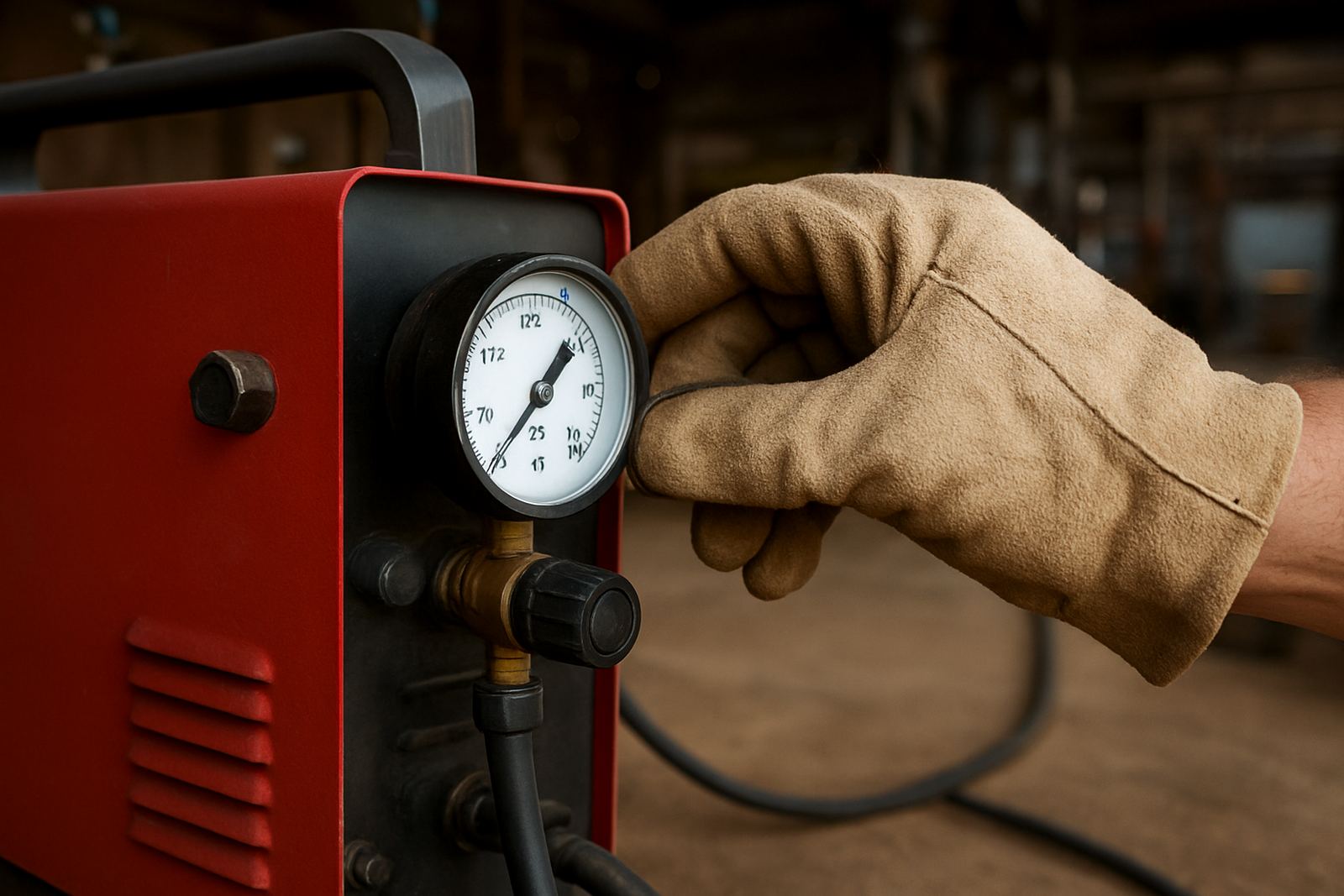
- Stable air pressure and dry air
- Clean material at the cut point
Why clean air makes such a big difference
Plasma cutters are fussy about air quality because moisture, oil and dirt all disturb the arc. Wet air can cause erratic starts, extra spatter and faster wear on consumables. Oil in the line can leave residue inside the torch and shorten the life of internal parts. In a humid area or where compressors run through long shifts, this becomes a regular issue.
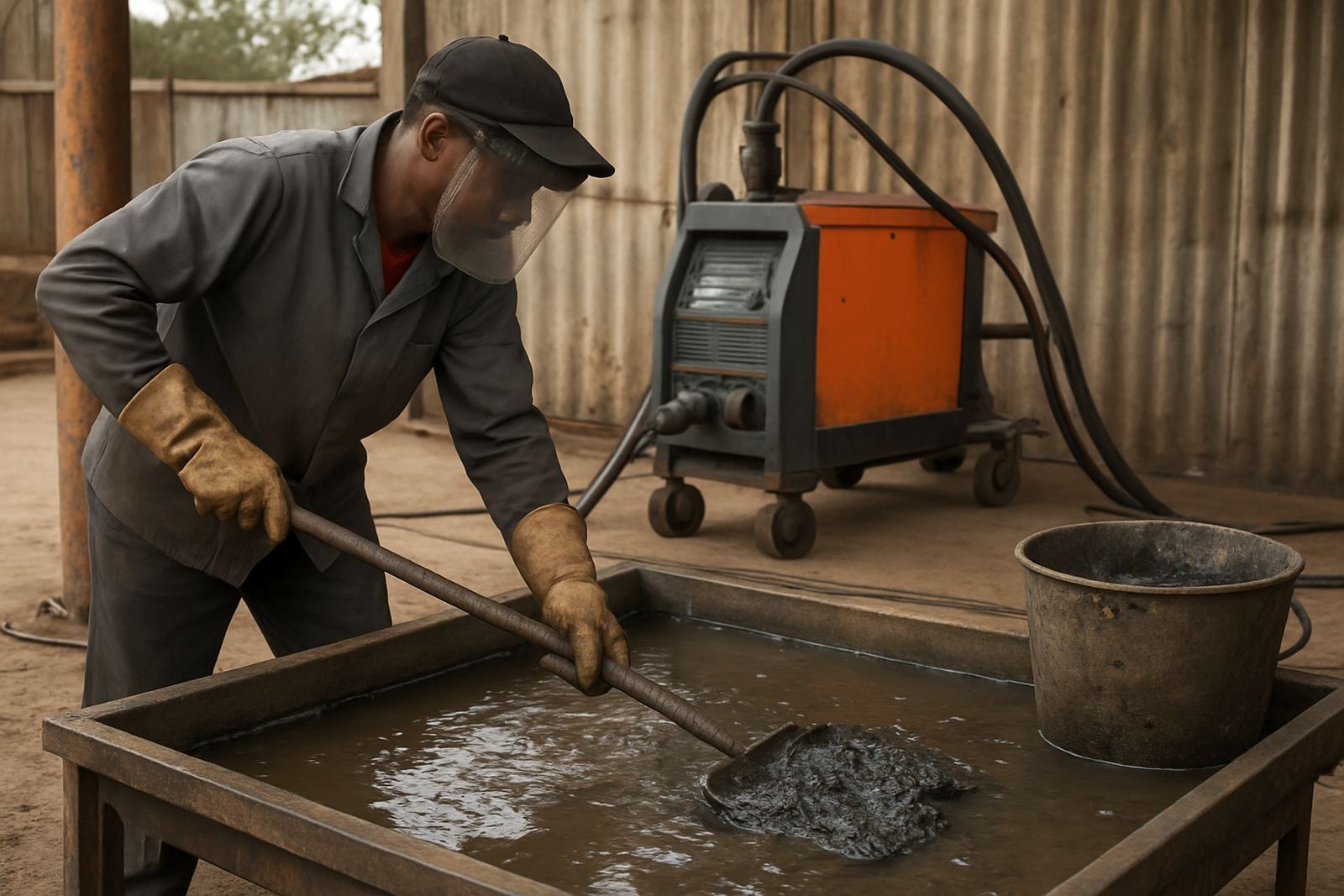
That is why air system inspection is not a small side task. It should include drain checks, filter condition, hose leaks and pressure consistency at the machine, not only at the compressor. On a busy Monday after load-shedding, a workshop may get power back but still battle with damp air if the receiver tank has collected condensation overnight.
- Drain the compressor tank regularly
- Check filters and water traps
- Look for line leaks and weak fittings
- Keep the air supply within the cutter maker’s pressure range
What clean cutting looks like in daily use
A well set plasma cutter leaves a narrow kerf, limited dross and an edge that needs little cleaning. That matters when you are making parts that must fit, such as brackets, gate components, truck repairs or CNC profile work. The cleaner the cut, the less time you spend grinding and the less heat distortion you put into the job.
Hobby users often notice the difference on mild steel plate, where a good setup gives a sharp edge and minimal slag on the underside. Professional shops see it in repeatability. If the first part matches the tenth part, your settings, air and torch condition are probably right. If not, it is worth checking consumables before changing the whole machine setup.
Handheld cutting versus CNC table cutting
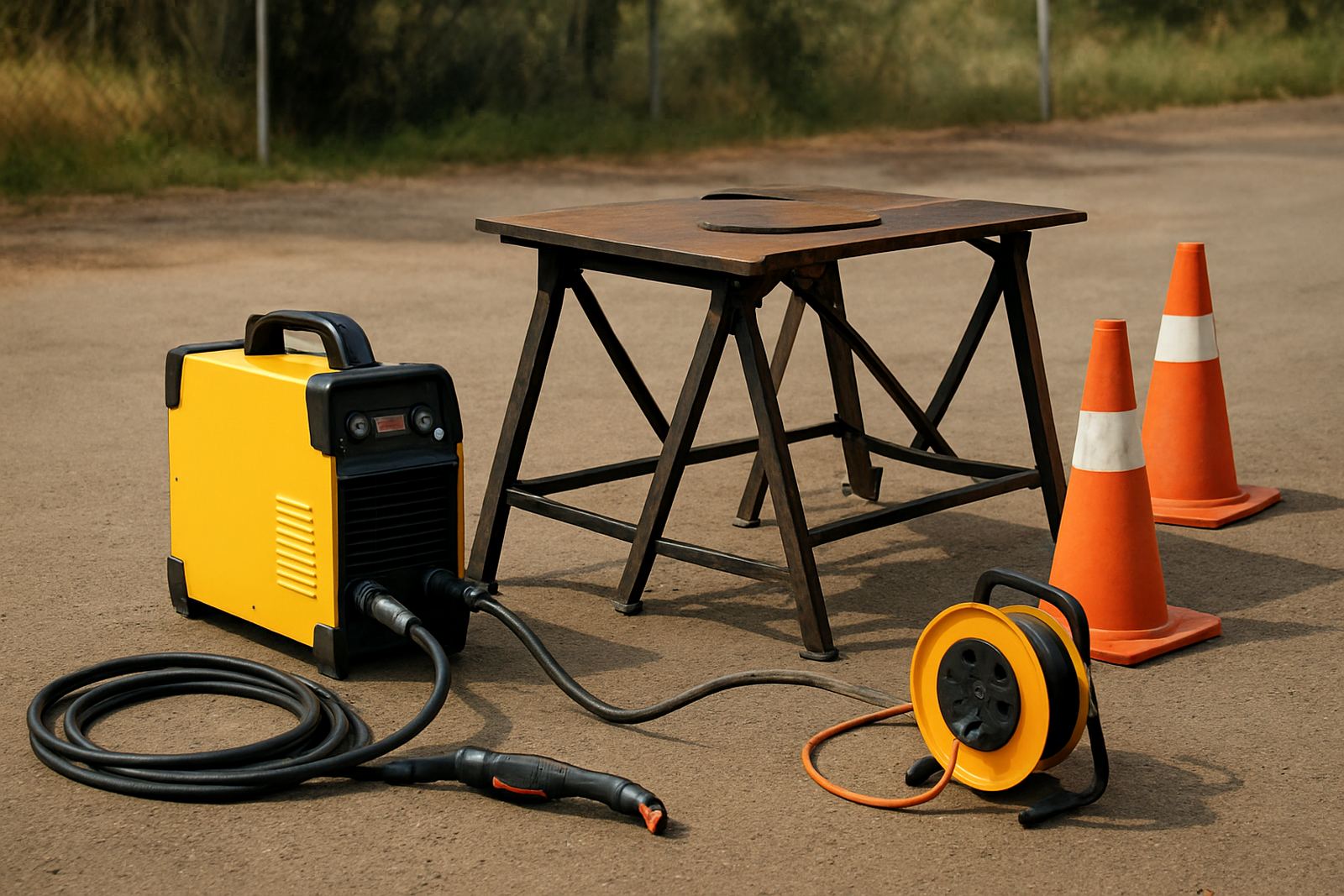
Handheld plasma cutting suits repairs, site work and jobs where the cut line changes often. CNC plasma tables are better for repeated parts, exact shapes and batch work. Both use the same basic arc principle, but a CNC table adds motion control so the torch follows a programmed path at a consistent speed and height.
That extra control is useful in Gauteng fabrication yards where sheet metal work has to move quickly. It also helps when the operator wants fewer reworks and more consistent edges on nested parts. A CNC system still depends on the same fundamentals though, especially correct height control, clean air and well-maintained torch parts.
- Handheld for repairs, fitment work and site cutting
- CNC for repeat parts, accuracy and higher volume
- Both require correct air, torch condition and sensible settings
A Vereeniging workshop example of getting it right
A local metal shop in Vereeniging may cut brackets in the morning and repair farm equipment after lunch. If the compressor is struggling, the torch starts to splutter and the cut edge shows heavy dross. Once the air line is checked, the filters are replaced and the consumables are renewed, the difference is immediate. Cuts become cleaner, fitting is quicker and the operator spends less time redoing parts.
That practical result matters across Gauteng and the Free State, where workshops cannot afford wasted material or unnecessary downtime. Plasma cutting is not complicated but it does reward discipline. Keep the air clean, the torch serviced and the machine commissioned properly, and the process gives dependable results even on long days.
PlasmaCutter supports workshops with torch repairs, power source repairs, preventive maintenance, CNC table servicing, height control calibration, on site breakdowns, machine commissioning, operator training, spares supply and cut quality audits across Vereeniging, Vanderbijlpark, Sasolburg, Meyerton, Alberton, Germiston, Bloemfontein and Welkom.