Why nesting matters before the first arc strikes
Many cutting jobs lose money before the torch even starts because the layout was rushed. A few extra millimetres between parts, a poor sheet orientation, or ignored grain direction can turn a useful plate into scrap-heavy leftovers. That is why nesting should be treated as part of production planning, not as a last-minute job for the operator.
In practice, nesting helps you decide how to use each sheet, how many parts to cut in one run, and where the best use of remnant material will be. For workshops in Vereeniging, Vanderbijlpark and Sasolburg, that matters when steel prices move and jobs need to stay competitive. It also matters when electricity cuts interrupt the day and you need to make every machine hour count.
- Less scrap from each plate
- Better part yield from the same material
- More predictable job costing
- Fewer re-cuts when the layout is planned properly
How poor layout planning wastes plate in real workshop conditions
Waste is not always obvious. Sometimes it shows up as small gaps that could have held another part. Sometimes it is excess heat distortion caused by cutting in the wrong sequence. At other times the issue is simple: the operator has to stop and reposition the sheet because the layout was not thought through in advance.
On a busy fabrication floor, that kind of waste builds up fast. A job that should have used two plates may need three. A batch of brackets may need extra finishing because the parts shifted during cutting. In automotive work, that can mean more grinding and more time at the next station. In repair work, it can mean missed deadlines and tighter margins.
- Poor part spacing increases heat build-up
- Unplanned lead-ins can leave extra marking on edges
- Incorrect sequencing can distort thin material
- Mixed part sizes without a plan can reduce the usable offcut area
Simple nesting habits that improve yield from plate
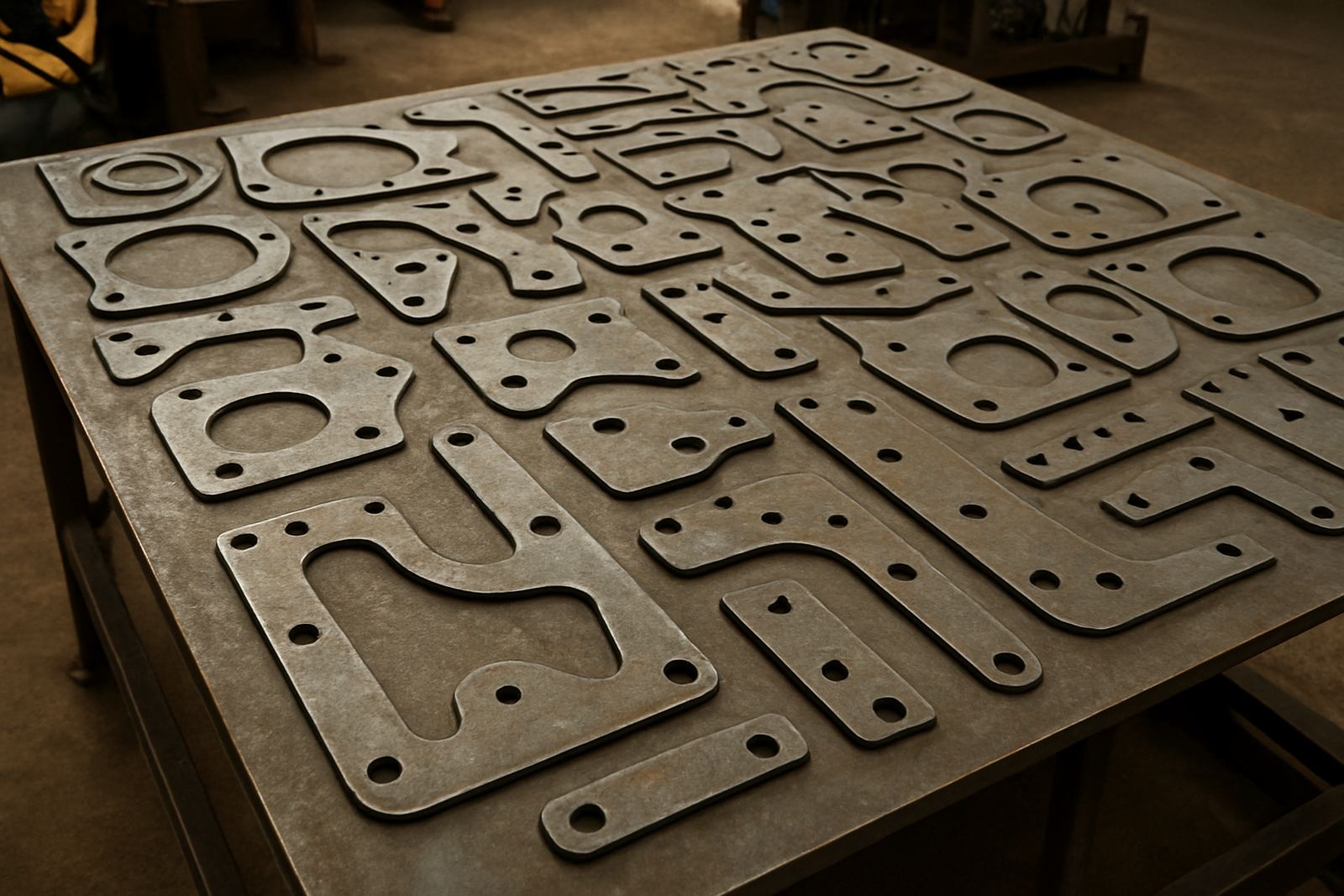
The best nesting habits are usually the simple ones. Start by grouping parts by thickness and material type. Then place the largest shapes first, followed by the smaller parts that can fit into the gaps. Keep an eye on shared edges where possible, and make sure the cut path does not create unnecessary small offcuts that are hard to use later.
It also helps to standardise your approach. If the same part comes back every month, save the layout and use it again. If you cut a lot of repeat brackets or panels, build a library of proven layouts. This keeps the work faster and reduces the chance of operator error.
- Group parts by thickness before nesting
- Place the biggest shapes first
- Use gaps for smaller parts where practical
- Keep a record of repeat jobs and proven layouts
What CNC operators should watch before pressing start
CNC plasma cutting gives you more control than manual cutting, but only if the setup is done properly. Before a job starts, check the plate size, clamp points, torch height settings and cut direction. Make sure the nesting file matches the actual material on the table, not just the drawing on screen. If the sheet has surface rust, scale or a slight bow, that should be factored in too.
At PlasmaCutter, we often see problems that are not caused by the machine itself. The issue is usually a mismatch between the nesting plan and the condition of the plate. A machine can cut accurately only if the layout reflects the real-world sheet on the table. That is where proper commissioning, operator training and height control calibration make a difference.
- Confirm the actual plate size before loading the file
- Check torch clearance and height control settings
- Watch for distortion on warped or rusty plate
- Keep clamp points clear of the cut path
A Vereeniging example: less waste on a repeat fabrication run
A fabrication client in the Vaal area had a regular order of brackets, gussets and cover plates for a support frame. The work was being cut in a way that left too much usable material behind as awkward offcuts. The sheets were large enough, but the nesting plan was not making proper use of the gaps between the bigger shapes.
After the layout was adjusted, the same plate size produced more parts per sheet and less cleanup on the floor. The operator also had fewer changes mid-run, which helped keep the cut sequence smoother during a day when load shedding was affecting the workshop schedule. That kind of improvement is practical, not theoretical. When power time is limited, getting more usable parts from each plate really does matter.
For workshops across Gauteng and the Free State, especially in places like Alberton, Germiston, Bloemfontein and Welkom, that extra yield can make the difference between a job that only just breaks even and one that stays worth doing.
Keep nesting profitable with routine checks and maintenance
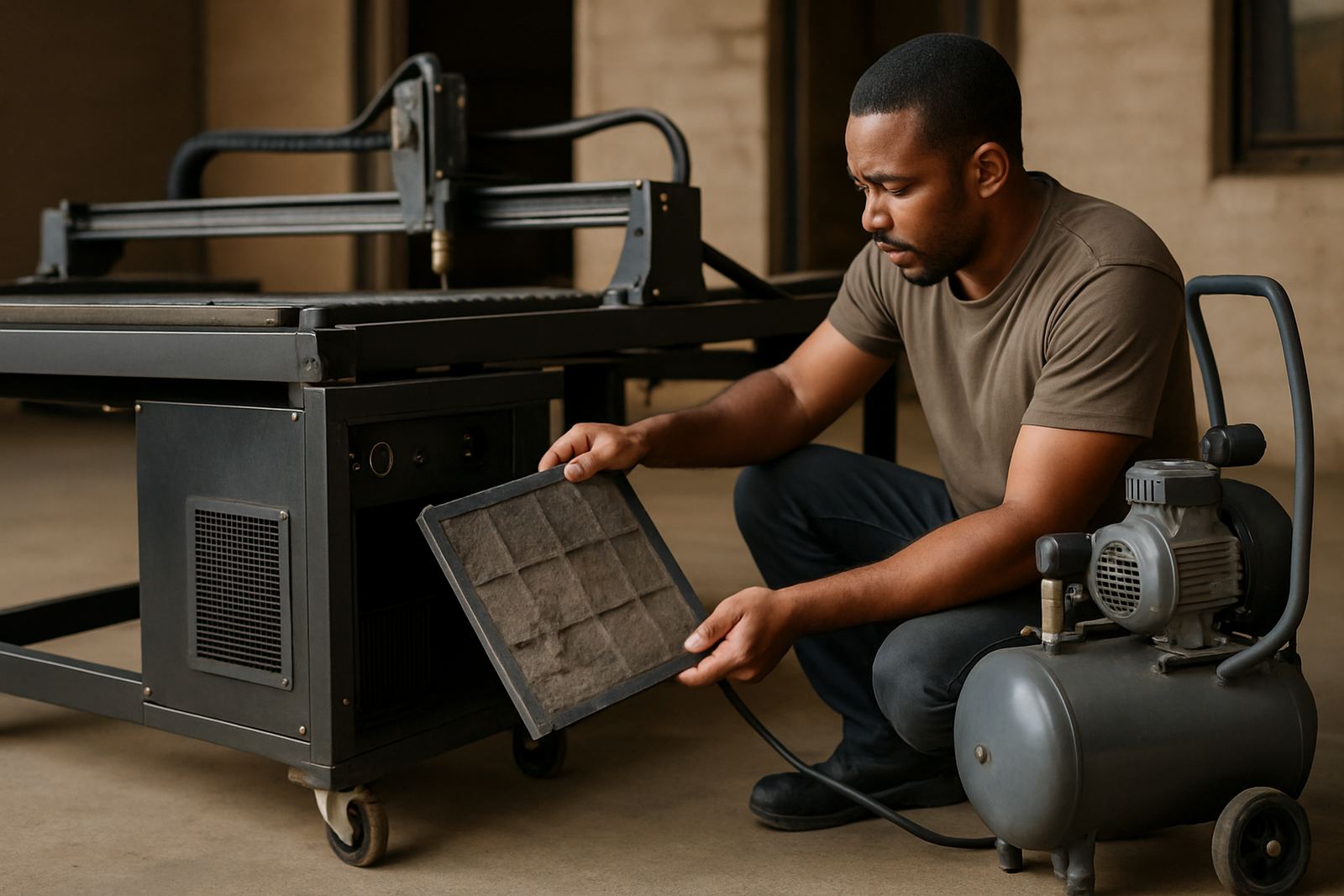
Good nesting depends on machine condition as much as on the layout itself. If the torch is not cutting cleanly, if the height control is off, or if the air supply is inconsistent, then even the best plan will leave poor edges and extra rework. That is why preventive maintenance and consumables checks should sit alongside production planning.
For CNC tables, regular servicing helps keep motion accurate and cut quality consistent. For handheld work, torch repairs and power source repairs keep the machine ready for urgent jobs and on site breakdowns. A short cut quality audit can also show where material is being lost through excessive kerf, rough edges or poor sequence.
When nesting, maintenance and operator discipline all work together, plate use improves and scrap drops. That is the kind of saving that shows up on the job card, not just in the workshop conversation.
- Check consumables before each run
- Inspect the air system for moisture and pressure loss
- Service the CNC table and height control regularly
- Train operators to spot poor cut quality early