Start With The Job, Not The Torch
Safe plasma cutting starts with a clear setup. Before you strike an arc, check what metal you are cutting, where the offcut will land, and whether the work area is free of paint, oil, dust, cardboard, gas cylinders, or other flammables. A tidy bay is not just good housekeeping, it reduces the chance of a small spark becoming a bigger problem.
In many Gauteng and Free State workshops the pressure is to keep production moving, especially when there is load-shedding or a tight delivery slot. That is exactly when short checks matter most. Make sure the machine is on level ground, the work clamp is secure, leads are not damaged, and the operator has enough space to move without tripping over hoses or extension cords.
- Check the cutting area for flammable material and loose scrap
- Confirm the workpiece is clamped properly and will not shift
- Keep cables and hoses clear of hot slag and sharp edges
- Set out a fire extinguisher that suits metal workshop use
Wear The Right Protection Every Time
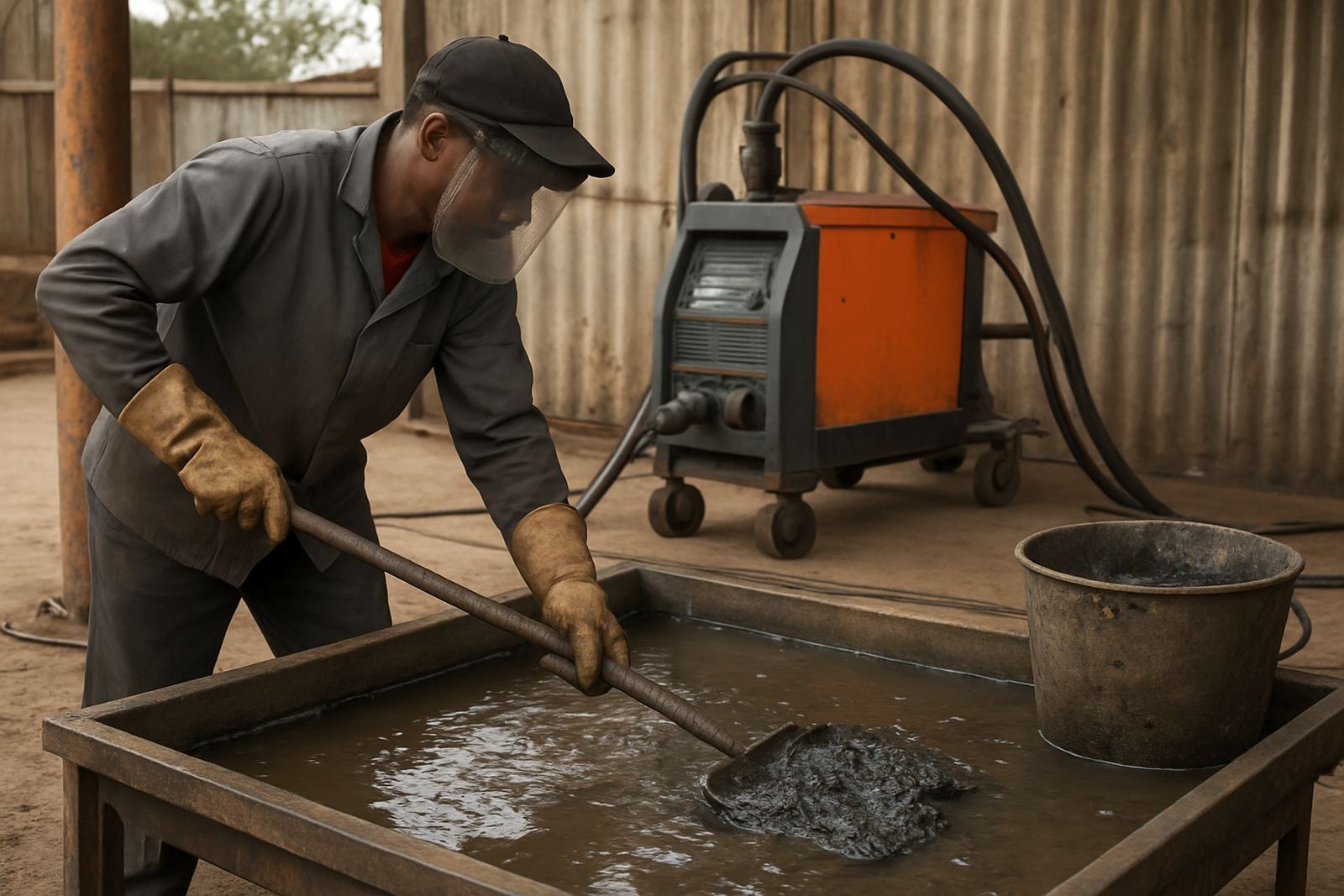
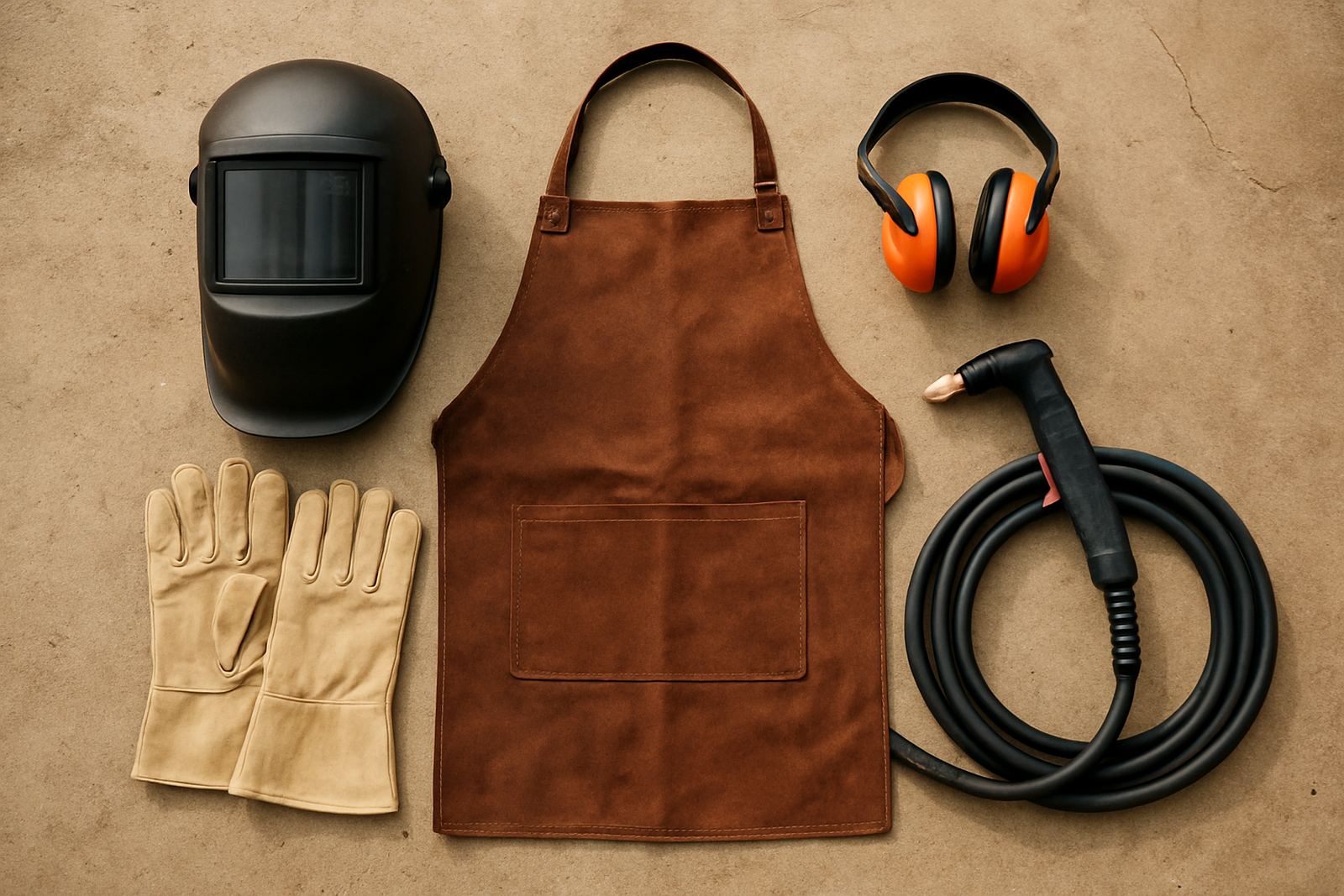
Plasma cutting gives off intense light, hot metal particles and fine dust. Good PPE is not optional, even for short cuts or quick touch-ups. A proper face shield or cutting helmet protects the eyes and face from arc flash and flying spatter. Gloves should be heat resistant, close fitting and in good condition. Long sleeves, long pants and leather footwear help protect skin and feet from sparks and slag.
Many injuries happen when people skip one item because the job feels small. That is how a mild burn becomes a lost shift. For handheld work, check that clothing does not have cuffs that can catch hot metal. Remove rings and loose jewellery. If the work is overhead or awkwardly positioned, a leather apron can help protect the front of the body.
- Use eye protection rated for cutting work
- Wear gloves that cover the wrist and fit well enough to handle material safely
- Choose long cotton or leather clothing, not synthetic material that can melt
- Keep boots dry and in good condition for grip on workshop floors
Ventilation Matters In Closed Workshops
Plasma cutting creates fumes from the base metal, coatings and anything sitting on the surface. In a small workshop, especially one with closed doors during cold weather or to keep dust out, fumes can build up quickly. Good airflow is part of safety, not a nice extra. Where possible, use local extraction near the cut line and open doors or louvers to keep fresh air moving.
If you are cutting galvanised material, painted steel or anything with unknown coating, take extra care. Do not stand directly in the fume path. If the workshop is in a coastal area or a humid building, electrical parts and compressed air fittings can also suffer from moisture, so keep the air system dry and the machine stored correctly. It is worth remembering that breathing cleaner air today helps keep operators fit for the week ahead, not just the shift.
- Use extraction or strong cross ventilation when cutting indoors
- Avoid leaning over the cut line where fumes rise
- Keep filters, fans and ducting clean and free of blockage
- Store equipment in a dry area to reduce moisture related faults
Handle Hot Metal And Slag With Respect
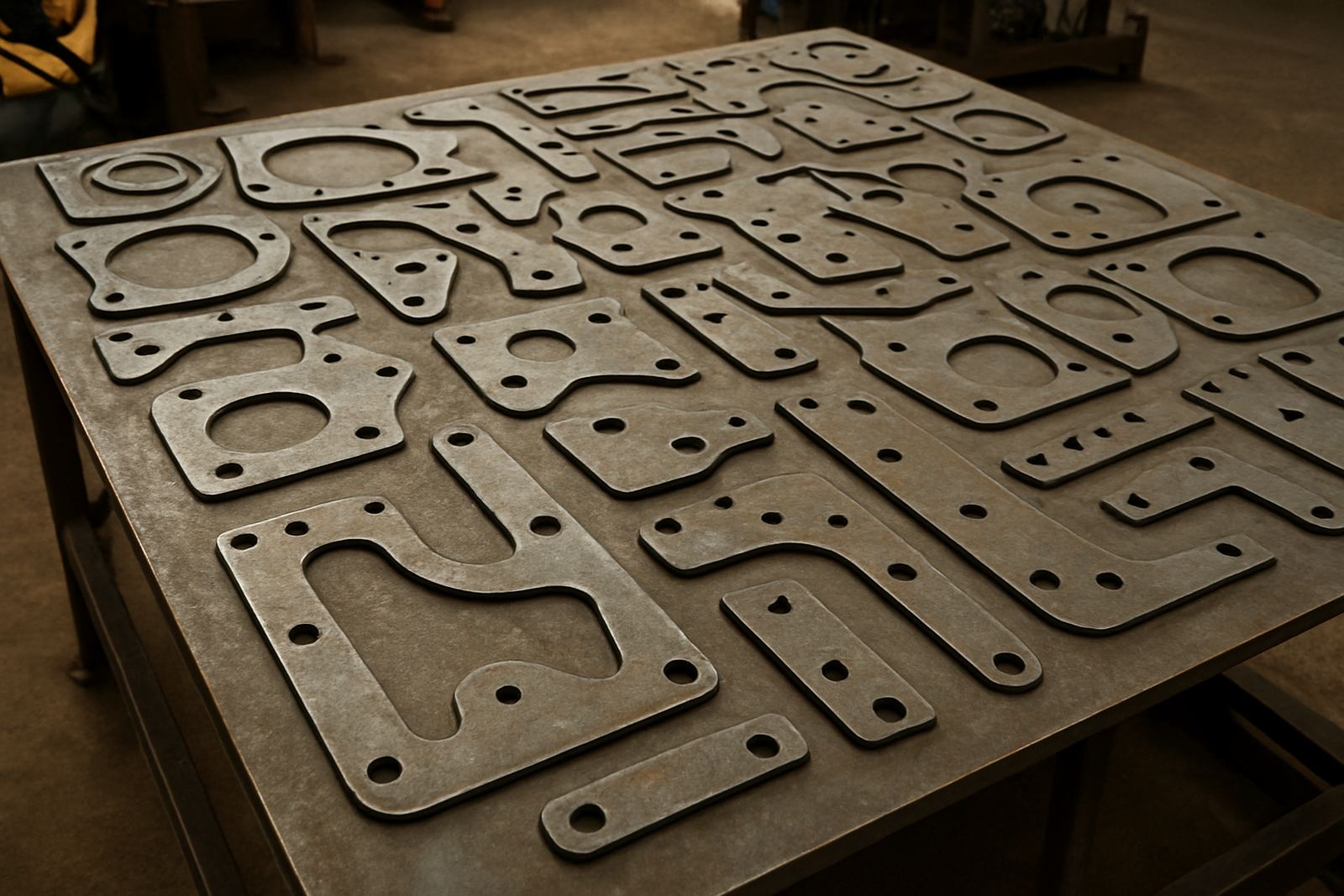
Freshly cut steel can stay hot long after the arc stops. Offcuts may look harmless, but the edges can be razor sharp and the underside can carry trapped slag. Use tongs, pliers or a suitable clamp when moving small parts. Do not sweep hot scrap into a normal bin. Let it cool in a safe metal container before disposal.
In fabrication work, accidents often happen during clean-up rather than during cutting. Someone reaches for a part too soon, or lifts a plate without checking the edge. Train people to treat every cut piece as hot until proven otherwise. If you are working on vehicle repairs or brackets in Alberton, Germiston or Vereeniging, mark the hot zone clearly so other staff do not step into it by mistake.
- Keep a metal bin or tray for hot scrap
- Use tools, not bare hands, to move small offcuts
- Brush slag away only after the piece has cooled
- Mark fresh cuts and hot material clearly for other workers
Electrical And Air Supply Checks Protect The Operator
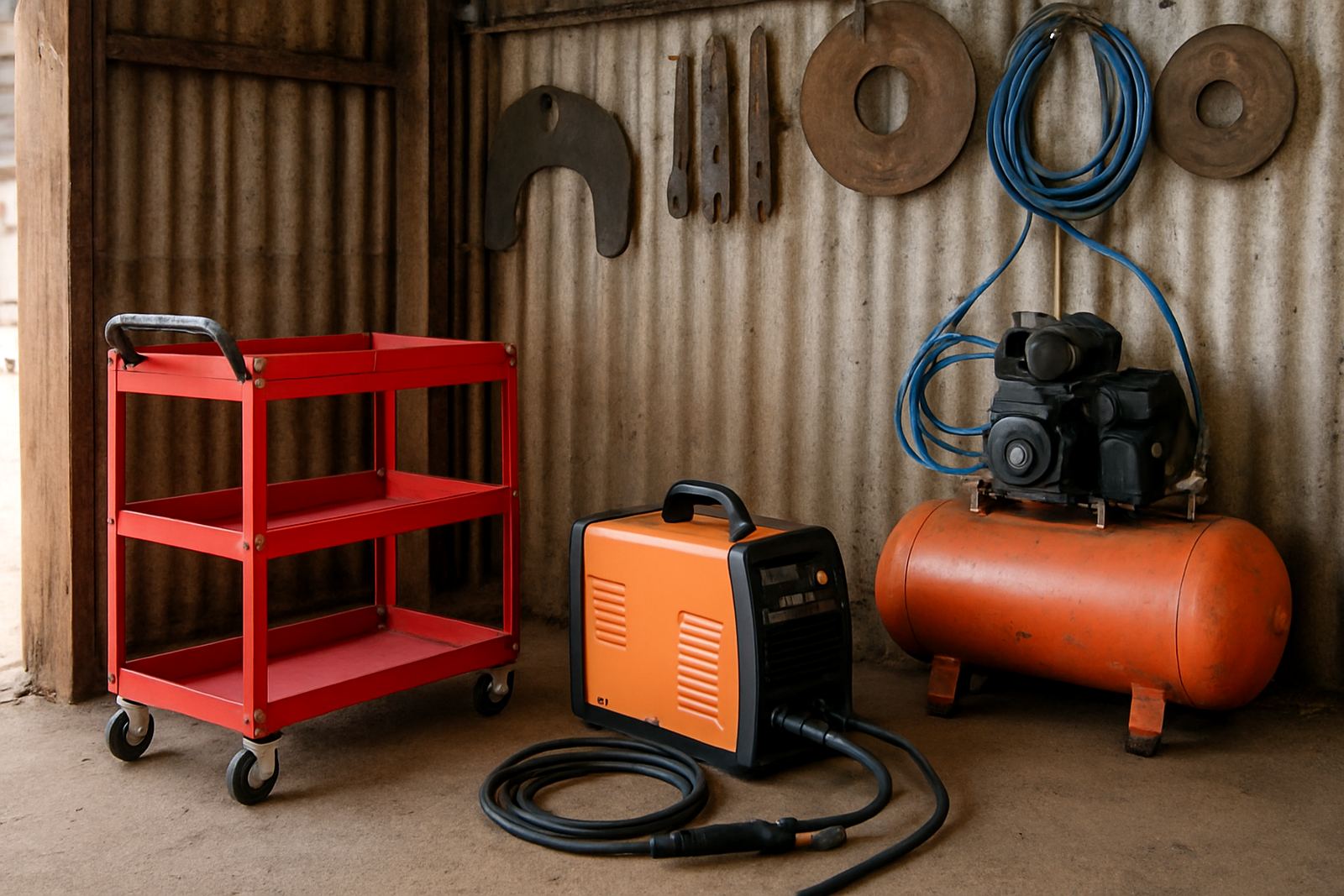
Plasma cutters rely on stable power and clean, dry air. Damaged leads, loose fittings or poor earthing can create unsafe conditions and poor cut quality. Before start-up, inspect the torch, consumables and air line for wear. Drain the compressor tank if water is building up, and check that the air pressure is within the machine’s working range. A wet air line can cause poor arc starting, excess wear and erratic cutting.
Load-shedding adds another layer. After a power interruption, wait for the machine to stabilise and inspect for faults before resuming work. Sudden restarts can trip protection circuits or expose damage that was not there a moment before. If the machine has been moved for a site job in Sasolburg or Welkom, check that plugs, extension leads and input connections are suitable for the supply available on site.
- Inspect torch leads and clamps for cuts, kinks and heat damage
- Drain moisture from the compressor and check filters regularly
- Confirm correct earthing before every shift
- Restart carefully after power interruptions or transport
Daily Habits That Keep Cutting Safe In Local Workshops
Good safety is mostly built from small habits. A 10 minute start-of-shift check can prevent a breakdown, a burn or a cut that has to be redone. In busy areas like Vanderbijlpark, Meyerton and Bloemfontein, workshops often mix fabrication, repairs and urgent call-outs in the same day. That makes discipline important because the team may be switching between different jobs and materials all morning.
Keep operators trained on the machine they are using, the thickness they are cutting and the material they are cutting. A clean cut on mild steel at one setting may be a bad idea on coated plate at another. Use the right consumables, replace worn parts before they fail and keep a simple log of maintenance and inspections. When a machine is serviced on time, it is easier to spot wear before it turns into downtime.
For many businesses, safety is also about keeping the workflow steady. If a cutter goes down in the middle of a production run, people rush. Rushed work leads to mistakes. A planned maintenance routine, proper training and clear cutting procedures make the whole workshop safer and calmer.