Why compressor size matters more than tank size
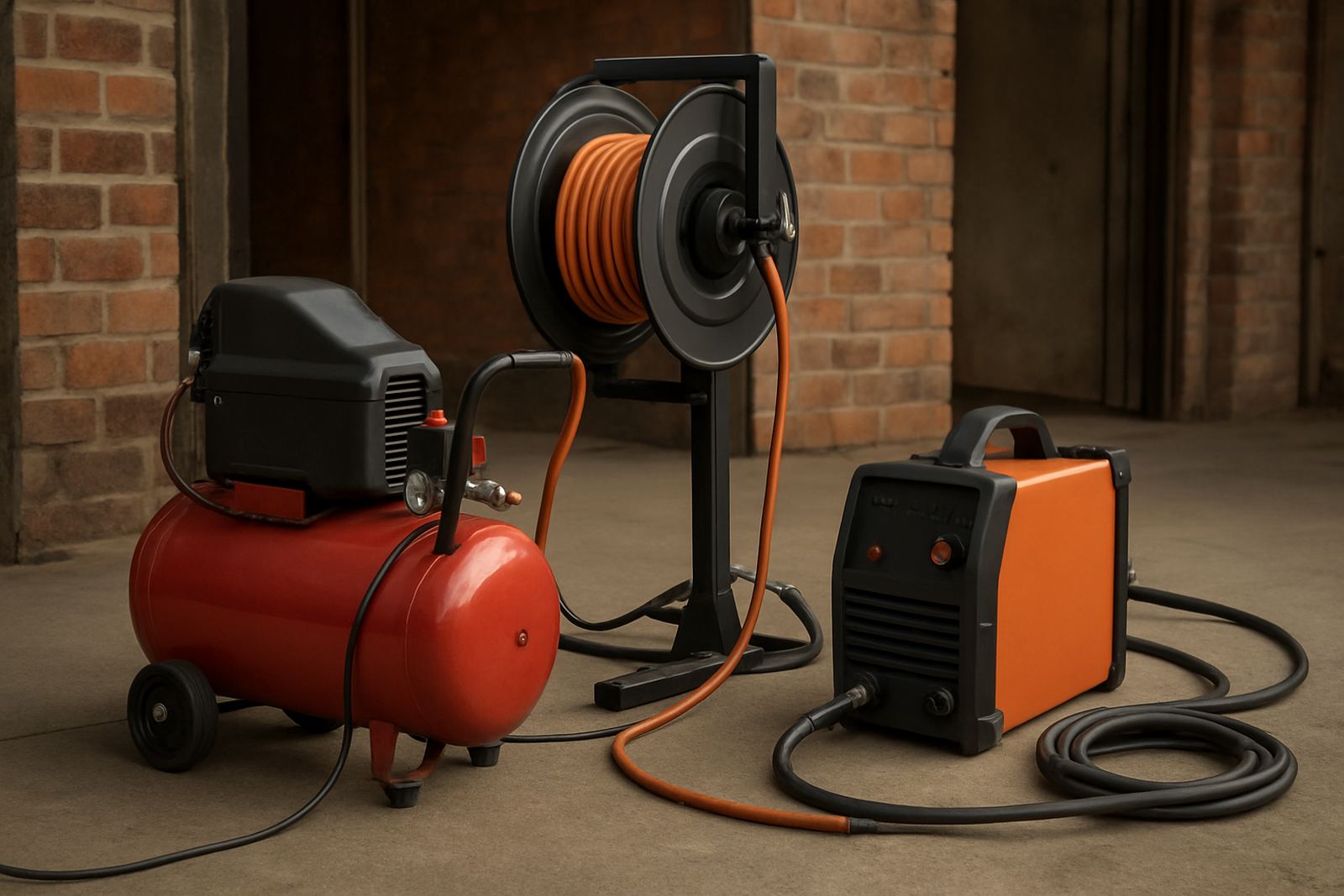
When people ask what compressor they need for handheld plasma cutting, they often start with the tank size. That helps, but the real question is how much air the machine can deliver for the cut you want to make. A plasma cutter needs steady airflow at the correct pressure, not just a big tank that empties quickly.
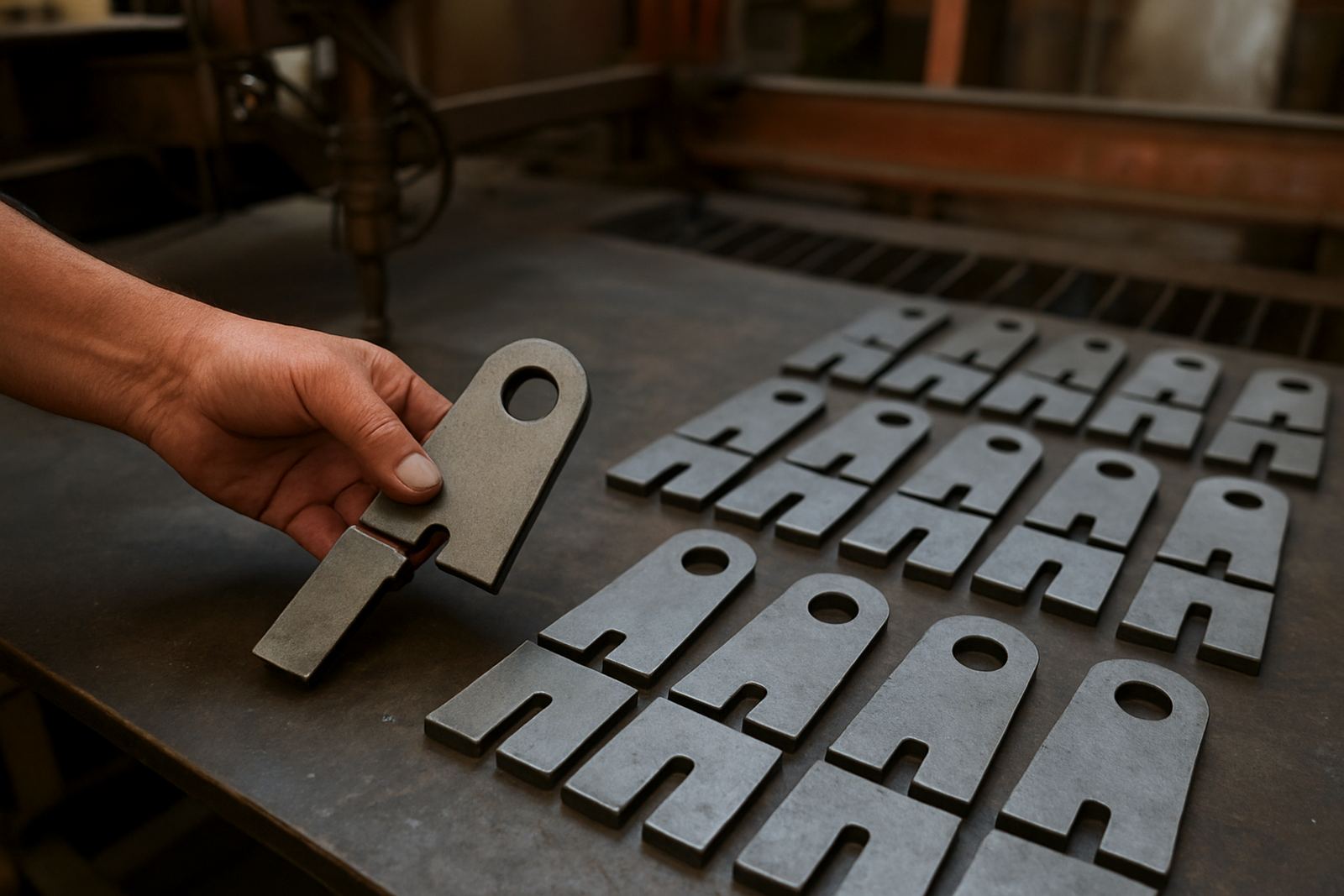
In practice, the compressor must match the plasma cutter's air consumption in litres per minute, while still keeping pressure stable during cutting. If the pressure drops too low, the arc becomes unstable, cut edges get rough and consumables wear faster. You may also see more dross on the underside of the plate and more trouble piercing thicker material.
A small compressor can work for light sheet metal jobs, but once you move into regular fabrication, repair work or longer cutting runs, air demand climbs fast. That is where many users in Vereeniging and Vanderbijlpark run into trouble, especially when they are cutting on site and the machine is already working hard.
What air demand looks like on a real job
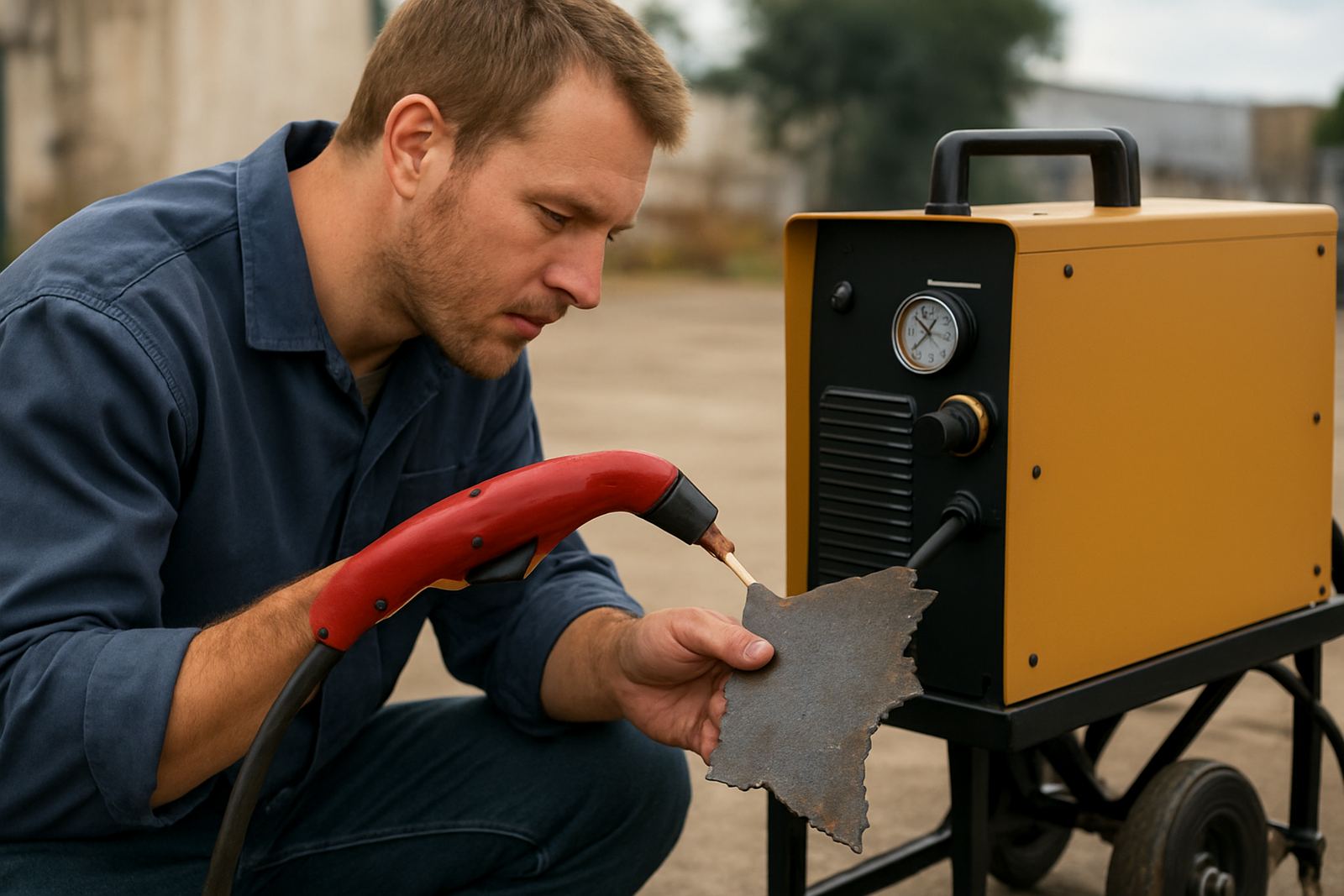
Handheld plasma cutters are usually rated by cutting range and air consumption. A compact unit might be fine for 1 mm to 6 mm steel work on short runs, while a stronger unit for heavier maintenance or fabrication can need much more air. Always look at the machine's required pressure and air flow together. One without the other does not tell the full story.
For shops doing gates, brackets, vehicle repairs or farm equipment fixes, the compressor has to cope with repeated starts, not just one neat test cut. That means allowing for duty cycle, hose losses and any air tools running from the same system. If the line is long or the hose is too narrow, pressure loss becomes a problem even when the compressor itself looks large enough.
- Check the plasma cutter's stated air pressure requirement in bar or kPa.
- Check air flow in litres per minute at that pressure, not only the motor power.
- Allow extra capacity if the compressor also runs blow guns or other tools.
- Use a dry, clean air supply to protect consumables and cut quality.
- Keep hose runs as short as practical and use the correct hose diameter.
Tank size, pump output and duty cycle are not the same thing
A larger tank can help smooth out short demand peaks, but it does not increase the compressor's actual air production. If the pump cannot refill the tank quickly enough, pressure will still drop during the cut. For plasma work, that refill speed is often more important than having a very large receiver.
Duty cycle matters too. A compressor that runs flat out for long periods can overheat, especially in a hot workshop or a corrugated shed with poor ventilation. In summer, a machine in Sasolburg or Bloemfontein may run hotter than expected, and heat can shorten the life of seals, motors and pressure switches. That is why a compressor that seems fine for short bursts may struggle on a full day of cutting. A bit of extra capacity gives you breathing room when the job runs longer than planned.
There is also the issue of load-shedding. If you are restarting equipment after power returns, you do not want a compressor that trips repeatedly or takes too long to recover pressure. A properly matched unit helps keep your workflow moving instead of waiting around for air to build again.
Signs your compressor is too small for the plasma cutter
If the compressor is undersized, the symptoms show up quickly. The machine may start well, then sound different as pressure drops. You may notice slower cutting, wider kerfs, excessive slag and poor edge finish. On some setups the air warning light comes on mid-cut, which usually means the system cannot keep up.
Another common sign is moisture. When a compressor works too hard, it can produce more condensation and carry it into the airline. That is bad news for plasma cutting because wet air can wreck consumables and create inconsistent starts. Along the coast, humidity makes this even more likely, so users working toward the East Rand or in high-moisture storage areas need to be especially careful.
- Frequent pressure drops during cutting.
- More dross than usual on thicker material.
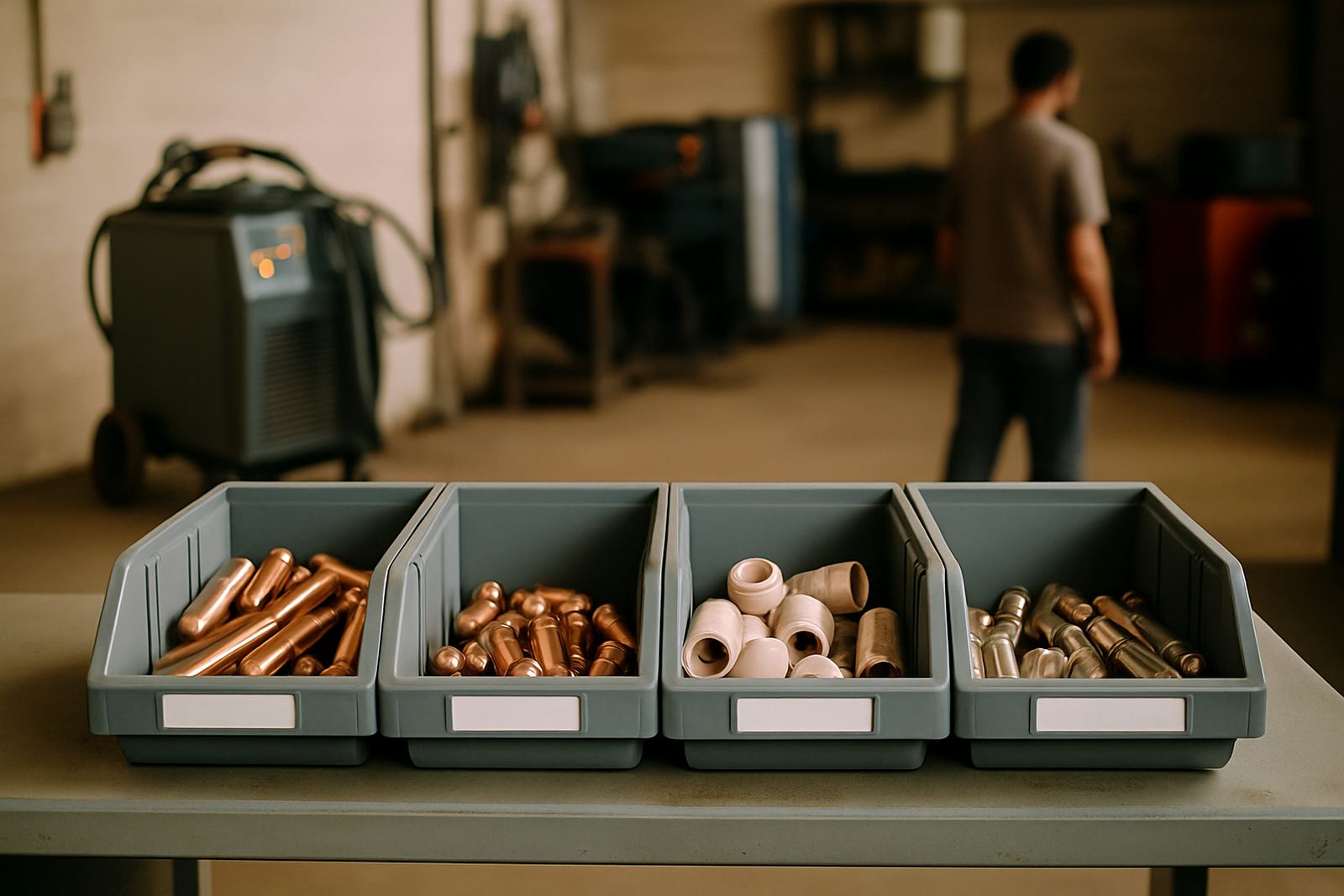
- Consumables wearing out faster than expected.
- Compromised pierce quality on repeated cuts.
- Compressor running constantly without recovery time.
A simple sizing method for handheld plasma setups
A practical way to size a compressor is to start with the plasma cutter's air requirement, then add a safety margin. If the machine needs a steady supply for example, and your work includes repeated cuts or longer runs, choose a compressor that can comfortably exceed that base demand rather than one that only just meets it. The margin helps when filters get dirty, hoses are long or the workshop temperature climbs.
For small home workshops, a light compressor may be enough for occasional plate cutting, repair patches and light fabrication. For professional use in Alberton, Germiston or Meyerton, it is usually smarter to move up a size so the system has reserve capacity. That reserve matters when the workday is busy and you are cutting on mixed material thicknesses.
Also think about power supply. A compressor that looks right on paper may still be awkward if it needs a supply that your site cannot support. On-site work often means dealing with shared circuits, extension leads and older wiring. Matching the compressor to the electrical setup is just as important as matching it to the plasma cutter.
Keeping air clean, dry and ready for cutting
Even the correct compressor can underperform if the air system is neglected. Plasma cutters are sensitive to contamination, so regular maintenance is not optional. Water traps, filters and drain valves should be checked often, especially in humid conditions or on sites where the compressor is moved around a lot. A small leak in the line can also waste enough air to affect the cut.
For workshops around Welkom, Bloemfontein and the Free State more generally, dusty conditions can be just as troublesome as moisture. Dust loads filters, restricts flow and shortens the life of consumables. If your machine is being used for CNC or handheld cutting on a daily basis, a basic air system inspection can save a lot of downtime. It is a simple job, but it keeps pressure stable and cut quality predictable.
If you are unsure whether your compressor is right for your plasma cutter, it is better to check before the problems start. At PlasmaCutter, we assist with consumables checks, air system inspection, preventive maintenance, operator training and on site breakdown support across Vereeniging, Vanderbijlpark, Sasolburg, Meyerton, Alberton, Germiston, Bloemfontein and Welkom. That support helps users get the most from their machine and avoid avoidable wear.