Start with the air supply, not the torch
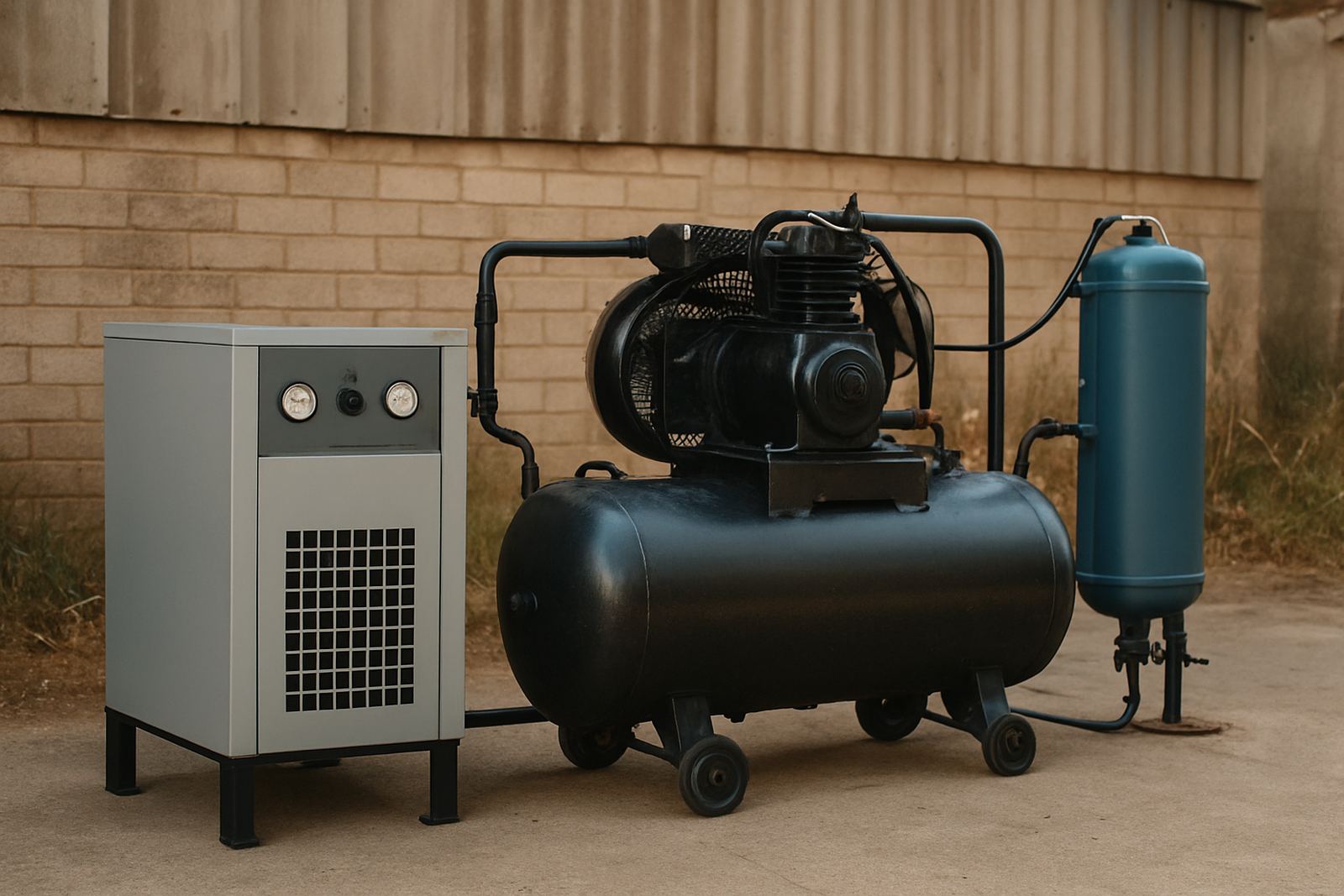
An unstable arc often begins with poor air quality. If the air is wet, oily, or set at the wrong pressure, the plasma stream cannot stay steady. In Vereeniging and other low lying parts of Gauteng, moisture builds up fast in compressors and lines, especially after cool mornings and warm afternoons. That is enough to cause a weak start, rough edges and erratic cutting.
Check the compressor drain, filter bowls and regulator first. If the pressure drops when cutting starts, the machine may be starving for air even though the gauge looks fine at idle. A long hose run, blocked filter, or undersized compressor will all show up as a poor arc. On-site we often find that the machine itself is fine the real issue is air delivery.
- Drain the receiver tank before every shift.
- Inspect filters for water, dust and oil mist.
- Confirm the cut pressure under load, not just at idle.
- Check for leaks at quick couplers and hose joins.
Consumables wear faster than most operators expect
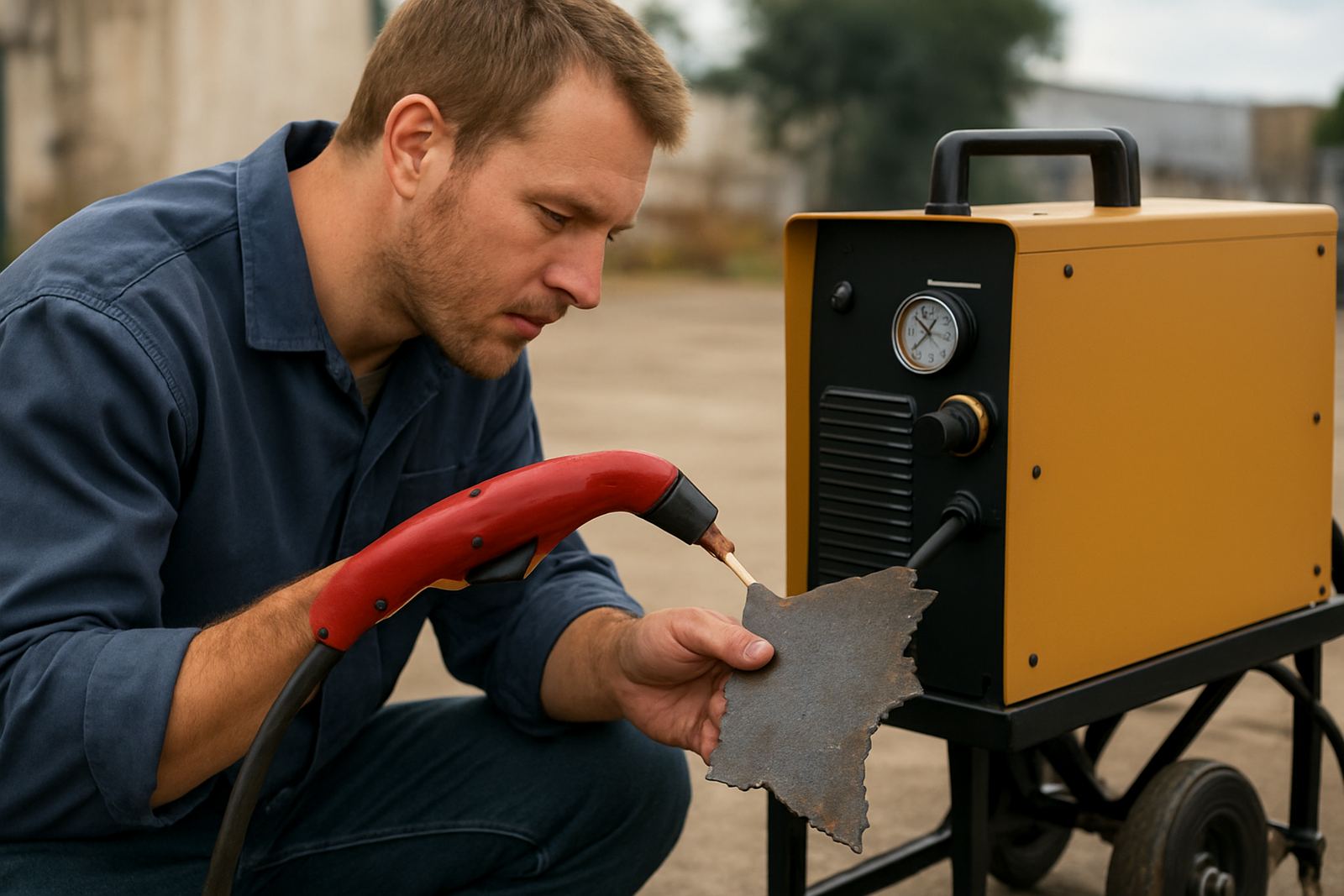
If the arc starts well then fades, splutters, or wanders, look at the nozzle, electrode and swirl parts. These parts wear naturally, but heavy use, dirty air and incorrect standoff can shorten their life. A nozzle opening that is oval or enlarged will not shape the arc correctly, and the cut will show it immediately.
Do not keep cutting with parts that already look burnt or pitted. Replace them as a set where needed, and make sure the consumables match the amperage and torch type. Mixing worn parts with new ones can still give poor results. The cut may look acceptable for a few metres then break down again, which wastes plate and time.
- Look for a rounded or damaged nozzle opening.
- Check the electrode pit depth and heat mark on the face.
- Inspect the shield cup for spatter build up.
- Keep spare sets sealed and dry.
Earth return and material contact matter more than many think
A weak or inconsistent arc can come from poor grounding. If the work clamp is loose, placed on rusty metal, or attached too far from the cut path, the machine struggles to complete the circuit properly. That can cause an arc that starts late or moves around the plate edge.
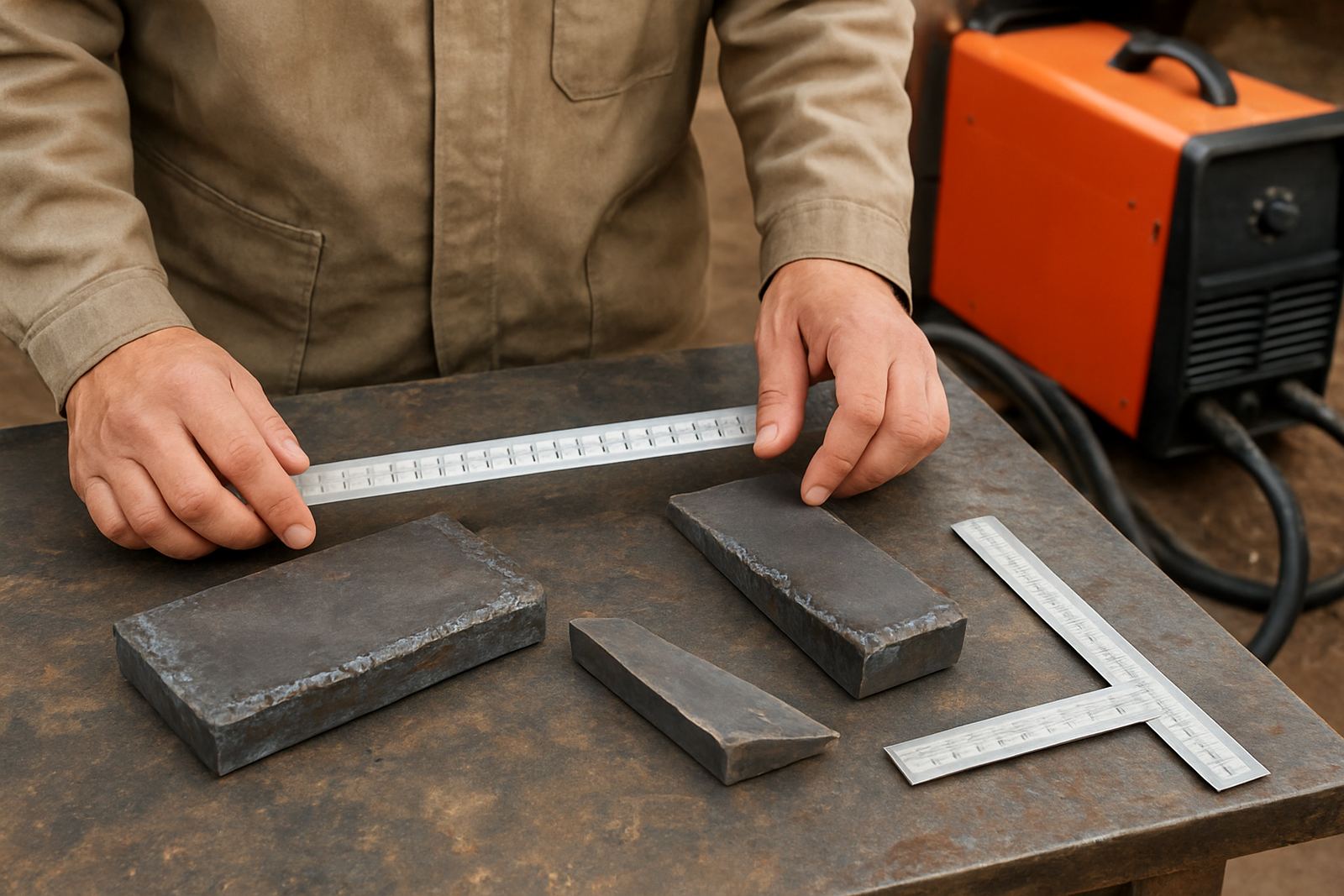
For workshops in Meyerton, Alberton or Sasolburg where scrap, offcuts and painted material are common, clean contact is essential. Grind to bare metal where the clamp sits. On CNC tables, check the slats, return path and any signs of scale build up. A fine machine can still perform badly if the return path is poor and no one has checked it for months.
- Clamp onto clean bare steel close to the cut area.
- Remove rust, paint and mill scale from the clamp point.
- Inspect cable lugs for heat damage and looseness.
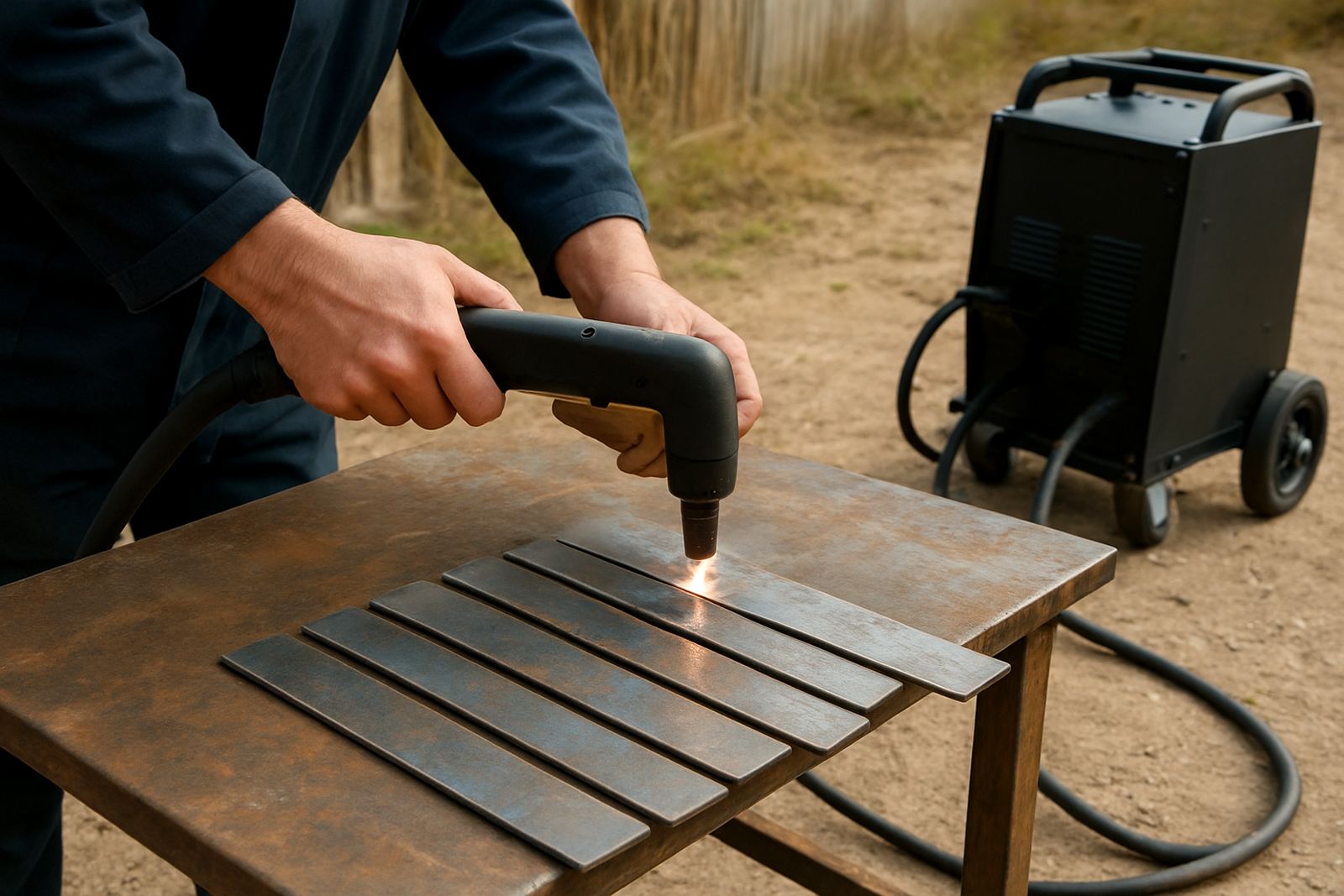
- Test the return path on the CNC table frame and slats.
Check settings before you blame the power source
Incorrect settings are a common reason for a poor arc. If amperage is too low for the plate thickness, the cut will be slow and unstable. If it is too high, the arc can become harsh and chew through consumables faster than expected. Standoff height, travel speed and pierce delay all affect arc quality as well.
On handheld work, keep the torch angle steady and avoid dragging the tip when the process calls for a slight stand-off. On CNC systems, a height control that is not calibrated will give uneven pierces and poor edge quality. If the machine starts strongly then loses control mid cut, the settings may be correct on paper but wrong in practice. That is where a cut quality audit helps.
A simple check list helps operators stay consistent:
- Match amperage to material thickness.
- Set the correct pierce delay for thicker plate.
- Confirm torch height and cutting speed.
- Watch for unstable arc transfer during the first second of the cut.
When the fault is in the torch or leads
If air, consumables and settings all look right, move to the torch body, leads and connectors. A damaged lead can interrupt current and air flow at the same time, which makes the arc seem weak or inconsistent. Crushed cable sections, burnt plugs and loose fittings often show up after repeated movement around the workshop floor.
Handheld users should inspect the trigger, torch head and cable bends near the handle. CNC users should check the full cable chain, connector pins and any signs of rubbing against moving parts. A torch can appear usable from the outside while still failing under load. This is common after a breakdown repair when the machine was put back into service fast.
- Look for cuts, kinks and heat marks on the lead.
- Check connector tightness at both ends.
- Test the trigger or start circuit for inconsistency.
- Watch for air leaks at the torch head and fittings.
A practical Vereeniging example from the floor
A local fabrication shop in Vereeniging called us after a CNC table began giving weak starts on 10 mm plate and then cutting unevenly across long runs. The operators had already replaced consumables twice, but the arc still drifted. On inspection, the compressor lines were holding water after night shifts, the return clamp sat on painted steel, and the height control was slightly out of calibration. Three small faults, one big problem.
After draining the system, replacing the worn parts, cleaning the earth point and resetting the height control the cuts improved immediately. That kind of problem is common across Gauteng and the Free State because workshops run through dust, temperature changes and load-shedding recovery cycles. If a machine has been idle during power cuts, always recheck air pressure, fittings and setup before starting production again.
Use this order when an arc goes poor:
- Air supply and moisture.
- Consumables condition.
- Earth return and clamp contact.
- Settings, height and travel speed.
- Torch body, leads and connectors.
Following that sequence saves time and stops operators from changing parts at random. It also helps you decide when the fault is minor and when you need workshop support or an on site breakdown visit.
Know when to book inspection or servicing
If the poor arc keeps coming back, the machine needs a proper inspection. Torch Repairs, Power Source Repairs, Preventive Maintenance and CNC Table Servicing are best done before the fault becomes a full stoppage. In metal fabrication and automotive work, a bad arc can mean scrapped parts, missed deadlines and rework that costs more than the original repair.
For sites in Vereeniging, Vanderbijlpark, Sasolburg, Meyerton, Alberton, Germiston, Bloemfontein and Welkom, regular servicing is worth the effort. It helps with consumables checks, air system inspection, height control calibration and operator training. If your team is not sure where to start, use the enquiry form on our contact page and we will help assess the fault and plan the next step.
Clean arc performance is not luck. It comes from steady air, sound connections, correct settings and parts that are still within spec.