What the cut edge is telling you
A clean plasma cut should leave a narrow kerf, minimal dross and a fairly square edge. When the edge changes, the machine is giving you a signal. That signal may point to worn consumables, incorrect travel speed, poor torch height, bad earth connection or air that is carrying too much moisture.
In a Vereeniging workshop, the first clue is often not the machine itself but the part on the floor. If the bottom edge is heavy with slag or the top edge is rounded, the setup needs attention. On a busy day it is easy to keep cutting and hope the next sheet comes out better, but defects usually repeat until the cause is found.
Dross on the bottom edge usually means something simple
Dross is the leftover metal that sticks to the underside of the cut. A light line of fine dross can often be brushed off, but heavy hard dross points to a problem. The most common causes are cutting too slow, too fast, worn nozzles or low air pressure. Moisture in the air line can also upset the arc and leave a poor finish.
- Heavy, hard dross often points to slow travel speed or a dull nozzle.
- Small fine dross can appear when the cut speed is slightly too high.
- Long strings of dross may indicate poor height control or uneven plate.
- Wet air can cause irregular arc starts and rough cut faces.
If you are cutting mild steel in a damp workshop near the Vaal, check the air filter and drain points before changing major settings. A small blockage in the air system can make the machine look far worse than it really is.
Bevel shows torch angle, height or speed issues
Bevel is the slant on the cut edge. A little taper is normal on thicker plate, but uneven bevel means something is out of line. If the top edge is wide and the bottom is narrow, the torch may be set too high. If one side of the cut leans more than the other, the torch could be tilted, the table might be uneven, or the torch movement may not be steady.
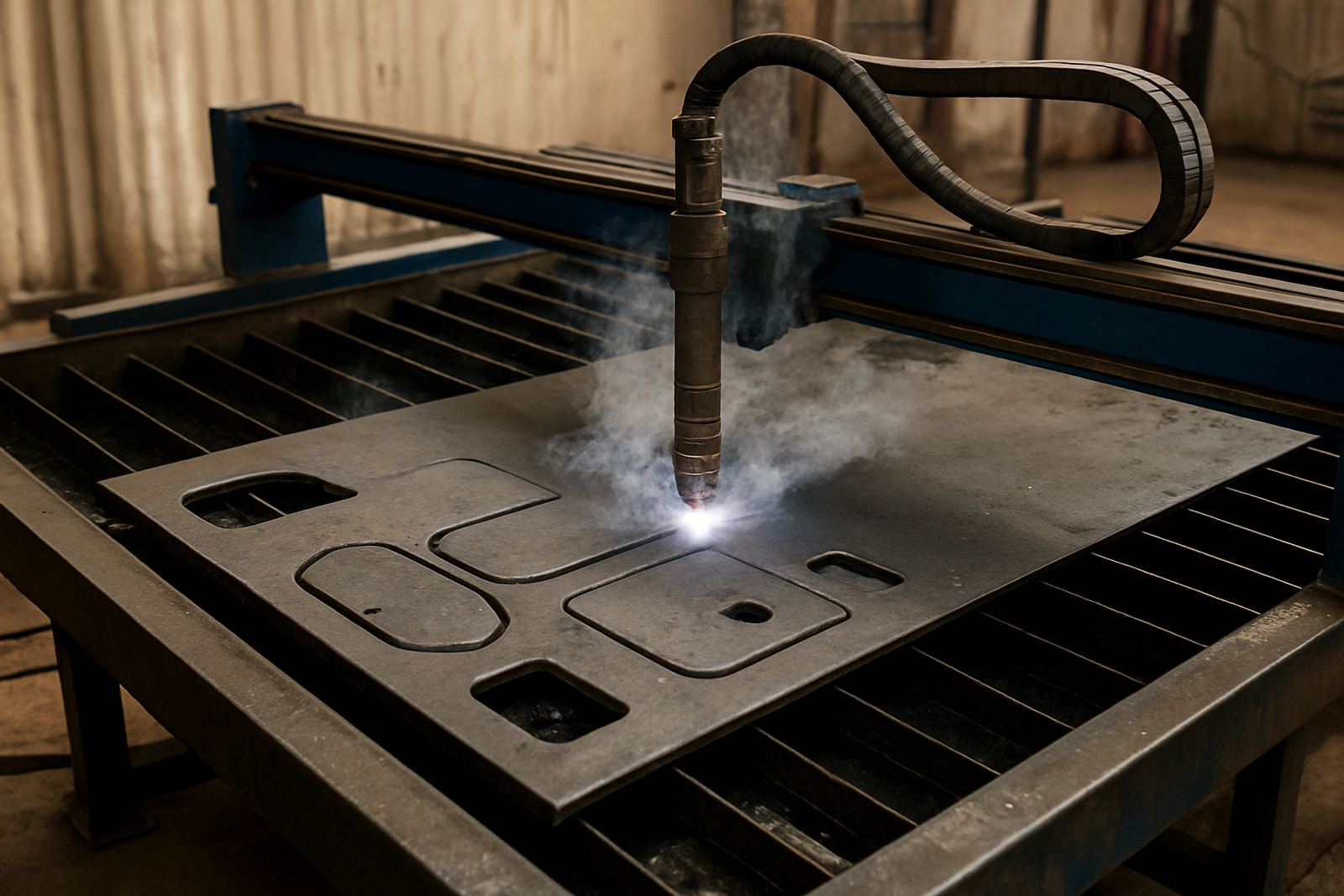
On CNC work, bevel can also point to height control problems. If the torch dives too close to the plate, the arc becomes harsh and the edge can wash out. If it sits too high, the cut loses focus and the edge becomes rough. That is why a proper calibration check matters, especially after a crash, a change of consumables or a power interruption. In load shedding conditions, settings can drift after restart if the operator does not verify them.
Look at bevel in pairs. If every part shows the same taper, the setup is probably consistent, just not correct. If the bevel changes from one end of the sheet to the other, the issue is more likely mechanical or related to motion.
Rough edges often start with the motion system
A rough edge is not always about the plasma arc. Sometimes the torch is fine and the machine movement is not. Worn rails, loose gantries, poor drive settings or dirty tables can all leave a jagged finish. If the cut looks choppy, listen to the machine while it moves. Any jerking, squeal or hesitation should be treated as a clue.
- Jerky movement can cause ripples and uneven edge texture.
- Loose fasteners can leave a repeating line or notch in the cut.
- Dirty slats and metal build up can disturb the airflow under the plate.
- Incorrect acceleration settings may mark corners and small holes.
For smaller fabrication shops in Meyerton or Alberton, rough edges often show up when a machine is pushed hard during a rush order. The answer is not always to slow down across the board. It may be better to service the table, check the torch height and then reset the cutting profile for the plate thickness you use most often.
A simple workshop routine saves material and time
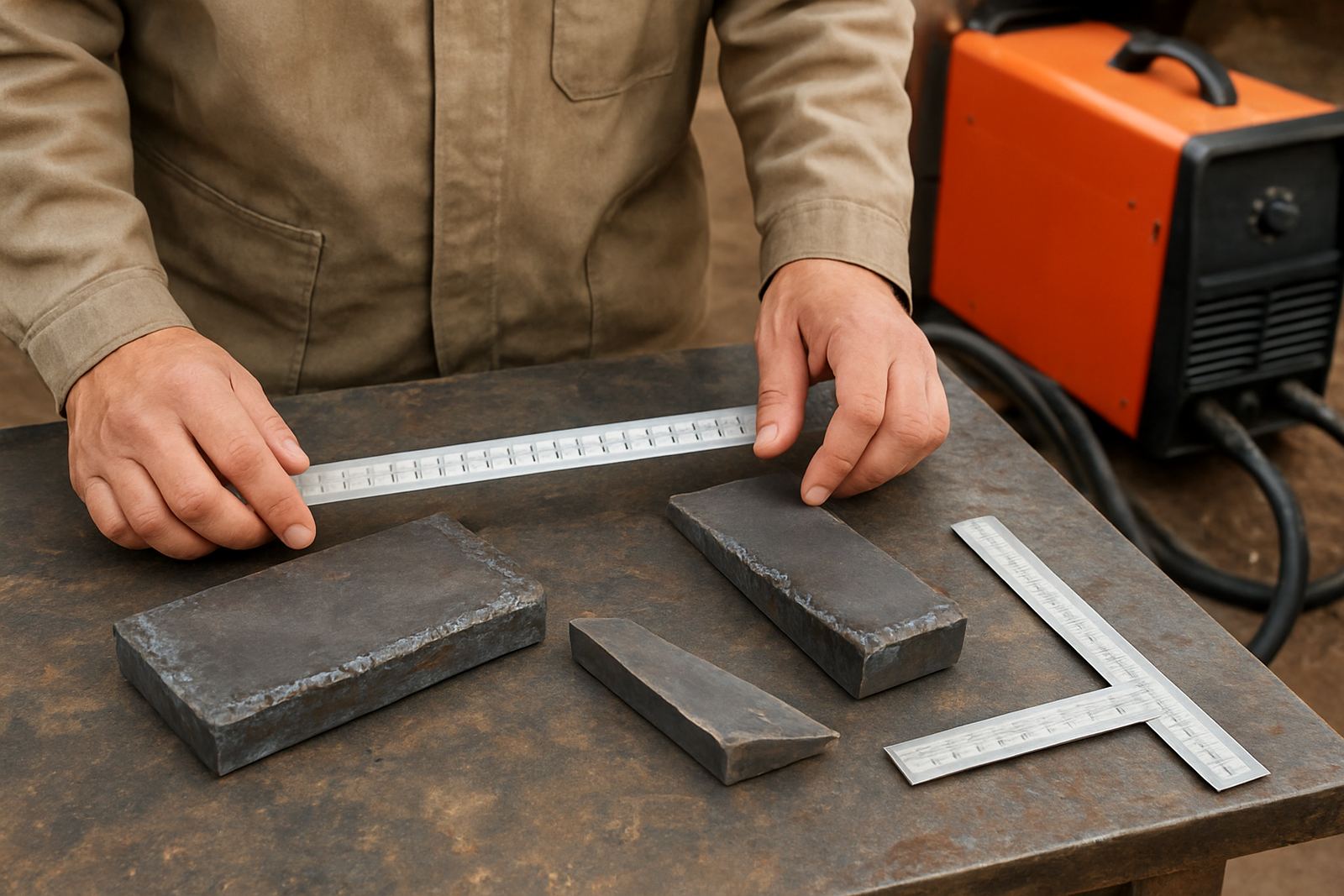
The easiest way to manage cut defects is to inspect them before the next batch starts. A quick routine at the beginning of the shift can prevent hours of rework later. Keep a clean sample cut from the same material thickness and compare new parts against it. That gives the operator a clear reference, instead of guessing whether the cut is acceptable.
Practical checks worth doing every day:
- Drain the air line and inspect the filter for moisture.
- Check consumables for wear and replace them before they fail.
- Look at the torch body and cable for heat marks or damage.
- Confirm torch height and cut speed before running a full sheet.
- Clean the table and remove scrap that may interfere with movement.
These steps are especially useful when working with mixed jobs, from brackets and gates to vehicle repair panels. A few minutes of checking can save expensive plate and a lot of grinding.
When to call for service instead of adjusting again
If defects keep returning after normal setup changes, the machine probably needs service. Recurring dross, repeated bevel, poor starts and erratic height control can point to deeper faults in the power source, torch, table or air system. At that stage, more trial and error can make things worse.
PlasmaCutter supports workshops across Vereeniging, Vanderbijlpark, Sasolburg, Meyerton, Alberton, Germiston, Bloemfontein and Welkom with demos and servicing. That includes torch repairs, power source repairs, preventive maintenance, CNC table servicing, operator training and cut quality audits. For a plant in Sasolburg or a fabrication shop in Bloemfontein, the value is simple: get the machine back to producing square, clean edges with less rework and fewer stoppages.
If you know how to read the cut, you can often spot a problem before it becomes a breakdown. That is good practice whether you run one handheld unit or a CNC table with regular production cuts.