Why small spares matter more than most workshops think
When a plasma cutter stops in the middle of a job, the lost time is rarely just the repair time. It is the job waiting, the material already loaded, the operator standing by, and often a customer asking when the next batch will be ready. In Vereeniging and the surrounding industrial areas, that delay can push a same-day job into the next day very quickly.
Most stoppages begin with parts that wear out through heat, dirt, moisture or simple daily use. A workshop that keeps common spares on the shelf can solve many faults in minutes instead of waiting for a call-out or a courier. That matters even more when load-shedding interrupts production and you need to restart cleanly without wasting consumables.
The aim is not to stock every part. It is to keep the parts that fail often, are cheap enough to hold, and can bring a machine back into service fast.
The spares every plasma workshop should keep close
The exact list will depend on the machine, amperage and how often it runs, but there are several parts that most South African workshops should keep on hand. If you cut mild steel, plate offcuts, brackets or vehicle components on a regular basis, these items deserve shelf space.
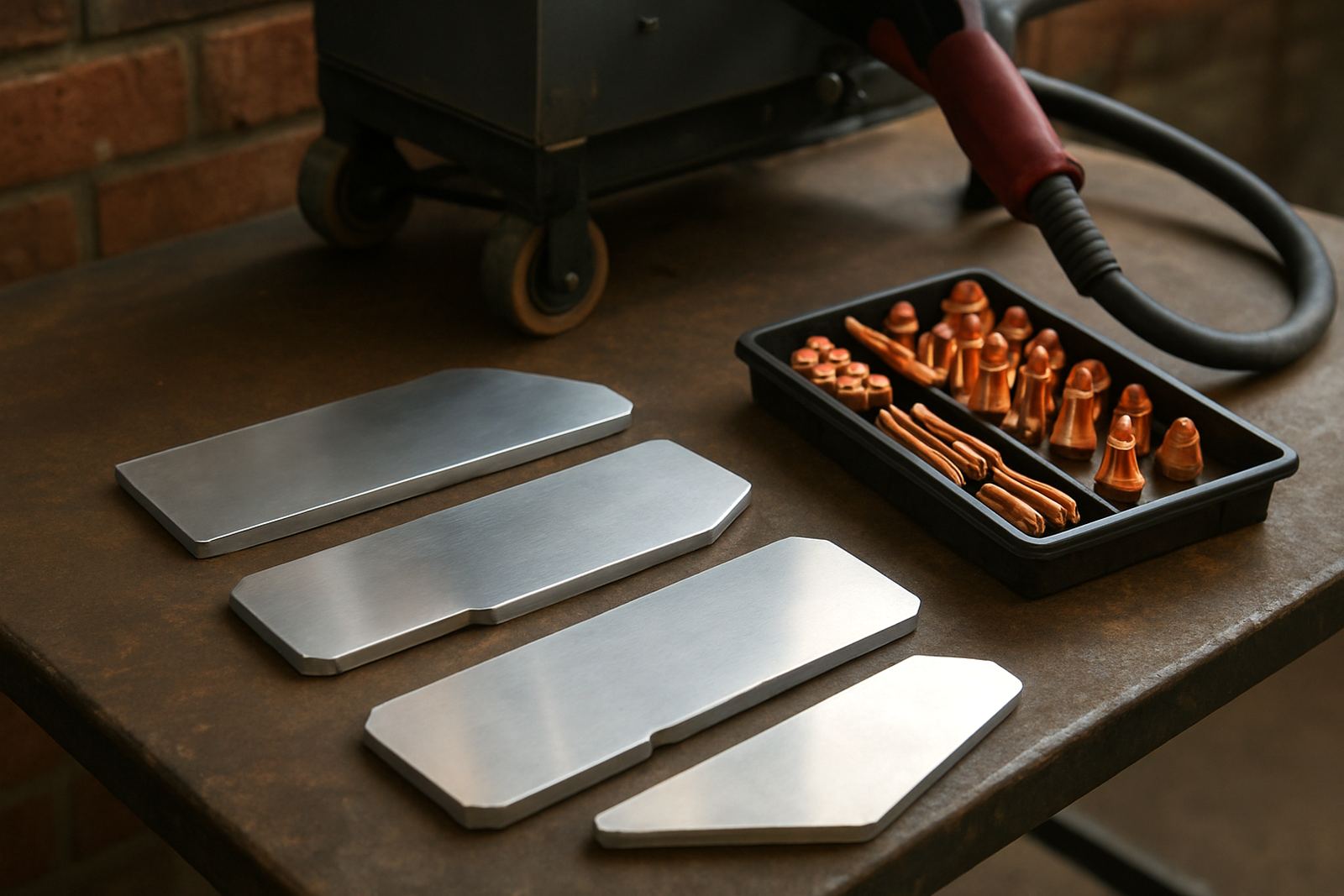
- Nozzles for the amperage you use most often
- Electrodes matched to the torch type
- Swirl rings and retaining caps
- Shield cups and front end protection parts
- Starter cartridges or ignition parts where applicable
- Torch leads or torch body parts for common wear points
- O-rings, seals and small fittings
- Air filters and moisture traps for the supply line
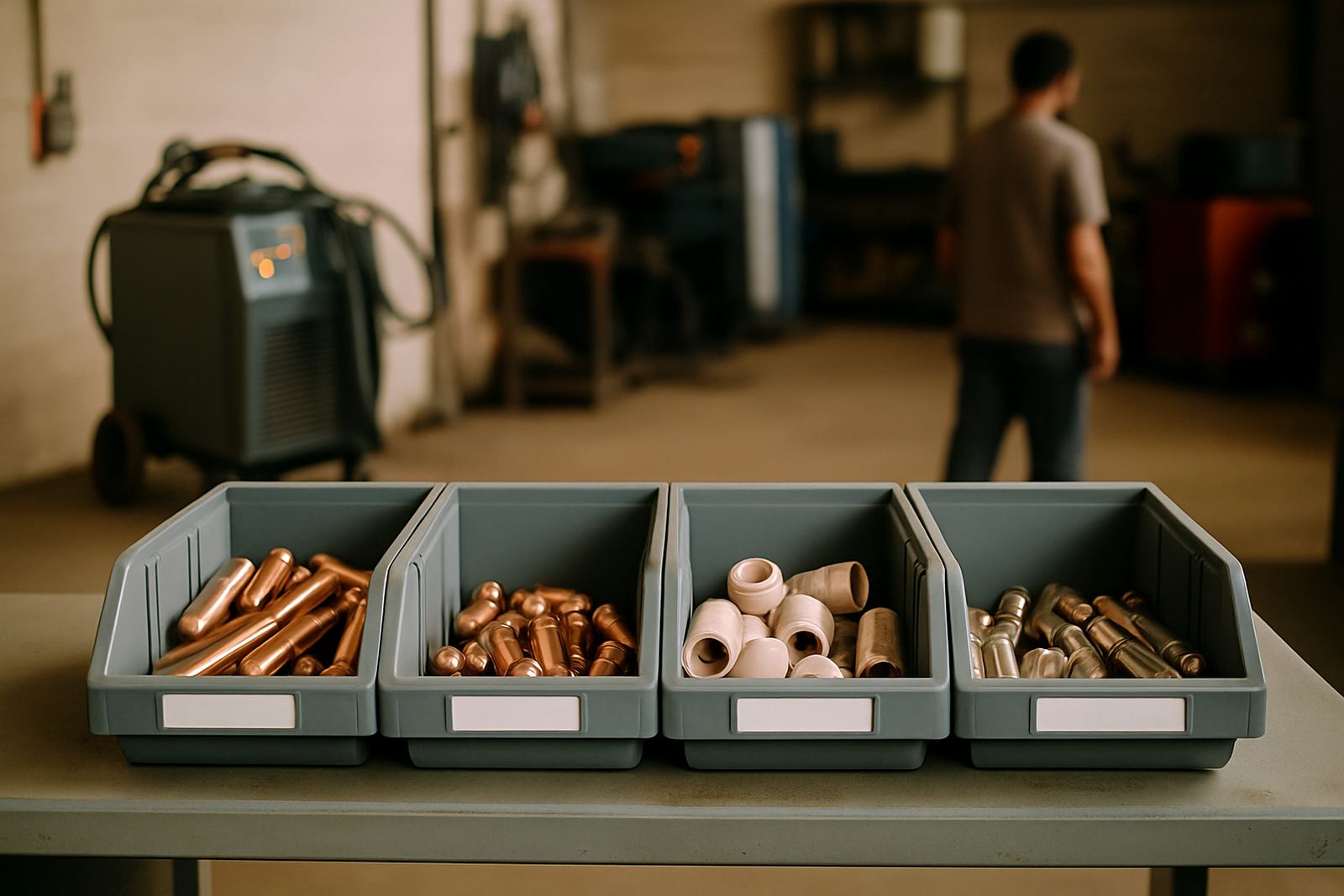
Keep the sizes grouped by machine and label them clearly. A mixed drawer of loose spares slows everyone down and increases the chance of fitting the wrong part. It also helps to note which consumables are used on the handheld units and which belong to the CNC table.
Consumables that wear first under local conditions
In Gauteng and the Free State, dust, heat and inconsistent compressed air all shorten consumable life. If a workshop runs near grinding bays, paint prep areas or open yard storage, fine dust can get into the torch path and affect cut quality. Coastal humidity is not the main issue in this region, but moisture in compressed air still causes trouble, especially after cold nights or when the compressor is working hard.
Start with the parts that show wear first. Nozzles and electrodes are the obvious ones, but shields, swirl rings and retaining caps also matter because they affect arc stability and edge finish. If cut edges are rough, bevelled or full of dross, the problem may be a worn tip or a poor air supply rather than the power source itself.
Many workshops also forget to stock spare filters and desiccant elements. A clean, dry air supply can extend consumable life and give better cut consistency, so those small parts often pay for themselves quickly.
Do not overlook torch, cable and air system items
Some of the most frustrating breakdowns come from parts that look minor. A damaged torch lead, loose fitting or cracked hose can stop work completely. In many cases the machine is still healthy, but the operator cannot get a stable arc because the torch or air system is letting it down.
For that reason, a sensible spare stock should include more than front end consumables. Keep a few parts that support the full cutting setup, not just the torch tip.
- Spare torch body sections for common models
- Lead protectors, strain relief parts and connectors
- Air hose fittings and clamps
- Inline filters and regulators
- Spare pressure gauges where they are used on site
If your workshop uses the machine in multiple bays, or moves it between sites in places like Vanderbijlpark, Sasolburg or Meyerton, transport wear becomes another factor. Leads get bent, fittings loosen and small cracks can spread faster than expected. A quick replacement on hand saves a lot of downtime.
CNC tables need their own spare shelf
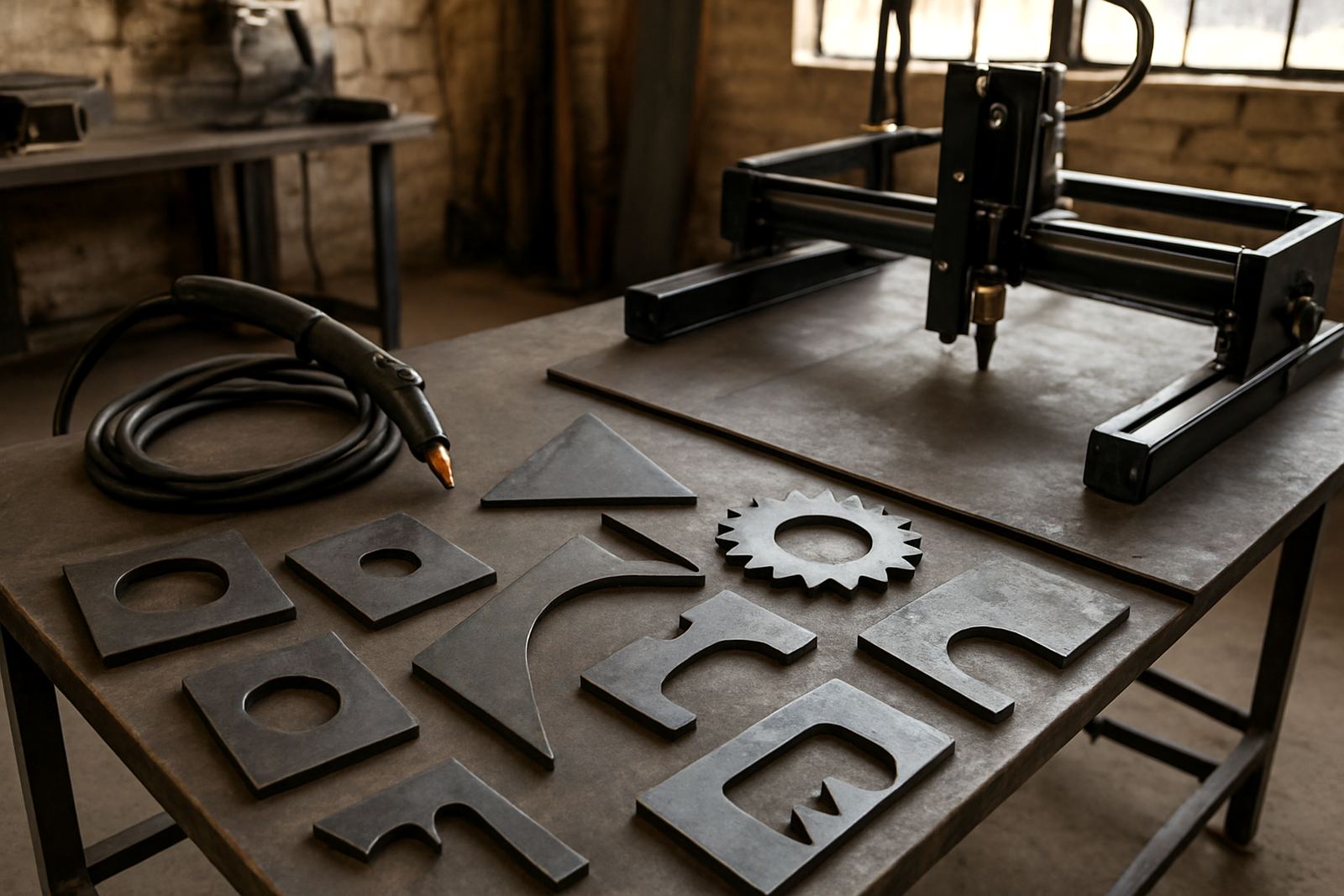
A CNC plasma table has different weak points from a handheld setup. The machine may cut well for weeks, then a sensor, height control component or cable issue can interrupt production. For fabrication shops and automotive suppliers, that can affect repeat work, not just one-off jobs.
Keep a separate stock list for CNC-related items so that table servicing is not delayed by shared consumables. The basics should include parts that support motion, torch height control and reliable arc starting. If your table runs long jobs or batch work, even one failed sensor can hold up the entire queue.
Common items worth holding include limit switch parts, torch height control consumables, spare nozzles and electrodes for the table torch, cabling clips, and replacement air line fittings. If your table is used daily, it is also wise to keep a backup set of the parts needed for routine calibration and servicing.
A simple stock plan for Vereeniging and nearby workshops
A practical stock plan is better than a large, random pile of parts. Start by tracking what fails most over 60 to 90 days. Then set a minimum level for each item based on actual use. A workshop cutting every day will need a deeper stock than a small jobbing shop that only cuts a few times a week.
One local example is a fabrication shop in the Vereeniging area that runs both handheld and CNC cutting for gates, brackets and repair work. After a few unplanned stoppages, the team began keeping a labelled box of the most used nozzles, electrodes, seals and air filters. They also held one spare torch lead set and the fittings needed for the compressor line. The result was fewer interruptions and less waiting for emergency deliveries from outside the area.
The best stock plan is the one the team will actually use. Keep it close to the machine, update it after every service and remove slow-moving parts that do not suit the way the workshop cuts.
How PlasmaCutter helps keep the right parts on hand
Our team works with workshops across Vereeniging, Vanderbijlpark, Sasolburg, Meyerton, Alberton, Germiston, Bloemfontein and Welkom to help identify the spares that matter most. That includes consumables checks, air system inspection, preventive maintenance and support for both handheld and CNC plasma cutting setups.
We also assist with torch repairs, power source repairs, machine commissioning, operator training and cut quality audits. If your workshop is unsure which spares to stock, we can help narrow it down by machine type, workload and the faults you are seeing most often. That makes it easier to avoid overbuying parts you will not use and underbuying the ones that keep production moving.
For many businesses, the right spare shelf is simply good planning. It costs less than lost production, and it keeps the team working when the pressure is on.