What Gouging With Plasma Actually Does
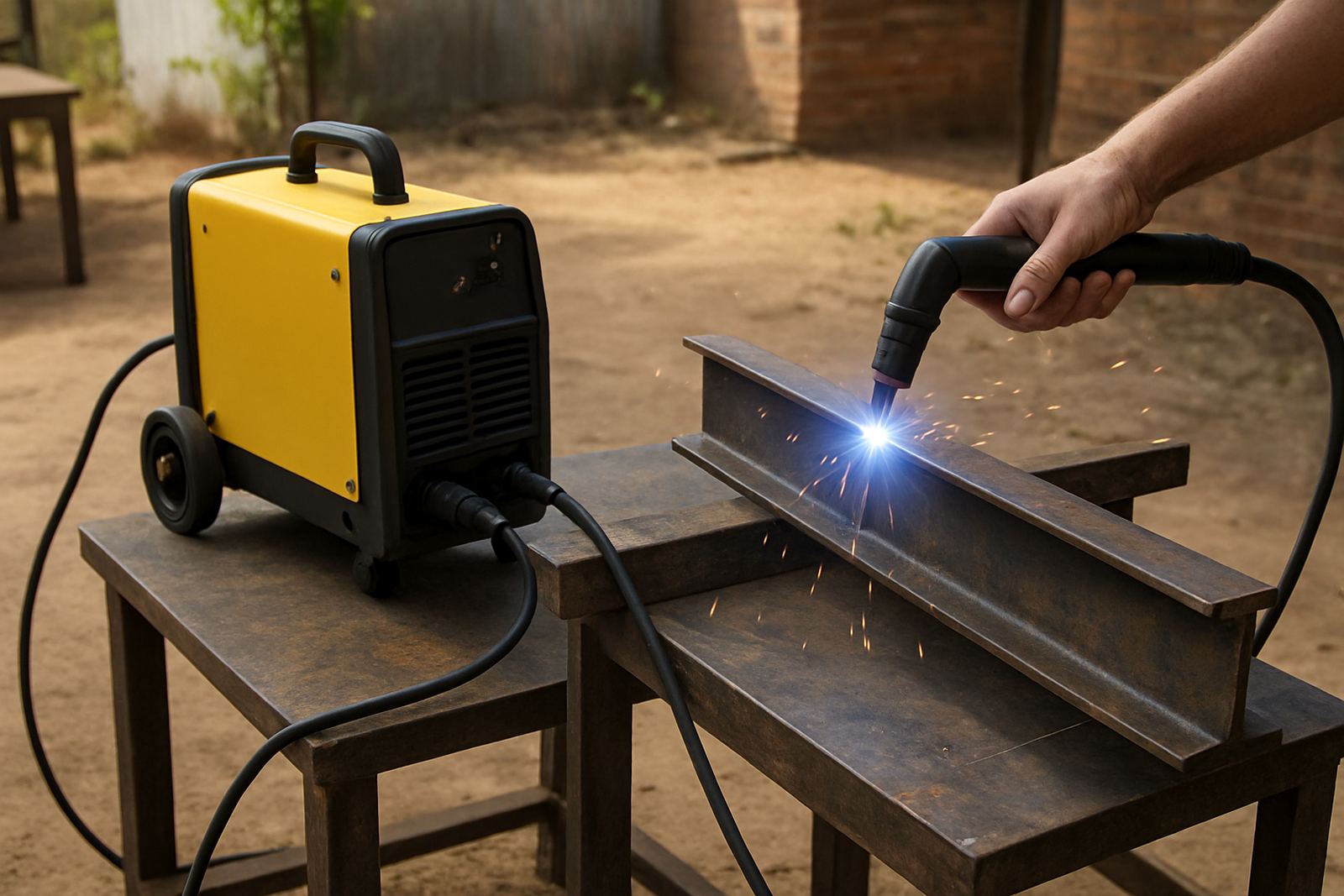
Plasma gouging is not the same as cutting through plate. Instead of slicing all the way across a line, the operator uses the plasma arc to remove metal from the surface and form a controlled groove. That groove can expose a faulty weld, clear out cracked material, or prep a joint for re-welding. In a busy shop, it is often quicker than grinding, and on thicker material it gives more even results than trying to dig out defects by hand.
For many Gauteng and Free State businesses, the value is simple: less rework, less heat on the parent material, and better control over the area that needs repair. On a production floor in Vereeniging or a maintenance bay in Sasolburg, that can mean the difference between a machine standing still and getting back to work before the end of the shift.
When Plasma Gouging Makes Sense
Not every job needs gouging, but there are times when it is the cleanest option. A fabricator may need to remove a bad weld bead before a fresh pass. A vehicle repair shop may need to open a cracked bracket or remove damaged sections without heating the whole part too much. In plant maintenance, gouging helps clear out old welds on chutes, frames, guards and structural members.
It is also useful where access is awkward. A grinder needs space, time and steady pressure. Plasma gouging can work faster on long seams or in corners where a wheel would struggle. That said, the operator still needs a steady hand and the right air supply, because poor technique leaves a rough groove and more cleanup afterwards.
- Weld defect removal before repair
- Plate and bracket cleanup on heavy equipment
- Root pass opening on prepared joints
- Surface removal where grinding is too slow
Getting the Setup Right On Site
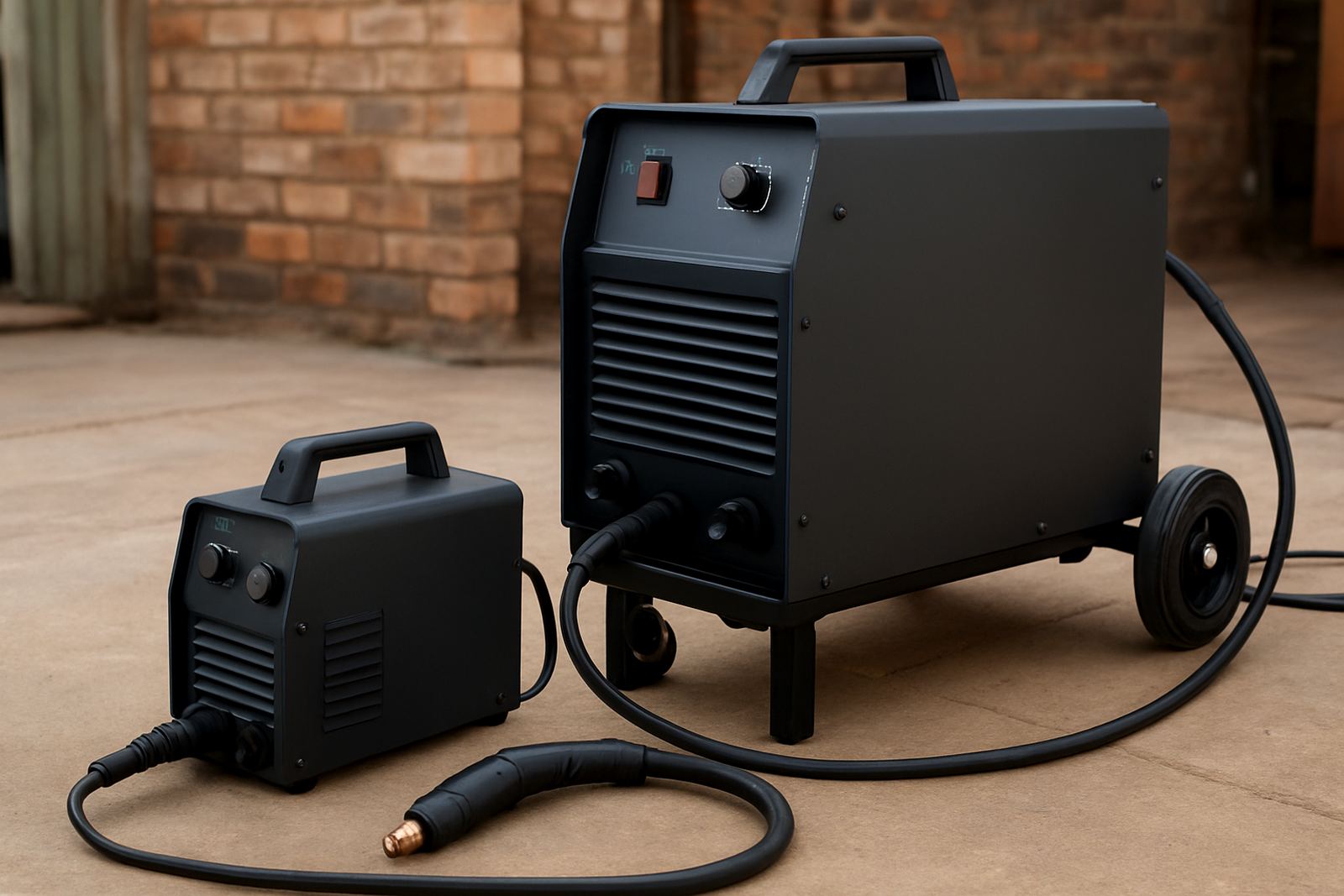
A gouging job is only as good as the setup behind it. Air quality matters, because moisture and oil in the air line can affect arc stability and consumable life. On sites near the coast this is a common headache, but even inland workshops in Alberton or Germiston can run into trouble when compressors are poorly maintained or drains are ignored. Before starting, check the air system, inspect the torch, and make sure the machine is matched to the work.
Power supply also matters. In South Africa, load-shedding and weak site power can interrupt work or leave an operator trying to finish a pass with unstable output. For portable jobs, planning around power availability is not optional. A proper pre-check should include cables, clamps, consumables, and the thickness of the material. If the settings are too high, the groove becomes wide and messy. Too low, and the arc struggles to clear metal cleanly. That balance is what experienced operators learn to read.
- Check for dry air and drained moisture traps
- Inspect torch wear before each shift
- Confirm cable condition and earth connection
- Match amperage to material thickness and groove depth
Technique That Keeps The Groove Under Control
Good gouging starts with angle and movement. The torch is usually held at a shallow angle so the arc pushes material out of the groove instead of drilling straight down. The operator keeps a steady travel speed and watches the metal being removed, not just the bright arc. If the motion slows too much, the cut can undercut the side walls. If it moves too fast, the groove will be uneven and shallow.
Short practice runs on scrap are worth the time. A technician learning on mild steel offcuts will see how the arc behaves, how much slag forms, and how the torch angle changes the groove profile. That small investment pays off when the job is on a live structure or a repair that must hold under vibration. Good operators also make a habit of cleaning between passes, because slag left in the groove can cause a weak repair later on.
For shops in Bloemfontein or Welkom doing repair work on agricultural equipment, this kind of control is especially useful. Field conditions are often dirty and uneven, so the operator must work methodically and keep an eye on the surrounding parts and hoses.
Safety, Fumes And Workshop Discipline
Plasma gouging throws sparks, hot metal and fumes, so safety is not a box to tick after the fact. The work area should be clear of oil, paper, paint tins and anything else that can catch. Screening is important where other staff are nearby. Eye protection, gloves and suitable clothing are basic requirements, and hearing protection should not be forgotten in enclosed workshops where the noise bounces around.
Ventilation matters as well. When gouging old paint, rust or coated steel, fumes can become unpleasant fast. If work is being done indoors, extract air at the source where possible. On municipal sites and industrial premises, follow local rules for hot work permits and fire watch procedures. A tidy area is safer and usually faster too, because nobody wastes time moving scrap out of the way or stopping to look for tools that should have been ready in the first place.
- Keep a fire extinguisher within reach
- Use screens to protect nearby staff
- Set up ventilation before striking an arc
- Follow hot work controls on industrial and municipal sites
Why Support And Maintenance Matter
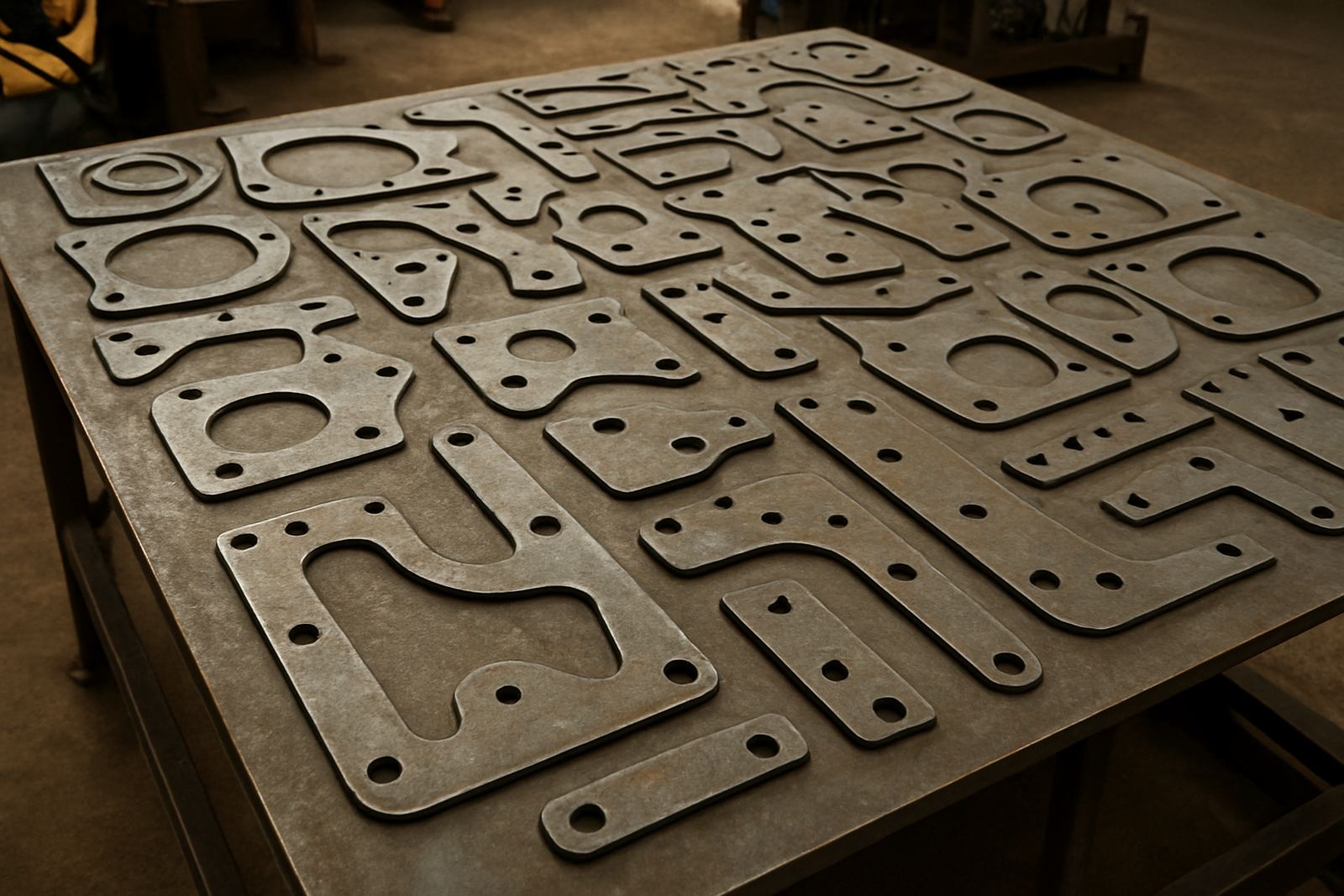
Even good plasma equipment needs attention if it is going to gouge properly week after week. Torch parts wear, cables loosen, air systems collect contamination and height control on CNC tables can drift out of calibration. A machine that was clean and accurate last month can start giving rough grooves if the consumables are tired or the torch is not inspected properly. That is why preventive maintenance is not just for big factories. Smaller workshops benefit as much, sometimes more.
PlasmaCutter works from Vereeniging with demos and servicing across Gauteng and the Free State, helping operators keep handheld and CNC systems in proper working order. The team covers torch repairs, power source repairs, consumables checks, air system inspection, CNC table servicing, height control calibration, on site breakdowns, machine commissioning, operator training, spares supply and cut quality audits. That support is useful whether the customer is in Vanderbijlpark, Meyerton, Sasolburg, Germiston or further out in the Free State.
For Marius van der Merwe and the team, the focus is practical use on real jobs. A well-set machine makes gouging cleaner, reduces wasted consumables, and cuts down the time spent finishing work that should have been right the first time.
A Local Example From The Floor
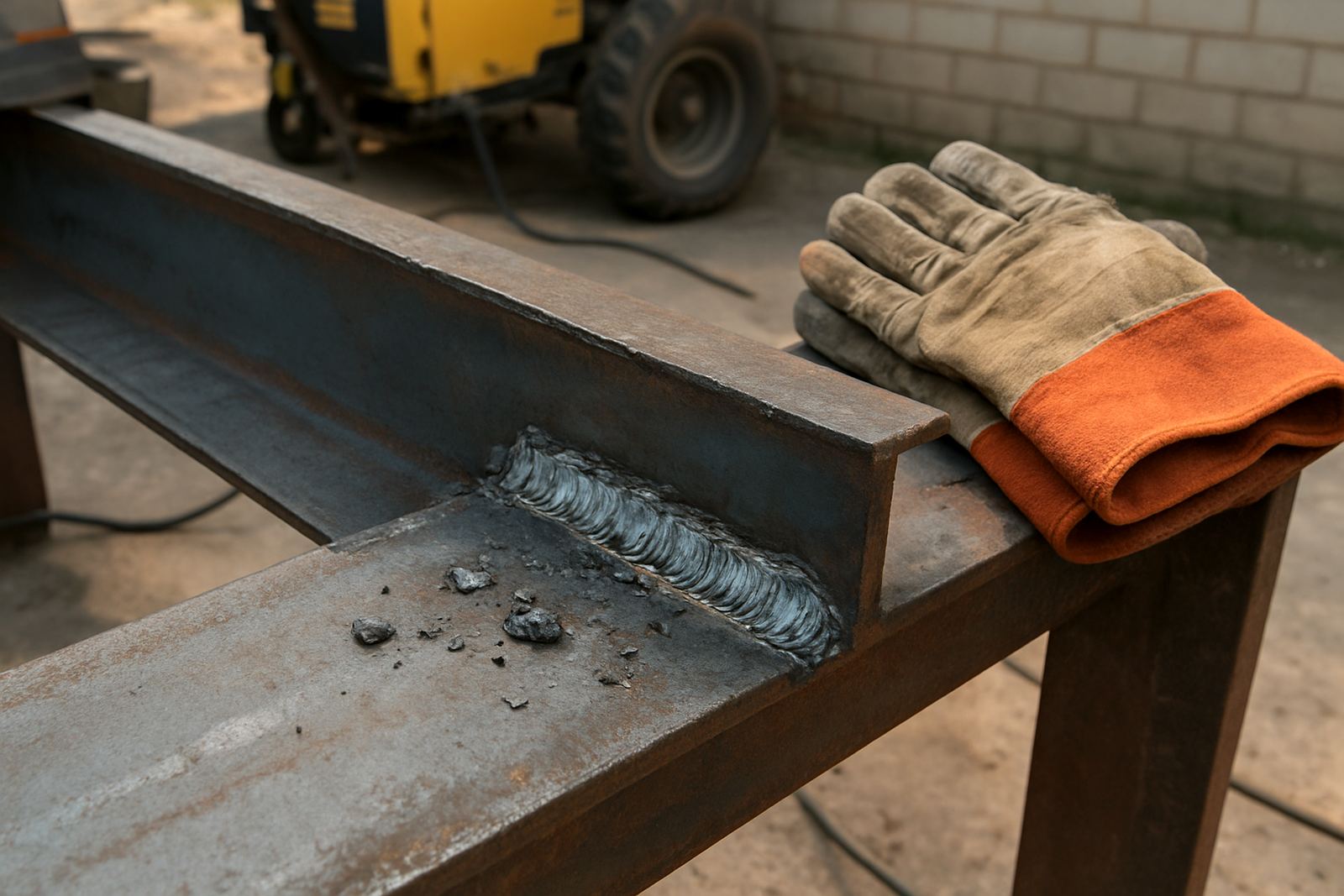
Consider a fabrication crew in Vereeniging repairing a worn-out steel frame for a plant conveyor. The old weld had cracked along one side, and the team needed to remove the damaged section without bending the rest of the frame. Grinding alone would have taken too long and risked thinning the surrounding steel. With plasma gouging, the operator opened the crack neatly, cleaned out the failed weld and prepared the joint for a fresh pass. The repair was completed in the same shift, which kept the client from losing another day of production.
That kind of result is why gouging has a place in South African workshops. It is not glamorous, and it is not the answer for every task. But when the work is heavy, the time is limited, and the repair needs to hold, plasma gouging gives the operator control and the workshop a practical way forward.