Start With The Job, Not The Machine
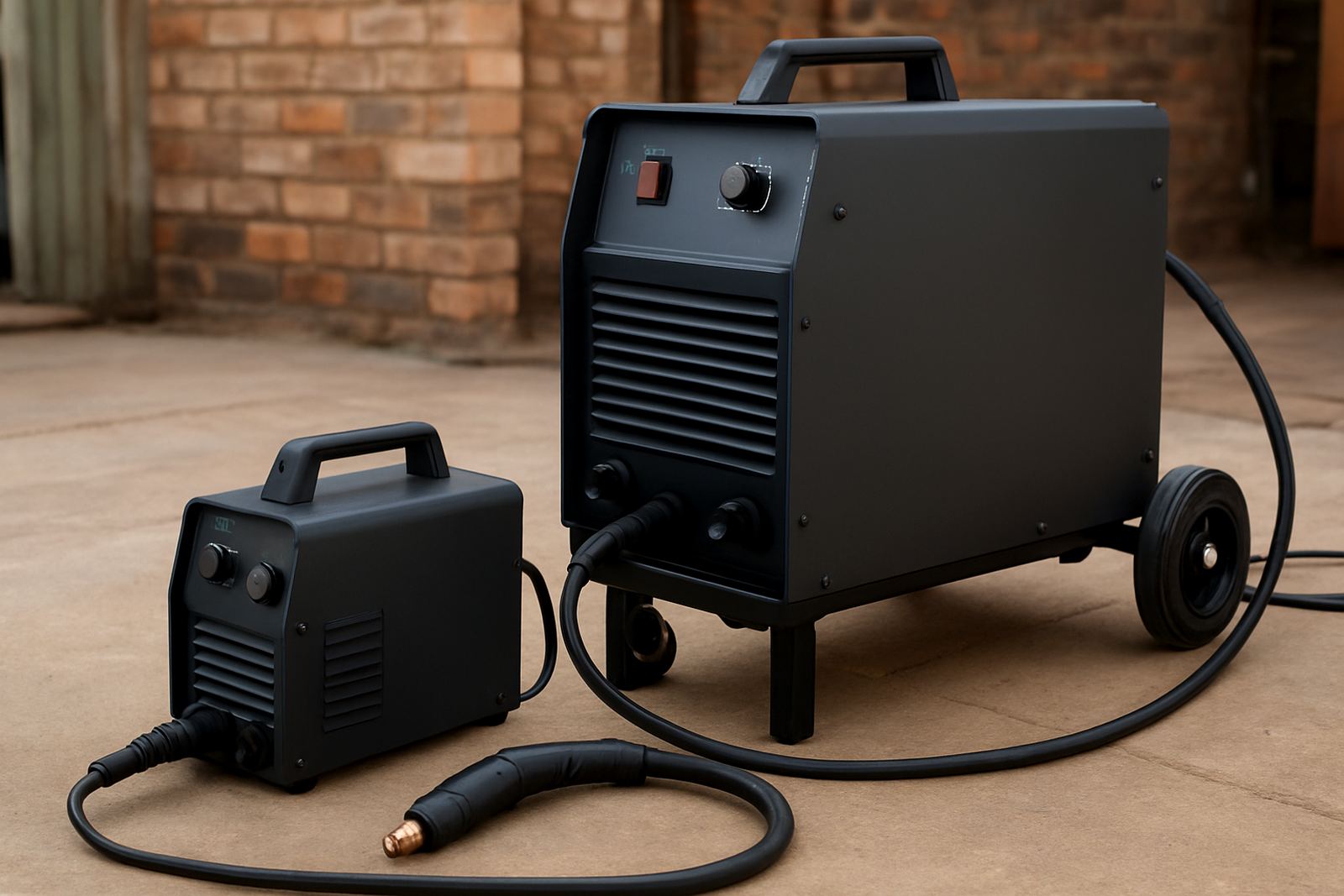
Many buyers begin by asking which machine is stronger, but the better question is what kind of work the machine must handle on a normal week. A portable unit is meant to move with the job, fit into a bakkie or service van and get going quickly once the air line and power are ready. A workshop unit is built for steadier output, longer cutting sessions and repeat work on the same material thickness.
If you cut on customer sites, repair farms, fit gates, or help with breakdown work in places like Vanderbijlpark and Meyerton, portability matters. If your day is spent in a fabrication bay cutting brackets, frames, plate and tubing for hours at a time, the heavier setup usually gives better consistency and less stopping to cool down.
- Choose portable when the machine travels more than it stays put.
- Choose workshop when throughput and repeat cutting are the main goal.
- Match the machine to the thickest material you cut regularly, not the once-off job.
What Portable Units Do Well On Site
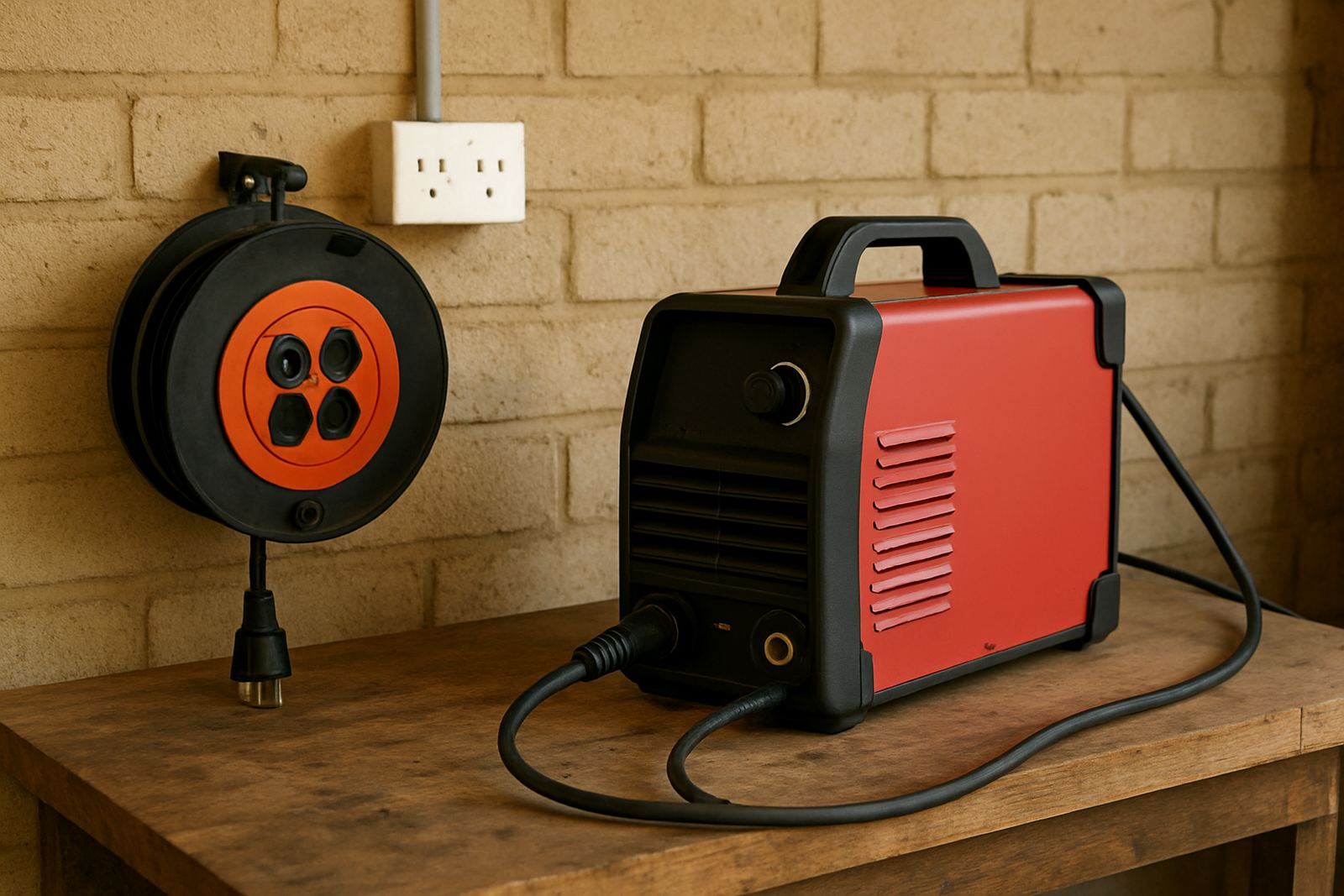
Portable plasma cutters suit maintenance teams, installers and repair crews that need clean cuts without hauling heavy gear across a plant. They are useful in motor body work, gate repairs, agricultural equipment fixes and general metal fabrication where access is tight. In a place like Germiston or Alberton, where jobs often move between workshops, factories and customer premises, a compact machine can make the day less complicated.
Good portable units are easier to position, quicker to pack away and simpler to use in smaller work areas. They also help when the job changes unexpectedly and you need to cut a broken bracket, shorten a part, or remove damaged steel on the spot. The trade off is that lighter units usually have lower duty cycles and less comfort on thick material if the operator keeps pushing too hard.
- Best for service vehicles, mobile repair work and small fabrication teams.
- Handy where space is limited and cutting happens in short bursts.
- Useful when load shedding or site power means you need a practical, quick setup.
Where Workshop Units Pull Ahead
Workshop units make more sense when cutting is part of daily production. They are normally paired with a fixed work area, a CNC table or repeat cutting stations, which helps keep parts square, reduces handling and supports better output over a full shift. In a fabrication shop in Vereeniging or Sasolburg, that stability matters when orders must leave on time and parts need to fit first time.
Heavier setups often handle longer runs more comfortably. They also tend to suit operators who cut the same profiles again and again, because the machine can stay set up, calibrated and ready. That matters for cut quality, edge finish and consistency, especially where the next process is welding, bending or assembly.
Workshop systems are also easier to tie into maintenance routines. A planned check on consumables, air supply, torch condition and height control can prevent a simple issue turning into downtime. If your team is producing daily, a machine that stays in one place is easier to service properly.
Power, Air And Load Shedding Changes The Choice
In South Africa, the practical side of power supply matters as much as cutting speed. A portable unit may seem ideal, but if the available plug point is weak, the air supply is poor, or the generator is undersized, the machine will not perform as expected. On the other hand, a workshop machine can be a better choice if you already have stable supply, adequate ventilation and proper compressed air.
Coastal humidity is not the only issue. Dust, heat, voltage dips and long extension leads can all affect performance. If you work between Bloemfontein, Welkom and the Vaal, the setup has to cope with different site conditions and not just the neatest workshop environment.
- Check the supply voltage and breaker size before buying.
- Make sure the compressor can deliver clean, dry air at the required pressure.
- Use the right cable length and keep it sized properly to avoid losses.
A Simple Decision Guide For Real Buyers
If you are still torn between the two, compare your normal week against these points. The right answer often becomes obvious once you think about travel time, material thickness and who will use the machine. A mobile repair business in Meyerton has different needs from a fabrication plant with a fixed cutting bay in Bloemfontein.
- Buy portable if your jobs are spread across sites, your material is moderate, and speed of setup matters.
- Buy workshop if you need repeated cuts, longer operating periods and better control over finished parts.
- Buy both, or plan for both, when mobile repair work and shop production are both important to the business.
Training also changes the outcome. A machine is only as good as the operator, and poor torch handling or rushed consumables changes can affect the cut very quickly. This is where machine commissioning, operator training and a proper cut quality audit help you get the setup right from the start. If the machine must work under pressure, the team should know exactly how to keep it in spec.
Keeping Either Setup Productive In The Vaal And Beyond
Whether you choose a portable unit or a workshop setup, the machine needs regular attention. Torch repairs, power source repairs, preventive maintenance, consumables checks, air system inspection and CNC table servicing all help reduce avoidable downtime. For businesses in Vereeniging, Vanderbijlpark, Sasolburg and surrounding areas, that support can mean the difference between completing a job or losing production time to a fault that should have been picked up earlier.
Plasma cutters are work tools, not just purchases. The better option is the one that suits your power supply, your air quality, your team and your workload. Get that right and you will cut cleaner, waste less material and spend less time fixing problems after the fact.