
What duty cycle means on the shop floor
Duty cycle is usually shown as a percentage over a 10 minute period. A machine rated at 60% can cut for 6 minutes and should cool for 4 minutes. At 100% it can run continuously at the stated output, but only under the test conditions given by the manufacturer.
In real use, that figure changes with amperage, cut thickness, ambient heat and how hard the machine is working. A handy rule is simple: the harder you push the cutter, the shorter the run time. If you are trimming brackets now and then, a lower duty cycle may be enough. If you are cutting plate all day, you need more headroom.
Why South African workshops feel duty cycle limits sooner
Duty cycle is not just about the machine. South African conditions can shorten practical run time. Hot summer afternoons in Alberton or Germiston, dust in fabrication bays, and voltage swings during load-shedding all add stress. Coastal humidity is another factor for workshops that move machines between inland and wetter areas, even though PlasmaCutter’s core base is in Vereeniging.
Compressed air quality matters too. Water in the airline, long hoses, or a small compressor can force the cutter to work harder. That extra strain shows up as more heat, rougher edges and earlier thermal cut-outs. If your setup is weak, even a good machine will feel underpowered.
- Keep the air supply dry and within the required pressure range.
- Use the correct input power and sound earthing.
- Give the unit space to breathe, not jammed against a wall.
- Clear dust from vents and filters on a regular basis.
Matching duty cycle to the type of work you do
A small automotive repair bay in Vanderbijlpark has different needs from a fabrication team in Sasolburg or a maintenance crew working around Bloemfontein. The first may use a cutter for quick patches, exhaust repairs and occasional brackets. The second may run long production cuts on mild steel and need more consistent output.
Think about what happens in a normal week, not a quiet one. Count the number of repeated cuts, the average thickness, and whether the job is done by hand or on a CNC table. A machine that looks expensive at purchase can save time if it avoids stoppages and rework.
- Light use: short cuts, repairs, hobby work, occasional site jobs.
- Medium use: regular fabrication, farm repair, small production runs.
- Heavy use: all day cutting, nested parts, repeat work on CNC tables.
What happens when a machine runs beyond duty cycle
Most cutters protect themselves by reducing output or shutting down when they get too hot. That is useful, but it can interrupt a job at the worst time. If you are cutting 10 mm plate for a gate section in Meyerton and the machine stops halfway through a batch, your time and material plan starts slipping.
Running beyond duty cycle can also affect cut quality. You may see more dross, wider kerf, slower starts and less consistent edges. Over time, repeated overheating can shorten the life of torch parts and other internal components. The warning signs are often plain enough if you know what to watch for.
- Frequent thermal trips during ordinary work.
- Noticeable loss of cut quality as the job goes on.
- Consumables wearing faster than expected.
- Fans running hard with little recovery time.
How to size the machine without overspending
It is tempting to buy only for the thickest job you think may arrive one day. That can leave you paying for capacity you rarely use. The better approach is to choose for your normal workload and allow a sensible margin. If you often cut at the upper end of the machine’s range, choose the next size up.
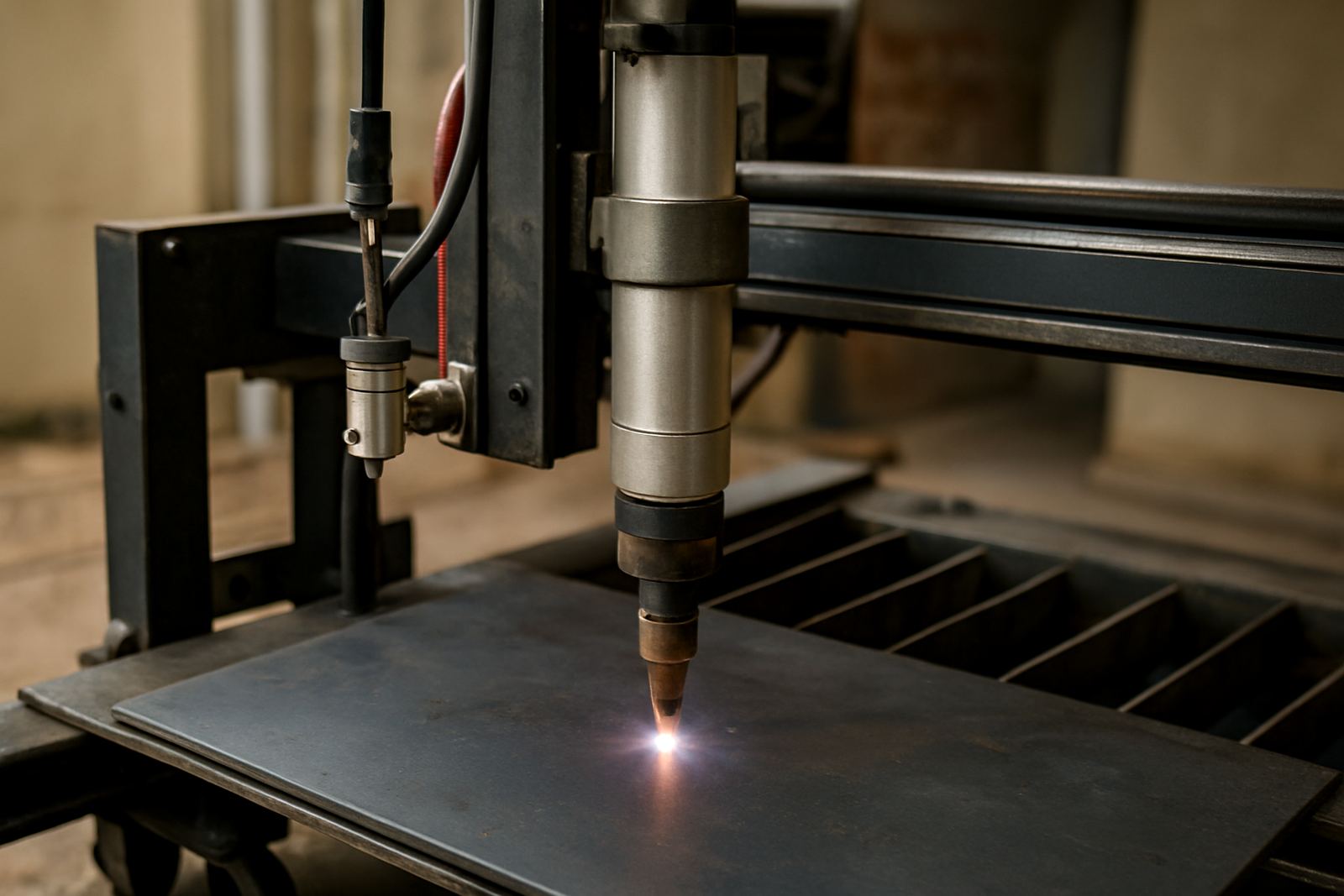
Also consider whether you need a handheld unit, a CNC table setup, or both. A CNC table in Welkom making repeat parts may need steadier output than a handheld machine used for field repairs. If you are unsure, ask for a cut quality audit or a proper commission check before you settle on a model.
- Match the machine to the average thickness, not just the maximum.
- Allow for long runs in summer heat.
- Factor in compressor quality and site power supply.
- Leave space for future work growth, but do not overbuy by default.
A practical example from a busy Free State job
Picture a small fabrication workshop in Sasolburg cutting brackets, repair plates and light structural parts. The team works in bursts, but on certain days the cutter runs almost continuously. If the machine has a modest duty cycle and the compressor is just adequate, the operator will be forced into pauses that slow the whole job down.
Now compare that with a higher duty cycle unit that stays stable under the same load. The operator can keep a steady pace, the edges stay cleaner, and the torch parts last longer because the machine is not being pushed into repeated heat limits. That difference is felt most on days when deadlines are tight and there is no room for downtime.
For customers across Vereeniging, Vanderbijlpark, Meyerton, Alberton, Germiston, Bloemfontein and Welkom, the right duty cycle is less about a brochure line and more about how the machine behaves after the first hour of real work.