What the nozzle and electrode actually do
In a handheld plasma torch the nozzle and electrode work as a pair. The electrode carries the arc and the nozzle focuses that arc into a narrow stream so the cut stays tight and the edge is cleaner. When either part starts to wear, the arc loses shape and the cut begins to widen, harden or leave extra dross on the underside.
For operators in Vereeniging, Vanderbijlpark and Sasolburg this matters because daily work often mixes plate, angle iron and mild steel offcuts. If the consumable set is not suited to the amperage and material thickness, the torch will still fire but the result will look tired long before the part is finished.
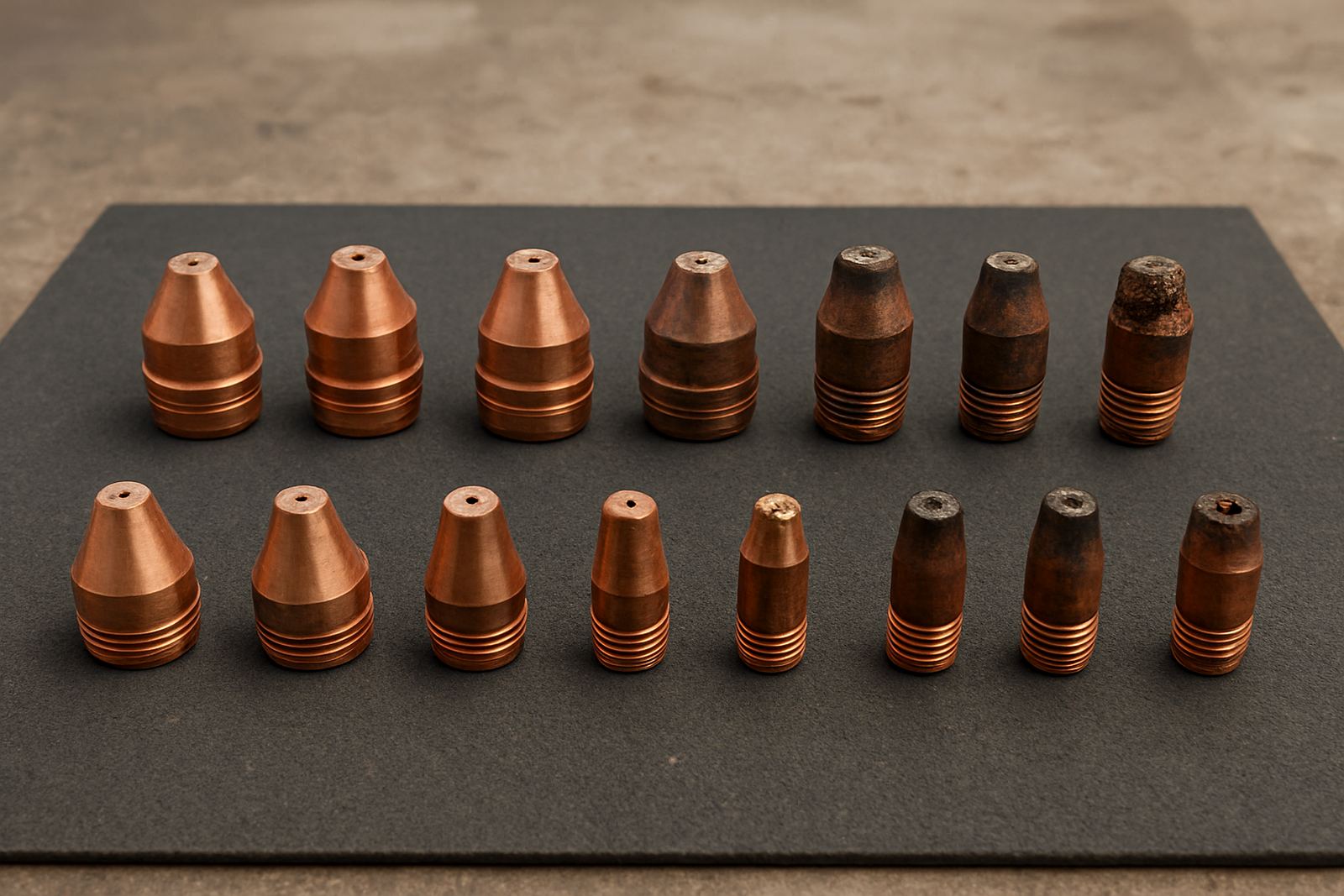
The wear signs you should not ignore
Most people wait too long because the torch still cuts. The problem is that worn consumables usually give warning signs first. A clean eye can spot them before the job goes out of tolerance.
- Cut starts become rough or delayed
- The arc wanders or spits more than usual
- Edges show heavy bevel on one side
- Dross builds up under the workpiece
- The nozzle opening looks oval instead of round
- The electrode pit is deeper than normal
If you see two or more of these at once, do not blame the machine first. Check the torch consumables, air quality and the cut setting together. One worn part can hide another fault, which is why the problem sometimes comes and goes.
Why air quality changes consumable life
Clean dry air is not a nice extra, it is part of the cutting system. Moisture, oil and dirt in the air line can burn the inside of the nozzle and shorten the life of the electrode. In coastal or humid periods around Gauteng and the Free State, condensation in the line can creep in during early mornings and after load-shedding recovery.
That is why an air check should always sit next to a consumable check. If the compressor cycles too often, the dryer is weak or water is sitting in the filter bowl, the torch will suffer even if the parts are new. A quick inspection can save a full set of consumables and keep the cut more consistent.
How to stretch consumable life without cutting corners
Good torch habits make a real difference. The aim is not to use a part until it fails, it is to get stable cuts over the full shift and change parts before quality drops. That is especially important on CNC tables where one poor run can waste a stack of plate.
- Use the correct amperage for the material thickness
- Keep standoff height steady on handheld work
- Do not drag the nozzle where it should not touch
- Clean spatter from the shield and nozzle area regularly
- Check earth contact before blaming the consumables
- Store spare parts dry and sealed from dust
Small handling habits matter. A torch dropped onto concrete or left with spatter built up around the tip will not cut badly for long, it will cut badly right away. In workshops from Germiston to Bloemfontein, that kind of damage often looks like a machine fault when it is really a handling issue.
A simple check routine for workshop and site crews
A five minute check at the start of the day is often enough to catch trouble. This is useful for fabrication teams, maintenance crews and anyone working on site where replacement parts are not always nearby. Keep the routine short and repeat it before every major job.
- Inspect nozzle shape and the orifice opening
- Check the electrode pit for deep wear
- Look for burn marks on the shield and retaining parts
- Make sure the air is dry and the filters are not full
- Test a short cut on scrap before starting production
If the test piece shows excessive dross or a wide kerf, swap the consumables first. Then check the air system and torch alignment. It is faster to replace one worn part than to spend an hour adjusting settings that were never the main fault.
When the problem is bigger than the tip
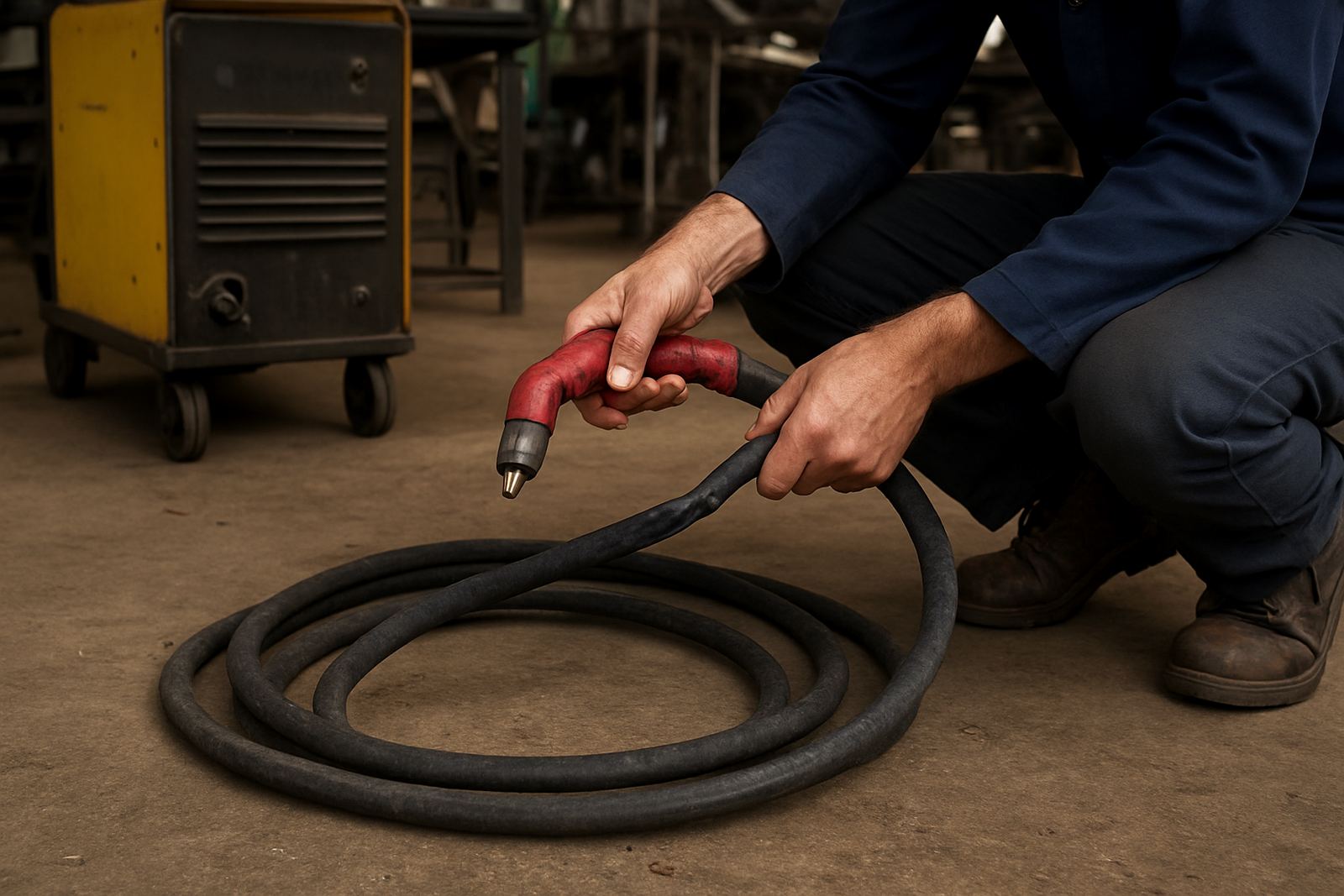
Sometimes fresh consumables do not fix the issue. That usually means the torch, power source or CNC setup needs attention. A damaged torch body, poor connection, worn cable or height control fault can all show up as poor edge quality. On CNC tables the cut may also vary if the torch height is drifting or the table has not been cleaned and checked properly.
In Vereeniging and surrounding areas, PlasmaCutter supports torch repairs, power source repairs, preventive maintenance, CNC table servicing and height control calibration. We also handle on site breakdowns, operator training and cut quality audits when the problem needs a proper diagnosis instead of trial and error.
A local example from a busy fabrication bay
A fabrication team in Vanderbijlpark was cutting bracket sets for a vehicle repair job and noticed the last few parts were coming out with heavier dross. The operator thought the machine was struggling after repeated power cuts, but the first check showed a nozzle opening that had gone uneven and an electrode that was near the end of its life. The air filter also had water in it, which was making the wear worse.
After replacing the consumables, draining the filter and checking the air line the cuts settled again. The team did not need a major repair, only a better routine. That is the point of understanding torch consumables basics: you catch small faults before they turn into lost material, extra grinding and time wasted on rework.