Why thick plate piercing needs a different approach
On thinner material, the torch gets through quickly and the heat does not sit in one spot for long. On thicker plate, the initial pierce can hold the arc in place for a much longer time, which puts stress on the nozzle, electrode and shield. If the pierce is too close to the plate, too slow, or done with poor air quality, the front end wears out faster and the cut starts to drift.
In Gauteng and the Free State, we see this often on fabrication shops working with machine bases, brackets, repair sections and trailer parts. A clean cut is not only about speed. It is about controlling heat, keeping the pierce splash away from the torch, and setting the machine up so the arc breaks through without hammering the consumables. The difference shows up quickly in cut quality and parts cost.
- Start with the correct pierce height, not just the cut height.
- Use clean dry air at the right pressure for the plate thickness.
- Allow enough pierce delay before the torch moves.
- Check that the table is level and slats are sound.
Set the machine before you strike the arc
Good piercing starts before the torch fires. The operator should confirm the material grade, thickness, plate condition and cut path. Mill scale, rust, paint and oil all affect how the pierce behaves. If the plate is warped or sitting on uneven supports, the torch can be too close on one corner and too far on another, which gives uneven splash and more nozzle damage.
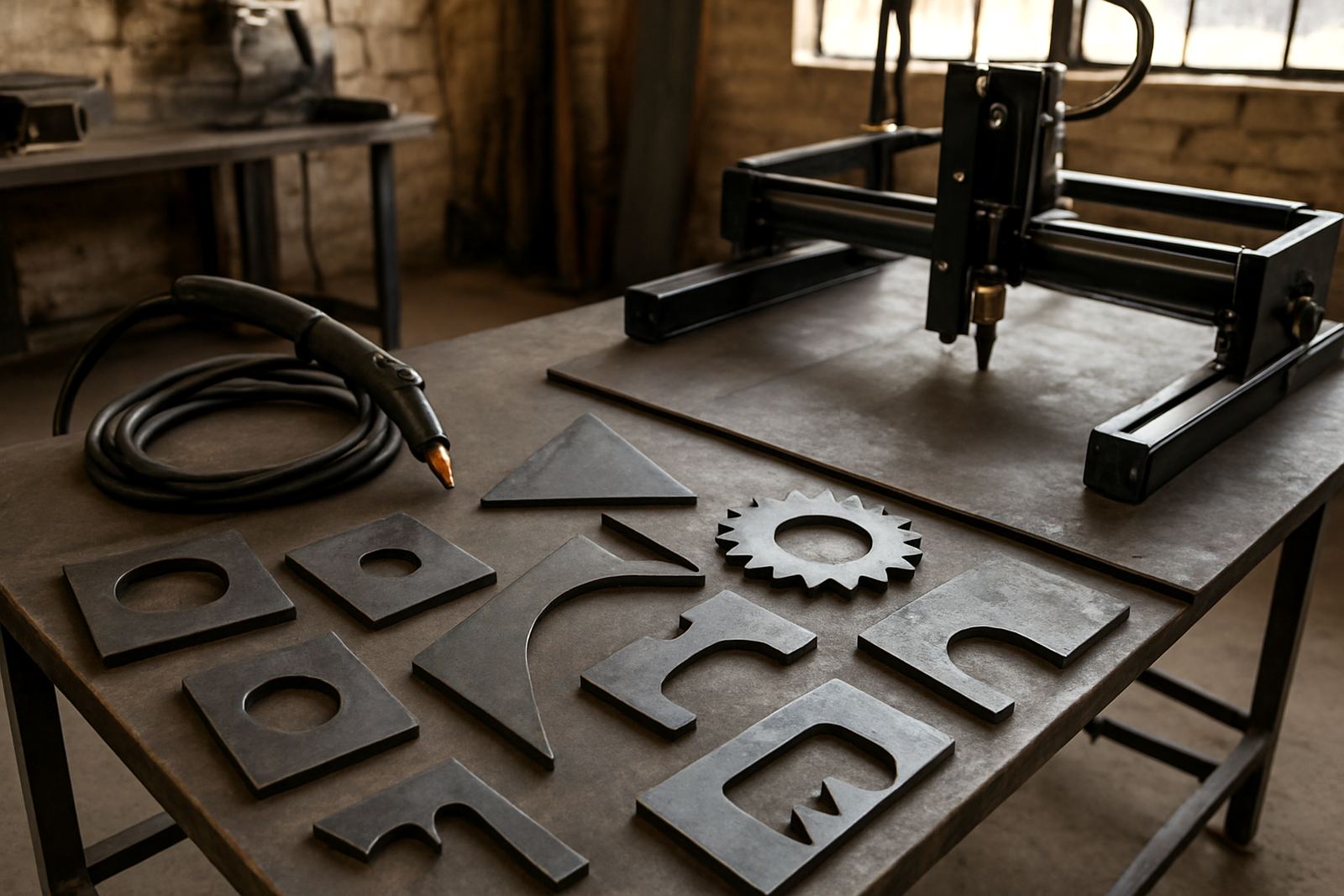
For CNC work, the program settings matter just as much. Pierce height, pierce delay, cut height and travel speed need to match the job. If the torch dives too soon, molten metal can blow back into the shield. If it waits too long, the heat sits in one area and shortens part life. This is where a proper commissioning check pays for itself, especially in busy shops that run jobs after load shedding and need the machine back on its feet quickly.
- Check the air pressure at the plasma cutter itself, not just at the compressor outlet.
- Drain moisture traps before long cutting runs.
- Inspect slats and support points for spatter build-up.
- Keep the plate clear of loose scrap that can reflect heat.
Safe piercing methods that protect the torch front end
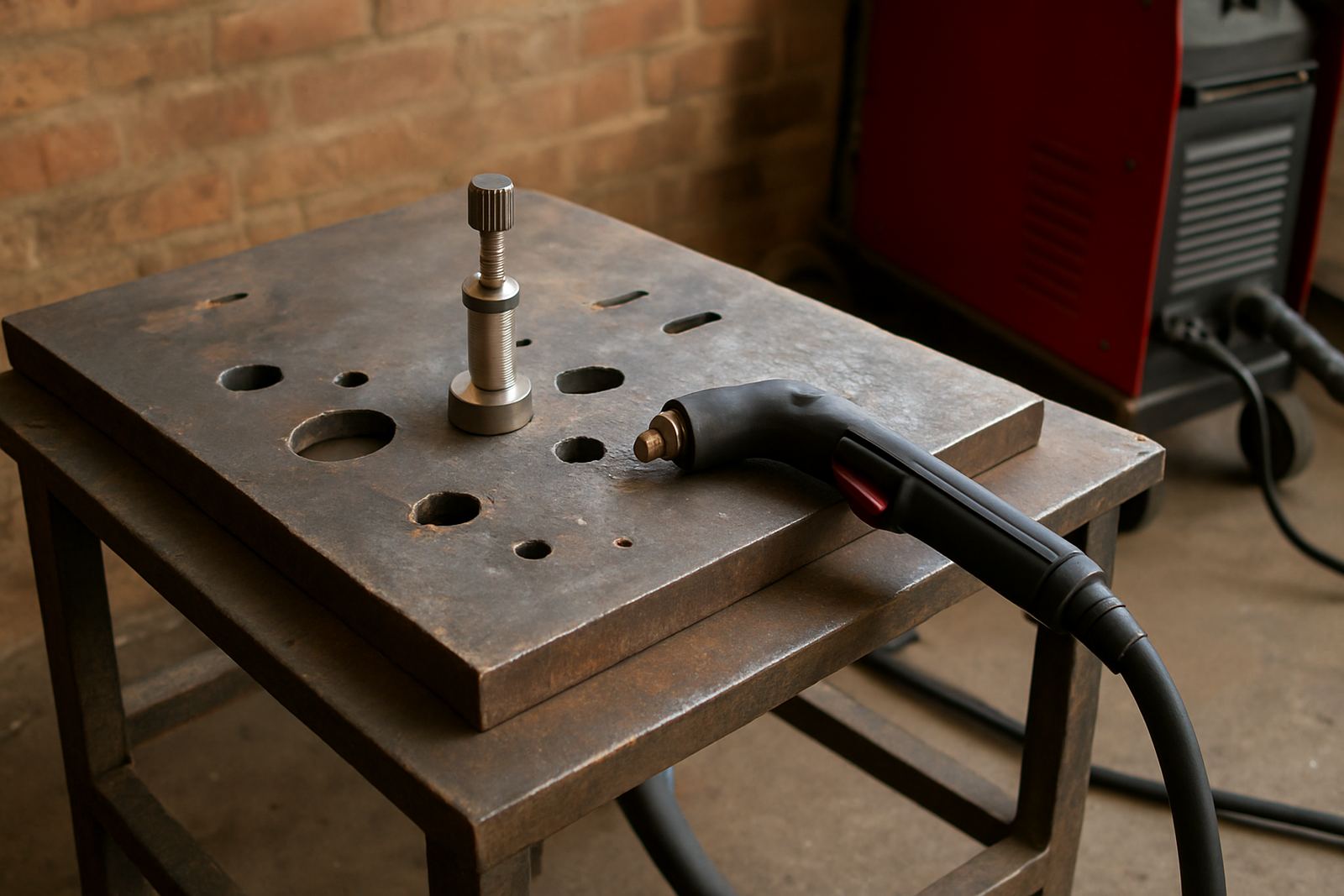
For thicker materials, a straight down pierce is not always the best option. On some jobs, a delayed edge start or a slight offset from the finished cut line reduces splash back into the torch. Where the table and program allow it, operators should use the safest pierce pattern for the part, not just the fastest one. The aim is to let the arc break through the plate cleanly before the torch starts moving across the cut path.
It is also important to stay within the torch rating. Forcing a handheld torch or CNC system to pierce beyond its intended range will shorten consumable life and can lead to repeated torch front end faults. We often find that the machine itself is fine, but the settings are being pushed too hard for the thickness being cut. That is where a simple adjustment can save a lot of downtime.
- Use a pierce delay long enough for full breakthrough.
- Keep the torch square to the plate unless the process calls for a different angle.
- Do not rush the first movement after pierce.
- Replace worn consumables before they start causing misfires.
Air quality and moisture control in local conditions
Air quality is a major factor in thick plate piercing, especially in areas where workshops run compressed air systems all day. Moisture, oil and dirt create unstable arcs and rough pierces. In humid weather, and especially near the Vaal, water in the line can collect faster than people expect. If the air system is not being checked often, the torch front end pays the price.
We recommend a proper air system inspection as part of routine maintenance, not only when the machine starts acting up. Check filters, dryers, drain points, hoses and fittings. Small leaks waste pressure and make the compressor work harder, which matters when power supply is already under strain. Clean air helps with piercing, cut consistency and torch life all at once. It is one of those small jobs that saves bigger problems later.
- Drain moisture traps at the start of the shift.
- Look for pressure drop when the torch fires.
- Replace damaged hoses and weak fittings promptly.
- Keep compressors and filters on a set service schedule.
How to spot trouble before a consumable failure
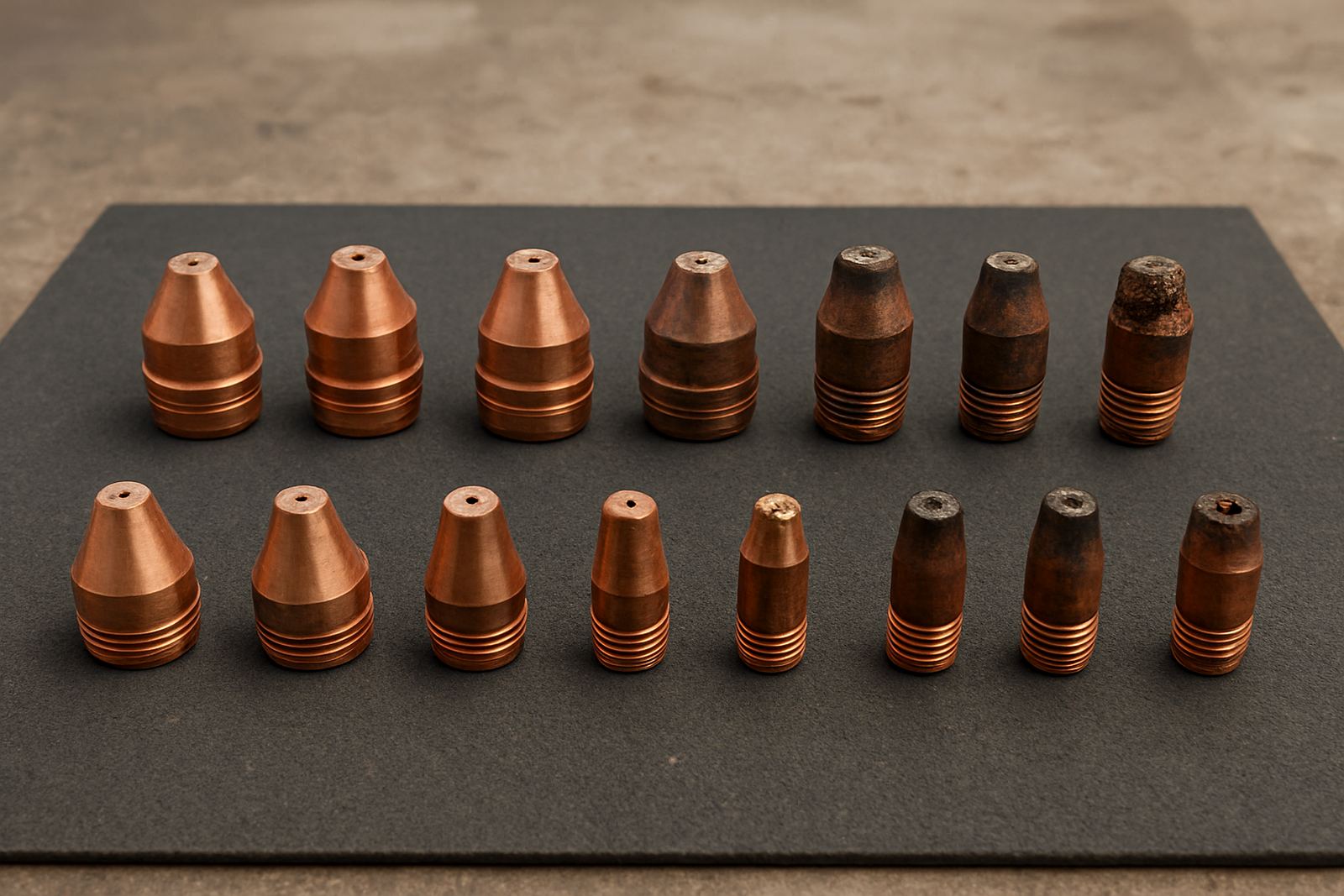
Most thick plate piercing problems show warning signs before a full failure. The arc may sound uneven, the pierce hole may grow larger than expected, or the torch may leave spatter that should not be there. Cut edges can start to show more dross, and the nozzle can wear unevenly on one side. If operators ignore these signs, the job may still finish but the torch front end will be badly worn by the end of the shift.
Training makes a real difference here. Operators who understand what a healthy pierce sounds and looks like are quicker to spot problems. That helps on both handheld jobs and CNC tables. In many Vereeniging and Vanderbijlpark workshops, the first sign of trouble is not a full stoppage but a small change in cut quality that people notice once they know what to look for.
- Watch for repeated double-arc starts or failed starts.
- Check for unusual splash marks around the pierce point.
- Inspect the nozzle and electrode after every heavy run.
- Record the thickness and settings used when faults appear.
A practical example from a Gauteng workshop
A local fabrication shop near Alberton was cutting thicker repair sections for transport equipment and kept losing nozzles within short runs. The problem was not the machine alone. The plate was slightly uneven, the air line carried moisture after a cold morning, and the pierce delay had been set too short for the thickness. The torch was moving before the metal had properly opened, so splash was hitting the front end again and again.
After a site visit, the team adjusted the pierce height and delay, checked the air system, and changed the operator routine so the torch did not move early. The shop also started checking consumables before each shift instead of waiting for failure. The result was fewer torch repairs, cleaner pierces and more predictable output. It was not fancy, just proper set-up and discipline. That is usually what solves these problems.
- Review settings for each material thickness, not one setting for all jobs.
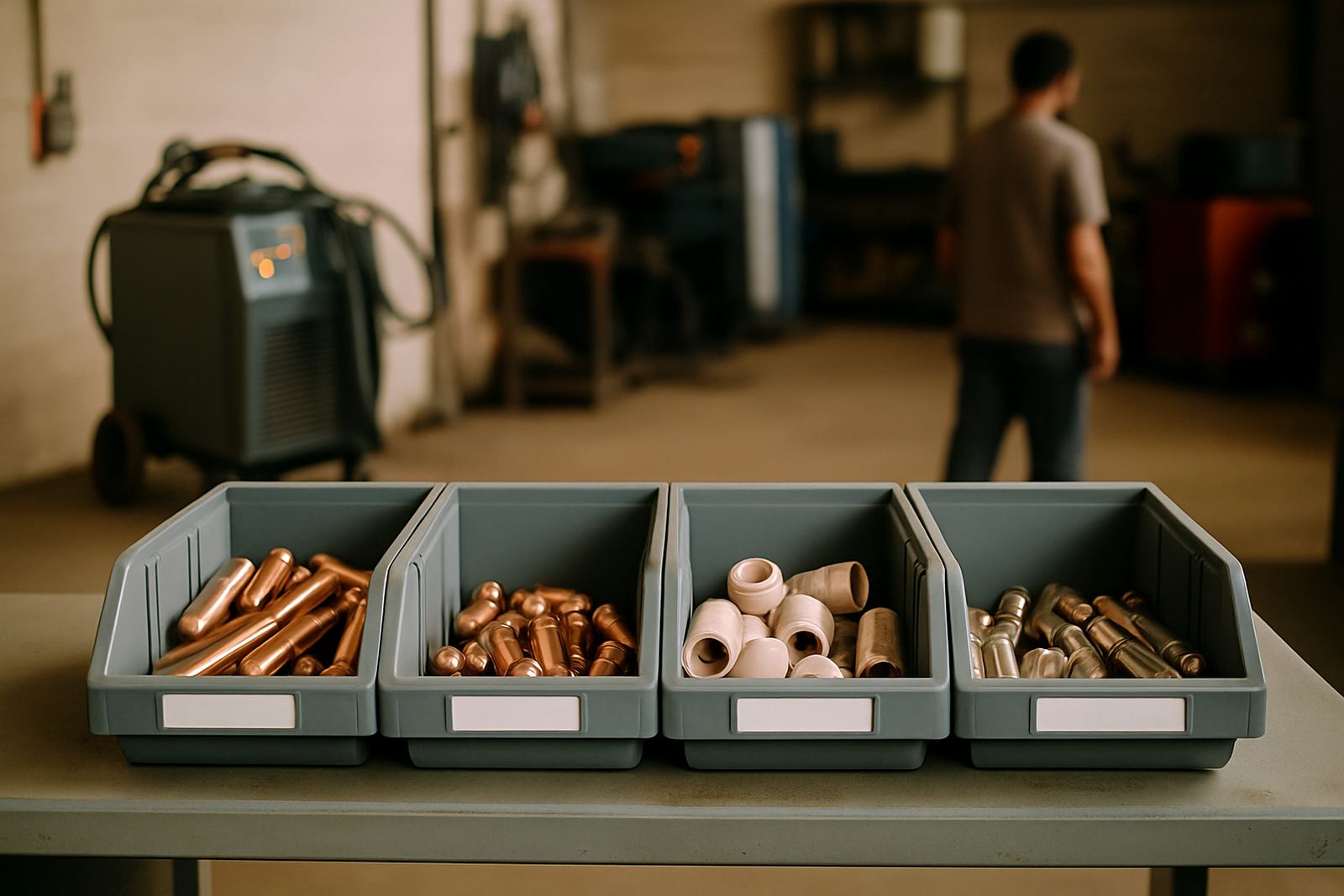
- Keep extra electrodes, nozzles and shields ready when thicker plate jobs stack up.
- Carry out cut quality audits when thick plate work is frequent.
When to call for servicing and training support
If thick plate piercing keeps damaging consumables, the issue may lie in the torch condition, table setup, height control calibration or air supply. That is when a proper inspection helps. Preventive maintenance, spares supply and machine commissioning can stop a small fault from becoming a repeat shutdown. For CNC tables, correct height control is especially important because a small error can turn into heavy splash very quickly.
PlasmaCutter works from Vereeniging and supports workshops across Gauteng and the Free State, including Vanderbijlpark, Sasolburg, Meyerton, Alberton, Germiston, Bloemfontein and Welkom. We assist with torch repairs, power source repairs, on site breakdowns, operator training and servicing for both handheld and CNC systems. If your team is piercing thick plate often, it is worth having the settings checked before consumable costs climb again.