
What the Vanderbijlpark yard needed
The yard was building and fitting trailers in regular batches, so the main need was consistency. Each bracket and hanger plate had to match the same holes, edge profile and mounting points every time, with no fiddling on site. The team also wanted parts that could move straight from cutting to fit-up, without extra grinding or rework.
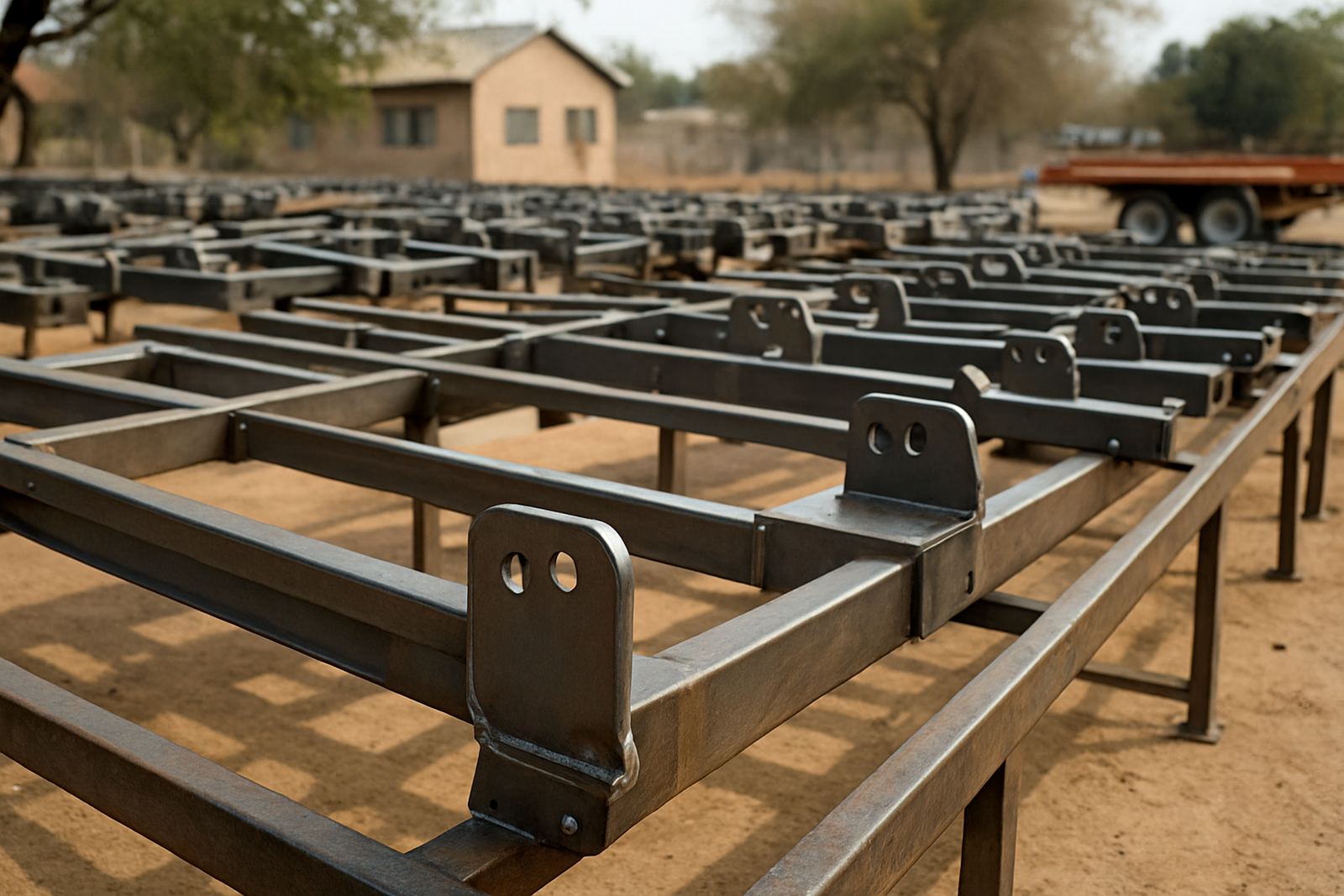
This was a practical fabrication job in Vanderbijlpark, where time on the floor matters. The brief was to produce repeat parts for trailer assembly, keep the finish clean enough for welding and allow the yard to keep its production moving even when power interruptions and weather slow other work down.
Brief, constraints and working conditions
The parts were for a busy trailer yard working with steel plate and regular repeat quantities. The biggest constraint was repeatability: once a bracket pattern was approved, every next batch had to match within tight tolerances. The team also needed a supplier who could handle both small follow-up runs and larger repeat orders without changing the fit or the process.
- Town: Vanderbijlpark, with work support from our Vereeniging base
- Part types: repeat trailer brackets and hanger plates
- Material: mild steel plate for fabrication use
- Typical plate thickness: 3 mm to 6 mm
- Priority: consistent hole position, square edges and clean fit-up
- Constraint: keep turnaround steady around yard production demands
Because trailer assembly yards often work around load shedding, shift timing and supplier delays, the job needed a supplier who could keep communication clear and deliveries on track. We also kept an eye on storage and handling so the cut parts would not arrive bent, marked or mixed up with earlier batches.
What PlasmaCutter supplied for the Vanderbijlpark trailer yard and how the cut was managed
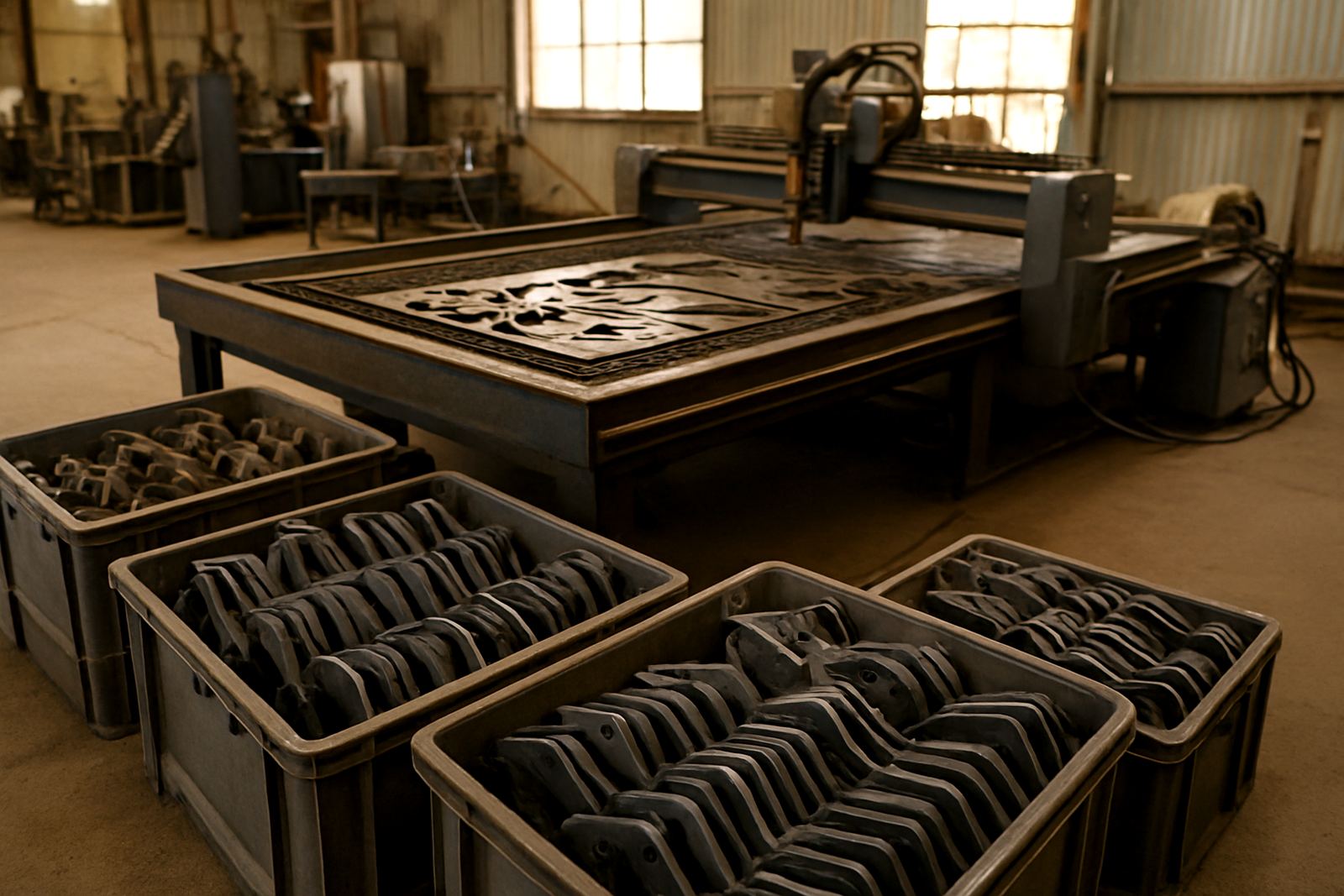
We produced the trailer brackets and hanger plates as repeat sets, with each batch checked against the approved pattern before release. The cut process was set up for clean edges and accurate hole placement, which reduced drilling and touch-up work at the yard. Where needed, we used additional inspection on critical mounting holes and corner geometry to keep fitment straightforward.
Our team handled the job from cut planning through to dispatch, with the parts sorted by type and batch. That made it easier for the yard to receive, issue and assemble components without mixing brackets that looked similar but served different positions on the trailer frame. On a production yard, that sort of detail saves time very quickly.
- Repeat cut batches for brackets and hanger plates
- Hole locations checked for matching assembly points
- Edges kept clean for direct welding and minimal dressing
- Parts labelled by batch to avoid mix-ups on the floor
- Support available if drawings or patterns needed clarifying
Timeline from first sample to repeat supply
The first sample set was turned around in week one so the yard could confirm fit before placing the repeat order. Once the pattern was approved, the follow-up batches were produced over the next two weeks and released in planned runs. The full supply phase ran over three weeks in total, which suited the yard’s assembly schedule.
That timing mattered because trailer production often runs in bursts. If one part is late, the whole frame can sit waiting. By keeping the schedule tight and the batch sizes predictable, we helped the yard line up cutting, welding and assembly without unnecessary stoppages.
Results on the assembly floor
The main result was less time spent adjusting parts at the bench. The brackets arrived ready for fitment, so the fabricators could move faster from positioning to tack weld and final weld. The yard also reported fewer mismatches between repeated parts, which helped keep the production line cleaner and the trailers more uniform.
For a trailer assembly yard, small savings add up. When each part lines up the first time, the welders spend more time building and less time correcting. The repeat supply approach also made stock planning easier, because the yard could call for the same part set again without starting from scratch.
- Better fit-up on the first try
- Less grinding and hole correction at assembly
- More predictable stock control for repeat builds
- Cleaner handover between cutting and welding teams
- Fewer delays when production needed another batch quickly
What we would keep the same for another trailer yard
For another trailer yard in Vanderbijlpark, Sasolburg or Alberton, we would use the same method again: approve one sample set, lock the pattern and then run repeat batches against the same reference. That approach keeps the parts consistent and avoids surprises once production is under pressure. It also works well where the yard is dealing with seasonal spikes or urgent customer orders.
We would also keep the parts grouped by batch and clearly marked from the start. In a busy fabrication yard, that simple step prevents confusion when several trailer models are in production at once. If a part needs a change later, it is far easier to trace when the earlier batches were packed and issued properly.
For yards working through municipal noise limits, yard access rules or limited after-hours activity, a planned batch supply is often the best fit. It keeps deliveries manageable and lets the welding team work around the day’s schedule without the site becoming overcrowded.
Repeat parts for busy steel workshops
Repeat fabrication work suits us because we understand the pressures on South African metal workshops: power cuts, tight deadlines, steel stock changes and the need to keep machines earning. Our focus is on parts that fit properly and can be used straight away, not parts that need extra correction after delivery.
For trailer yards, automotive shops and general fabricators across Gauteng and the Free State, that means practical support with clear communication. If a job needs a fresh batch, a consumables check, a maintenance visit or a cut quality audit, we can handle it from our Vereeniging base and keep the process moving.
Key facts
| Project type | Repeat trailer brackets and hanger plates for a trailer assembly yard |
|---|---|
| Town | Vanderbijlpark |
| Service area | Vereeniging base, with support across Gauteng and the Free State |
| Material range | Mild steel plate, typically 3 mm to 6 mm |
| Timeline | 3 weeks from sample approval to repeat supply |
| Outcome | Faster fit-up, fewer adjustments and more consistent repeat parts |